
Maid Cafes
Maid Cafes in Japan: A First-Timer’s Guide for Curious Travelers
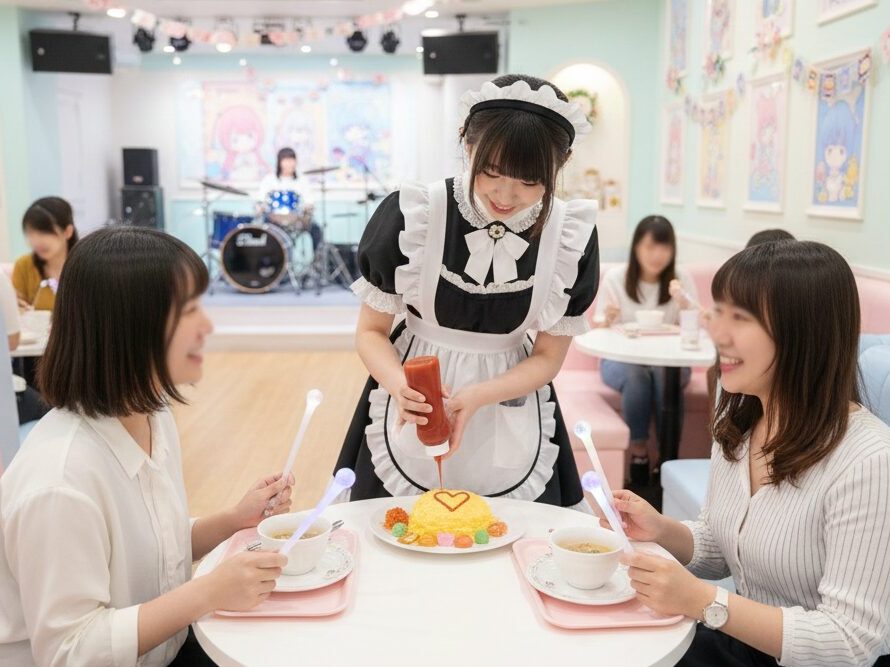
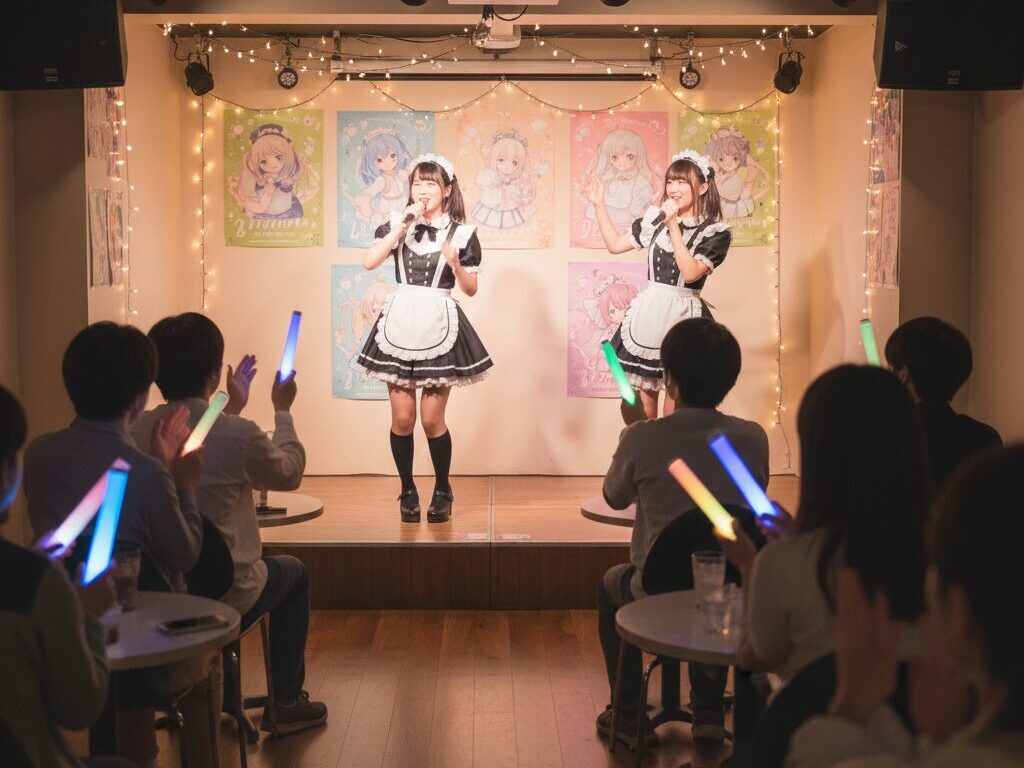
Maid cafes are one of Japan’s most unusual and memorable experiences, especially for first-time visitors. More than just themed restaurants, they are playful performance spaces where staff in maid costumes serve food, play games, and bring cute characters to life. If you’re planning a trip to Japan and wondering whether you should visit a maid cafe, this guide will walk you through what to expect, how to behave, and where to go.
What Is a Maid Cafe?
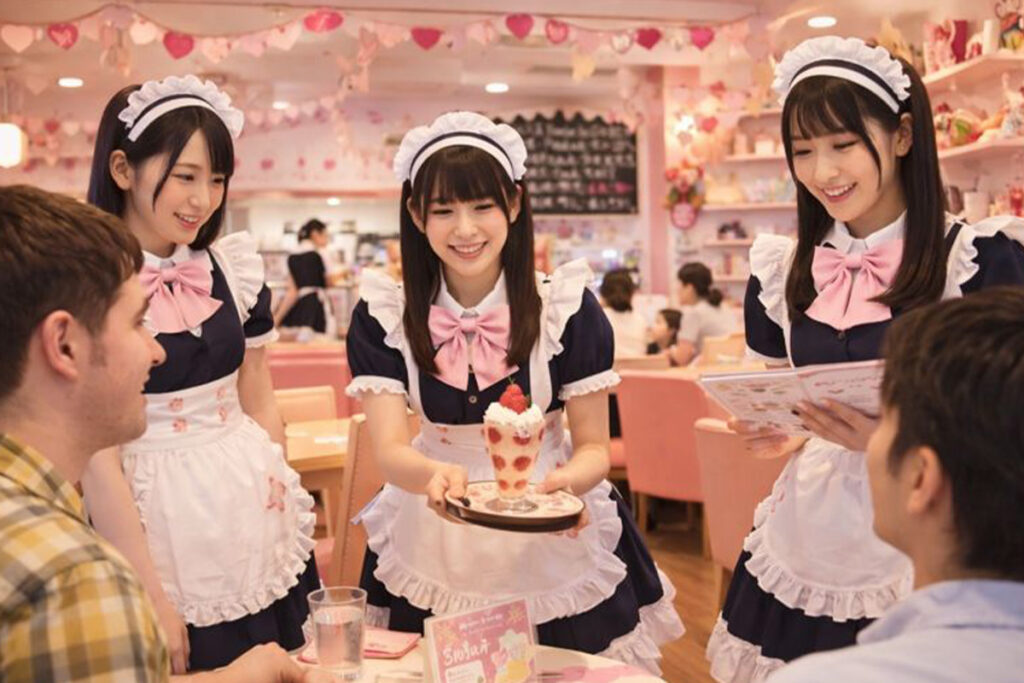
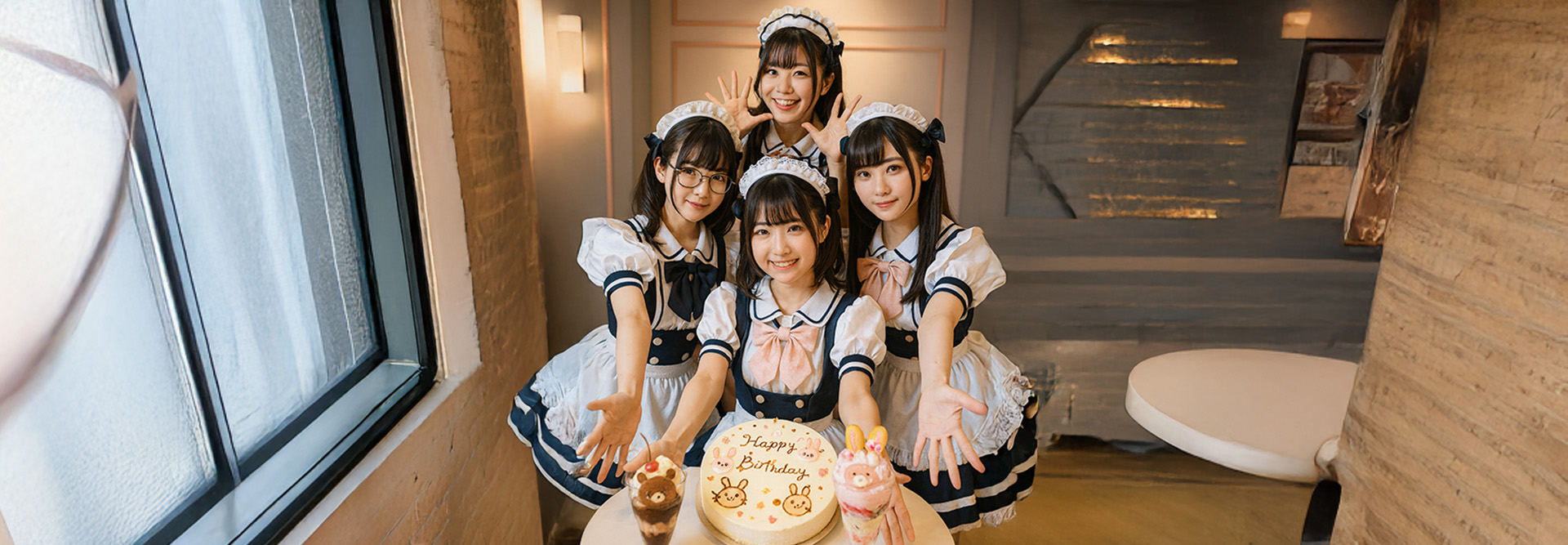
Maid cafes are a type of concept cafe born from Japanese otaku culture in Tokyo’s Akihabara district. The theme is simple: guests are treated like the “master” or “princess” of a private mansion, and the staff (usually young women dressed in maid outfits) act in an exaggeratedly cute, polite, and sometimes theatrical way.
Unlike nightclubs or adult venues, mainstream maid cafes are typically lighthearted and PG-rated. The focus is on “moe” culture — a Japanese term that refers to an affectionate fondness for cute, fictional characters. Think cartoonishly sweet voices, heart-shaped ketchup decorations on your omelet, and silly call-and-response chants before you eat.
Most maid cafes are aimed at domestic customers and anime fans, but many now welcome international tourists with English menus, pictogram-heavy signs, and basic multilingual support.
Where to Find Maid Cafes in Japan
Akihabara: The Heart of Maid Cafe Culture
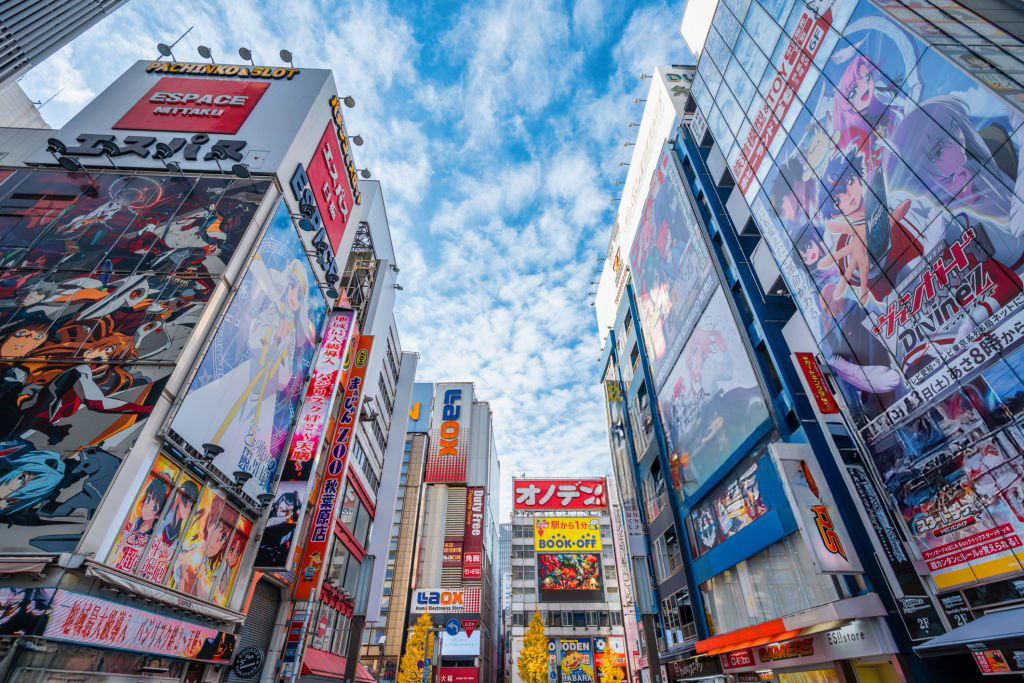
Akihabara in Tokyo is the spiritual home of maid cafes. As you walk from the station’s Electric Town Exit, you’ll see costumed maids handing out flyers on the street (note that some areas have restrictions on flyer distribution, so this is less visible than it used to be). Within a few blocks, you can choose from large chain-style cafes with neon signs and big elevators, or tiny, themed spaces on upper floors of older buildings.
Akihabara is the best choice if you want your first experience to feel like the classic image of a maid cafe: bright, busy, and filled with anime-inspired decor and J-pop playing in the background.
Other Tokyo Neighborhoods
Maid cafes have spread beyond Akihabara into areas like Shinjuku, Shibuya, and Ikebukuro. These are often smaller, more relaxed, or more niche in theme — such as cafes based on fantasy worlds, specific anime styles, or historical aesthetics like Victorian England. Ikebukuro, known for its female otaku culture, also has “butler cafes,” where male staff in tuxedos serve mostly female guests in a reversed concept.
Osaka, Nagoya, and Beyond
You can also find maid cafes in other major cities, especially near electronics districts, anime shops, or game centers. Osaka’s Nipponbashi (often called Den Den Town) is the Kansai region’s answer to Akihabara, while cities like Nagoya, Fukuoka, and Sapporo usually have at least a few options catering to local fans and curious visitors.
What to Expect Inside a Maid Cafe
Atmosphere and Decor
Inside a maid cafe, expect bright colors, anime posters, soft lighting, and pop music. Some cafes aim for a cute, pastel-colored “dollhouse” look, while others lean into fantasy settings like magical schools, royal mansions, or even science-fiction spaceships.
Tables are usually small, with a clear view of the stage or central area if there are performances. Many cafes play short shows, such as mini idol-style concerts, dance routines, or interactive games between seatings.
Staff and Role-Play
When you enter, maids typically greet you with a phrase like “Okaeri nasaimase, goshujin-sama!” (“Welcome home, Master!”) or “Okaeri, ojou-sama!” (“Welcome home, my lady!”). The language is intentionally theatrical — they pretend you are returning to your private mansion.
Staff may kneel to take your order, chat briefly about where you are from, or ask what brings you to Japan. Some maids maintain a “character” — shy, clumsy, energetic, or magical — and may remain in that persona throughout your visit. The performance aspect is part of the appeal.
Menus: Cute Food and Colorful Drinks
Expect simple, café-style food with a cute twist: omurice (omelet rice) decorated with ketchup hearts or cartoon faces, animal-shaped pancakes, pastel parfaits, and colorful mocktails. Many menus feature character-themed items or seasonal dishes, especially around holidays like Halloween, Christmas, and cherry blossom season.
Maid cafes typically charge slightly higher prices than regular cafes because the cost includes the entertainment atmosphere. A basic set — one drink and one food item — often starts around 1,500–2,500 yen, sometimes with an added table or “system” charge per hour.
Shows, Games, and Photo Options
Many maid cafes offer optional add-ons:
- Live performances: Short dance or singing shows, often in idol style, where maids perform on a small stage.
- Table games: Simple card games, Jenga, or quiz games you can play with a maid for a small fee and a limited time.
- Photo souvenirs: Polaroid-style photos with a maid, decorated with colorful pens and doodles, are a classic keepsake.
If you choose a set that includes a photo, the maid will usually explain where to stand, what pose to do, and then decorate the print with your name and cute drawings.
How to Visit a Maid Cafe: Step-by-Step
1. Choosing a Cafe
Start in a tourist-friendly area like Akihabara. Look for signs that indicate “English OK” or “Welcome, tourists.” Large chains generally have clearer systems and are more accustomed to first-time visitors, including families and mixed-gender groups.
Check the entrance or menu outside for:
- Table charge or time limit: Some charge a fee per hour or set time blocks (for example, 60 minutes).
- Minimum order: Often at least one drink per person, sometimes a food item as well.
- Set menus: Bundles that include a drink, food, and a photo are popular with visitors.
2. Entering and Being Seated
A maid will greet you at the entrance and explain the system, sometimes showing a laminated card with English translations and prices. You may be asked how many people are in your group and whether you prefer smoking or non-smoking (less common now but still possible in some places).
Once seated, you’ll receive a menu and an explanation of the time limit, if any. Don’t hesitate to ask if you do not understand charges; staff are usually patient and used to clarifying things for foreign guests.
3. Ordering Food and Drinks
You will generally need to order at least one item per person. Many first-time visitors choose a set menu designed for tourists with a main dish, drink, and photo. If you have dietary restrictions, options can be limited, but pointing out “no meat,” “no fish,” or “allergy” on a translation app can sometimes help.
When your food arrives, the maid may perform a little “magic” chant over it — a playful call-and-response where you repeat cute phrases and hand gestures. It may feel a bit silly, but it’s part of the experience.
4. Enjoying the Entertainment
During your visit, maids might stop by your table for brief conversation, invite you to join a game, or announce the start of a performance. Participation is optional, but joining in can make your visit more memorable. If there is a live show, guests are often encouraged to clap along or use glow sticks (sometimes provided or sold on-site).
5. Paying and Leaving
When your time is nearly up, staff may remind you gently. Bills are usually paid at the counter near the exit. Check that all system charges and optional extras are included; the final amount should match what was explained when you arrived.
Tipping is not customary in Japan, including in maid cafes. A simple “Arigatou gozaimasu” (“thank you very much”) is enough when you leave.
Essential Etiquette in Maid Cafes
Maid cafes have strict rules to protect staff and maintain a comfortable atmosphere. Ignoring them can lead to being asked to leave.
No Touching and Personal Boundaries
Physical contact with maids is strictly forbidden. This includes hugging, touching hands beyond brief game-related contact, or trying to put your arm around them for photos. Treat the interaction as a performance, not a personal or romantic encounter.
Photography Rules
Most maid cafes do not allow customers to take photos of the staff with their own cameras or phones. Photography of the interior may also be restricted. If photos are allowed, it will usually be clearly stated, and some cafes specify “no photos of staff, only of your food.”
If you want a picture with a maid, purchase an official photo option. Staff will guide you on what is acceptable.
Conversation and Privacy
Light conversation is welcome, but avoid overly personal questions about maids’ real names, addresses, social media, or relationships. Many maids use stage names and maintain a separation between work and private life.
It is also considered bad manners to follow staff outside the cafe or wait for them after work. This kind of behavior is taken seriously and can lead to being banned.
General Manners
Speak at a normal volume, avoid disruptive behavior, and follow any instructions given by staff. Remember that many cafes also have regular local customers who value the atmosphere and may be sensitive to loud or disrespectful groups.
Costs and Time: Planning Your Visit
For first-time visitors, budgeting both time and money will help you enjoy the experience without surprises.
- Typical visit length: 60–90 minutes, depending on the time system.
- Average cost per person: Around 2,000–4,000 yen, including a food-and-drink set and perhaps a photo souvenir.
- Peak times: Weekends and evenings tend to be busier; you may be asked to wait or share a larger table.
Many travelers pair a maid cafe visit with other activities in the area, such as exploring game centers, anime shops, and electronics stores in Akihabara or Nipponbashi.
Is a Maid Cafe Suitable for You?
Maid cafes can be enjoyable for a broad range of travelers, but they are not for everyone. The experience is intentionally exaggerated, cute, and theatrical. If you enjoy pop culture, performance, and trying something distinctly different from everyday life, a maid cafe can become one of your trip’s most memorable stories.
Families with older children or teenagers who like anime may also enjoy the novelty, though you’ll want to choose a mainstream, well-known cafe rather than a niche or late-night venue. Couples and friend groups who approach the experience with a sense of humor and curiosity usually come away smiling.
On the other hand, if you dislike loud environments, role-play, or being the center of attention, the experience may feel awkward. In that case, you might prefer other themed cafes such as animal cafes (cats, owls, hedgehogs) or character cafes dedicated to popular franchises.
Cultural Context: Understanding the Appeal
Maid cafes reflect several aspects of contemporary Japanese culture:
- Otaku culture: They emerged alongside anime, manga, and video game fandom, offering fans a place to immerse themselves in fantasy worlds.
- “Moe” aesthetics: The focus on cuteness, innocence, and exaggerated politeness is tied to a broader cultural fascination with charming characters.
- Hospitality with a twist: Japan is famous for its high standard of service; maid cafes amplify this into a playful performance, where hospitality becomes part theater, part fan service.
For international visitors, maid cafes are an accessible window into subcultural Japan. Even if you are not deeply into anime, seeing how locals interact with these spaces can add depth to your understanding of modern Japanese urban life.
Tips for a Smooth First Visit
- Go with an open mind: Embrace the silliness; you’re there to experience something you can’t find at home.
- Bring cash: Some smaller cafes may not accept international credit cards.
- Check age restrictions: A few venues may have evening age limits; if you’re traveling with children, visit in the daytime.
- Use basic Japanese phrases: Simple expressions like “Sumimasen” (excuse me) and “Arigatou” (thank you) help interactions go smoothly.
- Confirm the rules: If you’re unsure about photos, time limits, or charges, ask at the start. Staff are used to explaining house rules.
Visiting a maid cafe in Japan is less about gourmet dining and more about stepping into a living cartoon for an hour. Approached with curiosity and respect, it can be a highlight of your trip, adding a uniquely Japanese flavor to your travel memories.
Explore Other Cultures
Anime & Manga Culture
Amusement Arcade

Karaoke
Maid Cafes
Cosplay Culture
Useful Links
Maid Cafe Experience: Maidreamin (Tokyo)