
Makuhari Messe
Makuhari Messe Japan Travel Guide for First-Time Visitors
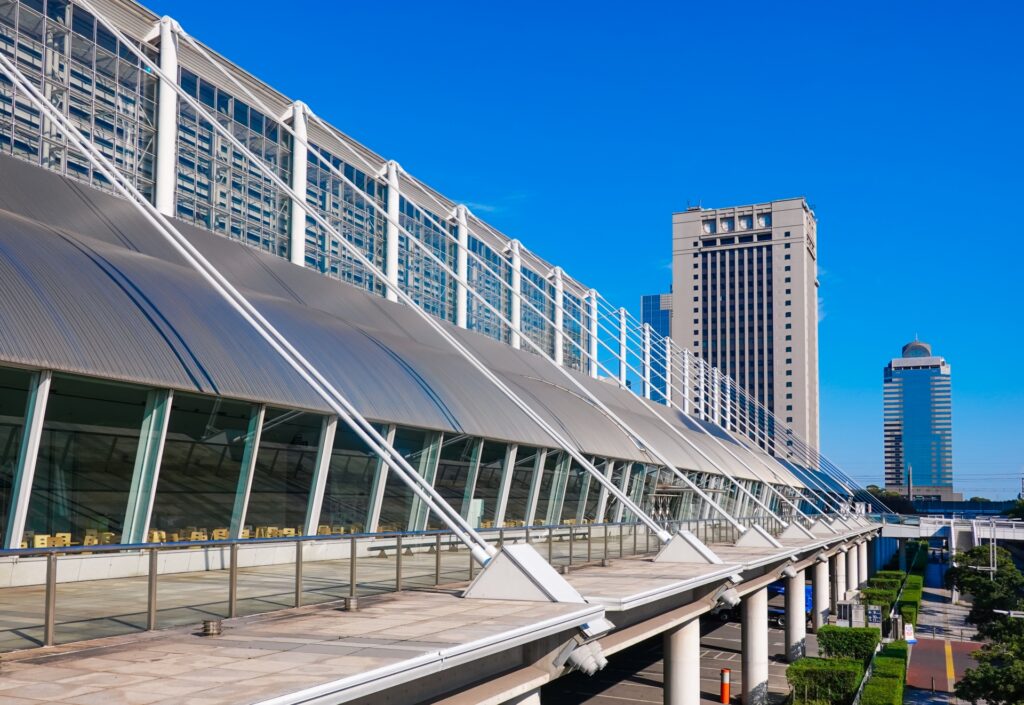
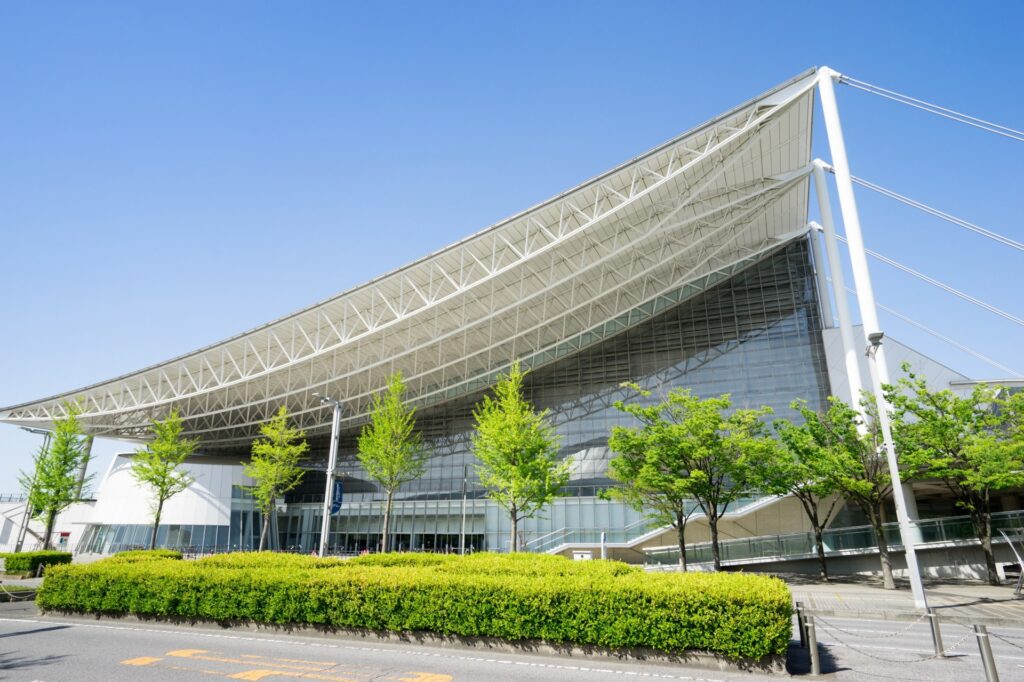
Just 30 minutes from central Tokyo, Makuhari Messe is one of Japan’s largest convention and event centers, anchoring a modern seaside district in Chiba Prefecture. For first-time visitors to Japan, it often appears on the itinerary because of a concert, a fan event, or a massive trade show such as Tokyo Game Show. But Makuhari is more than a venue you rush in and out of: the surrounding Makuhari New City area offers shopping, dining, parks, seaside walks, and a very different atmosphere from Tokyo’s crowded downtown.
What Is Makuhari Messe?
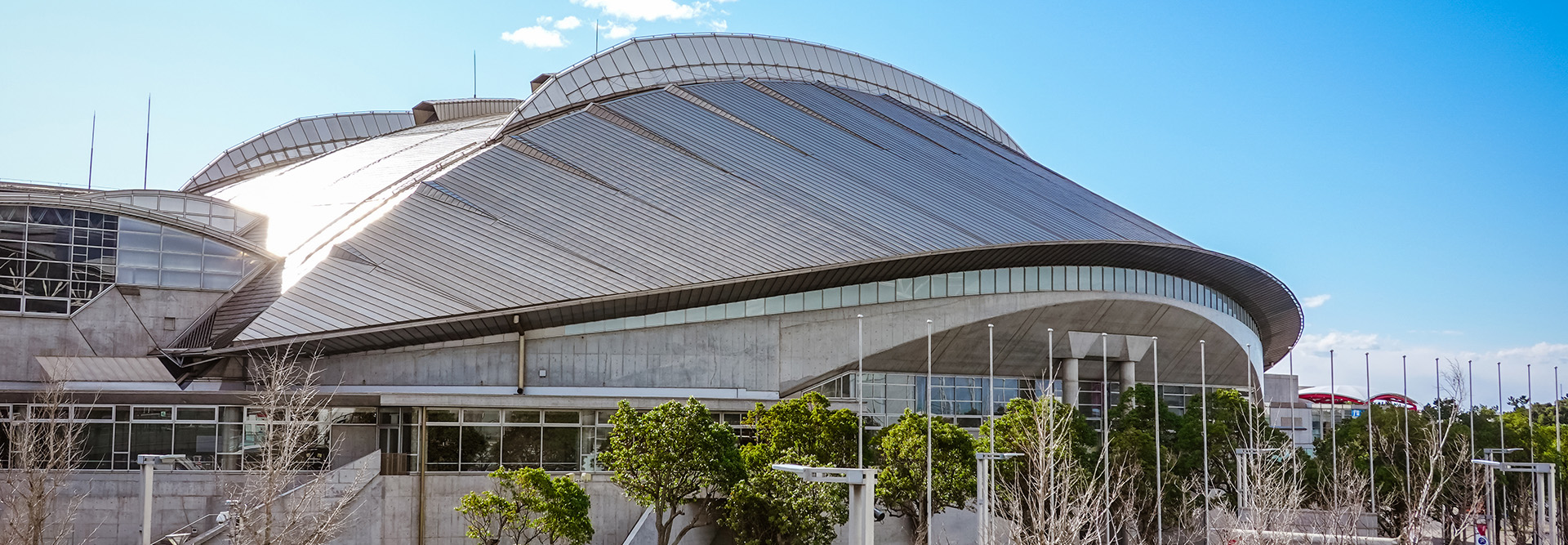
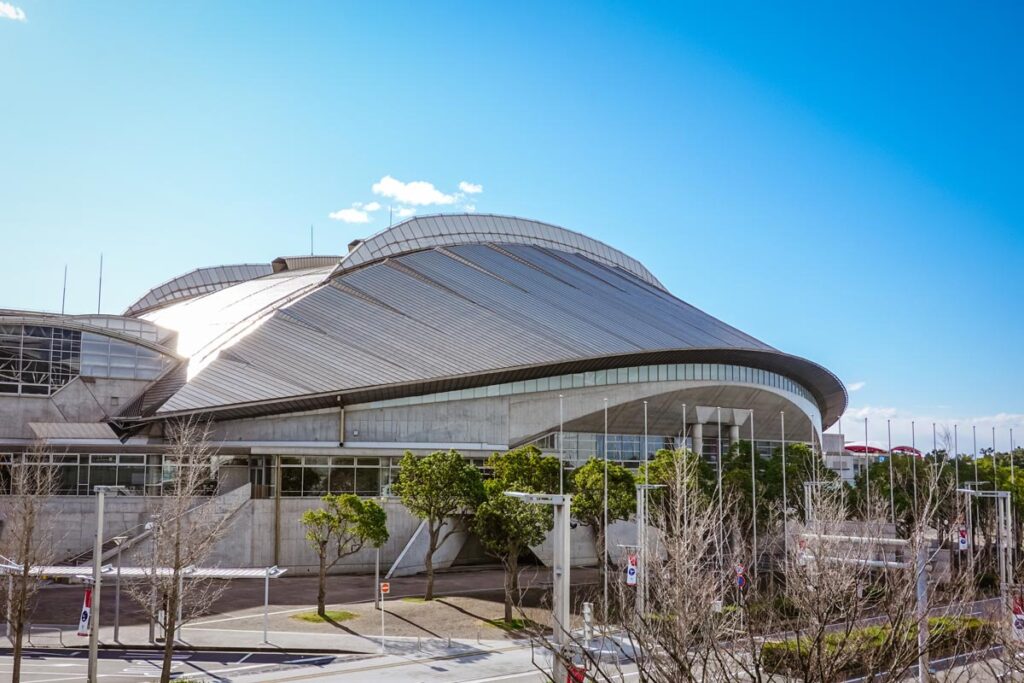
Makuhari Messe is a huge convention complex opened in 1989 along the Tokyo Bay coast. Designed as a futuristic business and leisure district, the area features wide avenues, modern architecture, and a surprisingly relaxed seaside vibe. The name “Messe” comes from the German word for “trade fair,” reflecting its role as an international exhibition center.
The complex is divided into three main zones:
- International Exhibition Halls – cavernous spaces used for trade shows, gaming expos, anime and manga events, and large-scale fan gatherings.
- International Conference Hall – meeting rooms, halls, and auditoriums for academic conferences, corporate events, and symposia.
- Makuhari Event Hall – an arena-style space hosting concerts, sports events, and live performances.
On any given weekend, the area can fill with cosplayers, business travelers, music fans, or sports supporters. Even if you are not attending a particular event, walking around during a big show offers a glimpse into contemporary Japanese pop culture and fandom.
Why Makuhari Messe Belongs on Your Japan Itinerary
Most international travelers discover Makuhari Messe because of a specific event, but it is worth considering even as a day trip from Tokyo. Here are some reasons it can be a memorable stop:
1. A Window into Modern Japanese Mega-Events
Japan is famous for its precise organization and large-scale events. Makuhari Messe is where you can feel that on the ground. From game launches to idol concerts, this is where industry insiders, fans, and international visitors converge.
Major events held here have included:
- Tokyo Game Show – One of the world’s largest gaming expos, with playable demos, new releases, and esports stages.
- Anime and pop-culture festivals – Showcases of anime, manga, and character goods, often with cosplay and live performances.
- Music concerts and festivals – Japanese bands, global artists, and multi-stage festivals in the Event Hall or adjacent outdoor spaces.
Attending one of these gives you a concentrated dose of Japanese pop culture, technology, and design in a single, walkable area.
2. An Easy Base Between Tokyo and Narita
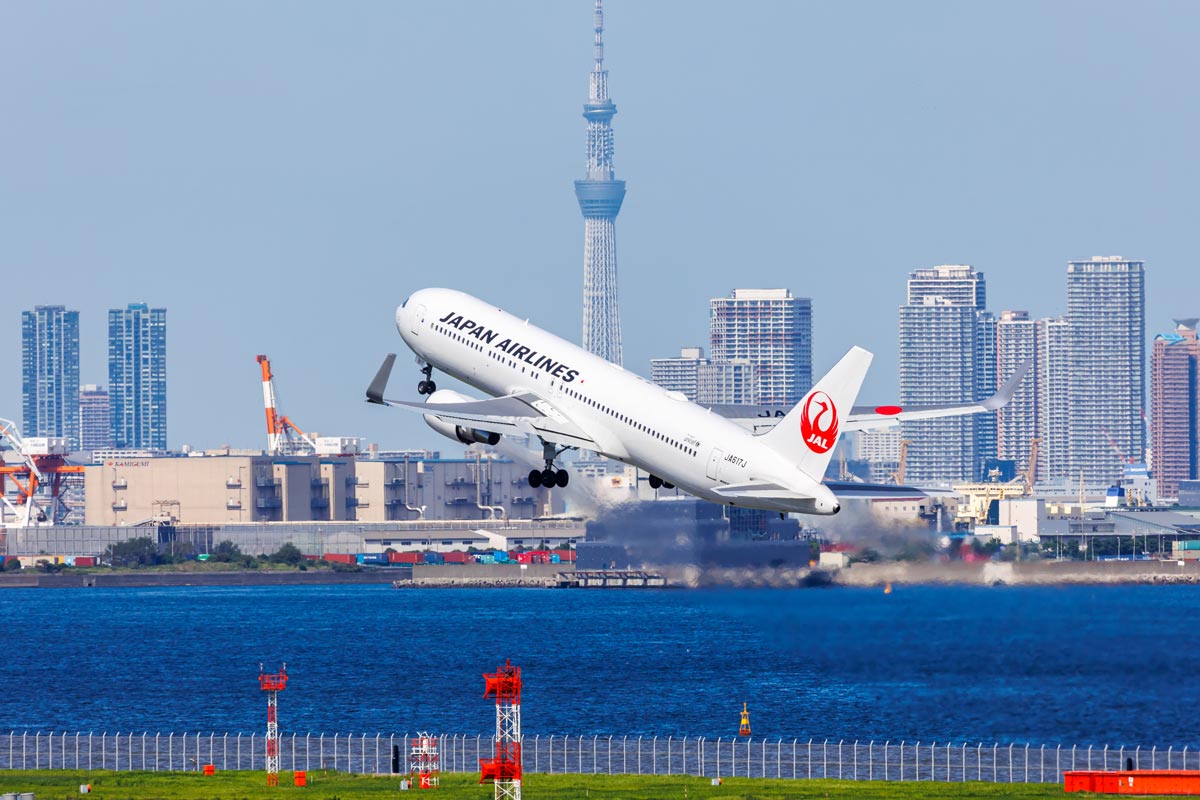
Makuhari sits between central Tokyo and Narita Airport, making it strategically useful for first-timers who want an easy arrival or departure day. With direct highway bus links and frequent trains, you can treat Makuhari as a convenient first or last stop in Japan without diving immediately into Tokyo’s busiest neighborhoods.
3. Shopping, Dining, and the Sea Breeze
Unlike dense downtown districts, Makuhari offers wide sidewalks, open plazas, and views of Tokyo Bay. After a long flight or a crowded event, it’s a comfortable place to stretch your legs, relax in a park, or enjoy a meal at a slower pace than Shinjuku or Shibuya.
How to Get to Makuhari Messe
From Central Tokyo
Makuhari Messe’s closest railway station is Kaihin-Makuhari Station on the JR Keiyō Line. This station is a short walk from the venue, passing through a modern commercial district.
- From Tokyo Station: Take the JR Keiyō Line toward Soga. The journey takes about 30–35 minutes. Local and rapid services both stop at Kaihin-Makuhari.
- From Shinjuku/Shibuya: Ride the JR Yamanote Line to Tokyo Station, then transfer to the Keiyō Line. Allow around one hour in total, depending on connections.
Note that the Keiyō Line platforms at Tokyo Station are a long walk from the main concourse. Follow the signs carefully and allow extra time if you are unfamiliar with the station.
From Narita Airport
Makuhari Messe is relatively convenient from Narita Airport, which is helpful if you are attending an event straight after landing.
- Airport Bus: Highway buses run from Narita to hotels in the Makuhari area and sometimes directly to Makuhari Messe during major events. This is the most convenient option with luggage.
- Train: Take the JR Narita Line or Keisei Line into Chiba or Tsudanuma, then transfer to the JR Keiyō Line for Kaihin-Makuhari. Travel time is typically 60–80 minutes depending on connections.
From Haneda Airport
From Haneda, you can ride the Tokyo Monorail or Keikyū Line into central Tokyo, then transfer to the JR lines. Allow 60–90 minutes total travel time.
Navigating the Makuhari Messe Complex
Makuhari Messe is large, but well signposted in English and Japanese. When you exit Kaihin-Makuhari Station, follow the overhead signs and map boards. The route is straightforward and usually marked with banners during major events.
Key Areas Inside Makuhari Messe
- International Exhibition Hall 1–8: Often used together for massive shows; expect crowds and long lines.
- International Exhibition Hall 9–11: Additional halls across an internal passageway or outdoor corridor, depending on the layout.
- Event Hall: A dome-like arena for concerts and sporting events, with tiered seating and standing areas.
- Conference Hall: Multi-level structure with smaller rooms, often used for symposiums, lectures, and ceremonies.
When attending a specific event, check your ticket or official website carefully: Japanese events are punctual, and you may need to queue in a particular zone well before doors open.
Facilities and Services
Makuhari Messe is equipped with facilities that make visits easier for international travelers:
- Information desks with English signage and staff who can help with basic questions.
- Coin lockers and cloakrooms (varies by event) for luggage or shopping bags.
- Restrooms throughout the complex, generally clean and well maintained.
- Concession stands and small cafes inside, plus many more restaurants in the surrounding area.
- Free or event-based Wi-Fi, though coverage and speed may vary on busy days.
What to Do Around Makuhari Messe
Makuhari New City: Shopping and Dining
Just outside the venue you will find Makuhari New City, a planned district with office towers, hotels, malls, and green spaces. This area feels open and modern, with wide pedestrian decks connecting buildings.
Highlights include:
- Mitsui Outlet Park Makuhari – A popular outlet mall offering Japanese and international brands at discounted prices. It’s a good place to pick up clothing, shoes, and souvenirs between sessions.
- Plenty of restaurants and cafes – From casual Japanese chain restaurants to family-style eateries and international options. Look for lunch sets (teishoku) for good value.
- Convenience stores – Shops like 7-Eleven, Lawson, and FamilyMart near the station and hotels sell snacks, drinks, and quick meals, handy on busy event days.
Makuhari Seaside Park and Tokyo Bay
One of Makuhari’s charms is its proximity to the sea. A short walk from the convention center leads to Makuhari Seaside Park and the waterfront. Here you can enjoy:
- Wide lawns and walking paths – Ideal for a break from indoor event halls, especially in spring and autumn.
- Views across Tokyo Bay – On clear days you might see the outlines of Tokyo’s skyline and the bridges spanning the bay.
- Jogging and cycling routes – The open coastal paths are popular with local runners and cyclists.
In the evening, the combination of sea breeze, city lights, and the distant glow of Tokyo feels distinctly different from the crowded streets of the capital. It’s a calm and surprisingly romantic spot after a noisy concert or expo.
Sports and Entertainment Venues Nearby
The Makuhari area has also hosted sports events and has nearby facilities that occasionally open to the public for games, events, or special activities. Check local listings if you’re interested in catching a match or community event while you’re in the region.
Best Time to Visit Makuhari Messe
Because Makuhari Messe is an indoor venue, you can visit any time of year. Your experience, however, will depend on the season and the type of event you attend.
Seasonal Considerations
- Spring (March–May): Pleasant temperatures and cherry blossoms in nearby parks. This is a popular period for conferences and events, so book accommodation early.
- Summer (June–August): Hot and humid, with peak temperatures in July and August. There are many music festivals and pop-culture events, but lines and crowds can be intense. Bring water and a fan.
- Autumn (September–November): Comfortable weather and clear skies, excellent for enjoying the seaside park and outdoor walks between sessions.
- Winter (December–February): Chilly but often sunny. Some events feature winter illuminations around the complex and nearby shopping areas.
Japan’s public holidays and long weekends—such as Golden Week in early May and Silver Week in some years—can significantly increase crowd levels and hotel prices.
Practical Tips for First-Time Visitors
Tickets and Event Etiquette
For concerts, expos, or fan events, tickets often sell out quickly and may be limited to specific platforms. Many events now offer English information pages and sometimes international ticket options, but some still require Japanese-language platforms.
- Buy in advance where possible, especially for major shows.
- Arrive early to navigate entry procedures, security checks, and queues.
- Follow staff instructions – Japanese venues rely on orderly lines and clear announcements. Staff with signs will direct you to the correct entrance or waiting area.
- Photography rules may be strict, particularly at concerts and some trade shows. Look for “No Photo” signs and announcements.
Food and Breaks
At major events, indoor kiosks and nearby restaurants can become very crowded at lunchtime. To make things smoother:
- Consider eating an early or late lunch to avoid peak times.
- Pick up bento boxes or onigiri (rice balls) at convenience stores near the station before heading in.
- Carry a reusable water bottle; vending machines are plentiful but queues may form.
Staying Overnight
The Makuhari area has several business and resort-style hotels within walking distance of Makuhari Messe. Staying nearby offers advantages:
- You can avoid crowded last trains back to Tokyo after evening events.
- You have time for a relaxed breakfast and easy access to early morning sessions.
- The area is quiet at night, with a safe, business-district atmosphere.
If you prefer more nightlife, you can base yourself in central Tokyo and commute for the event, but plan your last train carefully—Japanese rail services finish around midnight.
Cultural Notes: Experiencing Japan Beyond the Event
Even though Makuhari Messe is a modern convention center, you can still observe everyday aspects of Japanese culture here:
- Politeness and order – Lines for entry, restrooms, and food kiosks are generally calm and structured. People rarely push or cut in.
- Cleanliness – Despite huge crowds, venues and surrounding streets are usually clean. Trash cans may be limited, so carry a small bag to hold your garbage until you find a bin.
- Quiet trains – Trains to and from Makuhari can be packed, but conversations remain relatively subdued. Keep phone calls brief and headphones at a reasonable volume.
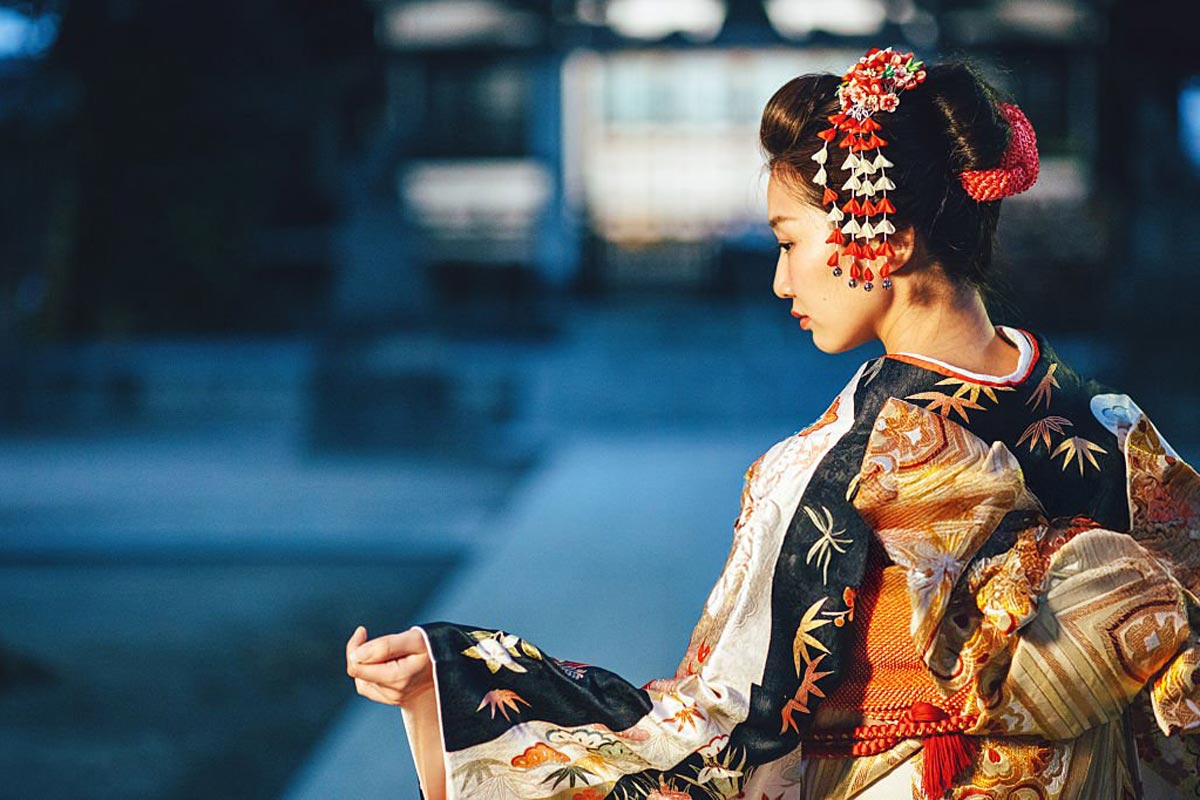
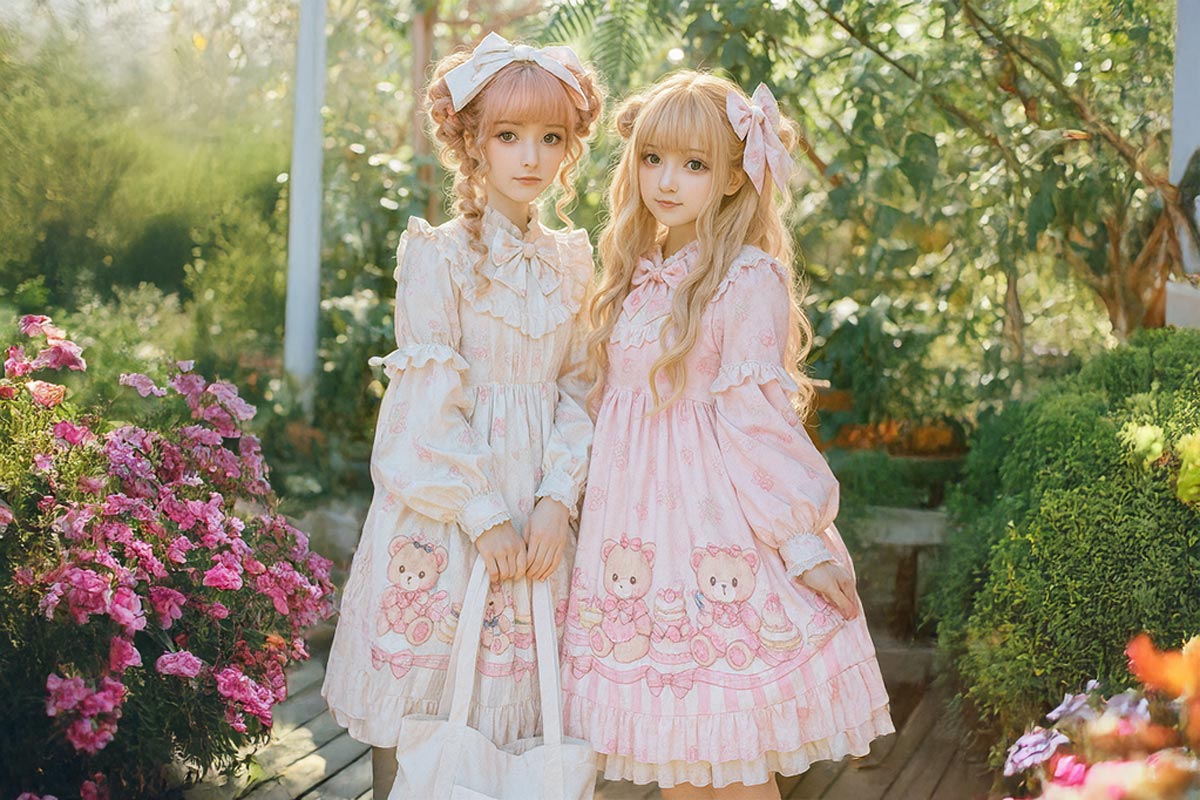
- Event fashion and cosplay – On big event days, you’ll see elaborate costumes and themed clothing. It’s acceptable to admire and take photos of the atmosphere, but ask permission before photographing individuals.
By paying attention to these details, you can appreciate how Japan balances massive crowds with an emphasis on courtesy and shared public space.
Combining Makuhari Messe with Other Destinations
Makuhari’s location makes it easy to connect with other popular destinations in and around Tokyo Bay.
- Tokyo Disney Resort – Located a few stops away on the JR Keiyō Line at Maihama Station. You can enjoy a day at Tokyo Disneyland or Tokyo DisneySea before or after your Makuhari visit.
- Chiba City – Explore local museums, shrines, and shopping streets by continuing on the JR lines deeper into Chiba.
- Central Tokyo – Use Makuhari as a calmer base, making day trips into Tokyo’s buzzing districts like Akihabara, Shibuya, or Asakusa.
This flexibility is particularly appealing if you’re new to Japan and want to balance intense urban experiences with a bit of breathing room.
Is Makuhari Messe Worth Visiting If You Don’t Have a Ticket?
Even without a specific event in mind, Makuhari can be an interesting half-day or day trip for travelers who enjoy architecture, modern city planning, and seaside walks. You can:
- Stroll the wide promenades between towers and plazas.
- Browse outlet stores and enjoy a relaxed meal.
- Walk to the seaside park and watch the ships crossing Tokyo Bay.
- Observe the colorful crowds arriving for events, getting a sense of Japan’s pop-culture landscape.
For most travelers, however, Makuhari Messe really shines when tied to a particular show, expo, or concert. If a favorite artist, game, or interest brings you here, consider it an opportunity not only to attend the event, but also to discover a different side of urban Japan—open, breezy, and designed for large-scale gatherings.
Whether you are stepping off a long-haul flight for your first taste of Japan or closing out your journey with one last unforgettable concert, Makuhari Messe offers a modern, accessible gateway to the country’s contemporary culture along the shores of Tokyo Bay.
Access Map
Recommended spots in Chiba
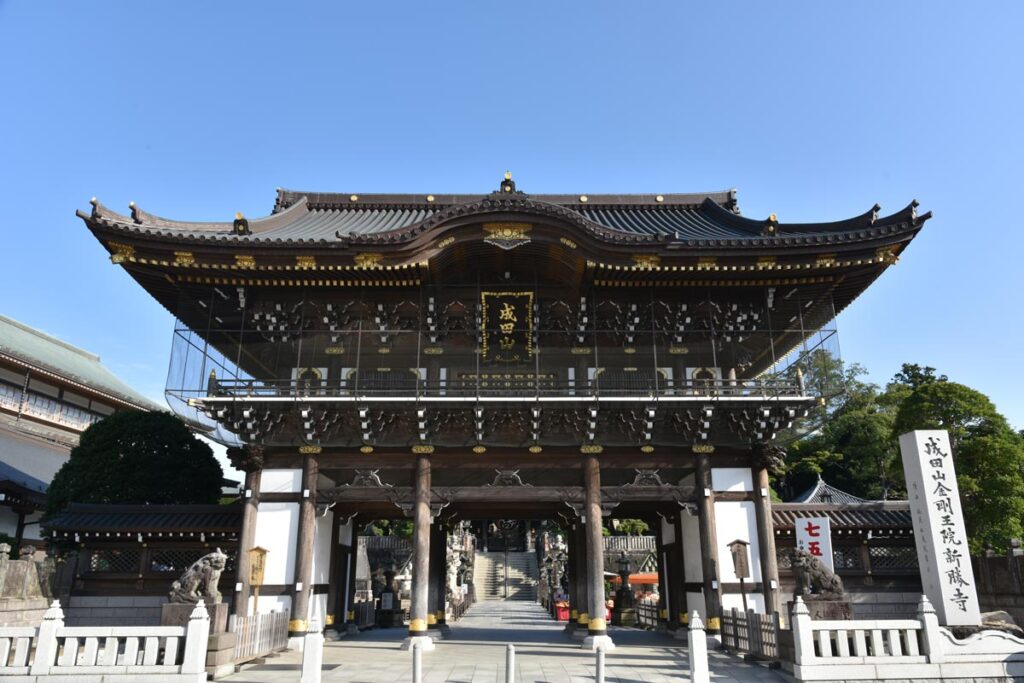
Naritasan Shinshoji Temple

Kamogawa Sea World
Makuhari Messe
Top destinations in Kanto Region
Tochigi
Kanagawa