



Manza-mo
Manza-mo Travel Guide: Okinawa’s Iconic Ocean Cliff
Photos are for illustrative purposes only.
On the western coast of Okinawa Island, facing the deep blue of the East China Sea, Manza-mo (sometimes written Manzamou or Manzamou) is one of Japan’s most photogenic coastal viewpoints. With its dramatic elephant trunk-shaped rock, glowing sunsets, and gentle sea breeze, this compact scenic spot is an easy and rewarding stop for first-time visitors to Japan exploring Okinawa.
This guide will help you understand the story behind Manza-mo, how to get there, what to expect on-site, and how to make the most of your visit.
What Is Manza-mo?
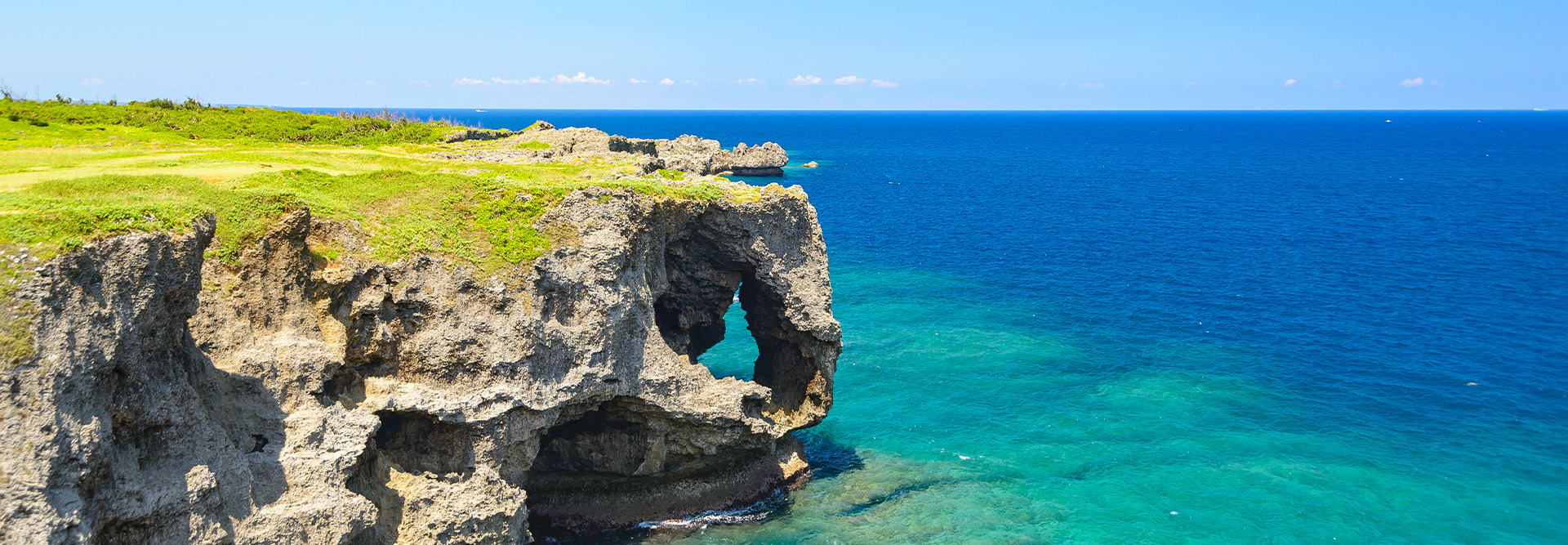
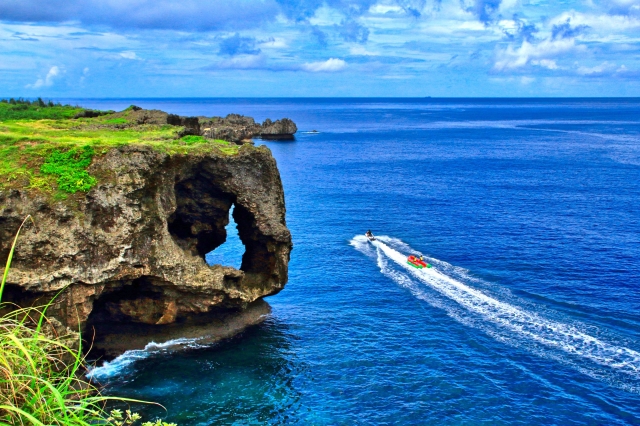
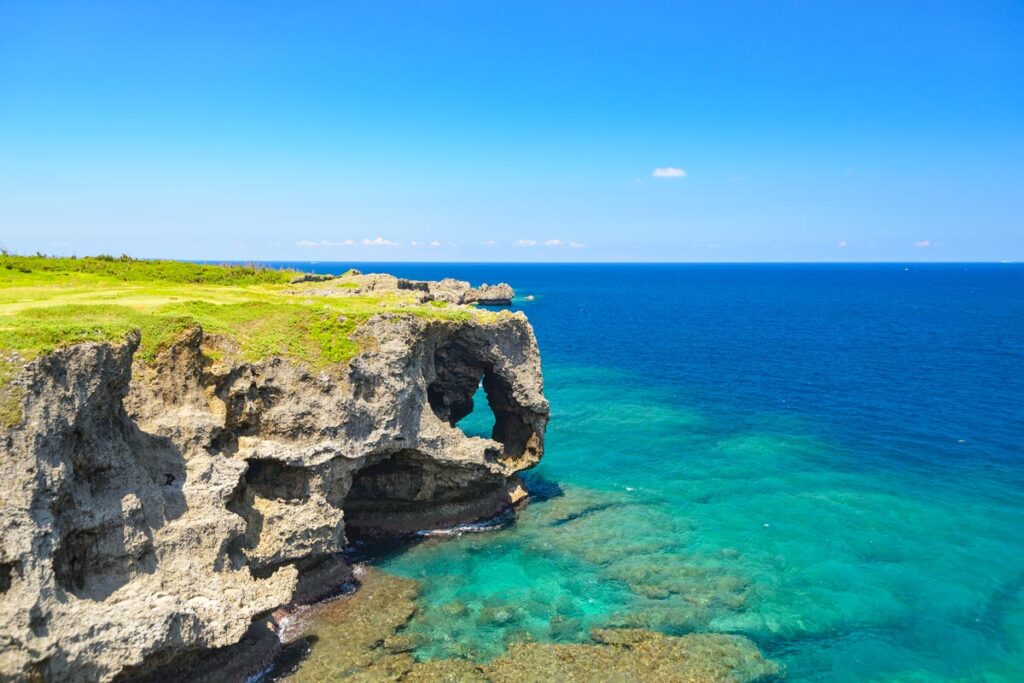
Manza-mo is a natural limestone plateau carved by centuries of wind and waves. The key attraction is a seaside cliff that, when viewed from the right angle, resembles an elephant bending its trunk into the sea. Below the cliff stretches a coral-rich ocean that shifts from bright turquoise to deep cobalt depending on the light.
The name “Manza-mo” roughly means “a field where 10,000 people can sit.” It comes from a royal visit during the Ryukyu Kingdom era, when the king is said to have admired the expansive grassy plateau on top of the cliffs. Today, it remains a symbol of Okinawa’s natural beauty and a place where locals and visitors alike come to feel the power of the sea.
Cultural and Historical Background
Before Okinawa became Japan’s southernmost prefecture, it was the center of the maritime Ryukyu Kingdom. This island kingdom thrived on trade with China, Southeast Asia, and Japan, developing a distinct culture, language, and spirituality tied to the sea.
Manza-mo lies in what is now Onna Village, an area long associated with sacred places, sea-facing prayer sites, and coastal rituals. While Manza-mo itself is primarily known today as a scenic lookout, the broader coastline is dotted with sacred groves, caves, and stone markers where local priestesses once performed rituals for safe voyages and good harvests.
Standing on the cliff today, with nothing but ocean until the horizon, you can sense why this dramatic coastline inspired spiritual reverence. The open sky, constant wind, and rhythmic sound of waves are a reminder that Okinawa’s history and identity are inseparable from the sea.
Highlights of Manza-mo
The Elephant-Shaped Cliff
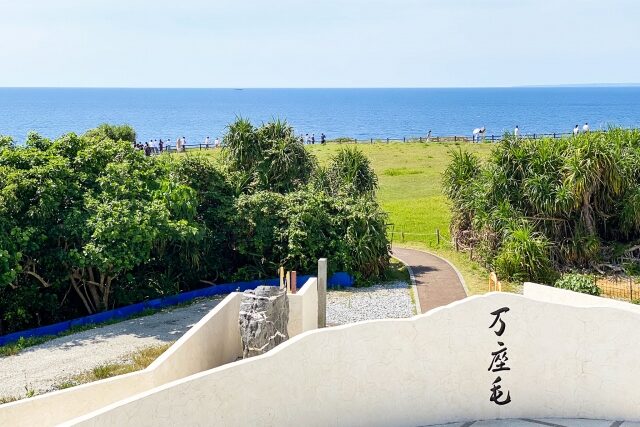
The main viewpoint is a short walk from the entrance along a well-paved promenade. From the designated viewing platform, you can see the limestone cliff profile that looks like an enormous elephant extending its trunk into the water. This natural shape was formed by erosion as waves slowly carved away the softer rock.
The best photos capture the full outline of the “elephant” with the sea stretching behind it. Take your time and walk slightly along the trail to adjust the angle until the shape appears clearly. On sunny days, the contrast between the dark rock and the gleaming sea makes the scene especially striking.
Endless Ocean and Coral Sea
Beyond the rocky cliffs, the East China Sea extends toward the horizon in layers of blue. The waters near Manza-mo are rich with coral reefs, which help create the vivid turquoise bands close to shore. Even from above, you can often see color variations in the sea caused by different depths and sandy patches.
When the wind is light and the water calm, the surface can look like a sheet of glass. On windy days, waves crash into the rocks below, sending white spray upward and adding drama to the view. Either mood has its own charm, but be careful with hats and loose items on blustery days.
Sunset Views
Manza-mo is one of the best easily accessible sunset spots in this part of Okinawa. As the sun lowers toward the horizon, the cliffs and grass plateau turn golden and the sky can shift through shades of pink, orange, and violet.
If you plan to come for sunset, arrive at least 30–40 minutes beforehand. The official path and facilities may close shortly after sunset depending on the season and management hours, so check current opening times in advance. Even if you visit earlier in the afternoon, the west-facing location ensures beautiful light and shadows.
Wind, Sky, and Sound
Compared to busy urban attractions in Tokyo or Osaka, Manza-mo’s appeal is simple: wind on your face, wide-open sky, and the constant sound of waves. It is a place to slow down your pace, take a deep breath, and watch clouds drift while the sea shifts below.
Many visitors spend only 30 minutes here, but you can stay longer if you enjoy quiet contemplation or photography. There are several viewpoints along the path, and the experience changes with the light and tides.
Practical Information for Visitors
Location and Access
Manza-mo is located in Onna Village on the west coast of Okinawa’s main island, roughly halfway between Naha (the prefectural capital) and the popular resort areas further north.
From Naha
- By car: Around 1 to 1.5 hours depending on traffic. Take Route 58 north along the coast. The drive is straightforward and clearly signposted, and coastal scenery appears throughout.
- By bus: Several highway and local buses run from Naha toward Onna Village and Nago. Get off at the nearest stop to Manza-mo (bus routes and stop names may change, so confirm locally or via a current transit app). From the bus stop, walking time is usually around 10–20 minutes depending on the route.
Parking
There is a parking area near the entrance, generally used by private cars and rental vehicles. Parking may be paid or free depending on current local policies, and on busy days it can fill quickly, particularly in peak travel seasons like Golden Week, summer holidays, and around New Year.
Facilities and Accessibility
Modern facilities have been built near the entrance to make Manza-mo more comfortable for visitors.
- Walkways: The path to the viewpoint is relatively flat and paved, suitable for most visitors. There may be gentle slopes but no challenging climbs.
- Safety railings: Fences and railings protect you from the cliff edge. For your safety, remain inside the designated walkway and avoid stepping over barriers for photos.
- Restrooms: Public toilets are available near the entrance or adjacent facilities.
- Shops and cafes: Depending on the season and time of day, you may find small shops selling local snacks, drinks, or souvenirs. Seek out locally produced sweets, Okinawan-style doughnuts, or drinks featuring tropical fruits.
For visitors with mobility concerns, the even surface and lack of steep stairs make Manza-mo one of the more accessible natural viewpoints in Okinawa. If you use a wheelchair or stroller, check the latest information as improvements and adjustments are occasionally made.
Opening Hours and Fees
The promenade and viewing area generally have set opening hours, often from morning until around sunset. Exact times, as well as any entrance or facility fees, can change due to local decisions or weather conditions.
Before your visit, confirm current hours and any fees through official tourism channels or local information centers in Okinawa. In poor weather, particularly strong winds or storms, access may be restricted for safety.
When to Visit Manza-mo
Time of Day
- Morning: Usually quieter, with softer light and fewer crowds. Good for people who prefer a calm atmosphere.
- Afternoon: Brighter colors in the sea and sky, though heat and sun intensity can be strong in summer. Bring sun protection.
- Sunset: The most popular time, with beautiful light and romantic scenery. Expect more people.
Seasonal Considerations
- Spring (March–May): Comfortable temperatures and relatively clear skies make this an excellent time to visit. The grassy plateau is usually green, and humidity is moderate.
- Summer (June–August): Hot and humid, with strong sunshine and the possibility of typhoons. Bring sunscreen, a hat, and plenty of water. On very bright days, the sea color is especially intense.
- Autumn (September–November): After the main typhoon season, conditions often become stable with warm days and cooler evenings. Skies can be clear and sunsets vivid.
- Winter (December–February): Milder than most of Japan, though winds can feel cool on the exposed cliff. Even in winter, Manza-mo is enjoyable if you bring a light jacket.
Photography Tips
Manza-mo’s scenery is easy to photograph, but a few tips will help you capture its best side.
- Framing the elephant shape: From the main platform, move a little along the railing until the outline of the cliff clearly resembles an elephant’s head and trunk. Try both wide shots and close-ups.
- Use leading lines: Incorporate the curve of the coastline or the edge of the cliff to draw the viewer’s eye into the frame.
- Avoid harsh midday glare: If possible, visit when the sun is lower in the sky—morning or late afternoon—to reduce glare and harsh shadows on the water.
- Watch the wind: On windy days, secure cameras, phones, and accessories. Keep a firm grip when shooting near railings.
Be considerate of other visitors by not blocking viewpoints for long periods, and avoid leaning over railings or climbing onto forbidden areas for photos.
Combining Manza-mo with Nearby Attractions
Because the viewpoint itself is compact, most travelers combine Manza-mo with other sights in central and northern Okinawa.
- Resort beaches: The coastline around Onna Village is lined with resort hotels and public beaches, offering swimming, snorkeling, and glass-bottom boat cruises. Visiting Manza-mo before or after some time on the beach makes for a balanced day.
- Ryukyu cultural experiences: In the wider area, you can find facilities offering traditional Okinawan music, dance, or craft workshops such as bingata dyeing and pottery. These experiences help connect the natural scenery with the local culture.
- Coastal drives: Continue north along Route 58 for scenic ocean views, stopping at small roadside rest areas and local viewpoints to enjoy the slowly changing landscape.
Local Etiquette and Safety
Japan is known for well-maintained public spaces and a strong culture of respect for nature. To help preserve Manza-mo for future visitors:
- Stay on the path: Do not cross fences or descend cliffs. The rock can be unstable and the wind strong.
- Take your trash: If no bins are available or existing bins are full, carry your rubbish out with you.
- Keep noise moderate: Many visitors come to appreciate the natural atmosphere. Enjoy conversation, but avoid playing loud music or shouting.
- Respect plants and wildlife: Do not pick plants, carve rocks, or disturb any animals you may see along the cliffs.
Strong sun, wind, and sudden weather changes are part of the coastal environment. Bring sun protection even on cloudy days, and consider a light jacket if you are sensitive to wind chill, especially in the cooler months.
Tips for First-Time Visitors to Japan Visiting Okinawa
For many international travelers, Okinawa is a more relaxed, beach-oriented contrast to the big cities of mainland Japan.
- Language: English is less widely spoken than in Tokyo, but staff in hotels, major attractions, and car rental offices usually know basic English. Simple phrases and a translation app can be helpful.
- Transportation: Public transport exists but is less dense than in major Japanese cities. Renting a car is a popular way to explore Manza-mo and nearby areas at your own pace, especially if traveling with family or friends.
- Cash and cards: Credit cards are accepted at most larger facilities and resorts, but smaller shops and rural businesses may prefer cash. Convenience stores with ATMs are common along main roads.
- Weather awareness: Okinawa is prone to typhoons, mainly from summer to early autumn. If a storm approaches, follow local advisories and be prepared for temporary closures of outdoor attractions such as Manza-mo.
Is Manza-mo Worth Visiting?
For first-time visitors to Japan who include Okinawa in their itinerary, Manza-mo is an easy, rewarding stop that showcases the island’s rugged cliffs, clear ocean, and open skies. The visit itself is short, but the scenery is memorable and pairs naturally with beach time, coastal drives, and cultural experiences nearby.
Whether you come in the quiet of the morning or stay for a fiery sunset, standing on the grassy plateau above the waves offers a different side of Japan from neon-lit streets and mountain temples. At Manza-mo, Japan reveals its subtropical, sea-focused face—one shaped by wind, water, and the long history of the Ryukyu Islands.
Access Map
Recommended spots in Okinawa
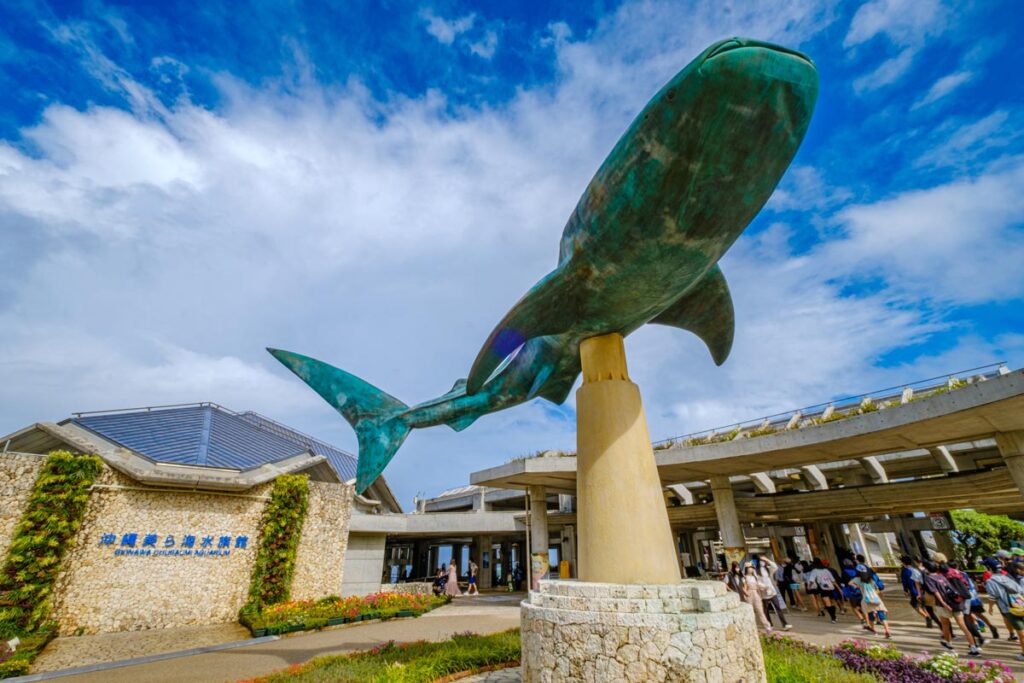
Churaumi Aquarium
Shuri Castle
Kokusai Street
Sefa Utaki
Manza-mo

Blue Cave
Kouri Island
Diving Spots
Top destinations in Kyushu/Okinawa
Fukuoka
Kumamoto
Kagoshima