


Megane Bridge
Megane Bridge: A First-Time Visitor’s Guide to Nagasaki’s Stone Gem
Photos are for illustrative purposes only.
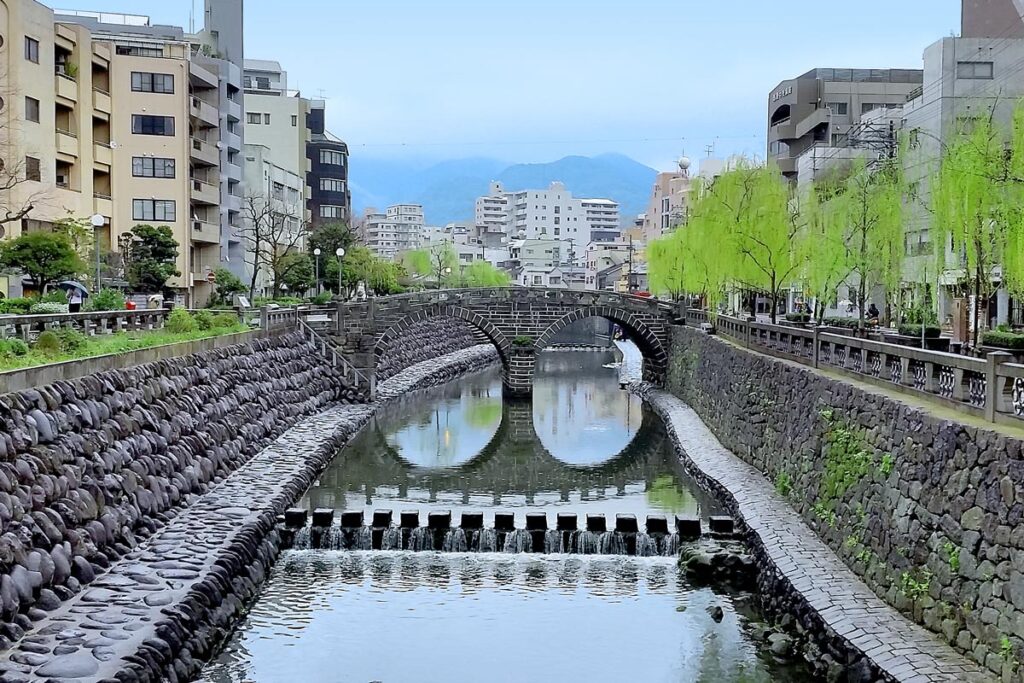
Megane Bridge in Nagasaki is one of Japan’s most charming historic landmarks: a graceful double-arched stone bridge reflected in the river so perfectly that it resembles a pair of eyeglasses. For first-time visitors to Japan, this compact but atmospheric sight offers a gentle introduction to traditional architecture, everyday local life, and Nagasaki’s unique blend of cultures.
What Is Megane Bridge?
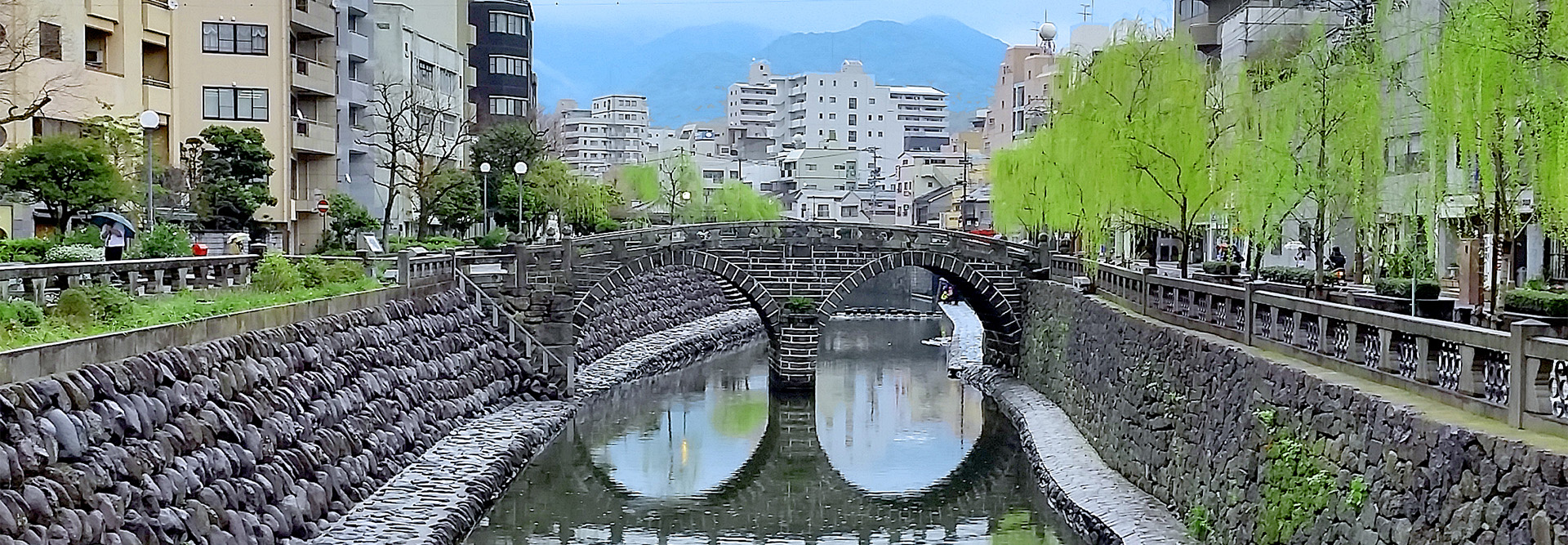
Megane Bridge (Megane-bashi, literally “Spectacles Bridge”) is a double-arched stone bridge that spans the Nakashima River in central Nagasaki. Completed in the 17th century, it is considered the oldest stone arch bridge of its kind in Japan and is officially designated as an Important Cultural Property.
The bridge earned its nickname because of the way its two arches and their reflection on the water form the shape of eyeglasses when the river is calm. This picturesque optical illusion has made it one of Nagasaki’s most photographed spots and a symbol of the city along with Glover Garden and Dejima.
A Brief History and Cultural Background
Megane Bridge was built in 1634 during the early Edo period, a time when Nagasaki was Japan’s only official window to the outside world. The design is credited to a Chinese Zen monk from Kofukuji Temple, reflecting the deep connection between Chinese culture and Nagasaki’s port-town history.
At that time, wooden bridges were common across Japan, but stone bridges were rare and technically challenging to build. Constructing Megane Bridge in stone represented both advanced craftsmanship and a desire for a more permanent, resilient river crossing in a city that frequently experienced floods.
Over the centuries, the bridge has survived wars, natural disasters, and modernization. It has been repaired and reinforced multiple times, especially after severe flooding in the 1980s, but care has been taken to preserve its historic appearance. Today, it stands not only as an infrastructural relic but also as a calm, human-scale space in the middle of a busy city.
Why Visit Megane Bridge?
Megane Bridge might seem simple at first glance, but it rewards slow travel and close observation. For first-time visitors to Japan, it offers several distinct appeals:
1. A Classic Photo Spot
The most famous viewpoint is from the riverbank slightly downstream from the bridge. When the water level is right and the surface is still, you can clearly see the “spectacles” shape formed by the arches and their reflection. This is the must-take photo that appears on countless postcards and travel posters.
Visit in the early morning for soft light and fewer people, or at dusk when the bridge lighting and city glow create a romantic atmosphere.
2. A Walk Through Everyday Nagasaki
Megane Bridge is not an isolated tourist attraction; it is woven into the daily life of the city. Locals walk their dogs, students ride bikes across the nearby streets, and elderly residents pause to chat along the riverbanks. Spending 30–60 minutes here gives you a feel for how people really live in Nagasaki, beyond the major museums and viewpoints.
3. A Glimpse of Nagasaki’s Multicultural Roots
The bridge’s origins in Chinese craftsmanship connect it to Nagasaki’s history as a port of international trade. Nearby you will find temples, stone lanterns, and streets that show influences from China and Europe. Megane Bridge is an ideal starting point for understanding why Nagasaki feels subtly different from many other Japanese cities.
Best Time to Visit
Megane Bridge is accessible year-round, and each season offers a different charm:
Spring (March–May)
Spring brings mild weather and fresh greenery along the river. Some cherry trees in the area bloom in late March to early April, adding soft pink accents to your photos. It is also comfortable to stroll along the riverside paths without the intense summer humidity.
Summer (June–August)
Summer is lush and green, with reflections sometimes more vivid after rainfall. However, Nagasaki can be hot and humid, so visiting early in the morning or in the evening is more comfortable. Summer storms can raise the river level and change the look of the reflection; sometimes the “spectacles” shape becomes less distinct after heavy rain.
Autumn (September–November)
Autumn is one of the best times to visit. The air becomes clearer, temperatures are pleasant, and some foliage around the river takes on warm red and yellow tones. Evening walks in October and November are particularly atmospheric.
Winter (December–February)
Winters in Nagasaki are relatively mild compared with northern Japan. You are unlikely to see snow on the bridge, but the crisp air and lower visitor numbers create a quiet, contemplative mood. On clear days, the light can be especially sharp, enhancing the stone texture in photos.
How to Get to Megane Bridge
Megane Bridge is centrally located and easy to reach on foot or by tram from major areas in Nagasaki.
From Nagasaki Station
- By Tram: Take streetcar line 3 (bound for Hotarujaya) or line 4 (bound for Shokakuji-shita) and get off at Shianbashi or Shiambashi-kanko-dori. From there, it is about a 7–10 minute walk. Alternatively, some visitors choose Nakasaki-eki-mae to transfer and walk through the shopping streets.
- On Foot: If you enjoy walking, it is roughly 20–25 minutes from Nagasaki Station through the downtown area and along the river, depending on your route.
Signs in English and Japanese around central Nagasaki often point toward Megane Bridge, and most hotel staff can provide a simple walking map.
What to See and Do at Megane Bridge
1. Cross the Historic Stone Arch
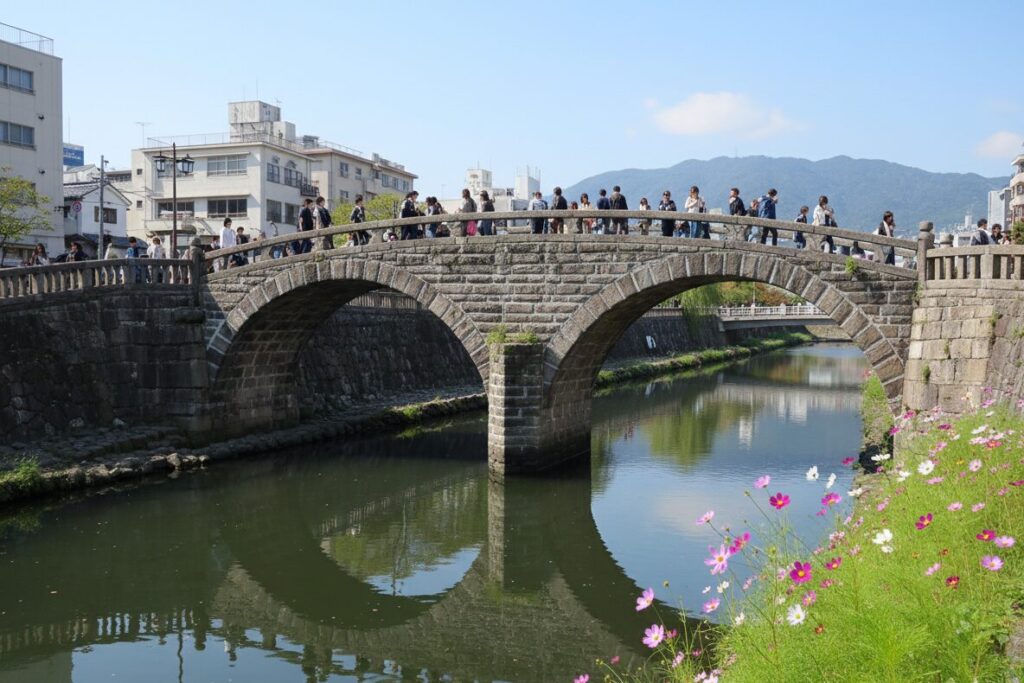
Walking across the bridge itself is essential. The surface is made up of worn stone steps, slightly uneven but full of character. As you cross, pay attention to the stone railings and the moss that has gathered over time, emphasizing the bridge’s age.
From the center of the bridge, look upstream and downstream to appreciate how the river snakes through the city. You will see other stone bridges as well, each with its own character.
2. Explore the Riverbank Paths
The Nakashima River is lined with paved walkways and low stone walls, making it easy to stroll at your own pace. Walking a short distance in either direction reveals multiple viewpoints of the bridge and surrounding streets.
Benches and low steps along the river invite you to sit and rest. Many visitors take time here simply watching the play of light on the water or observing passersby.
3. Hunt for the “Heart Stones”
Near Megane Bridge, some stones in the retaining walls along the river have been carved in the shape of hearts. These “heart stones” have become a popular mini-attraction, especially for couples and families.
Finding them is a little like a treasure hunt: walk along the riverbanks near the bridge and keep an eye on the stone walls. Local rumors say that spotting these hearts can bring good luck or happiness in love. Even if you are not superstitious, it is a fun detail that makes the area feel more intimate and playful.
4. Evening Illumination
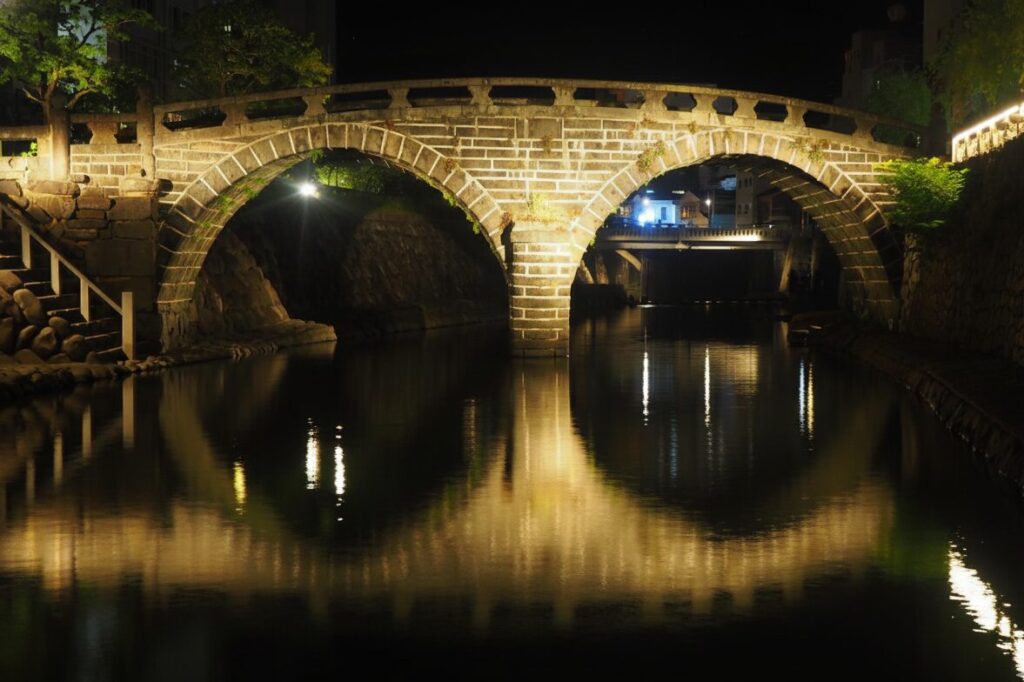
After sunset, Megane Bridge is softly illuminated, creating a romantic, theatrical scene. The yellowish lights emphasize the curves of the arches and the texture of the stone, while reflections shimmer in the dark water below.
Evening is a good time for long-exposure photography, if you are traveling with a tripod. It is also an ideal moment to pause on the riverbank after dinner and enjoy the city’s gentle night atmosphere.
Nearby Sights and Suggested Walking Route
Megane Bridge fits easily into a half-day or full-day walking itinerary through central Nagasaki. Consider combining your visit with these nearby spots:
Kofukuji Temple
Not far from the bridge, Kofukuji is one of Nagasaki’s historically important Chinese temples. It is closely linked to the monk who is said to have designed Megane Bridge. Visiting the temple after the bridge helps you trace the cultural connections between river, religion, and trade.
Other Stone Bridges on the Nakashima River
Walk upstream and downstream from Megane Bridge to find a series of other stone bridges, each slightly different in shape and size. Although they are less famous, they offer a pleasant, uncrowded stroll and varied photo angles. You can easily spend an hour wandering from bridge to bridge, learning how they fit into the daily life of the city.
Shopping Streets and Cafés
The streets a few blocks away from the river are dotted with small shops, bakeries, and cafés. Many are locally owned and offer a warm, relaxed atmosphere. It is easy to combine a visit to Megane Bridge with a coffee break or light lunch nearby.
Look for traditional wagashi confectionery shops if you want to sample local sweets, or step into a kissaten-style coffee shop for a retro Japanese café experience.
Photography Tips
Megane Bridge is highly photogenic, but a few techniques can help you capture its best side:
- Arrive early or late: For fewer people in your shots, visit soon after sunrise or around sunset.
- Move along the river: Do not stay in one place; small changes in position dramatically affect the “spectacles” reflection.
- Include context: Instead of focusing only on the arch, try compositions that include the riverbanks, other bridges, or nearby buildings to show Nagasaki’s atmosphere.
- Watch the water level: After heavy rain, the reflection may be less visible. On calm, dry days, the “eyeglasses” shape is more pronounced.
Practical Visitor Information
Opening Hours and Fees
Megane Bridge is part of a public street and river system, so it is accessible 24 hours a day and there is no admission fee. You can visit at any time that fits your Nagasaki itinerary.
Accessibility
Reaching the riverbanks is relatively easy, but the bridge itself is made of stone steps, which may be challenging for visitors with mobility issues. The surrounding sidewalks and paths are generally flat and suitable for wheelchairs and strollers, though some sections may be narrow.
Safety and Etiquette
- Watch your step: The stone steps can be uneven or slippery when wet. Walk carefully, especially on rainy days.
- Share the space: The bridge is used by both tourists and locals. Avoid blocking the center for long photo sessions.
- Respect residents: The houses and small businesses nearby are part of a functioning neighborhood. Keep noise levels low, especially early in the morning or late at night.
- Take your trash: Garbage bins may be limited; carry any rubbish with you until you find proper disposal.
How Long Should You Spend at Megane Bridge?
For most first-time visitors, 30–45 minutes is enough to walk across the bridge, enjoy several viewpoints, and take photos. If you plan to stroll the river, look for heart-shaped stones, and explore nearby temples or cafés, consider setting aside 1.5 to 2 hours.
Fitting Megane Bridge into Your Japan Trip
Many international travelers visit Nagasaki as part of a Kyushu itinerary, often combined with Fukuoka, Kumamoto, or hot spring areas like Unzen and Beppu. Megane Bridge is a compact yet meaningful stop that adds historical and cultural depth to your route.
You might, for example, begin your day at Nagasaki Station, head to the Atomic Bomb Museum and Peace Park, move downtown for lunch, then walk to Megane Bridge in the afternoon, finishing with a stroll to nearby temples or an evening tram up to a night-view lookout. The bridge fits naturally into this flow as a calm, visual highlight.
Final Thoughts
Megane Bridge is not a grand palace or a towering skyscraper. Its charm lies in its modest scale and quiet persistence through centuries of change. By taking the time to pause on its stone steps, watch the reflection form in the river below, and notice how the city breathes around it, you connect with a side of Japan that is intimate and enduring.
For first-time visitors to Japan, including Megane Bridge in your Nagasaki plans offers a memorable combination of history, local life, and simple beauty—an ideal counterpoint to the bright neon and busy stations you will encounter elsewhere on your journey.

Access Map
Recommended spots in Nagasaki
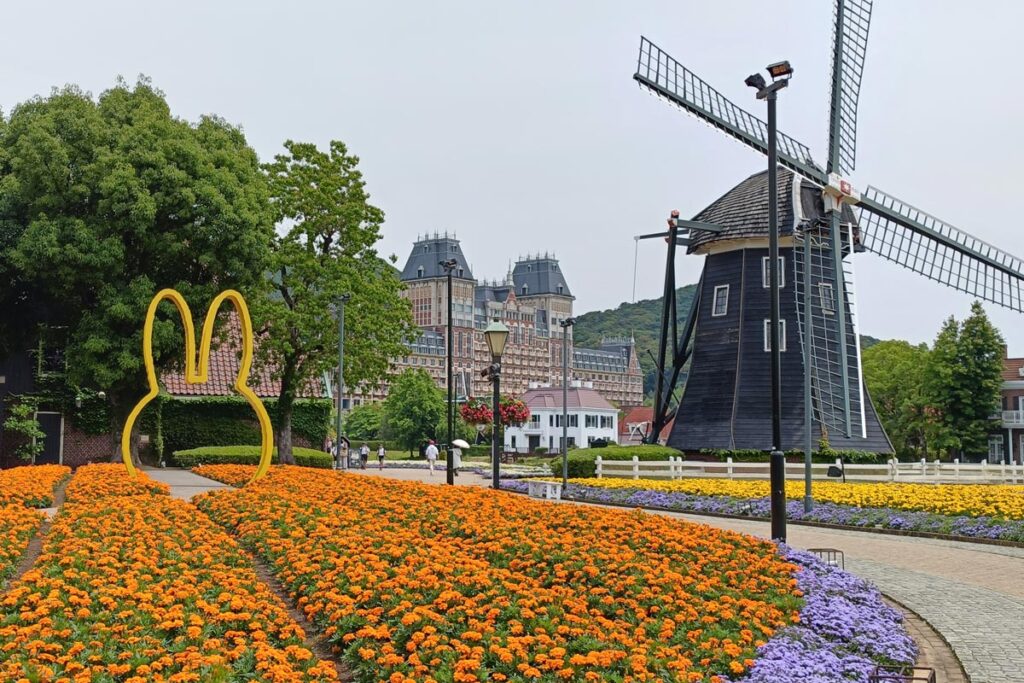
Huis Ten Bosch
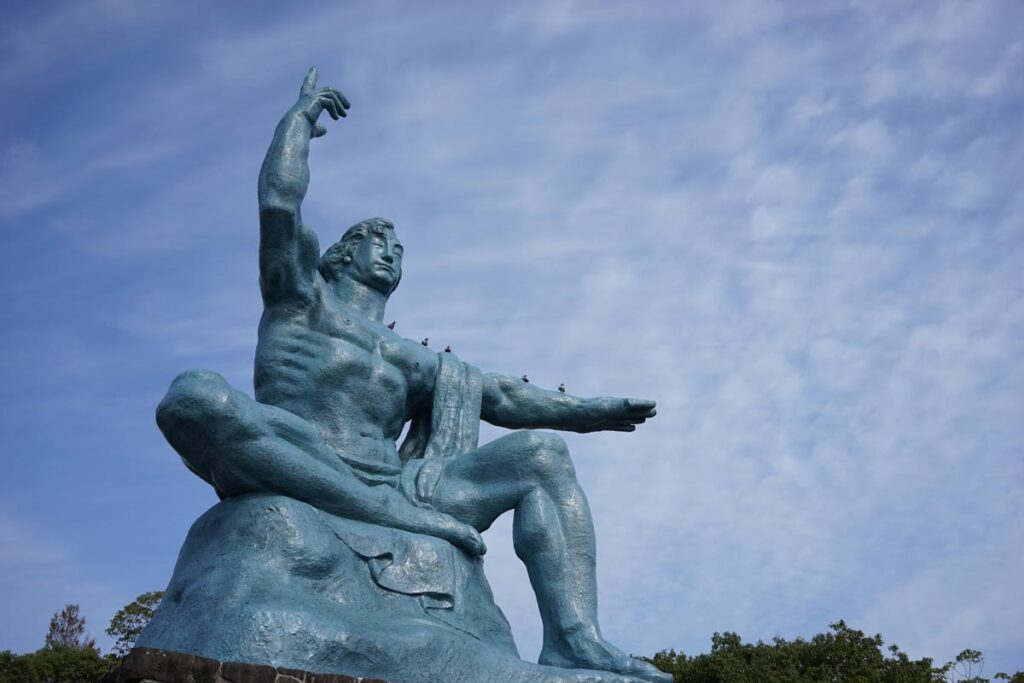
Peace Park
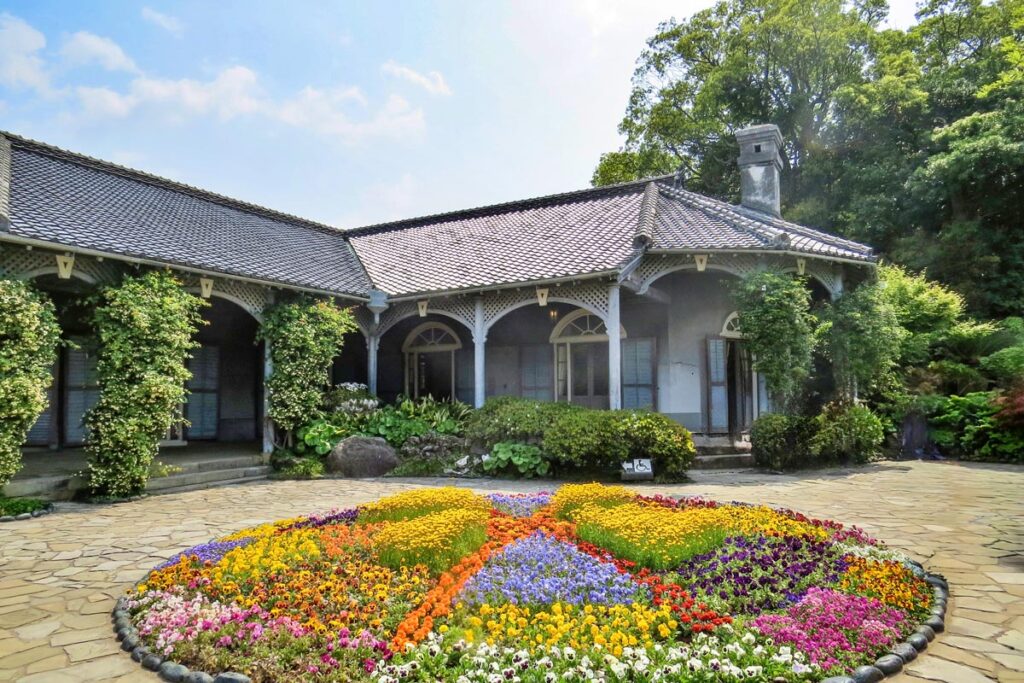
Glover Garden
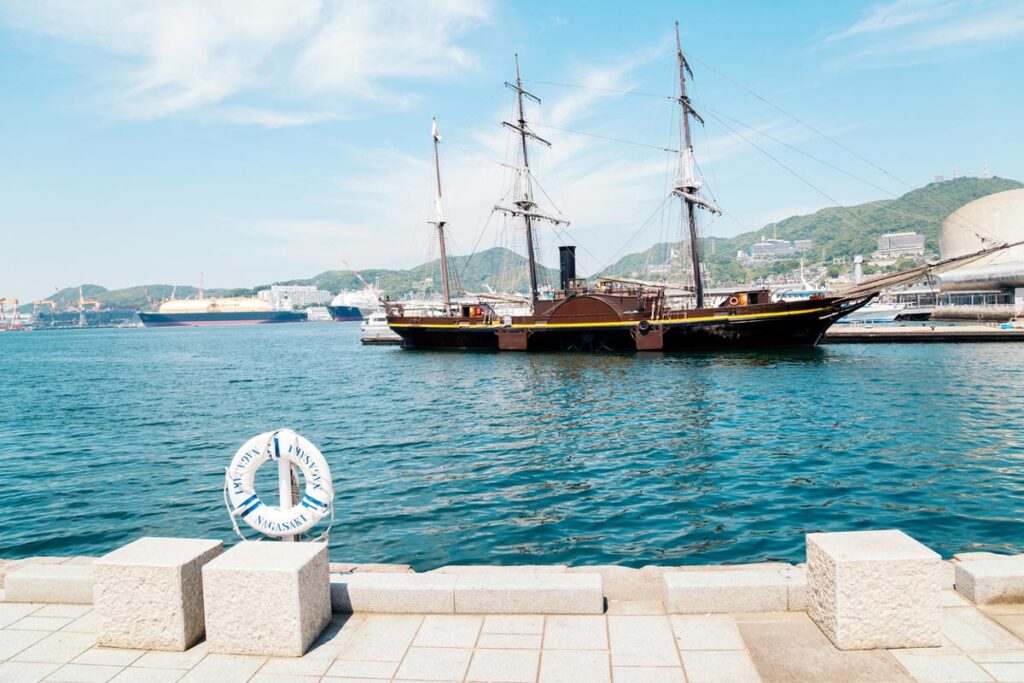
Dejima
Megane Bridge
Top destinations in Kyushu/Okinawa
Okinawa
Fukuoka
Kumamoto