

Miho no Matsubara
Miho no Matsubara Travel Guide: Pine Coast, Fuji Views, and Mythic Beauty
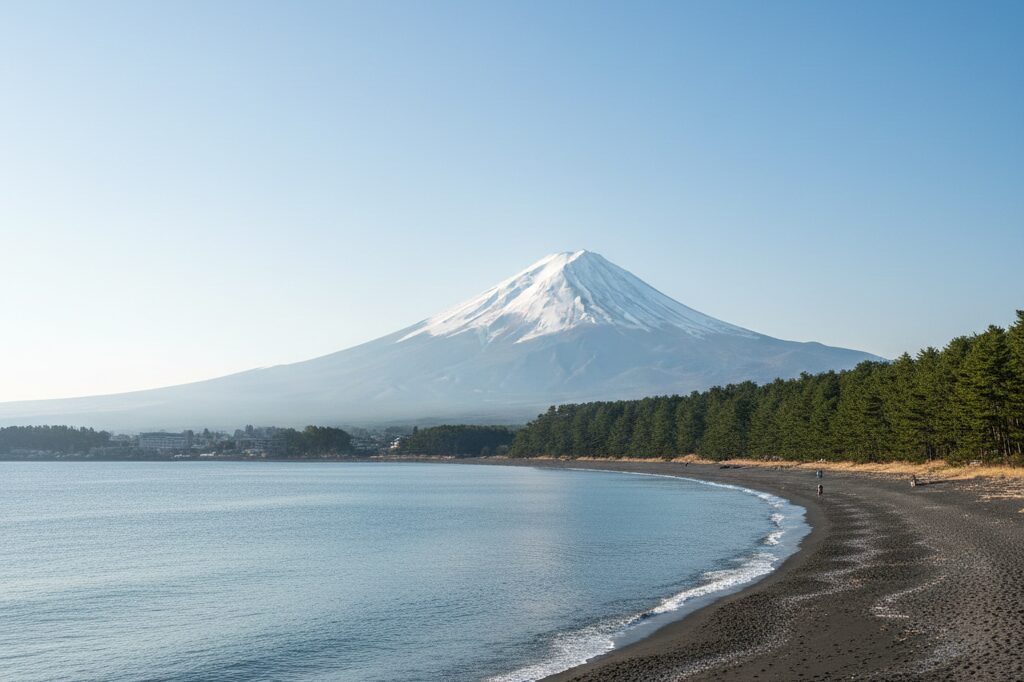
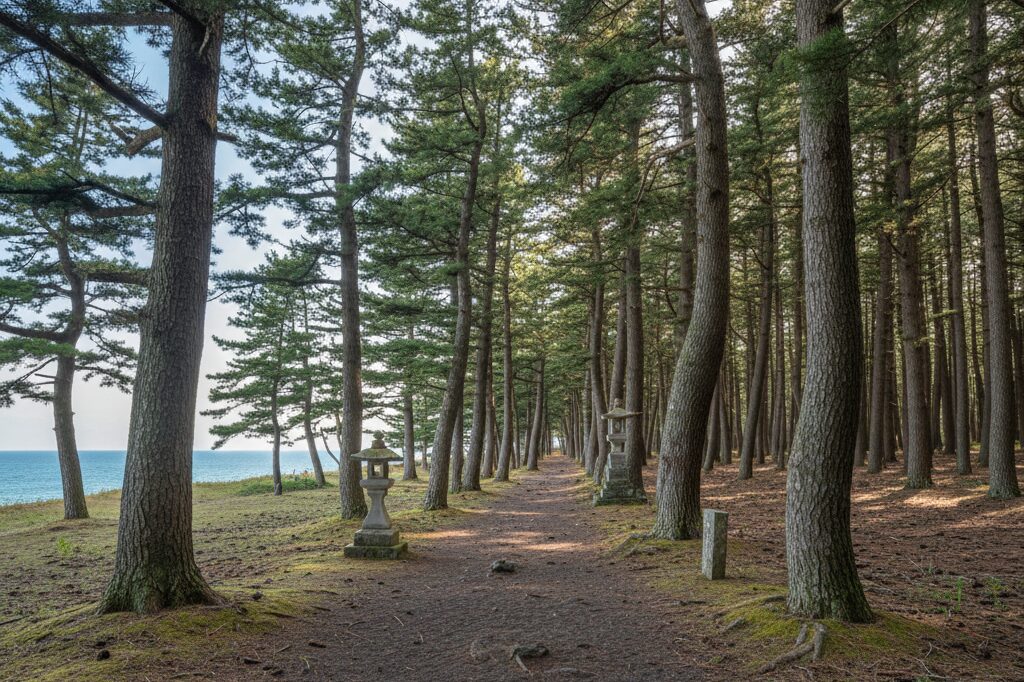
Photos are for illustrative purposes only.
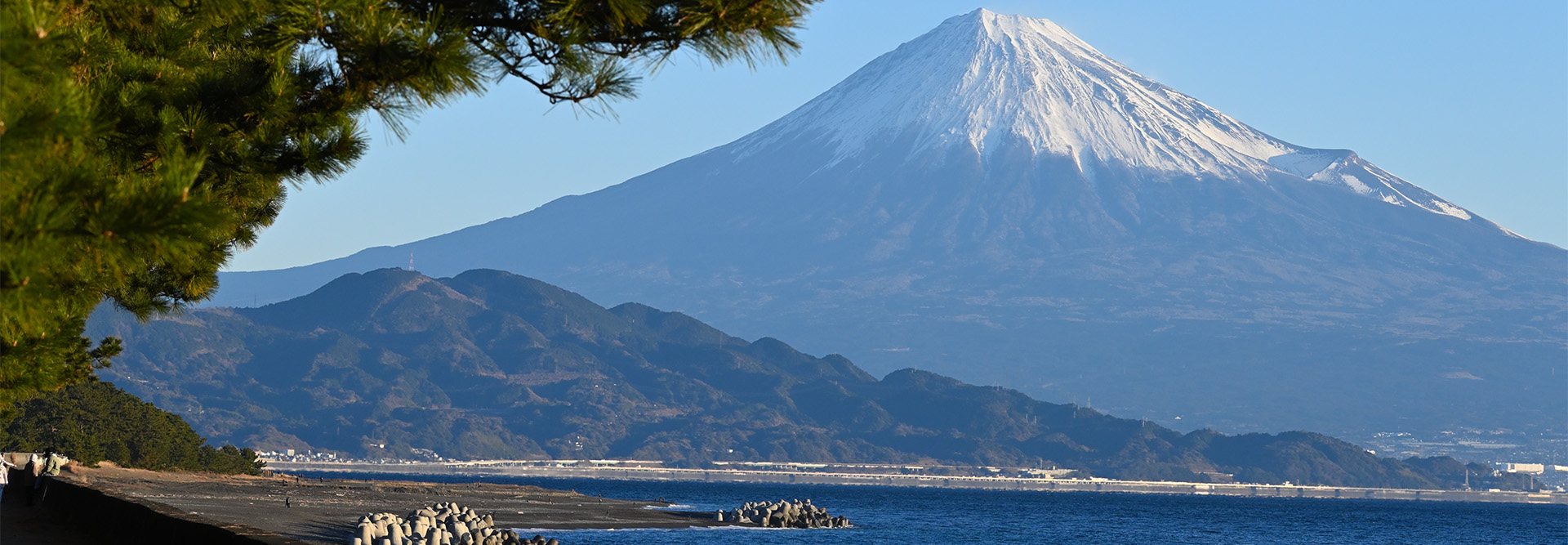
On the Pacific coast of Shizuoka Prefecture, Miho no Matsubara offers one of Japan’s most iconic coastal views: deep-green pine forests, black volcanic sand, and, on a clear day, Mount Fuji rising above the bay. For first-time visitors to Japan, this is an easy and unforgettable side trip that blends natural beauty, traditional legend, and a slower, more local pace than Tokyo or Kyoto.
What Is Miho no Matsubara?
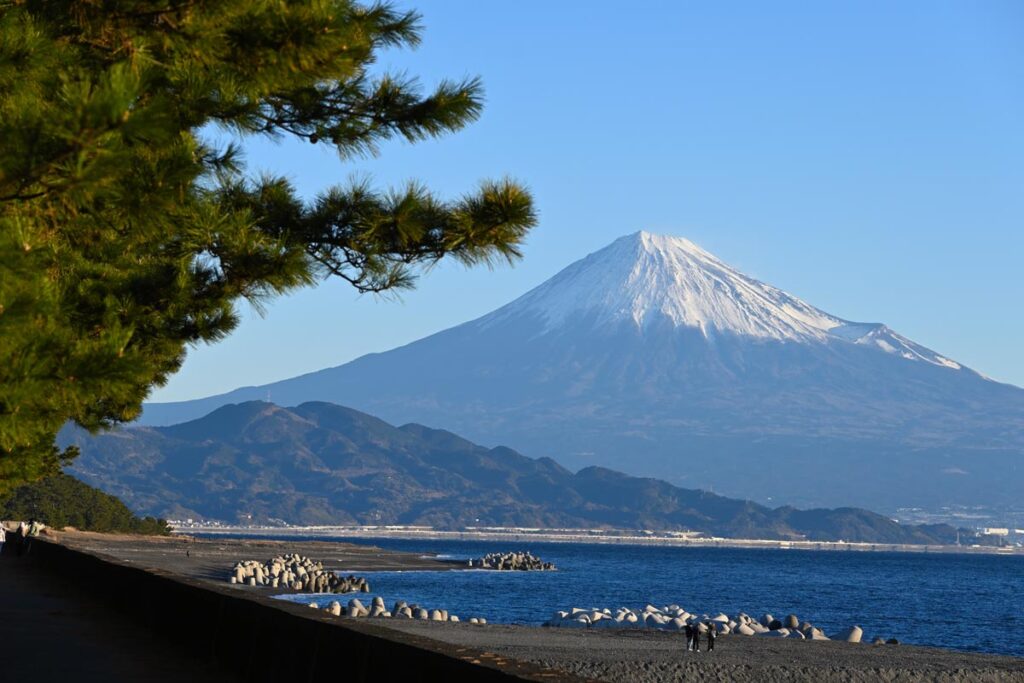
Miho no Matsubara is a 7-kilometre-long shoreline lined with around 30,000 pine trees stretching along Suruga Bay. The area is part of the UNESCO World Heritage property “Fujisan, sacred place and source of artistic inspiration,” not because of shrines or temples, but because of its spectacular views of Mount Fuji and its role in centuries of Japanese art and poetry.
The combination of black volcanic sand, bright blue water, and the soft green of pine needles has made Miho no Matsubara a beloved subject in ukiyo-e woodblock prints and a classic motif in traditional waka poems. It remains a place where locals come for morning walks, couples stroll at sunset, and photographers set up tripods in hopes of capturing Fuji at its most dramatic.
Why Visit Miho no Matsubara?
1. One of Japan’s Classic Fuji Views
Few places frame Mount Fuji as perfectly as Miho no Matsubara. When the air is clear, you’ll see the mountain floating above the horizon, often streaked with snow on its upper slopes. The long, gently curving coastline acts like a natural stage, drawing the eye toward Fuji in the distance.
Sunrise and early morning are especially rewarding, when the light is soft and the air less hazy. In winter, the contrast between the dark beach and Fuji’s white peak is at its sharpest. Even on days when the mountain is hidden by clouds, the beach and pine forest still make for a peaceful walk.
2. A Pine Forest Steeped in Legend
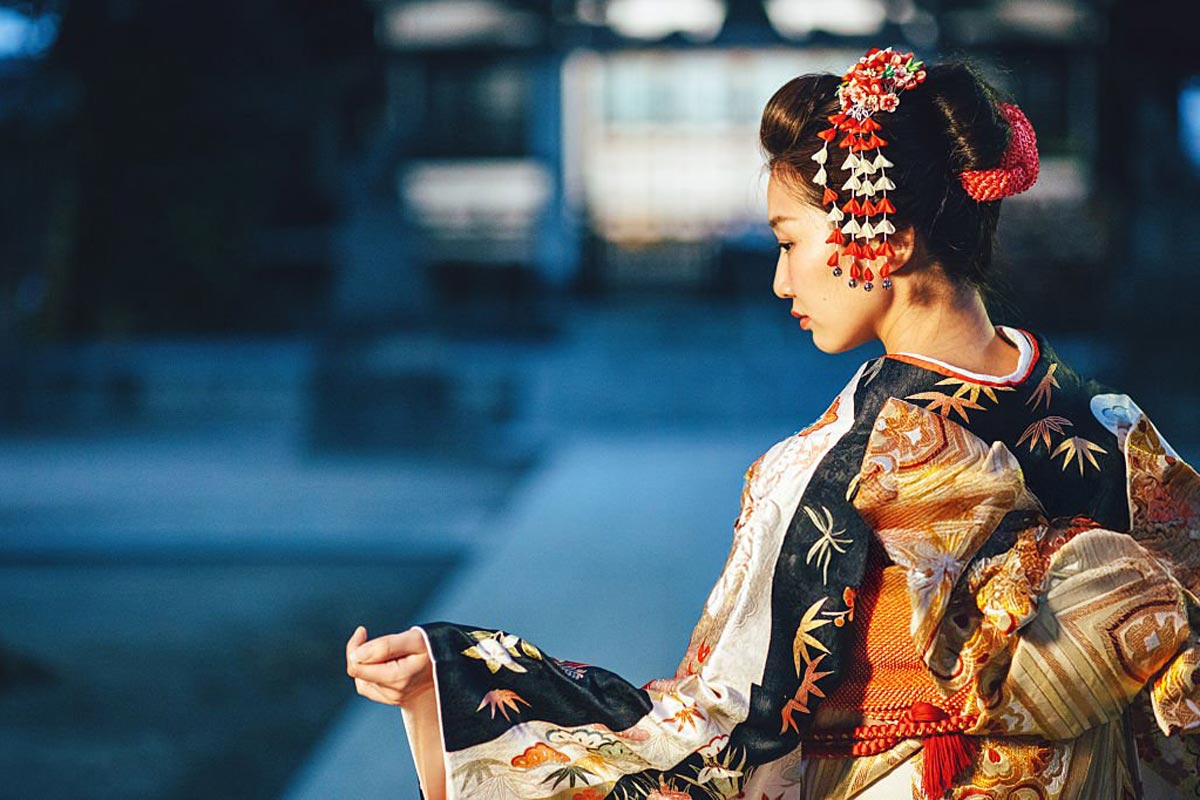
Miho no Matsubara is strongly associated with the Hagoromo (Feathered Robe) legend, one of Japan’s best-known folktales. According to the story, a celestial maiden descended to Miho’s shore to bathe and hung her feathered robe on a pine tree. A fisherman found the robe and, captivated by its beauty, refused to return it until she danced for him. After performing a heavenly dance, she received the robe, put it on, and ascended back to the sky.
This tale has been retold for centuries in Noh theatre and dance, and it is said to have taken place here under a pine known as the “Hagoromo no Matsu” (Feathered-Robe Pine). Today, a venerable pine tree stands at the site associated with the legend, protected by a small fence and signboard. Even knowing the tree has been replaced over generations, it’s easy to feel the story in the rustle of pine needles and the salty air.
3. A Coastal Escape from City Crowds
Compared with nearby Tokyo and Kyoto, Miho no Matsubara feels refreshingly low-key. There are no neon billboards or crowded shopping streets here, just the sound of waves, the scent of pine resin, and locals out for a jog or walking their dogs. For first-time visitors, it’s a chance to experience an ordinary Japanese seaside neighbourhood alongside a world-famous view.
The area is ideal for a slow afternoon: walking, beachcombing, taking photos, and sipping a coffee or green tea from a local café. There are a few souvenir shops and small eateries, but the atmosphere remains relaxed and residential.
Highlights and Things to Do
Walk the Pine-Lined Paths
A network of walking paths runs parallel to the shore through the pine forest. These flat, easy trails are suitable for almost all visitors, including families and older travellers. As you walk, notice how the trunks twist and lean toward the sea, shaped by years of coastal wind.
Look out for old stone lanterns and small markers along the path, remnants of earlier eras when pilgrims and poets came here seeking inspiration from Fuji and the sea.
Stroll the Black Sand Beach
The beach itself is composed of dark volcanic sand and fine gravel, typical of this stretch of the Pacific coast. It is beautiful, but not a classic white-sand swimming beach. The waves can be strong and sudden, and there are no lifeguards, so swimming is generally not recommended, especially for inexperienced swimmers.
Instead, treat the shore as a place for walking and photography. The rounded black pebbles and washed-up driftwood create striking foregrounds for Fuji shots. On windy days, you’ll see surfers further along the coast testing the waves.
Visit the Hagoromo no Matsu and Hagoromo-no-Michi
The Hagoromo no Matsu, the famous “Feathered-Robe Pine,” stands slightly inland from the main shoreline, surrounded by a protective fence. Nearby signboards (with some English) explain the legend. It’s a popular photo spot, but the area is small, so be considerate and give others time to take their pictures.
The path leading from the local shrine area down toward the shore is sometimes referred to as the Hagoromo-no-Michi (Feathered-Robe Path). Walking this route, you can imagine the celestial maiden descending through the trees toward the sea.
Explore the Local Shrine
Near the forest stands Miho Shrine, a relatively modest Shinto shrine with deep ties to the Hagoromo legend. The main hall is painted in traditional vermilion, and annual festivals celebrate the celestial maiden’s dance with Noh performances and ritual music.
As with all shrines in Japan, remember basic etiquette: bow lightly before passing through the torii gate, purify your hands and mouth at the water basin if you wish to pray, and keep your voice low within the grounds.
Enjoy Seasonal Scenery
Miho no Matsubara is worth visiting in any season, but the experience changes throughout the year:
- Spring (March–May): Mild temperatures and clear skies make this an excellent time for Fuji views. Cherry blossoms are more visible in central Shizuoka, but the fresh green needles of the pines feel especially vibrant.
- Summer (June–August): Hot and humid, but the sea breeze offers some relief. Expect more local families on day trips and people enjoying the beach atmosphere, though it still feels calmer than big-city waterfronts.
- Autumn (September–November): Often the best visibility for Fuji, with crisp air and deep blue skies. While the pine trees stay green, surrounding hillsides in the region show autumn colours.
- Winter (December–February): Cold but rewarding, especially on sunny days when Fuji’s snowcap is at its peak. Wear warm layers; the coastal wind can be sharp.
Watch Sunrise or Sunset
Because of its orientation, Miho no Matsubara is particularly beautiful at sunrise, when the first light hits Fuji and the water starts to glow. If you stay nearby in Shizuoka City, it is possible to arrive early enough to catch this magical hour.
Sunset can also be dramatic, with warm colours spreading across the sky and reflecting off the sea. Even when Fuji itself is obscured, the changing light over the pines and shoreline is worth the wait.
How to Get to Miho no Matsubara
From Tokyo or Kyoto via Shinkansen
The nearest major hub is Shizuoka Station on the Tokaido Shinkansen line between Tokyo and Nagoya/Osaka.
- From Tokyo:Take the Shinkansen (around 1 hour). Kodama always stop at Shizuoka Station, but Hikari may or may not stop, so be sure to check. Nozomi do not stop.
- From Kyoto or Osaka: Take the Tokaido Shinkansen toward Tokyo and get off at Shizuoka. Journey time from Kyoto is roughly 1.5–2 hours, depending on the train type.
From Shizuoka Station to Miho no Matsubara
Once you reach Shizuoka Station, you have a few options:
- By bus: Local buses run from the station area toward the Miho Peninsula. Look for buses signed for Miho or Miho no Matsubara; station information counters can advise on the current route number and stop. The ride typically takes 40–50 minutes, depending on traffic.
- By train + bus: Another option is to ride a local train from Shizuoka to a nearer station such as Shimizu, then transfer to a bus serving the Miho area. This can be slightly faster at busy times.
- By taxi: A taxi from central Shizuoka or Shimizu will be more expensive but offers direct access, useful if you are in a group or carrying luggage.
Most visitors combine Miho no Matsubara with other Shizuoka sights on a day trip from Tokyo or as a stopover between Tokyo and Kyoto.
Practical Tips for First-Time Visitors
Best Time of Day
If your main goal is to see Mount Fuji, aim for early morning, especially in summer when haze builds up later in the day. Winter days often have clearer air, so Fuji may be visible even in the afternoon.
Keep in mind that Fuji is a living mountain, often wrapped in clouds. Even if you do not see it, the coastline and forest are still beautiful in their own right, and the legend and atmosphere remain memorable.
What to Wear and Bring
- Comfortable walking shoes: The paths are mostly flat, but you will likely walk on sand and gravel.
- Layered clothing: Coastal breezes can feel cool, even on sunny days.
- Hat and sunscreen: There is plenty of open sky along the beach, and shade comes mainly from the pines.
- Camera or smartphone: Miho no Matsubara is a photographer’s dream, especially with changing light and weather.
- Small cash: Some local shops and cafés may not accept credit cards, especially for small purchases.
Accessibility
The main approach paths from the road to the forest are generally flat, and some areas are accessible to visitors using wheelchairs or strollers. However, the beach itself is sandy and pebbly, which can be difficult to navigate. If accessibility is a concern, focus on the forest paths, viewpoints, and shrine area.
Food and Facilities
Around the entrance points to the forest and near bus stops, you will find small eateries serving simple dishes such as noodles, curry rice, and snacks, as well as cafés offering coffee, tea, and light desserts. Vending machines provide drinks, but do not rely on them exclusively; hours can vary and some may be out of service.
Public toilets are available near the beach and in park areas. They are usually clean but basic, so carrying tissues or a small hand towel is helpful.
Local Etiquette and Respect
Miho no Matsubara is both a tourist destination and a place of everyday life for local residents. A few simple gestures will help you blend in and show respect:
- Keep noise down: Many people come here to relax or reflect while looking at the sea.
- Do not pick branches or pinecones excessively: The trees are protected and valued as part of the landscape.
- Take rubbish with you: Public bins may be limited, so carry a small bag for your trash.
- Respect shrine grounds: Avoid eating or drinking right in front of the shrine buildings.
Combining Miho no Matsubara with Nearby Sights
Miho no Matsubara can be visited in half a day, leaving time to explore other corners of Shizuoka.
- Shimizu Port: A short distance away, this working harbour offers seafood markets, restaurants, and additional viewpoints of Mount Fuji across Suruga Bay on clear days.
- Central Shizuoka City: Visit local temples and shrines, sample regional green tea, and explore shopping streets with a relaxed, local feel.
- Other Fuji views: If the weather has not cooperated at Miho, you might try different angles later from trains, highway rest areas, or other coastal points.
Is Miho no Matsubara Worth It for First-Time Visitors?
For travellers experiencing Japan for the first time, it can be tempting to focus only on the biggest-name destinations. Yet places like Miho no Matsubara offer something just as valuable: space to breathe, to watch the waves, and to see how deeply nature, myth, and everyday life intertwine in Japan.
If your itinerary includes the Tokaido Shinkansen between Tokyo and Kyoto or Osaka, consider setting aside half a day or more to step off the high-speed line and stand beneath the pines at Miho no Matsubara. Whether or not Fuji appears for you, the combination of sea air, ancient legend, and gentle forest light will likely stay with you long after you leave.

Access Map
Recommended spots in Shizuoka
Miho no Matsubara
Kunōzan Tōshō-gū
Shizuoka Oden Alley
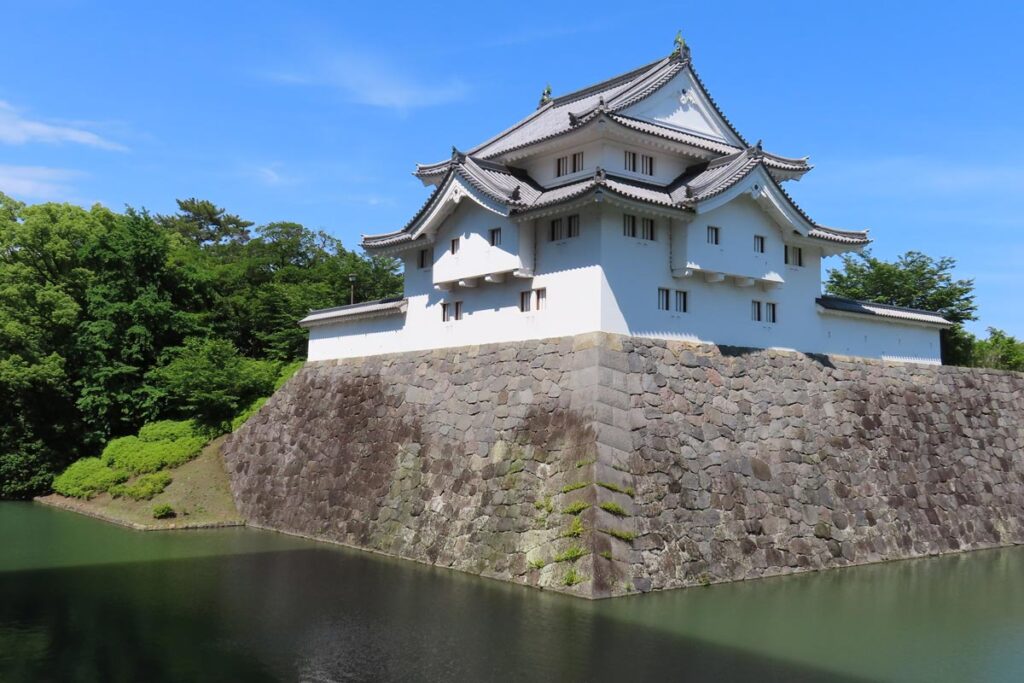
Sumpu Castle Park
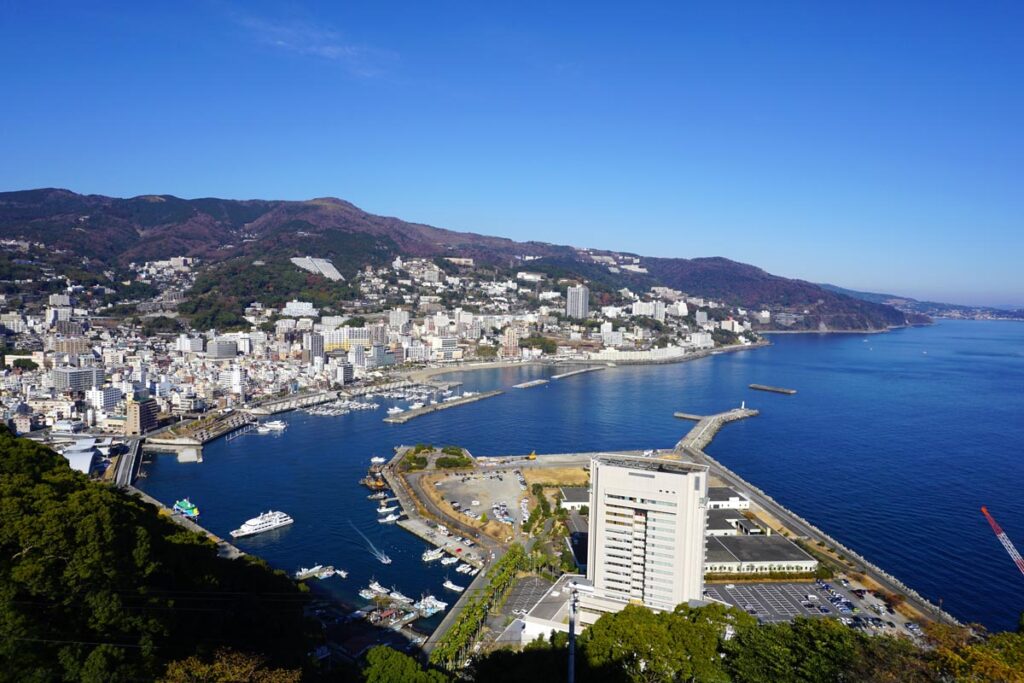
Atami
Yaizu Tuna Fishing Port
Top destinations in Chubu/Hokuriku
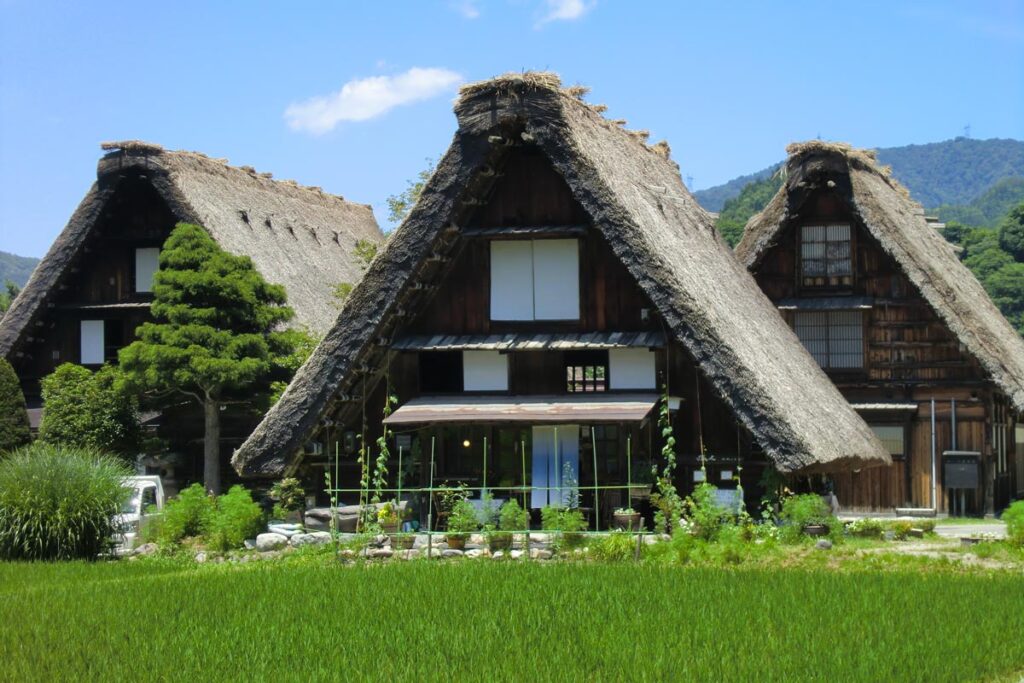
Gifu
Ishikawa
Nagano