

Mt. Fuji Panoramic Ropeway
Mt. Fuji Panoramic Ropeway: A First-Timer’s Guide to Sky-High Views in Japan
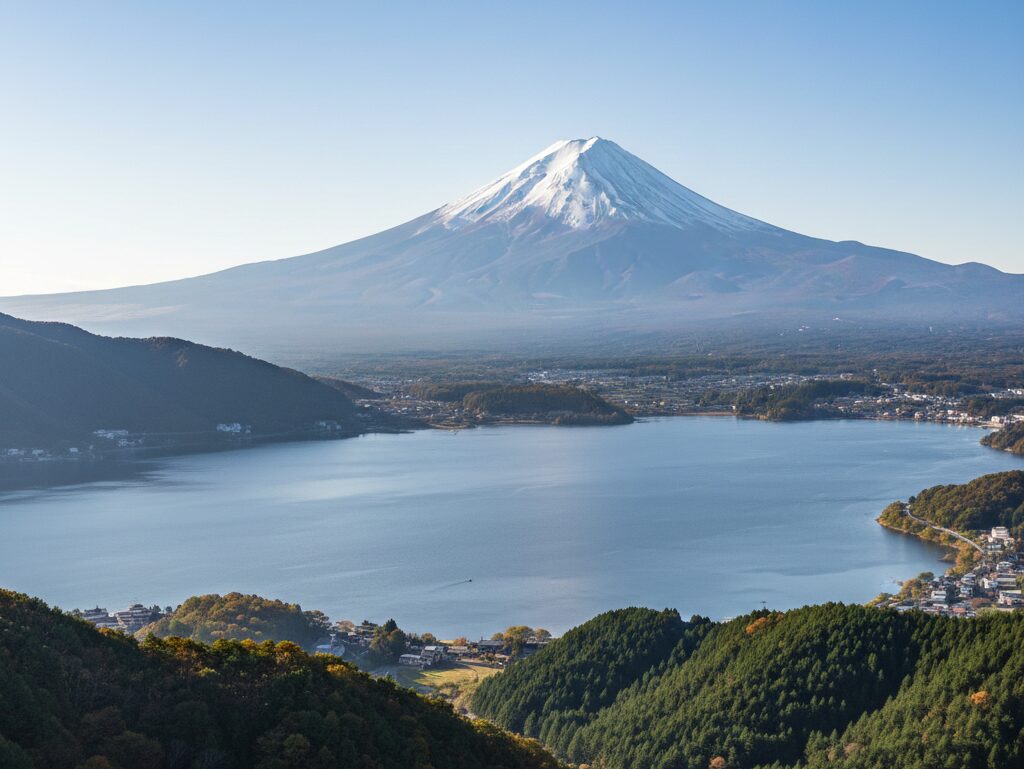
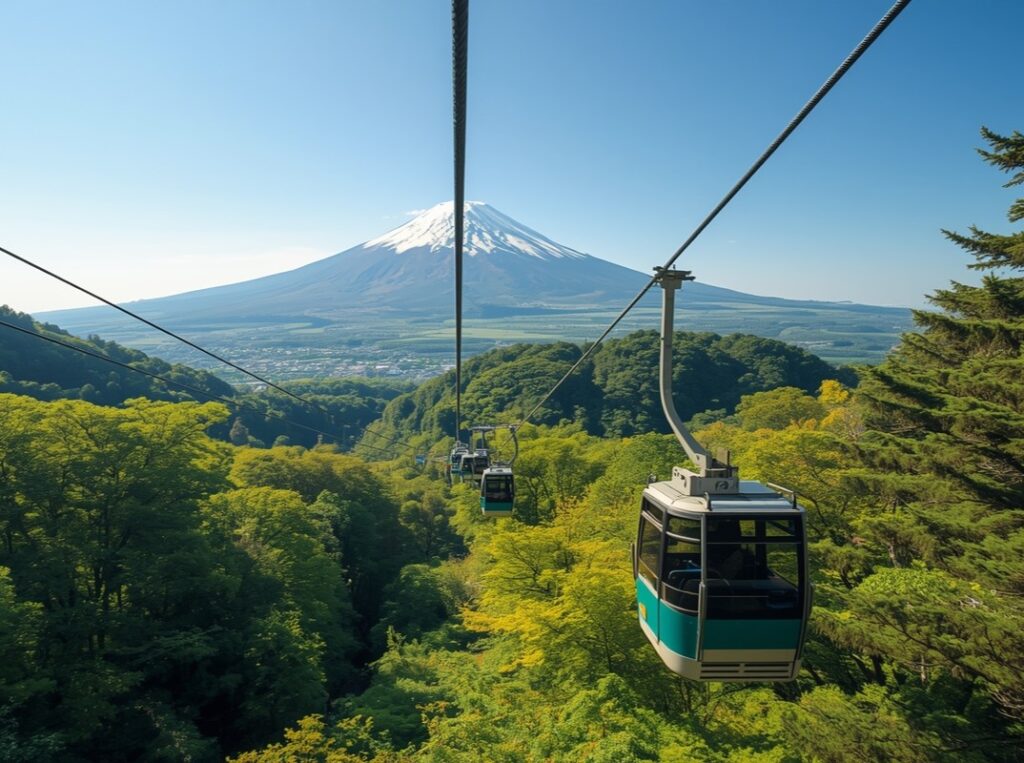
Photos are for illustrative purposes only.
For many first-time visitors to Japan, seeing Mt. Fuji is a lifelong dream. One of the easiest and most spectacular ways to enjoy Japan’s iconic volcano is the Mt. Fuji Panoramic Ropeway, a scenic cable car that glides above Lake Kawaguchi to a hillside viewpoint. With sweeping views, playful Fuji folklore, and easy access from Tokyo, this ropeway makes a perfect half-day highlight on your Japan itinerary.
What Is the Mt. Fuji Panoramic Ropeway?
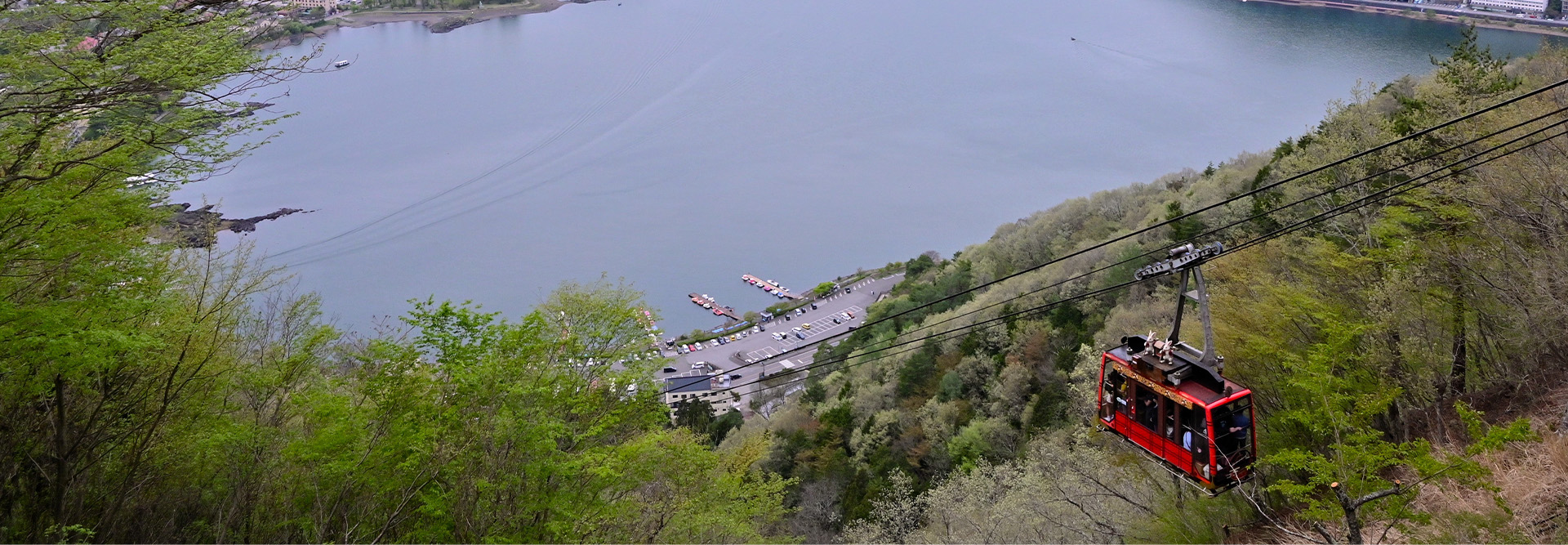
The Mt. Fuji Panoramic Ropeway is a cable car system on the eastern shore of Lake Kawaguchi (Kawaguchiko), part of the Fuji Five Lakes region at the northern foot of Mt. Fuji. In just a few minutes, the ropeway carries you from lake level to an observation area on Mount Tenjo, opening up a classic view of Mt. Fuji rising above the water and surrounding hills.
This attraction was once known mainly as the “Kachi Kachi Yama Ropeway,” referencing a famous Japanese folktale. It has since been rebranded to highlight its spectacular panoramic vistas, but you’ll still see many nods to the story in the station designs and mascots.
Why Visit the Mt. Fuji Panoramic Ropeway?
1. Iconic Mt. Fuji Views Without a Strenuous Hike
If you’d like to admire Mt. Fuji up close but don’t plan to climb it, the Mt. Fuji Panoramic Ropeway offers one of the most accessible viewpoints in the region. The ride takes only about 3 minutes each way, and from the top you can enjoy:
- A postcard-perfect view of Mt. Fuji (on clear days)
- Lake Kawaguchi shimmering below
- The Fuji Five Lakes landscape and surrounding mountain ridges
2. A Gentle Experience for All Ages
The ropeway is suitable for solo travelers, couples, and families with children. There is only a short walk from Kawaguchiko station or bus stops to the base station, and the ride itself is stable and comfortable. This makes it an excellent option if you prefer gentle sightseeing rather than long hikes or demanding activities.
3. A Mix of Folklore and Modern Tourism
Japanese attractions often blend modern facilities with traditional stories, and the Mt. Fuji Panoramic Ropeway is a good example. Throughout the stations and at the summit you’ll notice characters and displays inspired by the old folktale “Kachi Kachi Yama,” which involves a clever rabbit and a troublesome raccoon dog (tanuki). Even if you don’t know the story beforehand, the cute designs, statues, and motifs give the place a playful, uniquely Japanese atmosphere.
Understanding the Location: Kawaguchiko and Fuji Five Lakes
The ropeway sits on the shores of Lake Kawaguchi, one of the five lakes formed by ancient volcanic activity around Mt. Fuji. This area is a popular base for viewing Fuji, enjoying hot springs, visiting museums, and exploring nature without the bustle of central Tokyo.
Kawaguchiko town is compact and geared toward travelers, with plenty of hotels, ryokan (Japanese inns), cafes, and convenience stores. Many visitors take a day trip from Tokyo, while others stay overnight to catch sunrise or sunset views of Mt. Fuji.
How to Get to the Mt. Fuji Panoramic Ropeway
From Tokyo to Kawaguchiko
The most common gateway is Kawaguchiko Station, reachable from Tokyo by train or highway bus:
- By Train: From Shinjuku Station, take the JR Chuo Line to Otsuki Station, then transfer to the Fujikyuko Line for Kawaguchiko. The journey typically takes about 2 to 2.5 hours.
- By Highway Bus: Direct buses run from Shinjuku, Tokyo Station, and other major hubs to Kawaguchiko Station in around 1.5 to 2.5 hours, depending on traffic.
From Kawaguchiko Station to the Ropeway
Once you arrive at Kawaguchiko Station, reaching the Mt. Fuji Panoramic Ropeway is straightforward:
- By Sightseeing Bus: The local sightseeing bus (often called the “Red Line” or “Lake Kawaguchiko Loop”) stops near the ropeway base station. It’s clearly marked in English.
- On Foot: If you enjoy walking, you can stroll along the lakeside to the base in roughly 15–25 minutes, depending on your pace and exact starting point.
Signage in the area is generally bilingual (Japanese and English), and staff are used to helping international visitors, so navigating is relatively easy.
Tickets, Prices, and Operating Hours
Ticket options typically include a one-way or round-trip ropeway fare. Most travelers choose the round-trip ticket, but if you plan to hike down from the summit (or up from the base), you might opt for a one-way option when available.
Prices are modest compared to many attractions in major cities, making the ropeway an easy addition to your day’s activities. In peak travel seasons, you might also find combination tickets that bundle the ropeway with lake cruises or local buses. Look for information boards and ticket counters at Kawaguchiko Station and near the ropeway base.
The ropeway usually operates from morning to late afternoon, with extended hours during busy seasons or when special events are held. Operating times can change with the season and weather conditions. It’s wise to check the latest schedule on the day of your visit, either online or at Kawaguchiko Station.
The Ropeway Ride: What to Expect
Boarding at the Base Station
At the base station, you’ll buy your ticket and queue for the cable car. The station area often has souvenir shops and vending machines where you can pick up drinks or snacks before or after your ride.
The cabins are compact but well-maintained, with large windows that open onto Lake Kawaguchi and the slopes of Mt. Fuji. On busy days, you may need to wait a short time to board, but cars run frequently, especially in high season.
The Short but Scenic Ascent
The ascent to the top station takes only a few minutes, but offers an excellent first overview of the lake and town. As you glide upward:
- Look back to see the lake expanding beneath you
- Watch for seasonal color on the hillsides—fresh green in spring, deep green in summer, scarlet and gold foliage in autumn
- On very clear days, you may catch glimpses of distant mountain ranges beyond the lake
At the Top: Viewpoints, Trails, and Things to Do
Mt. Fuji Viewing Platforms
At the summit station, you’ll find multiple viewpoints that face Mt. Fuji and overlook Lake Kawaguchi. Each terrace offers a slightly different angle and foreground. The main platforms are easy to access, with short walks along paved or well-maintained paths.
For photography, early morning tends to offer the clearest skies, while late afternoon gives softer, warmer light. On some days, clouds may wrap around Fuji’s peak; even then, the varied layers of lake, town, and surrounding ridges create dramatic scenery.
Short Walks and Hiking Options
Beyond the main platforms, there are short walking routes near the summit. Some paths weave through forest and connect to longer hiking trails across Mount Tenjo’s ridgeline. If you’re not an experienced hiker, you can still enjoy gentle walks near the station, taking in the cool air and bird calls.
Wear comfortable shoes, as the ground can be uneven in places, especially off the main paths. In winter or after rain, some sections may be slippery.
Folklore Corner: The Tale of Kachi Kachi Yama
The old name of the ropeway, and many of its designs, come from the folktale “Kachi Kachi Yama,” literally “Crackle-Crackle Mountain.” In the story, a rabbit outsmarts a mischievous tanuki (raccoon dog) who has caused trouble for an elderly couple. You’ll see statues, panels, and signs featuring a rabbit and a tanuki around the summit.
Even without following every detail of the story, this folklore motif adds character and a touch of humor to the site, reminding visitors that mountains in Japan are often wrapped in stories, spirits, and legends.
Cafes, Snacks, and Souvenirs
Depending on the season, the summit area may have small food stalls or a cafe where you can enjoy light snacks, sweets, or hot drinks with a view. Popular choices often include regional treats that pair well with the cool mountain air.
Souvenir shops usually feature Mt. Fuji-themed goods, local snacks, and rabbit-and-tanuki items related to the Kachi Kachi Yama story. These make fun, compact gifts to take home.
Best Time to Visit the Mt. Fuji Panoramic Ropeway
Seasonal Highlights
- Spring (March–May): Mild temperatures and cherry blossoms around Lake Kawaguchi make this a popular time. Views of Mt. Fuji framed by pink sakura petals are unforgettable when the timing aligns.
- Summer (June–August): Lush green hills surround the lake. However, summer can bring more clouds and haze around Mt. Fuji, so early mornings often offer the best chances for clear views.
- Autumn (October–November): Many travelers consider this the ideal season. Crisp air, high visibility, and fiery red and gold foliage create stunning contrasts with Fuji’s snowcapped peak.
- Winter (December–February): Cold but often very clear, with Mt. Fuji frequently wearing a deep white crown of snow. Dress warmly, as temperatures drop quickly with altitude.
Time of Day
Weather around Mt. Fuji changes quickly. For the best chance to see the mountain clearly:
- Visit early in the morning, before clouds build up
- Check the live view of Mt. Fuji from your accommodation or local webcams before heading out
- Be prepared for sudden changes; sometimes a completely hidden Fuji will briefly appear and then vanish again
Practical Tips for First-Time Visitors
Weather and Clothing
Even if it’s warm in Tokyo, temperatures at Kawaguchiko and the ropeway summit can be cooler, especially in the morning and evening. Bring an extra layer, such as a light jacket or fleece. In winter, gloves and a hat are recommended.
Language and Signage
Signage at the ropeway and around Kawaguchiko is often available in English, and sometimes in other languages as well. Staff may understand basic English, particularly words related to tickets and directions. Keeping a simple translation app on your phone is helpful for more detailed questions.
Payments and Facilities
Major facilities in Kawaguchiko increasingly accept credit cards and contactless payments, but having some Japanese yen in cash remains useful, especially for small shops, buses, or vending machines.
Public restrooms are usually available at Kawaguchiko Station, nearby parks, and at or near the ropeway stations. They are generally clean, but carrying a small pack of tissues and hand sanitizer is always practical in Japan.
Queues and Crowds
The Mt. Fuji Panoramic Ropeway is a popular attraction. On weekends, national holidays, and peak seasons such as cherry blossom and autumn foliage periods, you may encounter lines for tickets or boarding. To avoid the worst crowds:
- Arrive early in the day or later in the afternoon after the midday rush
- Consider visiting on weekdays instead of weekends when possible
Health and Safety
The ropeway and summit paths are designed for general tourism, not extreme adventure. Still, be mindful of:
- Watching your step on uneven sections of trail
- Staying behind railings and barriers at viewpoints
- Keeping children close, especially near steep slopes
Combining the Ropeway with Nearby Attractions
The Mt. Fuji Panoramic Ropeway fits easily into a half-day or full-day itinerary around Lake Kawaguchi. Consider pairing it with:
- Lake Kawaguchi Sightseeing Cruise: A gentle boat ride gives you a water-level perspective of Fuji.
- Lakeside Walks and Parks: Stroll along the shore, relax on benches, and enjoy changing views of the mountain.
- Onsen (Hot Springs): Some facilities offer baths with Mt. Fuji views, the perfect way to relax after sightseeing.
- Museums and Art Spaces: The area has several small but charming museums and galleries dedicated to local history, art, and natural scenery.
If you’re staying overnight, sunrise over Lake Kawaguchi with Mt. Fuji in view can be a highlight of your whole trip to Japan.
Making the Most of Your Mt. Fuji Panoramic Ropeway Visit
For many travelers, the Mt. Fuji Panoramic Ropeway delivers exactly what its name promises—broad, beautiful panoramas of Japan’s most famous mountain and its surrounding lakes. It is easy to reach, relatively budget-friendly, and welcoming to visitors of all ages and travel styles.
Plan your visit with the weather and season in mind, build in time for a relaxed walk at the summit, and allow yourself a quiet moment to simply stand and gaze at Mt. Fuji. Whether the mountain appears crystal clear or veiled in shifting clouds, this hillside viewpoint above Lake Kawaguchi offers a memorable introduction to Japan’s natural and cultural landscape.

Access Map
Recommended spots in Mt. Fuji
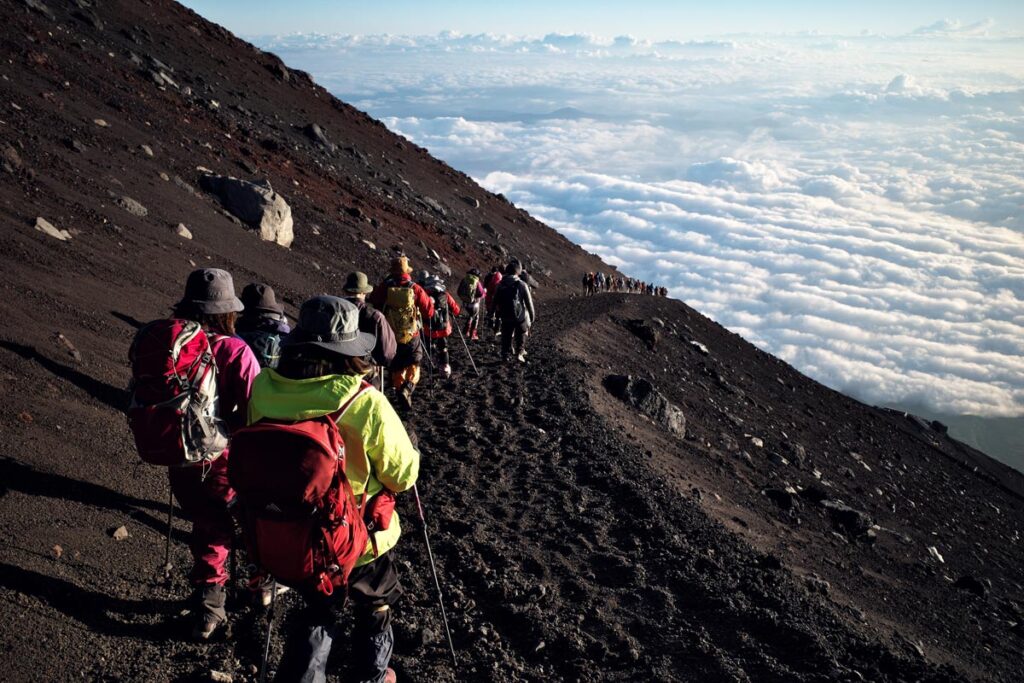
Mt. Fuji Climbing
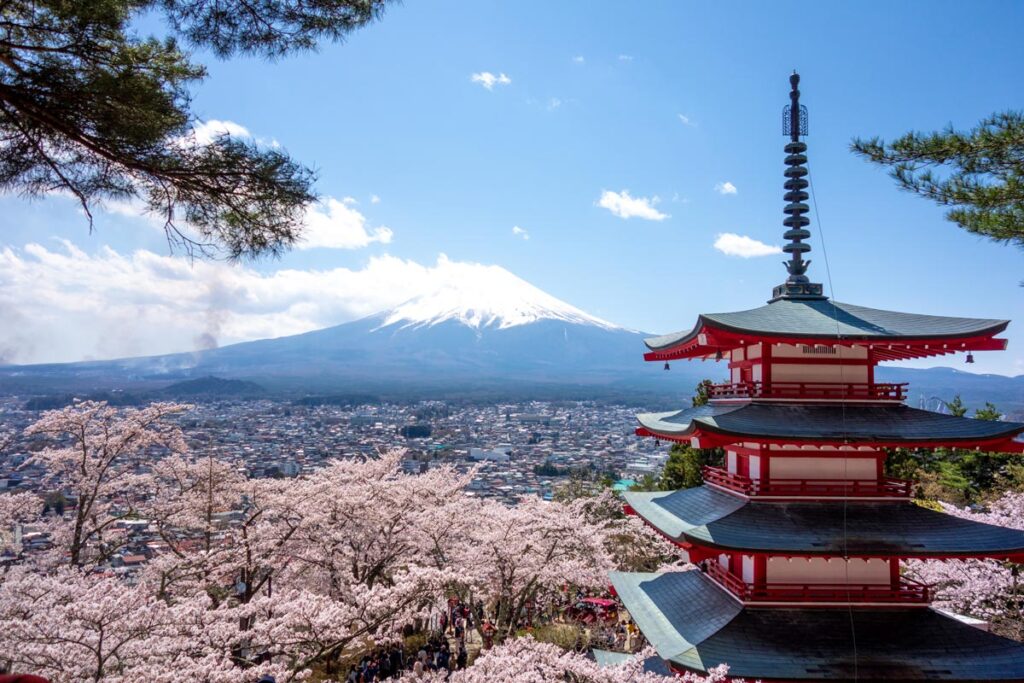
Arakurayama Sengen Park
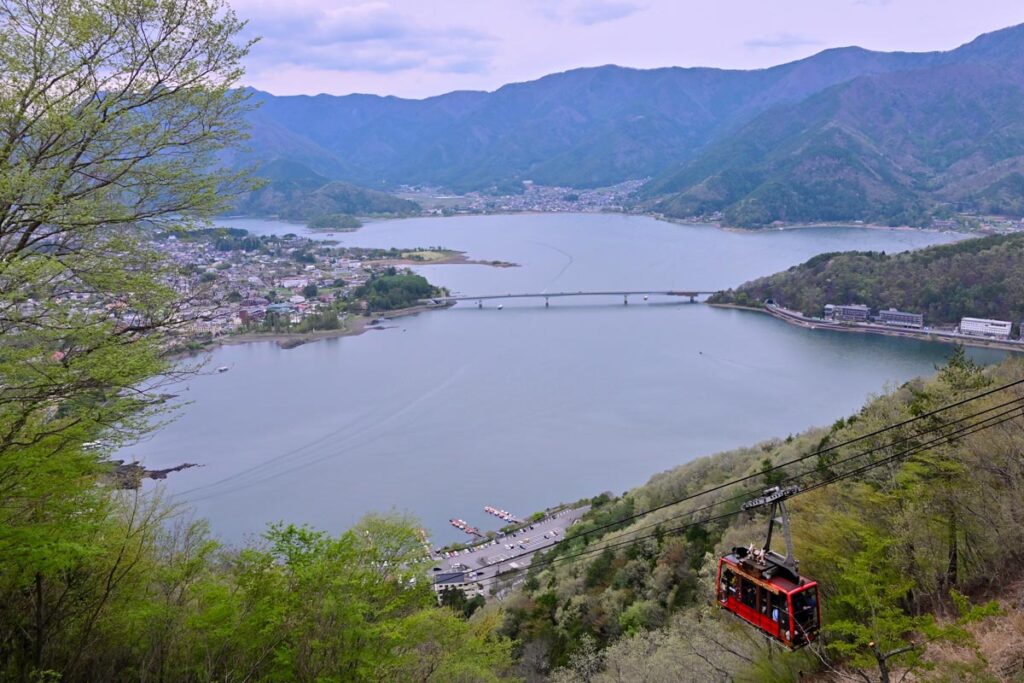
Mt. Fuji Panoramic Ropeway
Mishima Skywalk