


Nagasaki
Nagasaki Travel Guide: History, Peace and Harbor Views in Japan
Photos are for illustrative purposes only.
Nagasaki is one of Japan’s most atmospheric port cities – a place where solemn history, hillside neighborhoods, European-style churches, and steaming hot springs all meet the sea. For first-time visitors to Japan who want more than the classic Tokyo–Kyoto route, Nagasaki offers a powerful mix of remembrance, culture, and coastal charm.
Located on the western side of Kyushu, Japan’s southernmost main island, Nagasaki was Japan’s historic gateway to the West. Portuguese and Dutch traders, Chinese merchants, missionaries, and sailors all passed through this harbor, leaving behind churches, consulates, and a uniquely international food scene. Today, Nagasaki is best known internationally for the atomic bombing of 9 August 1945, but the modern city is lively, welcoming, and deeply focused on peace.
Why Visit Nagasaki?
For first-time travelers to Japan, Nagasaki offers three things that stand out: an emotional connection to global history, an unusually international atmosphere for a mid-sized Japanese city, and some of the country’s most beautiful night views. It’s small enough to feel relaxed yet rich enough in sights to fill several days.
Unlike Japan’s big metropolises, Nagasaki is built into steep hills surrounding a narrow bay. Look up from almost any street and you’ll see houses stacked high on the slopes, connected by stairways rather than roads. At night, the hillside lights form a glittering amphitheater around the harbor – one of Japan’s celebrated “three great night views.”
At the same time, this is one of Japan’s key cities for understanding the Second World War and the country’s post-war commitment to peace. The Atomic Bomb Museum and the Peace Park are not easy visits, but they are among the most meaningful you can make in Japan.
Top Things to Do in Nagasaki
Nagasaki Atomic Bomb Museum and Peace Park
Any visit to Nagasaki should include time in the Urakami district, where the atomic bomb exploded in 1945. The Nagasaki Atomic Bomb Museum presents the events of 9 August and their human impact through survivor testimonies, artifacts, and detailed displays. Most exhibits include English explanations, and audio guides are available to help you move at your own pace.
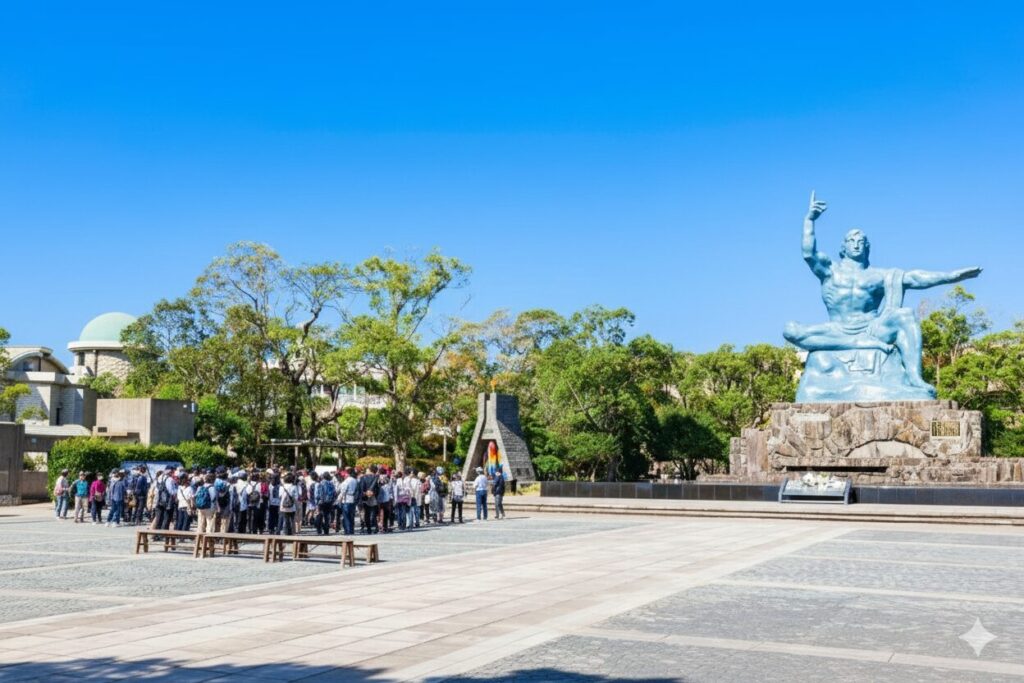
Next to the museum, the Nagasaki Peace Park is a large open space filled with monuments donated from around the world. The central Peace Statue, with one hand pointing to the sky and the other extended in peace, has become a symbol of the city’s hope for a nuclear-free world. Spend time walking quietly among the sculptures; many are moving gifts from cities and nations affected by war.
A short walk away stands the Urakami Cathedral, once the largest Catholic church in East Asia. The original building was destroyed by the bomb; today’s church is a reconstruction, but the story of the local Catholic community – descended from “hidden Christians” who practiced in secret during centuries of persecution – gives the site deep resonance.
Glover Garden and Nagasaki’s Foreign Residences
For a look at Nagasaki’s cosmopolitan 19th-century past, head to Glover Garden on Minamiyamate hillside. This open-air museum preserves several Western-style houses built by foreign merchants when Japan reopened to international trade after more than 200 years of isolation.
The most famous is the former home of Scottish merchant Thomas Glover, who played a role in Japan’s early industrialization. The wooden verandas, brick chimneys, and sloping lawns feel more like Europe than Japan, but look up and you’ll see Nagasaki’s harbor below, framed by mountains. Wandering the garden’s paths, you’ll pass period furniture, photographs, and exhibits explaining how foreign residents shaped modern Nagasaki.
On the way up, don’t miss the small but elegant Oura Church, often considered Japan’s oldest surviving Catholic church. Built in 1864, it was dedicated to the “26 Martyrs of Japan” and is now part of a UNESCO World Heritage listing of Christian sites in Nagasaki and Kumamoto.
Nagasaki’s Temples, Shrines and Chinatown
Nagasaki is also deeply connected to China. For centuries, Chinese traders lived and worked here, and their cultural legacy is most visible in Nagasaki Chinatown (Shinchi), one of Japan’s three major Chinatowns. Today the compact district is lined with bright gates, lanterns, and restaurants serving local variations on Chinese cuisine.
Nearby, Sofuku-ji Temple, a Zen Buddhist temple founded by Chinese monks, showcases traditional Chinese architecture with its vivid red halls and stone dragons. Kofuku-ji Temple, another Chinese-founded temple, also preserves rich carvings and artifacts, offering insight into the city’s Chinese community.
Step back into the early Edo period at Suwa Shrine, a major Shinto shrine overlooking the city. The climb up stone steps is rewarded with pleasant views, and if you visit in October, you may see preparations for the Nagasaki Kunchi festival – a colorful event where dragon dances and floats reflect the city’s multicultural heritage.
Dejima: From Isolated Outpost to Open-Air Museum
During Japan’s self-imposed isolation (1603–1868), the tiny man-made island of Dejima was the country’s only window to the West, hosting a Dutch trading post under strict control. Over the centuries, the island was absorbed into the city, but modern Nagasaki has reconstructed many of the former residences and warehouses.
Today Dejima is an open-air museum that recreates the feel of the old compound. You can walk along cobbled paths, peek into furnished merchant houses, and learn how scientific and cultural ideas – from Western medicine to coffee – entered Japan through this one, tightly regulated port.
Mount Inasa Night View
For a completely different side of Nagasaki, ride the ropeway or drive up to Mount Inasa (Inasayama) in the evening. At 333 meters high, its observatory offers a sweeping panorama of the bay, the spiderweb of roads, and the lit-up hillsides curving around the harbor.
The night view here is often ranked among Japan’s best, and on clear days the daytime view is also impressive. The mountaintop area has a café and open terraces, making it easy to linger until the city lights bloom below.
Hashima Island (Gunkanjima), the “Battleship Island”
Just off the coast of Nagasaki lies Hashima Island, better known as Gunkanjima – “Battleship Island” – because its profile resembles a warship. Once a coal-mining facility packed with concrete apartment blocks, schools, and shops, the island was abandoned in 1974 and now stands deserted, a haunting relic of Japan’s industrial age.
Several operators run guided boat tours that circle the island and, weather permitting, land at a designated area for a walking tour along safe routes. Commentary usually explains the harsh working conditions, including the use of forced labor during the war. It’s an unsettling but fascinating experience, and reservations are advised, especially on weekends and holidays.
Unzen Onsen and Shimabara Peninsula (Day Trips)
From Nagasaki, you can easily explore the volcanic landscapes of the Shimabara Peninsula. The most popular destination is Unzen Onsen, a hot-spring resort in the mountains east of the city.
Unzen has bubbling “hell valleys” where sulfurous steam spills out of the earth, walking paths through forests, and traditional ryokan inns where you can soak in mineral-rich baths. Historically, Unzen was infamous as a site of persecution of Christians in the 17th century; today it is peaceful, with signboards explaining this complicated past.
Further south, Shimabara town has a restored castle and charming old streets lined with water channels, where colorful carp swim alongside traditional houses.
Food and Local Specialties
Nagasaki’s cuisine reflects centuries of foreign influence. Many dishes are hybrids, born from encounters between Japanese, Chinese, Portuguese, and Dutch kitchens.
Champon and Sara Udon
Perhaps the most famous Nagasaki dish is Champon, a hearty noodle soup created in Chinatown for Chinese students in the Meiji era. Thick noodles are served in a rich pork-and-chicken-based broth, topped with stir-fried cabbage, seafood, and slices of meat. It’s comforting, filling, and easy to enjoy even if you are new to Japanese food.
A related specialty is Sara Udon – crispy fried noodles covered with a glossy stir-fried mixture of vegetables, seafood, and meat. Despite the name, it’s not a “udon” dish in the usual sense; the noodles are thin and crunchy, closer to fried Chinese egg noodles.
Nagasaki Castella and Sweet Treats
Nagasaki is renowned for Castella, a soft, moist sponge cake introduced by Portuguese traders in the 16th century and adapted to Japanese tastes. Modern Castella is made with sugar, flour, eggs, and starch syrup, resulting in a fine texture and honeyed flavor. It’s a popular souvenir, often sold in decorative boxes and various flavors such as matcha or brown sugar.
Another local treat is Shippoku cuisine, a shared-table style that blends Japanese, Chinese, and Western influences. While traditionally enjoyed in larger groups, some restaurants offer individual courses suitable for solo travelers or couples.
Cultural Etiquette and Peace Tourism
When visiting sites related to the atomic bombing, it’s important to be mindful of local sensitivities. Japanese visitors often treat these spaces almost like temples – speaking quietly, reading exhibits carefully, and reflecting on what they see. Many survivors and their descendants still live in Nagasaki, and the city’s identity is closely tied to its message of peace.
Photography is generally permitted in the museum and Peace Park, but avoid loud conversation or joking, and never treat the sites as mere photo backdrops. If you attend a peace lecture or encounter a survivor talk, listening respectfully is valued more than asking many questions.
Practical Travel Tips
How to Get to Nagasaki
By Train: From Fukuoka's Hakata Station, Shinkansen connecting trains run to Takeo Onsen, and from there the Shinkansen line is partially open to Nagasaki. Total travel time is typically around 1.5–2 hours. From Tokyo or Osaka, you can ride a shinkansen to Hakata and then connect, making Nagasaki feasible as part of a longer Kyushu itinerary.
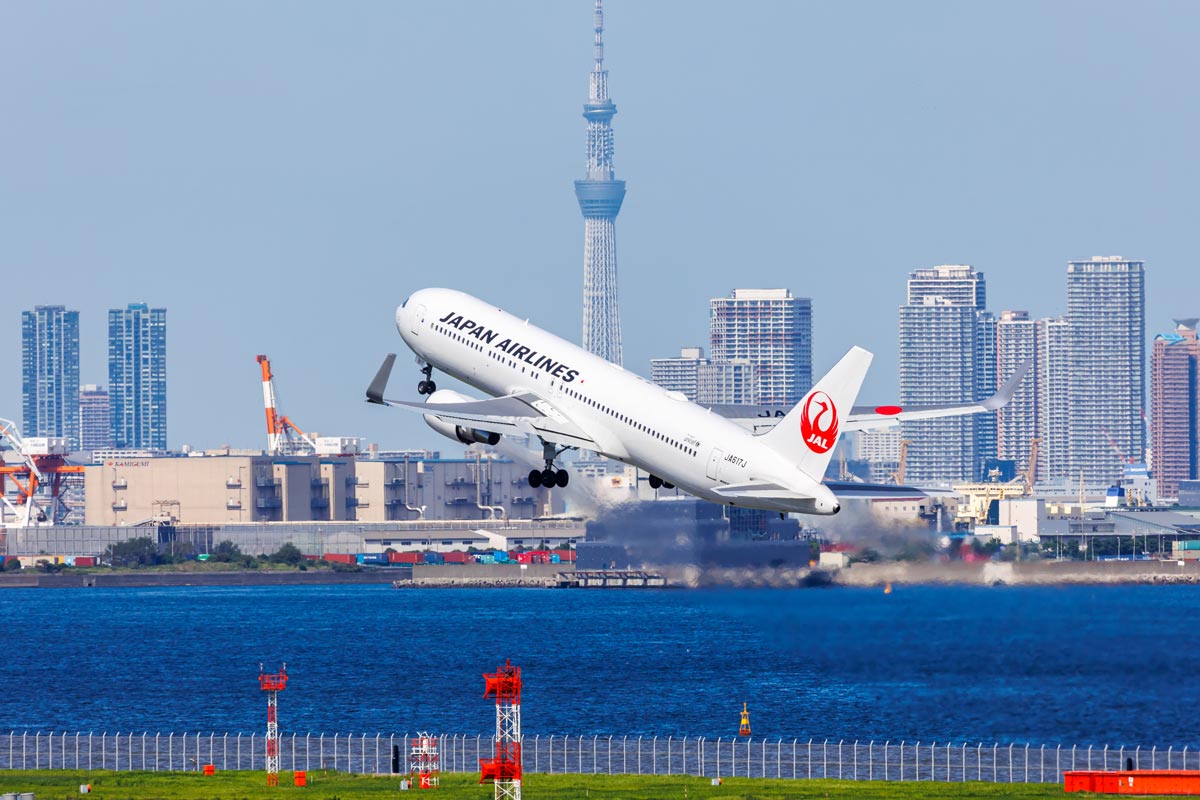
By Air: Nagasaki Airport has domestic flights from Tokyo, Osaka, and other major cities. An airport bus connects to central Nagasaki in about 45 minutes.
Getting Around the City
Nagasaki’s compact size and old-fashioned streetcar network make it easy to explore. Trams run frequently and connect most major attractions, including the Peace Park, Dejima, Glover Garden, and Chinatown. Day passes are available and can be cost-effective if you plan several rides.
Key areas, such as the downtown shopping arcades and harborfront, are walkable. For Mount Inasa, use the ropeway from Fuchi Shrine or take a bus/taxi to the summit.
Where to Stay
For first-time visitors, the most convenient areas are:
- Central Nagasaki (near Nagasaki Station): Good access to trams, shops, and restaurants; ideal for day trips.
- Harbor and Minamiyamate area: Closer to Glover Garden and Chinatown, with more scenic views over the bay.
- Unzen Onsen: For a traditional ryokan and hot-spring experience as a one- or two-night side trip.
Best Time to Visit
Nagasaki’s coastal climate is milder than much of mainland Japan:
- Spring (March–May): Pleasant temperatures and cherry blossoms, especially around late March to early April.
- Autumn (October–November): Comfortable and relatively dry, with colorful foliage in surrounding hills.
- Summer (June–September): Hot and humid, with a rainy season in June and potential typhoons later in the season.
February brings the Nagasaki Lantern Festival, when Chinatown and central streets are filled with thousands of lanterns for Lunar New Year. October’s Nagasaki Kunchi Festival showcases dragon dances, floats, and traditional performances. Both are vibrant but can be crowded, so book accommodation early.
Suggested Itinerary for First-Time Visitors
For first-time travelers to Japan including Nagasaki in a Kyushu trip, a two- or three-day stay works well.
Two-Day Nagasaki Plan
Day 1: Arrive and check in near Nagasaki Station or the harbor. Visit Dejima to understand the city’s role in Japan’s opening to the world. Walk or take a tram to Glover Garden and Oura Church, then explore nearby streets and Chinatown. After dinner, head up Mount Inasa for the night view.
Day 2: Take the tram to the Atomic Bomb Museum and Peace Park, spending several hours between the museum, park, and Urakami Cathedral. In the afternoon, visit Sofuku-ji or Suwa Shrine, then enjoy Champon or Sara Udon for dinner.
Adding a Third Day
Use an extra day for a boat trip to Gunkanjima or a day trip to Unzen Onsen. Both reveal very different sides of Nagasaki’s history and landscape – one industrial and stark, the other natural and restorative.
Making the Most of Nagasaki
Nagasaki rewards travelers who are curious about history and culture but also appreciate small, atmospheric cities. It’s a place where you can move from somber memorials to hillside cafés, from temple courtyards to streetcar rides past the harbor, all in a single day.
For first-time visitors to Japan, adding Nagasaki to your itinerary offers a deeper understanding of the country beyond its capital and ancient capitals: its encounters with the wider world, its tragedies, and its ongoing pursuit of peace. Come with an open mind and enough time to walk, look, and reflect – Nagasaki’s layered stories will stay with you long after you leave its harbor.

Access Map
Recommended spots in Nagasaki
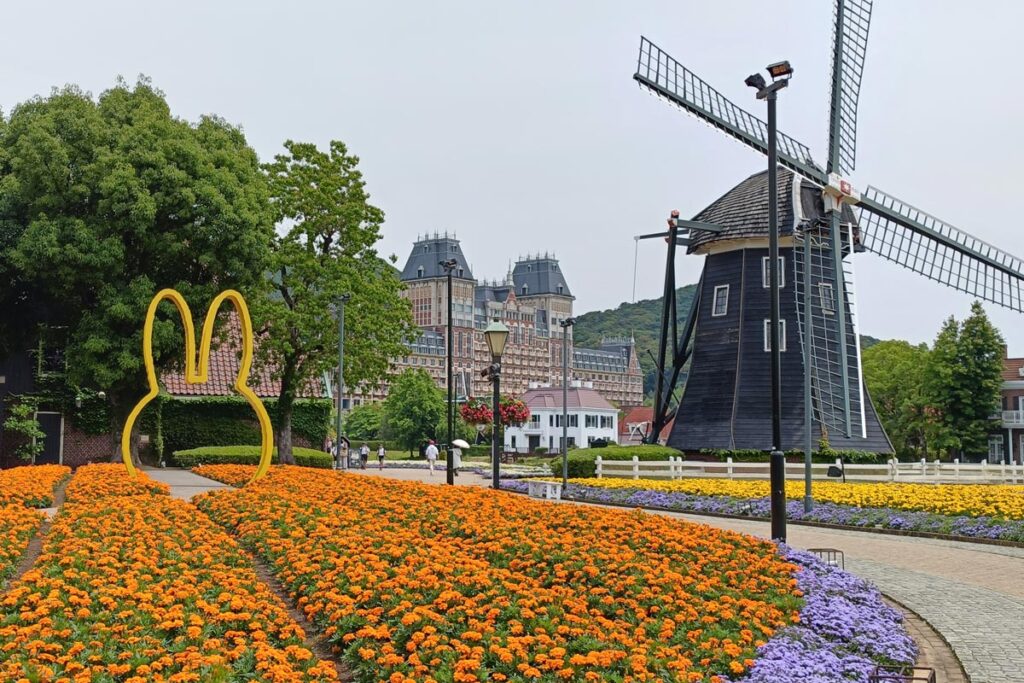
Huis Ten Bosch
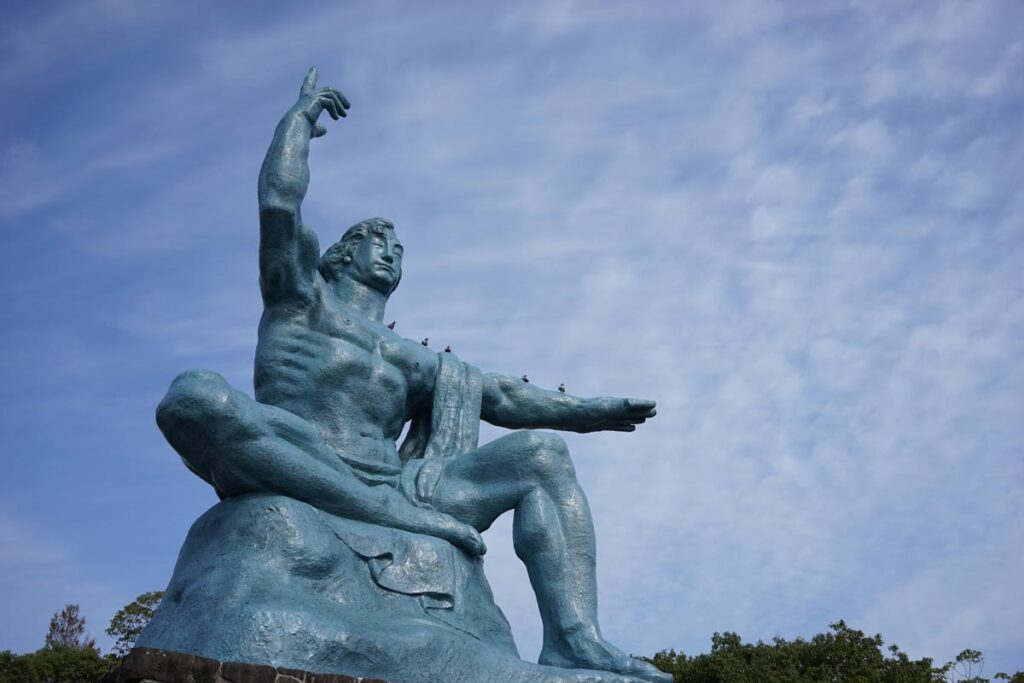
Peace Park
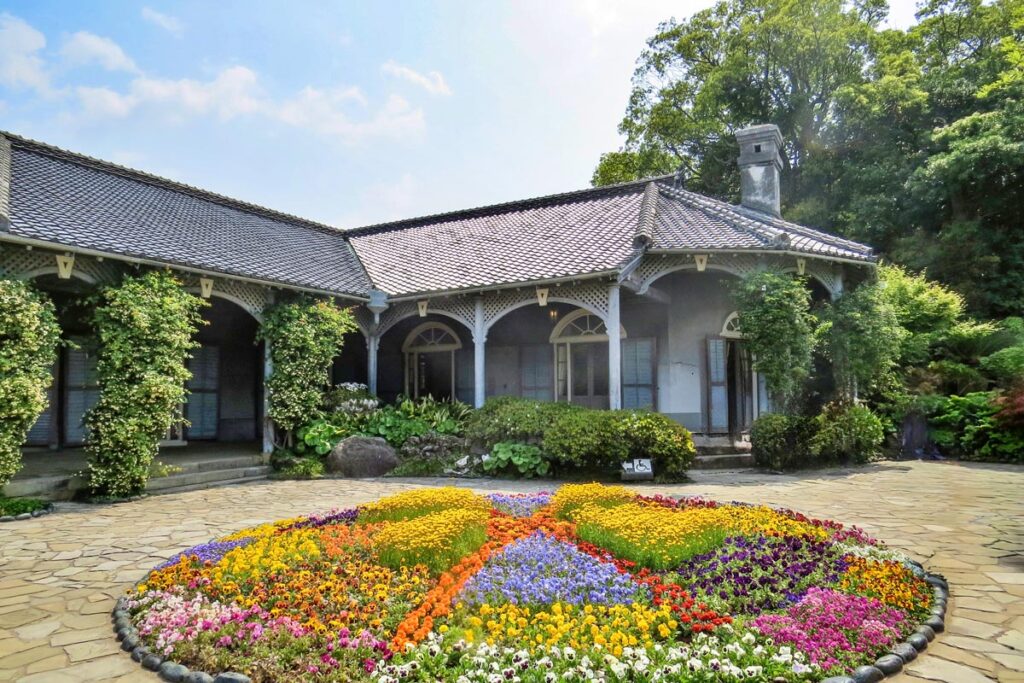
Glover Garden
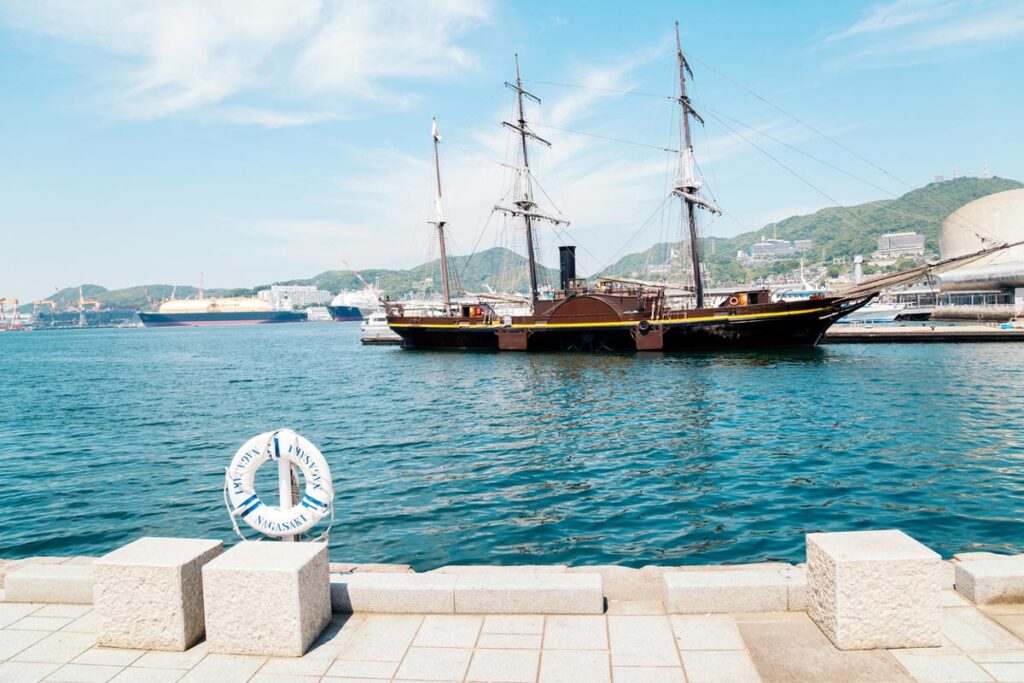
Dejima
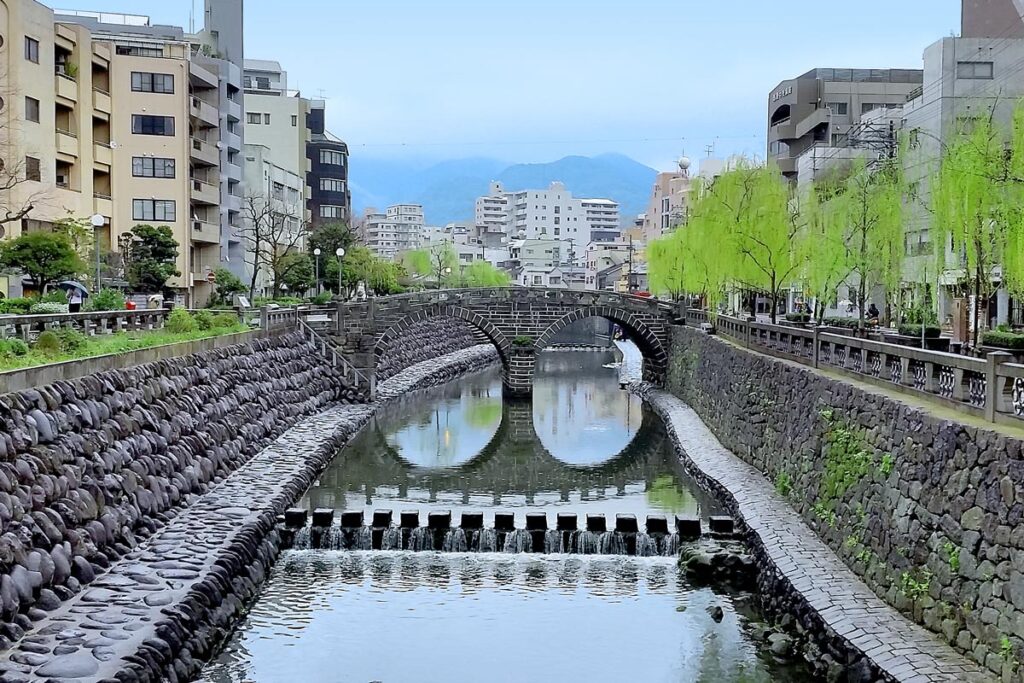
Megane Bridge
Top destinations in Kyushu/Okinawa
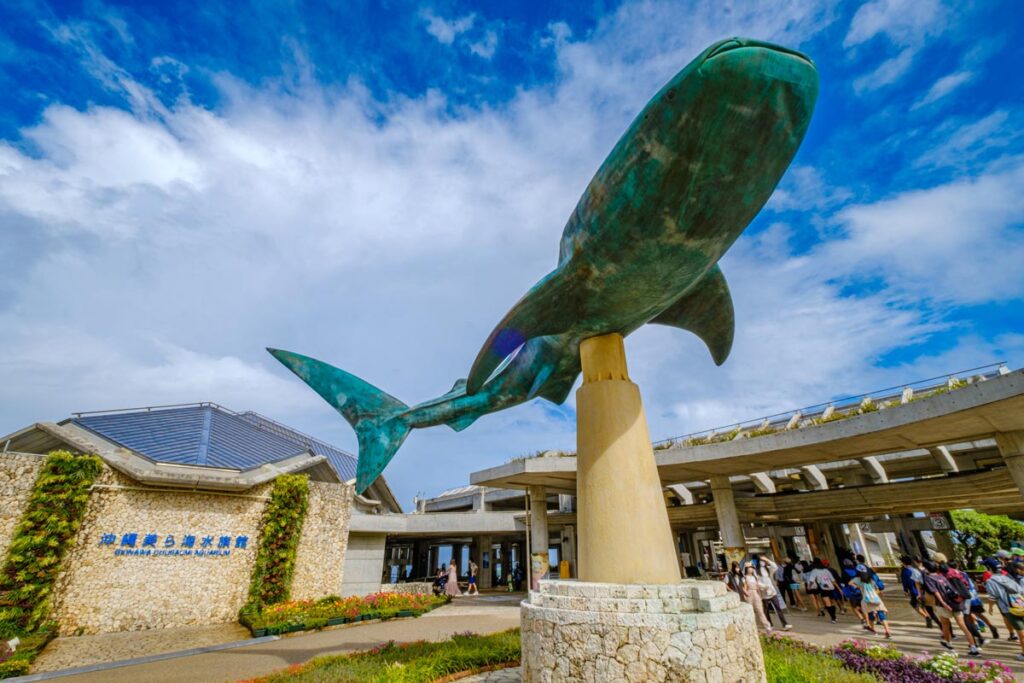
Okinawa
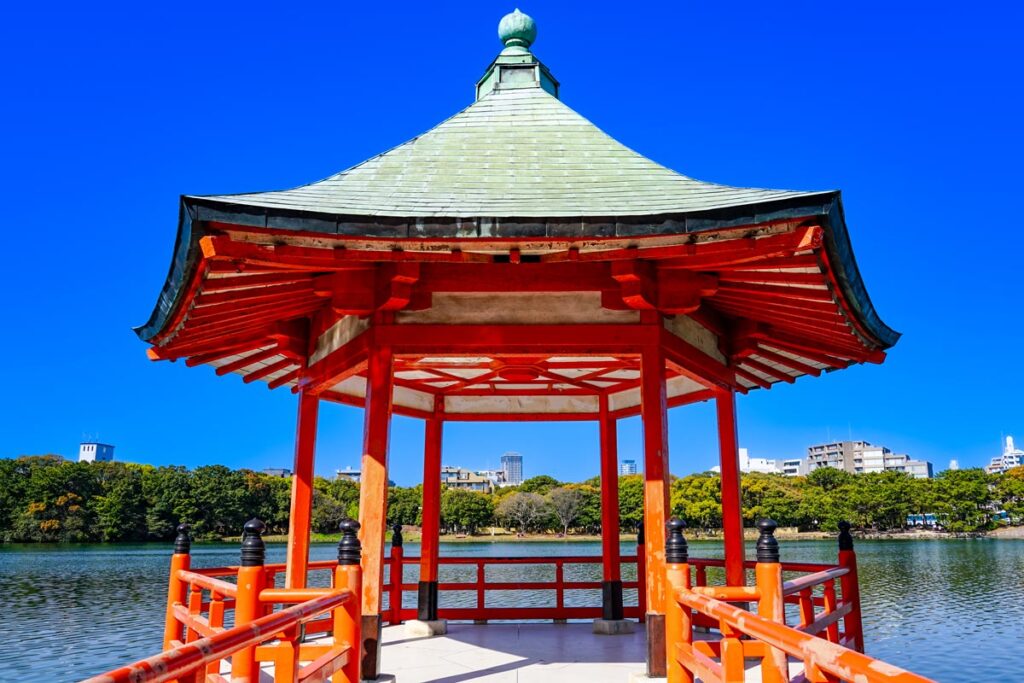
Fukuoka
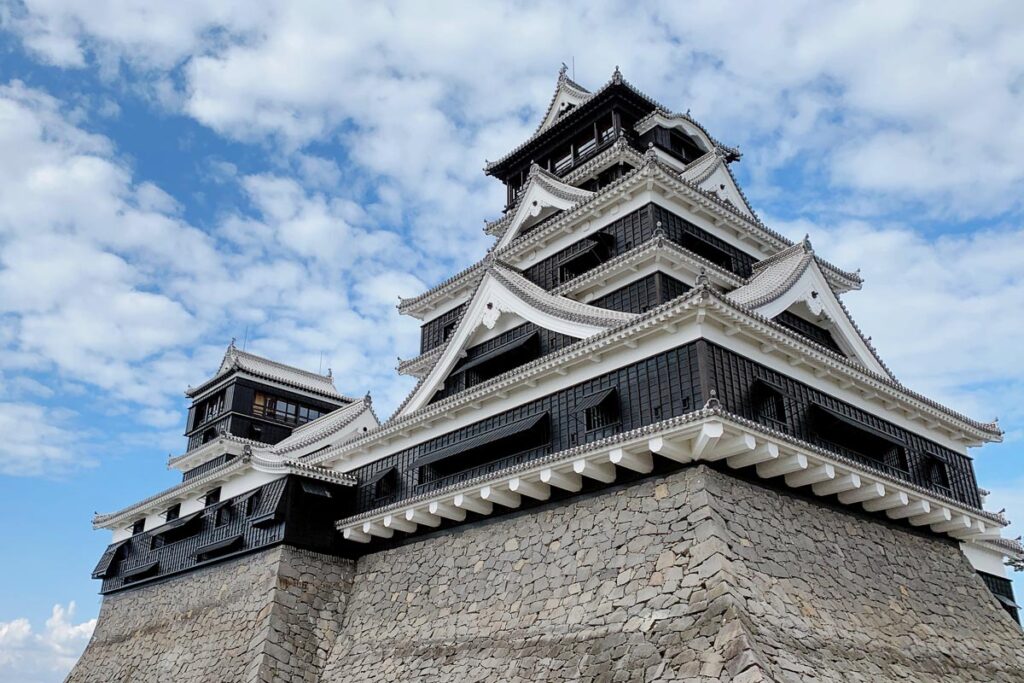
Kumamoto