




Nagatoro
Nagatoro Travel Guide: Scenic River Town Near Tokyo
Photos are for illustrative purposes only.
Nestled in the Chichibu region of Saitama Prefecture, Nagatoro is a compact river town that blends dramatic natural scenery with quiet countryside charm. For international visitors, it is one of the easiest places to experience rural Japan as a day trip from Tokyo, complete with river cruises, hiking trails, seasonal flowers, and historic shrines.
Unlike crowded big-city attractions, Nagatoro offers a slower pace and a chance to see how everyday life unfolds beyond Japan’s urban centers. Clear water, forested hills, and rocky riverbanks create a landscape that feels far removed from the capital, yet access is straightforward and foreigner-friendly.
Where Is Nagatoro and Why Visit?
Nagatoro lies along the Arakawa River in western Saitama, about 90 minutes to two hours from central Tokyo by train. The town is part of the Chichibu-Tama-Kai region, known for its mountains, rivers, hot springs, and traditional festivals. Nagatoro itself is officially designated a national scenic spot and natural monument thanks to its striking rock formations and river gorge.
For first-time travelers to Japan, Nagatoro is ideal if you want:
- A nature-focused day trip that doesn’t require a car
- Gentle adventure activities suitable for beginners and families
- Easy walking between attractions near the station
- A taste of small-town Japan with local food, inns, and shops
Top Things to Do in Nagatoro
1. Ride a Traditional River Boat on the Arakawa
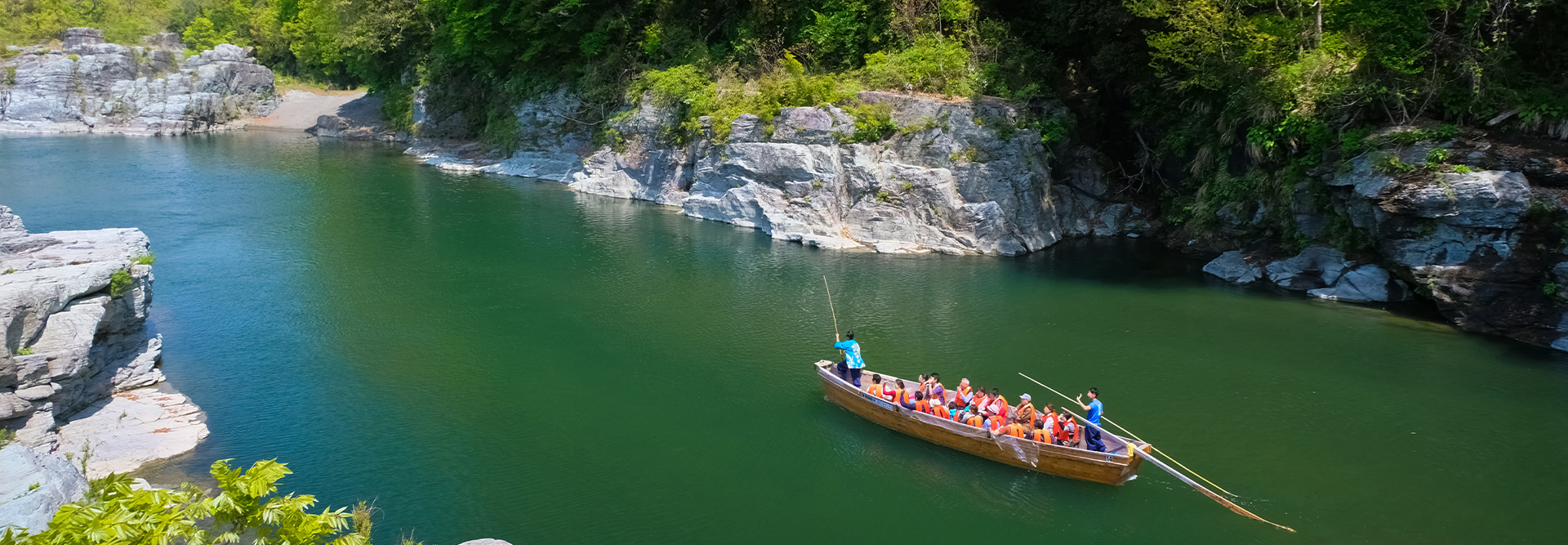
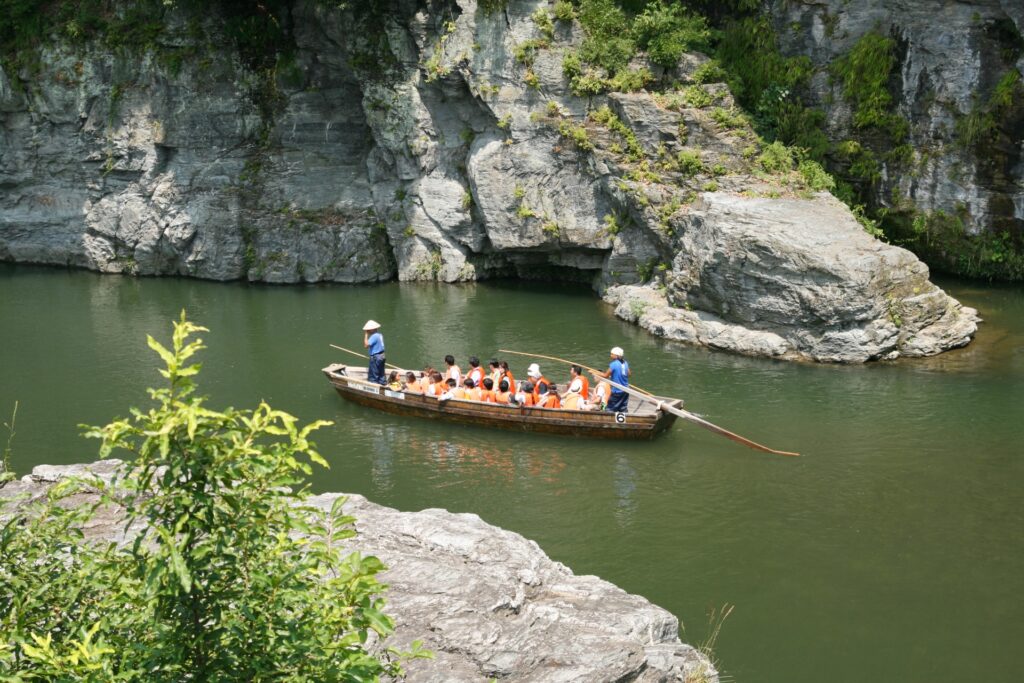
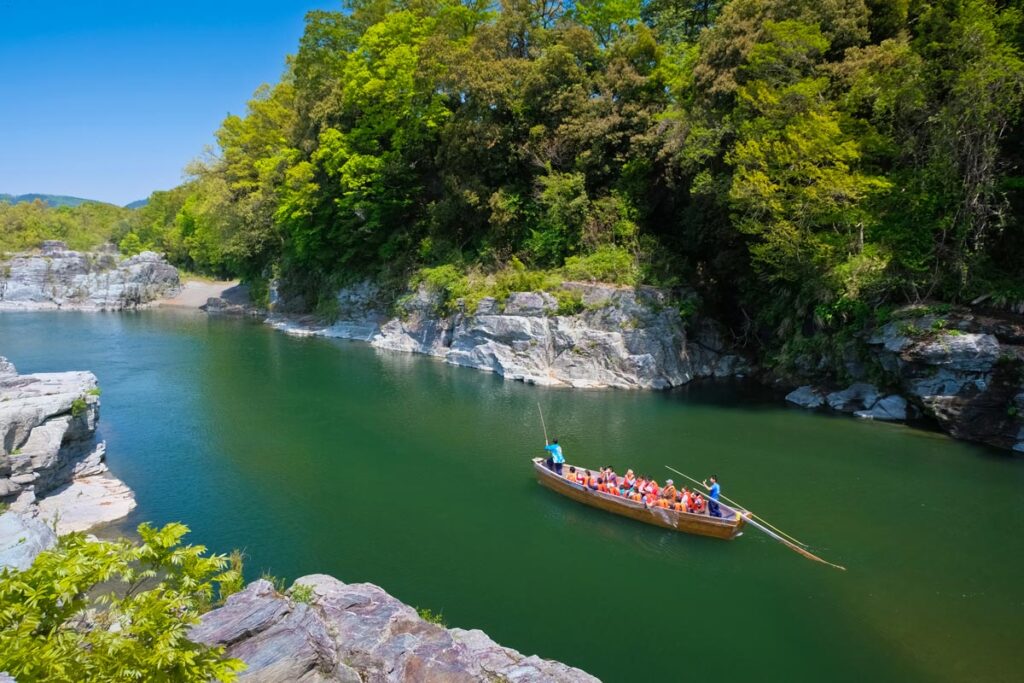
The signature experience in Nagatoro is the wooden riverboat cruise that glides along the Arakawa River through the Nagatoro Gorge. Boatmen in traditional jackets steer flat-bottomed boats with long poles, navigating gentle rapids and calm stretches of jade-colored water. The cruise offers superb views of the cliff-like rock formations and tree-covered slopes on both banks.
The standard course takes about 20–30 minutes, with departures near Nagatoro Station and drop-off further downstream. Return buses or short walks bring you back to the center of town. In high water or during heavy rain, operations may be suspended for safety, so checking conditions on the day is wise.
Each season has its own atmosphere:
- Spring: Cherry blossoms line parts of the river, and fresh green leaves appear on the hills.
- Summer: Lush greenery and cool river breezes provide relief from the heat.
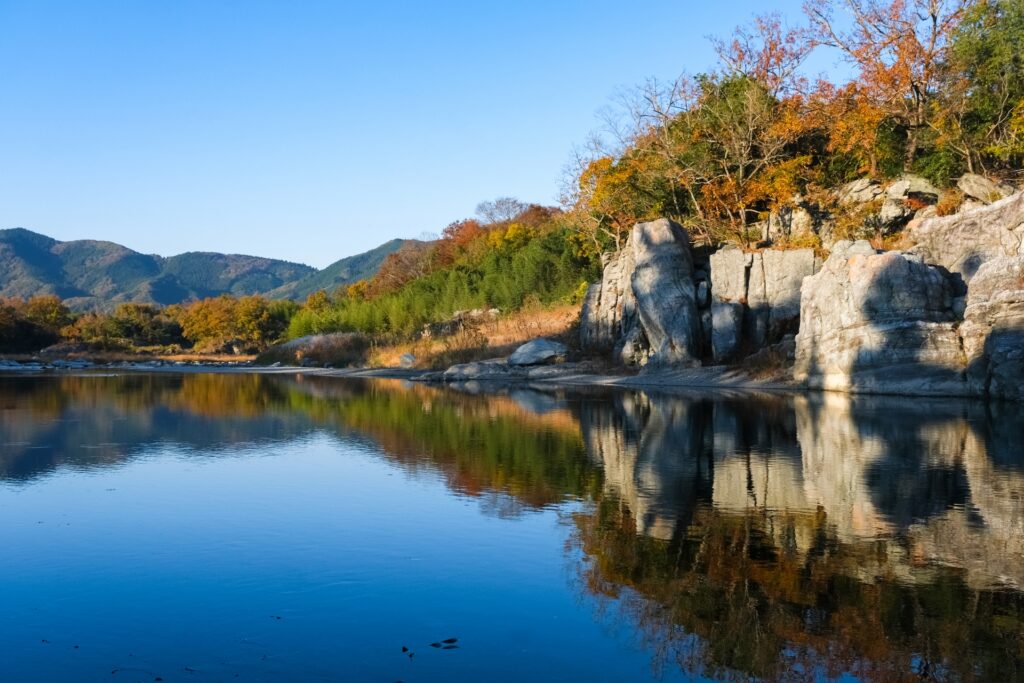
- Autumn: Fiery red and gold foliage reflects in the water, making this one of the most popular times to visit.
- Winter: Crisp air, low crowds, and sometimes a dusting of snow on the mountains.
Life jackets are provided, and announcements may be given in basic English or supported by multilingual pamphlets. Even if you do not speak Japanese, the ride is easy to enjoy and photograph.
2. Explore the Nagatoro Iwadatami Rock Formations
Right beside the river cruise boarding area stretches Nagatoro’s most famous natural landmark: the Iwadatami. This name literally means “rock tatami,” and it describes the wide, flat stone slabs along the riverbank that resemble traditional tatami mats laid side by side.
These layered rocks were created by long-term geological processes and erosion. Today, visitors can walk, sit, and relax on the stone surfaces, listening to the sound of the river rushing by. This is one of the best spots in town to appreciate the scale of the gorge, take photos, or enjoy a casual picnic.
The rocks slope unevenly, and they can become slippery when wet, so comfortable footwear with good grip is important. There is no formal barrier between the rocks and the water, so take care with children and keep a respectful distance from the edge, especially during high water levels.
3. Take the Ropeway Up Mt. Hodosan
Mt. Hodosan (Hodosan-yama) rises gently above Nagatoro, offering views over the Arakawa Valley and the surrounding Chichibu mountains. At just under 500 meters, it is relatively modest in height, but its summit area feels pleasantly remote from the town below.
A small ropeway (cable car) whisks visitors from the base to near the summit in just a few minutes. From the upper station, short, well-marked walking paths lead to viewpoints, shrine buildings, and seasonal flower gardens. On clear days, you can gaze out over the river, patchwork fields, and distant ridgelines.
Hodosan is especially attractive in spring, when plum and cherry blossoms appear, and in early summer when hydrangeas and new leaves color the slopes. In autumn, the surrounding forests turn brilliant shades of red and yellow.
4. Visit Hodosan Shrine
Near the top of Mt. Hodosan you will find Hodosan Shrine, one of the most important spiritual sites in the area. Founded according to legend during ancient times, the shrine enshrines protective deities associated with safety, fire prevention, and prosperity.
The shrine buildings feature intricate wooden carvings and bright vermilion details, typical of Shinto architecture in this region. Walking through the stone torii gate, washing your hands at the purification basin, and strolling among the mossy trees introduces you to Japan’s shrine etiquette in a gentle, unhurried setting.
Visitors are welcome to make small offerings, ring the bell, and bow in prayer, even if they are not familiar with all the rituals. Amulets and protective charms (omamori) are sold at the shrine office, often with designs specific to Mt. Hodosan, such as symbols for safe travel or success.
5. Stroll Nagatoro’s Main Street
The area between Nagatoro Station and the river is a compact, walkable district filled with small shops, cafes, and traditional inns. This short stretch is ideal for a leisurely stroll after your river cruise or hike.
Typical finds along the main street include:
- Local snack stalls selling grilled river fish, skewers, and regional sweets
- Souvenir shops with pottery, wooden crafts, and Chichibu-themed items
- Traditional inns (ryokan) and guesthouses with simple, homely atmospheres
- Small cafes and restaurants serving soba noodles, set meals, and seasonal specialties
Because the area is geared toward domestic tourism, English signage is modest but increasing. Menus may include photos or basic English labels, and staff are generally patient with pointing and simple communication. Bringing cash is useful, as some smaller businesses still do not accept credit cards.
Seasonal Highlights in Nagatoro
Spring: Blossoms and Fresh Green
From late March to early April, cherry blossoms bloom along the river and around town, creating soft pink tunnels over paths and roads. The contrast between the delicate petals and the rugged rock formations of the Iwadatami is striking.
Beyond cherry blossoms, you may also see plum blossoms and early wildflowers on Mt. Hodosan. Spring temperatures are mild, making this a comfortable time for walks and light hiking.
Summer: River Activities and Lush Forests
Summer brings deep greenery, warm temperatures, and a lively atmosphere. Besides the traditional riverboat cruises, Nagatoro offers rafting and other water activities in certain sections of the river, particularly aimed at domestic adventure tourists.
If you visit in summer, pack sun protection, a hat, and water-resistant footwear. Early mornings and late afternoons are cooler and less crowded. Even simple experiences, such as dipping your feet in the river at safe access points, feel refreshing in the heat.
Autumn: Dramatic Color and Clear Skies
Autumn is one of the most photogenic seasons in Nagatoro. From late October to late November, the hillsides and riverside trees transform into layers of red, orange, and gold. The foliage reflects on the Arakawa River, especially in the calm water near the Iwadatami.
This is a peak tourism period, so trains and boats can be busier than usual. Advance planning, earlier arrival, and weekday visits can help you avoid the largest crowds. The combination of cool, dry air and bright leaves makes this a rewarding time for photography and outdoor walks.
Winter: Quiet Landscapes and Clear Views
Winter in Nagatoro is generally cold but not extreme. The landscape becomes simpler and more minimalistic, with leafless trees, clear skies, and a quieter mood. On some days, mountain peaks in the distance carry a light cover of snow.
River cruises may still operate depending on water conditions, and the lack of foliage brings a different perspective to the rock formations. This is a good season if you prefer fewer tourists and enjoy crisp outdoor air. Warm layers, gloves, and a hat are recommended.
Food and Local Specialties
Nagatoro and the broader Chichibu area are known for hearty, comforting food that suits the mountain climate. When visiting, look for:
- Soba and udon noodles: Served hot or cold with simple toppings, often featuring local vegetables.
- Grilled river fish: Salted and skewered whole, then slowly grilled over charcoal, a classic countryside snack.
- Chichibu miso dishes: Locally produced miso appears in soups, marinades, and side dishes.
- Japanese sweets: Traditional confections such as mochi or manju, sometimes filled with sweet red bean paste.
Most restaurants are casual and family-run. Lunch service is often concentrated around midday, and some places may close by late afternoon, especially on weekdays or outside prime seasons. If you plan to stay into the evening, confirm dinner options or book accommodation that includes meals.
Practical Travel Tips for First-Time Visitors
Getting to Nagatoro
Nagatoro is typically reached by train from central Tokyo:
- From Ikebukuro Station: Take a train on the Seibu or Tobu lines toward Chichibu, then transfer to the local Chichibu Railway for Nagatoro Station. Total travel time is around 90–120 minutes depending on connections.
- From Ueno or Omiya: Use JR lines to reach Kumagaya or another transfer point, then connect to the Chichibu Railway toward Nagatoro.
IC cards such as Suica and PASMO are increasingly accepted, but some regional lines or stations may still require paper tickets or charge small surcharges. Having some cash and allowing extra transfer time will make the journey more relaxed.
Getting Around Nagatoro
Most of Nagatoro’s main sights are within walking distance of Nagatoro Station, including the river, Iwadatami rocks, boat boarding area, and main street. To reach Mt. Hodosan’s ropeway base station, you can walk or use local buses or taxis, depending on your schedule and mobility.
Comfortable walking shoes are essential, as you will likely be on your feet for much of the day. The town is compact, but slopes, steps, and uneven surfaces on the rocks and trails are common.
Suggested Itinerary: Easy Day Trip
For first-time visitors, an easy one-day itinerary might look like this:
- Morning: Arrive at Nagatoro Station, stroll the main street, and visit the Iwadatami rocks.
- Late morning: Take a riverboat cruise along the Arakawa Gorge.
- Lunch: Enjoy noodles or a set meal at a local restaurant near the station.
- Afternoon: Ride the ropeway up Mt. Hodosan, visit Hodosan Shrine, and walk to viewpoints.
- Late afternoon: Return to town, pick up souvenirs, and head back toward Tokyo.
If you prefer a slower pace, consider staying overnight at a local inn. This allows you to enjoy evening quiet, early morning walks, and perhaps hot spring baths in nearby facilities.
Cultural Etiquette and Safety
Nagatoro is a small community where visitors are welcomed but expected to follow basic local customs:
- Take your trash with you, as bins are limited in nature areas.
- Avoid stepping into restricted zones along the river or trails.
- Lower your voice in shrines and residential streets, especially at night.
- Be careful on wet rocks and near the river’s edge; currents can be stronger than they appear.
Following these simple guidelines helps protect the natural environment and maintains a good relationship between visitors and residents.
Is Nagatoro Worth It for First-Time Travelers?
For international visitors planning their first trip to Japan, Nagatoro offers a valuable counterbalance to urban sightseeing. A day here reveals river landscapes, mountain views, traditional shrines, and local food culture, all without demanding advanced hiking skills or complex logistics.
If your itinerary includes several days in Tokyo, allocating one day to Nagatoro gives you a vivid sense of Japan’s countryside and seasonal beauty. Whether you come for cherry blossoms, summer river breezes, autumn foliage, or quiet winter views, Nagatoro’s compact size and natural charm make it an accessible and memorable destination.

Access Map
Recommended spots in Saitama
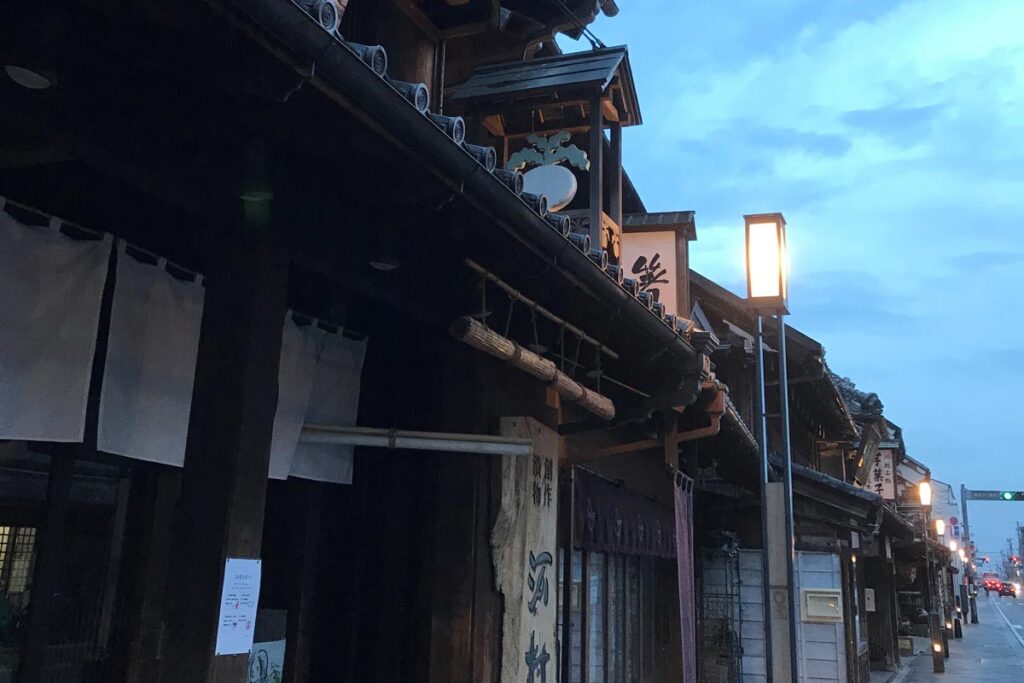
Kawagoe Ichibangai
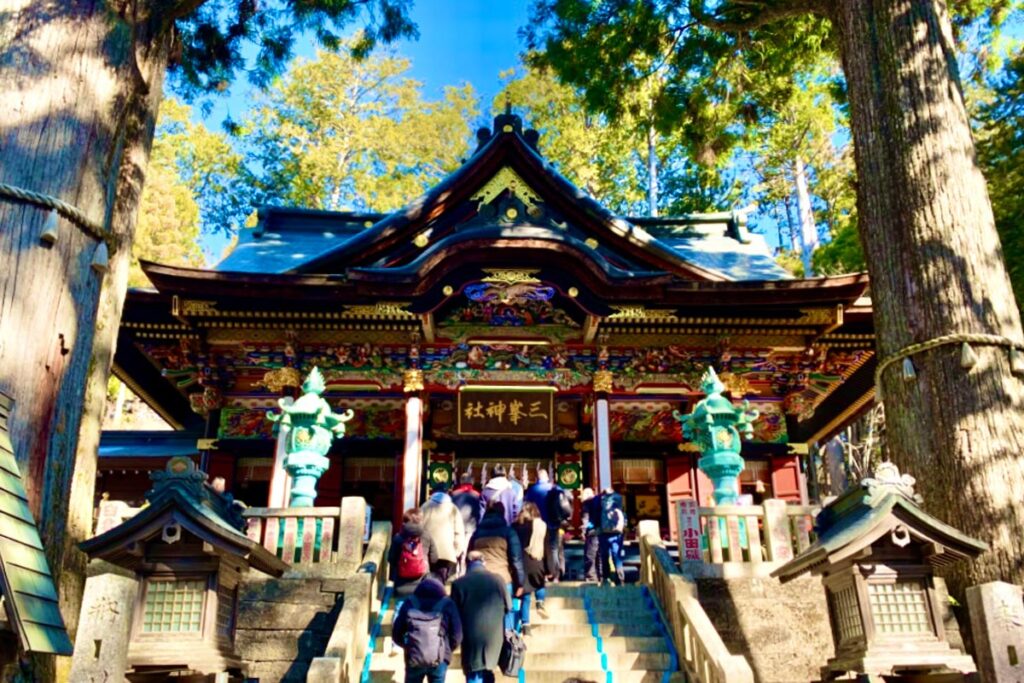
Mitsumine Shrine
Nagatoro

Railway Museum
Top destinations in Kanto Region
Tochigi
Kanagawa