
Nakanoshima
Nakanoshima Travel Guide: Osaka’s Riverside Culture Island
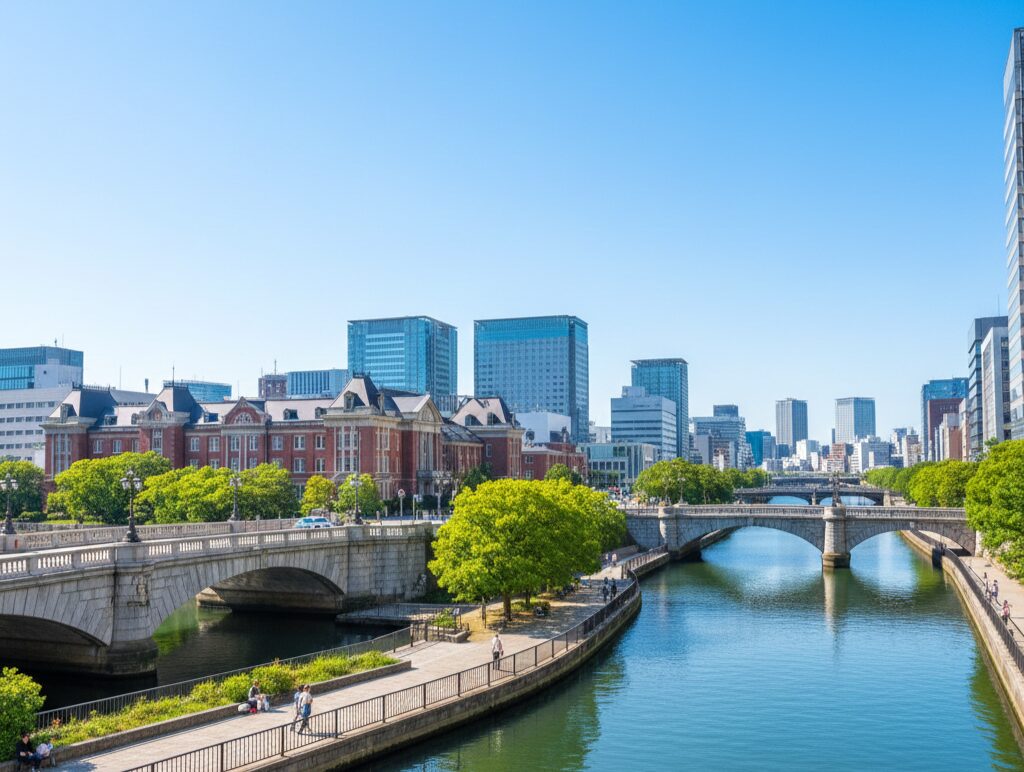
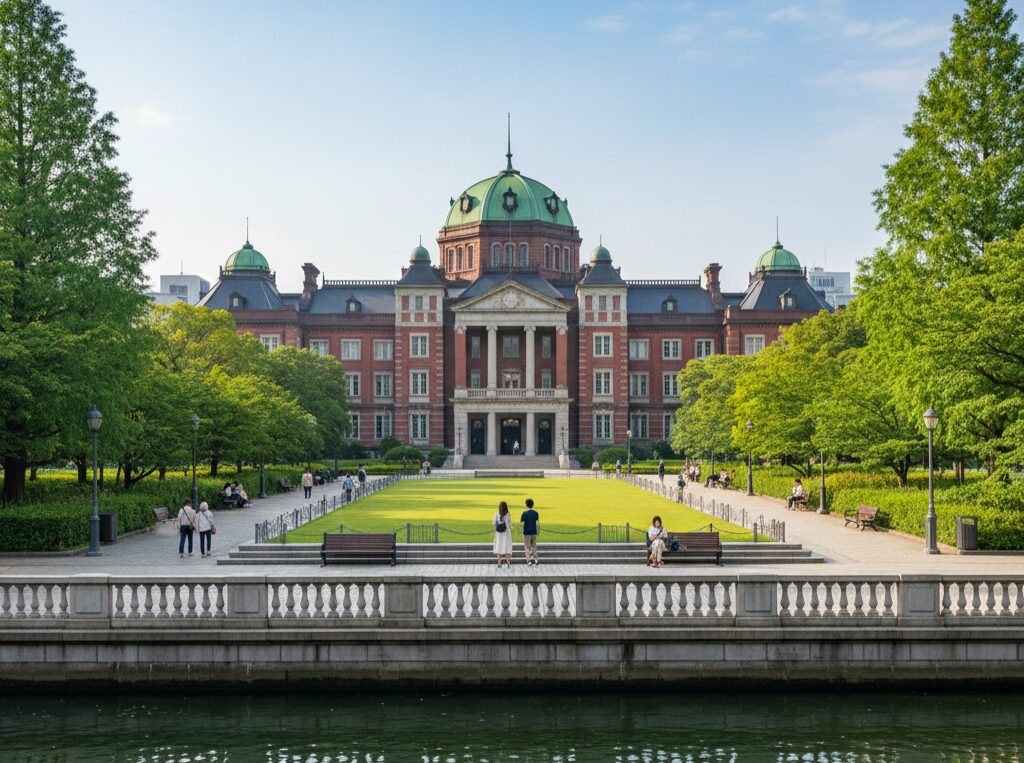
Photos are for illustrative purposes only.
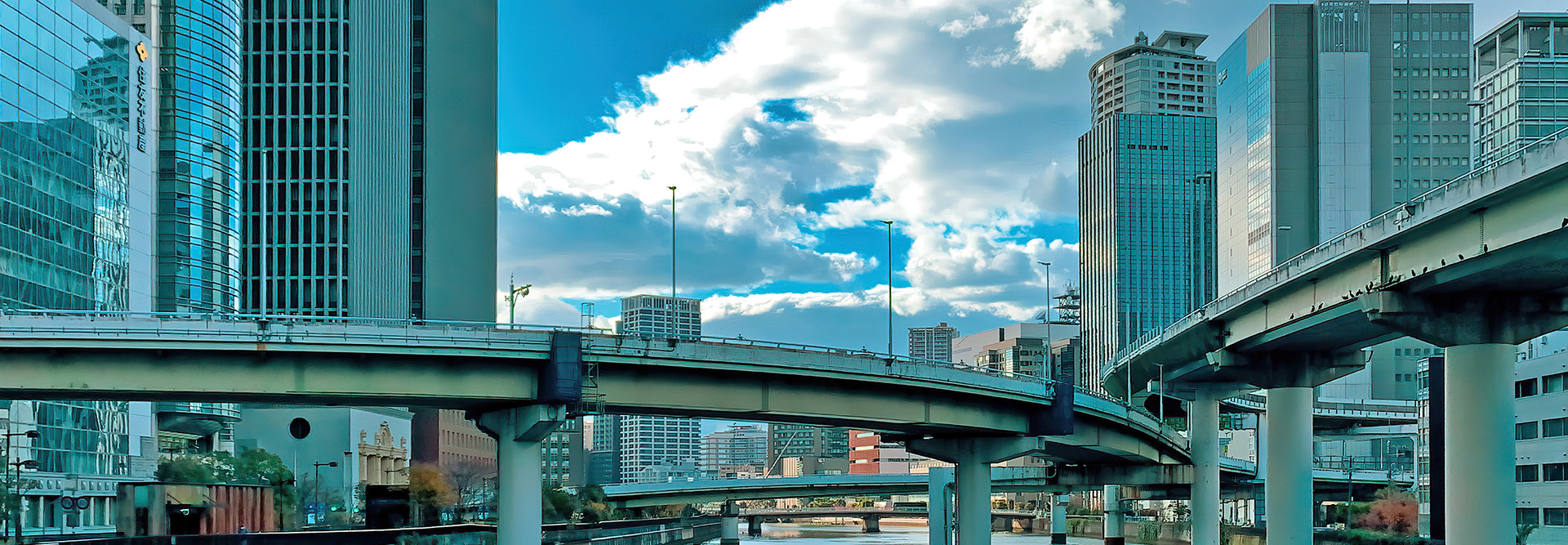
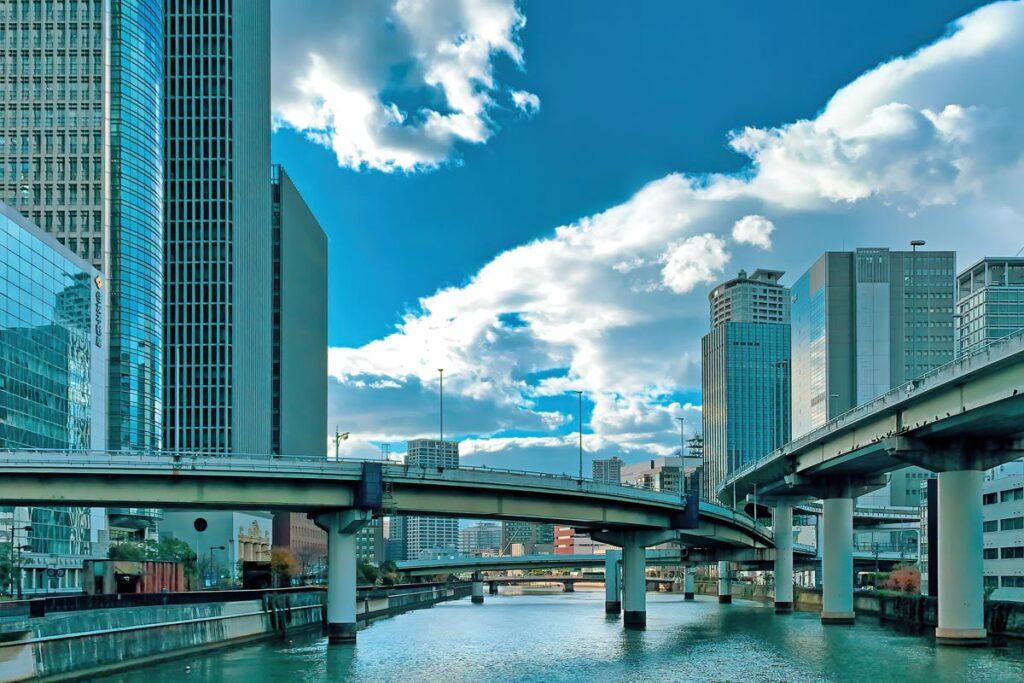
Nakanoshima is a long, slender island floating between two rivers in the heart of Osaka. Often overlooked by first-time visitors rushing to Dotonbori or Osaka Castle, this graceful sandbank is where the city shows its most refined side: grand European-style architecture, peaceful riverside promenades, art museums and manicured gardens. For travelers who want to balance Osaka’s neon energy with calm, culture and greenery, Nakanoshima is an ideal half-day destination.
Where and What Is Nakanoshima?
Nakanoshima literally means “middle island” – and the name is spot on. It lies between the Dojima River to the north and the Tosabori River to the south, right in central Osaka. Historically, its strategic position made it an important trading hub and later the home of banks, public offices and cultural institutions. Today, it is a sophisticated mix of business district and cultural quarter.
Visitors will find:
- Elegant early 20th-century red-brick buildings
- Modern glass towers and striking contemporary architecture
- Museums and concert halls
- Riverside parks, promenades and seasonal flower displays
- Easy access from major Osaka stations
Unlike Osaka’s frenetic entertainment zones, Nakanoshima feels spacious and orderly. It is a place to walk, linger on a bench by the water and experience a slower, more polished side of urban Japan.
How to Get to Nakanoshima
Reaching Nakanoshima is straightforward, especially if you are already exploring central Osaka.
By Train and Subway
- Keihan Line: Yodoyabashi and Kitahama stations sit at the eastern edge of Nakanoshima, ideal for accessing the Osaka City Central Public Hall and Nakanoshima Park.
- Osaka Metro Midosuji Line: Yodoyabashi Station links easily to Umeda and Namba.
- Keihan Nakanoshima Line: Nakanoshima Station at the western end of the island is convenient for the Nakanoshima Museum of Art and the National Museum of Art.
- JR Osaka Station: From Osaka/Umeda, Nakanoshima is about 15–20 minutes on foot, or a short subway or taxi ride.
By River Cruise
Several sightseeing boats operate along the Okawa (the larger river system around Nakanoshima), offering cruises that pass by or stop near the island. This can be a relaxing way to arrive, especially during cherry blossom or evening illumination seasons.
Best Time to Visit Nakanoshima
Nakanoshima is pleasant year-round, but its mood changes dramatically with the seasons.
Spring (March–May)
Spring is arguably the most beautiful time to visit. Nakanoshima Park on the eastern tip of the island has cherry trees that bloom in late March to early April, framing the rivers with soft pink. In May, the park’s famous rose garden bursts into color, with hundreds of varieties creating a fragrant corridor between the waterways and city skyline.
Summer (June–August)
Summer in Osaka is hot and humid, but riverside breezes can make evenings around Nakanoshima more bearable. Look for seasonal light-up events and riverside beer gardens, popular with office workers unwinding after work. Bring a hat and water if you plan to stroll during the day.
Autumn (September–November)
Autumn offers comfortable temperatures and clear skies. Ginkgo and other roadside trees gradually turn yellow and red, adding mellow color to the island’s promenades. It is also a great time to enjoy museum visits combined with outdoor walks.
Winter (December–February)
Winters in Osaka are relatively mild compared to northern Japan, though it can be chilly and windy along the river. In December, Nakanoshima often hosts illumination events, transforming its bridges, facades and park areas with light displays that contrast beautifully with the brick architecture and dark winter sky.
Top Things to See and Do in Nakanoshima
Stroll Through Nakanoshima Park
Nakanoshima Park occupies the eastern section of the island and feels like a green, riverside living room for Osaka residents. Established in the late 19th century, it was the city’s first public park and still retains a nostalgic charm.
Highlights include:
- Riverside Walks: Paved paths follow the water’s edge, perfect for joggers, couples and families. From the riverbank you can watch boats, see the city skyline and photograph the contrast of greenery and skyscrapers.
- Rose Garden: The park’s central rose beds are carefully tended and labeled, making this a peaceful spot for a slow walk or photography. Visit in late spring and autumn for the best blooms.
- Lawn and Picnic Spaces: Open lawns provide rare breathing space in central Osaka. It is common to see office workers eating a bento lunch here, especially on sunny days.
If you are new to Japan, Nakanoshima Park is also a gentle introduction to local park etiquette: keep voices low, avoid blocking paths, and carry your trash with you until you find a bin or return to your hotel.
Admire the Osaka City Central Public Hall
Just west of Nakanoshima Park stands one of Osaka’s most photogenic buildings: the Osaka City Central Public Hall. Completed in 1918, this red-brick and stone structure with green domes and white accents is reminiscent of European civic architecture and symbolizes Osaka’s early 20th-century ambition as a modern commercial city.
The building still functions as a concert and event hall, but the public areas are often open to visitors. Step inside to see:
- Ornate interiors with chandeliers and stained glass
- Historical displays about the hall’s construction and role in Osaka’s modernization
- Cafés that make a refined coffee stop between sightseeing spots
In the evening, the building is beautifully illuminated, reflecting in the surrounding river and creating a romantic atmosphere.
Explore Osaka’s Museums on the Island
Nakanoshima is one of Osaka’s main cultural clusters. If you have even a passing interest in art, design or history, you could easily spend a full day here moving between exhibitions.
Art Museums and Culture Spaces
- National Museum of Art, Osaka (NMAO): Known for its striking steel structure that evokes reeds swaying along the river, this museum focuses mainly on modern and contemporary art, with rotating exhibitions by Japanese and international artists. It is a good place to encounter avant-garde trends in Japan’s art scene.
- Nakanoshima Museum of Art, Osaka: A newer addition to the island’s cultural landscape, this museum highlights modern and contemporary art connected to Osaka and the Kansai region, alongside international works. The building itself is an exercise in minimalist, geometric design, offering compelling photo opportunities.
- Osaka Science Museum: Especially appealing if you are traveling with children or enjoy interactive exhibits, the Science Museum offers hands-on displays and a planetarium. It is a fun contrast to the more contemplative art venues nearby.
Most museums provide basic English signage or audio guides, making them accessible for international visitors. Check official schedules for temporary exhibitions and opening days, as Japanese museums often close on Mondays or irregular days of the month.
Walk the Bridges and Riverfront Promenades
One of the pleasures of Nakanoshima is simply walking across its many bridges and along the quays. Bridges like Yodoyabashi, Tenjinbashi and Naniwabashi offer classic city views: trams and cars above, boats gliding below, and the island’s mix of old and new architecture stretching into the distance.
At sunset, the soft light on the water and stone balustrades creates a photogenic scene. In the evening, you can watch the city’s lights glitter reflected on the rivers, a calmer experience than the sensory overload of Dotonbori’s neon but no less atmospheric.
Join a River Cruise
Seeing Nakanoshima from the water helps you understand how deeply Osaka’s identity is tied to its rivers. Historically known as the “Water City,” Osaka developed around canals and waterways used to transport rice and goods. Modern cruises echo that heritage.
Typical options include:
- Short loop cruises around Nakanoshima, ideal if you are pressed for time.
- Evening cruises focused on illuminations and skyline views.
- Seasonal cruises for cherry blossom viewing or special events.
Announcements are sometimes made in Japanese only, but the visual experience is rewarding even without commentary. Booking on the day is often possible outside busy seasons.
Cultural and Historical Context
Understanding Nakanoshima’s role in Osaka’s growth adds depth to a simple walk through its streets. During the Edo period (1603–1868), Osaka prospered as Japan’s commercial hub, and the rivers around Nakanoshima functioned like modern highways, carrying goods from around the country. Warehouses, merchant houses and rice brokers filled the area.
In the Meiji and Taisho eras, as Japan raced to modernize, Nakanoshima evolved into a European-influenced civic center with banks, courts, public halls and parks. The blending of Western styles with Japanese sensibilities is evident in buildings like the Central Public Hall and nearby stone bridges.
Today, this layered history coexists with sleek offices and museums, showing how contemporary Japan wraps innovation around a preserved core. For first-time travelers, Nakanoshima offers an accessible lesson in how Japanese cities balance change and continuity.
Food and Drink Around Nakanoshima
While Nakanoshima is not a street-food hotspot like Dotonbori, it offers a more understated, local dining experience well-suited to a leisurely day.
Cafés and Light Meals
Inside and around the park and museums are stylish cafés where you can enjoy coffee, tea and light meals such as sandwiches, salads and Japanese-style pasta. Many have large windows or terrace seating with river views, making them excellent rest stops.
Lunch Spots for Office Workers
The office towers close to Nakanoshima contain numerous casual restaurants catering to businesspeople. Look for:
- Teishoku (set meal) restaurants offering rice, miso soup and a main dish
- Noodles and donburi (rice bowls) for quick, affordable lunches
- Bakeries with Japanese and Western-style bread and pastries
Most places display plastic food replicas or photos, which makes ordering easier if you do not speak Japanese.
Riverside Dining and Evening Drinks
In warmer months, some locations near Nakanoshima host pop-up terraces or beer gardens where you can enjoy local beer, yakitori (grilled chicken skewers) and small plates with river views. These venues provide an inviting, informal atmosphere to observe Osaka’s after-work culture.
Suggested Itinerary: Half Day in Nakanoshima
If you are visiting Nakanoshima as part of a short stay in Osaka, this simple half-day itinerary balances nature, culture and city views:
- Morning Walk in Nakanoshima Park
Arrive via Kitahama or Yodoyabashi Station and enjoy a relaxed stroll through the park and rose garden, taking time to sit by the river. - Osaka City Central Public Hall
Walk west to the Central Public Hall, admire the red-brick exterior and step inside if open. Pause for coffee at a nearby café. - Museum Visit
Continue toward the central or western part of the island to visit either the National Museum of Art, the Nakanoshima Museum of Art, or the Osaka Science Museum, depending on your interests. - Riverside Lunch
Choose a restaurant in a nearby office building or by the river for a set lunch, watching local life unfold. - Bridge and Riverfront Stroll
Finish with a slow walk over one of the bridges, capturing photos of the skyline and river, or join a short river cruise if time allows.
Practical Tips for First-Time Visitors
- Language: Many signs in and around Nakanoshima, especially in stations and museums, include English. Staff at cultural institutions are generally used to international visitors.
- Payment: Cash is still common in small cafés, but most larger venues accept credit cards and transport IC cards. Having some yen on hand is always wise.
- Walking Shoes: Distances can be longer than they look on the map, especially if you plan to cross multiple bridges and parks. Wear comfortable footwear.
- Weather Preparedness: The riverfront is windier than inner streets. In summer, carry sun protection and water; in winter, dress in layers.
- Combining with Other Sights: Nakanoshima pairs well with nearby areas like Umeda (for shopping and city views) and Osaka Castle Park (for history and more greenery) on the same day.
Why Include Nakanoshima in Your Japan Itinerary?
For many first-time travelers, Japan’s big cities can feel intense and crowded. Nakanoshima offers breathing room without leaving the urban center. On a single island, you can experience:
- The elegance of early modern Japanese architecture
- Contemporary art and science museums
- Riverside parks and seasonal flowers
- Authentic slices of everyday Osaka life
Whether you are in Osaka for just a few days or using the city as a base to explore western Japan, setting aside a morning or afternoon for Nakanoshima will enrich your understanding of how Japan’s cities function—and provide a calm, cultured contrast to the country’s more famous, high-energy sights.
Access Map
Recommended spots in Osaka
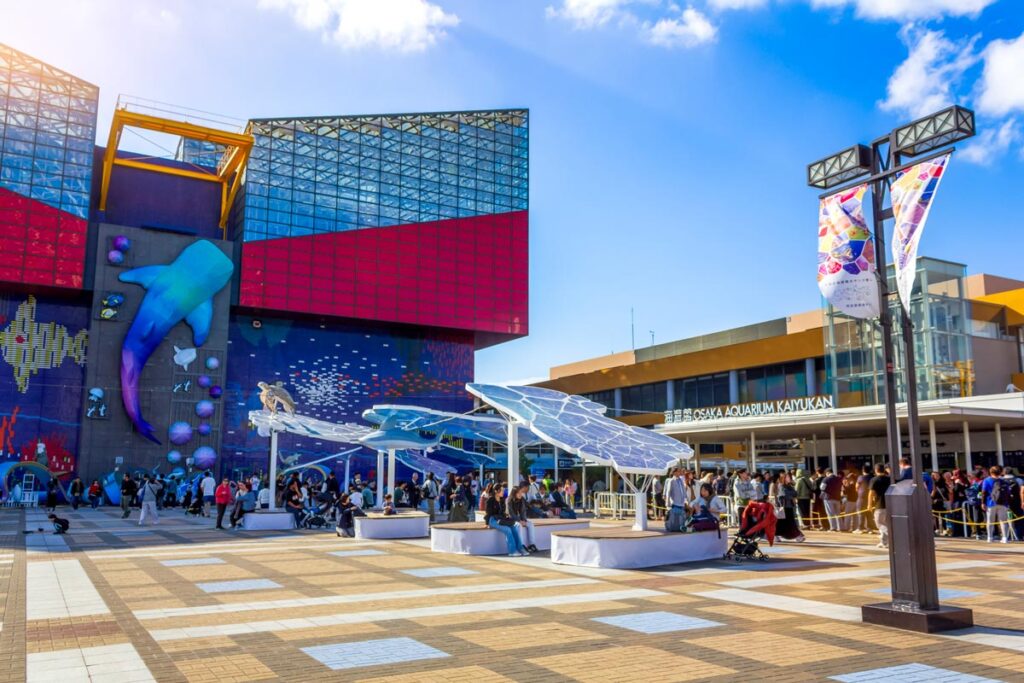
Kaiyukan Osaka Aquarium
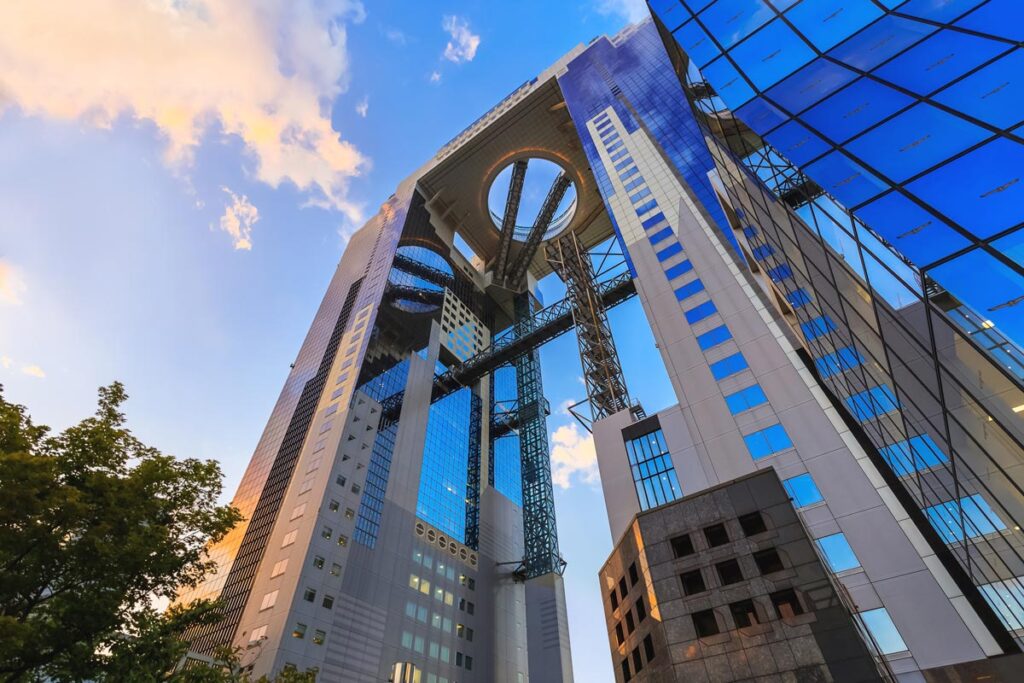
Umeda Sky Building (Floating Garden Observatory)
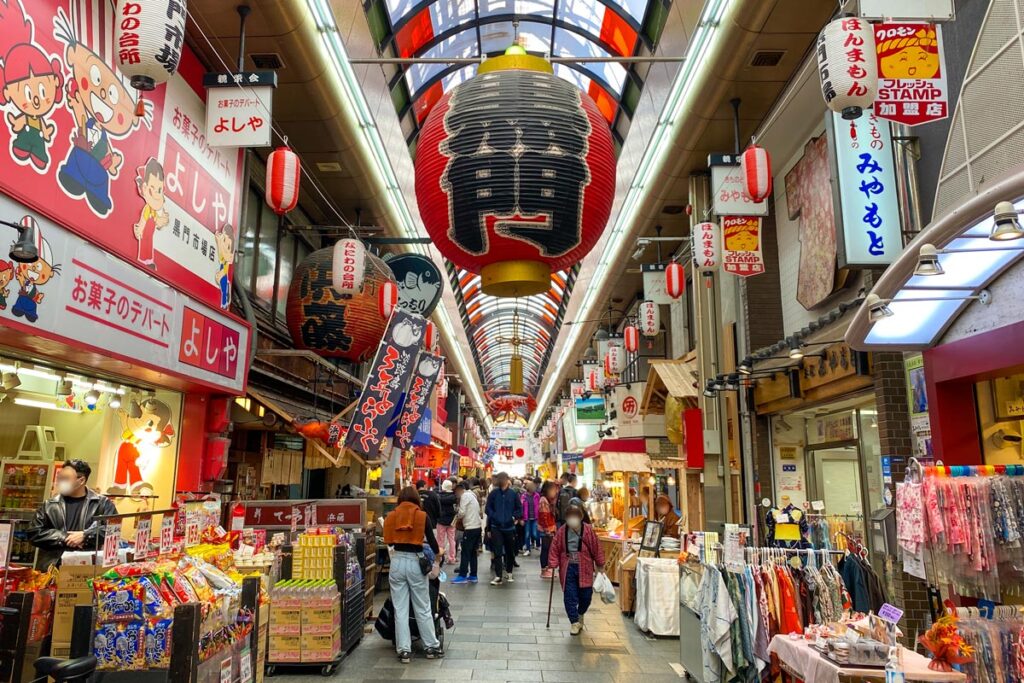
Kuromon Market
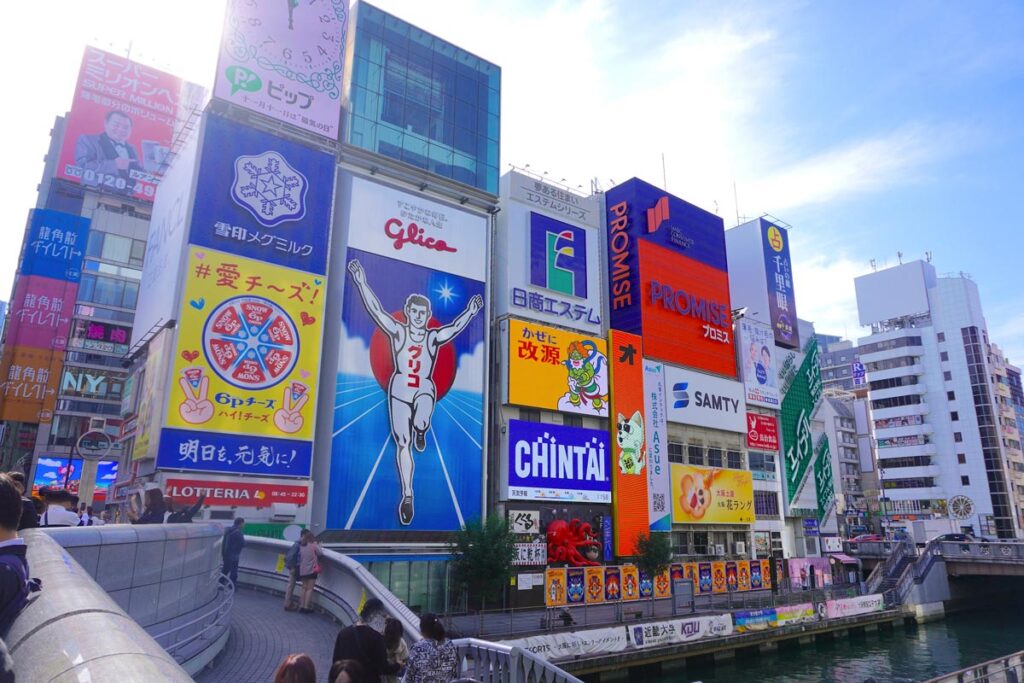
Shinsaibashi
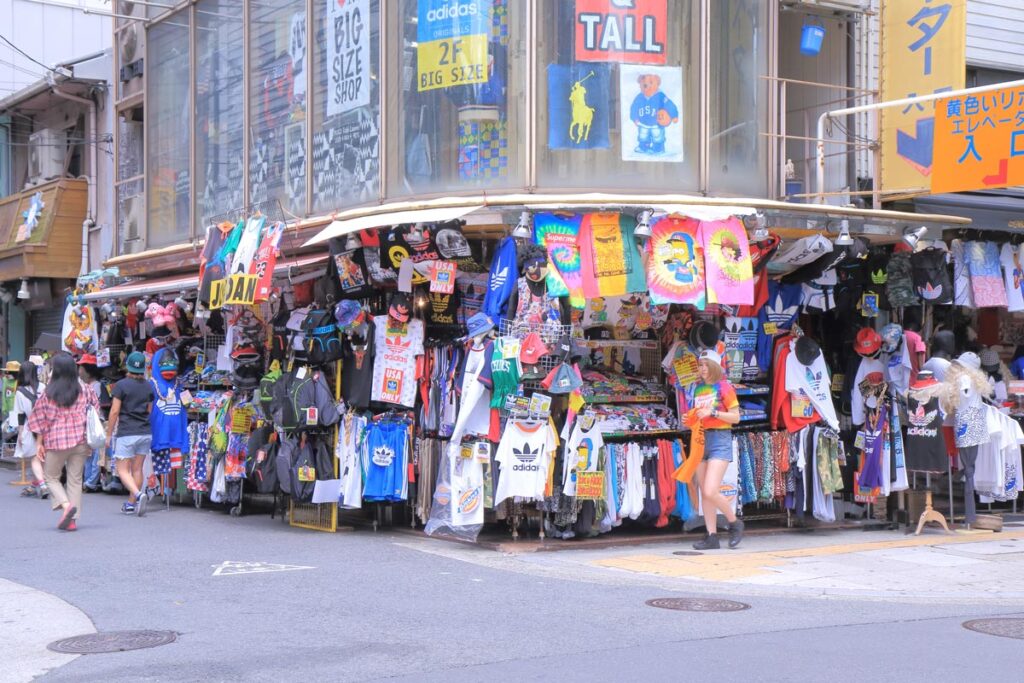
America-mura
Nakanoshima
Osaka Castle
Osaka Museum of History
Umeda Dungeon
Katsuoji Temple