
Naoshima Island
Naoshima Island: Japan’s Dreamlike Art Island for First-Time Visitors
Photos are for illustrative purposes only.
Off the coast of Okayama, floating in the calm waters of the Seto Inland Sea, Naoshima Island has quietly become one of Japan’s most inspiring destinations. Once a sleepy fishing community, it is now world famous as an “art island” where cutting-edge contemporary art, bold architecture and traditional village life blend into a single, walkable landscape.
For first-time travelers to Japan, Naoshima offers something rarely found in the big cities: time and space to slow down, wander, and experience art at your own pace with the sea as a constant backdrop. This guide explains what Naoshima is, how to get there, where to stay, and how to make the most of a one- or two-day visit.
Why Naoshima Belongs on Your Japan Itinerary
Naoshima is part open-air museum, part quiet island retreat. The highlight is the collection of museums and installations created in collaboration with celebrated architects and artists, many of them supported by the Benesse Art Site project. Yet beyond the famous museums, a large part of Naoshima’s appeal lies in the gentle rhythm of island life: fishermen repairing nets, narrow lanes lined with old wooden houses, and views that change with the tides and weather.
Naoshima is ideal if you:
- Enjoy contemporary art, design and architecture
- Want a slower, less crowded contrast to Tokyo or Kyoto
- Like walking or cycling between sights rather than relying on trains
- Appreciate small communities and seaside landscapes
Even travelers who are not usually “art people” often find Naoshima surprisingly accessible. Much of the art is site-specific: it responds directly to the light, wind, sounds and shapes of the island itself. That connection to the environment makes the experience feel immersive rather than academic.
How to Get to Naoshima Island
Naoshima sits in the Seto Inland Sea between Okayama Prefecture on Honshu and Kagawa Prefecture on Shikoku. The gateway ports are Uno (Okayama side) and Takamatsu (Shikoku side).
From Tokyo, Kyoto and Osaka
From Tokyo: Take the Shinkansen to Okayama Station (about 3.5–4 hours on the Nozomi). From Okayama, transfer to a local train on the JR Uno Line to Uno Station (about 50–60 minutes). The port is a short walk from Uno Station, with frequent ferries to Naoshima’s Miyanoura Port.
From Kyoto or Osaka: Ride the Shinkansen to Okayama (around 1–1.5 hours), then follow the same route via Uno Station. This is the most straightforward way for first-time visitors.
Ferries to Naoshima
Two main ferry routes serve the island:
- Uno Port → Miyanoura Port (Naoshima): The most common route, around 20 minutes. Both car ferries and small passenger boats operate throughout the day.
- Takamatsu Port → Miyanoura or Honmura (Naoshima): Useful if you are coming from Shikoku or planning to visit Takamatsu’s gardens and food scene. The crossing takes about 50 minutes.
Ferry schedules change seasonally, so check departure times before you travel, especially if you plan a day trip. Buy tickets at the port on the day; reservations are generally not required for foot passengers.
Getting Around Naoshima
Naoshima is compact, but the main attractions are spread across several areas: Miyanoura, Honmura, and the southern coast where Benesse House and the Chichu Art Museum are located.
Your main options are:
- Local buses: A simple, inexpensive way to connect ports, villages and museums. Bus routes link Miyanoura Port, Honmura, Tsutsuji-so and the major art sites along the south coast. Timetables are posted at bus stops.
- Rental bicycles: Ideal in good weather. E-bikes are popular and make hills much easier. Rental shops are near Miyanoura Port.
- Walking: You can walk between many sites, but distances and hills can add up. Combining buses and walking works well.
There are very few taxis and most visitors do not bring cars. Naoshima’s small roads and relaxed pace are best experienced without driving.
Essential Art Sites on Naoshima
Naoshima’s art experiences range from major museums to subtle installations hidden in old houses. The following highlights are particularly rewarding for first-time visitors.
Benesse House Museum
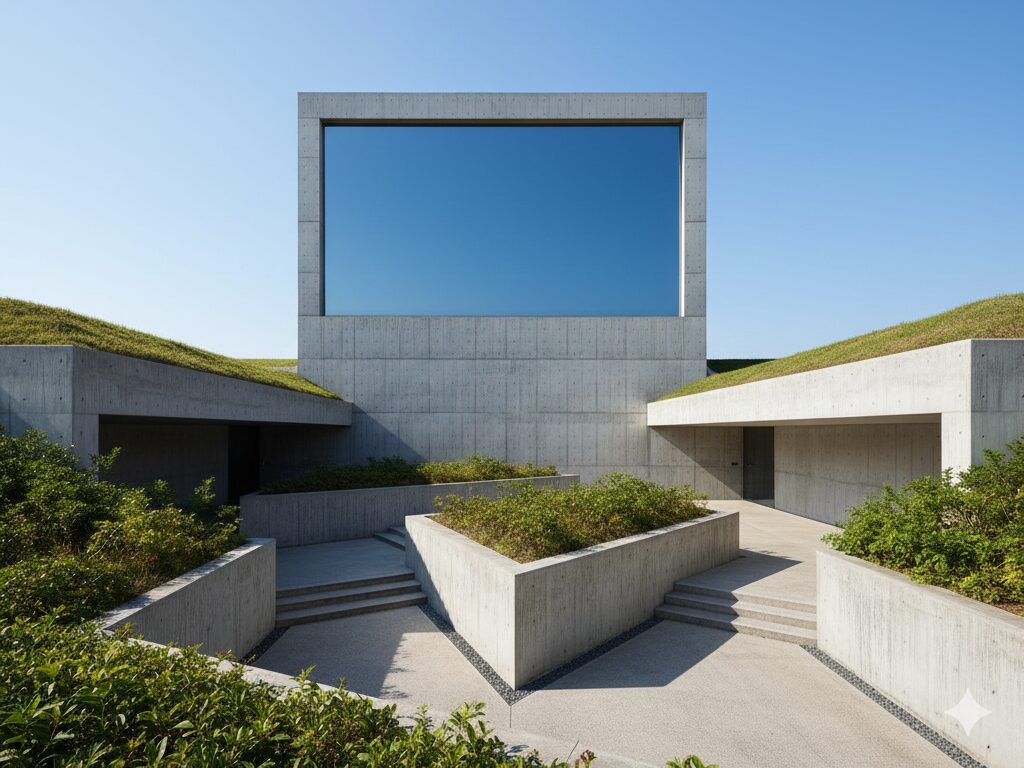
On a wooded hillside facing the sea, Benesse House Museum is both an art museum and a hotel. Designed by renowned architect Tadao Ando, the building itself is a key part of the experience. Clean lines, exposed concrete, and large windows frame the surrounding landscape, turning the sea and sky into part of the exhibits.
Inside, you will find works by Japanese and international artists, arranged to interact with natural light and the building’s geometric spaces. Outside, sculptures and installations dot the lawns and shoreline, so you encounter art while strolling between the museum and the beach.
Chichu Art Museum
The Chichu Art Museum is perhaps Naoshima’s most extraordinary space. Almost entirely underground, it was also designed by Tadao Ando to minimize its visual impact on the landscape. Natural light is carefully channeled into the galleries, shifting in mood throughout the day and across seasons.
The museum houses a small but powerful collection: luminous Claude Monet water lilies, meditative installations by James Turrell, and a monumental work by Walter De Maria. Because the building and artworks are inseparable, a visit here feels more like entering a carefully constructed world than simply viewing art on walls.
Tickets for Chichu often require advance reservations for a specific entry time. Plan ahead, especially during weekends, holidays, and the Setouchi Triennale festival years.
Lee Ufan Museum
This museum is a collaboration between artist Lee Ufan and Tadao Ando. It explores the relationship between space, matter and perception. Large stones, sheets of steel and fields of gravel are arranged with great precision, inviting you to consider empty space as carefully as solid form.
The museum’s quiet, contemplative atmosphere contrasts with the brighter seascapes outside. Many visitors appreciate it as a place to slow down and process the rest of their Naoshima experience.
Art House Project in Honmura
In the island’s historic village of Honmura, the Art House Project transforms old homes, a temple and other traditional buildings into contemporary art spaces. Each house is a separate work conceived by a different artist, with installations integrated into tatami rooms, storehouses, and gardens.
Because Honmura is still a living community, wandering between the art houses offers a glimpse of daily island life: laundry hanging in the sun, neighbors chatting at doorways, small shrines tucked into corners. This mix of contemporary creativity and everyday tradition is one of Naoshima’s defining charms.
Outdoor Installations and the Yellow Pumpkin
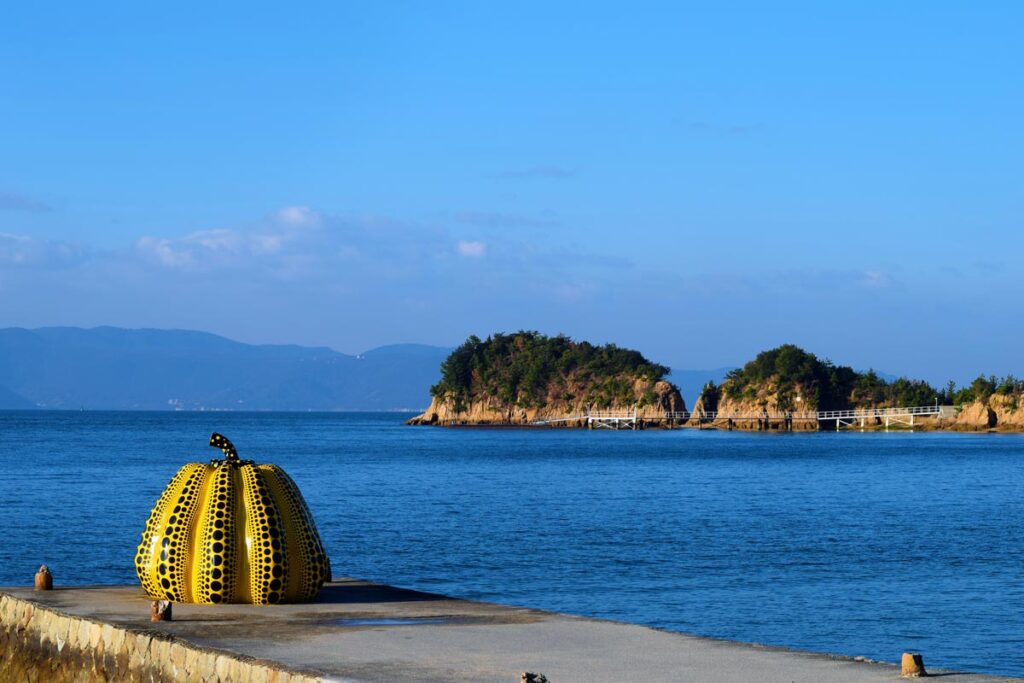
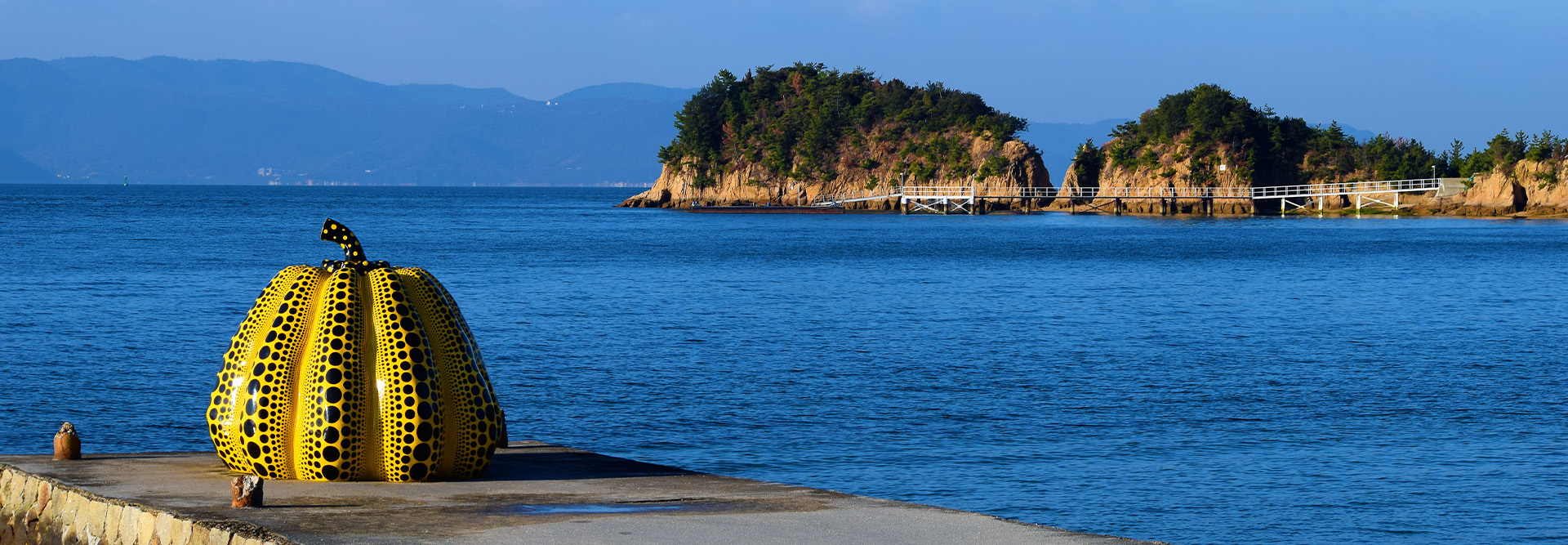
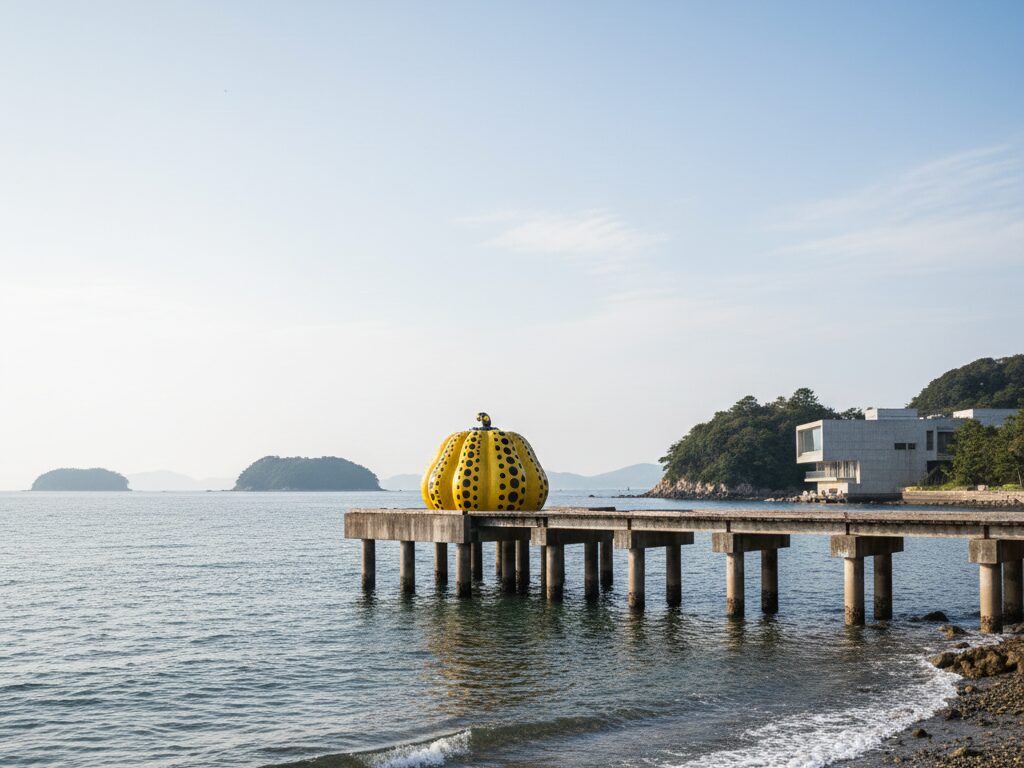
Naoshima’s most photographed symbol is the dotted yellow pumpkin by Yayoi Kusama, which stands at the end of a small pier near Benesse House. With the sea stretching behind it and the sky constantly changing above, the sculpture has become an icon of the island.
Look for additional outdoor works scattered along the coast and around Benesse’s grounds: playful figures, abstract forms and unexpected interventions in the landscape. Because many are accessible at all hours, early morning or twilight walks can feel particularly atmospheric.
Suggested Itineraries for First-Time Visitors
One-Day Naoshima Trip
A day trip gives you a taste of Naoshima’s highlights. Consider this basic structure:
- Arrive at Miyanoura Port in the morning; rent a bicycle or locate the bus stop.
- Head to Honmura to explore a selection of Art House Project sites.
- Have lunch in Honmura or near Tsutsuji-so, trying island specialties such as fresh seafood or curry rice.
- Spend the afternoon at one or two major museums, such as Chichu Art Museum and Benesse House Museum.
- Finish with a seaside walk past outdoor installations before returning to Miyanoura Port for your ferry.
With only one day, prioritize two or three sites rather than trying to see everything. The pleasure of Naoshima lies as much in unhurried movement between places as in the art itself.
Two Days and One Night
Staying overnight on Naoshima deepens the experience. The atmosphere after the last day-trippers leave is calm and quietly magical.
Over two days, you can:
- Visit more of the Art House Project at a relaxed pace
- Spend unhurried time in each museum, returning if you wish
- Walk or cycle between villages and viewpoints at sunrise or sunset
- Enjoy an onsen-style bath or long, leisurely meals
If your schedule allows, one night on Naoshima or a nearby island in the Seto Inland Sea region is highly recommended.
Where to Stay on Naoshima
Accommodation on Naoshima ranges from world-famous art hotels to simple guesthouses. Book early, especially during holidays and festival years.
- Benesse House: The island’s flagship accommodation, with rooms integrated into the museum complex and nearby buildings. Guests can access certain art areas outside regular hours, giving a very personal encounter with the works and surroundings.
- Guesthouses and minshuku: Family-run inns and small lodgings in Miyanoura and Honmura offer more affordable stays and a chance to experience local hospitality.
- Nearby cities: If Naoshima is fully booked, consider staying in Uno or Takamatsu and visiting as a day trip. Ferries start early enough for a full day on the island.
Food, Cafés and Island Flavors
Naoshima’s dining scene is modest but characterful. You will find small cafés, simple restaurants, and seasonal food trucks.
Expect:
- Fresh seafood dishes featuring local fish and shellfish
- Casual set meals (teishoku) with rice, miso soup and side dishes
- Homemade sweets and coffee at art-themed cafés
- Convenience stores or small shops for snacks and drinks, mainly around Miyanoura
Many places keep limited opening hours and may close on certain weekdays, so it is wise not to rely on a single restaurant plan. Eating earlier in the evening is also recommended.
Cultural Tips for Visiting Naoshima
Naoshima is both a world-class cultural destination and a small Japanese island community. A few simple courtesies will help you enjoy your visit and support local life.
- Quiet in galleries: Many of the art spaces, especially Chichu and Lee Ufan, are designed for contemplation. Speak softly and follow staff instructions about photography and behavior.
- Respect private homes: In Honmura, the line between art spaces and everyday life is thin. Stick to marked paths, avoid photographing residents without permission, and keep noise to a minimum.
- Shoes and bags: Some art houses and museum spaces may require you to remove shoes or carry bags in a certain way. Watch for signs and follow staff guidance.
- Rubbish and recycling: Small islands have limited waste facilities. Carry out your trash if bins are not available and separate recyclables where indicated.
When to Visit Naoshima
Naoshima is attractive year-round, but each season offers a different mood.
- Spring (March–May): Mild temperatures and clear light make this a wonderful time for walking and cycling. Cherry blossoms on nearby shores and hills add extra beauty.
- Summer (June–August): Lush greenery and strong sun create bold contrasts at outdoor installations. However, it can be hot and humid, so carry water and sun protection.

Access Map
Recommended spots in Kagawa
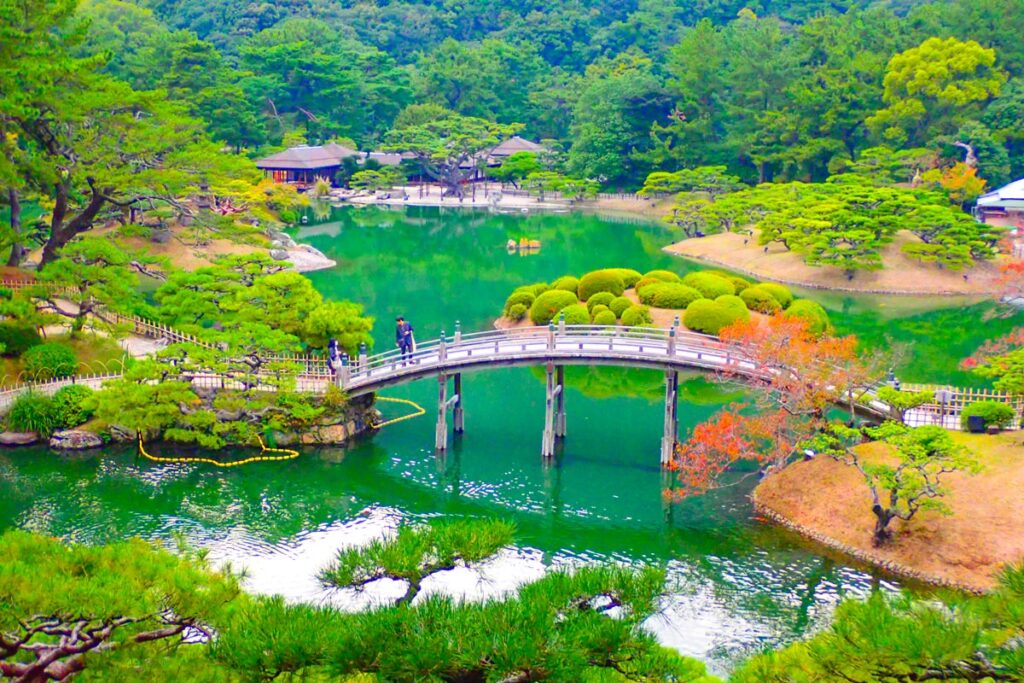
Ritsurin Garden
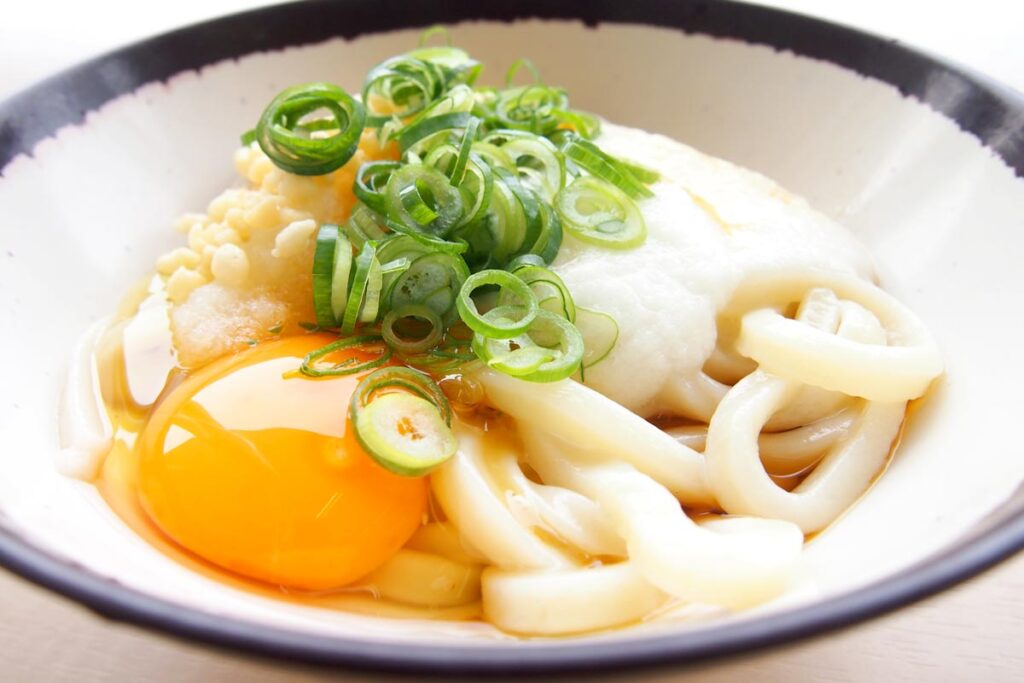
Sanuki Udon Tour
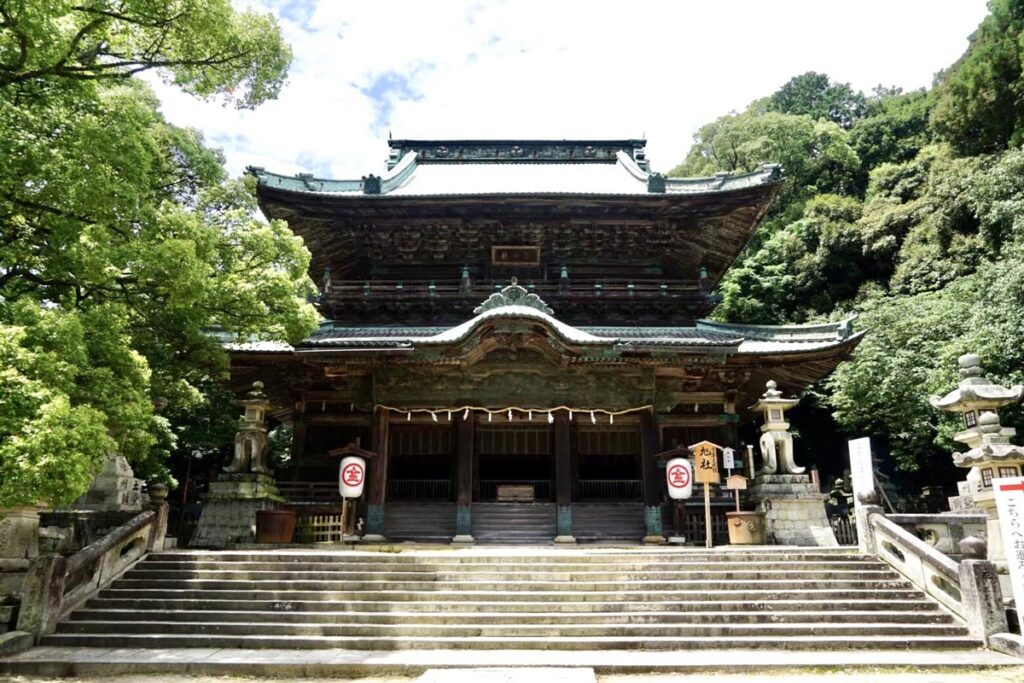
Kotohira-gu Shrine