



Nara
Nara Travel Guide for First-Time Visitors to Japan
Photos are for illustrative purposes only.
Nara is Japan’s first permanent capital and one of the best places to experience the country’s ancient spirit in a compact, walkable setting. Just a short train ride from Kyoto or Osaka, Nara blends grand Buddhist temples, gentle parkland, and famously friendly deer into an easy day trip – or a soft, atmospheric overnight stay – ideal for first-time visitors to Japan.
Why Visit Nara?
For over 1,300 years, Nara has been a center of religion and culture. Many of Japan’s earliest and most important temples and shrines were built here, and several still stand in remarkably good condition. Eight of these sites together form the UNESCO World Heritage listing “Historic Monuments of Ancient Nara.”
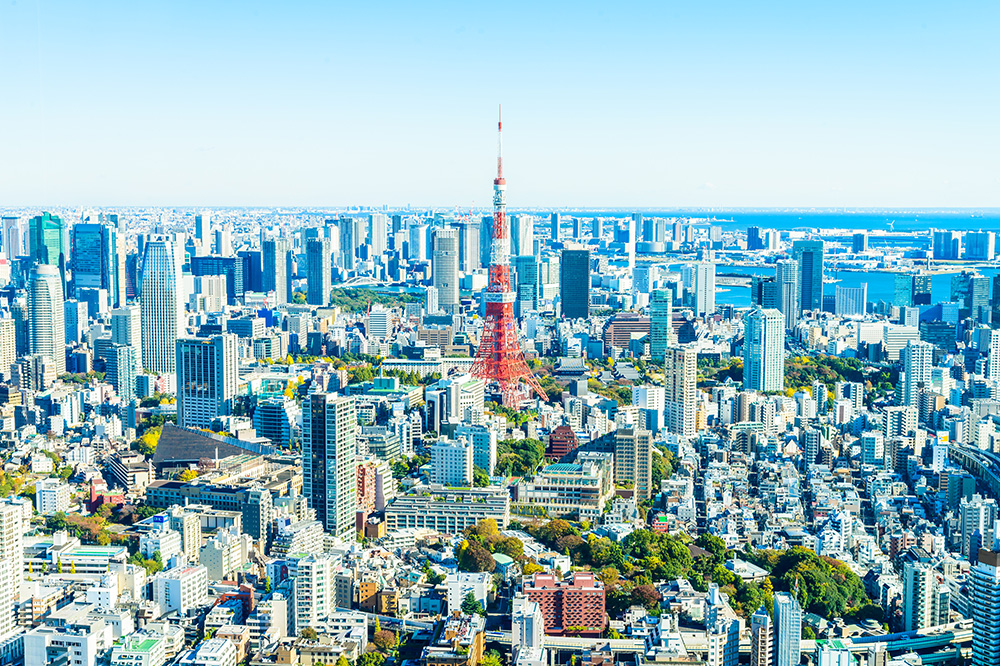
Unlike the dense streets of Tokyo or Kyoto, central Nara opens into expansive parkland. You can step from a busy shopping street into leafy avenues where temple roofs peek through the treetops and deer wander freely. The pace is slower, the sights are close together, and the atmosphere is gently nostalgic – a useful contrast to Japan’s hyper-modern side.
Getting to Nara from Kyoto and Osaka
From Kyoto
Most international visitors reach Nara from Kyoto:
- JR Nara Line: From Kyoto Station to JR Nara Station, about 45–60 minutes. Rapid services are faster and covered by the Japan Rail Pass.
- Kintetsu Railway: From Kyoto Station (Kintetsu) to Kintetsu Nara Station, roughly 35–45 minutes. Kintetsu Nara is closer to Nara Park and major sights than JR Nara.
From Osaka
From Osaka, you can choose between JR and Kintetsu lines as well:
- JR: From Osaka Station or Tennoji Station to JR Nara Station, about 45–60 minutes by Yamatoji Line.
- Kintetsu: From Osaka-Namba to Kintetsu Nara Station, around 40 minutes on an express train.
For a short day trip focused on the park and temples, Kintetsu Nara Station is the most convenient arrival point. From there, Nara Park is roughly a 5–10 minute walk.
How Much Time Do You Need in Nara?
Many visitors see Nara as a single-day excursion, but the right amount of time depends on your interests:
- Half-day: Quick highlights – Nara Park, Tōdai-ji’s Great Buddha, and a stroll through the old town.
- Full day: Adds Kasuga Taisha Shrine, Kōfuku-ji Temple, and a slower wander through gardens and side streets.
- Overnight: Time to explore quieter areas like Yakushi-ji, Tōshōdai-ji or Asuka, and enjoy Nara when day-trippers have left.
For first-time travelers, one full day offers a comfortable pace without feeling rushed.
Top Things to Do in Nara
Nara Park and Its Sacred Deer
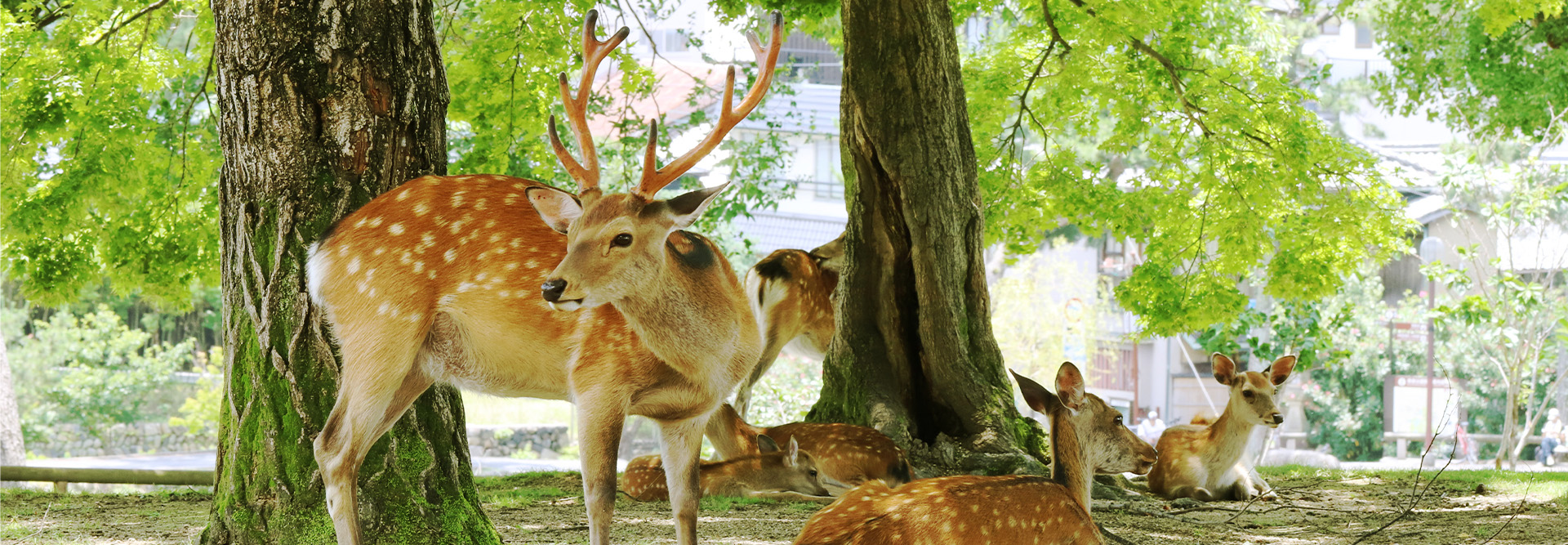
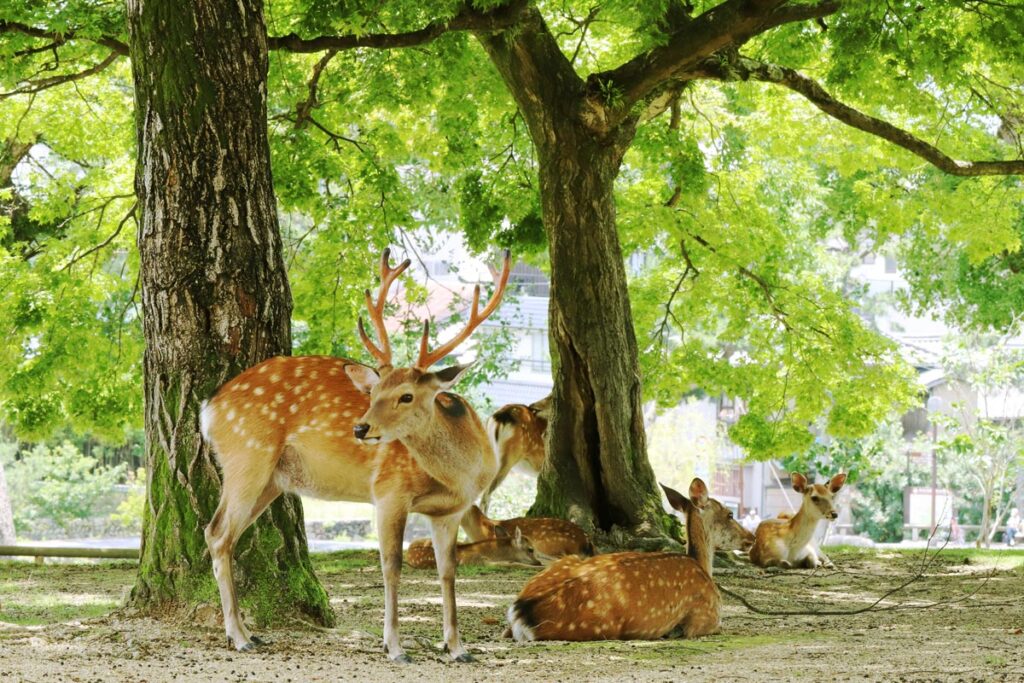
Nara Park is the city’s green heart and the backdrop to many of its main sights. It stretches along the eastern side of central Nara, with broad lawns, ponds, wooded hills, and stone lantern-lined paths.
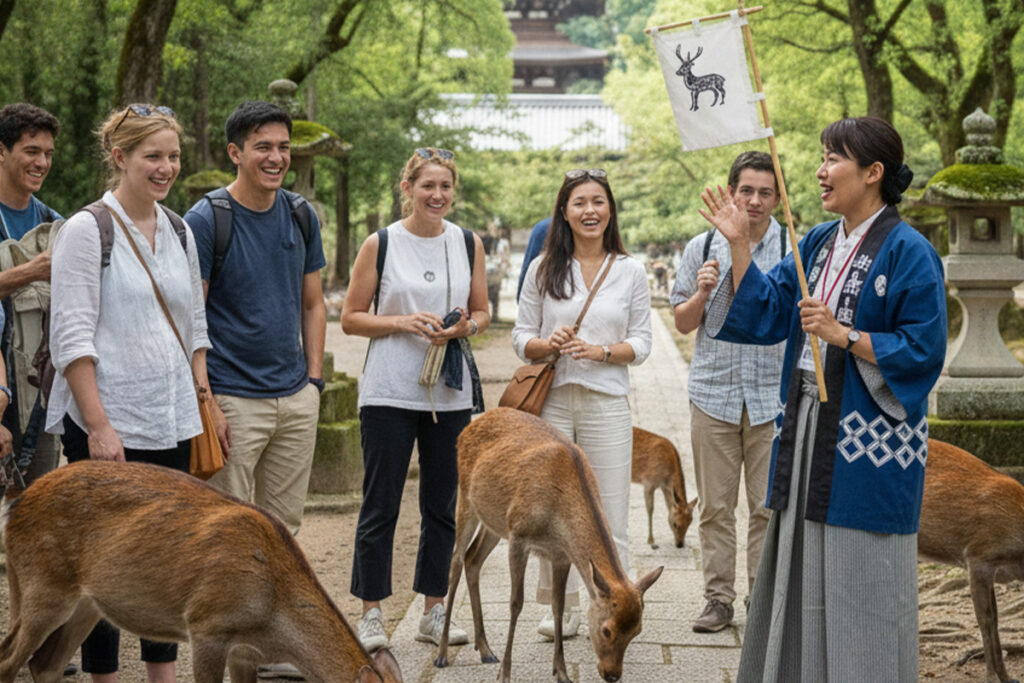
The park is also home to hundreds of semi-wild shika (sika deer). According to Shinto tradition, these deer are messengers of the gods. Historically, harming them was punishable by death, and even today they are protected as a natural treasure. As you walk, deer may bow their heads in a quirky, learned gesture – especially if they see you holding food.
You can buy special shika senbei (deer crackers) from stands around the park. Feed them with open hands and keep the crackers close to your body between offerings; some deer can be persistent. Do not offer human food, and avoid teasing or cornering them. A respectful distance is the key to a pleasant encounter.
Tōdai-ji Temple and the Great Buddha
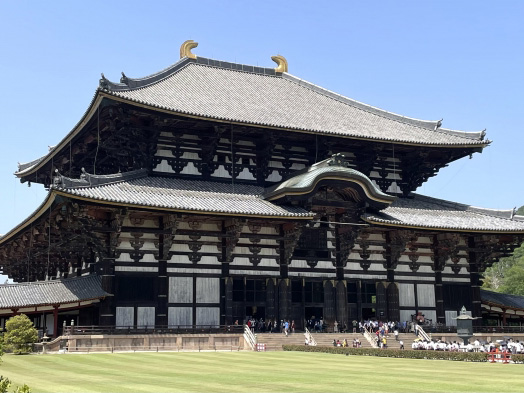
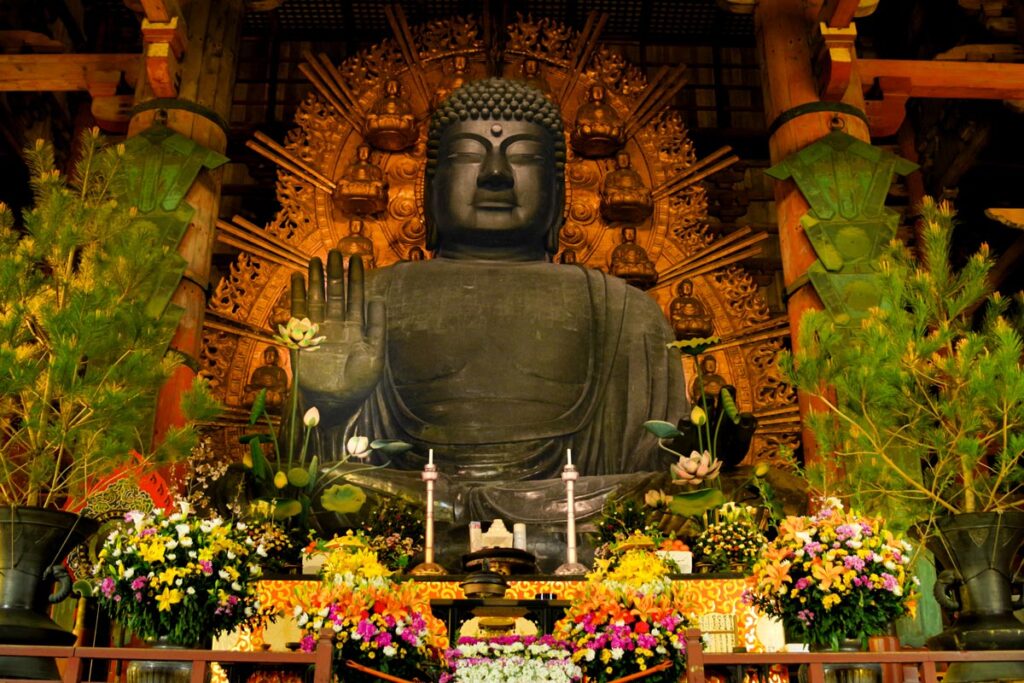
Tōdai-ji is Nara’s most iconic sight and one of Japan’s most important Buddhist temples. Established in the 8th century when Nara was the imperial capital, it once served as the head temple of all provincial temples in Japan.
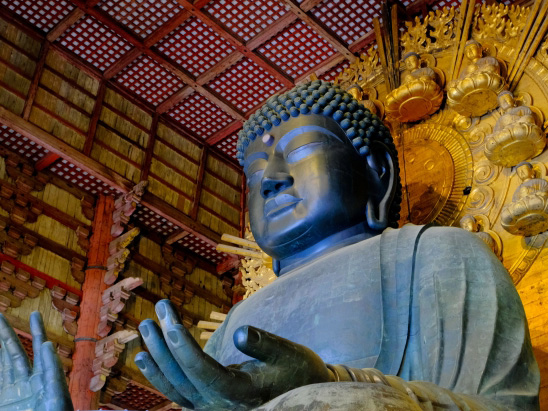
The main hall, Daibutsuden (Great Buddha Hall), is among the largest wooden buildings in the world. Passing through the towering Nandaimon gate, guarded by fierce wooden guardian statues, you’ll follow a broad avenue to the hall. Inside, the atmosphere becomes hushed, the space dim and cool even in summer.
At the center sits the enormous bronze statue of Daibutsu (Great Buddha), representing Vairocana Buddha. Standing over 15 meters tall, it’s a powerful introduction to Japanese Buddhism for first-time visitors – ancient, monumental, and serene. Around the hall, you’ll see smaller statues, incense burners, and sometimes school groups on field trips, a reminder that this is still a living place of worship and education.
Take a moment outside the hall to look back across the courtyard and beyond to the forested slopes of Mount Wakakusa. It’s a classic Nara view, especially beautiful in early morning or late afternoon light.
Kasuga Taisha Shrine
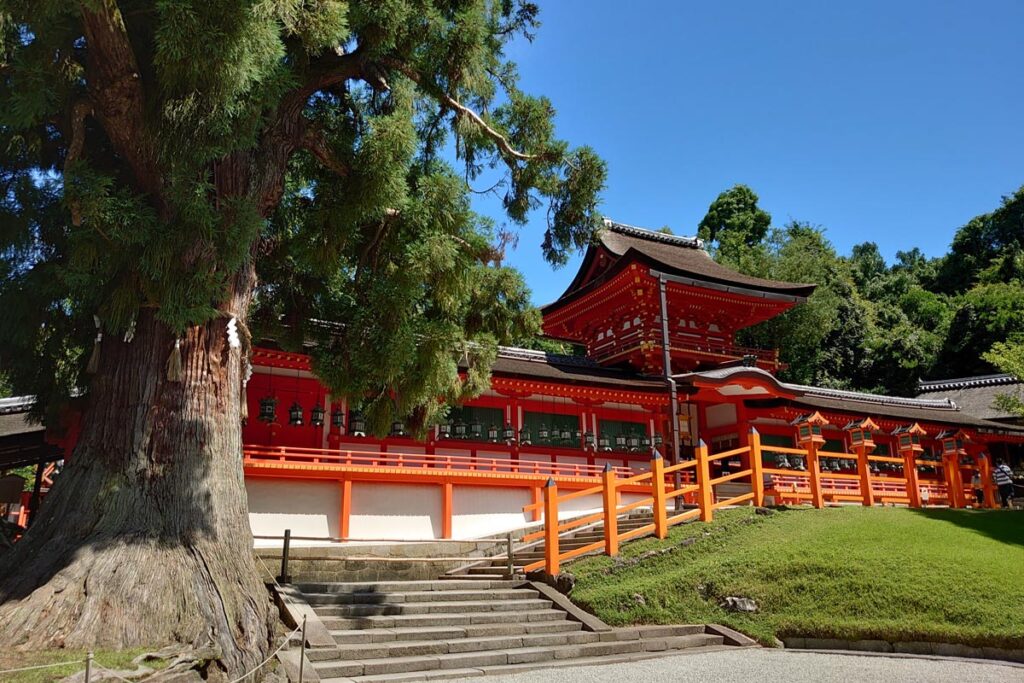
Deep in the eastern part of Nara Park, Kasuga Taisha is Nara’s most important Shinto shrine. Established in 768, it was closely linked to the powerful Fujiwara clan and to the protection of the capital.
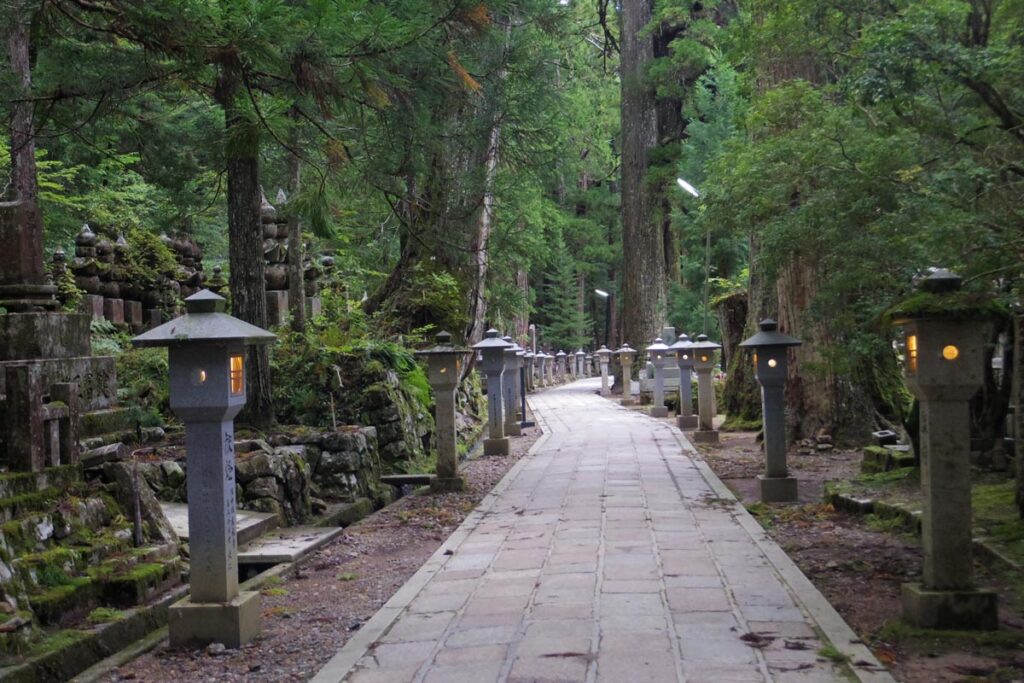
The approach to Kasuga Taisha is one of its most memorable features: a long, gently rising path lined with hundreds of stone lanterns covered in moss. Under tall cedars, the atmosphere is cool and otherworldly. As you near the main complex, you’ll see countless bronze hanging lanterns as well, donated over the centuries.
Kasuga Taisha is renowned for its shinen (sacred forest) and its vermilion buildings, which contrast beautifully with the dark green of the surrounding trees. The shrine is particularly atmospheric during its lantern festivals when every lantern is lit at once, but even on an ordinary day, the interplay of light, shadow, and stone gives the whole area a timeless feel.
Kōfuku-ji Temple and the Five-Story Pagoda
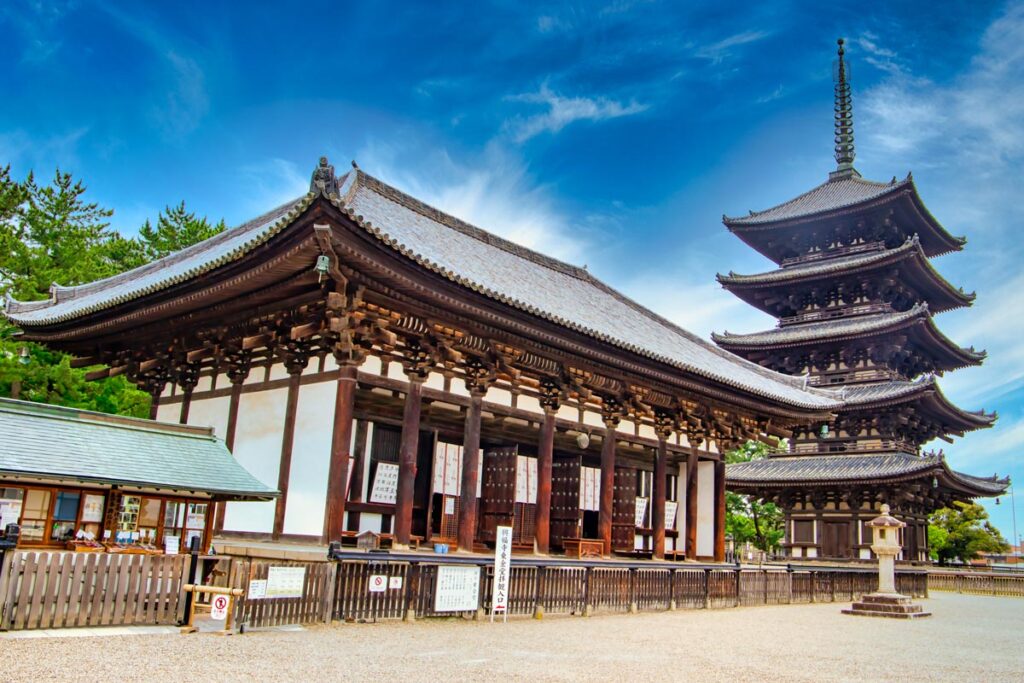
Just a short walk from both Kintetsu Nara Station and Nara Park, Kōfuku-ji was once the family temple of the Fujiwara clan, who dominated court politics during much of the Nara and Heian periods.
Its five-story pagoda is one of Nara’s signature landmarks and the second-tallest of its kind in Japan. The temple grounds also feature elegant halls and an excellent museum, the Kōfuku-ji National Treasure Museum, which showcases Buddhist statues and artifacts that survived fires and political upheaval.
Kōfuku-ji is an easy first stop when you arrive in Nara, offering a sense of historical scale and a relaxed introduction to Buddhist architecture before you head deeper into Nara Park.
Naramachi: The Old Merchant Quarter
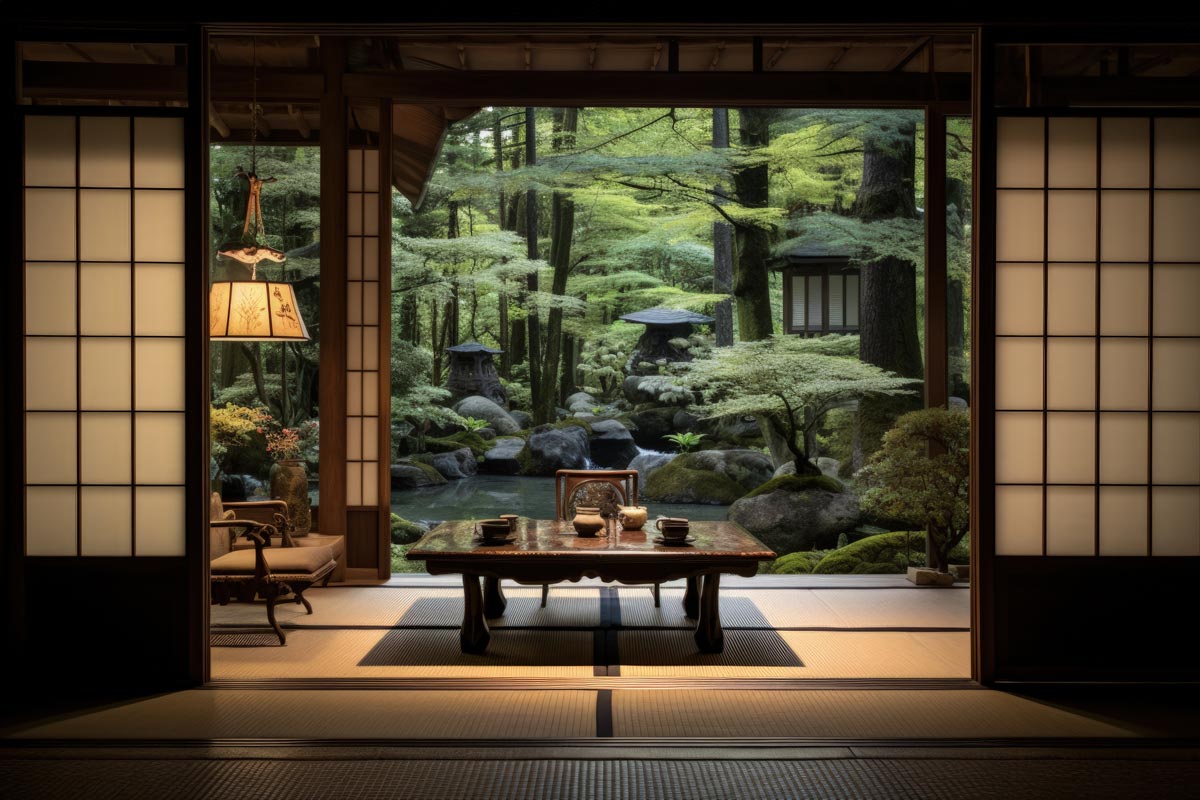
South of the main park lies Naramachi, Nara’s preserved merchant district. Its narrow lanes are lined with machiya – traditional wooden townhouses with latticed facades and long, thin floor plans. Several houses are open to the public, some as small museums, others as cafes, craft shops, or guesthouses.
Strolling Naramachi offers a snapshot of daily life in the Edo and early modern periods. Look for small neighborhood shrines, hidden courtyards, and seasonal decorations. The pace here is slower than in the park, and it’s a good area to stop for tea, wagashi (Japanese sweets), or a quiet lunch.
Best Time to Visit Nara
Nara can be visited year-round, but each season shapes the experience:
- Spring (March–May): Cherry blossoms bloom around late March to early April, especially around the park’s ponds and temple grounds. Temperatures are mild, but it’s also one of the busiest times.
- Summer (June–August): Lush and green, but hot and humid. Afternoon breaks in shaded areas or air-conditioned museums are welcome. Occasional afternoon showers are common.
- Autumn (October–November): Often the most comfortable time to visit, with clear skies and colorful foliage. The slopes behind Tōdai-ji and around Kasuga Taisha are especially beautiful.
- Winter (December–February): Quiet and crisp. Light snow transforms the temples and deer park into a tranquil, monochrome scene, though snow does not fall every year.
Weekdays are generally calmer than weekends, and mornings are quieter than afternoons. Aim to arrive early if you want to see Tōdai-ji before the crowds.
Cultural Tips and Etiquette in Nara
Nara offers a gentle introduction to Japanese customs. Keeping a few basics in mind will help you feel comfortable and respectful:
- At temples and shrines: Remove hats when entering worship halls, speak softly, and avoid flash photography where prohibited. Many indoor areas require removing shoes; follow signs and use the provided shelves.
- At Shinto shrines: Before approaching the main hall, rinse your hands and mouth at the purification font (temizuya) following posted instructions. At the offering box, bow, throw a coin, ring the bell if there is one, then bow twice, clap twice, and bow once more.
- With the deer: Treat them as you would wildlife rather than pets. Do not pull their antlers or tails, and avoid feeding small children near large groups of deer.
- General conduct: Walking while eating is still relatively uncommon in traditional areas. Use rubbish bins where provided or carry your trash with you; bins can be scarce.
What to Eat in Nara
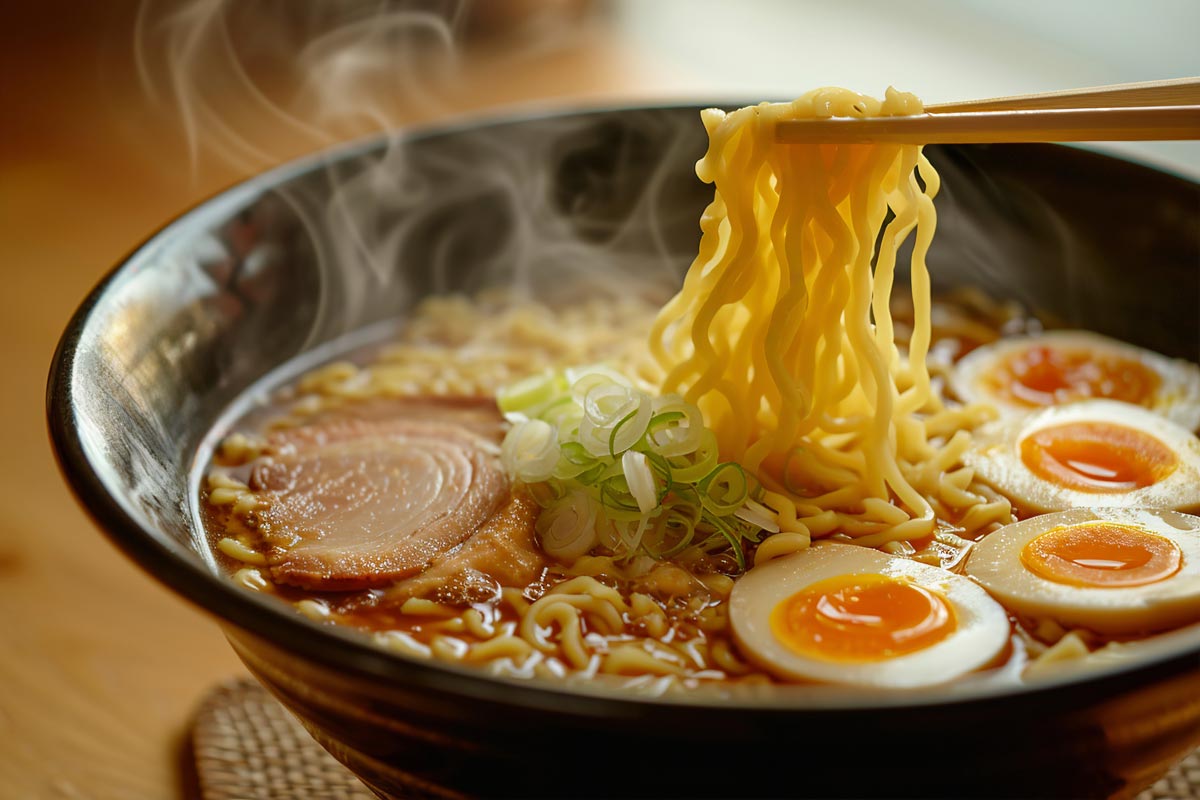
Nara’s cuisine reflects its history as a gateway for continental influences and its long religious traditions. While you’ll find familiar Japanese staples like ramen and sushi, seek out a few local specialties:
- Kakinoha-zushi: Bite-sized pieces of sushi rice topped with fish (often mackerel or salmon) and wrapped in persimmon leaves. The leaves add aroma and help preserve the fish, a technique that dates back centuries.
- Nara-zuke: Strongly flavored vegetables pickled in sake lees, often served in small amounts alongside rice or as a condiment.
- Sōmen noodles: In nearby areas, thin wheat noodles are served chilled in summer or hot in broth in winter, a simple, refreshing meal.
Near Nara Park, many restaurants and cafes cater to visitors with English menus. In Naramachi, you’ll find stylish cafes, tea houses, and small eateries in restored townhouses where you can try seasonal set meals, matcha, and traditional sweets.
Practical Tips for Visiting Nara
Getting Around
Central Nara is compact and largely walkable. From Kintetsu Nara Station, it’s about 10–15 minutes on foot to Nara Park and Kōfuku-ji, 20–25 minutes to Tōdai-ji, and around 30 minutes to Kasuga Taisha. Wide sidewalks and gentle slopes make walking pleasant for most visitors.
For those who prefer less walking, local buses connect the major attractions. Look for signs in English at station bus stops and at Nara Park. Day passes are available and can be convenient if you plan multiple bus rides.
Luggage and Lockers
If you’re visiting Nara on a day trip with luggage, coin lockers at JR Nara Station and Kintetsu Nara Station allow you to store bags while you explore. Larger suitcases may require the largest-size lockers, so arrive early on busy days to secure one.
Language and Signage
Many signs around Nara Park and major temples are in both Japanese and English. Staff at ticket counters often have basic English ability, and printed information in multiple languages is widely available. Having your destination name written in Japanese can help when asking for directions.
Tickets and Payments
Each temple and shrine generally charges a separate entrance fee for the main areas or halls. Carry some cash, as smaller vendors and rural sites may not accept cards. In the main tourist zone, IC cards and electronic payments are increasingly common, especially in shops and restaurants.
Extending Your Trip Beyond Central Nara
If you decide to spend more time in the region, Nara Prefecture offers quieter historical sites beyond the main park:
- Yakushi-ji and Tōshōdai-ji: Two important temples west of Nara City, reachable by train and bus. They provide a calmer, less crowded look at early Buddhist architecture and art.
- Asuka: A rural area south of Nara, often called the cradle of the Japanese state, dotted with ancient burial mounds, stone sculptures, and rice fields. Rental bicycles are a popular way to explore.
These destinations are appealing for travelers who have already seen Nara’s central highlights and are curious about Japan’s earliest historical landscapes.
Planning Your Nara Itinerary
For a well-balanced first visit, consider this simple one-day route:
- Arrive in the morning at Kintetsu Nara Station and walk to Kōfuku-ji.
- Continue into Nara Park, meeting the deer and visiting Tōdai-ji before midday.
- Enjoy lunch near the park or in Naramachi.
- In the afternoon, walk through the forested paths to Kasuga Taisha.
- Return via quieter backstreets or spend late afternoon exploring Naramachi’s shops and cafes.
This route keeps walking distances manageable while showcasing Nara’s main religious sites, its parkland, and its traditional townscape – a clear window into Japan’s ancient capital that pairs perfectly with time in Kyoto and Osaka.

Access Map
Recommended spots in Nara
Nara Park
Todai-ji Temple
Kasuga Taisha Shrine
Kofuku-ji Temple
Nara Useful Link