



Nara Park
Nara Park Japan Travel Guide for First-Time Visitors
Photos are for illustrative purposes only.
Nara Park is one of Japan’s most memorable destinations, especially for first-time visitors. Just under an hour from Kyoto or Osaka, this vast historical park combines sacred temples and shrines, old-growth forest, and hundreds of free-roaming deer that bow (sometimes) for treats. It is one of the easiest day trips in the Kansai region and an excellent introduction to Japan’s history, nature, and traditional culture.
Why Nara Park Belongs on Your Japan Itinerary
Nara was Japan’s first permanent capital in the 8th century, and Nara Park preserves the heart of that ancient city. Within walking distance of each other you’ll find World Heritage temples, a towering Great Buddha, soft mossy paths through cedar forests, and open lawns dotted with deer. For first-time visitors, this compact mix of landmarks makes Nara Park a natural addition to a Kansai itinerary focused on Kyoto and Osaka.
The atmosphere is very different from Tokyo’s neon or Kyoto’s narrow lanes. Nara Park feels slower and more spacious. Despite its fame, you can still find quiet corners among the trees or behind temple buildings, especially early in the morning or near closing time.
Where Is Nara Park and How to Get There
Nara Park lies on the eastern side of Nara City in Nara Prefecture, part of the Kansai region of western Japan.
From Kyoto
By train (recommended):
- JR Nara Line (Rapid): Around 45 minutes from JR Kyoto Station to JR Nara Station, covered by the Japan Rail Pass. From JR Nara, it’s about a 20-minute walk or a short bus ride to the park.
- Kintetsu Railway: About 35–40 minutes from Kyoto Station to Kintetsu Nara Station. Kintetsu Nara is closer to the park; you can walk into the park area in about 5–10 minutes.
From Osaka
By train:
- From Osaka (Namba) on Kintetsu: Roughly 40 minutes to Kintetsu Nara Station.
- From JR Osaka Station: About 50 minutes to JR Nara Station on the Yamatoji Line.
For most visitors, Kintetsu Nara Station is the most convenient starting point. Exit the station, follow the signs to Nara Park, and within minutes you’ll start seeing deer around the broad sidewalks and lawns.
Meeting Nara’s Sacred Deer
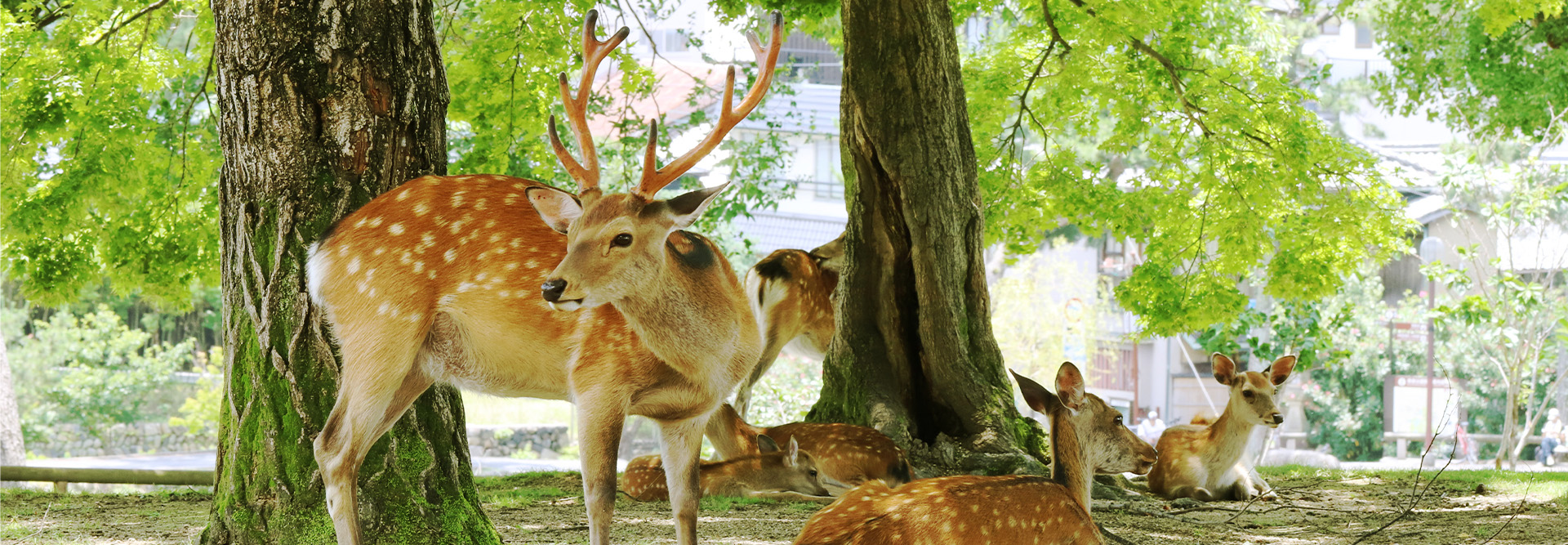
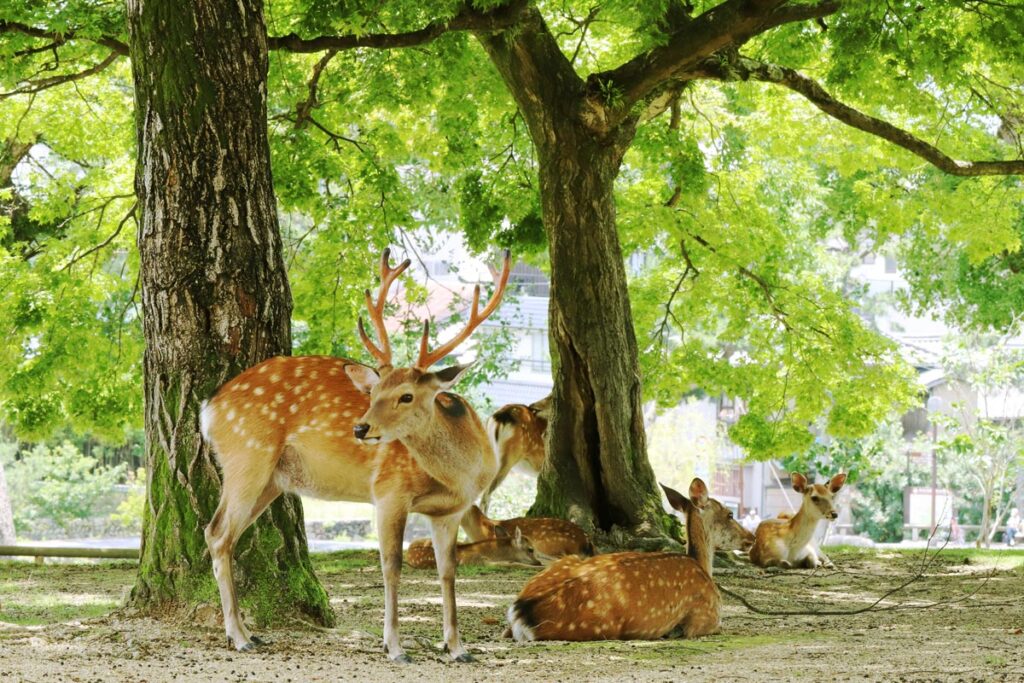
The deer of Nara Park are the park’s most famous residents. Around 1,000–1,300 semi-wild deer live in and around the park, wandering freely between the temples, shrines, and lawns. In local Shinto belief, deer were once regarded as shinshi, messengers of the gods, particularly associated with nearby Kasuga Taisha Shrine.
As a result, the deer are protected and play a central role in the park’s identity. You’ll see them relaxing under pine trees, crossing streets at their own pace, and sometimes forming clusters where visitors are feeding them special crackers.
Feeding the Deer Safely and Responsibly
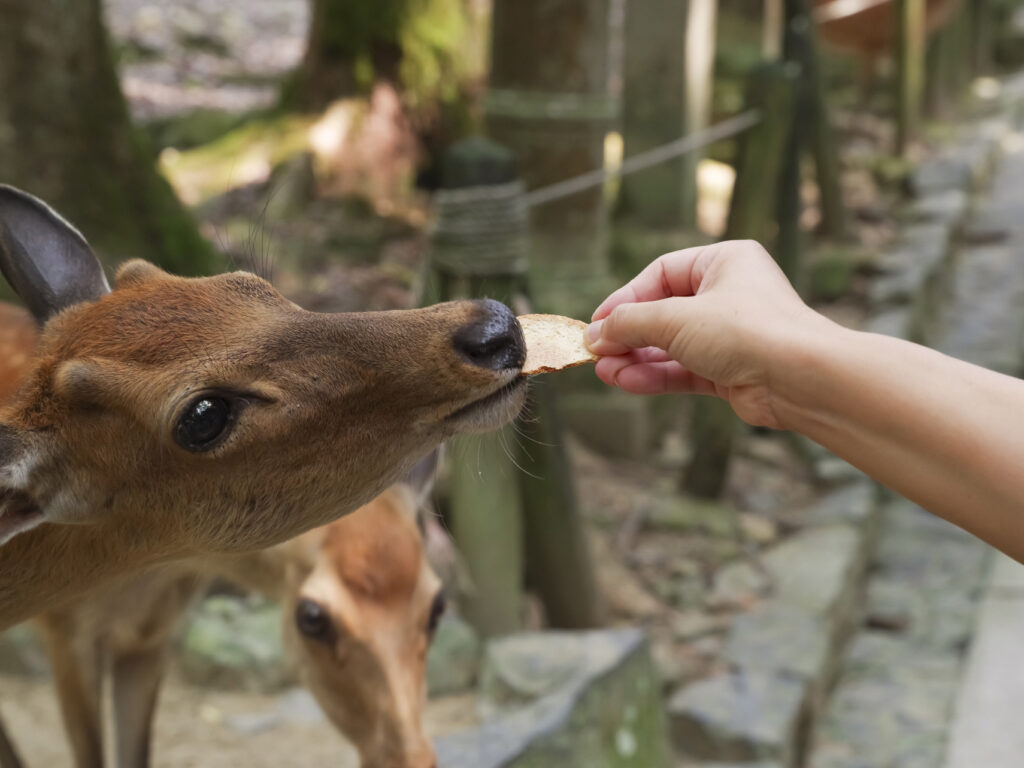
One of the most charming experiences at Nara Park is feeding the deer with “shika senbei”, thin crackers made especially for them. Vendors sell these crackers at stands throughout the park.
- Only feed official deer crackers: Do not offer bread, snacks, or any other human food. These can make the deer sick.
- Feed with open palms: Hold the cracker flat in your hand to avoid nips.
- Expect assertive behavior: Some deer may gently tug at clothes or nudge you if they see food. Put crackers away in a bag when you’re not feeding them.
- Do not tease or provoke: Holding the cracker just out of reach can frustrate them and lead to head-butting or biting.
- Watch small children: Kids often love the deer, but they can be startled by sudden movements. Supervise them closely.
You may see deer bowing their heads before you give them a cracker. This behavior has developed over time as deer learned that bowing often results in more food. It’s delightful to experience, but remember they are still wild animals, not trained performers.
Top Sights in and Around Nara Park
Plan at least half a day, ideally a full day, to explore Nara Park. The main attractions are all linked by pleasant walking paths.
Todai-ji Temple and the Great Buddha
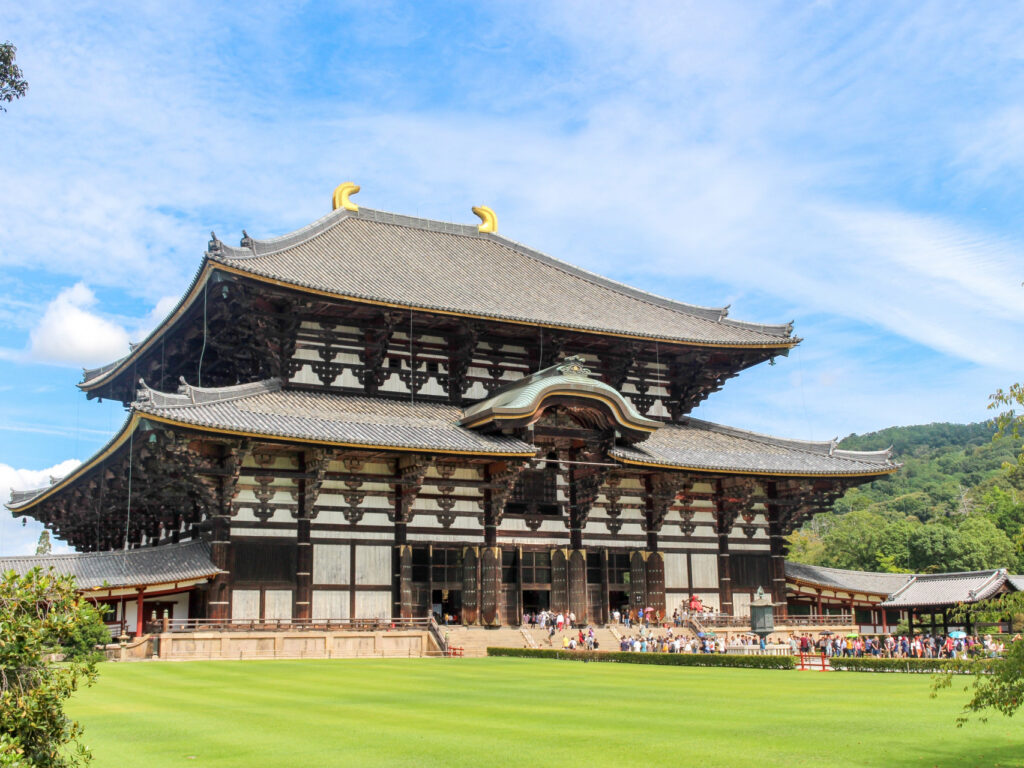
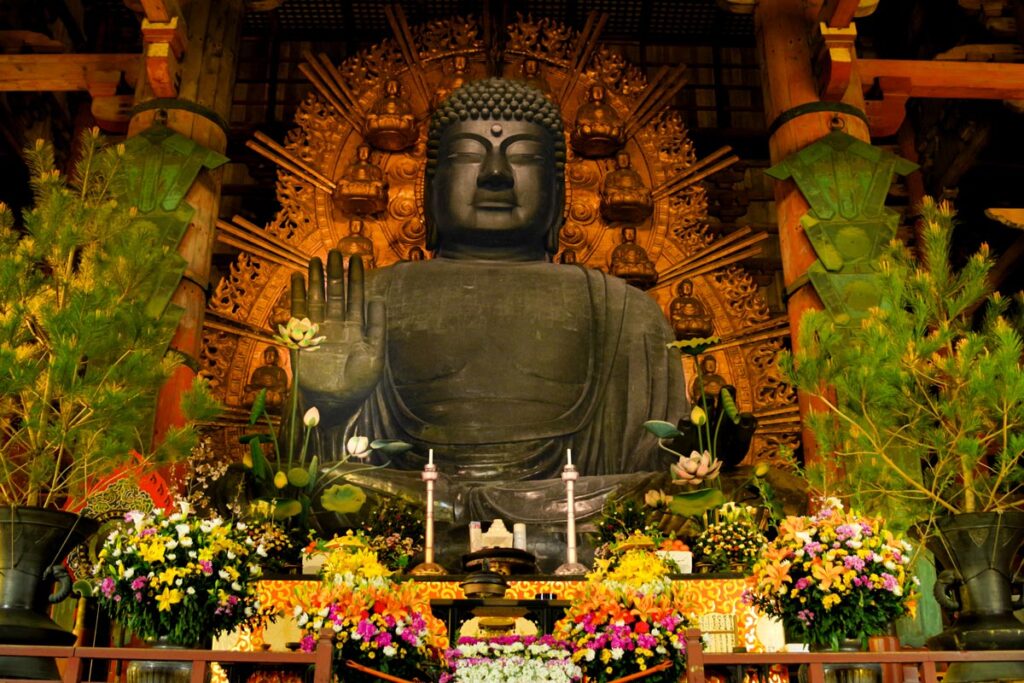
Todai-ji is Nara Park’s star attraction and a UNESCO World Heritage Site. The temple’s main hall, Daibutsuden, houses one of Japan’s largest bronze statues of the Buddha, known as the Great Buddha of Nara (Daibutsu).
As you walk up the approach, you’ll first pass the massive Nandai-mon (Great South Gate), guarded by towering wooden statues of fierce guardian deities. Inside the Daibutsuden, the sheer scale of the seated Buddha is astonishing: over 15 meters tall and weighing hundreds of tons.
Look for the wooden pillar with a hole in its base said to be the same size as the Buddha’s nostril. Crawling through it is believed to bring good fortune and academic success, and you may see children and some adults giving it a try.
Tip for first-timers: Todai-ji can get extremely crowded in late morning and early afternoon. Arrive soon after opening or later in the day for a more peaceful visit.
Kasuga Taisha Shrine
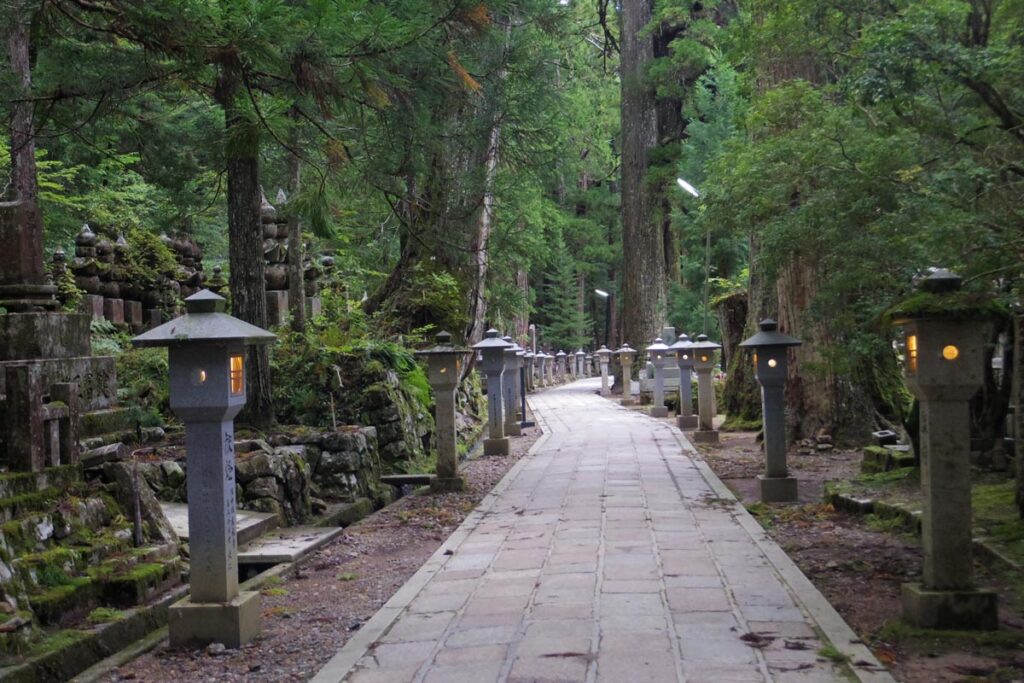
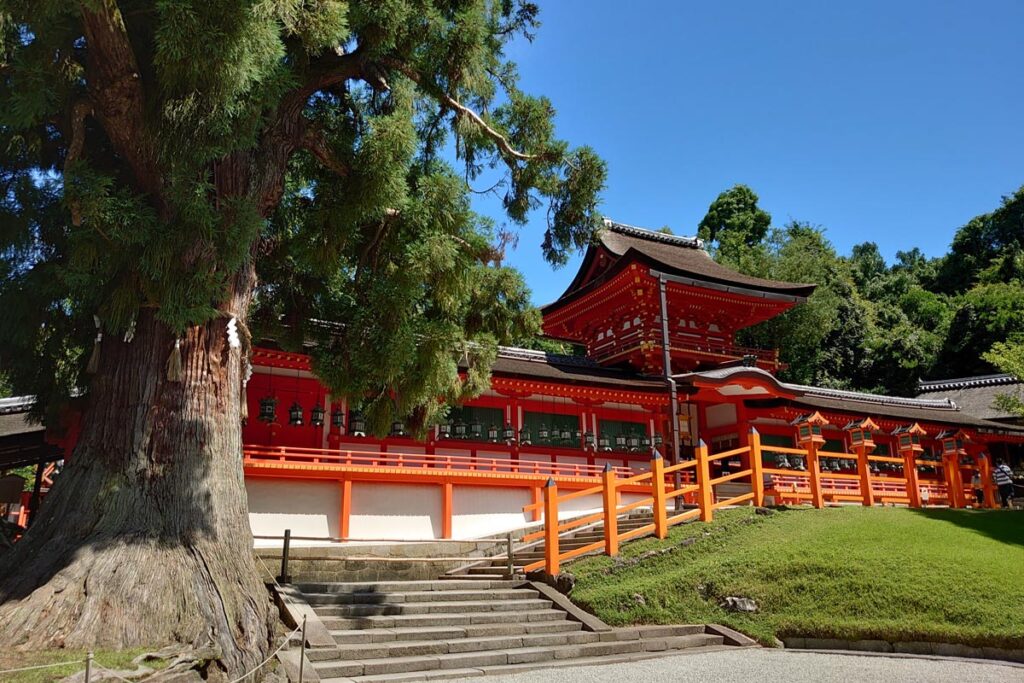
On the southeastern side of the park, Kasuga Taisha is one of Japan’s most atmospheric Shinto shrines. The approach path leads through a shady forest scattered with hundreds of moss-covered stone lanterns, while the shrine grounds themselves are lined with bronze lanterns donated over the centuries.
Kasuga Taisha is known for its vermilion buildings, delicate architectural details, and serene courtyards. The shrine has strong historical ties to the powerful Fujiwara clan, who helped shape early Japanese politics. It is still an active religious site, so you may witness Shinto ceremonies or quietly dressed shrine maidens going about their duties.
Consider visiting one of the inner areas where lanterns are displayed in darkened corridors and occasionally lit during special events, creating a dreamlike glow.
Kofuku-ji Temple and Five-Story Pagoda
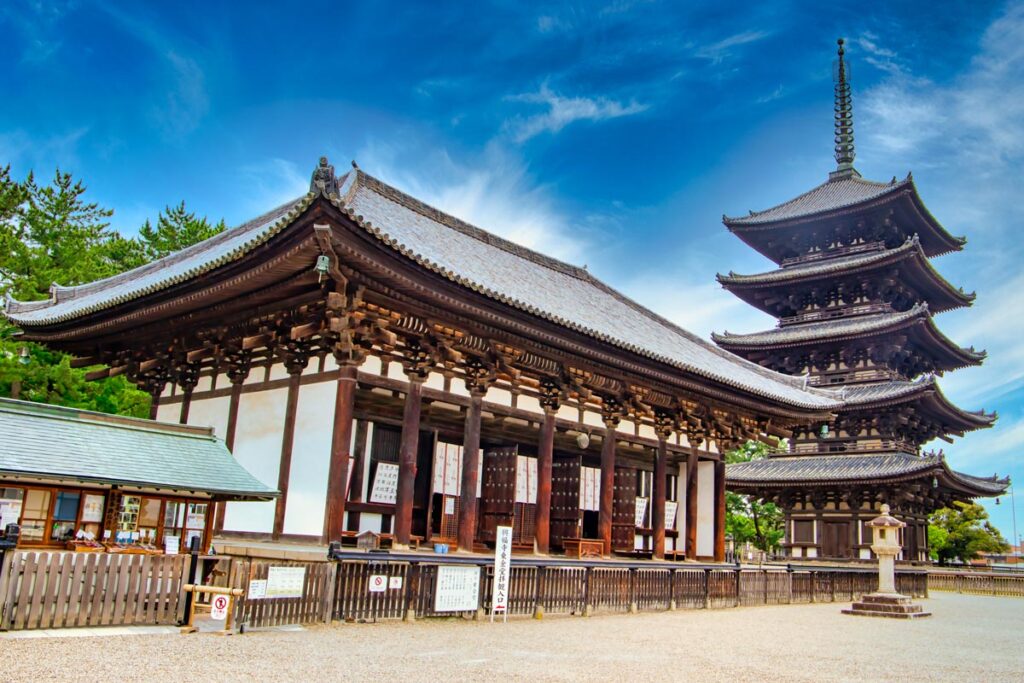
Near Kintetsu Nara Station, Kofuku-ji once formed part of a sprawling temple complex with strong political connections. Today, its elegant five-story pagoda towers over the park’s western side and is a recognizable symbol of Nara.
The temple precinct offers a mix of restored and historical buildings, including the Eastern Golden Hall and a museum that houses exquisite Buddhist statues. Even if you don’t visit every hall, the pagoda and its reflection in the nearby pond make for beautiful photos, especially in the soft light of early evening.
Nara National Museum
For visitors interested in art and history, the Nara National Museum sits within the park and offers a carefully curated look at Buddhist sculpture, paintings, and ritual objects. Exhibits often include treasures from nearby temples, and the building itself blends Western and Japanese architectural styles.
The museum can be a thoughtful indoor stop on a hot summer afternoon or a rainy day, adding context to what you see at Todai-ji and Kofuku-ji.
Wakakusa-yama and Panoramic Views
Just east of the main park lawns rises Mount Wakakusa (Wakakusa-yama), a gentle grass-covered hill. A short, relatively steep walk leads to a lookout with sweeping views over Nara City and the park’s temple roofs. On clear days the panorama is impressive and offers a sense of how the ancient capital was laid out.
In winter, the mountain is the stage for the Wakakusa Yamayaki festival, when the hillside is dramatically burned in a controlled fire, accompanied by fireworks. While this is a once-a-year event, it’s worth knowing as part of Nara’s living culture.
Best Time to Visit Nara Park
Nara Park is open year-round, and each season has a distinct charm.
Spring (March–May)
Spring brings mild temperatures and cherry blossoms. The lawns around the ponds and temple approaches are dotted with sakura trees, and you’ll see locals and visitors picnicking under the blooms. This is a popular time, so expect crowds during peak blossom weeks.
Summer (June–August)
Summer is lush and green. Trees offer shade and deer rest in the cool grass. However, heat and humidity can be intense, especially from July onward. Carry water, take breaks indoors, and use sun protection. Afternoon showers are possible during the rainy season in June and early July.
Autumn (September–November)
Autumn is one of the most pleasant times to visit, with comfortable temperatures and rich colors. Around late October to late November, maple and ginkgo trees glow in reds and golds. The contrast of autumn foliage with temple buildings and stone lanterns is especially photogenic.
Winter (December–February)
Winters in Nara are cold but generally not severe. You may occasionally see the park dusted with snow, creating a calm, minimal landscape. Crowds are thinner, making it a good time for a quieter experience, especially if you enjoy photography without many people.
Suggested Itinerary for First-Time Visitors
Here is a simple, full-day walking route starting from Kintetsu Nara Station:
- Walk from Kintetsu Nara Station into the western edge of Nara Park, meeting the first deer on the lawns.
- Continue to Kofuku-ji and see the five-story pagoda and temple grounds.
- Head east through the main park area toward Todai-ji, allowing time for photos with deer along the way.
- Visit Todai-ji and the Great Buddha Hall, exploring nearby sub-temples if you have interest and time.
- Walk south through the woods to Kasuga Taisha Shrine, enjoying the stone lantern-lined path.
- On the way back toward the city center, stop by Nara National Museum if desired.
- Finish with a relaxed stroll around the ponds near Kofuku-ji at sunset before returning to the station.
This route offers a good balance of famous sights and atmosphere. You can shorten it by skipping one or two stops if you are visiting on a half-day trip.
Practical Tips and Etiquette
What to Wear and Bring
- Comfortable walking shoes: Distances are not huge, but you’ll be on your feet most of the day on a mix of paved and gravel paths.
- Seasonal layers: Spring and autumn can feel chilly in the shade but warm in the sun. In summer, choose light, breathable clothing.
- Rain gear: A compact umbrella or light rain jacket is helpful, especially in the rainy season.
- Cash: Some smaller vendors and temple donation boxes are cash-only, though large ticket counters often accept cards.
Temple and Shrine Etiquette
Nara Park is not just a tourist area; it is also a deeply religious space. Observing simple etiquette will help you fit in respectfully.
- Be quiet and respectful near prayer halls and during ceremonies.
- Follow photography rules: Some areas forbid photography or flash; respect posted signs.
- Purification: At Shinto shrines, you may see a stone basin with ladles. Locals rinse their hands and mouth lightly as a symbolic act of purification before praying.
- No eating while walking inside temple or shrine precincts; step to the side or use designated rest areas.
Staying Safe with Deer
Although serious incidents are rare, deer can kick, butt, or bite, especially if startled or frustrated. Avoid touching their heads or antlers, don’t corner them for photos, and move away calmly if a deer seems agitated. In summer, be extra cautious with fawns and mothers.
Food and Facilities Around the Park
You’ll find many options for lunch and snacks around Nara Park and the nearby shopping streets.
- Traditional restaurants: Look for local specialties such as kaki no ha-zushi (sushi wrapped in persimmon leaves), narazuke pickles, and simple set meals featuring seasonal ingredients.
- Cafés and sweets: Nara offers matcha-flavored desserts, soft-serve ice cream, and traditional Japanese sweets that make pleasant breaks between sights.
- Convenience stores: Near the stations you can buy drinks, snacks, and onigiri (rice balls) for a quick and affordable picnic in permitted areas.
Public restrooms are available at multiple points around the park, and maps near major entrances mark their locations. Vending machines for drinks are common along main paths, making it easy to stay hydrated.
Extending Your Stay in Nara
Many visitors see Nara Park as a day trip, but staying one night in Nara City can be rewarding. Early morning and evening bring a different mood, when tour groups are gone and the park feels more like a local green space.
Consider visiting:
- Naramachi: A historical merchant district west of the park, with traditional townhouses, small museums, and quiet streets ideal for strolling.
- Smaller temples and gardens beyond the main park area, which are rarely crowded and allow you to experience a calmer side of Nara.
Making the Most of Your Visit
Nara Park offers a gentle introduction to many aspects of Japan at once: Buddhist temples, Shinto shrines, respect for nature, and the coexistence of sacred spaces with everyday life. Whether you’re bowing to a deer, standing before the Great Buddha, or following a lantern-lined path through the forest, the park invites you to slow down and absorb its atmosphere.
With a little planning, comfortable shoes, and an open mind, Nara Park can easily become one of the most vivid memories of your first trip to Japan.

Access Map
Recommended spots in Nara
Nara Park
Todai-ji Temple
Kasuga Taisha Shrine