




Narita Airport Access
Narita Airport Access: How to Reach Tokyo and Beyond
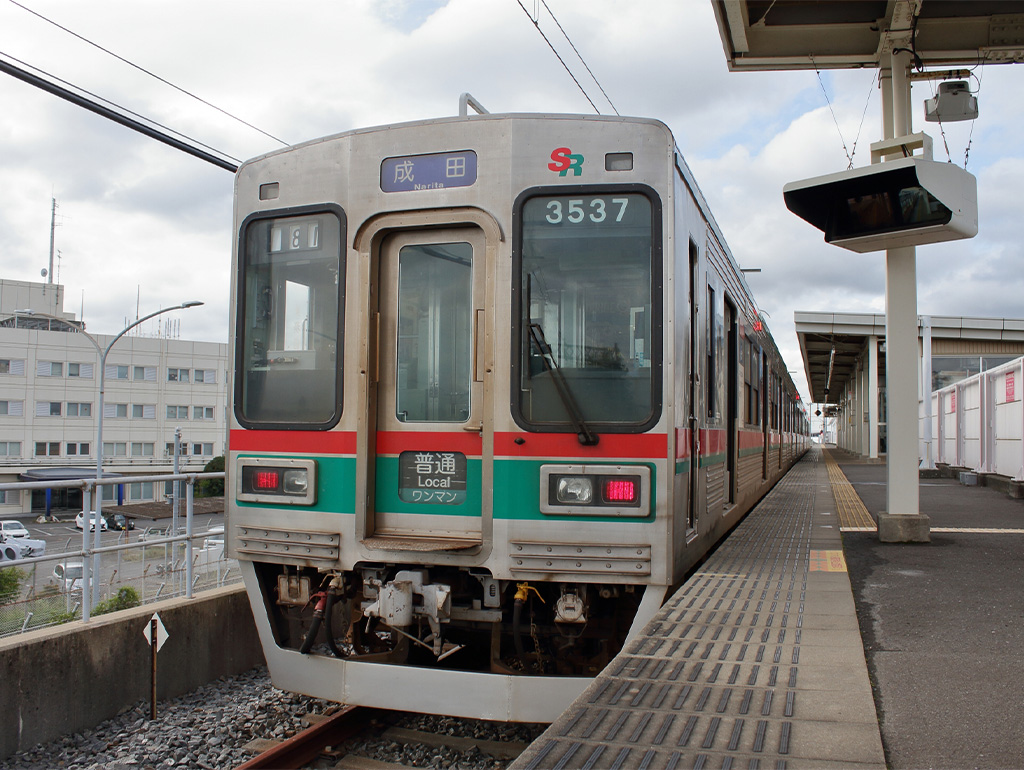
Narita International Airport is one of Japan’s main gateways, handling a large share of international flights to the Tokyo area. It sits in Chiba Prefecture, about 60 kilometers east of central Tokyo, so planning your airport transfer is essential, especially if this is your first trip to Japan.
This guide explains the main ways to travel between Narita Airport and Tokyo, compares costs and travel times, and offers practical advice so you can start your Japan journey smoothly and with confidence.
Understanding Narita Airport and Its Location
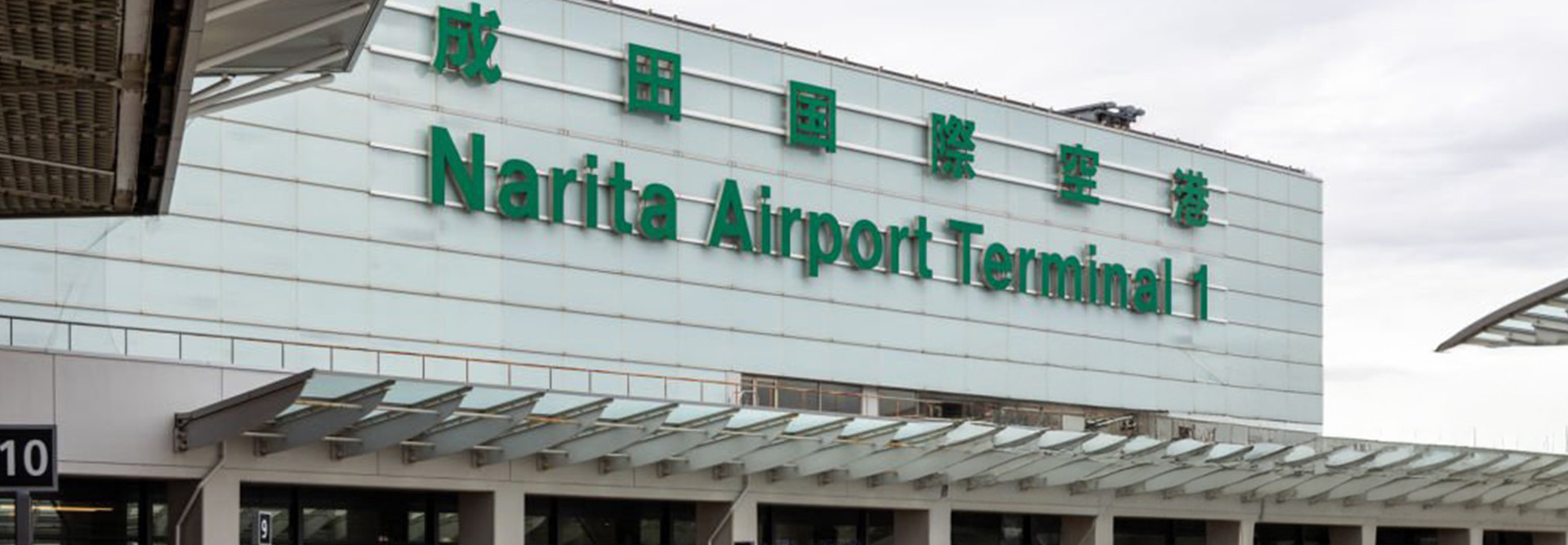
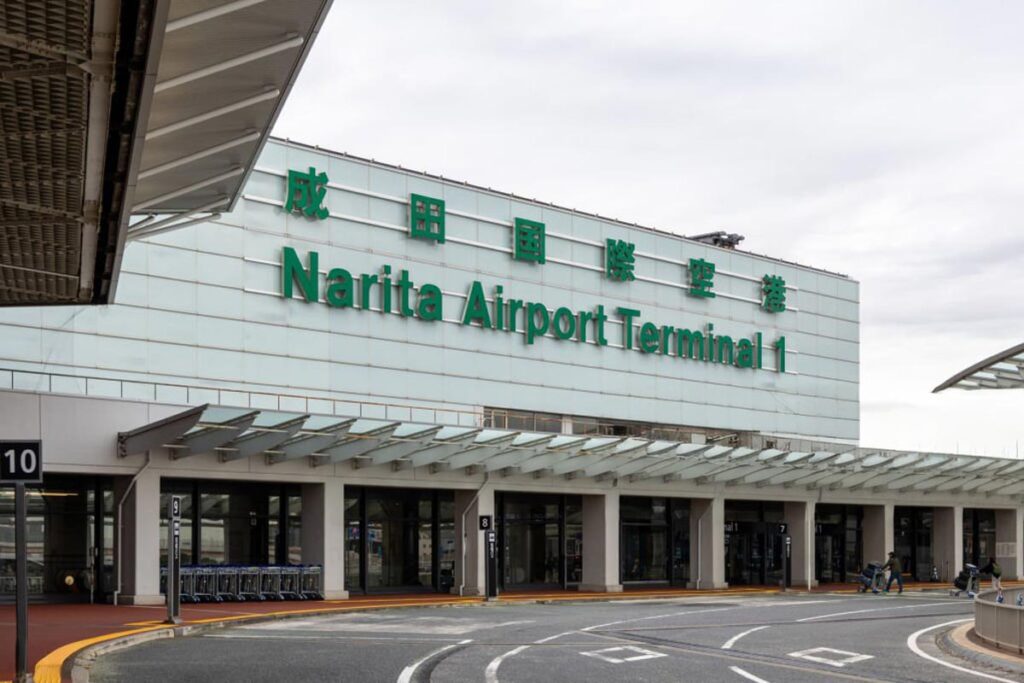
Narita Airport has three terminals: Terminal 1, Terminal 2, and the smaller Terminal 3, mainly used by low-cost carriers. Shuttle buses link the terminals, and clear English signage makes it relatively straightforward to navigate. Still, the distance from Tokyo surprises many first-time visitors: Narita is not in Tokyo itself but in the neighboring prefecture of Chiba.
The most common destinations on arrival are:
- Tokyo Station – central transport hub on the east side of the city
- Shinjuku, Shibuya, Ikebukuro – major districts on the west side of Tokyo
- Ueno and Asakusa – convenient for traditional neighborhoods and the Tokyo Skytree area
Because there are several competing train and bus options, it helps to decide your route based on where you are staying, your budget, and how much luggage you have.
Fastest Options: Airport Express Trains
The quickest way into central Tokyo is by dedicated airport express trains. They are punctual, frequent, and comfortable, and they spare you from most traffic-related delays.
Narita Express (N'EX)
The Narita Express, usually abbreviated as N'EX, is operated by JR East and connects Narita Airport directly with major stations in Tokyo, including Tokyo, Shinagawa, Shibuya, Shinjuku, Ikebukuro, Yokohama and others. It is a reserved-seat service, with large luggage racks and overhead space.
Why choose N'EX:
- Comfortable for long flights – spacious seats, quiet carriages, and luggage storage
- Direct access to key hubs – especially convenient if staying around Tokyo, Shinjuku, or Shibuya
- Easy for rail pass users – some foreign-visitor passes or discounts include N'EX journeys
Typical travel times:
- Narita Airport to Tokyo Station: about 1 hour
- Narita Airport to Shinjuku: about 1 hour 20 minutes
How to use it:
JR ticket offices and machines are located near the station entrances in the airport terminals. Staff usually speak basic English and can help you book a reserved seat and explain transfers. You will receive both a basic fare ticket and a reserved-seat ticket; keep both handy for ticket checks.
Keisei Skyliner
The Keisei Skyliner is a high-speed express operated by Keisei Electric Railway. It runs between Narita Airport and Ueno, with a major stop at Nippori Station, where you can transfer easily to JR Yamanote Line trains for Shinjuku, Shibuya, Ikebukuro, and other popular areas.
Why choose the Skyliner:
- One of the fastest options – among the quickest ways into central Tokyo
- Convenient for eastern Tokyo – ideal if staying in Ueno, Asakusa, or around Nippori
- Reserved seating – every passenger has an assigned seat, and there’s storage for larger bags
Typical travel times:
- Narita Airport to Nippori: about 40 minutes
- Narita Airport to Ueno: about 45 minutes
How to use it:
Look for the Keisei line station signs in the airport. You can buy tickets from machines or from the staffed Skyliner & Keisei Information Center, where English support is available. As with N'EX, you will have a reserved seat and need to keep your ticket until exiting the station.
Cheaper Train Options: Rapid and Local Services
If you are traveling on a tighter budget and do not mind a longer journey or transfers, regular rapid and local trains are an economical way to get into Tokyo from Narita.
Keisei Access Express and Other Keisei Trains
The Keisei Access Express runs from Narita Airport through to the Asakusa area and further into Tokyo. Depending on the time of day and train type, you may get a direct train or need to change. Trains can become crowded during rush hours, especially when they share tracks with commuter services.
Advantages:
- Cheaper than the Skyliner
- Direct access to Asakusa and connections into the Toei subway network
Considerations:
- Less space for luggage and often standing passengers
- Announcements may be more limited compared to airport express trains, though key stops usually have English information
JR Rapid and Local Trains
JR also operates rapid and local services between Narita Airport and Tokyo, often using the Sobu Line. These trains are regular commuter trains rather than dedicated airport expresses, so they tend to be busier and slower, but they are cheaper than the Narita Express.
Advantages: lower cost, frequent services, and easy transfers within the JR network once you reach central Tokyo.
Drawbacks: limited luggage space, standing passengers at busy times, and longer journey times compared with N'EX.
Airport Limousine Buses and Highway Buses
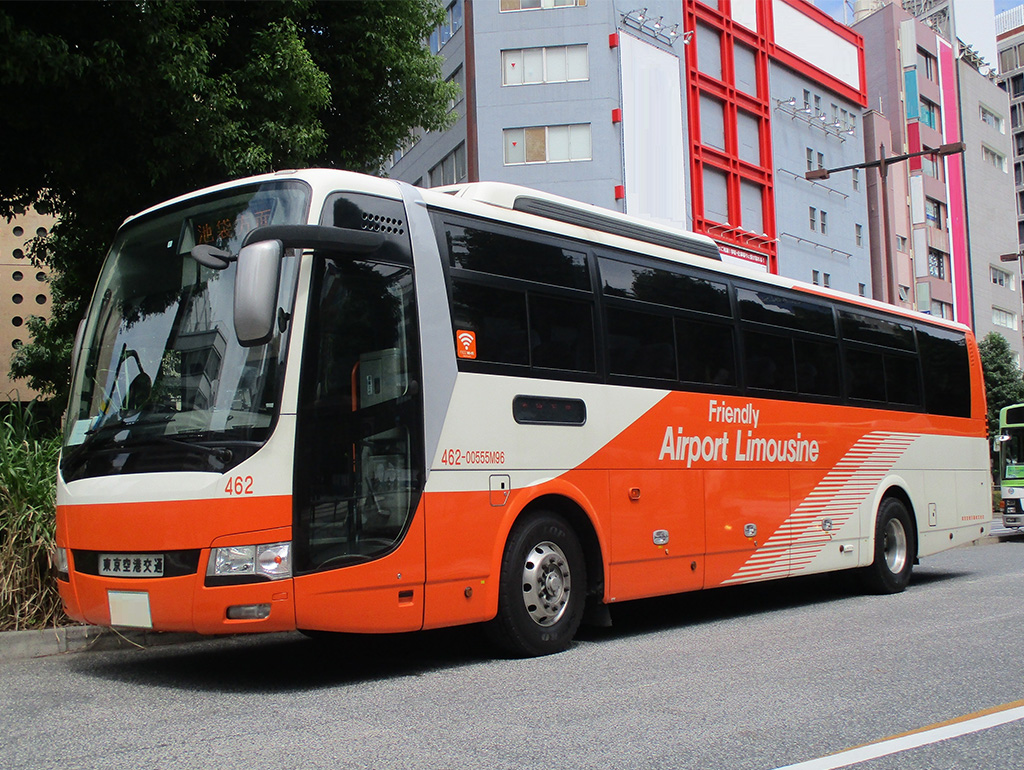
Airport limousine buses connect Narita Airport with major hotels and train stations across Tokyo and neighboring prefectures. For many first-time visitors, buses are a stress-free option because they remove the need to handle luggage on crowded trains.
Why choose an airport bus:
- Doorstep convenience – many services stop directly at hotel entrances or nearby bus stops
- No transfers – you can sit down and relax until you reach your area
- Luggage storage – suitcases are stored underneath the bus, freeing up space in the cabin
Typical travel times:
- Narita Airport to Tokyo Station: about 1 hour to 1.5 hours, depending on traffic
- Narita Airport to Shinjuku or Shibuya: about 1.5 to 2 hours
How to use them:
Ticket counters and bus company desks are located in the arrival halls. Staff will help you choose the correct bus and sell you a ticket for a specific departure. Some routes operate on a fixed schedule, while others adjust frequency based on demand. Buses usually depart from numbered bus stops outside each terminal, and announcements or staff will guide you when it is time to board.
Highway buses also operate between Narita and cities like Yokohama, Chiba, and some regional destinations. These can be a convenient way to skip central Tokyo entirely if you are heading elsewhere.
Taxis, Private Transfers, and Ride Services
Taxis from Narita to central Tokyo are comfortable and run 24 hours, but they are significantly more expensive than public transport due to the long distance and highway tolls. They are mainly recommended if you are traveling in a group, have a lot of luggage, or are arriving very late at night when trains and buses have stopped.
Standard taxis: You will find clearly marked taxi ranks outside each terminal. Drivers generally use the meter, and late-night surcharges may apply. Most taxi drivers will not be fluent in English, but they are used to airport passengers. Having your hotel address written in Japanese is extremely helpful.
Flat-fare airport taxis: Some companies offer fixed-rate transfers from Narita to specific areas of Tokyo. This can provide cost certainty and may be more affordable for groups.
Private transfers and hire cars: Pre-booked private cars and vans can be arranged with English-speaking drivers. While more expensive than trains or buses, they offer door-to-door service and are convenient for families, travelers with mobility issues, or those arriving with large amounts of luggage or equipment.
Using IC Cards and Tickets at Narita
Japan’s rechargeable IC cards, such as Suica and PASMO, are extremely useful from the moment you arrive. You can use them on most trains, subways, and buses, and even in convenience stores and vending machines.
How to get an IC card at Narita:
- Purchase from ticket machines or at JR and private railway service counters
- Load money (charge) in cash or by credit card, depending on the machine
- Tap the card at ticket gates instead of buying single tickets for every ride
Dedicated airport express trains like the Narita Express and Skyliner may still require seat reservations or supplemental tickets, but you can often use an IC card for the base fare component. Ask at the ticket counter if you are unsure.
Choosing the Best Option for Your Trip
With so many options, it helps to consider a few practical questions before you land:
Where Is Your Hotel?
The location of your accommodation often determines the smartest route.
- Staying near Tokyo Station or in Ginza: Narita Express or limousine bus to Tokyo Station is convenient.
- Staying in Shinjuku, Shibuya, or Ikebukuro: Narita Express is the most straightforward option.
- Staying in Ueno or Asakusa: Keisei Skyliner to Ueno or Nippori, or the Keisei Access Express, can be ideal.
- Staying at a major hotel: Many large hotels in Shinjuku, Shibuya, Roppongi, and other areas have direct airport limousine bus stops.
What Is Your Budget?
Express trains like N'EX and Skyliner cost more than regular trains but save significant time and hassle. Buses sit in the middle to higher price range, while local and rapid trains are the most economical.
If you are traveling with three or four people, it can be worth comparing the total cost of train or bus tickets with a fixed-fare taxi or private transfer.
How Much Luggage Do You Have?
Japan’s trains are not designed for very large suitcases, especially during rush hours. If you are carrying several large bags, an airport limousine bus, taxi, or private transfer may be more comfortable. Another uniquely Japanese solution is using a luggage delivery service (often called takkyubin), which can send bags from the airport to your hotel overnight for a reasonable fee, allowing you to travel into the city with only a small carry-on.
Arrival Tips for First-Time Visitors
Japanese transport is famous for its efficiency, but the array of choices and names at Narita can be overwhelming. A few simple habits will make your first journey smoother.
Follow the Signs and Allow Time
After immigration and customs, you will enter the arrivals hall. Overhead signage in English and Japanese points clearly to "Railways," "Buses," and "Taxis." Trains and buses run frequently, but if you are catching the last departures of the night, move promptly. Allow extra time if you plan to exchange currency, buy a SIM card, or rent a mobile Wi-Fi router.
Get Connected Early
While free Wi-Fi is available at the airport, having your own data connection helps with navigating train transfers and maps once you leave. Many visitors purchase an eSIM or physical SIM card, or rent a pocket Wi-Fi device, at the arrival area. Staff at the counters are used to international travelers and can help you get set up quickly.
Respect Local Etiquette on Trains and Buses
Japanese public transportation is generally quiet and orderly. When riding trains or buses from Narita:
- Keep conversations low, and set your phone to silent mode.
- Avoid blocking doors or aisles with luggage; use storage areas when available.
- On buses, fasten your seat belt when seated.
These small gestures help you blend in with local customs and make the journey more pleasant for everyone.
Traveling Beyond Tokyo from Narita
Many visitors use Tokyo only as a starting point before heading to other regions of Japan. From Narita, you can easily connect to the nationwide rail network via Tokyo Station or Ueno, including the Shinkansen bullet trains to Kyoto, Osaka, Nagano, and Tohoku.
If you are planning extensive train travel, consider whether a nationwide or regional rail pass suits your itinerary. Some passes must be purchased before arriving in Japan or picked up at specific counters, so it is worth researching in advance and allocating time at Narita or major stations to activate them.
Final Thoughts: Start Your Japan Trip Smoothly
Your first journey from Narita Airport into Tokyo sets the tone for your entire trip. By choosing the right mix of speed, comfort, and cost—whether it is the Narita Express, Keisei Skyliner, a limousine bus, or a taxi—you can turn what might have been a stressful transfer into a relaxed introduction to Japan’s world-class transport system.
Plan your route in advance, keep your hotel’s address handy, and do not hesitate to ask station or airport staff for help. With a little preparation, navigating Narita airport access becomes simple, leaving you free to focus on the experiences that brought you to Japan in the first place.
Explore Other Transportation
Narita Airport Access
Haneda Airport Access
Kansai Airport Access