


Naritasan Shinshoji Temple
Naritasan Shinshoji Temple: A First‑Time Visitor’s Guide Near Narita Airport
Photos are for illustrative purposes only.
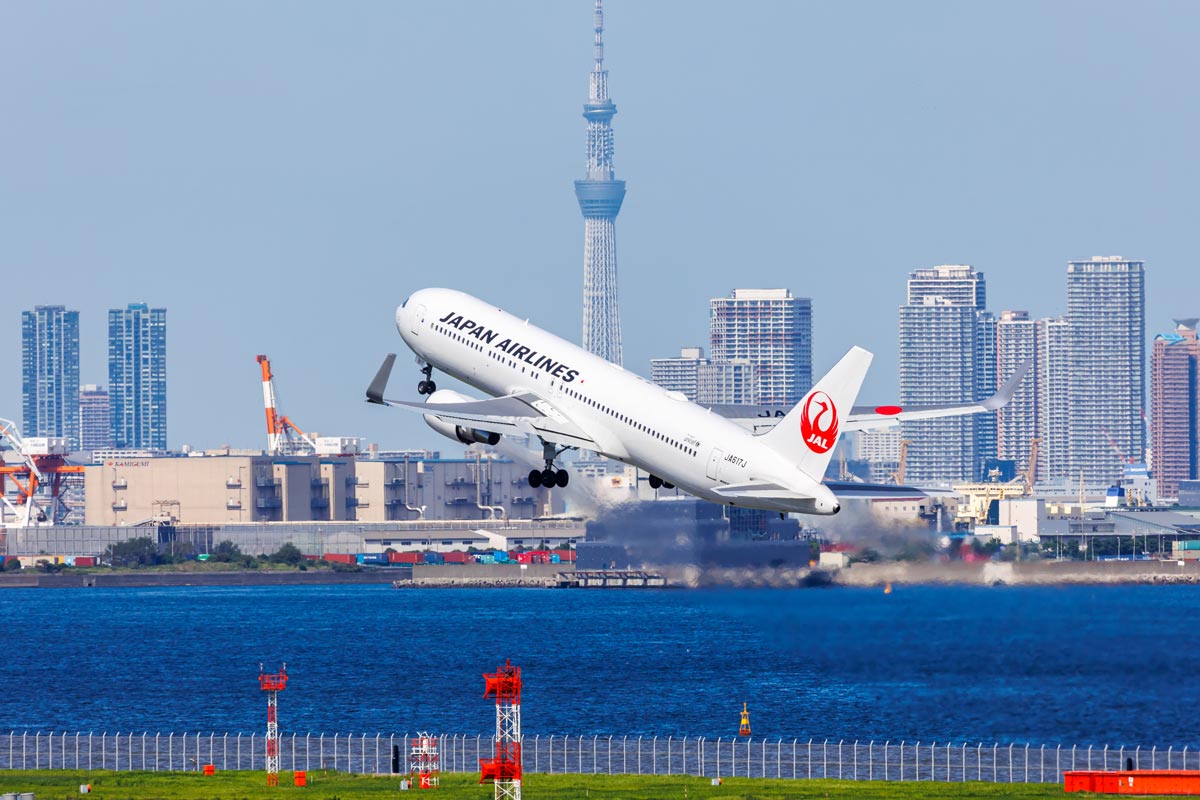
Just a short ride from Narita International Airport, Naritasan Shinshoji Temple offers first-time visitors to Japan an unforgettable introduction to the country’s spiritual side. This sprawling Buddhist temple complex blends centuries of history, living religious traditions, and a wonderfully preserved old-town street, all within an easy day trip from Tokyo or a convenient stopover between flights.
Why Visit Naritasan Shinshoji Temple?
Naritasan Shinshoji Temple is one of eastern Japan’s most important Buddhist temples. Founded over 1,000 years ago, it is dedicated to Fudō Myō-ō, a fierce protective deity who burns away negative karma and obstacles. Despite its religious importance, the atmosphere is welcoming, and visitors from all backgrounds are encouraged to explore, observe rituals, and enjoy the peaceful grounds.
For international travelers, Naritasan has several advantages:
- Location: Around 10–15 minutes on foot from JR or Keisei Narita Station, and about 10–15 minutes by train or bus from Narita Airport.
- Compact but extensive: A large complex with many halls, gates, and gardens, yet walkable in a few hours.
- Atmosphere: A mix of quiet spiritual spaces and lively local culture along the approach road.
- Authentic rituals: You can see (and sometimes join) real Buddhist practices, including dramatic fire ceremonies.
Getting to Naritasan from Narita Airport and Tokyo
From Narita Airport
If you have a layover or are staying near the airport, Naritasan is one of the easiest cultural experiences you can reach without going into central Tokyo.
- By train: Take a JR or Keisei Line train from Narita Airport to Narita Station (around 10–15 minutes). From the station, follow the signs to the temple and walk through the old approach street.
- By bus: Some local buses connect the airport to Narita city, though trains are usually faster and simpler for visitors.
From Central Tokyo
Naritasan also works well as a half-day or full-day trip from Tokyo.
- JR Line: From Tokyo Station, take a JR rapid train towards Narita. The journey takes around 60–90 minutes depending on the service.
- Keisei Line: From Ueno or Nippori, take a Keisei Line train towards Narita. Some trains continue to the airport, so check that your train stops at Keisei Narita Station.
JR Narita Station and Keisei Narita Station are close to each other, and both are roughly a 10–15 minute walk from the temple along the same charming approach road.
Walking the Temple Approach: Naritasan Omotesando Street
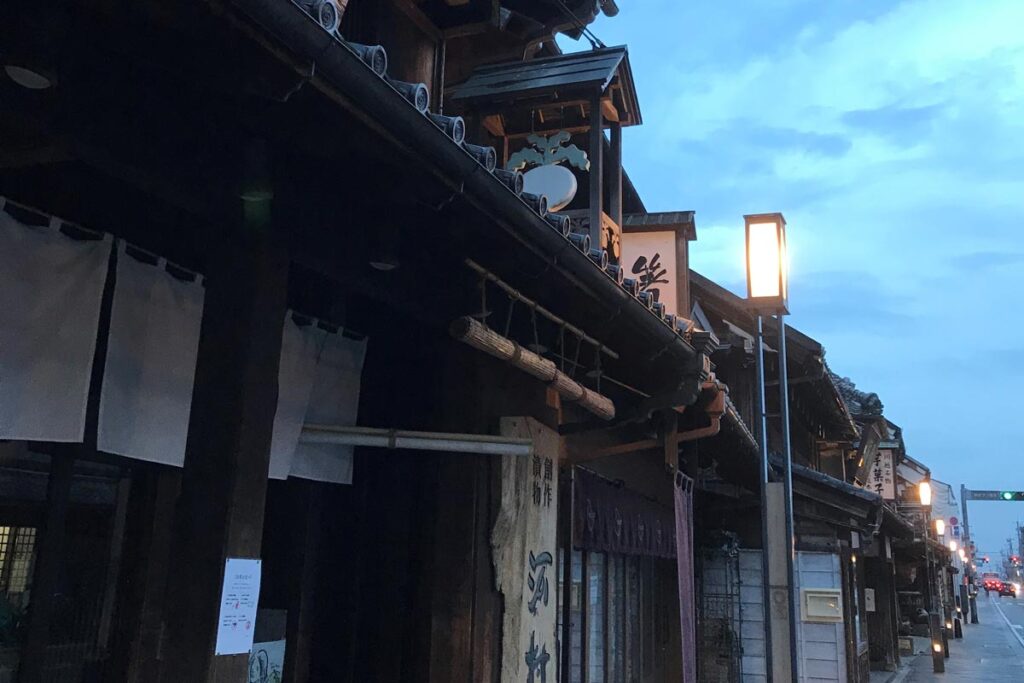
The experience of visiting Naritasan begins long before you reach the main gate. From the stations, follow signs to the temple and you will soon find yourself on Naritasan Omotesando, a sloping street lined with wooden shops, small inns, and restaurants. This avenue has served pilgrims for centuries and still retains an Edo-period atmosphere.
As you stroll, you will notice the smell of charcoal grills and soy sauce, and shopkeepers calling out to passersby. This is one of the best places in the area to sample local specialties:
- Unagi (grilled eel): Narita is famous for eel, and you can watch chefs expertly prepare fresh unagi in storefronts before grilling it with a sweet-savory sauce.
- Peanut sweets: Chiba Prefecture is known for peanuts, and you will find peanut cakes, senbei rice crackers, and candies.
- Traditional snacks: Try dango (rice dumplings on skewers), taiyaki (fish-shaped cakes filled with sweet bean paste or custard), and seasonal treats.
Take your time on Omotesando. Even if you are focused on the temple, this short walk offers a glimpse into older Japan that many visitors miss if they stay only in airports and modern city centers.
Exploring the Temple Grounds
Naritasan Shinshoji Temple is actually a large complex with numerous buildings, gates, halls, and a spacious park. Allow at least two to three hours to explore at a relaxed pace.
The Main Gate (Niōmon) and Outer Gate
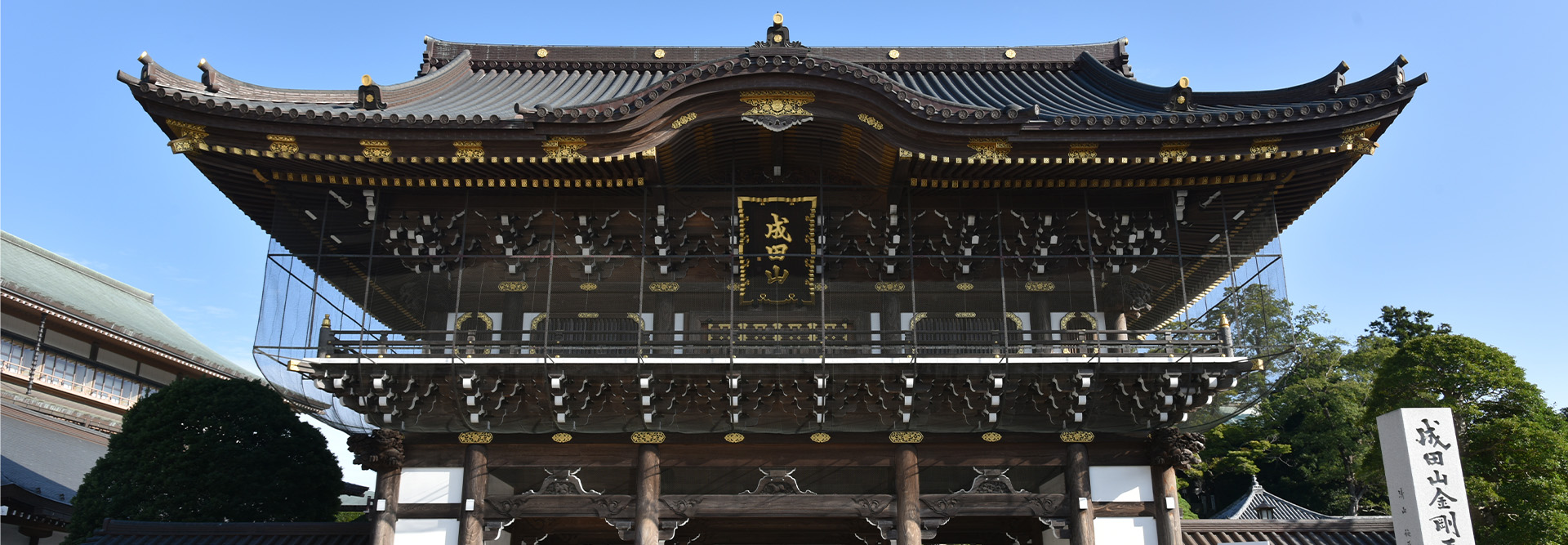
You first pass under the imposing main gate, guarded by two muscular Niō guardian statues. These figures represent the power that protects Buddhist teachings. As you walk through, it is customary to lightly bow in respect, whether or not you are Buddhist.
Great Main Hall (Daihondō)
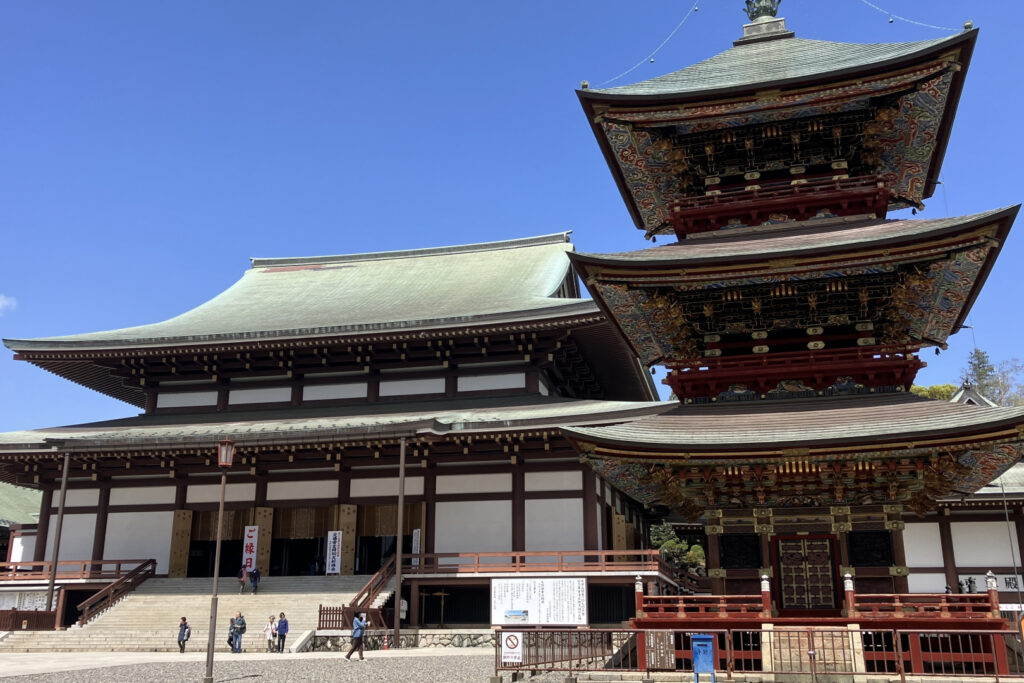
The Great Main Hall is the spiritual heart of Naritasan. Inside, monks chant sutras and perform rituals centered around the image of Fudō Myō-ō. Visitors can usually enter quietly, observe, and offer prayers. You will see people:
- Throwing coins into an offering box
- Clapping their hands gently or bowing their heads
- Pressing their palms together in gasshō (a prayer gesture)
If you wish to participate respectfully, remove hats and speak softly. Photography may be restricted inside some halls, so always check signs or follow the lead of other visitors.
The Pagoda and Other Halls
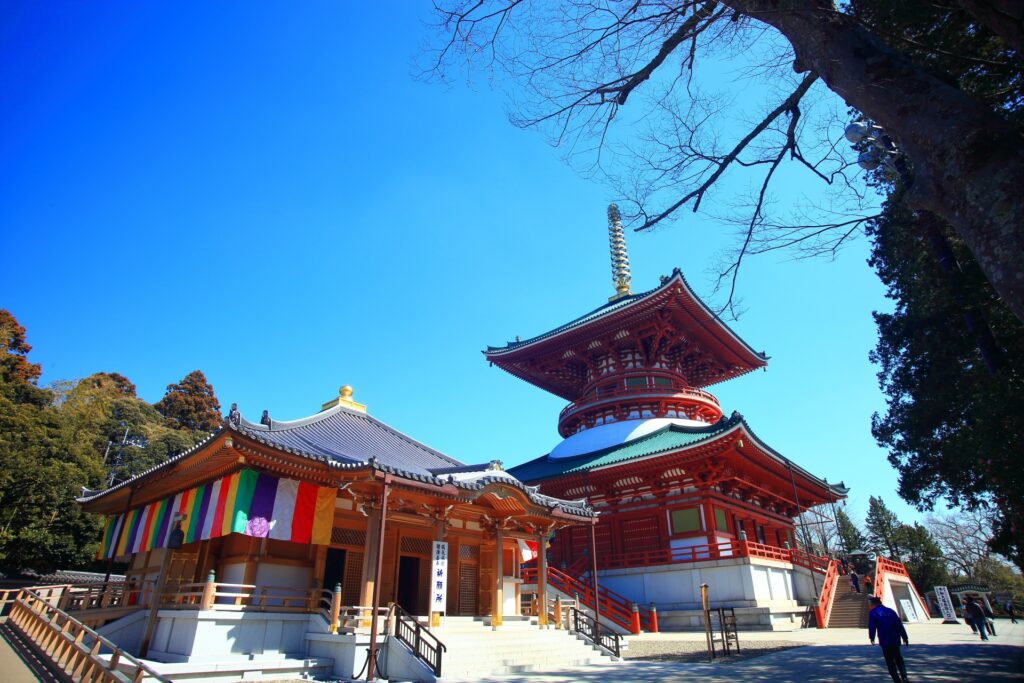
One of the most photogenic structures at Naritasan is the three-story pagoda, decorated with brilliant colors and intricate wooden carvings. From different angles in the courtyard, you can capture classic images of temple roofs, lanterns, and the pagoda rising above the trees.
Scattered around the grounds are additional halls and shrines, each with its own purpose, such as memorial services, specific deities, or seasonal rituals. Even if you do not understand the details of each building, wandering among them gives you a sense of the temple’s long history and active religious life.
Omikuji (Fortune Slips) and Ema Prayer Plaques
Near some halls, you will find:
- Omikuji: Paper fortune slips. Usually, you shake a box, draw a stick, and receive a fortune corresponding to the number on the stick. If the result is bad, tie it to a rack or tree within the temple grounds to leave the bad luck behind.
- Ema: Small wooden plaques where people write wishes for health, exams, relationships, and more. You can purchase one, write your wish in your own language, and hang it with the others.
These customs are open to everyone and provide a gentle way to participate in Japanese spiritual culture.
Goma Fire Ritual: A Powerful Buddhist Ceremony
Naritasan Shinshoji is particularly famous for its goma fire rituals, performed to burn away obstacles, purify karma, and pray for protection or success. These ceremonies are a vivid experience for first-time visitors, combining chanting, drumming, and the dramatic sight of flames rising from a ritual fire.
During a typical goma ritual, monks in colorful robes chant sutras and throw wooden prayer tablets into the fire while beating drums. The air fills with incense and smoke. Visitors sit or stand respectfully while the ceremony unfolds. At certain points, names or wishes previously requested by worshippers may be read aloud.
If you wish, you can usually make a small offering for a goma prayer in your name, or for reasons such as safe travel, business success, or family well-being. Temple staff may help you fill out simple request forms. Even if you choose not to participate in this way, observing the ritual is a memorable window into Japan’s living Buddhist traditions.
Naritasan Park: A Peaceful Escape
Behind the main temple buildings lies Naritasan Park, a spacious, beautifully landscaped area with ponds, bridges, walking paths, and seasonal flowers. Many visitors never make it this far, so the park often feels surprisingly tranquil compared to the busier front of the temple.
Highlights of Naritasan Park include:
- Ponds and streams: Home to koi carp, ducks, and turtles, framed by traditional stone lanterns and arched bridges.
- Seasonal foliage: Cherry blossoms in spring, vibrant maple leaves in autumn, and lush greenery in summer.
- Small sub-temples and monuments: Quiet corners for reflection.
The park is an ideal place to slow down after exploring the main halls. If you have a longer layover at the airport, a leisurely loop through Naritasan Park can help you reset your internal clock and relax between flights.
Temple Etiquette for First-Time Visitors
Naritasan is welcoming, but it is still an active place of worship. Following simple etiquette will help you feel comfortable and show respect to local worshippers.
- Dress modestly: Casual clothing is fine, but avoid extremely revealing outfits. Comfortable footwear is recommended, as you will walk and climb steps.
- Purify at the chozuya: At the water basin near the entrance, you can perform a simple purification ritual: rinse your left hand, then right hand, then pour water into your left hand to rinse your mouth (do not touch the ladle to your lips), then rinse the handle. It is optional, but a meaningful way to begin your visit.
- Keep voices low: Especially inside halls and during ceremonies.
- Follow photography rules: Outdoor photography is usually allowed, but no-flash and no-photo signs should be respected. When in doubt, do as locals do.
- Handling incense: At incense burners, you may waft smoke toward yourself as a form of purification. Do not stick your face too close to the flames.
Best Times to Visit Naritasan Shinshoji
Naritasan is open year-round, and each season offers a different atmosphere. For first-time travelers, timing your visit can enhance your experience.
New Year (January)
Naritasan is one of Japan’s most popular places for hatsumōde, the first shrine or temple visit of the new year. Crowds can be enormous, with long lines, food stalls, and a lively festival mood. It is an intense but fascinating experience if you do not mind crowds.
Spring
During cherry blossom season, the temple and Naritasan Park are especially beautiful, and temperatures are pleasant for walking. Weekdays are usually calmer than weekends.
Autumn
Autumn foliage brings rich reds and golds to the park and temple grounds. The contrast with dark wooden buildings and vermilion structures makes for striking photographs.
Summer and Winter
Summer can be hot and humid, but the park’s shade offers some relief. Winter tends to be quieter outside holiday periods, with a crisp, clear atmosphere and fewer visitors, ideal for those who prefer a more contemplative visit.
Suggested Itineraries for First-Time Travelers
Short Layover (2–4 Hours on the Ground)
- Take a train from the airport to Narita Station.
- Walk along Omotesando, grab a quick snack or simple meal.
- Visit the main temple buildings and, if time allows, briefly explore Naritasan Park.
- Return to the airport with a comfortable buffer before your next flight.
Half-Day Trip from Tokyo
- Arrive in Narita mid-morning.
- Stroll Omotesando slowly, try local specialties, and perhaps buy souvenirs.
- Explore the temple complex, including the pagoda and main hall.
- Watch a goma fire ritual if timing allows.
- Spend an hour or more walking through Naritasan Park before heading back to Tokyo.
Practical Tips for International Visitors
- Language: Basic English signage is common around the temple and stations. Many restaurant menus have pictures. A translation app can help with finer details.
- Payments: Cash is still useful, especially for small temple offerings, omikuji, and ema plaques. Larger shops and some restaurants may accept cards or digital payments.
- Luggage: If you are coming directly from the airport, coin lockers are available at Narita stations. Some visitors leave suitcases there while exploring.
- Accessibility: The main approach has slopes and steps, though there are some gentler routes. Within the vast grounds, there are uneven surfaces and staircases, so plan accordingly.
- Weather: Bring an umbrella or raincoat in wet seasons and stay hydrated in summer. The park and temple have shaded areas but limited indoor seating.
Experiencing Japan’s Spiritual Heart Near the Airport
For many international visitors, Narita is simply the name of an airport—a gateway to somewhere else. Naritasan Shinshoji Temple invites you to step beyond the terminal and encounter Japan’s spiritual, historical, and everyday life in one compact area.
Whether you have a few hours between flights or a free day during your Tokyo stay, walking under the temple gates, listening to the echo of drums and chants, and strolling through Naritasan Park will give you a deeper connection to Japan than any duty‑free shop ever could. As a first introduction to the country—or a farewell visit before departure—Naritasan Shinshoji Temple is a rewarding stop that fits easily into almost any itinerary.

Access Map
Recommended spots in Chiba
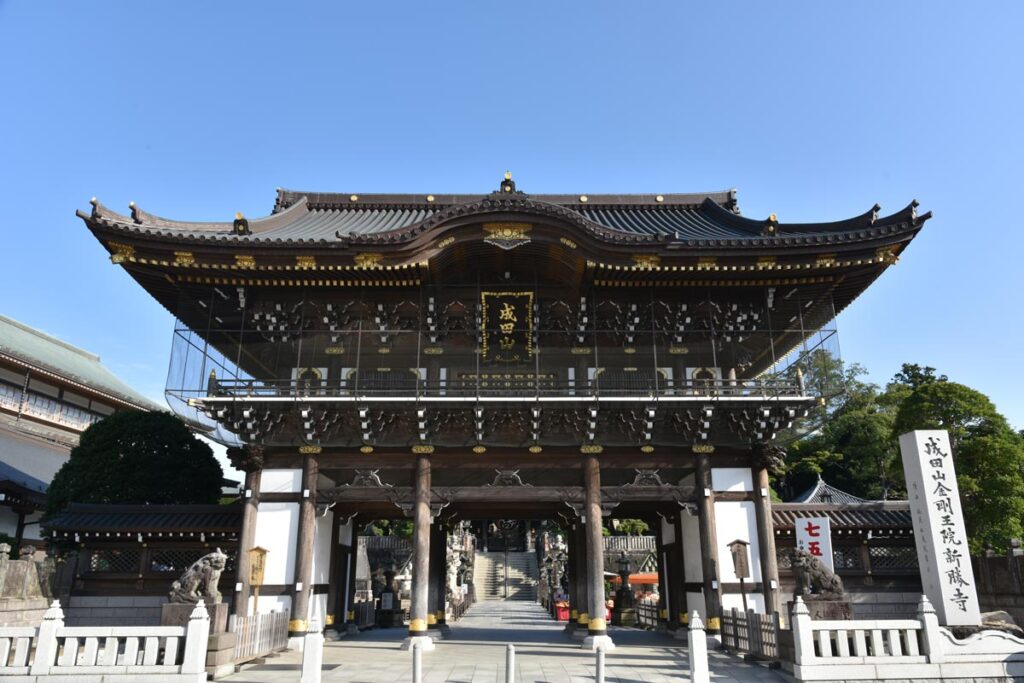
Naritasan Shinshoji Temple

Kamogawa Sea World
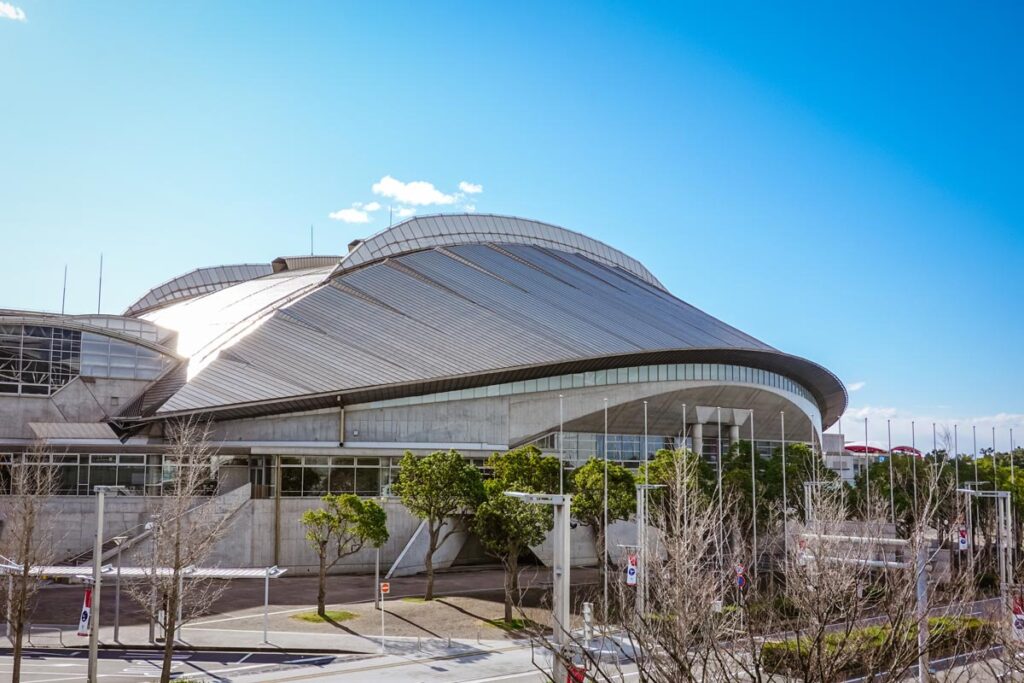
Makuhari Messe
Top destinations in Kanto Region
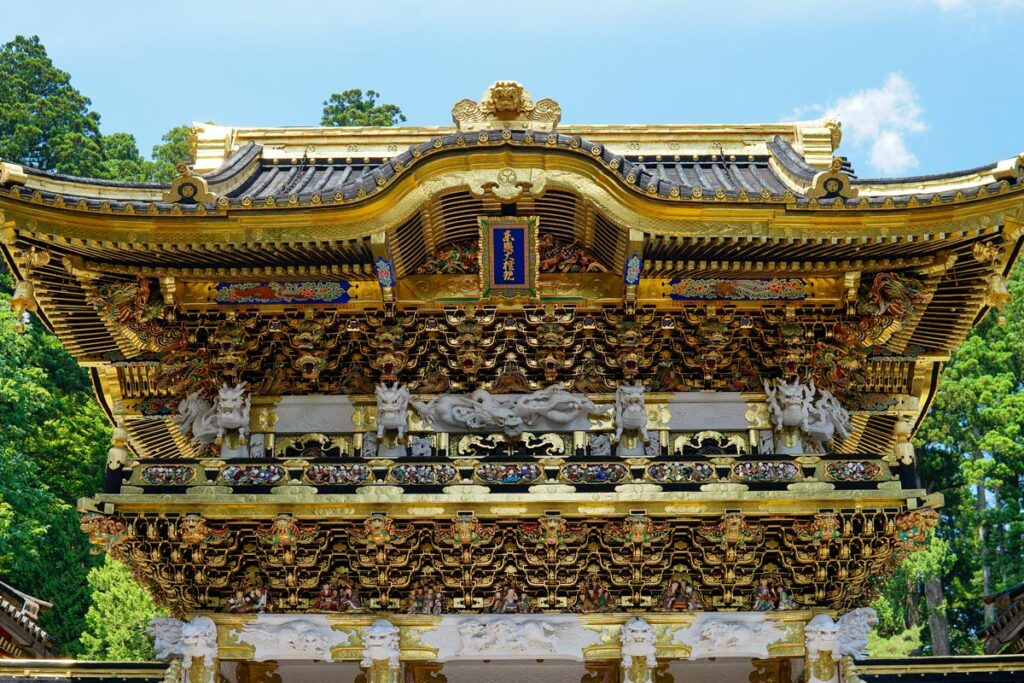
Tochigi
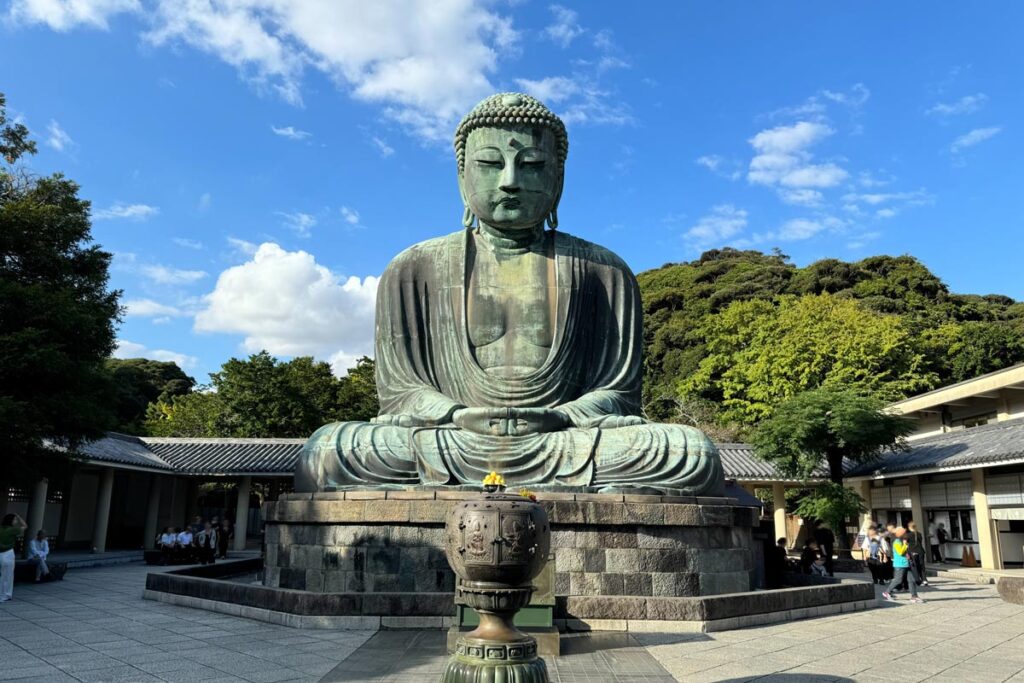
Kanagawa