


Naruto Whirlpools
Naruto Whirlpools Japan Travel Guide for First-Time Visitors
Photos are for illustrative purposes only.
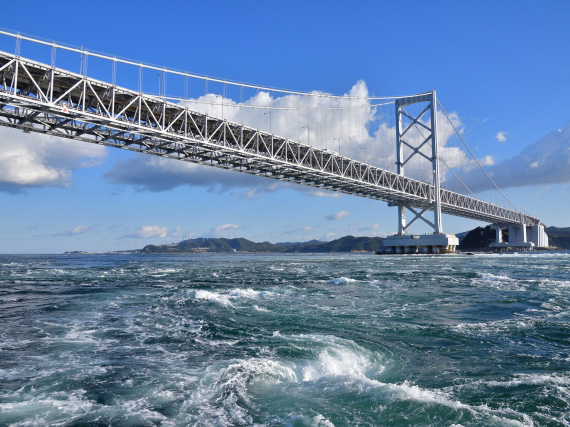
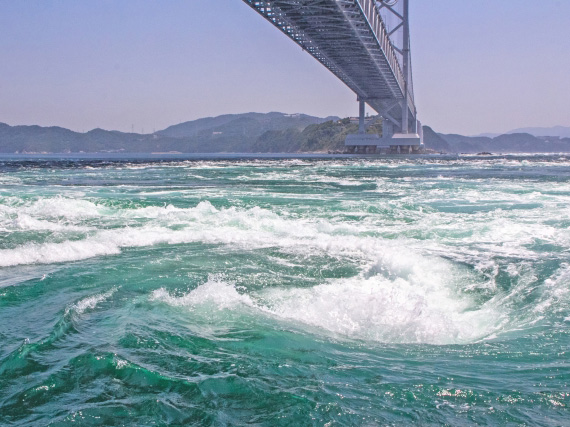
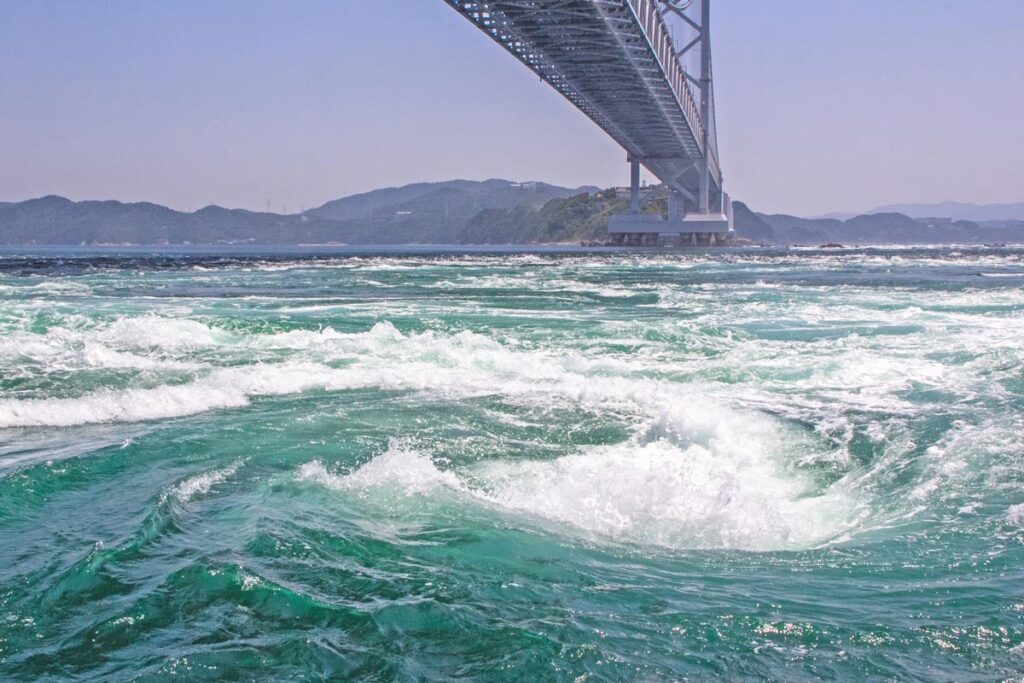
On the eastern edge of Shikoku, between Tokushima and Awaji Island, nature puts on one of Japan’s most dramatic shows: the Naruto Whirlpools. These powerful tidal vortices swirling beneath the Ōnaruto Bridge are not only an impressive natural phenomenon, but also a fascinating window into Japan’s coastal culture, engineering, and mythology. For international visitors plotting their first trip to Japan, Naruto makes an unforgettable day trip or short side journey from Osaka, Kobe, or Tokushima.
What Are the Naruto Whirlpools?
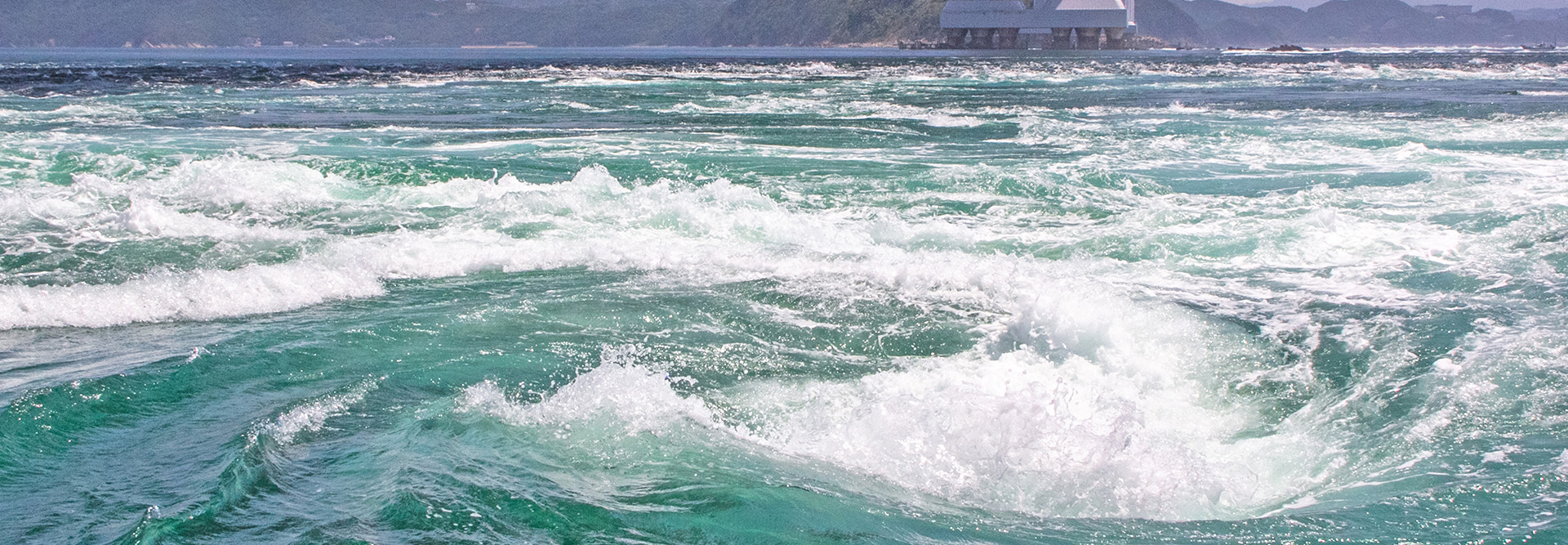
The Naruto Whirlpools form in the Naruto Strait, a narrow channel between the Pacific Ocean and the Seto Inland Sea. As enormous volumes of seawater surge in and out with the tides, currents collide and twist into spirals. At peak times, these whirlpools can reach around 20 meters in diameter, making them among the largest in the world.
The swirling is most intense when the tidal difference between high and low tide is greatest, especially in spring and autumn. Even at less dramatic moments, the constantly moving water creates a mesmerizing pattern of white foam, waves, and mini-vortices. Watching this raw power from above or at sea level is a very different experience from the quiet, manicured beauty of many of Japan’s famous gardens and temples.
Best Time to See the Naruto Whirlpools
Timing is everything. The whirlpools are driven by the tide, not the clock, so their strength changes from hour to hour. For the most powerful vortices, aim for the periods around spring tides (around the full and new moon) and check local tide schedules when planning your visit.
Daily Timing
The whirlpools become most impressive roughly one to one and a half hours before and after high tide and low tide. Outside these windows, you will still see churning water and fast-moving currents, but the classic spiral shapes may be less pronounced.
Most cruise companies, tourist information centers, and hotel concierges in Tokushima and Naruto provide daily tide charts that highlight the best viewing times. Many websites also publish monthly “whirlpool calendars” indicating the strongest days and approximate peak viewing hours.
Seasonal Considerations
You can see the Naruto Whirlpools year-round, but seasonal differences affect the overall experience:
- Spring (March–May): Often recommended as the best season. Tides are strong, weather is pleasantly mild, and cherry blossoms around Tokushima and along your route add color to the trip.
- Summer (June–August): Dynamic whirlpools continue, but humidity and heat can be intense. Afternoon sea breezes on the cruise can be refreshing, though June and early July bring the rainy season.
- Autumn (September–November): Another excellent time, with clear skies, comfortable temperatures, and vivid autumn foliage in surrounding hills.
- Winter (December–February): Cold but often very clear. Fewer crowds and crisp visibility make for great photos, as long as you dress warmly, especially if you plan to take a boat.
How to See the Naruto Whirlpools
There are two main perspectives for experiencing the whirlpools: from the sea or from above. Both offer very different sensations, and many visitors choose to combine them in a single visit.
Viewing from the Sea: Whirlpool Sightseeing Cruises
The most immersive way to appreciate the power of the Naruto currents is by boat. Sightseeing cruises depart from ports on both the Tokushima (Shikoku) side and the Awaji Island side of the strait. Boats take you out under the Ōnaruto Bridge and as close as safely possible to the swirling water.
You will feel the boat rock as it passes through turbulent water and hear the roar of the churning sea, while the guide (usually in Japanese, sometimes with basic English audio or pamphlets) points out key features. The short distance between pier and strait means most cruises last around 20–30 minutes, making them easy to fit into a day trip.
Tips for Boat Tours
- Book around peak tide: Check the whirlpool timetable and select a cruise that departs near the peak viewing window.
- Prepare for spray: Even on calm days, sea spray is common. A light waterproof jacket and a strap for your camera or phone are useful.
- Motion sensitivity: If you get seasick easily, take appropriate medication beforehand. The boats are generally stable, but the currents are strong.
- Language: Commentary may be mainly in Japanese, but the visual impact needs no translation. Some operators provide basic multilingual leaflets.
Viewing from Above: Ōnaruto Bridge Walkway
If you prefer solid ground, visit the observation walkway built under the main span of the Ōnaruto Bridge. From this elevated path, you look directly down at the swirling patterns of the strait through large windows and glass floor sections, about 45 meters above the water.
The walkway is sheltered, making it a good choice in less-than-perfect weather. Panels along the route explain the science and engineering behind the phenomenon and the bridge itself. The vantage point also offers sweeping views of the Pacific coastline, green hills of Shikoku, and the curves of the Seto Inland Sea.
Tips for Bridge Viewing
- Check the last entry time: Hours vary by season, and last admission is typically 30–60 minutes before closing.
- Mind your footwear: You’ll be walking on grated floors and glass panels. Comfortable walking shoes are best.
- For the camera shy about heights: You can avoid the glass sections and still enjoy the view from regular windows.
Access: Getting to Naruto Whirlpools
Naruto is surprisingly accessible for a destination that feels off the beaten path. You can reach it by a combination of train and bus or by highway bus from major Kansai cities.
From Osaka and Kobe
- Highway bus: Direct long-distance buses run from Osaka and Kobe to Naruto or nearby stops on Awaji Island. Journeys typically take about 1.5–3 hours, depending on departure point and route.
- Self-drive: Renting a car in Osaka or Kobe can be convenient if you want to explore Awaji Island or Shikoku more broadly. Crossing the Akashi Kaikyō Bridge and then the Ōnaruto Bridge is an impressive drive, though tolls add cost.
From Tokushima
Tokushima City is the closest urban base on the Shikoku side. From Tokushima Station:
- Train + bus: Take a local train or bus toward Naruto, then a local bus or taxi to the bridge or cruise pier. Total travel time is often around 45–60 minutes, depending on connections.
- Car: Renting a car from Tokushima makes it easy to combine Naruto with other attractions such as nearby temples or coastal viewpoints.
Check current timetables in advance, especially if visiting outside peak seasons or on weekdays when service may be less frequent.
Cultural Context: Myths, Currents, and Bridges
The Naruto Strait has long captured the Japanese imagination. Fishermen and travelers historically feared and respected its unpredictable waters. Folk tales speak of sea dragons and spirits creating the forbidding whirlpools, and even in modern times, the sight evokes a sense of awe that feels almost supernatural.
The majestic suspension bridge spanning the strait symbolizes Japan’s blend of tradition and high-tech engineering. Completed in the late 20th century, it forms the eastern gateway of the bridge network connecting Honshu and Shikoku. For modern Japan, it represents both convenience and national pride – a practical lifeline that also frames one of the country’s greatest natural spectacles.
In Japanese pop culture, the whirlpools occasionally appear in anime, manga, and travel shows, contributing to their image as a place of primal energy and hidden power. Visitors who know a little of this background often find the experience even richer.
What to Do Around Naruto
While the whirlpools are the main attraction, the surrounding area offers enough to fill a relaxed day or short stay. Consider adding these stops to your itinerary.
Uzu-no-Michi and Local Museums
Near the bridge walkway, you’ll find small museums and visitor centers explaining the natural science of tides, the engineering of the bridge, and the history of the region. Exhibits may be primarily in Japanese, but models, diagrams, and photos help non-Japanese speakers grasp the essentials.
Local Seafood and Regional Cuisine
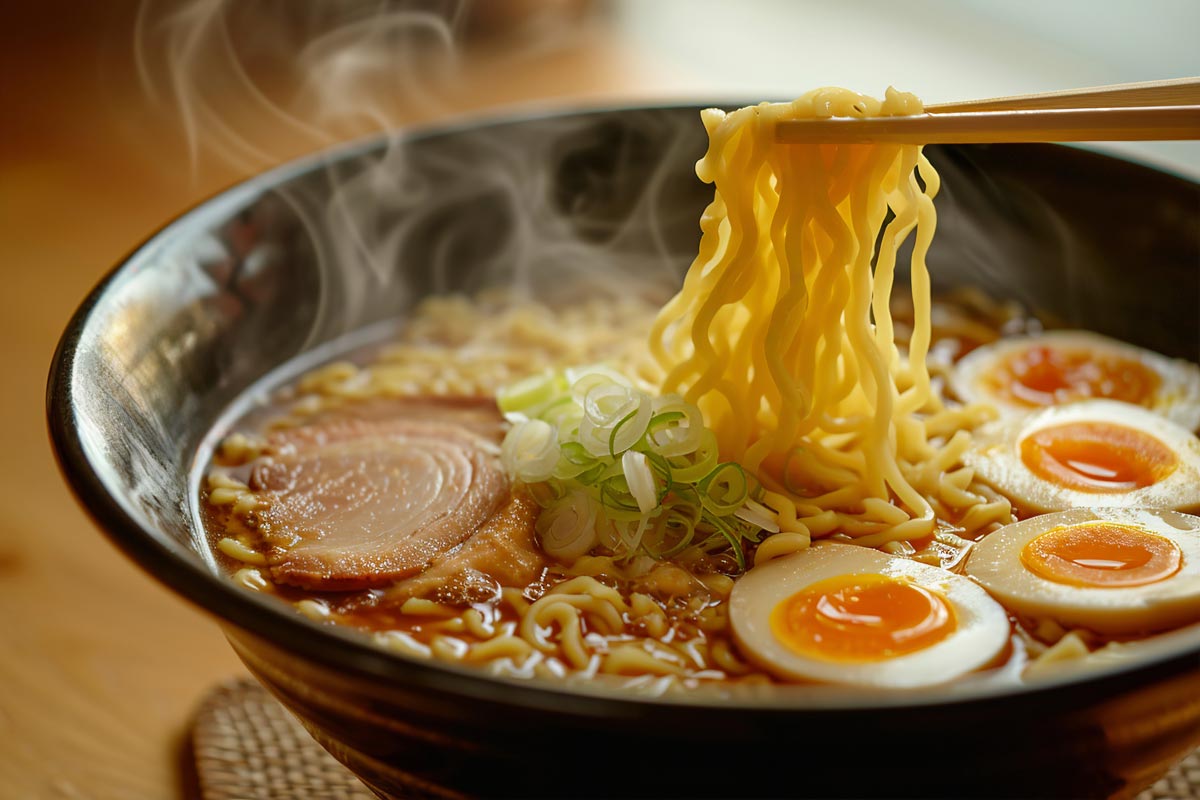
The fast-moving waters of Naruto are rich fishing grounds. Restaurants near the port and along the coast highlight fresh seafood such as sea bream, octopus, and seasonal catches. Look for set meals featuring sashimi, grilled fish, and local specialties.
This region of Tokushima is also known for ingredients like Naruto wakame (a type of seaweed) and sweet Naruto kintoki sweet potatoes. Trying a lunch set or snack featuring these items adds a delicious regional flavor to your visit.
Onsen and Coastal Stays
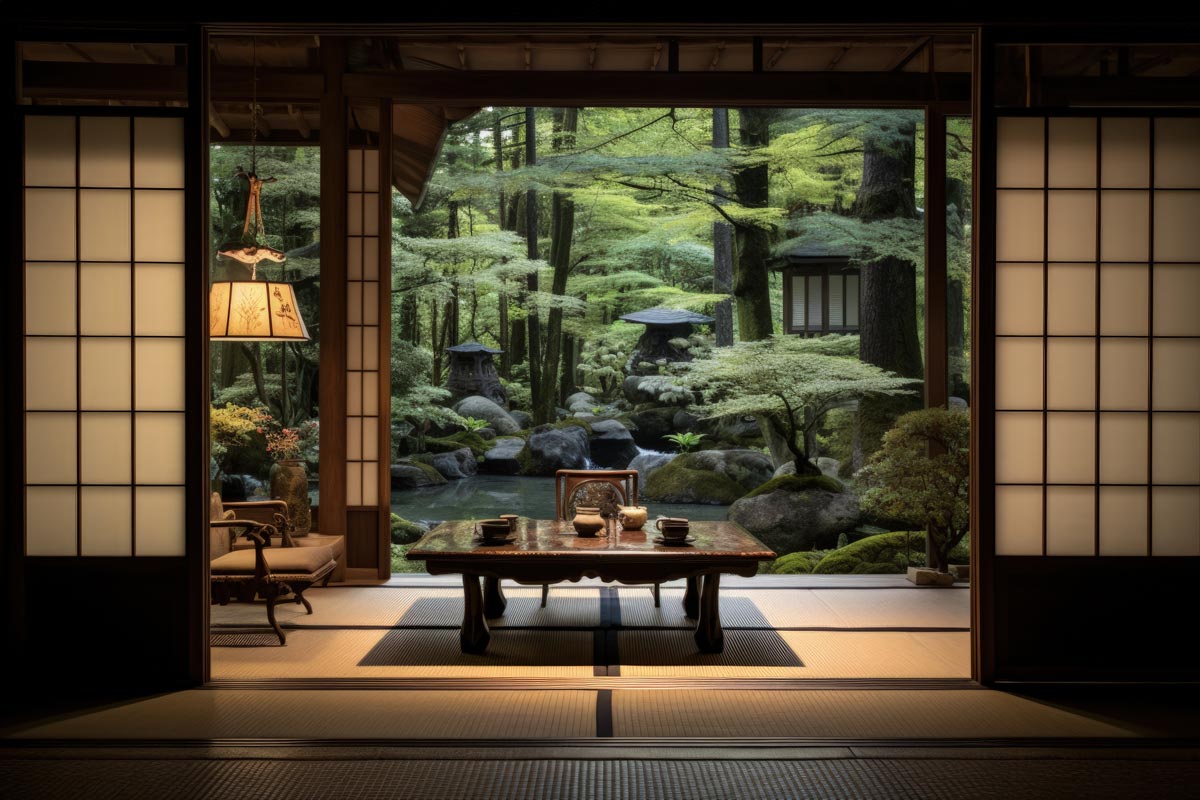
The Naruto area and nearby parts of Shikoku offer hot spring inns (onsen ryokan) and coastal hotels. Staying overnight allows you to catch the whirlpools at different times of day and enjoy an unhurried evening with traditional Japanese hospitality: multi-course kaiseki dinners, hot baths, and tatami-mat rooms.
For first-time visitors to Japan, combining a unique natural spectacle like Naruto with a ryokan stay offers a memorable contrast to big-city experiences in Tokyo or Osaka.
Practical Tips for International Travelers
Language and Signage
Outside major cities, English proficiency can be limited, but staff at tourist facilities around Naruto are accustomed to foreign visitors. Expect a mix of Japanese and some English signs, plus pictograms. Smartphone translation apps are very useful when reading timetables or menus.
Tickets and Payment
Many attractions and cruise operators accept cash (yen) as the primary payment method, with some also taking major credit cards or IC cards. Having some cash on hand is wise, especially for smaller shops and local buses.
Clothing and Safety
- Weather-appropriate layers: Sea breezes can make it feel cooler than inland, particularly on boat decks and bridge walkways.
- Footwear: Wear comfortable walking shoes with good grip, especially on damp decks or observation platforms.
- Safety: Follow crew and staff instructions. Life jackets are typically provided on cruises, and barriers along the bridge walkway keep visitors safely inside.
Photography Tips
Capturing the whirlpools well requires a bit of patience. From above, use a fast shutter speed (if your camera allows) to freeze the swirling motion; from the boat, continuous shooting mode can help counter boat movement. Polarizing filters may reduce glare on sunny days. Remember to secure your camera or phone with a strap – the currents below have claimed more than a few dropped gadgets.
Suggested Itineraries Involving Naruto
For first-time visitors to Japan, Naruto can fit into several broader travel plans:
Day Trip from Osaka or Kobe
- Morning highway bus or drive to Naruto.
- Late morning or early afternoon whirlpool cruise timed to the tides.
- Bridge observation walkway and local lunch.
- Return by bus in the late afternoon or early evening.
Overnight Stay in Tokushima and Naruto
- Day 1: Travel from Osaka or Okayama to Tokushima, explore Tokushima city and local cuisine.
- Day 2: Morning transfer to Naruto, whirlpool viewing from both boat and bridge, lunch, then onward travel or overnight at a coastal ryokan.
Part of a Wider Shikoku Journey
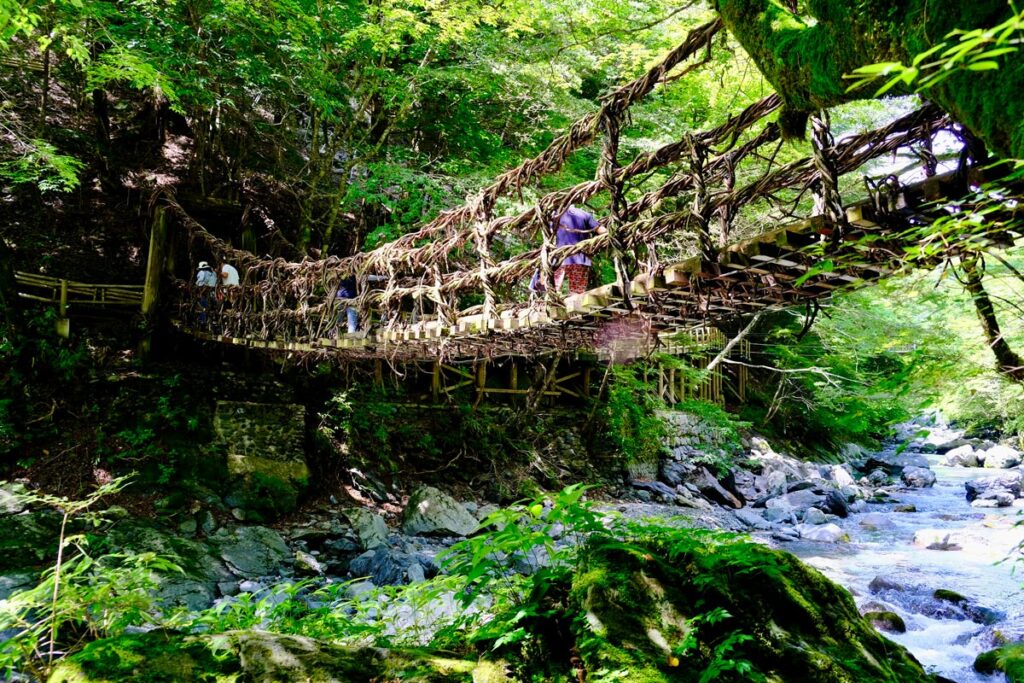
Shikoku is known for its 88-temple pilgrimage route, wild nature, and slower pace of life. Naruto makes a compelling starting or ending point to a loop that might also include the Iya Valley, Matsuyama, and Kochi. Experiencing the whirlpools at the edge of Shikoku nicely frames the island’s connection to the sea and the rest of Japan.
Why Naruto Belongs on Your Japan Itinerary
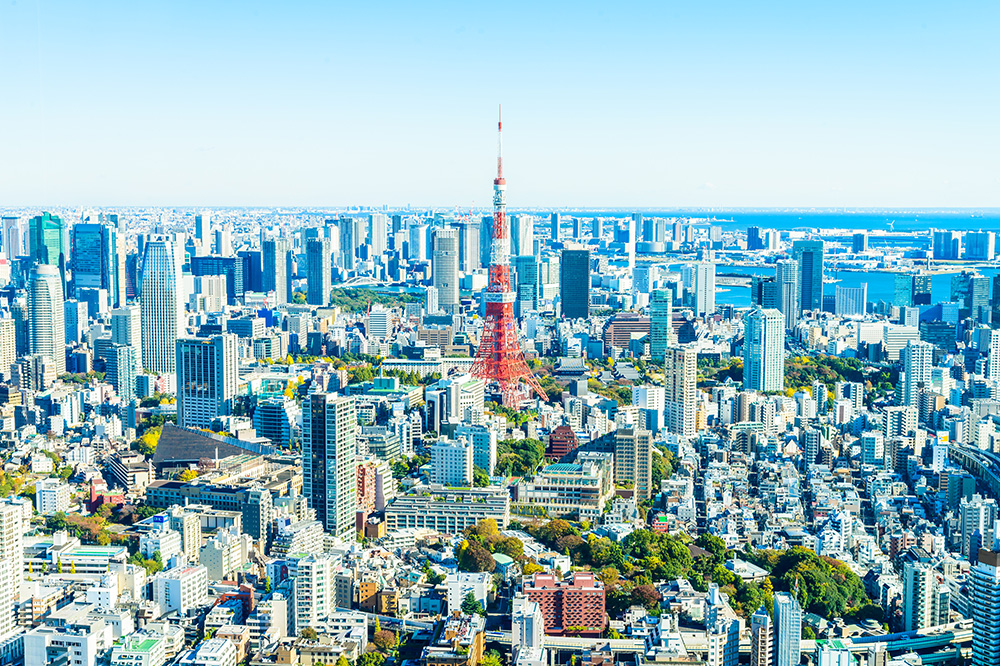
For many first-time visitors, Japan conjures images of neon-lit Tokyo streets, Kyoto temples, bullet trains, and tranquil gardens. The Naruto Whirlpools add a completely different dimension: raw, untamed nature visibly shaped by invisible forces. Standing on the bridge or riding a boat into the swirling currents, you feel the power of the tides that have defined local life for centuries.
Naruto is accessible yet uncrowded compared with Japan’s better-known hot spots, and it combines science, culture, and scenery in a way few destinations can match. Whether you are building a Kansai-based itinerary or planning a deeper exploration of Shikoku, taking time to witness the Naruto Whirlpools will leave you with some of your most vivid memories of Japan.
Access Map
Recommended spots in Tokushima
Naruto Whirlpools

Otsuka Museum Art
Iya Valley