




Nebuta Museum Wa Rasse
Nebuta Museum Wa Rasse: A First-Time Visitor’s Guide to Aomori’s Glowing Festival World
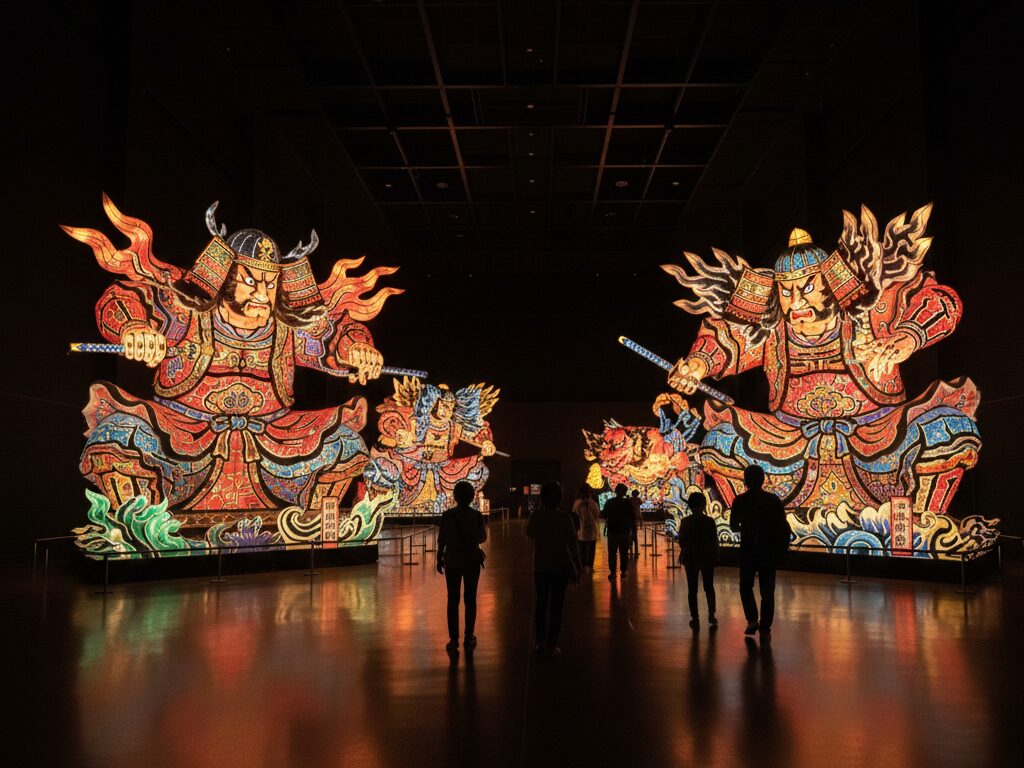
Photos are for illustrative purposes only.
For many international visitors, Japan means Tokyo’s neon, Kyoto’s temples, and Hiroshima’s history. But if you want to experience the energy of a true local festival any time of year, head north to Aomori and step inside the Nebuta Museum Wa Rasse. This vibrant, interactive museum brings the famous Aomori Nebuta Matsuri to life with towering illuminated floats, thunderous festival music, and hands-on cultural experiences that are easy to enjoy even on a short trip.
What Is Nebuta Museum Wa Rasse?
Nebuta Museum Wa Rasse is a dedicated museum and cultural center celebrating the Aomori Nebuta Festival, one of Japan’s most spectacular summer events. The word “nebuta” refers to the enormous illuminated floats that parade through Aomori City each August, accompanied by costumed dancers known as haneto and powerful taiko drumming.
Unlike many museums that simply display artifacts, Wa Rasse is designed to make you feel as though you have stepped straight into the festival itself. The main hall is filled with full-size nebuta floats that were actually used in the most recent festival season, allowing you to admire their intricate details from a much closer distance than you would ever get during the parade.
The name “Wa Rasse” combines two ideas: “Wa,” which can mean “harmony” or refer to “Japan,” and “Rasse,” a local festival chant. Together, they reflect the goal of the museum: to bring people together through the spirit of the Nebuta Festival.
Why Visit as a First-Time Traveler to Japan?
For first-time visitors, Nebuta Museum Wa Rasse offers a rare combination of accessibility, cultural depth, and visual impact:
- Festival atmosphere year-round: Most Japanese festivals happen on fixed dates. Here, you can experience the sights and sounds of a major festival no matter when you visit.
- Easy location for travelers: The museum sits just a few minutes’ walk from JR Aomori Station, making it simple to add to a Tohoku itinerary or a rail journey using a Japan Rail Pass.
- Multi-sensory exhibits: Even without fluent Japanese, you can enjoy the sounds, lights, and movement of the displays, making it an ideal stop for international guests and families.
- Insight into local culture: The museum explains not just what the festival looks like, but how it is created and what it means to the people of Aomori.
Highlights Inside the Museum
The Grand Float Exhibition Hall
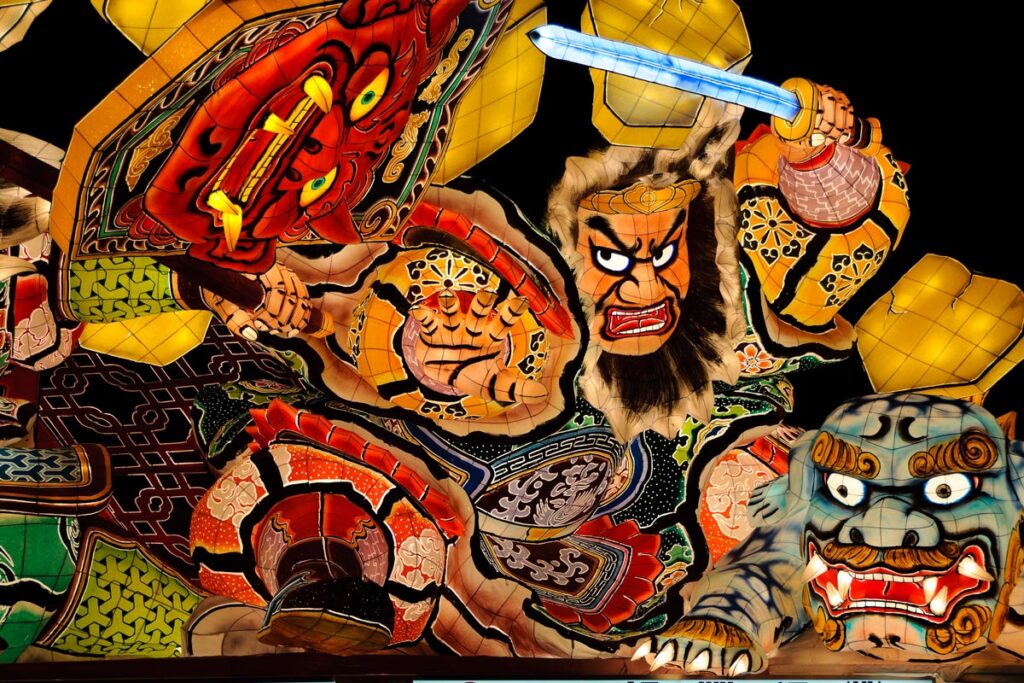
The heart of Nebuta Museum Wa Rasse is a dimly lit hall where enormous nebuta floats stand glowing in vivid reds, blues, and golds. These floats can reach up to 9 meters wide and 5 meters tall, depicting fierce warriors, legendary heroes, dragons, and mythical creatures from Japanese and Chinese folklore.
As you walk among them, you can see every detail: the hand-painted washi paper, the careful wooden framework, and the subtle shading that gives each figure a three-dimensional sense of movement. The museum periodically dims the lights further and plays festival music along with recorded chants, simulating the atmosphere of an August night when these floats roll through the streets surrounded by dancers.
Hands-On Culture: Try Being a Haneto
One of the reasons Nebuta Museum Wa Rasse is so popular with international visitors is its interactive corner. You can try on a colorful haneto costume, the traditional outfit worn by festival dancers. The costume usually includes a bright kimono-style robe, a sash, and small bells that jingle as you move.
Staff demonstrate the signature bouncing steps and arm movements of the dance, and you are encouraged to join in. The dance is simple and rhythmic, designed so that anyone can participate. At the actual festival, visitors are welcome to join the parade as long as they wear the proper costume and follow the rhythm, so this experience is a fun preview in a low-pressure environment.
Discover the Craftsmanship Behind the Floats
Beyond the spectacle, the museum also highlights the meticulous craftsmanship required to build a nebuta float. You will find models and explanatory displays showing how artisans sketch designs, construct wooden or wire frames, and carefully apply layers of washi paper before painting each surface with bold, dynamic lines.
Interactive panels, videos, and sometimes live demonstrations show how parts of the float are lit from within using a complex system of lights. Even without reading every caption, you can appreciate the time and effort: each full-size float takes months to design and construct, involving teams of artisans and volunteers.
Soundscapes and Storytelling
Throughout the museum, audio and video installations immerse you in the sound of the festival. You will hear the steady beat of taiko drums, high-pitched flutes, and the distinctive chant “Rassera! Rassera!” that echoes through the streets during the parade.
Short films introduce the history of the festival, its evolution from simple lantern processions to the massive illuminated sculptures you see today, and the way local communities come together each summer to build, decorate, and pull the floats. For many residents, Nebuta is not just entertainment but a symbol of local identity and pride.
Practical Visitor Information
Location and Access
Nebuta Museum Wa Rasse is located in central Aomori City, on the northern tip of Japan’s main island of Honshu. It sits just a short walk from JR Aomori Station and close to the Aomori waterfront.
- From Tokyo: Take the Tohoku Shinkansen (bullet train) to Shin-Aomori Station (around 3–3.5 hours), then transfer to a local train to Aomori Station (about 5 minutes). From Aomori Station, the museum is an easy walk.
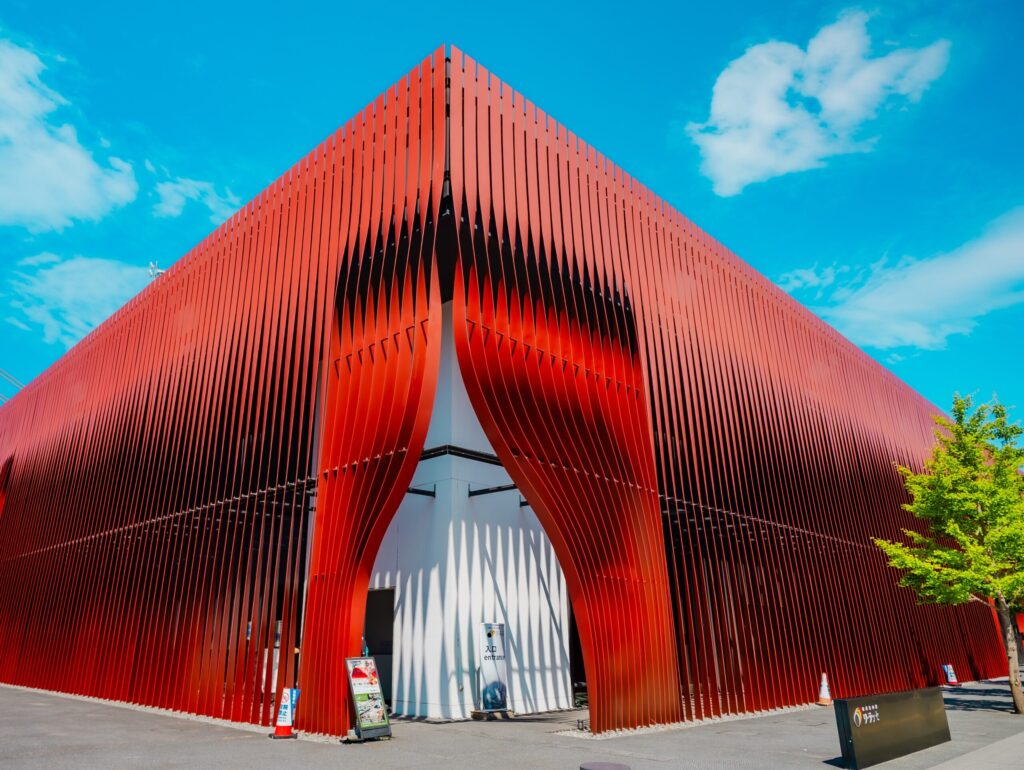
- On foot from Aomori Station: Exit toward the bay side and follow signs toward the waterfront. The striking red exterior of the building makes it easy to spot.
If you are using a JR Pass, the journey on the shinkansen and the local train is usually covered, making Aomori an accessible side trip from Tokyo or Sendai.
Typical Opening Hours and Admission
Opening hours and admission fees can change, but the museum is generally open daily, with shorter hours during certain seasons or on specific maintenance days. Expect a modest entrance fee, with discounts often available for children. Because it is a popular stop near the station, it is wise to check the latest hours before you go, especially in winter when snow can affect travel plans across northern Japan.
Best Time to Visit
You can enjoy Nebuta Museum Wa Rasse at any time of year, but your experience will differ depending on when you visit Aomori:
- August (Festival Season): If you visit during the Aomori Nebuta Festival in early August, the city is at its most lively. Many of the floats will be out on the streets rather than in the museum. This is the best chance to see the real parade, but accommodation books up quickly and prices rise.
- Rest of the Year: When the festival is not underway, selected floats from the previous season are displayed inside the museum. The atmosphere is calmer, and you can photograph the floats at close range without large crowds.
- Winter: Aomori is famous for heavy snowfall. The museum makes a warm and colorful indoor destination when the streets are covered in snow and the bay is crisp and quiet.
How to Enjoy the Museum as a First-Time Visitor
Suggested Visit Duration
Plan to spend around 60–90 minutes at Nebuta Museum Wa Rasse. This gives you enough time to walk through the main exhibition hall, watch the videos, try on a haneto costume if available, and browse the souvenir shop.
If you are connecting through Aomori on your way to somewhere else in the Tohoku region or to Hokkaido, the museum fits well into a half-day stop, along with a short stroll along the waterfront.
Tips for International Travelers
- Language support: Many displays include English descriptions, and video presentations often have subtitles. Even where text is limited, the visual nature of the floats and performances makes the museum easy to enjoy.
- Photography: Photography is generally allowed in the main hall, and the glowing floats make for dramatic images. Be mindful of any signs indicating restricted areas and avoid using flash during performance segments.
- Footwear and clothing: You will be indoors, so there are no special requirements, but comfortable shoes are useful if you plan to explore the city before or after your visit.
- Families with children: The colorful floats and interactive dance corner are very engaging for children. The museum is compact enough that younger visitors rarely become bored.
Cultural Background: Understanding the Nebuta Festival
To fully appreciate Nebuta Museum Wa Rasse, it helps to know a little about the festival itself. The Aomori Nebuta Festival is held every year in early August and is considered one of the great summer festivals of northern Japan. During the event, enormous illuminated floats are pulled through the streets of Aomori City at night.
Historically, it is said that the festival may have roots in ancient rituals to ward off sleepiness and evil spirits during the summer or in lantern processions that marked the Tanabata star festival. Over time, simple lanterns evolved into complex, three-dimensional sculptures portraying famous warriors, gods, and legendary scenes.
The floats are created by local teams, including professional nebuta-shi (nebuta artists), corporate sponsors, community groups, and volunteers. Each float competes for awards based on artistry, design, and overall impact. The museum preserves the most spectacular floats from each year, allowing them to be admired long after the festival ends.
Participation is central to Nebuta culture. Anyone wearing the proper costume can join the dance, which emphasizes communal energy rather than polished technique. Nebuta Museum Wa Rasse captures this spirit by encouraging visitors from around the world to dress up, move with the music, and feel part of the celebration.
Combining Wa Rasse with Other Aomori Attractions
Because of its central location, Nebuta Museum Wa Rasse is easy to combine with other nearby sights in Aomori City:
- Aomori Bay Area: After the museum, take a walk along the waterfront to enjoy views of the bay, the distinctive Aomori Bay Bridge, and the surrounding mountains.
- Local seafood and apples: Aomori is known throughout Japan for its fresh seafood and apples. Visit a nearby market or restaurant to sample local specialties such as grilled mackerel, sashimi, or apple-based desserts.
- Other cultural spots: Depending on your schedule, you can visit additional museums and cultural facilities near the station to learn more about the region’s history and art.
Planning Your Trip to Northern Japan
For many first-time visitors to Japan, Aomori and the Tohoku region remain off the typical tourist trail, but they reward those who make the journey. Nebuta Museum Wa Rasse is an ideal introduction to the area’s traditions: it is easy to access, visually striking, and offers a festival atmosphere regardless of season.
If your itinerary already includes Tokyo and Kyoto, consider adding a few days in the north to experience a different side of Japan—one with dramatic winters, strong local identities, and festivals that blend artistry and community spirit. Begin or end that northern adventure at Nebuta Museum Wa Rasse, where the glow of Aomori’s most famous celebration is waiting for you all year round.

Access Map
Recommended spots in Aomori
Nebuta Museum
Wa Rasse
Hirosaki Park
Hirosaki Castle
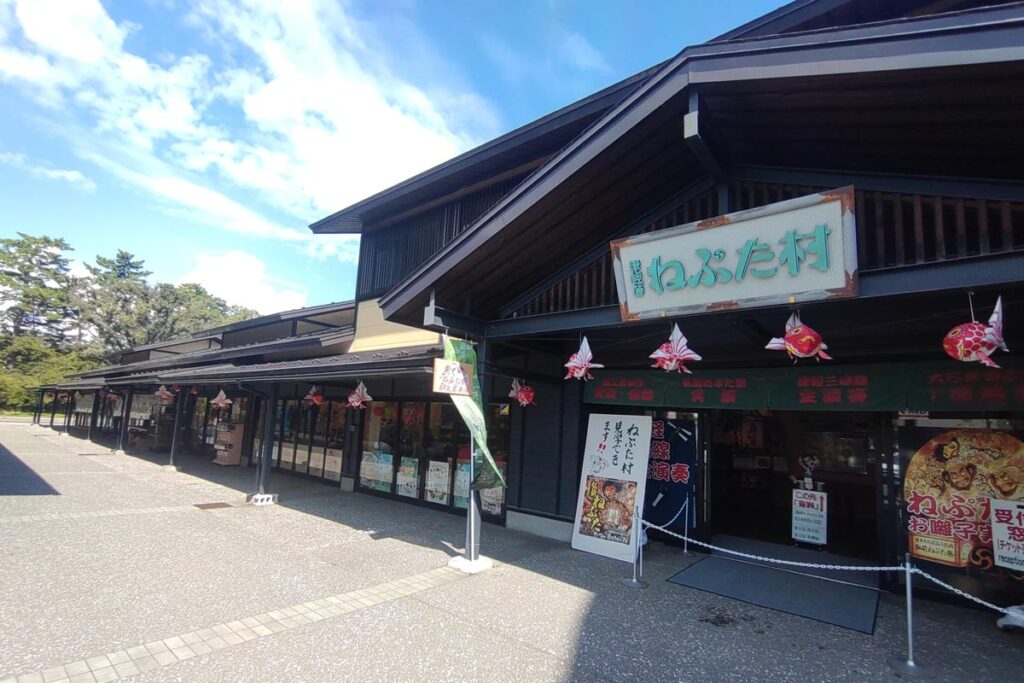
Tsugaru Neputa Village
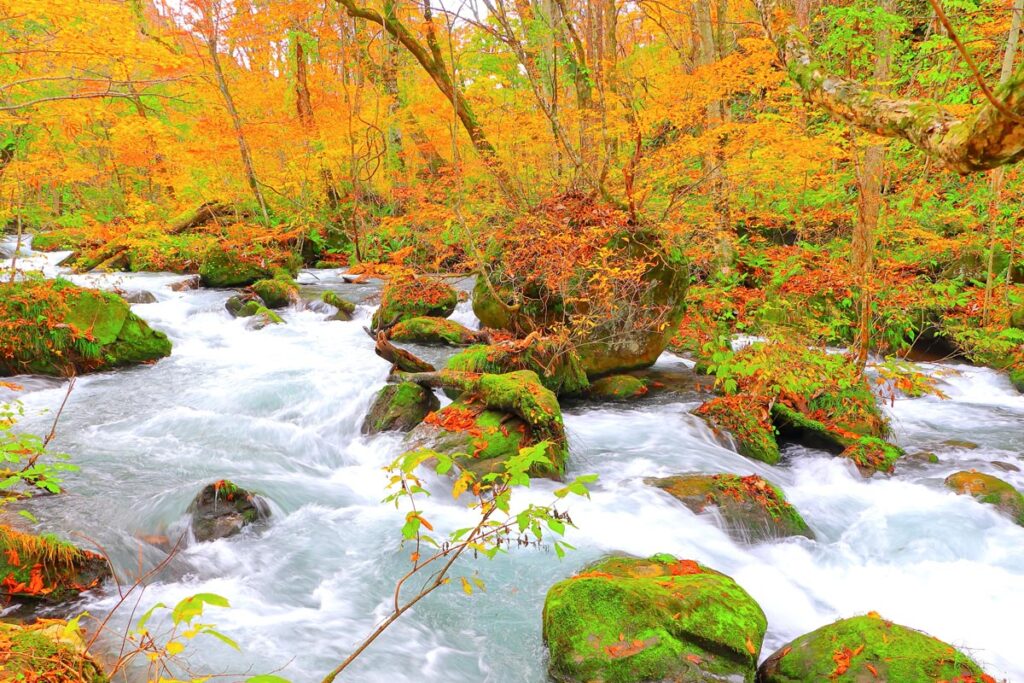
Oirase Stream
Top destinations in Hokkaido & Tohoku

Hokkaido
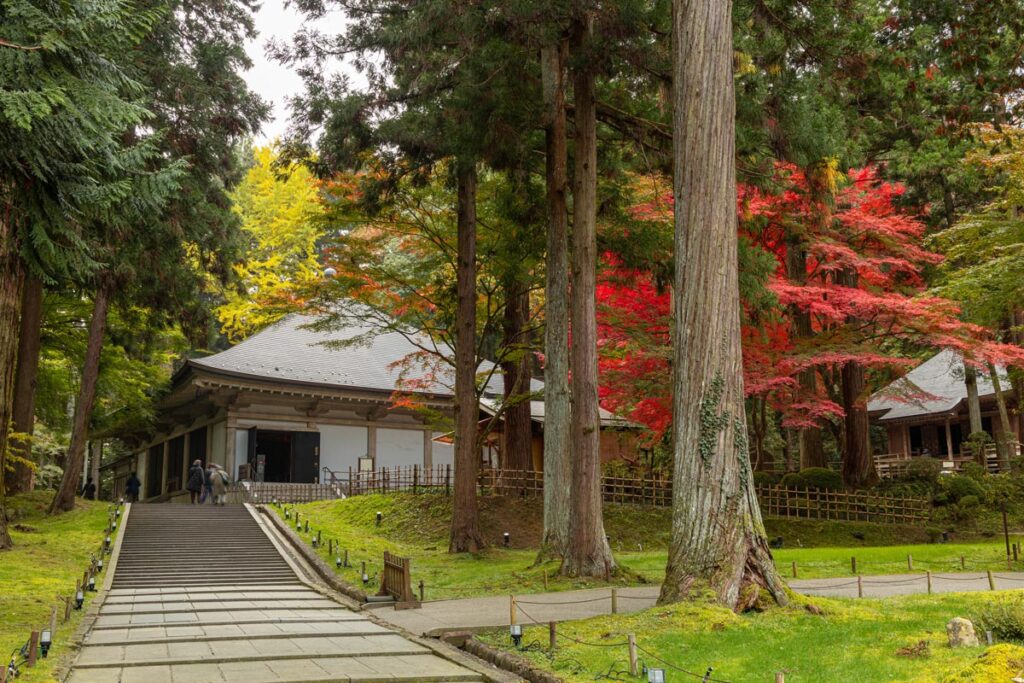
Iwate
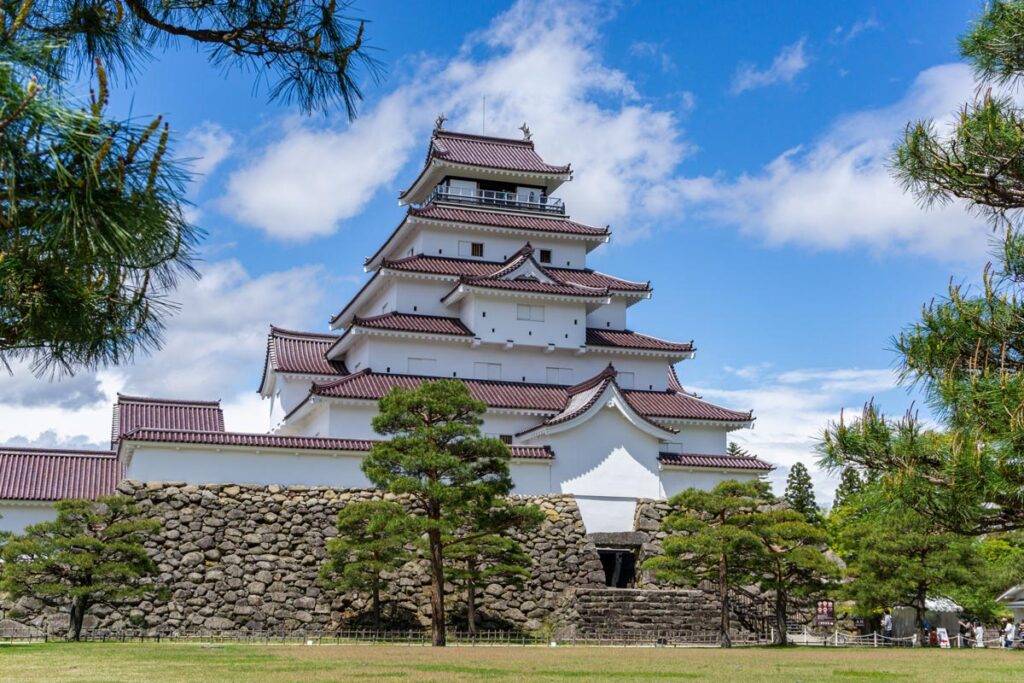
Fukushima