



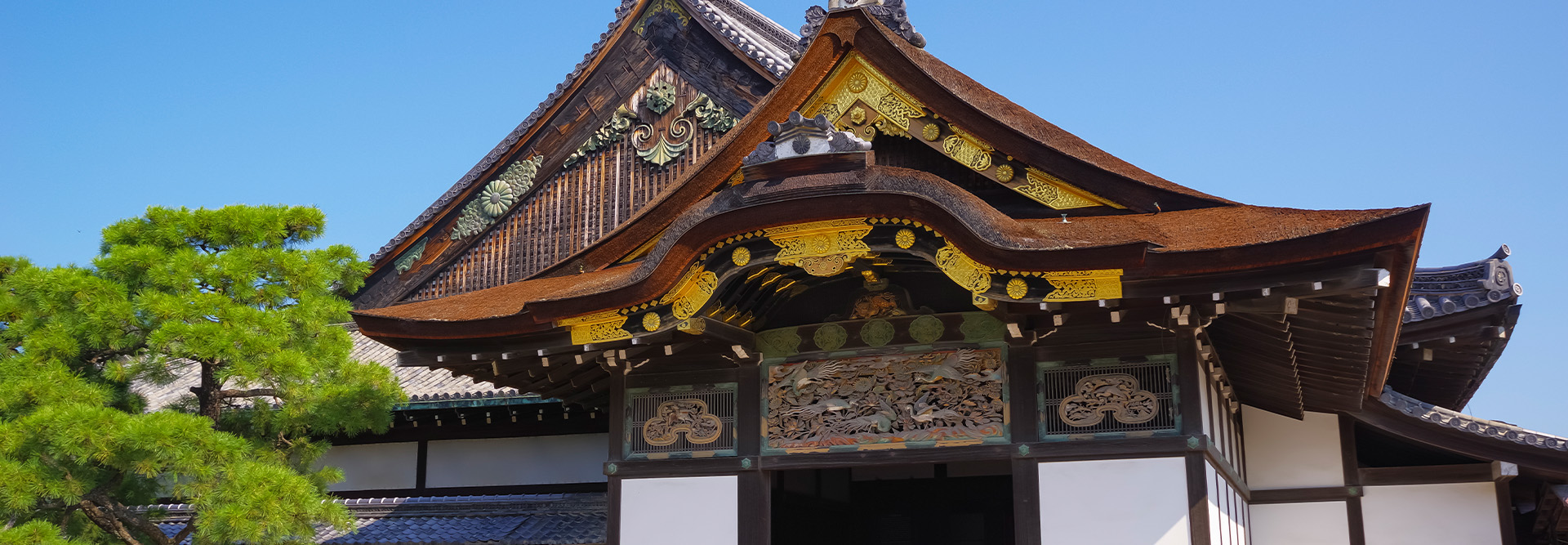
Nijo Castle
Nijo Castle: A First-Timer’s Guide to Kyoto’s Shogun Fortress
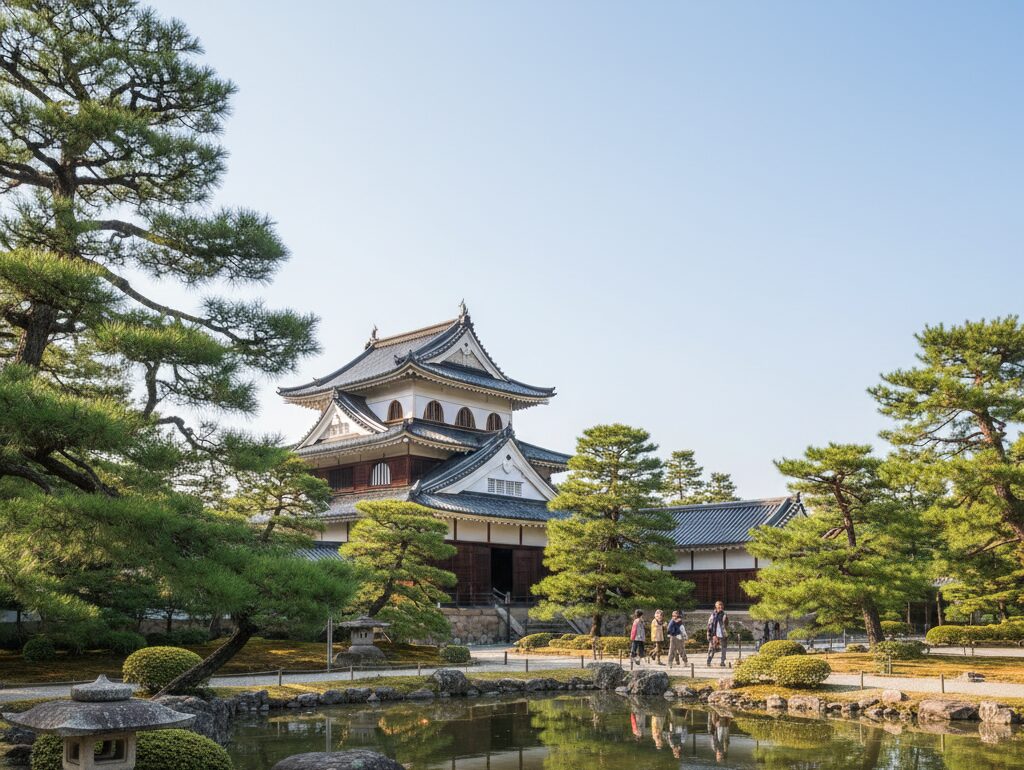
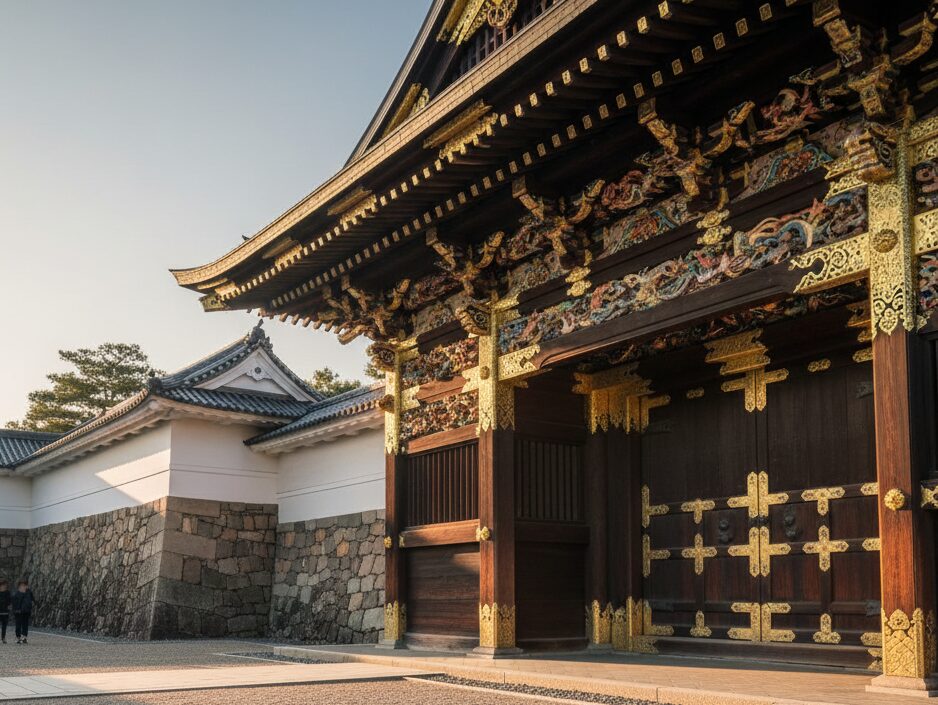
Photos are for illustrative purposes only.
Nijo Castle (Nijō-jō) is one of Kyoto’s most impressive historical sites and an essential stop for first-time travelers to Japan. Built in the early 17th century as the Kyoto residence of the Tokugawa shoguns, it blends the power of a military fortress with the elegance of a noble villa. Today, it is a UNESCO World Heritage Site and one of the best places in Japan to step directly into the world of samurai-era politics, art and architecture.
Why Visit Nijo Castle on Your First Trip to Japan?
For international visitors, Nijo Castle offers an accessible, richly layered introduction to Japanese history and culture. Unlike some temples that can feel abstract if you don’t know the religious background, the story of Nijo Castle is easy to grasp: this is where shoguns displayed their power, entertained feudal lords and, centuries later, where the shogunate’s rule officially ended. Walking through its wide corridors and landscaped gardens, you can sense how Japan shifted from a feudal society to a modern nation.
Nijo Castle is particularly good for first-time travelers because:
- It’s compact enough to explore in 1.5–2 hours, yet full of highlights.
- Most signs and explanations include English, making self-guided visits easy.
- The route is mostly flat and well maintained, suitable for a wide range of ages.
- It offers a balanced mix of architecture, garden scenery and history in one site.
A Brief History: From Shogun Stronghold to World Heritage Site
Nijo Castle was commissioned by Tokugawa Ieyasu, the first Tokugawa shogun, and completed in 1603. At the time, Kyoto was still the seat of the emperor, while the shogunate had its base in Edo (modern Tokyo). Nijo Castle served as the shogun’s official residence in Kyoto. It symbolized the military government’s authority in the imperial city and provided a secure space for meetings with the emperor and powerful feudal lords.
In 1867, more than 250 years later, Nijo Castle became the stage for one of the most important political events in Japanese history. In a room within the Ninomaru Palace, the 15th shogun Tokugawa Yoshinobu formally returned political power to the emperor — an act known as the Restoration of Imperial Rule. This event marked the beginning of the Meiji Restoration and Japan’s rapid modernization.
After the fall of the shogunate, the castle eventually came under imperial ownership and was later donated to the city. In 1994, Nijo Castle was inscribed as a UNESCO World Heritage Site as part of the “Historic Monuments of Ancient Kyoto.” Today, it functions as a historic park and museum, open for the public to enjoy.
Understanding the Layout: What You’ll See Inside
Nijo Castle is more accurately a complex of palaces, gates and gardens surrounded by moats and stone walls. There are three main areas you will encounter during your visit:
1. Outer Moat and Karamon Gate
After entering the grounds and crossing the wide gravel area, you’ll arrive at the Karamon Gate, the ornate Chinese-style gate leading into the inner grounds. Its lavish woodcarvings and gold leaf are impressive examples of Momoyama-period aesthetics. Take a moment to look closely at the dragons, phoenixes and peonies carved into the gate; they were designed to impress visiting lords and foreign dignitaries.
2. Ninomaru Palace
The Ninomaru Palace is the highlight for most visitors and one of the finest surviving examples of shoin-zukuri, the formal residential architecture of high-ranking samurai and nobles. You must remove your shoes at the entrance; shoe lockers or shelves are provided, so wearing easy-to-remove footwear is practical.
Inside, you follow a designated one-way route along polished wooden corridors. Photography is usually not allowed in the interior, helping preserve the atmosphere and delicate art.
Key features to notice in Ninomaru Palace include:
- “Nightingale floors” (uguisu-bari): The floorboards are designed to squeak softly when walked on, like birdsong. This was a security feature to alert guards to intruders. Listen carefully as you move along; the sound is subtle but distinct.
- Elaborate wall paintings: Many rooms are decorated with vivid paintings on sliding doors (fusuma) and walls, originally created by artists from the prestigious Kano school. Themes include powerful tigers, pine trees and seasonal flowers, each symbolizing strength, longevity and prosperity.
- Audience halls: In some rooms, mannequins or displays show how audiences with the shogun were staged. High-ranking lords would kneel at specific distances based on their status. This layout visually communicates the strict hierarchy of feudal Japan.
- Room of the Restoration: One hall commemorates the announcement of the Restoration of Imperial Rule. Even if you’re not deeply familiar with Japanese history, understanding that this is where centuries of samurai government came to an end gives the space a powerful resonance.
3. Ninomaru Garden and Inner Grounds
After leaving the palace, you step into the Ninomaru Garden, a classic stroll garden designed to be admired from specific viewpoints. Carefully placed rocks, trimmed pines and a central pond come together in an artful composition. The garden is beautiful year-round, with different plants highlighting each season.
Beyond this, a path leads toward the inner area of the castle, where the Honmaru (main keep) once stood. The original keep was destroyed by fire in the 18th century and not rebuilt, but you can climb up to the stone base of the former donjon. From this height, you’re rewarded with panoramic views over the castle grounds and parts of central Kyoto.
The Seiryu-en Garden, a more modern garden that combines Japanese and Western styles, may also be open depending on the day and events. It’s often used for official functions and cultural ceremonies.
Seasonal Highlights: When to Visit Nijo Castle
Nijo Castle is open throughout the year, and each season offers a different atmosphere:
Spring: Cherry Blossoms and Fresh Greenery
Late March to early April is cherry blossom season in Kyoto, and Nijo Castle is a popular hanami (flower-viewing) spot. Some areas of the grounds feature both early and late-blooming varieties, which can extend the viewing period. The combination of historic stone walls, traditional gates and clouds of pink blossoms creates classic postcard scenes. Expect higher crowds and consider arriving early in the morning to enjoy a quieter atmosphere.
Summer: Lush Gardens and Evening Events
From June to August, the gardens are at their greenest. While summer in Kyoto can be hot and humid, the shaded paths and moats at Nijo Castle offer some relief. On select evenings, there may be special illuminations or cultural events, such as light-ups or projection mapping, which reveal a different side of the castle after dark. Check local tourism information for current schedules when planning your trip.
Autumn: Brilliant Foliage
Mid-November to early December brings vibrant autumn colors to the castle grounds. Maple and ginkgo trees turn shades of red, orange and gold, reflecting beautifully in the garden ponds. As with spring, this is a peak travel season in Kyoto, so early visits or weekday trips are recommended.
Winter: Quiet Beauty and Clear Views
Winter is the castle’s calmest season. On clear days, the low sunlight brings out the textures of the stone walls and wooden structures. If you are fortunate enough to visit after a light snowfall, the contrast of white snow on dark roofs and evergreens is striking. Fewer crowds mean you can take your time in the palace corridors and gardens.
Practical Information for First-Time Visitors
Location and Access in Kyoto
Nijo Castle is centrally located in Kyoto and easy to reach by public transport:
- Subway: The closest station is Nijojo-mae Station on the Tozai Line. From the station, it’s only a few minutes’ walk to the entrance.
- Bus: Several Kyoto City Bus routes stop near the castle. Buses can be crowded, but they are straightforward and well-signposted in English.
- Taxi: If you’re short on time or traveling with luggage, a taxi from Kyoto Station takes about 15 minutes depending on traffic.
Tickets and Opening Hours
Nijo Castle usually charges a small entrance fee to enter the grounds, with a separate or combined fee for the Ninomaru Palace interior. Fees and opening hours can change, so it’s wise to check the latest details shortly before your visit via official tourist information or your accommodation.
The castle is typically open from morning until late afternoon, with final admission about an hour before closing. Certain parts of the complex, such as the Ninomaru Palace, may occasionally close for maintenance or special events, so factor in flexibility if it is a must-see for you.
Suggested Length of Visit
Most first-time visitors spend 1.5 to 2 hours at Nijo Castle. This allows enough time to:
- Walk through the Ninomaru Palace at a relaxed pace.
- Stroll around the Ninomaru Garden and inner grounds.
- Climb the former keep base for panoramic views.
- Pause for photos and short breaks along the way.
If you are particularly interested in architecture, history or photography, consider allocating up to three hours.
Etiquette and Tips for a Smooth Visit
Japan places strong value on respect and harmony, especially at historical and cultural sites. Here are some simple guidelines to follow at Nijo Castle:
- Shoes: You’ll remove your shoes to enter Ninomaru Palace. Wearing slip-on shoes or trainers makes this quick and easy. Socks are recommended for comfort on the wooden floors.
- Photography: Photos are usually allowed in the outdoor areas, but often not inside the palace buildings. Obey posted signs and staff instructions.
- Quiet inside the palace: Voices carry easily along the corridors. Keeping noise low helps maintain the atmosphere and allows everyone to appreciate the space.
- Stay on the paths: The gardens are carefully maintained. Walk only on designated paths and avoid stepping on moss or into planted areas.
- No eating or drinking inside buildings: Save snacks and drinks for outdoor rest areas or after your visit.
Linking Nijo Castle to the Rest of Your Kyoto Itinerary
For first-time travelers, Nijo Castle fits well into a one- or two-day Kyoto itinerary that includes temples, shrines and traditional districts. Many visitors combine Nijo Castle with places like:
- Kyoto Imperial Palace: Another key site in Japanese political history, located in Kyoto Gyoen National Garden.
- Nishiki Market: A lively food market where you can sample Kyoto specialties after your cultural morning.
- Arashiyama or Kinkaku-ji (Golden Pavilion): Both are relatively short journeys from the castle by bus, taxi or subway plus bus.
Because Nijo Castle is centrally located, you can start your day here, then move on to other major sights in western or northern Kyoto.
Making the Most of Your Experience
To deepen your visit, consider:
- Reading a short overview of the Tokugawa shogunate before you go. Even a brief introduction makes the palace rooms and historical displays more meaningful.
- Taking your time in the palace corridors: Listen for the nightingale floors, look closely at the paintings, and imagine the scenes of feudal politics that once unfolded here.
- Pausing in the Ninomaru Garden: Traditional Japanese gardens are designed for contemplation. Sit or stand quietly for a few minutes and observe the careful placement of rocks, trees and water.
- Visiting early in the day: Morning light tends to be softer for photographs and crowds are usually thinner.
For first-time travelers to Japan, Nijo Castle is more than just a sightseeing stop. It’s a tangible introduction to the country’s samurai heritage, aesthetic traditions and historical turning points, all in one walkable, well-presented site. With a bit of preparation and an unhurried pace, your visit here can become one of the most memorable chapters of your journey through Kyoto and Japan.

Access Map
Recommended spots in Kyoto
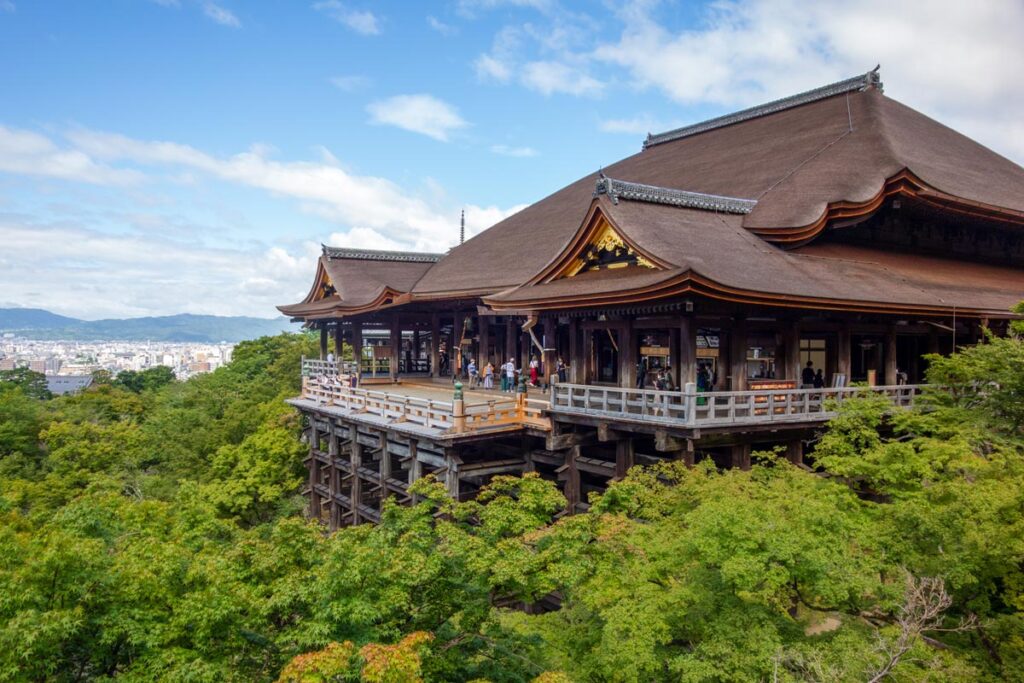
Kiyomizu-dera
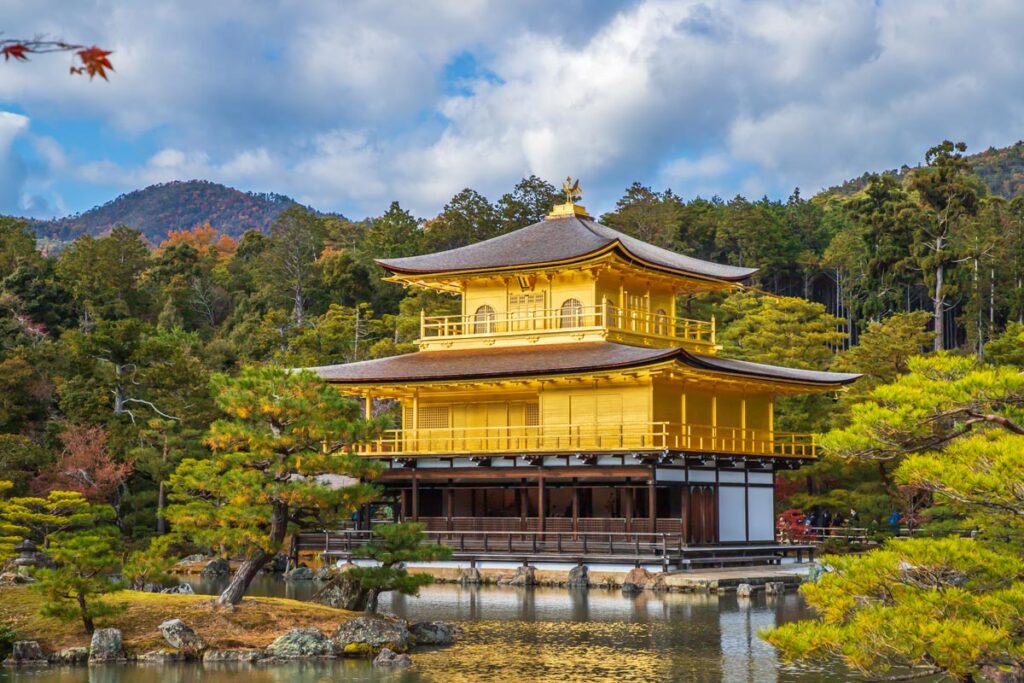
Kinkaku-ji
(Golden Pavilion)
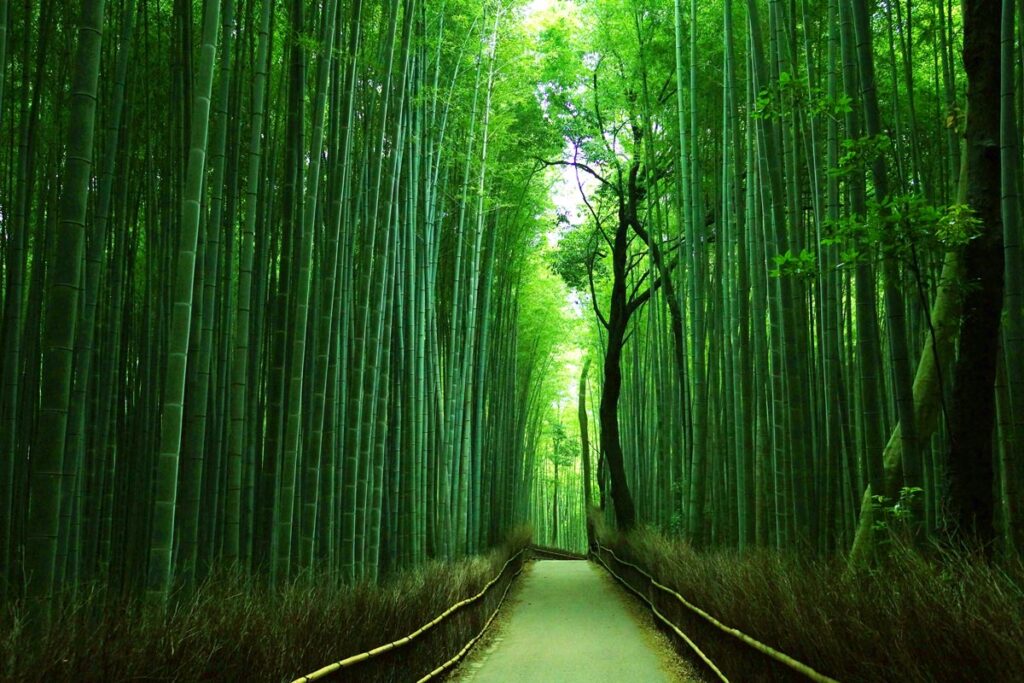
Arashiyama
Bamboo Grove
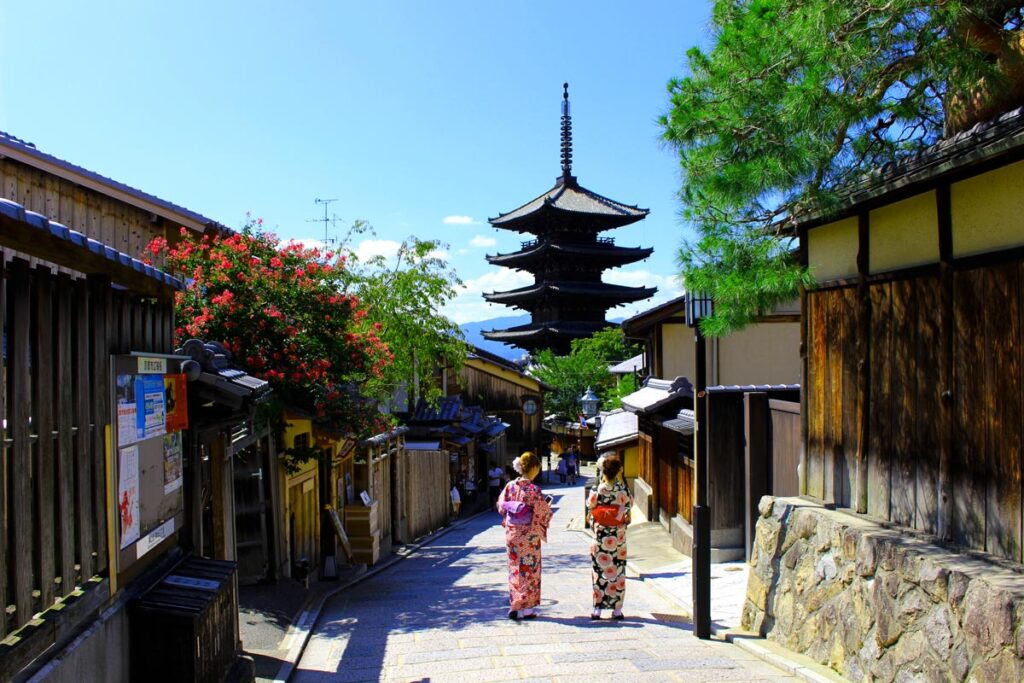
Gion
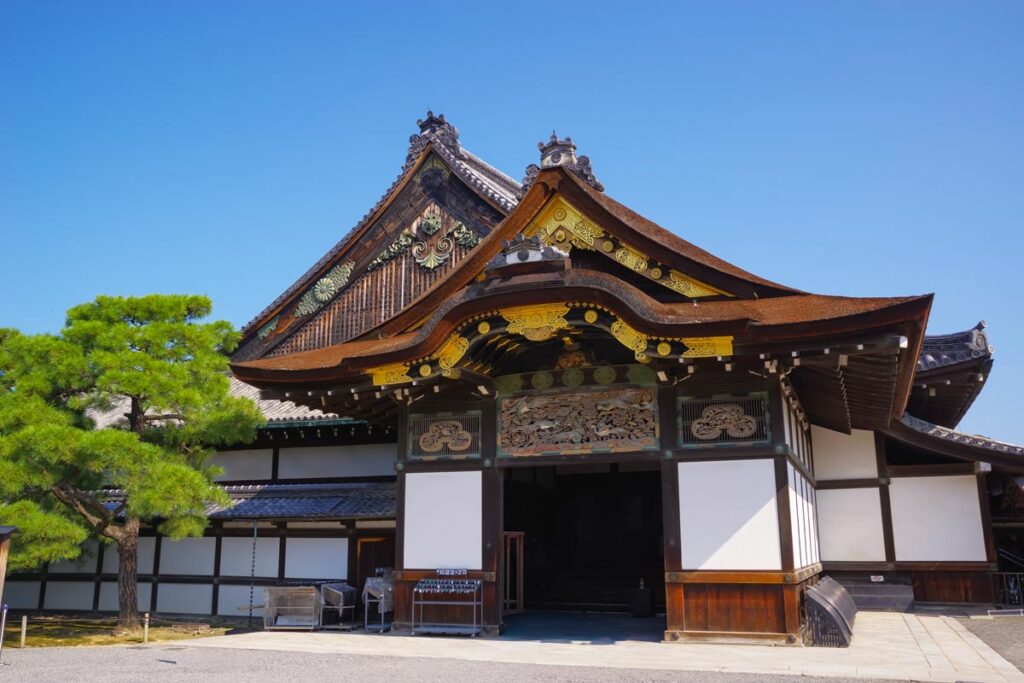
Nijo Castle
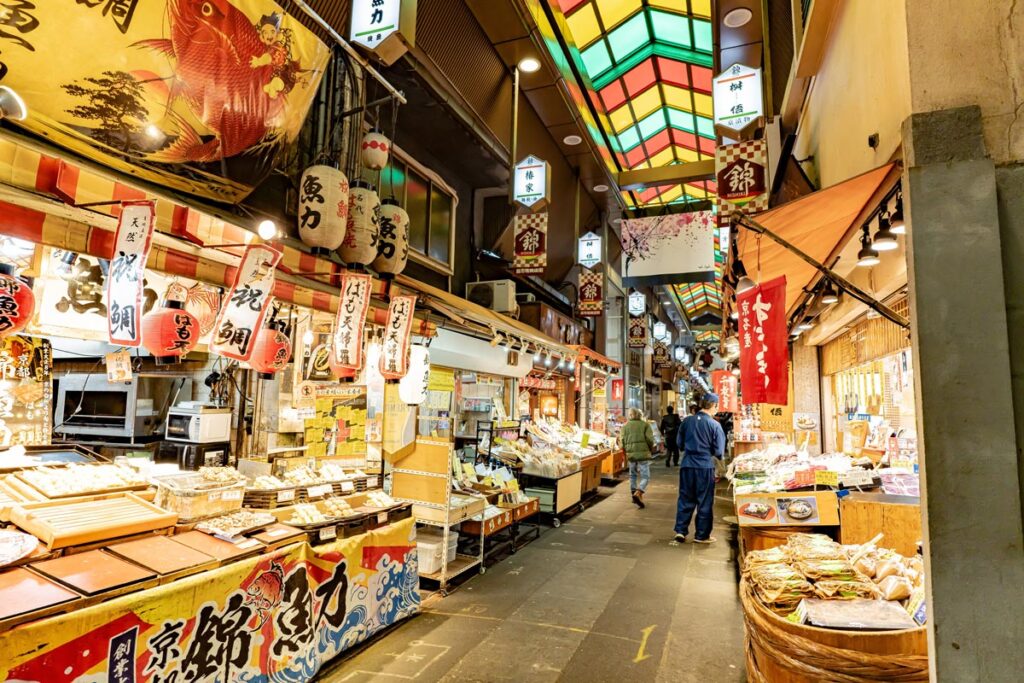
Nishiki Market
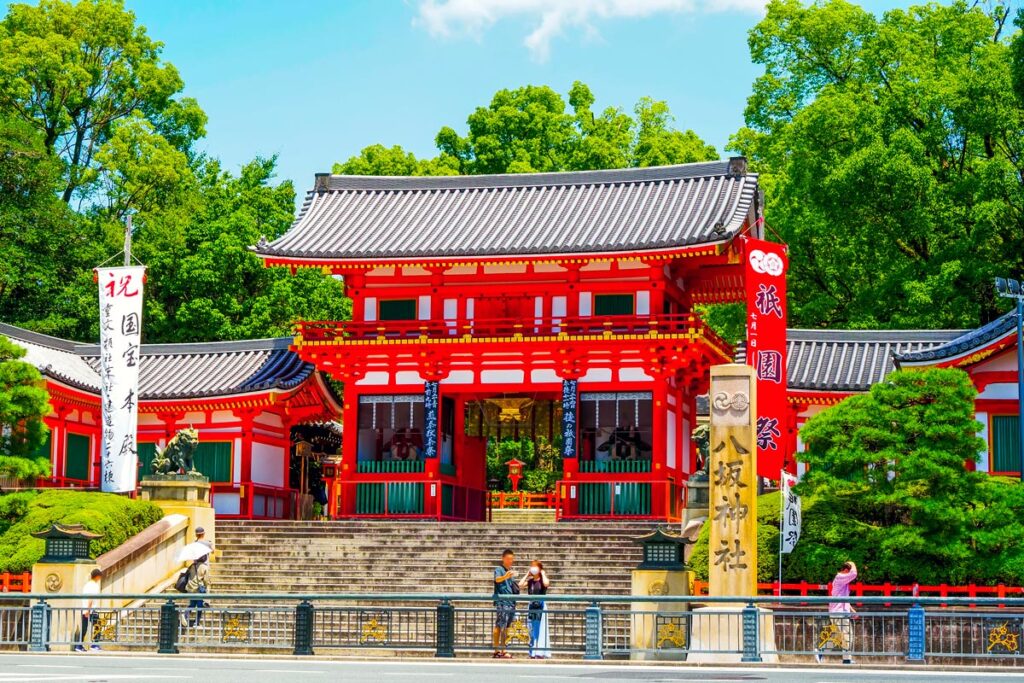
Yasaka Shrine
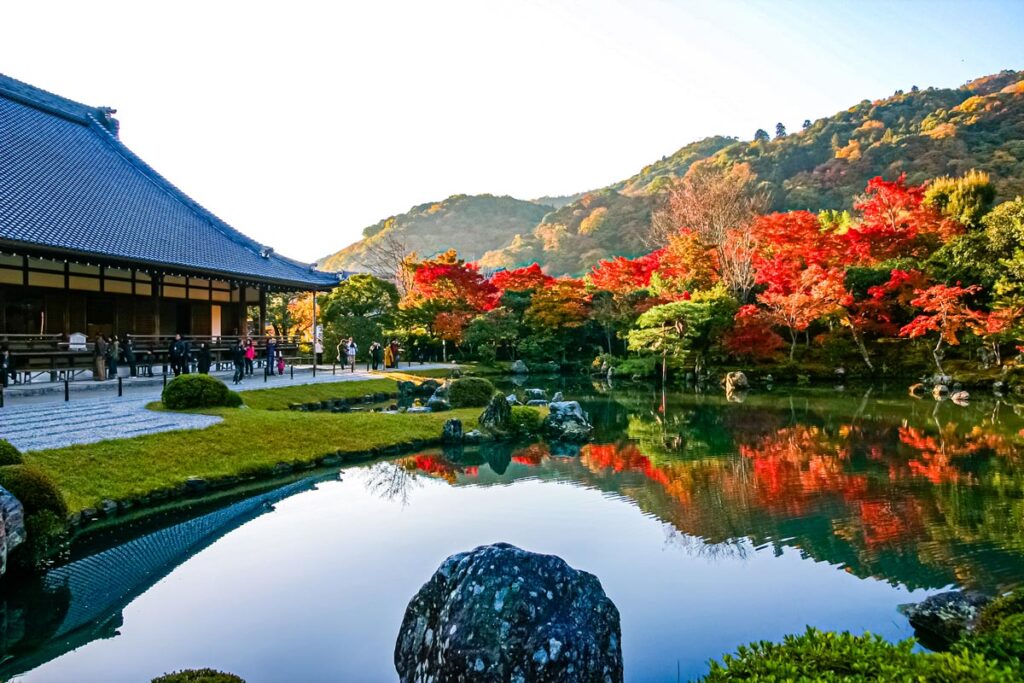
Tenryu-ji
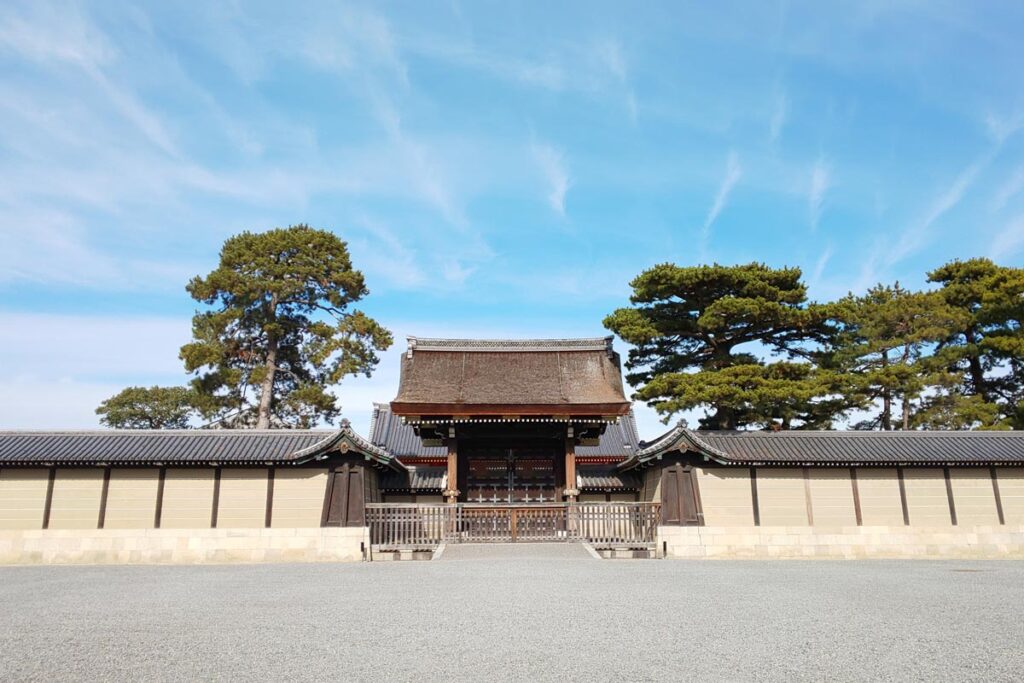
Kyoto Imperial Palace
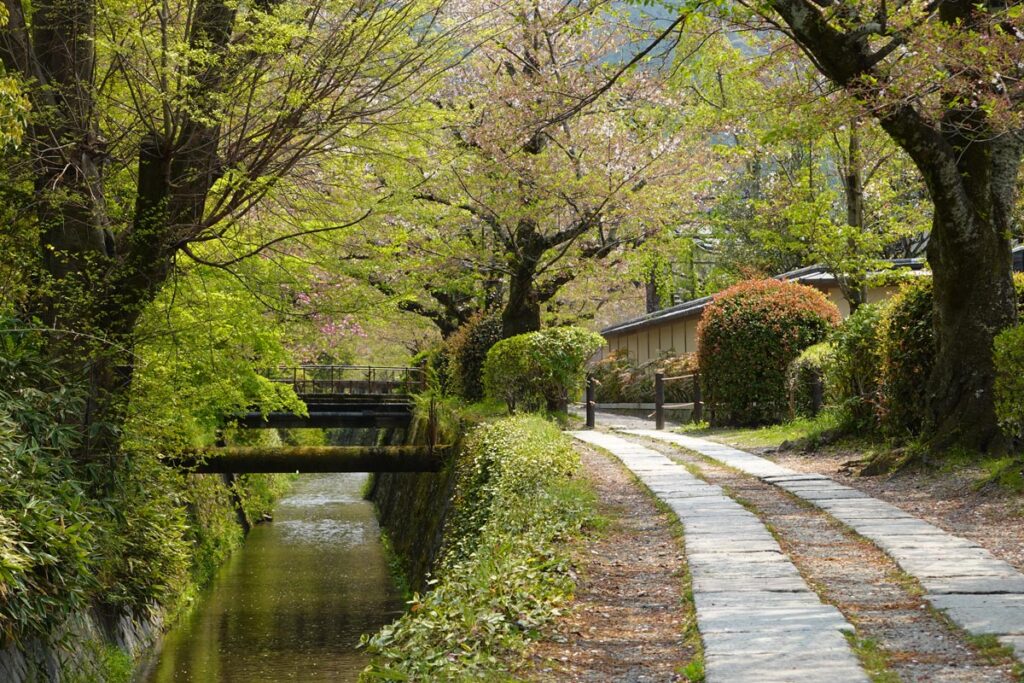
Philosopher's Path
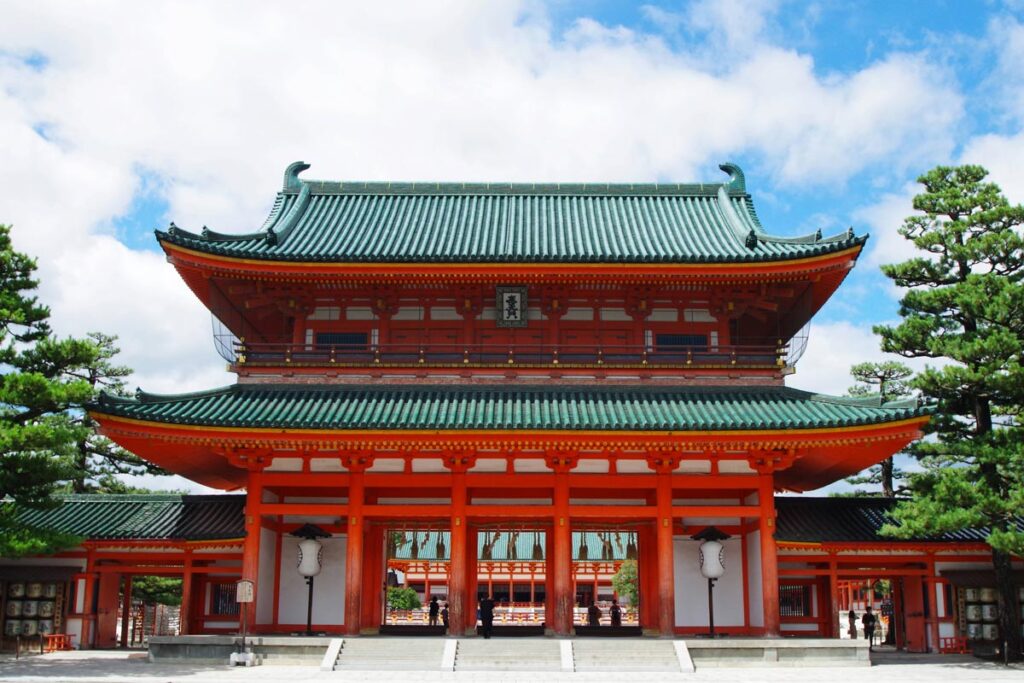
Heian Jingu
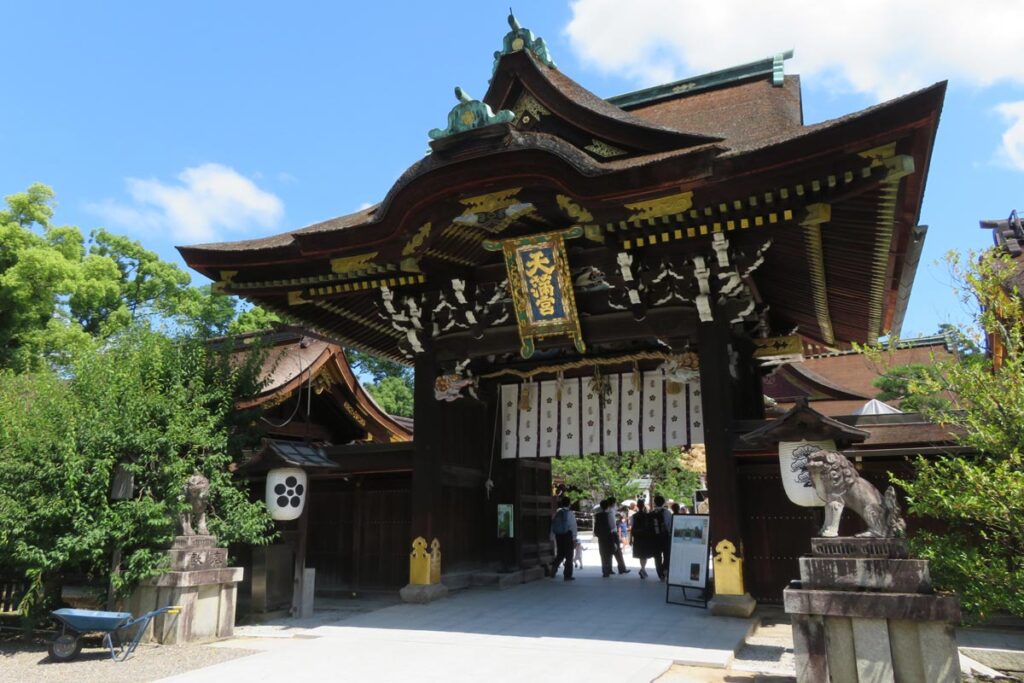
Kitano Tenmangu
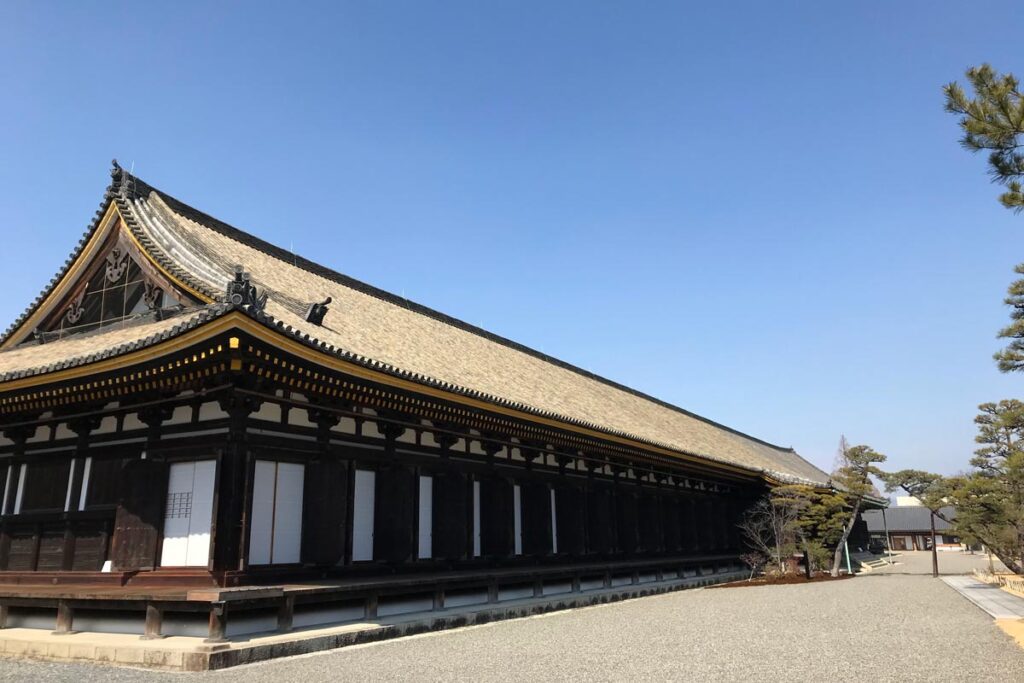
Sanjusangendo
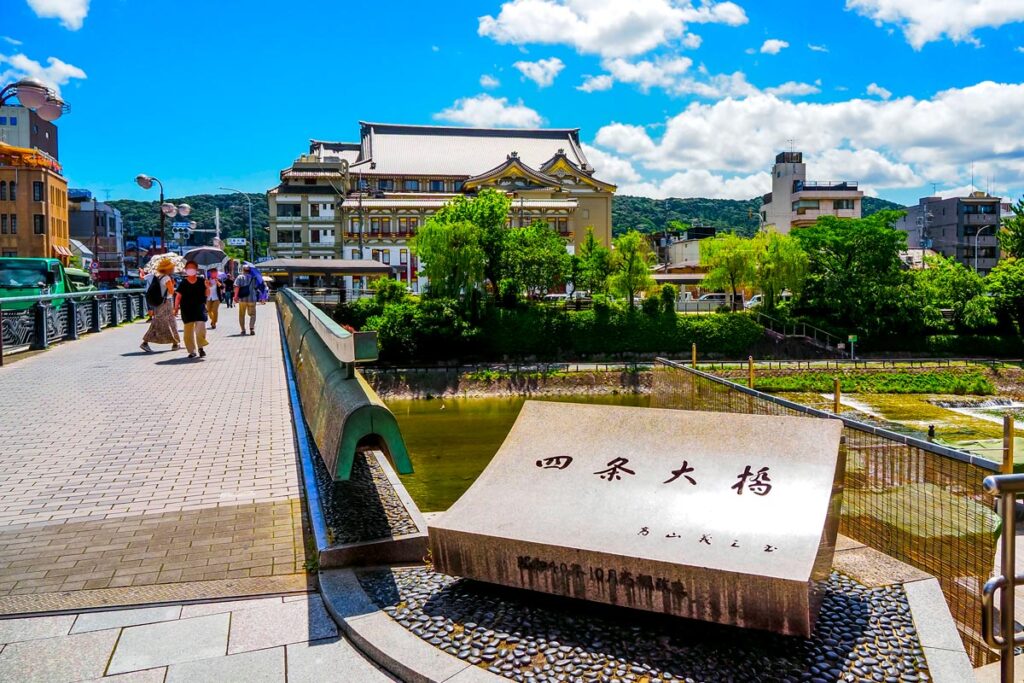
Kamo River
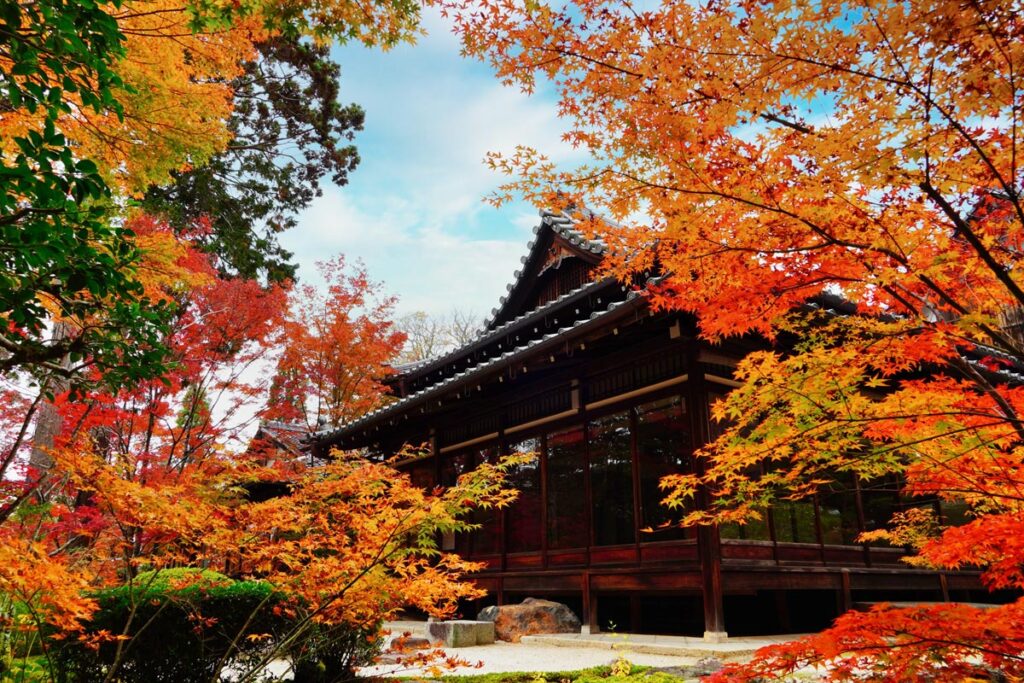
Nanzen-ji
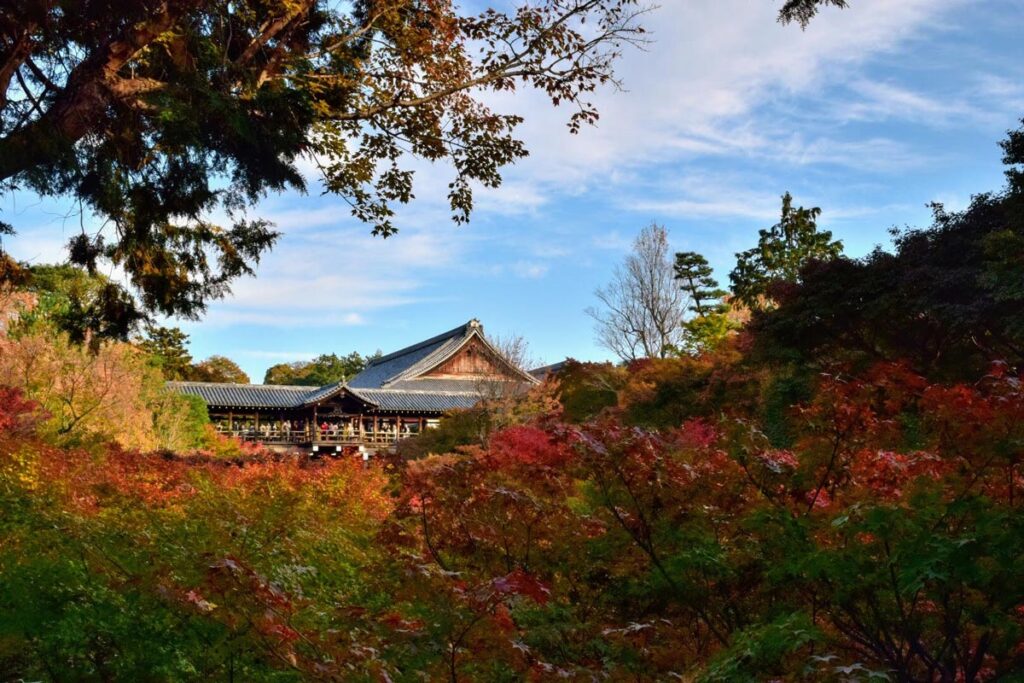
Tofuku-ji
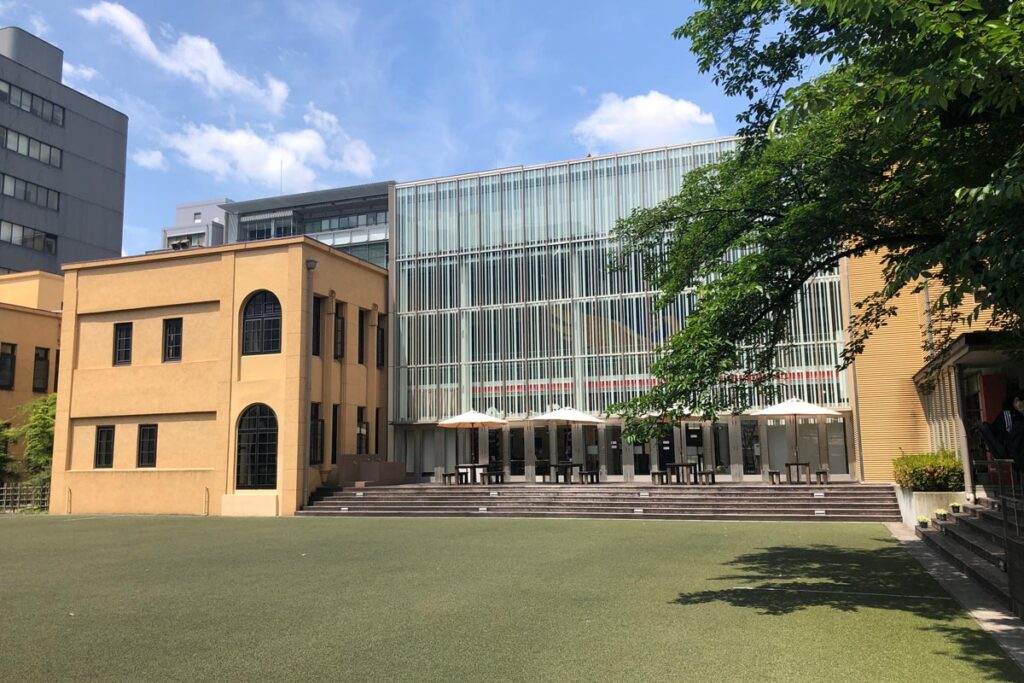
Kyoto International Manga Museum