
Nikko - Toshogu Shrine
Nikko Toshogu Shrine Travel Guide for First-Time Visitors to Japan
Photos are for illustrative purposes only.
Nikko’s Toshogu Shrine is one of Japan’s most dazzling religious sites, a place where ornate carvings, towering cedar trees, and deep spiritual traditions come together. For many first-time visitors to Japan, a day trip or overnight stay in Nikko offers a powerful contrast to Tokyo’s neon energy: cool mountain air, moss-covered stone lanterns, and the scent of cedar and incense floating through the forest.
This guide introduces the history, highlights, and practical details you need to enjoy Nikko Toshogu Shrine, with clear tips tailored to international visitors coming to Japan for the first time.
Why Visit Nikko Toshogu Shrine?
Nikko Toshogu is the lavish mausoleum of Tokugawa Ieyasu, the warlord who unified Japan and founded the Tokugawa shogunate (1603–1868). Unlike Kyoto’s minimalist Zen temples, Toshogu is famous for its brilliant colors, gold leaf, and more than 5,000 intricate carvings. It is part of the UNESCO-listed “Shrines and Temples of Nikko,” a group of sacred sites clustered in the forested hills west of central Nikko.
For first-time visitors, Toshogu offers:
- History you can see and feel – the heart of the samurai era, expressed through architecture, symbols, and rituals.
- Iconic carvings – including the “Three Wise Monkeys” and the famous “Sleeping Cat.”
- Easy access from Tokyo – around two hours by train, making Nikko ideal for a long day trip.
- Combined nature and culture – cedar forests, mountain air, and sacred buildings in one compact area.
A Brief History and Cultural Background
Tokugawa Ieyasu, one of Japan’s most influential historical figures, died in 1616. According to his wishes, he was initially buried at Kunozan in Shizuoka, but his grandson, the third shogun Tokugawa Iemitsu, later moved his remains to Nikko and commissioned the Toshogu Shrine complex we see today.
The shrine was built in the early 17th century, during a time of relative peace and growing prosperity. That wealth is visible in the complex decoration: bright vermilion lacquer, gold leaf, and elaborate carvings that blend Shinto and Buddhist symbolism. While many Japanese shrines appear minimalist, Toshogu feels almost baroque in its richness.
Nikko has long been considered a sacred area. Mount Nantai, visible from the region, is revered as a holy mountain, and local religious practice historically blended Shinto, Buddhism, and mountain worship. Visiting Toshogu today is not just sightseeing; you are stepping into a layered spiritual landscape that has shaped Japanese beliefs for more than 1,200 years.
Highlights Inside Toshogu Shrine
Five-Story Pagoda
The first major structure you’ll see at the entrance is a striking five-story pagoda. Painted in vivid colors and surrounded by towering cedar trees, it provides a beautiful introduction to the style of the shrine. Look closely and you may notice metal wind chimes and subtle carvings filled with symbolic animals and plants.
Stone Torii Gate and Omote-mon
Passing under the large stone torii gate, you enter the sacred precinct. Torii gates mark the boundary between the everyday world and the spiritual space of a shrine. As you walk through, it's customary in Japan to bow gently once toward the main shrine building to show respect.
Three Wise Monkeys (San-zaru)
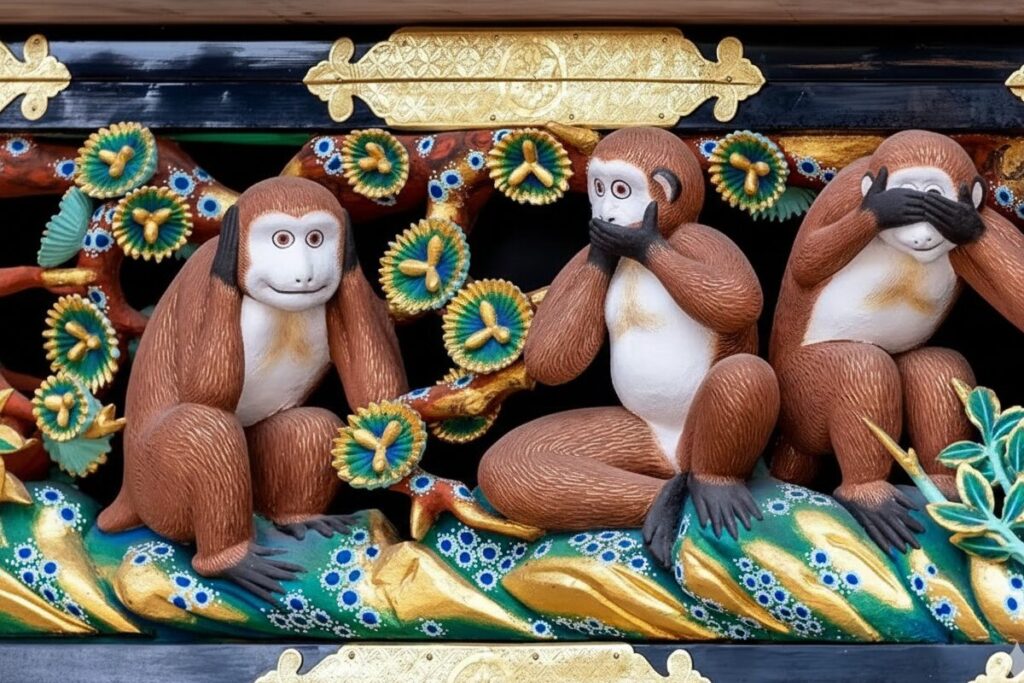
One of the most photographed spots in Nikko is the relief carving of three monkeys: one covering its eyes, one its ears, and one its mouth. They embody the proverb “see no evil, hear no evil, speak no evil.” In Japanese culture, this motif originally carried the idea of protecting oneself and others from negative influences, especially in childhood. You’ll find this carving on the sacred stable building, along with other monkey scenes that depict the stages of human life.
Yomeimon Gate
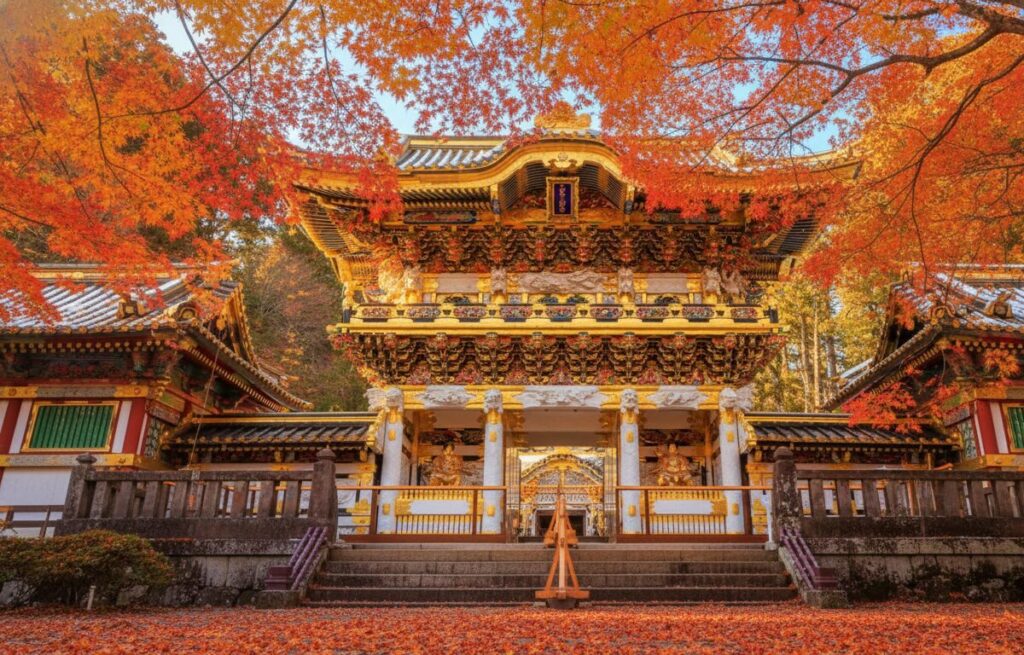
The Yomeimon Gate is Toshogu’s visual climax, sometimes called the “Gate of the Setting Sun” because one could spend an entire day admiring its details. The gate is covered in carvings of mythological beasts, Chinese sages, peonies, and dragons. Each figure carries a symbolic meaning: longevity, wisdom, protection, or moral lessons. It’s a textbook of Edo-period art and values, compressed into one gate.
Expect this area to be crowded. Take your time, step back to see the whole composition, then move closer to focus on individual carvings. A zoom lens or good smartphone camera will help capture the finer details.
Main Hall (Honden and Haiden)
Beyond Yomeimon lies the main hall, where Tokugawa Ieyasu is enshrined as a deity. The interior is richly decorated with lacquer, gold, and paintings. Visitors generally follow a fixed route, sometimes including a short talk (often in Japanese) about the history and decorative elements. Even if you don’t understand the language, it’s worth pausing to feel the atmosphere: tatami mats underfoot, the faint smell of incense, and the soft echo of footsteps.
Inside the main hall, photography is typically not allowed. This is common in Japanese religious spaces, where the act of worship and the intimacy of the interior are protected from constant photography.
The Sleeping Cat (Nemuri-neko) and Inner Mausoleum
One of Toshogu’s most famous carvings is the “Sleeping Cat,” said to be by the legendary sculptor Hidari Jingoro. The cat appears to be dozing peacefully above a doorway, but beneath it you’ll find carvings of sparrows. According to one interpretation, the scene symbolizes peace: even predator and prey can coexist when the realm is well-governed.
Beyond the Sleeping Cat lies a long stone stairway through the forest leading up to the inner mausoleum of Tokugawa Ieyasu. The climb is relatively steep but short. At the top, the mood is quieter and more solemn, with fewer crowds and a gentle breeze passing through the cedar trees. It feels like a spiritual culmination of the visit.
Understanding Etiquette at Toshogu
Japanese shrines and temples are open to visitors of all backgrounds, but certain etiquette helps you show respect and avoid misunderstandings.
- Dress modestly: No need for formal wear, but avoid overly revealing clothing. Comfortable shoes are essential, especially for stairs.
- Be quiet and calm: Speak softly, especially near worshippers and in the main hall.
- Purification: Near the entrance you may find a water pavilion. Traditionally, visitors rinse one hand, then the other, then their mouth (spitting water beside the basin) with a ladle. If you’re unsure, you can simply watch locals or skip this step respectfully.
- Photography: Outdoor photography is generally fine, but follow signs. If photography is prohibited inside, put cameras and phones away.
- Path of approach: When walking toward the main shrine, try not to walk in the exact center of pathways and stairways, which is symbolically reserved for the deities. This is a subtle point, but locals often notice and appreciate the effort.
How to Get to Nikko Toshogu from Tokyo
By Train
Toshogu is accessible by train from Tokyo in about two hours, making it one of the most popular day trips.
- From Asakusa (Tobu Line): Tobu Railway runs limited express trains from Asakusa Station directly to Tobu-Nikko Station. This is convenient and often cost-effective.
- From Tokyo or Ueno (JR Lines): Take a JR Tohoku Shinkansen to Utsunomiya, then transfer to the JR Nikko Line to JR Nikko Station. This route is handy if you are using a Japan Rail Pass.
Once you arrive at Tobu-Nikko or JR Nikko Station, Toshogu is about 2–3 kilometers away.
From Nikko Station to the Shrine
- By bus: Local buses run frequently from in front of the stations to the World Heritage area. Look for buses bound for the “World Heritage” or “Shrines and Temples” area and get off at the stop for Toshogu. The ride takes about 10–15 minutes.
- On foot: Walking takes around 30–40 minutes, gently uphill. It’s a pleasant stroll on a clear day, passing through the small town and toward the forested hills.
At busy times (autumn weekends, national holidays), buses can be crowded, so allow extra time.
Tickets, Passes, and Opening Hours
Nikko Toshogu charges an admission fee, with separate tickets for some areas such as the treasure museum or additional halls. Combined tickets are usually available and are convenient if you want to explore thoroughly. Prices are typically posted in both Japanese and English at the ticket office.
The shrine is generally open daily from morning until late afternoon, with last entry around 30–60 minutes before closing. Exact times vary by season, so check ahead before your trip. Arriving early in the day helps you avoid the largest crowds, especially tour groups.
Various transportation passes are available that combine round-trip train fare from Tokyo and unlimited bus use in Nikko. These can be cost-effective if you plan to explore beyond Toshogu, such as Lake Chuzenji and Kegon Falls.
Best Seasons to Visit Toshogu
Spring (March–May)
Spring is a popular time to visit, with fresh green leaves and occasional cherry blossoms in the town and lower elevations. Temperatures can still be cool, especially in the morning and evening, so bring a light jacket.
Summer (June–August)
Summer in Nikko is cooler than central Tokyo due to its higher elevation. The forest around Toshogu is lush and green, and the shade of the cedar trees provides natural relief from the heat. June brings the rainy season, so pack a compact umbrella or light raincoat.
Autumn (September–November)
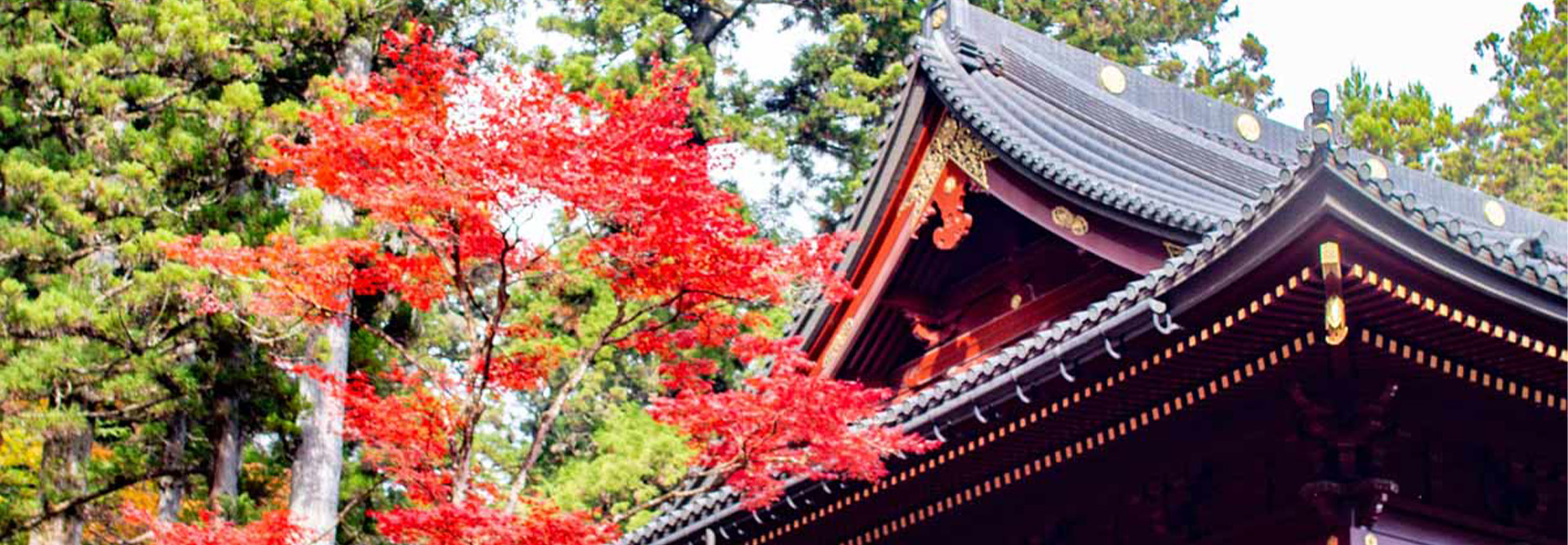
Autumn is arguably the most beautiful and most crowded season. The surrounding hills explode in red, orange, and yellow foliage, usually peaking from late October to early November. Accommodations and trains can be busy, so reserve in advance if staying overnight.
Winter (December–February)
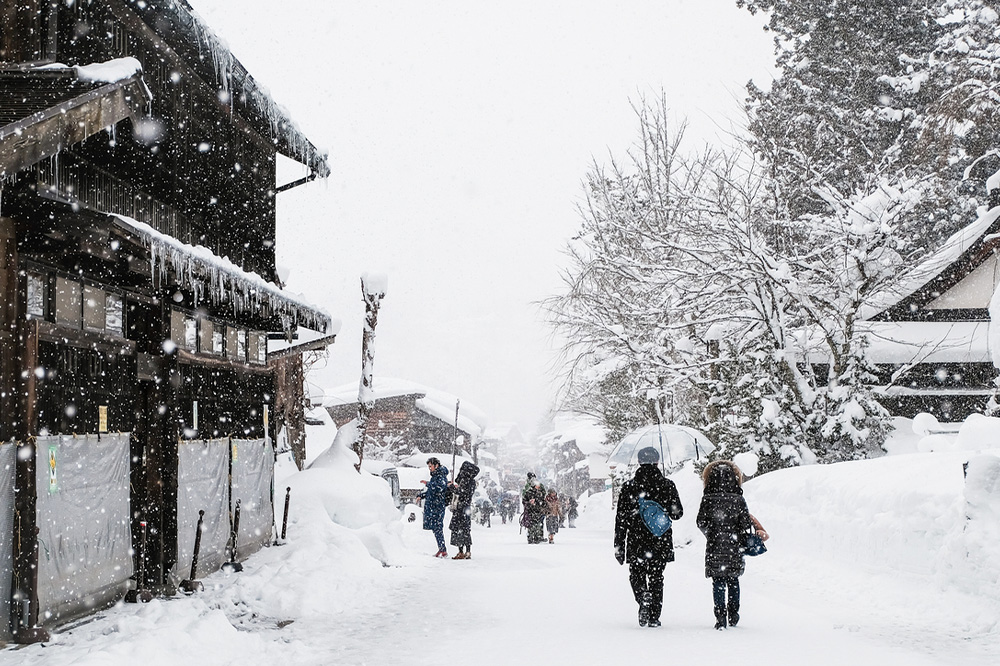
In winter, Toshogu is quieter and occasionally dusted with snow, turning the grounds into a white-and-gold dreamscape. It can be cold and icy underfoot, so wear warm layers and shoes with good grip. Some areas may be slippery; walk carefully on stone steps.
Combining Toshogu with Other Nikko Sights
While Toshogu is the star attraction, the surrounding area is rich with additional sites:
- Rinnoji Temple: A historic Buddhist temple complex with large wooden statues and a beautiful garden, reflecting Nikko’s long history of Buddhist practice.
- Futarasan Shrine: Dedicated to the deities of nearby mountains, this simpler shrine provides a contrast to Toshogu’s extravagance.
- Shinkyo Bridge: A bright vermilion bridge arching over the Daiya River, considered one of Japan’s most beautiful traditional bridges and a classic photo spot.
- Lake Chuzenji and Kegon Falls: About 40 minutes by bus from central Nikko, this highland lake and dramatic waterfall showcase the region’s volcanic landscape and natural beauty.
You can see Toshogu and several nearby shrines and temples in one full day from Tokyo. If you add the lake and waterfalls, an overnight stay in a local inn or ryokan allows for a more relaxed pace, with the bonus of hot springs and regional cuisine.
Practical Tips for First-Time Visitors
- Language: Basic English signage is available at Toshogu and around Nikko. Simple Japanese phrases such as “arigatou” (thank you) and “sumimasen” (excuse me / sorry) go a long way.
- Cash and cards: Major train lines and some shops accept credit cards and IC cards (like Suica), but smaller souvenir stands and snack shops may be cash-only.
- Shoes: You may need to remove shoes to enter certain buildings. Wear socks without holes and shoes that are easy to take on and off.
- Food and drink: Eating within sacred areas is generally discouraged. However, you’ll find restaurants and cafes near the entrance roads and around the station areas, serving noodles, rice dishes, and local specialties like yuba (tofu skin).
- Weather: Nikko’s mountain climate can change quickly. Check the forecast and bring a light layer even in warmer months.
Making the Most of Your Visit
Nikko Toshogu Shrine offers far more than a single famous carving or gate. It’s a window into Japan’s samurai past, an expression of spiritual beliefs, and a remarkable work of art placed within an ancient forest. For first-time visitors to Japan, it provides a chance to connect with the country’s history beyond the cities and bullet trains.
Plan your trip with time to wander slowly, look up at the cedar canopy, and notice the small details: a dragon peeking from a beam, a moss-covered stone lantern, or the sound of a distant bell. These layered impressions will stay with you long after you leave the mountains of Nikko behind.

Access Map
Recommended spots for Autumn Leaves
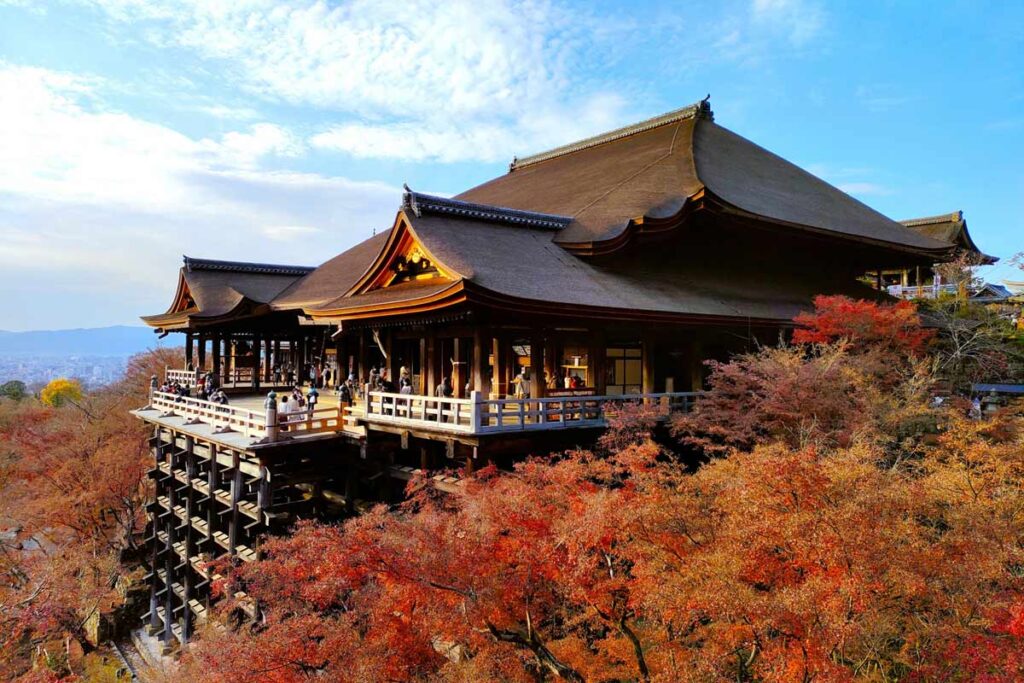
Kyoto
- Kiyomizu-dera
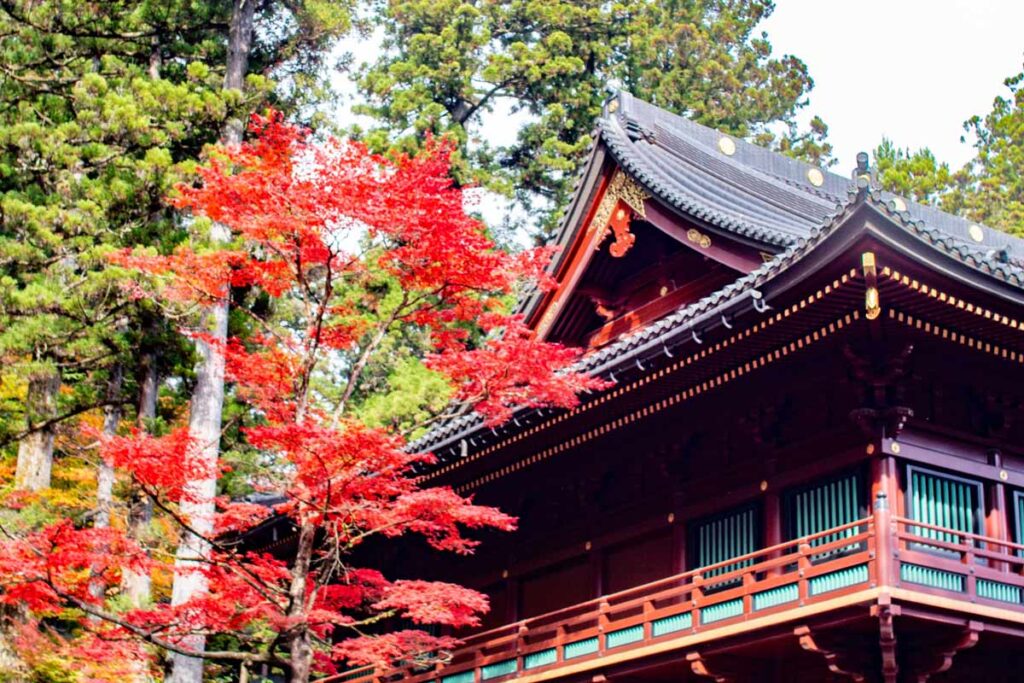
Nikko
- Toshogu Shrine
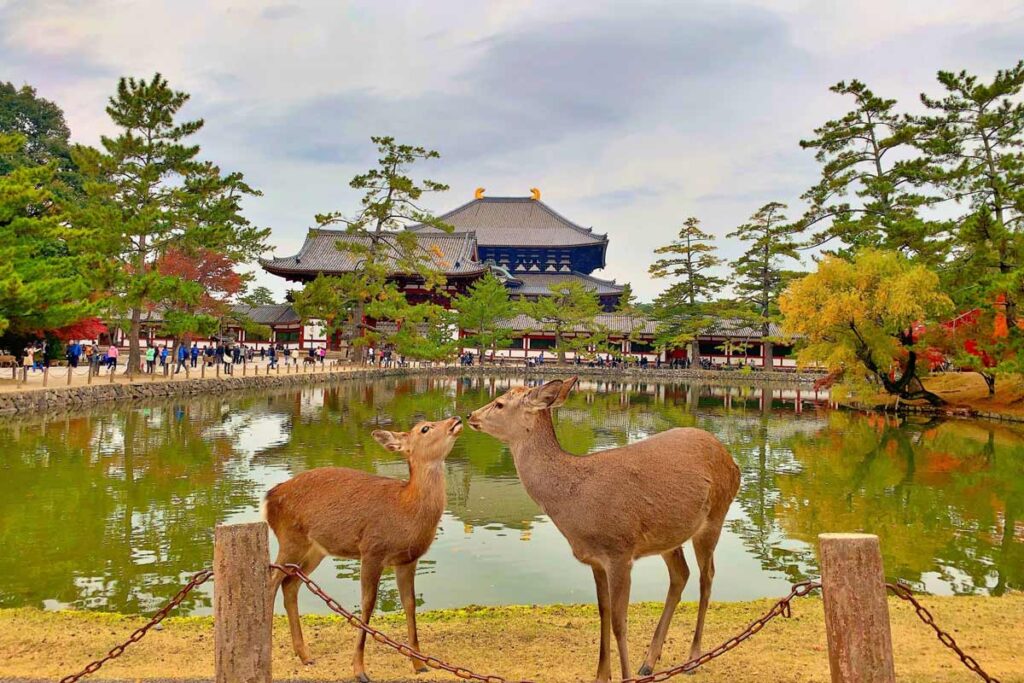
Nara
- Todaiji Temple
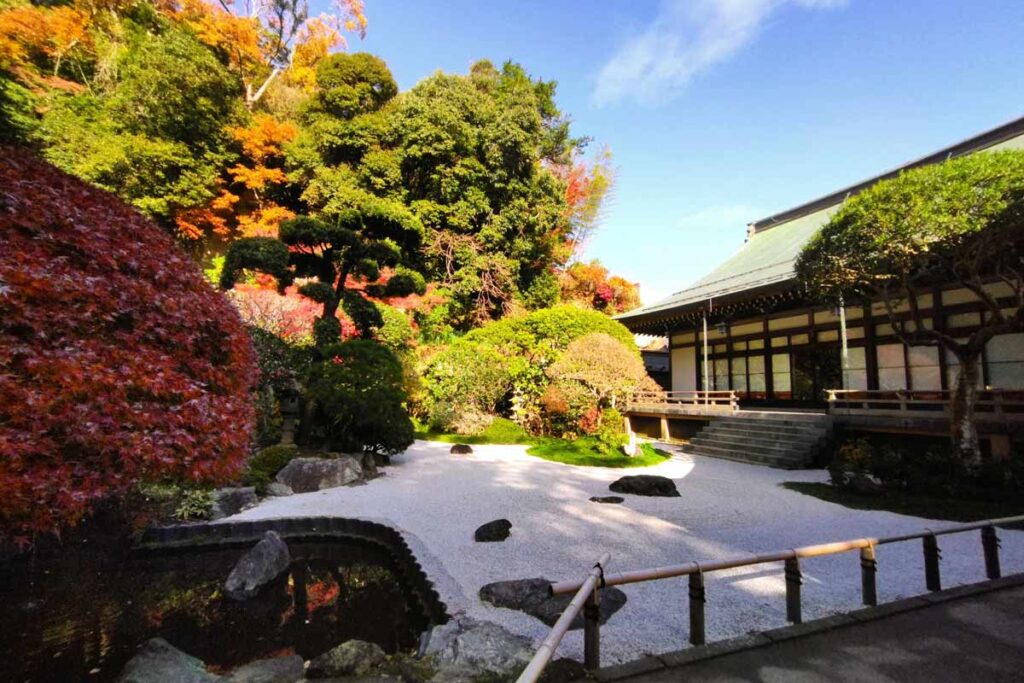
Kamakura
- Hokokuji Temple
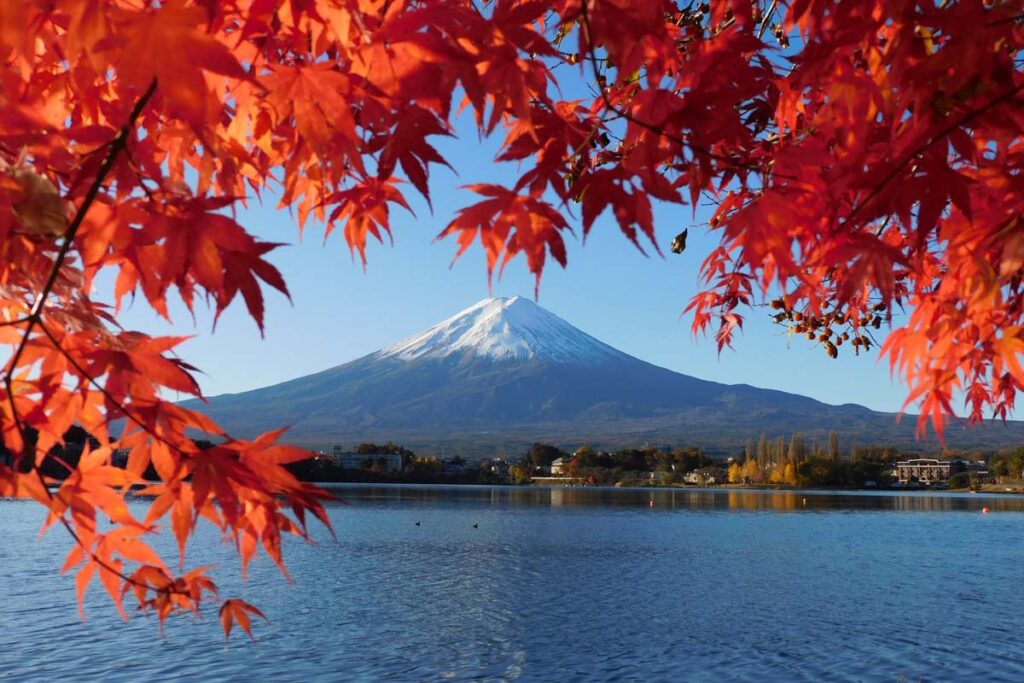
Mount Fuji
- Kawaguchi Lake
Other Seasonal Spot
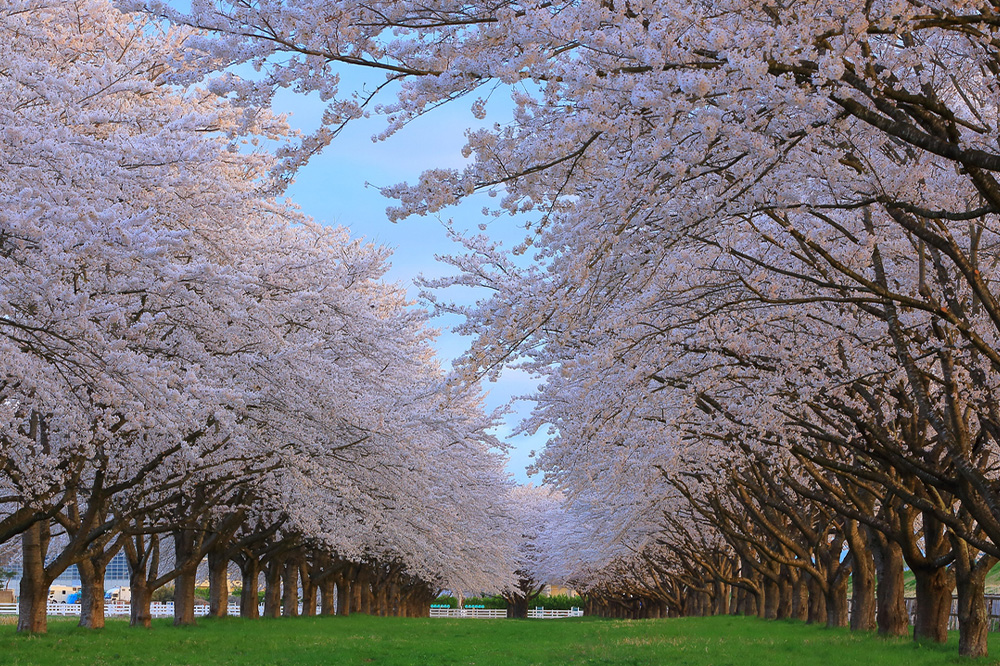
Cherry Blossoms
Summer Festivals