


Nishiki Market
Nishiki Market Kyoto: A First-Time Visitor’s Guide to Japan’s Kitchen
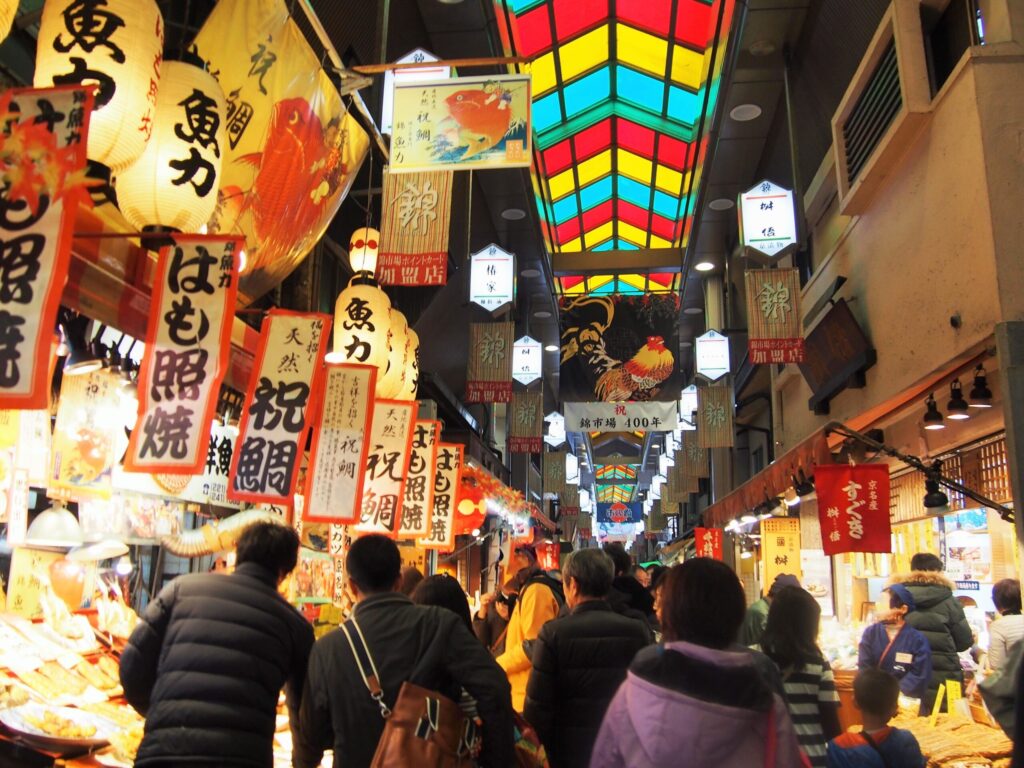
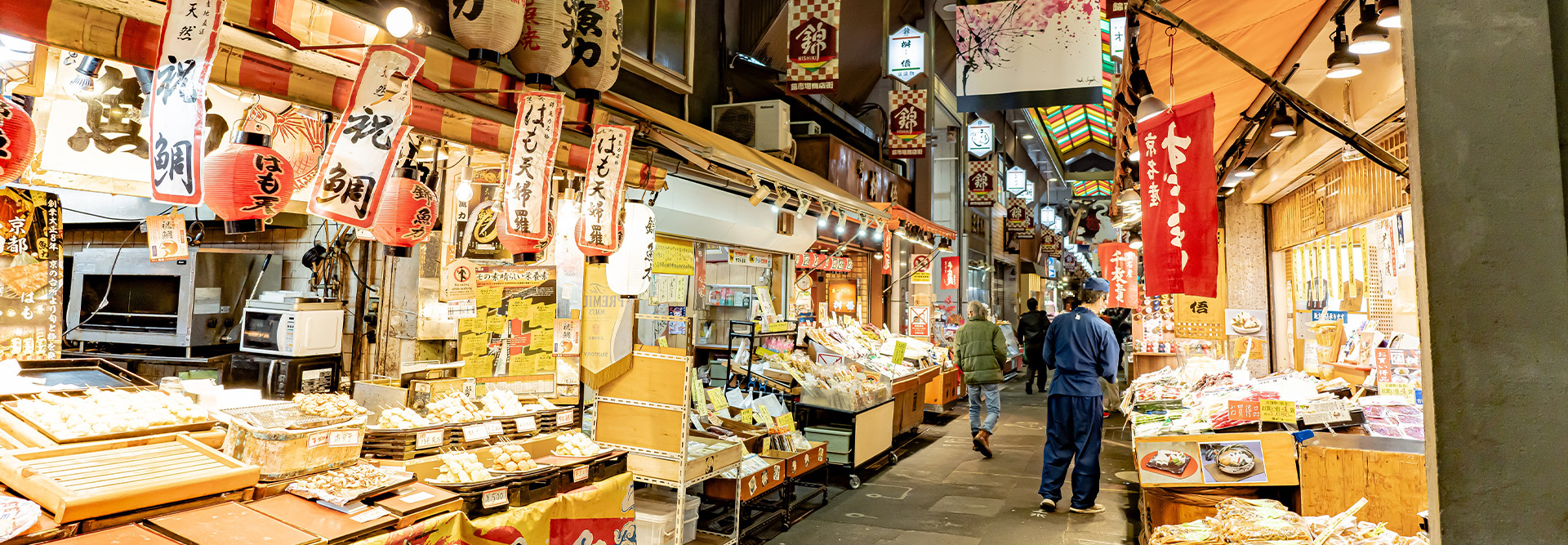
Nishiki Market is one of Kyoto’s most atmospheric places to meet everyday Japanese food culture up close. This narrow, covered arcade runs for about 400 meters through central Kyoto and is lined with more than 100 small shops and stalls. From sizzling street snacks and mysterious pickles to artisan knives and traditional sweets, it offers a compact taste of Kyoto’s culinary world, perfect for first-time visitors to Japan.
What Is Nishiki Market?
Often nicknamed “Kyoto’s Kitchen,” Nishiki Market is a historic shopping street devoted mainly to food and kitchen-related goods. It originally began as a fish market centuries ago, and many modern stalls are run by families who have been in business for generations. Today, it’s a blend of old and new Kyoto: traditional merchants selling heirloom tofu or dried seafood alongside trendy snack stands popular with local students and international travelers.
The arcade is fully covered, so it’s an all-weather destination, and the ceiling is decorated with colorful glass panels that give the market its distinctive, lively atmosphere. Despite its popularity with tourists, Nishiki remains a place where Kyoto residents shop for everyday ingredients, especially for special occasions and seasonal festivals.
Why Visit Nishiki Market on Your First Trip to Japan?
Nishiki Market is an ideal introduction to Japanese food culture because it brings many aspects of Kyoto life into a single, walkable street. You can:
- See the ingredients behind dishes you might try in Kyoto’s restaurants, from miso and tofu to seasonal vegetables.
- Sample small bites without committing to a full meal.
- Shop for high-quality, packable souvenirs like tea, snacks, and chopsticks.
- Observe how local people shop, interact, and prepare for home cooking and festivals.
For visitors who may find Japanese menus intimidating at first, the market’s casual tasting culture and visual displays make it much easier to understand what you’re eating.
Where Is Nishiki Market and How Do You Get There?
Nishiki Market runs parallel to Shijō-dori (Shijo Street) in central Kyoto, between Teramachi-dori and Takakura-dori. It’s right in the downtown shopping area, so it’s easy to combine a visit with nearby sites like Teramachi and Shinkyogoku shopping arcades or a stroll along the Kamo River.
By Train or Subway
- Karasuma Station (Hankyu Line): Walk about 5–10 minutes east along Shijō-dori to reach the market’s central area.
- Shijō Station (Kyoto Municipal Subway, Karasuma Line): Similar walking time; follow signs toward Shijō-dori and head east.
- Kawaramachi Station (Hankyu Line): Walk about 5 minutes west toward Teramachi-dori to find the eastern entrances to the market.
Kyoto’s downtown is compact and pedestrian-friendly, so Nishiki Market also works well as a mid-day stop between temple visits in the morning and an evening in Gion or Pontocho.
When to Visit: Best Time and Crowd Tips
Most shops in Nishiki Market open between 9:00 and 10:00 and close between 17:00 and 18:00, though hours vary by store. Many places close at least one day per week; some are shut on Wednesdays or Sundays. The market is quietest in the morning, especially on weekdays.
Recommended Time of Day
- Morning (9:00–11:00): Best for a more relaxed stroll, photography, and watching preparations. Good if you dislike crowds.
- Late morning to early afternoon: Livelier atmosphere with more visitors, ideal if you want to sample food for an early lunch or extended snack time.
- Late afternoon: Some shops start to sell out or close, but you may find discounted items. It can be very crowded on weekends.
Golden Week (late April–early May), the autumn foliage season (November), and New Year’s period are especially busy. If you’re visiting in these peak seasons, aim for an early weekday visit for the most pleasant experience.
What to Eat: Essential Nishiki Market Foods
Nishiki Market is primarily about food, so go with an open mind and an empty stomach. Many shops offer small samples or sell snack-sized portions. Here are some signature items to look out for.
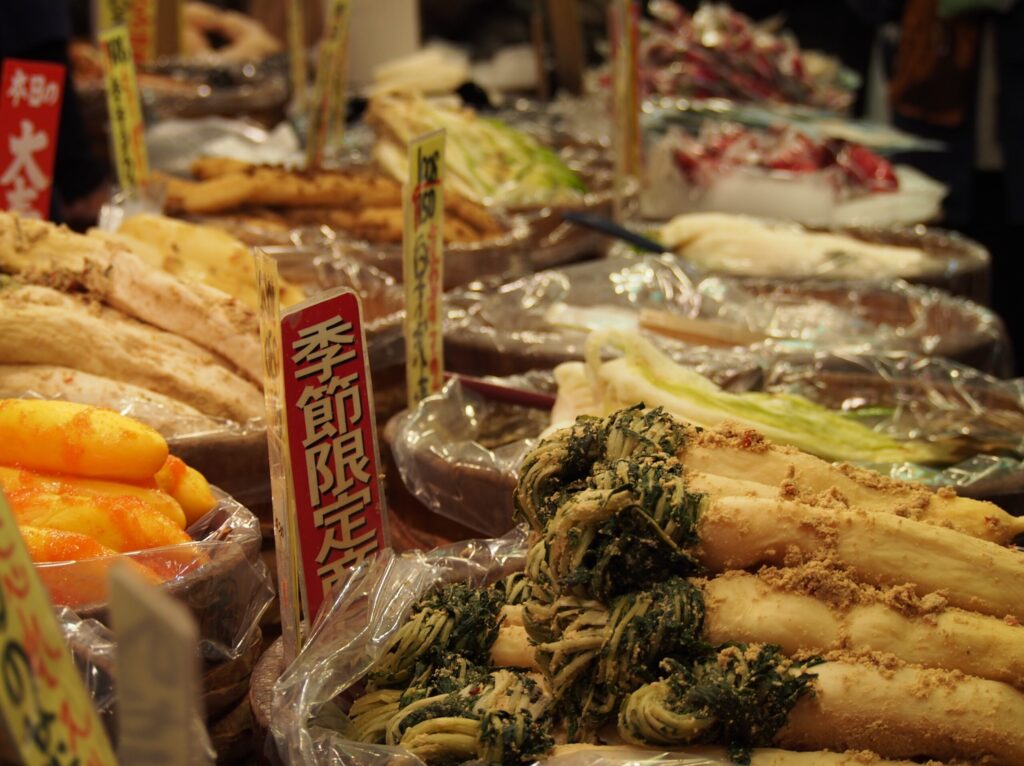
1. Tsukemono (Japanese Pickles)
Kyoto is famous for its refined pickles, and Nishiki is one of the best places to see the full spectrum. You’ll find:
- Shibazuke: Purple pickles made from cucumbers and eggplants, colored and flavored with red shiso leaves.
- Senmaizuke: Thinly sliced turnip pickles, a Kyoto winter specialty with a delicate flavor.
- Nukazuke: Vegetables fermented in rice bran, offering a rich, salty-sour taste.
Pickle shops are often generous with free tastings. They also sell vacuum-packed varieties, which make excellent, easy-to-carry gifts if you enjoy the flavors.
2. Fresh and Grilled Seafood
Although Kyoto is inland, its traditional cuisine relies heavily on preserved and transported seafood. At Nishiki Market you’ll see:
- Grilled skewers of squid, shrimp, and scallops cooked right in front of you.
- Small dried fish, used for making soup stock or eaten as snacks.
- Bōzushi and other pressed sushi styles unique to Kyoto and the surrounding Kansai region.
If you’re unsure what something is, many vendors are used to foreign visitors and may have basic English explanations or photos.
3. Tofu and Yuba (Soy Milk Skin)
Kyoto’s pure water has made it a renowned center for tofu-making. In Nishiki Market, look for:
- Fresh tofu served chilled or lightly warmed with soy sauce and ginger.
- Yuba (soy milk skin), eaten fresh or dried, with a delicate, creamy texture.
- Fried tofu pockets and cutlets, used in soups and noodle dishes.
Some stalls sell small bowls or skewered tofu snacks that are easy to eat on the go.
4. Wagashi (Traditional Japanese Sweets)
Kyoto is beloved for its elegant sweets, many designed to reflect the changing seasons. In Nishiki you’ll find:
- Mochi rice cakes filled with sweet red bean paste.
- Dango skewered rice dumplings glazed with soy sauce or sweet toppings.
- Yatsuhashi, a cinnamon-flavored Kyoto specialty that comes either baked and crunchy or soft and chewy.
These sweets are popular souvenirs and usually come in attractive boxes, ideal for gifting back home.
5. Senbei and Savory Snacks
You’ll encounter stalls stacked with senbei (rice crackers), flavored with soy sauce, seaweed, or sesame seeds. Many shops let you buy crackers individually, so you can try a few flavors without committing to a full bag.
6. Matcha and Local Tea
Kyoto has a deep tea culture, and Nishiki Market has several shops selling matcha (powdered green tea), sencha, and other regional varieties. Staff may guide you toward teas suitable for beginners or gifts, explaining the difference between everyday drinking tea and higher-grade ceremonial matcha.
7. Seasonal Specialties
Japanese cuisine is strongly seasonal, and Nishiki Market reflects this:
- Spring: Bamboo shoots, mountain vegetables, and cherry blossom-themed sweets.
- Summer: Cooling dishes, shaved ice, and refreshing pickles.
- Autumn: Chestnut sweets, mushrooms, and hearty ingredients for hotpot.
- Winter: Root vegetables, pickles, and foods connected to New Year celebrations.
Ask vendors about seasonal items; even simple Japanese phrases like “osusume wa?” (“What do you recommend?”) can lead to interesting discoveries.
Beyond Food: Shopping for Kyoto Craft and Kitchen Goods
While you’ll likely come for the food, Nishiki Market is also a practical place to pick up long-lasting souvenirs related to Japanese cooking and daily life.
Japanese Knives and Kitchen Tools
Kyoto’s reputation for refined cuisine is matched by serious knife culture. Specialty shops in and around Nishiki sell:
- Hocho (kitchen knives) for different purposes, such as sashimi, vegetables, or general use.
- Sharpening stones and knife-maintenance tools.
- Chopsticks, strainers, ladles, and wooden rice paddles.
Staff can often engrave your name on a blade, turning it into a unique souvenir. If you’re flying home, remember to pack knives in checked luggage, not carry-on.
Tableware, Bento Goods, and Home Items
Look for small shops selling:
- Chopstick sets and rests in traditional patterns.
- Bento boxes and little containers for homemade lunches.
- Lacquerware, bowls, and cups suitable for green tea.
These items are light, relatively sturdy, and reflect everyday Japanese aesthetics. They also fit easily into a suitcase, making them practical souvenirs.
Market Etiquette and How to Be a Respectful Visitor
Nishiki Market is a working shopping street used by locals, so good manners go a long way. In recent years, Kyoto has clearly posted rules in multiple languages to keep the experience pleasant for everyone. Keep these points in mind:
Eating and Walking
In many parts of Japan, eating while walking is discouraged, especially in crowded areas. Nishiki Market is no exception. Many stalls politely ask customers to stand near the shop while eating, then move on once finished. Look for small counters or standing areas; if in doubt, ask or observe what others are doing.
Trash and Recycling
Public bins are rare in Japan. At Nishiki, most food stands will take back skewers, trays, and cups for disposal. Try to finish items near where you bought them so you can hand back your waste. Carry a small plastic bag in your daypack for emergency trash storage if needed.
Photography Guidelines
The market is photogenic, but not every shop welcomes photography, especially close-ups of products or staff. Look for “no photos” signs, and if you’re unsure, ask with a simple “photo OK?” while holding up your camera or phone. Buying something before taking pictures can also make interactions feel more comfortable.
Respecting Space and Flow
The main walkway is narrow and can become very crowded. To avoid blocking traffic:
- Step to the side if you want to stop and look closely or check your map.
- Keep bags and backpacks close to your body.
- Walk in small groups rather than lining up across the passage.
These small habits help everyone – including you – enjoy the atmosphere without frustration.
How to Plan Your Visit
You can see Nishiki Market in about an hour if you walk straight through, but allowing 2–3 hours gives you time to browse, taste, and shop without rushing.
Suggested Simple Itinerary
- Late Morning: Arrive around 10:00, when most shops are open but crowds are still moderate.
- First Walk-Through: Stroll from one end to the other without buying much, just to see what’s available.
- Snack and Shop: On your second pass, choose a few snacks that caught your eye, pick up any souvenirs, and maybe sit for a light meal at a small eatery.
- Explore Nearby: After the market, wander through the Teramachi and Shinkyogoku arcades, or head down to the Kamo River for a walk.
Tips for First-Time Visitors to Japan
Nishiki Market is beginner-friendly, but a few simple preparations will make your visit smoother.
Cash and Payment
Japan is rapidly adopting cashless payments, and some shops in Nishiki accept credit cards or IC cards like Suica or ICOCA. However, many small vendors remain cash-only. Bring enough yen in small bills and coins for snacks and souvenirs.
Language and Communication
English levels vary. Simple phrases and gestures usually work well:
- “Kore wa nan desu ka?” – “What is this?”
- “Ikura desu ka?” – “How much is it?”
- “Osusume wa?” – “What do you recommend?”
Many shops have prices written clearly, sometimes with photos or basic English descriptions, so you can order by pointing.
Dietary Considerations
Vegetarians and travelers with food allergies should be cautious. Many Japanese foods, even vegetable dishes, may contain fish-based dashi stock or soy sauce with wheat. If you have strict requirements, prepare a short note explaining your diet in Japanese to show shop staff, or confirm ingredients carefully.
Experiencing Everyday Kyoto Through Nishiki Market
Nishiki Market is more than a tourist attraction; it’s a window into daily life in Kyoto. Watching regular customers greet familiar shopkeepers, seeing schoolchildren buy after-school snacks, and observing how seasonal ingredients appear and vanish from the stalls gives you a sense of how closely food, tradition, and the calendar are tied together in Japan.
For first-time visitors, it’s an accessible, engaging way to step into this world – to taste unfamiliar flavors, ask questions, and perhaps take a little bit of Kyoto’s kitchen home with you in the form of a knife, some tea, or a box of sweets. Whether you’re a dedicated foodie or just curious about Japanese culture, Nishiki Market deserves a place on your Kyoto itinerary.

Access Map
Recommended spots in Kyoto
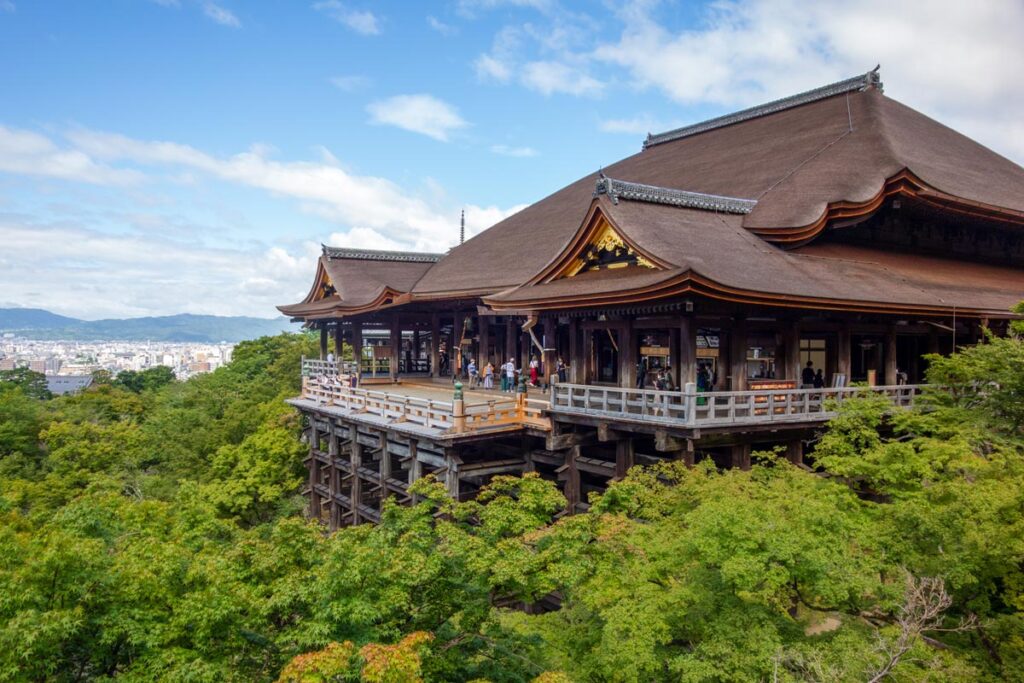
Kiyomizu-dera
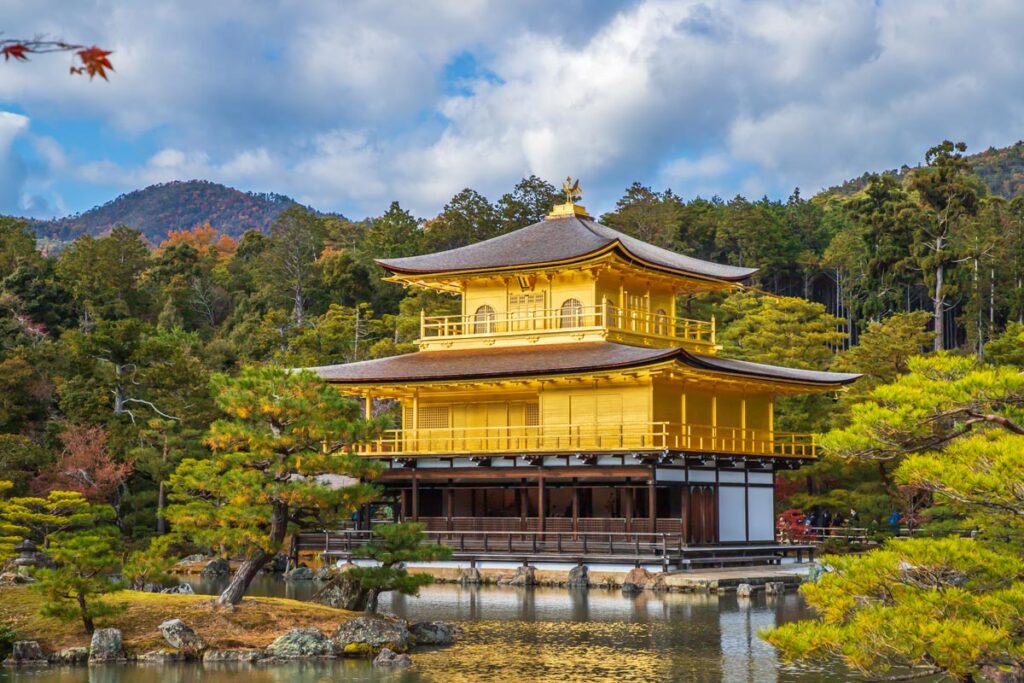
Kinkaku-ji
(Golden Pavilion)
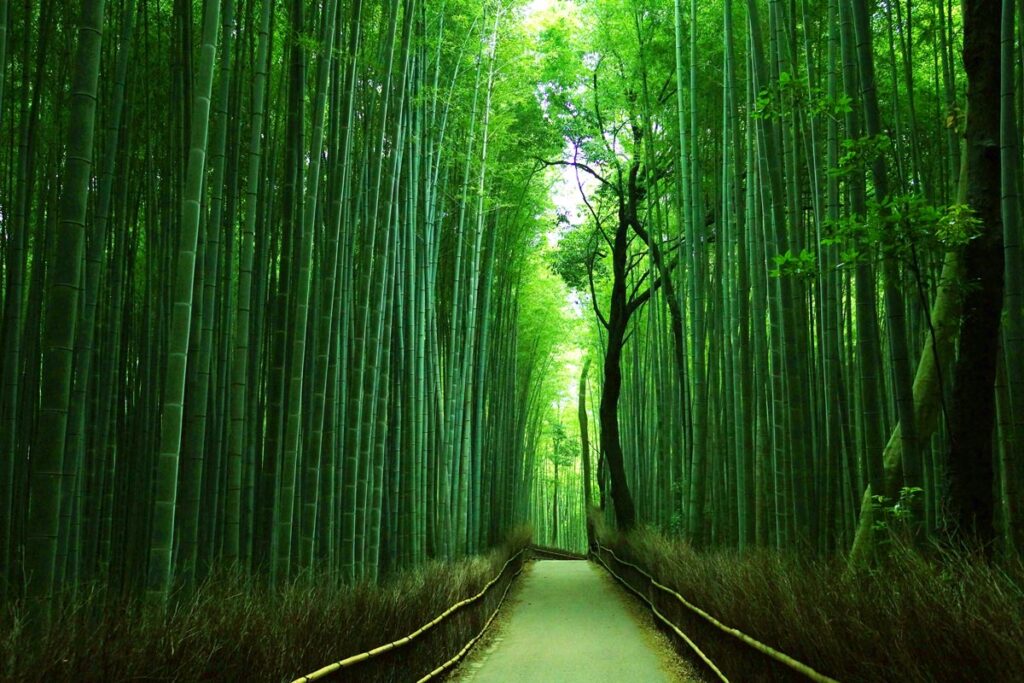
Arashiyama
Bamboo Grove
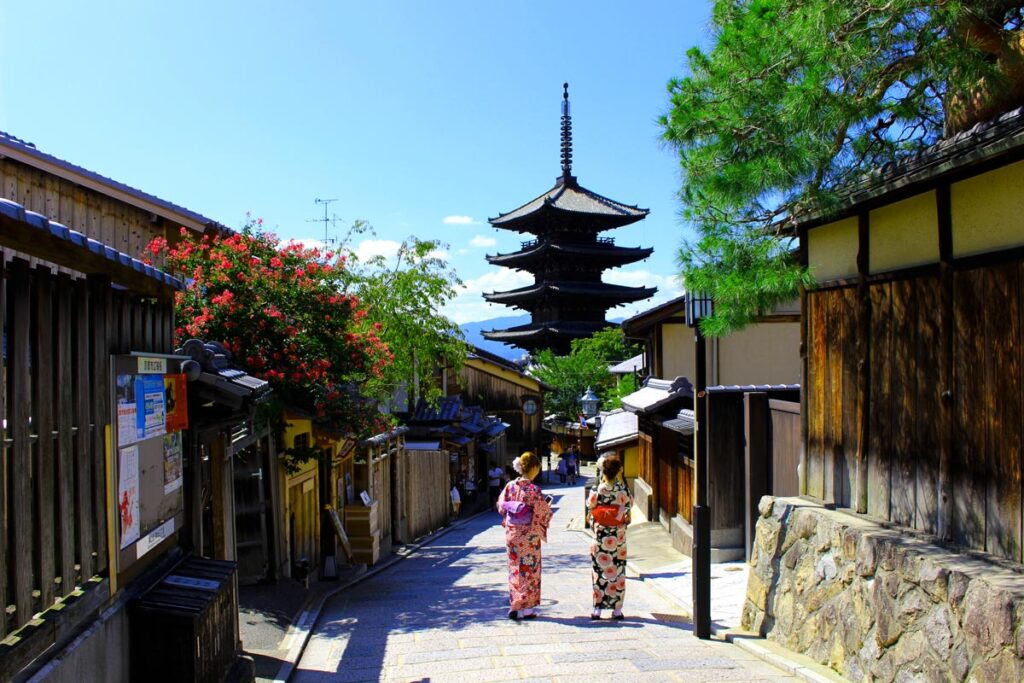
Gion
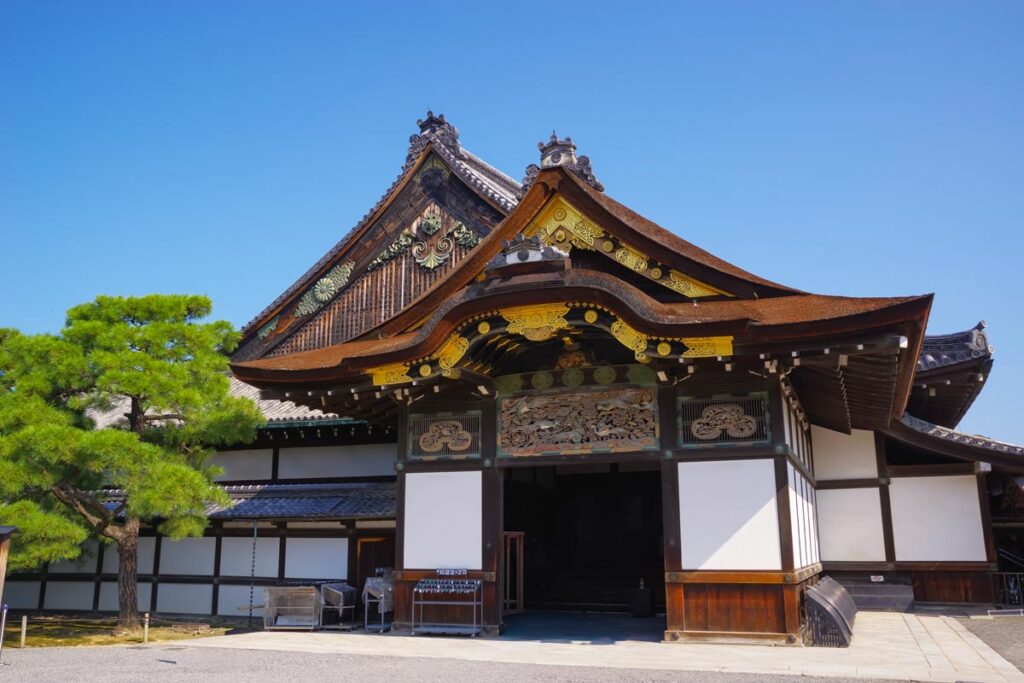
Nijo Castle
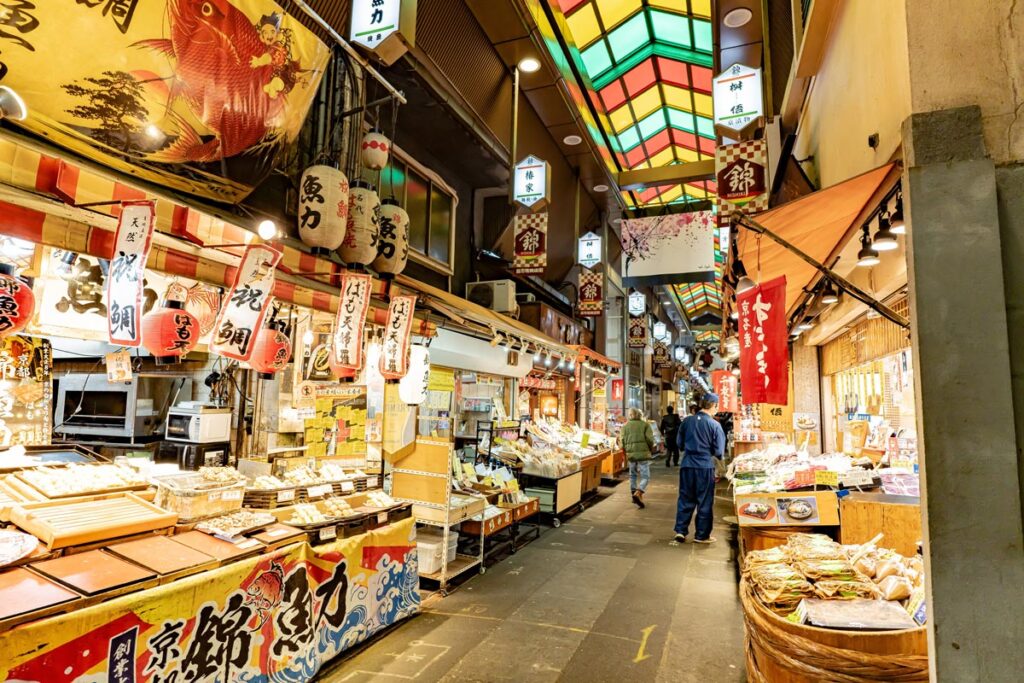
Nishiki Market
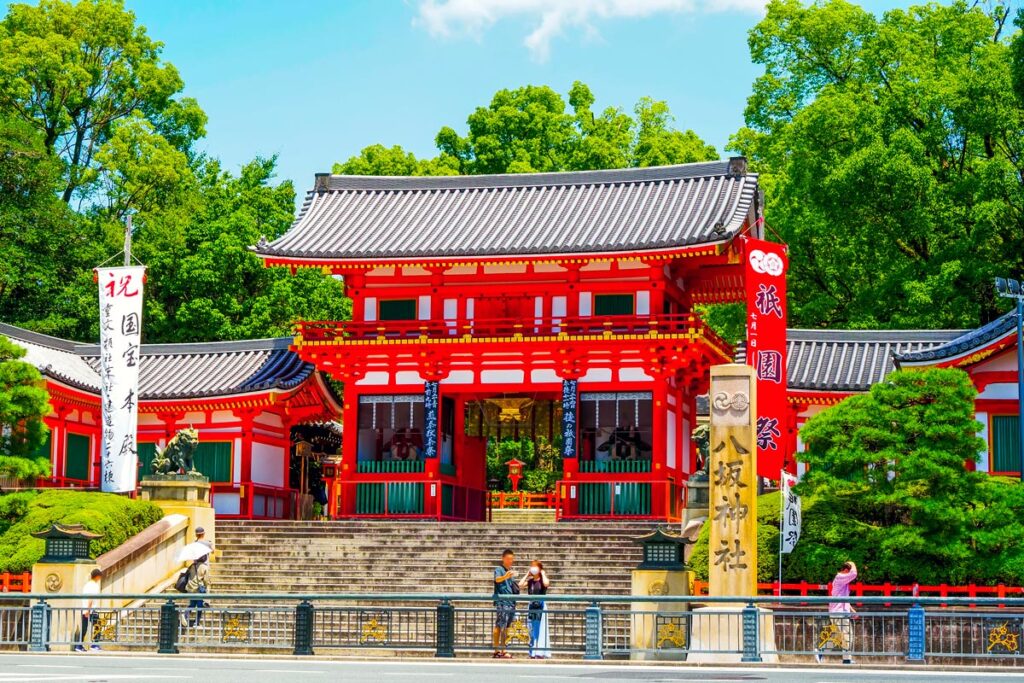
Yasaka Shrine
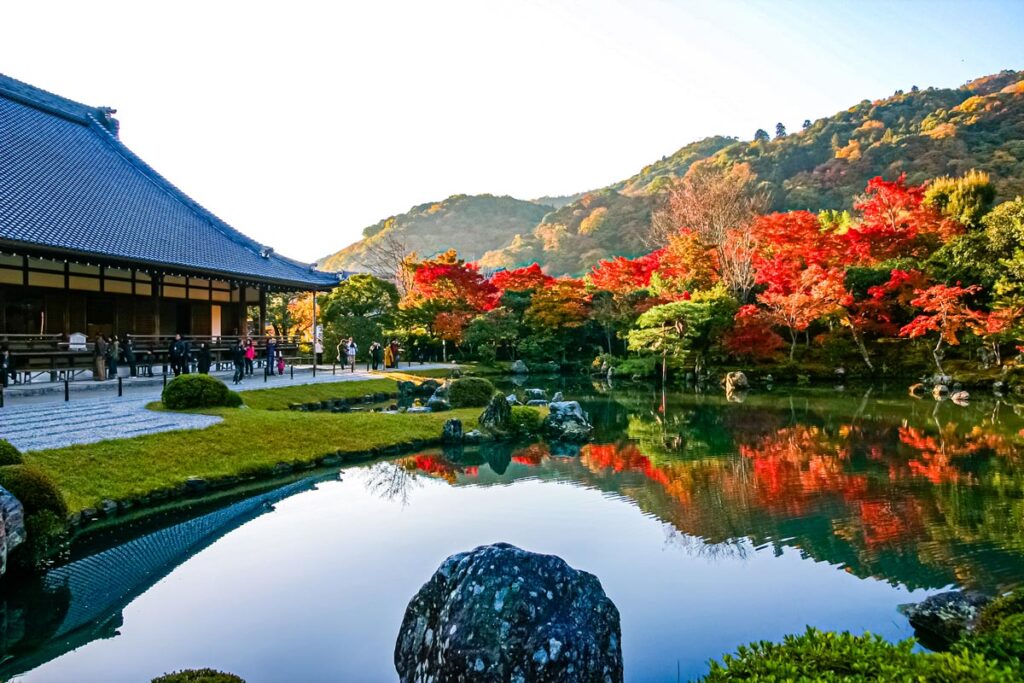
Tenryu-ji
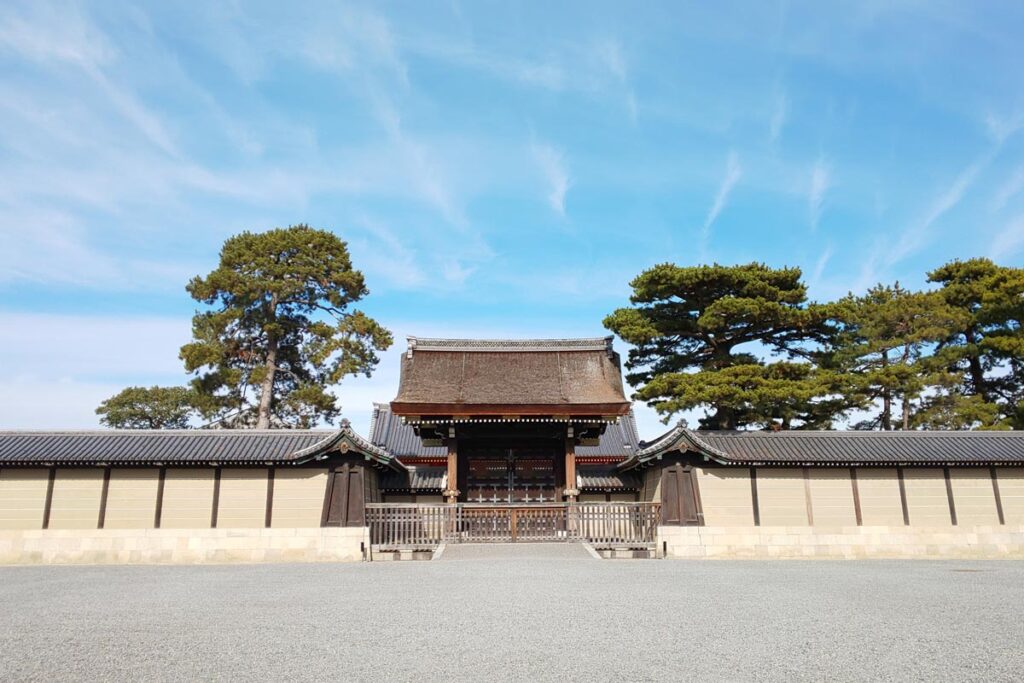
Kyoto Imperial Palace
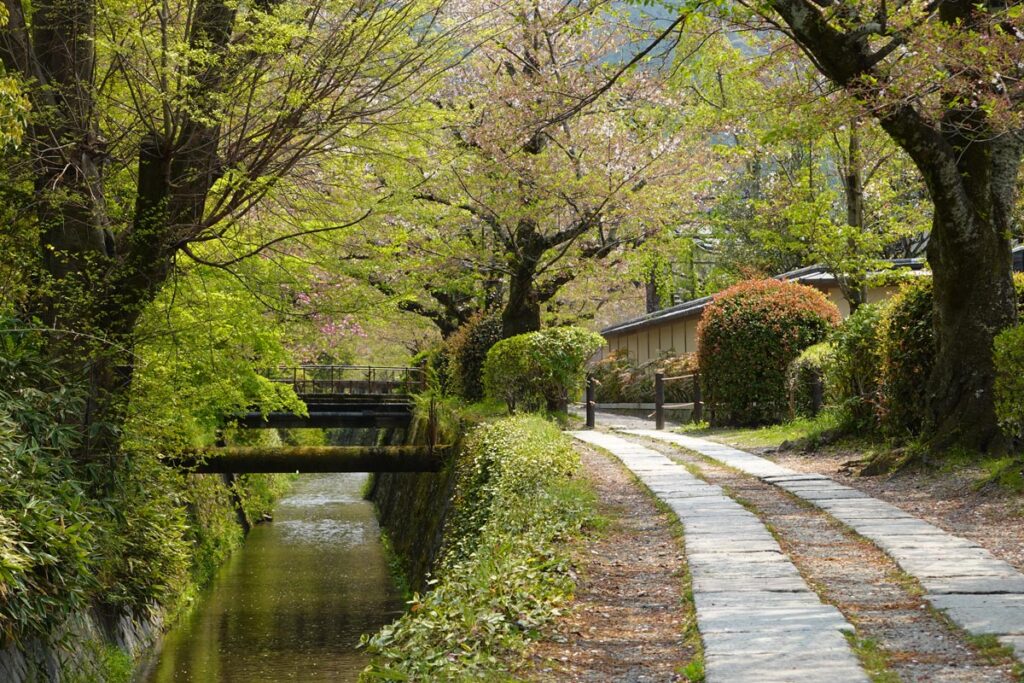
Philosopher's Path
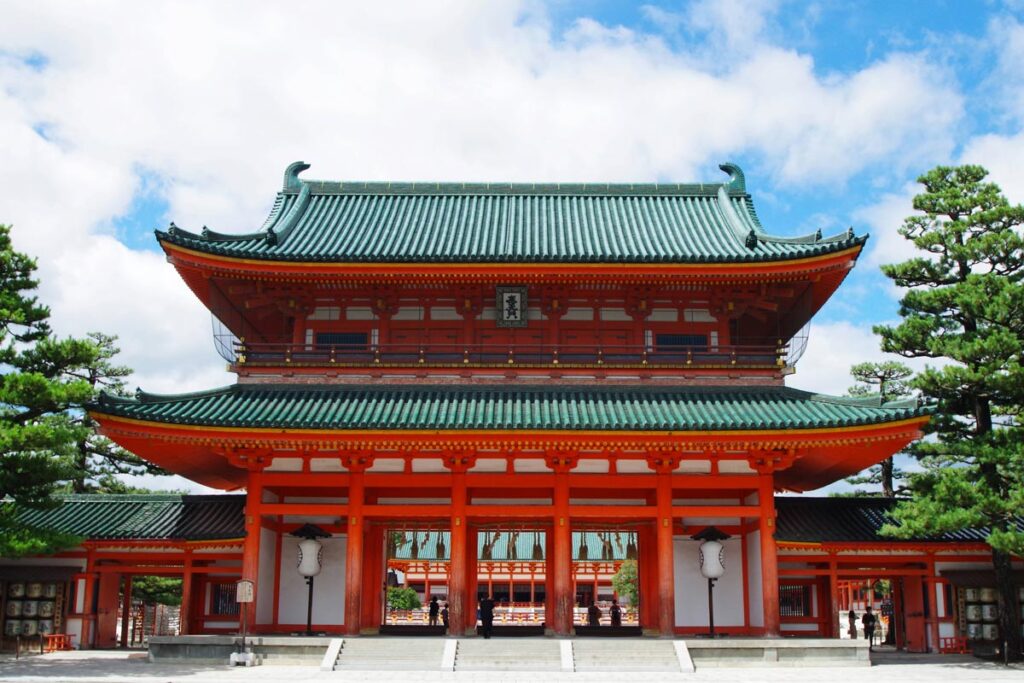
Heian Jingu
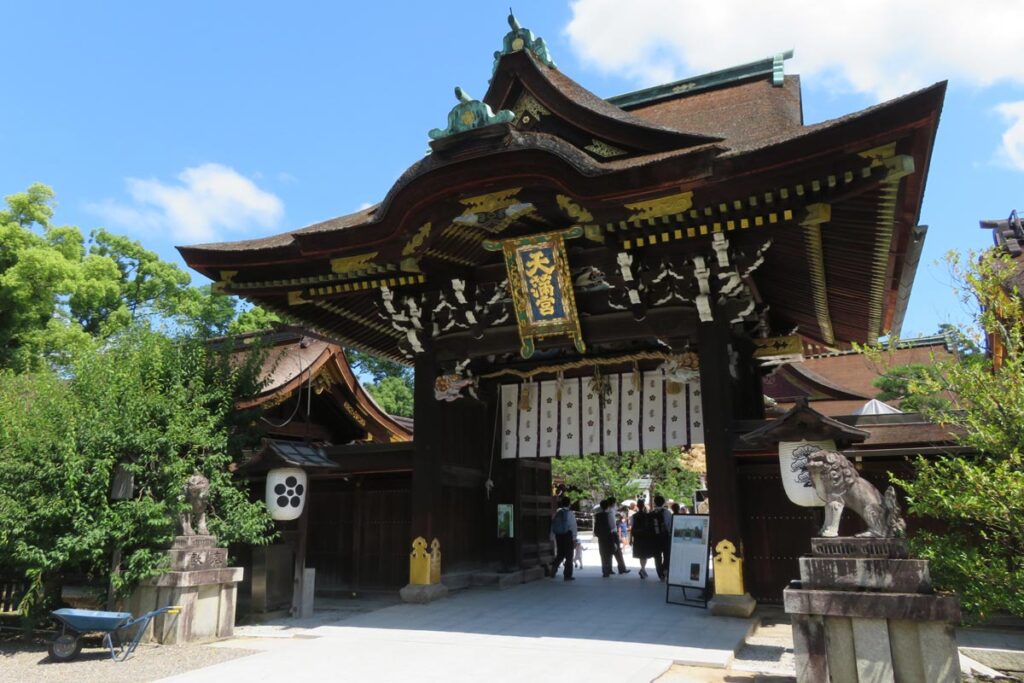
Kitano Tenmangu
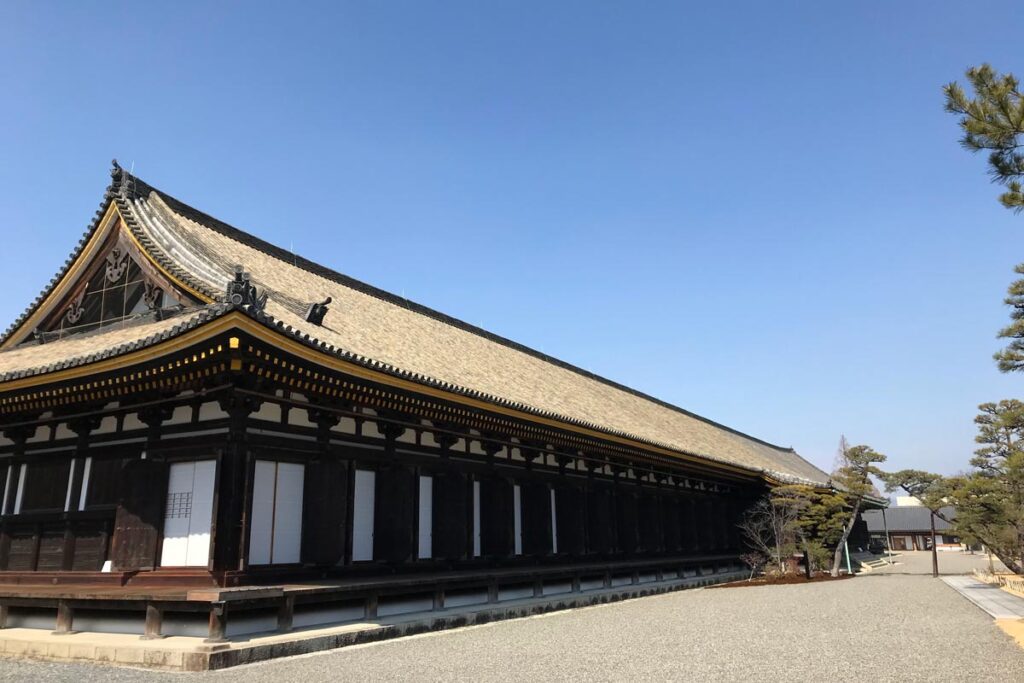
Sanjusangendo
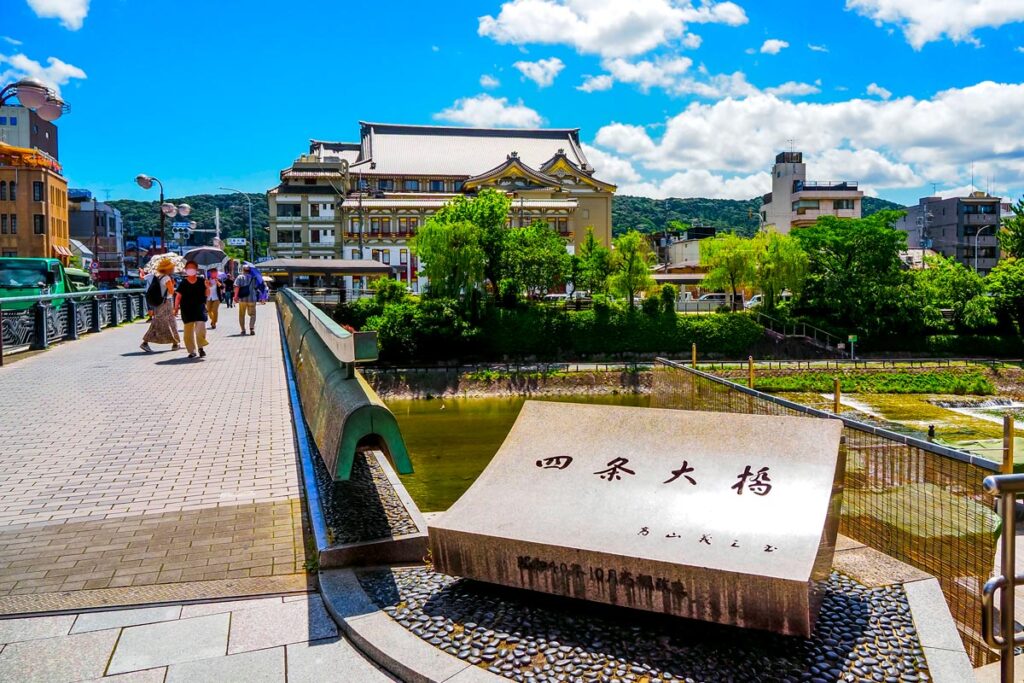
Kamo River
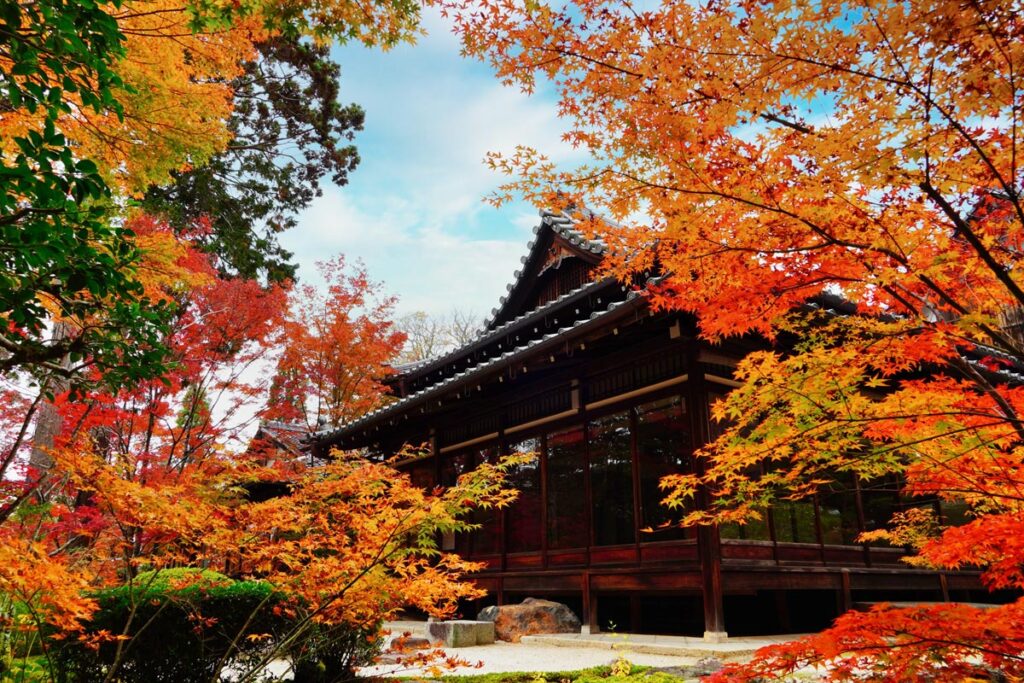
Nanzen-ji
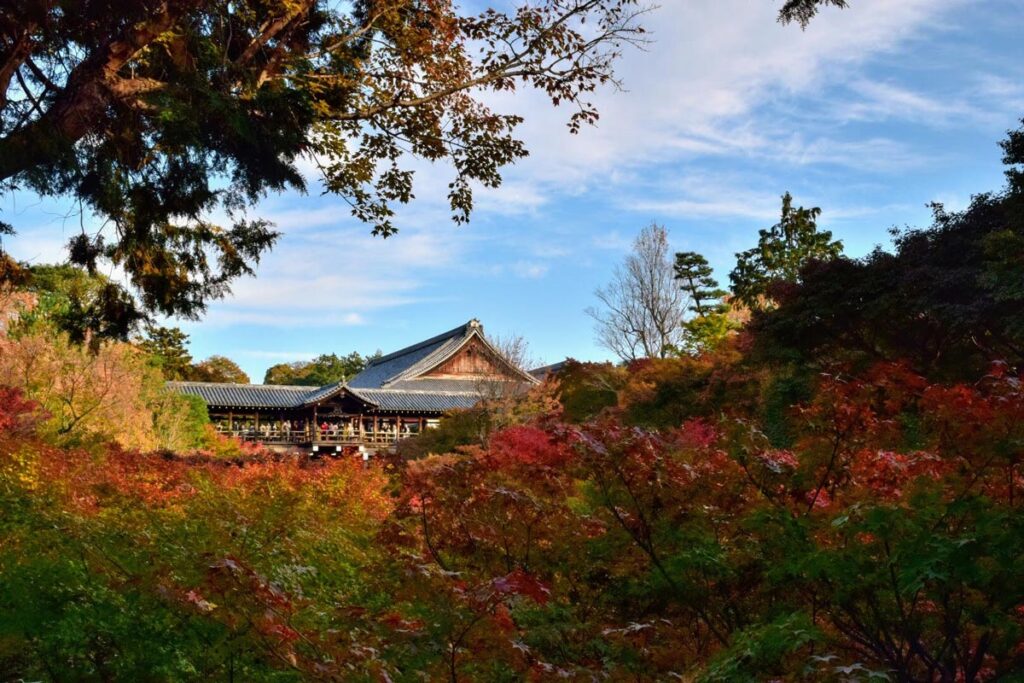
Tofuku-ji
Kyoto International Manga Museum