
Noise Restrictions
Noise Restrictions in Japan: A Practical Guide for First-Time Visitors
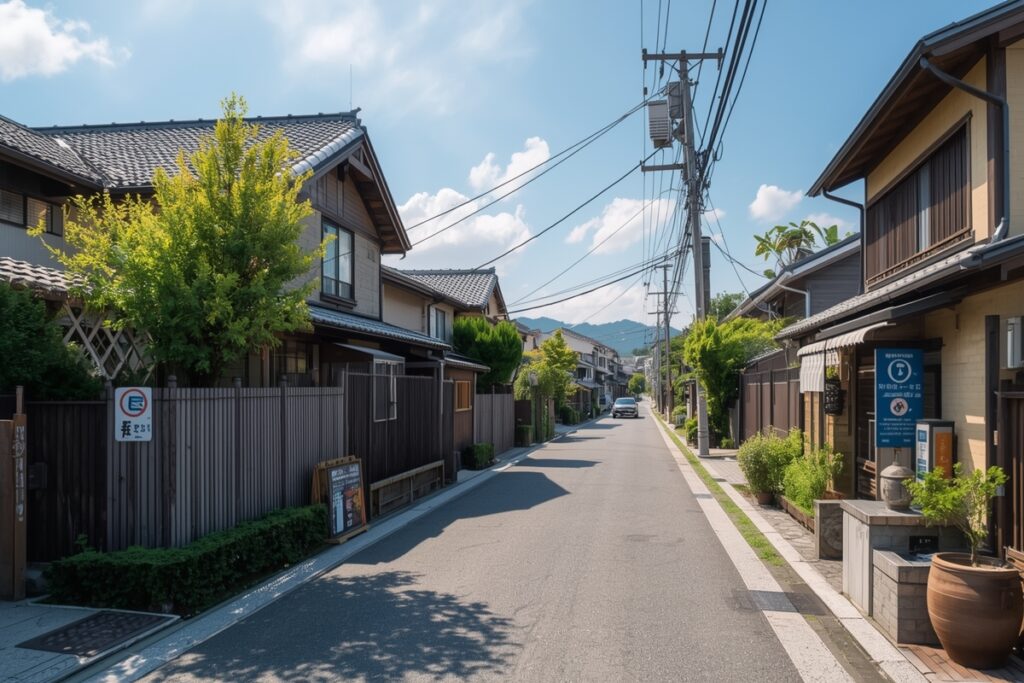
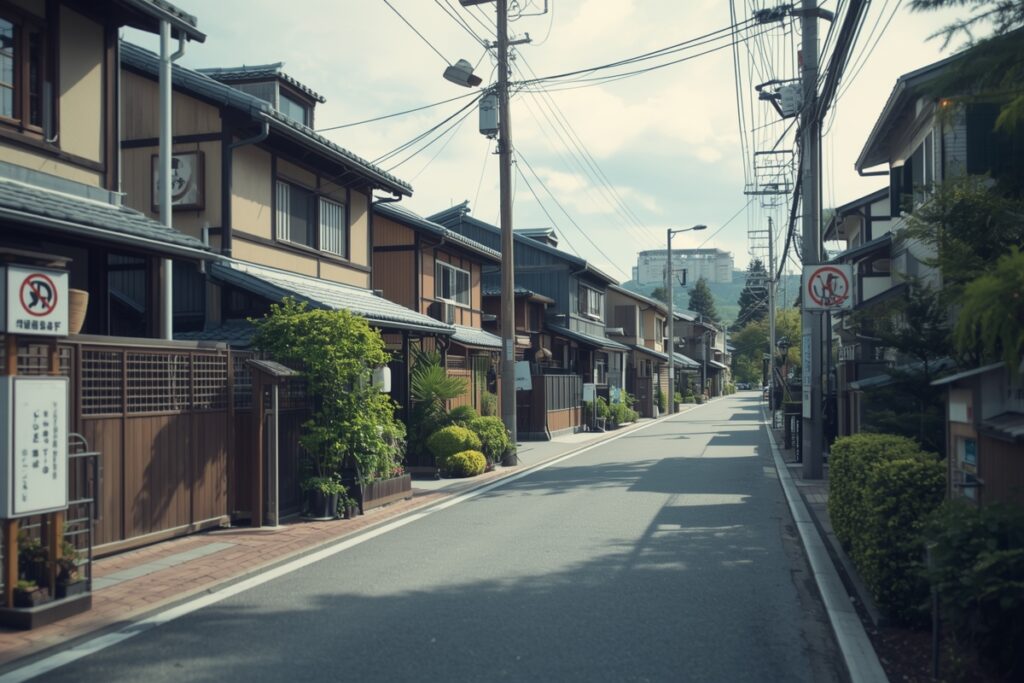
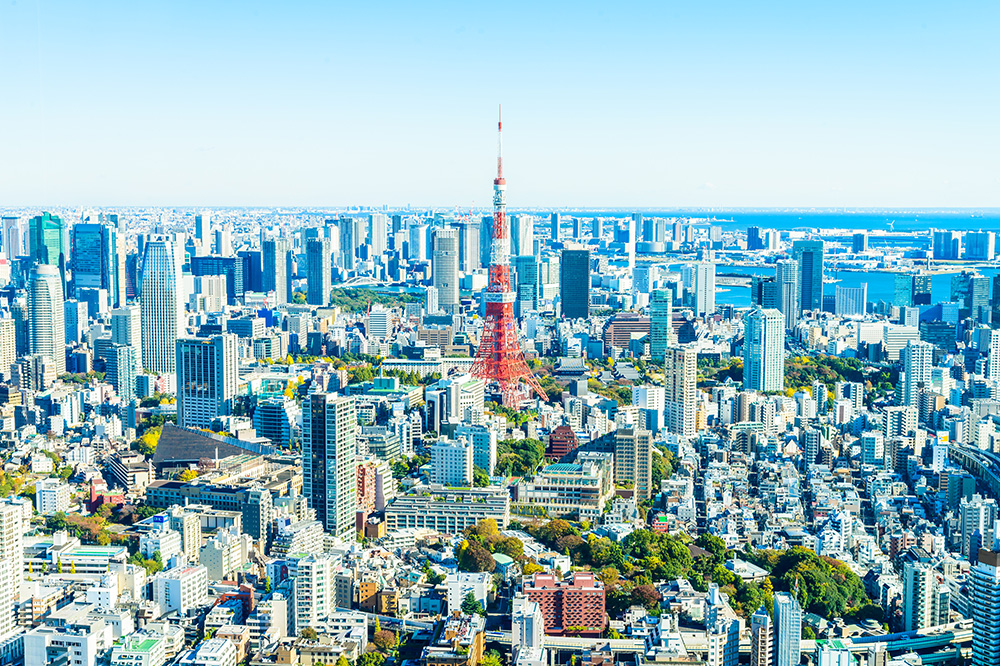
Walk down a side street in Tokyo at night and you may be surprised by how quiet it is. Even in one of the most densely populated countries in the world, Japanese cities often feel hushed compared with many global capitals. This is not an accident. Noise restrictions and an ingrained cultural preference for calm play a major role in daily life across Japan.
If you are visiting Japan for the first time, understanding how noise is regulated and what is considered polite volume can save you from awkward situations, complaints from neighbors, or even a knock on the door from hotel staff. This guide explains the basics of noise restrictions in Japan, how they affect tourists, and how to enjoy your trip while respecting local expectations.
Why Japan Is So Quiet: Culture Meets Regulation
Japanese noise rules are partly legal and partly cultural. While the government sets standards for environmental noise, most of the everyday quietness you will notice comes from social expectations built over generations.
The Cultural Value of Not Disturbing Others
In Japan, being considerate of other people is a central social norm. The idea of meiwaku o kakenai roughly means “don’t cause trouble or inconvenience to others.” Noise is a visible (or rather audible) form of inconvenience, especially in densely packed cities with thin walls and compact apartments.
Because of this, many Japanese people are extremely sensitive to sound that might disturb neighbors or strangers. Laughter is fine, but shouting, loud music, and raised voices are generally frowned upon, especially at night or in residential areas. This attitude carries into trains, restaurants, hotels, and even streets.
Legal Noise Standards in Japan
Japan has a national framework for noise control, often implemented through local ordinances. Municipalities can set maximum decibel levels for different zones: residential, commercial, and industrial. Strict limits often apply in the early morning and late at night.
For travelers, you won’t see signs listing decibel numbers, but you will encounter rules such as “No loud noise after 10 p.m.” at apartment-style accommodations, or restrictions on outdoor music and parties. Even when rules aren’t posted in English, staff may remind guests verbally or via written notes in their rooms to keep noise down.
Noise Expectations in Different Situations
To navigate Japanese noise etiquette smoothly, it helps to understand how expectations change depending on where you are: on a train, in your hotel, or out on the street.
On Trains and Public Transport
Public transportation is one of the quietest spaces in Japan. Commuter trains and subways can be packed, yet most people speak in low voices or not at all. Announcements and door chimes are often the loudest sounds you will hear.
Key points for visitors:
- Phone calls are discouraged: You will often see or hear messages asking passengers to refrain from talking on the phone. If you must take an urgent call, step off the train at the next station and talk on the platform away from crowds.
- Set your phone to silent mode: In Japan, this is called manner mode. Turn off keyboard sounds and loud notification tones.
- Use headphones, but keep volume low: If others can hear the music leaking from your earbuds, it is considered inconsiderate.
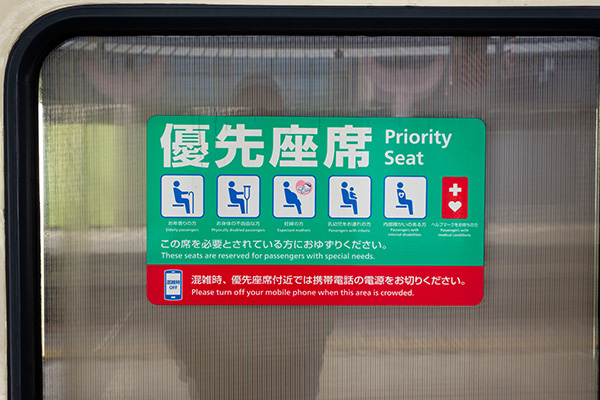
- Priority areas are extra quiet: Near the priority seats, you may be asked to turn off your phone entirely or keep it in airplane mode, especially if people with medical devices are nearby.
In Hotels, Ryokan and Guesthouses
Most international visitors experience noise restrictions most directly through accommodation rules. Japan offers a wide range of stays, from large business hotels to traditional inns and small guesthouses, and each type has its own norms.
Business Hotels and City Hotels
Chain business hotels and mid-range city hotels often have good sound insulation, but noise rules still apply:
- Quiet hours: Many hotels expect guests to be quiet from around 10 p.m. or 11 p.m. until morning. Loud conversations in hallways or slamming doors may result in a polite warning from staff.
- Room gatherings: Hosting a late-night party in your room is strongly discouraged. If neighbors complain, staff may ask you to disperse or lower your voices.
- TV volume: Keep televisions and music at a moderate level, especially late at night or early in the morning.
Traditional Ryokan (Japanese Inns)
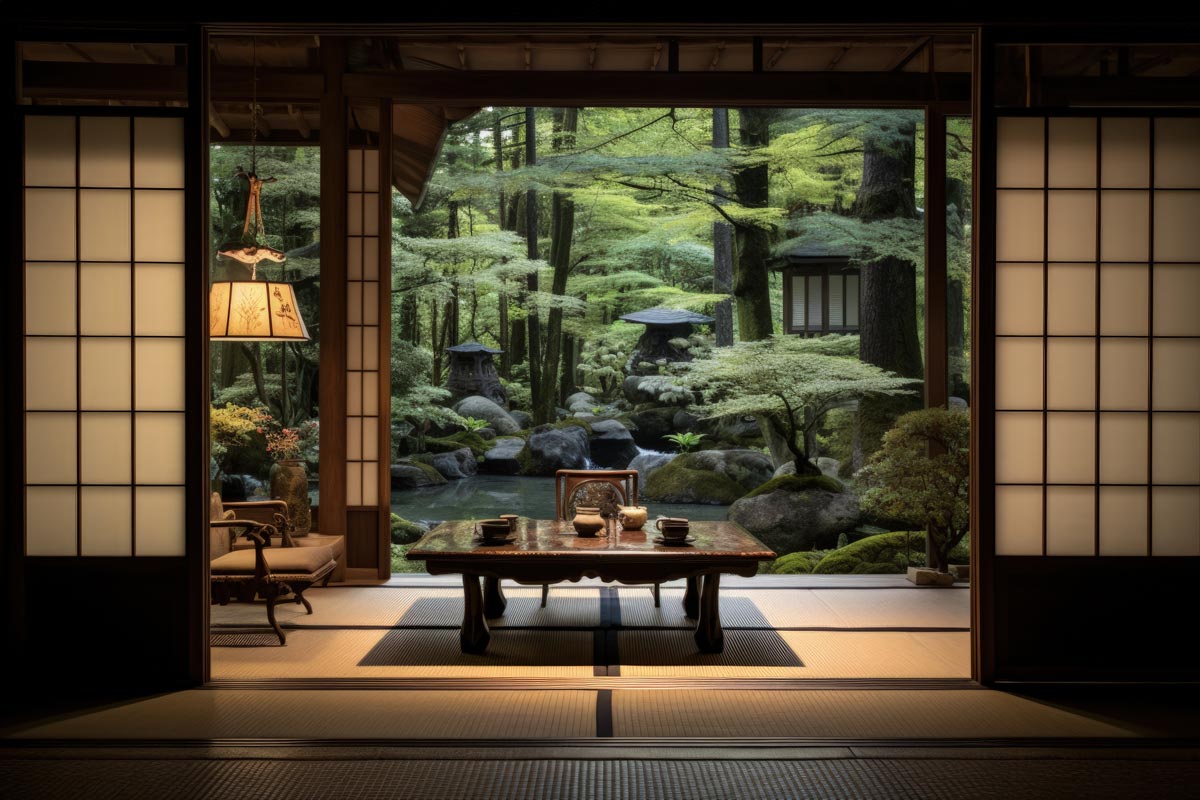
Ryokan often have paper-thin walls and sliding doors made of wood and paper (shoji), which let sound travel easily. Guests are expected to maintain a tranquil atmosphere that matches the inn’s relaxing ambiance.
When staying in a ryokan:
- Speak in moderate tones in your room and corridors.
- Avoid playing music or videos loudly on phones or laptops.
- Respect bath areas and gardens as quiet zones for relaxation.
Minpaku, Guesthouses and Vacation Rentals
Short-term rentals, including those booked via international platforms, are often located in residential buildings where Japanese families live full-time. These properties typically have the strictest noise requirements.
Common rules you may see:
- No loud noise after 10 p.m. or 11 p.m., sometimes even earlier.
- No parties or events allowed at any time.
- Keep windows and balcony doors closed if talking late at night.
- Use indoor voices in hallways and stairwells.
Hosts may be legally required to respond to noise complaints from neighbors. Repeat issues could lead to police involvement or cancellation of your stay, so it is wise to take these rules seriously.
On Streets, in Parks and Residential Areas
While busy entertainment districts in Tokyo or Osaka can get loud, many side streets and residential neighborhoods are almost silent at night. Noise restrictions in these areas protect residents’ right to rest.
Things to keep in mind:
- Avoid shouting or singing in the street at night, even if you see people leaving bars or karaoke.
- Keep conversations moderate in volume when walking back to your hotel through residential lanes.
- Outdoor drinking is technically allowed in many places, but being loud while drinking in public can quickly draw complaints.
- Schools, hospitals and temples are especially sensitive areas where loud noise is discouraged even during the day.
How Nightlife Works Within Noise Restrictions
Japan’s nightlife is energetic, but often more contained and soundproofed than in many other countries. Bars, clubs and karaoke boxes are designed to keep the noise inside and the street relatively quiet.
Karaoke and Bars
Karaoke boxes, a staple of Japanese nightlife, are built around private rooms with thick doors and walls to prevent sound from escaping. Inside, you can sing loudly to your heart’s content, but once you step back into the hallway or onto the street, you are expected to switch back to quiet mode.
Similarly, many bars and izakaya (Japanese-style pubs) make an effort to contain noise. Doors are often kept closed, and staff may quietly remind guests if the noise level spills out into shared building corridors or staircases late at night.
Street Noise and Late-Night Returns
After an evening out, you will notice that even groups of friends tend to lower their voices when leaving nightlife districts or approaching residential neighborhoods. This is partly habit and partly respect for noise rules.
If you return late to your accommodation:
- Speak softly in the elevator and hallway.
- Close doors gently rather than letting them slam.
- Avoid playing music as you walk or cycling with speakers on.
Typical Quiet Hours and What They Mean for You
Exact quiet hours differ between municipalities and properties, but a few patterns are common across Japan.
General Quiet Hours
As a useful rule of thumb:
- 10 p.m. – 7 a.m.: Treat this as quiet time everywhere, especially in residential areas and accommodations.
- Early mornings (before 8 a.m.): Avoid noisy activities in shared spaces, like dragging suitcases loudly down corridors.
- Midday: Noise is more tolerated, but extremely loud music or shouting can still lead to complaints.
In some tourist destinations, such as ski resorts or beach towns, rules may feel slightly relaxed, but you should still assume quiet hours apply unless clearly told otherwise.
Common Noise Mistakes Tourists Make
Many noise-related issues arise from cultural differences rather than bad intentions. Here are some frequent missteps to avoid.
- Talking loudly on trains: Group conversations at a volume that feels normal elsewhere can seem loud in Japan’s silent train cars.
- Rolling suitcases late at night: Hard wheels on tiled floors or apartment hallways can echo. Carry your luggage if possible or move slowly and carefully.
- Playing music on portable speakers: Using open speakers on trains, in parks, or on streets is generally considered impolite, even during the day.
- Room parties and pre-drinks: Gathering several friends in a small hotel or rental room to drink and talk loudly is one of the fastest ways to attract complaints.
- Banging doors and walls: Doors in older buildings can slam easily. Close them gently and avoid banging luggage against walls.
How Complaints Are Usually Handled
If someone feels you are being too loud, they are unlikely to confront you directly, especially in English. Instead, complaints usually go through an intermediary.
At Hotels and Rentals
In accommodations, neighbors often call the front desk or message the host. Staff may then:
- Call your room or contact you through the booking platform.
- Visit your room and politely ask you to lower the volume.
- In serious or repeated cases, warn that your stay could be terminated.
Most issues are resolved quickly if you apologize and immediately reduce the noise. A simple “Sorry, we’ll be quiet” goes a long way.
In Residential Areas
For noise coming from streets or public places, neighbors may call the local authorities or property management. Police in Japan typically take a low-key approach. If they are involved, they will usually:
- Politely explain that there has been a noise complaint.
- Ask you to move along, end the gathering, or lower your voices.
Interacting calmly and respectfully is essential. Even if you feel you were not very loud, it is better to comply than to argue.
Practical Tips for a Peaceful, Problem-Free Stay
With a bit of awareness, you can enjoy Japan fully without worrying about noise issues. Keep these practical tips in mind.
- Read house rules carefully: Many hotels and rentals provide guidelines about noise, often in English. Take a moment to read them on arrival.
- Assume thin walls: Even modern buildings can transmit sound easily. If you can hear your neighbors, they can hear you.
- Use headphones for late-night entertainment: Watching movies, scrolling social media, or making video calls is best with headphones, especially at night.
- Choose your accommodation type: If you know you will keep late hours, consider a larger hotel in an entertainment district rather than a small rental in a quiet residential area.
- Keep group size in mind: Large groups make more noise naturally. When returning to your hotel, split into smaller groups or walk in single file and speak softly.
- Plan social time in suitable venues: Meet friends in bars, cafes, or karaoke boxes rather than in your room if you expect animated conversation.
Enjoying Japan While Respecting the Quiet
Japan’s reputation for calm streets, hushed train cars and serene neighborhoods is part of what makes it such a pleasant place to visit. Noise restrictions and social expectations work together to create a sense of order and comfort, even in the busiest cities.
By learning how noise is viewed in Japan and making a few small adjustments to your habits, you can blend into the local rhythm, avoid misunderstandings, and show respect to the people hosting you. In return, you will likely discover a side of travel that is increasingly rare in the modern world: the simple pleasure of moving through a vast, vibrant country that still values – and protects – everyday quiet.

List of articles

Public Behavior & Etiquette
Basic manners in public spaces to avoid trouble.
2025年07月14日
Transportation Etiquette
Important rules for using trains and buses politely.
2025年07月14日

Onsen & Religious Site Etiquette
Key rules to follow when enjoying a Japanese onsen.
2025年07月14日

Dining & Food Etiquette
Understanding Japan’s unique noodle-eating custom.
2025年07月14日
Public Behavior & Etiquette
Places where photography is limited or not allowed.
2025年07月14日


Transportation Etiquette
Rules for smoking areas and city restrictions.
2025年07月14日
Public Behavior & Etiquette
Keeping noise low to respect quiet environments.
2025年07月14日
Public Behavior & Etiquette
Sorting trash and following local waste rules.
2025年07月14日