




Ohori Park
Ohori Park Travel Guide: A Lakeside Escape in the Heart of Fukuoka, Japan
Photos are for illustrative purposes only.
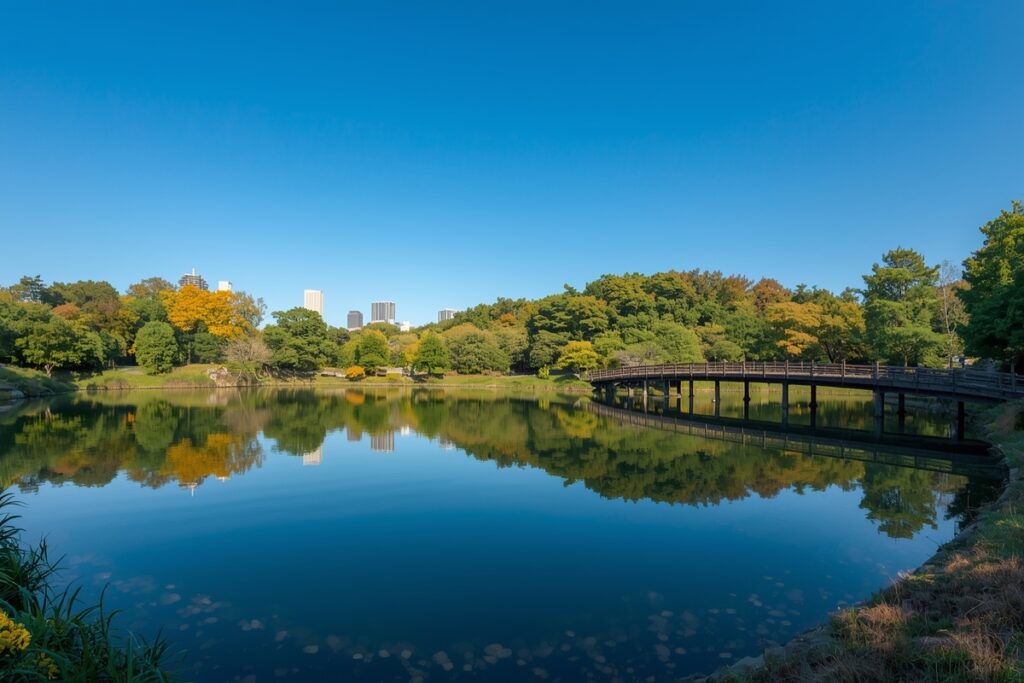
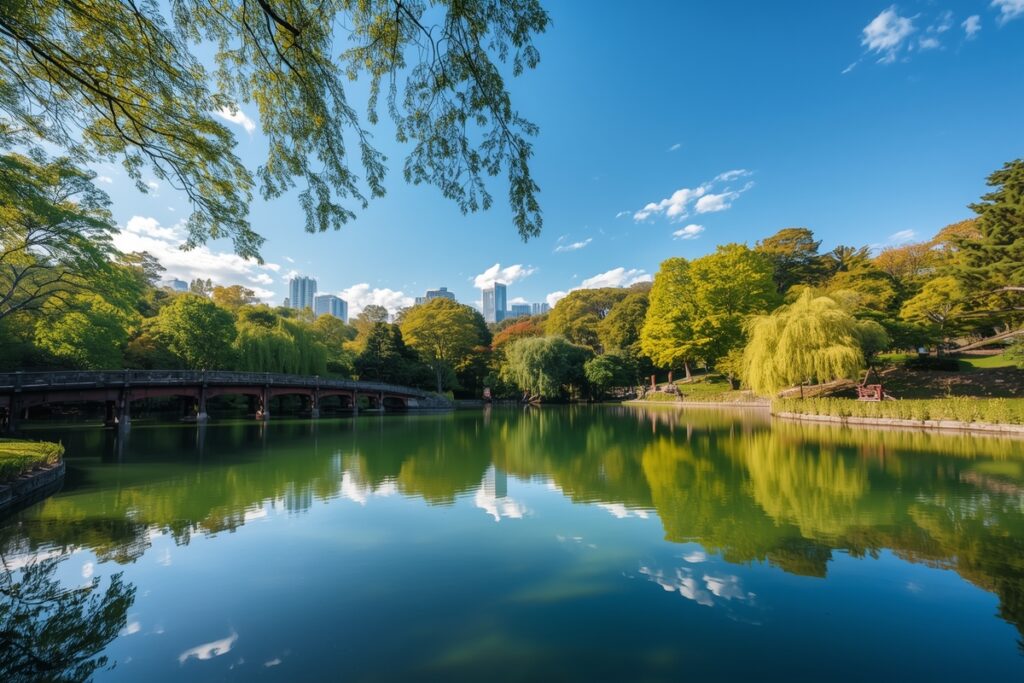
Ohori Park is one of Fukuoka’s most beloved green spaces and a perfect soft landing for first-time visitors to Japan. Centered around a broad, mirror-like lake ringed with walking paths, islands, and footbridges, it blends everyday local life with classic Japanese scenery. You can watch joggers circle the water at sunrise, sip matcha in a traditional garden, and wander over to nearby castle ruins, all without leaving central Fukuoka.
This guide will help you get the most from a visit to Ohori Park, from when to go and what to see, to cultural tips and practical information for international travelers.
What Is Ohori Park?
Ohori Park (Ohori Kōen) is a large public park built around an expansive pond in Fukuoka City, on Japan’s southern Kyushu island. The word ohori means “large moat,” and the lake you see today was once part of the defensive moat system for Fukuoka Castle. Rather than filling it in, the city transformed it into a tranquil garden-style park in the 1920s.
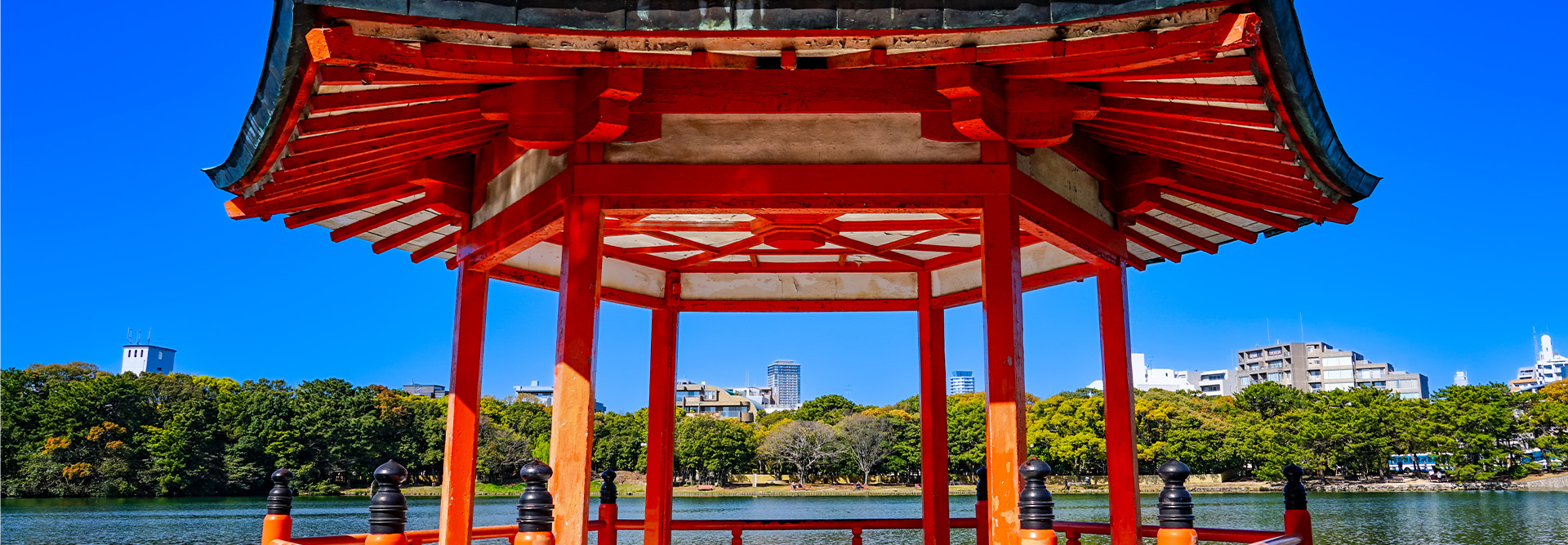
The result feels like a cross between a European city park and a Japanese strolling garden: wide, flat walking paths and lawns alongside stone lanterns, vermilion bridges, and carefully framed views of water and greenery. It’s a favorite spot for locals to jog, walk dogs, take children to the playground, or simply sit on a bench and watch the reflections on the lake.
Why Visit Ohori Park on Your Japan Trip?
For first-time travelers, Ohori Park is a gentle introduction to everyday Japanese life and nature without the crowds of more famous sites. Here’s why it’s worth adding to your itinerary:
1. A Relaxing Break from City Sightseeing
Fukuoka is a lively, compact city known for street food, shopping, and nightlife. After exploring bustling areas like Tenjin or Hakata, Ohori Park offers a soothing contrast. You can easily spend a calm hour or two walking the lakeside loop, watching waterfowl, or simply sitting in the shade of trees.
2. Classic Japanese Garden Scenery
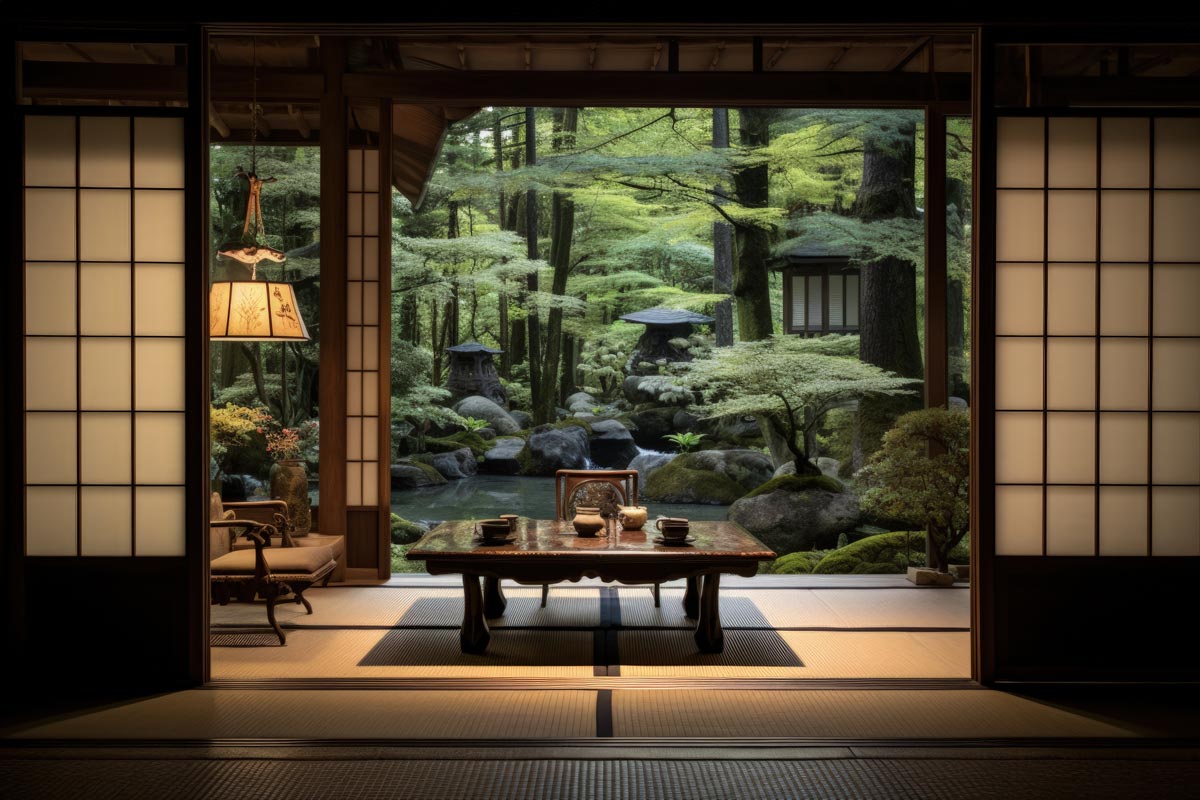
On the park’s northern side is a traditional Japanese garden, complete with manicured pines, raked gravel, stepping stones, and a small tea house. It provides the sort of postcard-perfect vistas many visitors associate with Japan, but in a far less touristed environment than Kyoto’s famous temples.
3. Historic Fukuoka Castle Ruins Next Door
Just across the road lies Maizuru Park, home to the ruins of Fukuoka Castle. Stone walls, gates, and a few restored structures remain, along with panoramic views across the city from higher vantage points. Combined, Ohori Park and the castle ruins create an easy half-day of nature and history.
4. Easy Access and Flat, Barrier-Free Paths
Ohori Park is one of the most accessible green spaces in Japan. There’s a subway station named after it right at the entrance, and the walking circuit around the lake is flat, wide, and suitable for wheelchairs and strollers. Signage is straightforward, and the relaxed atmosphere makes it ideal if you’re still adjusting to Japan’s language and customs.
Best Time to Visit Ohori Park
Ohori Park is open year-round, and each season has its own charm. Your experience will differ depending on when you visit.
Spring (March–May): Cherry Blossoms and Fresh Green
Spring is one of the loveliest times to visit. Cherry trees bloom in late March to early April, especially around nearby Maizuru Park and the castle ruins, which become one of Fukuoka’s main hanami (cherry-blossom viewing) spots. Expect families, students, and office workers gathering under the petals with picnic sheets and bento lunches.
By late April and May, fresh green leaves and mild temperatures make walking or jogging around the lake especially pleasant. Light layers are usually enough.
Summer (June–August): Lush Green and Evening Breezes
Summer in Fukuoka is hot and humid, but Ohori Park’s trees and lake help take the edge off. Mornings and evenings are the most comfortable times to visit, when you’ll see locals exercising or strolling with ice creams in hand. Look for lotus blossoms and dense greenery softening the stone bridges and islands.
Afternoon heat can be intense, so bring water, sunscreen, and a hat. Summer sunsets over the lake can be especially beautiful on clear days.
Autumn (September–November): Colorful Leaves and Clear Skies
From late October to late November, maple and ginkgo trees around the park slowly turn yellow, orange, and red. The reflection of autumn colors in the water creates a classic Japanese seasonal scene, without the overwhelming crowds seen in larger cities.
The air is generally dry and cool, perfect for long, slow walks. It’s a comfortable time to explore both the park and the castle ruins in one outing.
Winter (December–February): Quiet Beauty and Crisp Air
Winter is the quietest season, with bare branches and open views across the lake and towards the city skyline. While it’s less dramatic visually, the atmosphere is calm and contemplative. On clear days, the low winter light gives the water a soft glow, and the paths are peaceful.
Dress warmly, as wind across the water can feel colder than you expect, particularly in the late afternoon.
Top Things to Do in Ohori Park
Walk or Jog the Lakeside Path
The classic activity is to follow the roughly 2-kilometer loop around the lake. The path is well-maintained and mostly level, with distance markers that local runners use for training. Even at a leisurely pace, you can complete the circuit in about 30–40 minutes, longer if you stop for photos or breaks.
Along the way you’ll cross small bridges to reach island lookouts, pass by stone lanterns and reeds, and share the path with joggers, families, and the occasional dog on a walk. This is an excellent way to observe daily life in Fukuoka.
Explore the Traditional Japanese Garden
Located on the park’s northern side, the Japanese garden is a paid area with a modest entrance fee, designed in the style of a strolling garden around a central pond. Inside, narrow paths lead you past sculpted pines, lanterns, mossy stones, and small waterfalls.
The garden emphasizes the Japanese concept of shakkei, or “borrowed scenery,” framing views of trees and water to make the space feel larger and more harmonious with its surroundings. Benches and small rest spots invite you to linger, listen to running water, and watch carp glide through the pond.
Some days, cultural events or tea ceremonies are held in the garden’s tea house. Even if nothing special is happening, the garden itself is a peaceful place to slow down.
Visit the Fukuoka Art Museum
Within the park grounds stands the Fukuoka Art Museum, a low, modern building facing the lake. Inside you’ll find a mix of Japanese and international works, from Buddhist statues and tea ceremony utensils to contemporary art and occasional special exhibitions.
The museum is a welcome option if you encounter rain or mid-day heat. Even if you don’t tour the full collection, the public spaces and café provide a calm, air-conditioned break with views onto the water.
Enjoy a Lakeside Drink or Snack
Several small cafés and kiosks around Ohori Park serve coffee, soft drinks, ice cream, and light snacks. Sitting at an outdoor table with a drink in hand is one of the simplest pleasures the park offers. It’s also an easy, low-pressure way to interact with staff and practice simple Japanese phrases like kōhī o onegaishimasu (coffee, please).
Vending machines dotted around the park dispense bottled tea, water, and soft drinks. They’re convenient if you decide impulsively to extend your walk.
Cross the Islands and Bridges
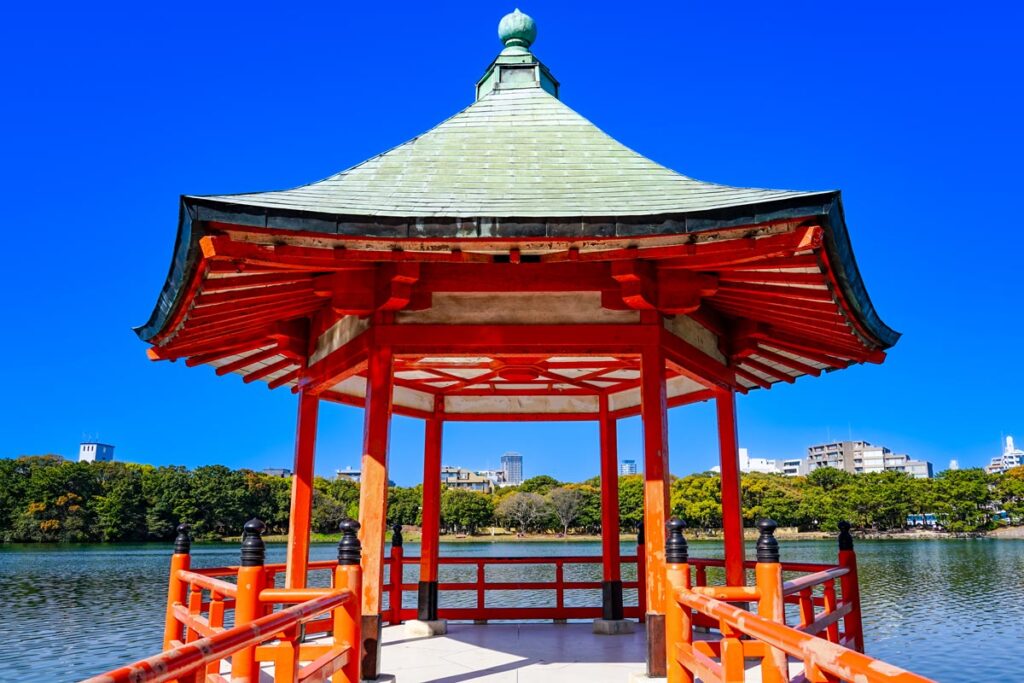
Three small islands dot the center of the lake, connected by narrow bridges that make for especially photogenic viewpoints. The zigzagging paths and stone lanterns on these islands are reminiscent of traditional garden design, giving you a sense of classic Japanese aesthetics while still being in a public, free-to-enter city park.
From the middle of the lake, you can capture panoramic views of the shoreline, trees, and modern city buildings beyond.
Combine Your Visit with Fukuoka Castle Ruins
After exploring Ohori Park, walk a few minutes to Maizuru Park to see the remains of Fukuoka Castle. While the main castle keep no longer stands, you can climb stone stairs, walk along walls, and enjoy wide views of the city and bay. In spring, cherry blossoms transform the castle grounds into one of Fukuoka’s most popular seasonal spots.
Visiting both parks together offers a mini journey through time: from the former castle moat, now a tranquil lake, up to the ruins that once overlooked it.
Cultural Tips for Visiting Ohori Park
Ohori Park is relaxed and welcoming, but a few basic cultural points will help you fit in smoothly with local visitors.
- Respect shared paths: Keep to one side of the walking track to allow joggers and cyclists to pass. If you stop to take photos, step off the main route where possible.
- Keep noise moderate: Lively conversations and children playing are normal, but loud music or shouting is unusual. Many people come here specifically for a peaceful atmosphere.
- Dispose of rubbish properly: Trash bins are limited in Japan. Hold onto your rubbish until you find the correct bin, or take it back to your accommodation.
- Picnics are welcome, but fires are not: Eating snacks or bento on benches or on a picnic sheet is fine, but open flames and barbecues are generally prohibited.
- Observe nature, don’t disturb it: Feeding birds or fish may be restricted; check for signs. Avoid picking flowers or leaves.
How to Get to Ohori Park
Ohori Park is one of the easiest attractions to reach in Fukuoka.
By Subway
The most convenient way is via the Fukuoka City Subway:
- Line: Kūkō Line (Airport Line)
- Station: Ōhorikōen Station
- Walking time: About 1–3 minutes from the station exit to the park entrance
From Fukuoka Airport, you can ride the Kūkō Line directly without transfers. The journey to Ōhorikōen Station typically takes under 20 minutes. From central Hakata Station, it is even shorter.
By Bus
Several city bus routes stop near the park. While buses can be handy if you’re staying nearby, the subway is generally easier for non-Japanese speakers due to clearer signage and station announcements.
On Foot or by Bicycle
If you’re staying in the Tenjin or Daimyo districts, walking or cycling to Ohori Park is straightforward and gives you a feel for Fukuoka’s relaxed residential streets. Bicycle rental shops and some hotels offer rental bikes; just be sure to park only in designated bicycle areas around the park.
Practical Information and Facilities
Opening Hours and Fees
- Ohori Park: The park itself is open at all hours and free to enter.
- Japanese Garden: Usually open during daylight hours with a small entrance fee; hours may vary seasonally.
- Fukuoka Art Museum: Closed some days of the week; check current opening times before visiting.
Because policies can change, consider checking official tourism sites or your hotel concierge for the latest schedules, especially if you plan to visit the garden or museum.
Restrooms and Accessibility
Public restrooms are located at several points around the park. Many are free to use and reasonably well-maintained. The main walking paths are wide and relatively smooth, making them suitable for wheelchairs, strollers, and those who prefer flat terrain.
Food, Drinks, and Nearby Services
You will find:
- Vending machines selling drinks
- Small cafés and snack stands inside or just outside the park
- Convenience stores near Ōhorikōen Station for bento boxes, onigiri (rice balls), and drinks
Convenience store food in Japan is generally fresh and high quality, making it a great option for an impromptu picnic by the lake.
Suggested Itineraries Including Ohori Park
Half-Day Nature and History Walk
- Start at Ōhorikōen Station and enter Ohori Park.
- Walk the lake loop, crossing over at least one of the central islands.
- Visit the Japanese garden for a quieter, more traditional atmosphere.
- Head to the Fukuoka Art Museum if you’re interested in art or need a break indoors.
- Continue on to Maizuru Park to explore the Fukuoka Castle ruins.
Evening Stroll and Dinner
- Arrive in late afternoon as the light softens over the lake.
- Take a leisurely walk around the water, watching locals jog and the city lights appear.
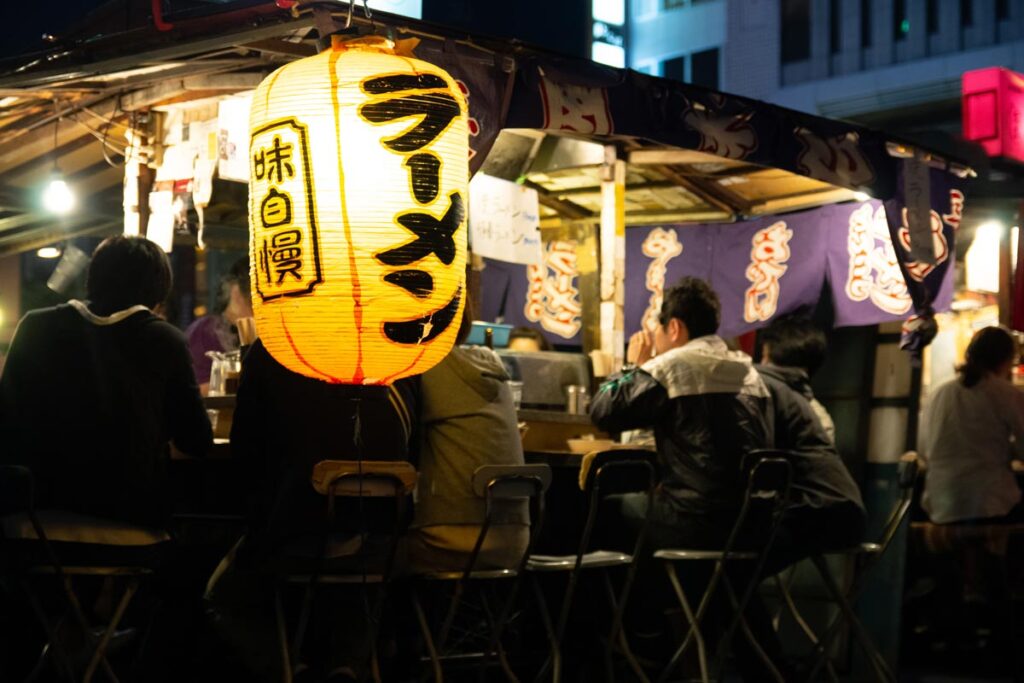
- Return to the subway and head towards Tenjin, Daimyo, or Nakasu for dinner at a local restaurant or one of Fukuoka’s famous yatai (open-air food stalls).
Making the Most of Your Visit
Ohori Park is less about ticking off sights and more about slowing down. Bring a book, pick up a coffee, and sit by the lake. Try a gentle jog if you’re a runner at home and want to experience how locals use their city parks. Let yourself wander without a strict plan—this is where you can feel how Japanese cities balance everyday life with space for reflection.
For first-time visitors to Japan, Ohori Park offers an approachable, calming window into local rhythms. It’s a place where centuries of history have quietly transformed into a modern refuge, and where you can adjust to Japan’s pace surrounded by water, trees, and the steady flow of Fukuoka residents enjoying their day.

Access Map
Recommended spots in Fukuoka
Ohori Park

Fukuoka Tower
Yatai Stalls, Nakasu Kawabata
Top destinations in Kyushu/Okinawa

Okinawa
Kumamoto
Kagoshima