




Oirase Stream
Oirase Stream Japan Travel Guide: Waterfalls, Forest Trails and Seasonal Scenery
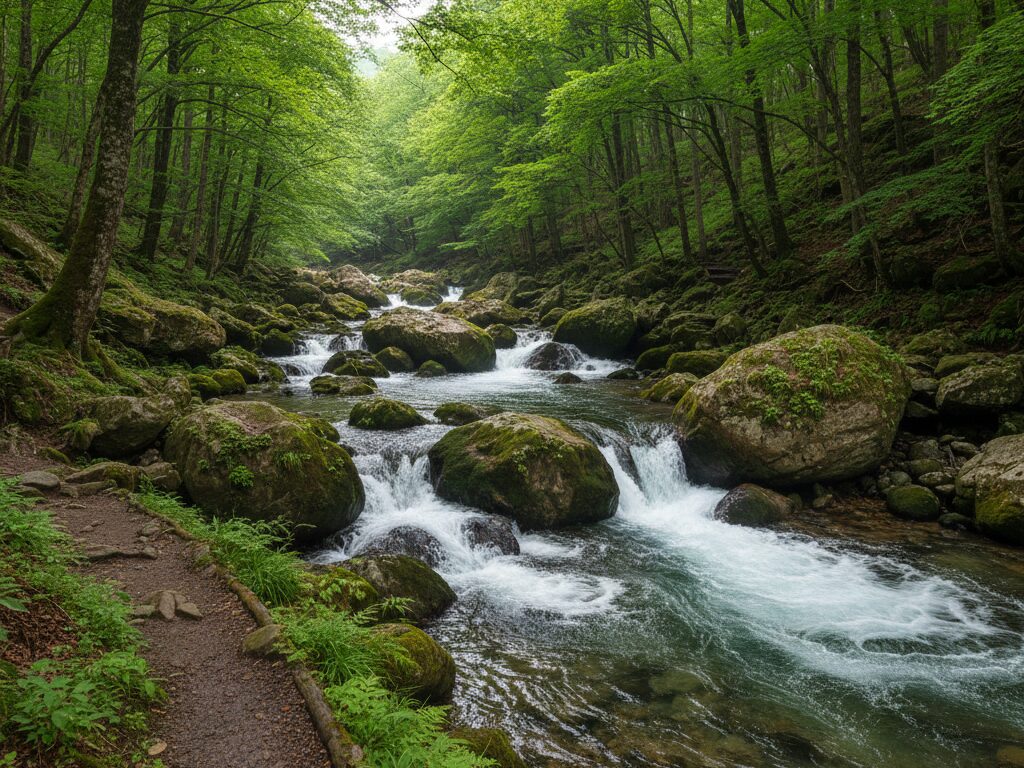
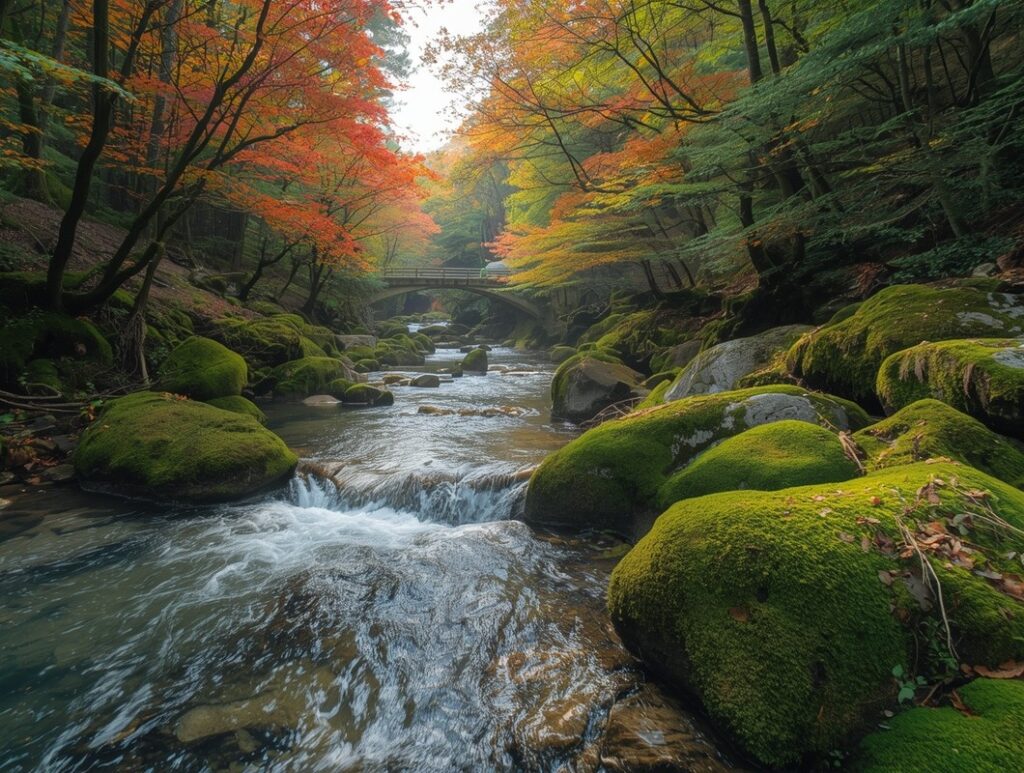
Photos are for illustrative purposes only.
Hidden in the forests of Aomori Prefecture in northern Honshu, Oirase Stream (Oirase Keiryū) is one of Japan’s most beautiful river valleys. Crystal-clear water tumbles over moss-covered rocks, waterfalls spill through a dense beech forest, and a well-maintained trail follows the stream for nearly 14 kilometers. For first-time visitors to Japan who want to go beyond the big cities, Oirase Stream offers an accessible taste of Japan’s wild side without sacrificing comfort and convenience.
Why Visit Oirase Stream?
Oirase Stream is famed across Japan as one of the country’s most picturesque mountain streams. It flows out of Lake Towada, a large volcanic caldera lake on the border of Aomori and Akita Prefectures, and winds its way through a steep, forested gorge. Unlike many popular nature spots that feel overbuilt, Oirase retains a tranquil, almost untouched atmosphere.
For international travelers, Oirase Stream is appealing because it combines:
- Easy access from major hubs like Tokyo via Shinkansen and bus
- Low-difficulty walking on mostly flat, well-marked trails
- Spectacular seasonal scenery from fresh spring greens to fiery autumn leaves
- Comfortable accommodation at onsen hot-spring hotels near the trail
- Cultural depth thanks to nearby Lake Towada and long-standing local traditions
Where Is Oirase Stream?
Oirase Stream lies in central Aomori Prefecture in Japan’s Tohoku region, about 3–4 hours north of Tokyo by train and bus. The stream runs between Lakeside Yasumiya on the eastern shore of Lake Towada and the Yakeyama area downstream, where the valley opens up.
The most scenic stretch lies between Neputa Falls near Yakeyama and Kumoi Falls closer to the lake, but in practice almost the entire river walk offers beautiful views of cascades, rapids and dense forest.
Best Time to Visit Oirase Stream
Oirase is stunning in every season, but your experience will differ dramatically depending on when you go.
Spring: Fresh Green and Snowmelt
From late April to early June, the valley wakes up after a long northern winter. Snowmelt swells the stream, making the rapids and waterfalls especially powerful. The forest is a vivid, almost neon green as beech and maple leaves unfurl. Temperatures are cool and comfortable, and crowds are lighter than in autumn.
Summer: Cool Forest Escape
July and August in Japan can be hot and humid, but Oirase’s shaded gorge stays pleasantly cool. The dense canopy filters the sunlight, and mist from the waterfalls hangs in the air. This is a good season for families and casual hikers, as walking conditions are easy and services are fully operating. Late summer can bring rain, so pack a light shell and waterproof shoes.
Autumn: Legendary Fall Foliage
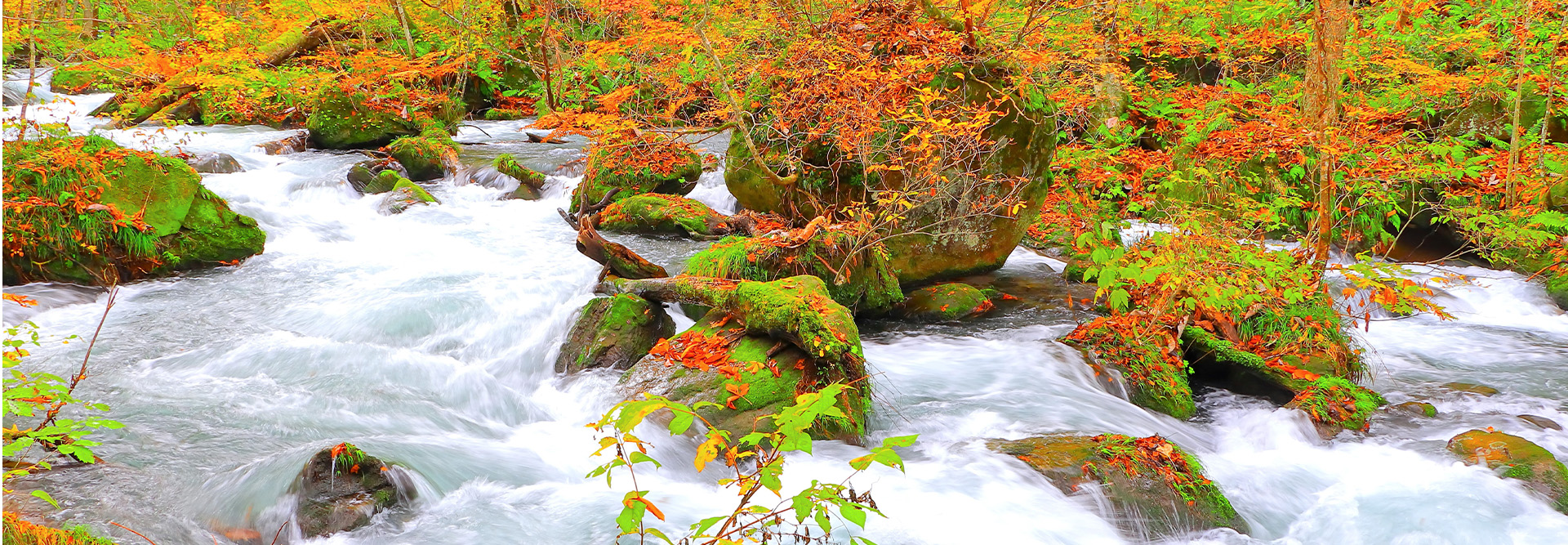
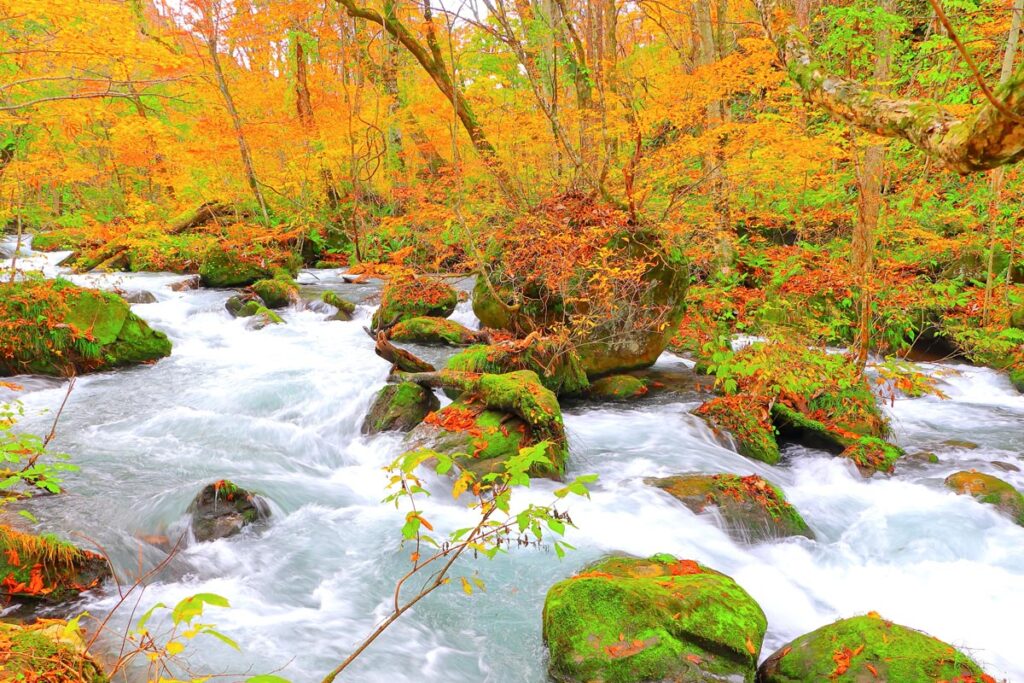
Mid-October to early November is the peak Oirase experience. The forest explodes into shades of gold, crimson and orange. Maples, rowans and beeches create layered color above the emerald stream and white ribbons of waterfalls. This is one of Tohoku’s most famous autumn foliage spots, so expect buses and trails to be busy, especially on weekends. Book accommodation well in advance.
Winter: Deep Snow and Quiet
From December to March, heavy snow blankets the valley. Sections of the trail may be closed or require snowshoes, and public transport is more limited. For most first-time visitors to Japan, Oirase is better visited between late April and early November, but winter does have its own quiet, mystical beauty if you’re prepared and traveling with a guide or staying at a local hotel that can advise on conditions.
How to Get to Oirase Stream
From Tokyo
The most convenient approach is via the Tohoku Shinkansen:
- Take a Tohoku Shinkansen from Tokyo or Ueno Station to Hachinohe (about 2.5–3 hours). Many trains are covered by the Japan Rail Pass and JR East Pass.
- From Hachinohe Station, transfer to the JR Bus Tohoku “Oirase” or “Towadako” bus bound for Lake Towada (about 1.5–2 hours). Buses stop at multiple points along Oirase Stream.
Alternatively, you can travel via Aomori Station or Shin-Aomori Station and take a highway bus to Lake Towada, but coming through Hachinohe generally offers more frequent connections to the stream.
Key Bus Stops Along the Stream
Bus stops are clearly marked in both Japanese and English, and the driver will usually announce major scenic points. Important stops include:
- Yakeyama: Entrance to the Oirase valley, visitor facilities and parking
- Oirase Keiryū Onsen: Onsen hotels and a good starting or ending point for walks
- Ashura-no-Nagare: One of the most-photographed rapids along the stream
- Kumoi-no-Taki and other waterfall stops: Access to short side paths to falls
- Yasumiya: Lakeside town area on Lake Towada, with hotels, restaurants and boat cruises
Suica and other IC cards are not always accepted on intercity buses in rural Tohoku, so carry cash and check bus timetables in advance. In peak seasons, some services require or recommend reservations.
Walking and Hiking Along Oirase Stream
One of Oirase’s biggest advantages is that you can enjoy it at your own pace. The full walking route between Yakeyama and Yasumiya is about 14 kilometers and takes 4–5 hours at a leisurely pace, but you do not need to walk the entire length to appreciate the scenery.
The Oirase Stream Trail
A mostly flat, well-maintained trail runs parallel to the stream and the road. In many sections, the walking path is tucked between the river and the road, with enough trees and undergrowth to keep traffic noise to a minimum. Bridges and boardwalks allow you to cross side streams and view cascades from different angles.
The path is suitable for anyone with basic fitness. You will encounter occasional tree roots, uneven stones and potentially muddy spots after rain, so sturdy walking shoes are recommended. Families with school-age children can comfortably walk some of the shorter sections.
Suggested Walking Routes for First-Time Visitors
If you have a full day, a popular option is:
- Take the bus to Yasumiya, enjoy the lakeside view, then walk downstream along the trail for 2–3 hours.
- Exit the trail at a convenient bus stop (for example, near Ashura-no-Nagare or Oirase Keiryū Onsen) and ride the bus back to your accommodation or to Hachinohe.
For a shorter visit of half a day, focus on the most scenic central section:
- Ride the bus to a midstream stop such as Ashura-no-Nagare.
- Walk upstream or downstream for 60–90 minutes, then turn back or continue to the next bus stop.
Trail signage is clear, and there are occasional toilets and rest areas along the route, but services are limited once you leave the main bus stops. Carry water and snacks, especially if traveling with children.
Highlights and Photo Spots
As you follow the stream, you will encounter countless small cascades, mossy boulders and overhanging trees. Among these, certain spots are especially famous for their beauty.
Ashura-no-Nagare
This dynamic stretch of rushing water, known as Ashura Rapids, is one of Oirase’s signature views. The stream splits and tumbles around large rocks, framed by leaning trees and lush moss. In autumn, the multicolored foliage reflected in the water makes this a must-stop photo spot.
Waterfalls: Chōshi-Ōtaki and Others
Oirase is dotted with numerous waterfalls that pour in from the valley walls. The most famous is Chōshi-Ōtaki, a broad curtain of white water about 7 meters high that spans the entire stream. Mist from the falls nourishes the surrounding moss and ferns, creating a vivid green amphitheater in spring and summer, and a dramatic contrast with red leaves in autumn.
Smaller falls such as Kumoi-no-Taki, Shiranuno-no-Taki and Tomoshiraga-no-Taki can be reached by short side paths from the main trail or bus stops. Allow extra time to explore these spurs if you enjoy photography.
Forest Atmosphere
Part of Oirase’s charm lies not only in specific spots but in the overall mood of the valley. The trail passes through a mixed forest of beech, maple, oak and conifers, with a thick undergrowth of ferns and shrubs. In many sections, moss carpets fallen logs and tree roots, giving the landscape a fairy-tale feel. Birdsong and the constant murmur of the stream form a natural soundscape that can feel a world away from Japan’s busy cities.
Nearby Lake Towada
Many visitors combine Oirase Stream with a visit to Lake Towada, which marks the upstream end of the valley. The lake occupies a huge double caldera formed by volcanic eruptions thousands of years ago. Sheer, forested cliffs rise from deep-blue water, and in autumn the slopes blaze with color.
The lakeside settlement of Yasumiya is the main hub, offering hotels, ryokan inns, souvenir shops and restaurants serving local trout and regional dishes. From here you can:
- Take a scenic boat cruise to view the lake’s cliffs and coves
- Visit the bronze statues of two maidens, a famous local landmark created by sculptor Kotaro Takamura
- Start or finish your walk along Oirase Stream
Staying a night at Lake Towada or along Oirase allows you to experience the early morning and late afternoon light, when the valley is quieter and the atmosphere more magical.
Onsen and Accommodation
After a day of walking, soaking in a hot spring bath is one of Japan’s great pleasures. The Oirase Keiryū Onsen area and the surroundings of Lake Towada host traditional ryokan and modern hotels, some with open-air baths overlooking forested hills. Expect the usual onsen etiquette: wash thoroughly before entering the shared bath, keep towels out of the water and bathe nude in gender-separated pools unless a private bath is specifically offered.
Rooms typically range from traditional tatami rooms with futons and sliding doors to Western-style rooms with beds. Dinner plans often feature seasonal local ingredients—river fish, mountain vegetables and Aomori rice. Booking a stay that includes dinner and breakfast is recommended in this rural area, as dining options can be limited after dark.
Practical Tips for Visiting Oirase Stream
- Clothing: Wear layered, quick-drying clothing and sturdy shoes. Even in summer, forest shade and river breezes can feel cool.
- Weather: Rain is common in mountainous Tohoku. A compact umbrella or light rain jacket is useful.
- Cash: Rural buses, small cafes and some inns may not accept credit cards or IC cards. Bring enough yen for transport and small purchases.
- Language: Basic English is spoken in some hotels and visitor centers, but less so at small shops or bus stops. Carry written addresses and timetables, or use an offline translation app.
- Safety: The trail is not dangerous, but watch for slippery stones and roots, especially after rain or in late autumn when leaves cover the ground.
- Etiquette: Keep noise low, do not litter and stay on marked paths to protect the fragile moss and undergrowth.
- Wildlife: You may see birds, squirrels and insects. Bears exist in the wider region but are rarely encountered along the main tourist trail. Local notices will advise if there are any concerns.
Suggested Itineraries Including Oirase
Two-Day Tokyo to Oirase Escape
Ideal for first-time visitors who want to add nature to a Tokyo-based trip:
- Day 1: Morning Shinkansen to Hachinohe, bus to Oirase Keiryū Onsen, afternoon walk to Ashura-no-Nagare, stay in an onsen hotel.
- Day 2: Bus to Yasumiya, boat cruise on Lake Towada, lakeside lunch, afternoon bus back to Hachinohe and Shinkansen to Tokyo.
Three-Day Tohoku Nature and Culture
For travelers exploring more of northern Japan:
- Day 1: Travel to Aomori City or Hachinohe, explore local markets and museums, stay overnight.
- Day 2: Bus to Oirase, walk 3–4 hours along the stream, stay by Lake Towada or at an onsen.
- Day 3: Morning at Lake Towada, then continue south to Morioka or Sendai, or return to Tokyo.
Is Oirase Stream Right for Your First Trip to Japan?
Many first-time travelers focus on Tokyo, Kyoto and Osaka, but adding a few days in Tohoku can give you a more complete picture of Japan. Oirase Stream is particularly suitable if you:
- Enjoy walking and photography
- Want to experience onsen culture in a natural setting
- Prefer quieter, less urban destinations
- Are visiting in spring or autumn and hope to see seasonal scenery
With good public transport connections, gentle trails and comfortable accommodation, Oirase Stream is an inviting introduction to rural Japan. Standing beside its clear waters, listening to the constant rush of the river and the rustle of leaves overhead, you may find the contrast with Tokyo’s neon streets to be exactly what you were hoping for in your journey through Japan.

Access Map
Recommended spots in Aomori

Nebuta Museum
Wa Rasse
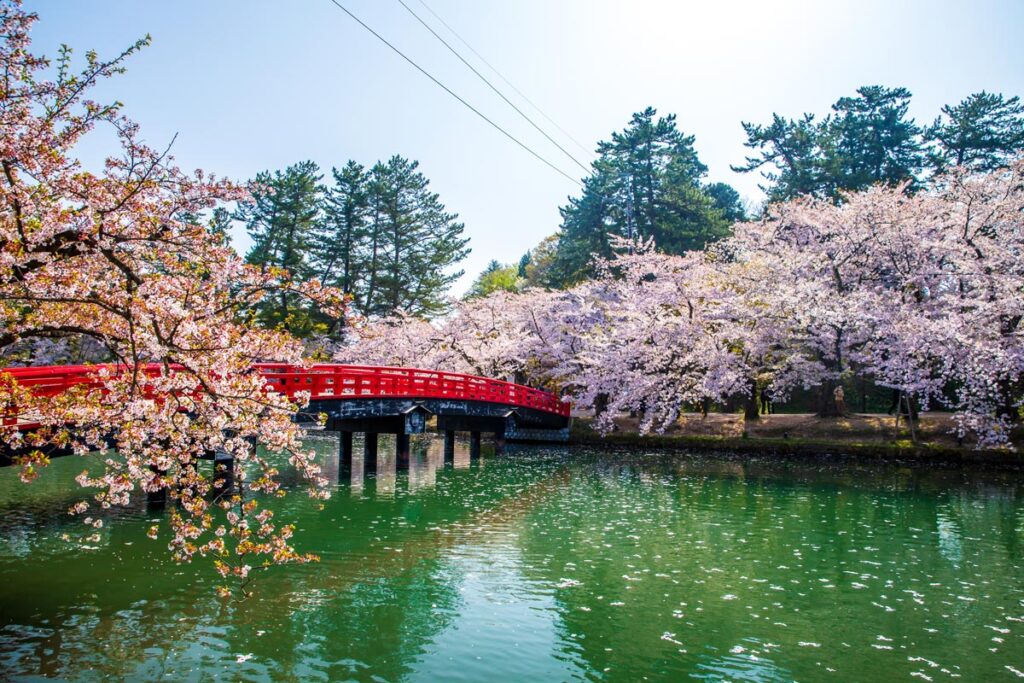
Hirosaki Park
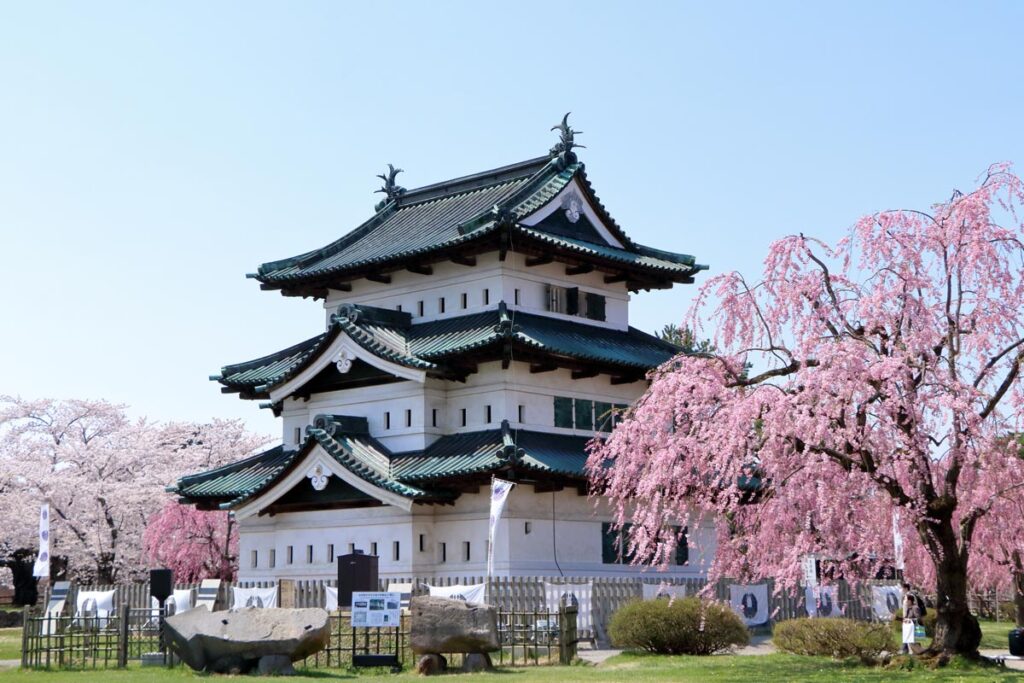
Hirosaki Castle
Tsugaru Neputa Village
Oirase Stream
Top destinations in Hokkaido & Tohoku
Hokkaido
Iwate
Fukushima