

Okayama
Okayama Travel Guide for First-Time Visitors to Japan
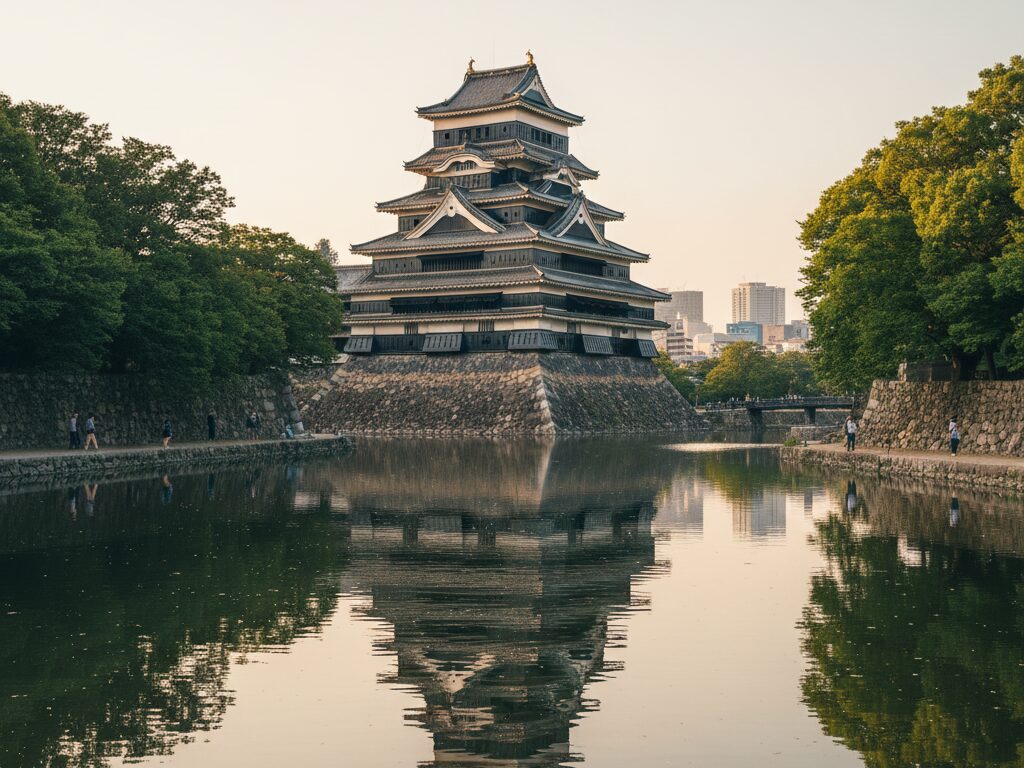
Photos are for illustrative purposes only.
Okayama is often called the “Sunny Country” of Japan, and for good reason. With mild weather, spacious streets, and a relaxed atmosphere, this mid-sized city in western Honshu makes an ideal stop between Osaka, Hiroshima, and Shikoku. For first-time visitors to Japan, Okayama offers a softer, less crowded introduction to Japanese culture while still delivering the classic highlights: a black castle, one of Japan’s top gardens, historic districts, and memorable local food.
Why Visit Okayama on Your Japan Trip?
Many international travelers race from Tokyo to Kyoto and Hiroshima, missing the quieter cities in between. Okayama rewards those who slow down. The city is a major stop on the Sanyo Shinkansen line, meaning it is easy to access, yet its sights are rarely overwhelmed by tour groups.
Okayama is particularly appealing for first-time travelers because:
- Simple transport: Most major sights cluster around Okayama Station or are a short tram or train ride away.
- Manageable scale: The city is compact and walkable, offering a gentler introduction to Japanese urban life than Tokyo or Osaka.
- Classic cultural icons: Beautiful gardens, a reconstructed black castle, historic merchant districts, and local crafts are all here.
- Great base for day trips: You can easily reach Kurashiki, Naoshima, and even Hiroshima from Okayama.
Top Attractions in Okayama City
Okayama Korakuen Garden
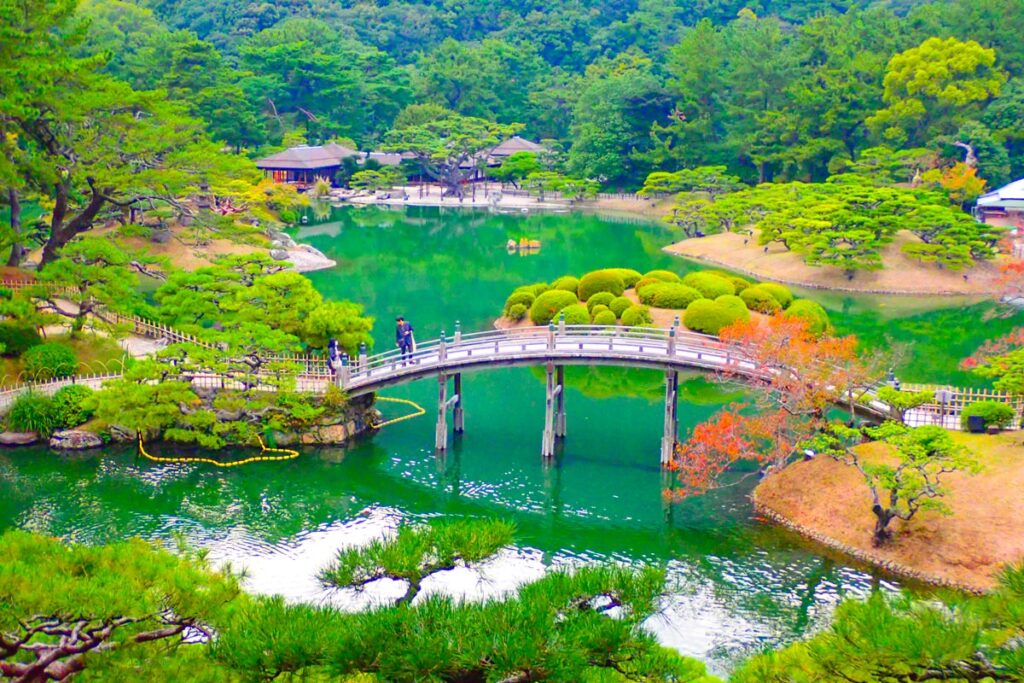
Korakuen is consistently ranked among Japan’s three most beautiful landscape gardens, alongside Kenrokuen in Kanazawa and Kairakuen in Mito. Completed in the early 18th century for the Ikeda feudal lords, it was originally a private retreat for samurai elites before being opened to the public.
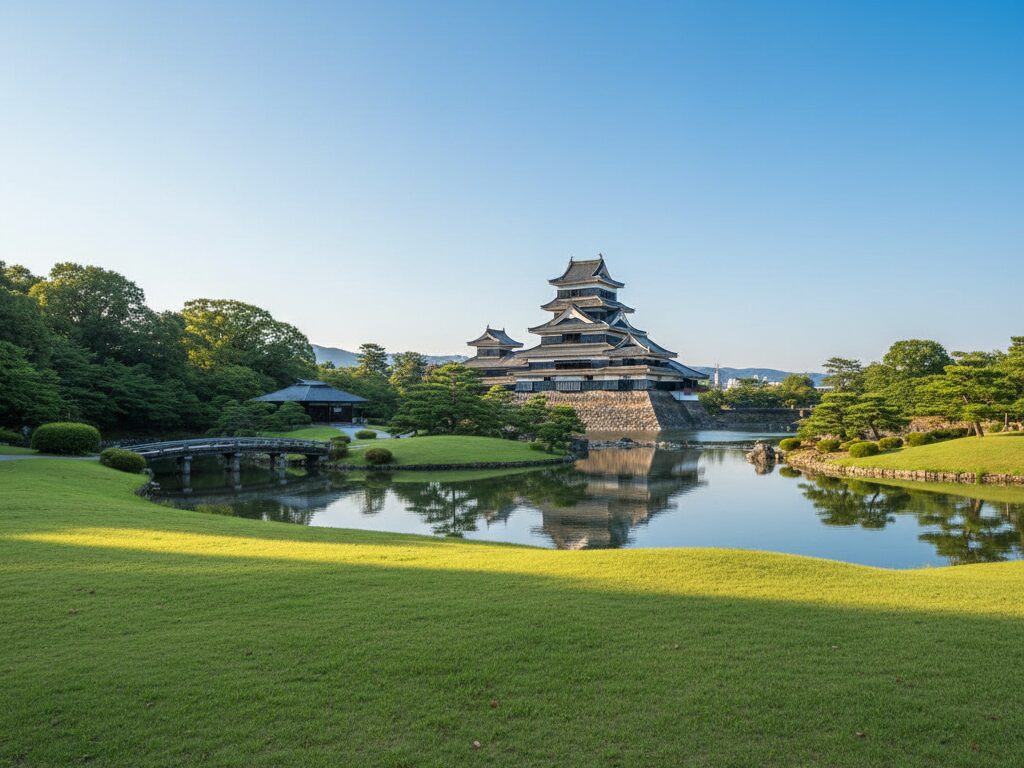
Unlike the dense, enclosed feeling of some Japanese gardens, Korakuen is surprisingly spacious. Wide lawns, meandering streams, tea houses, and carefully placed viewpoints create a sense of openness. From many angles, you can see Okayama Castle rising just across the river, a dramatic black contrast to the greenery.
Seasonal highlights:
- Spring: Cherry blossoms line the outer areas of the garden. It is a popular local spot for hanami (flower viewing) picnics.
- Summer: Lush green rice paddies within the garden showcase Japan’s agricultural heritage.
- Autumn: Japanese maple and ginkgo trees turn vivid red and gold, especially beautiful in the late afternoon light.
- Winter: On clear days, the minimal landscaping and pale grass have a tranquil, almost painterly quality.
Plan to spend at least 1–2 hours wandering the paths. Small signs in English explain historical features, and you will find tea houses where you can sit down for a bowl of matcha with a view.
Okayama Castle: The “Crow Castle”
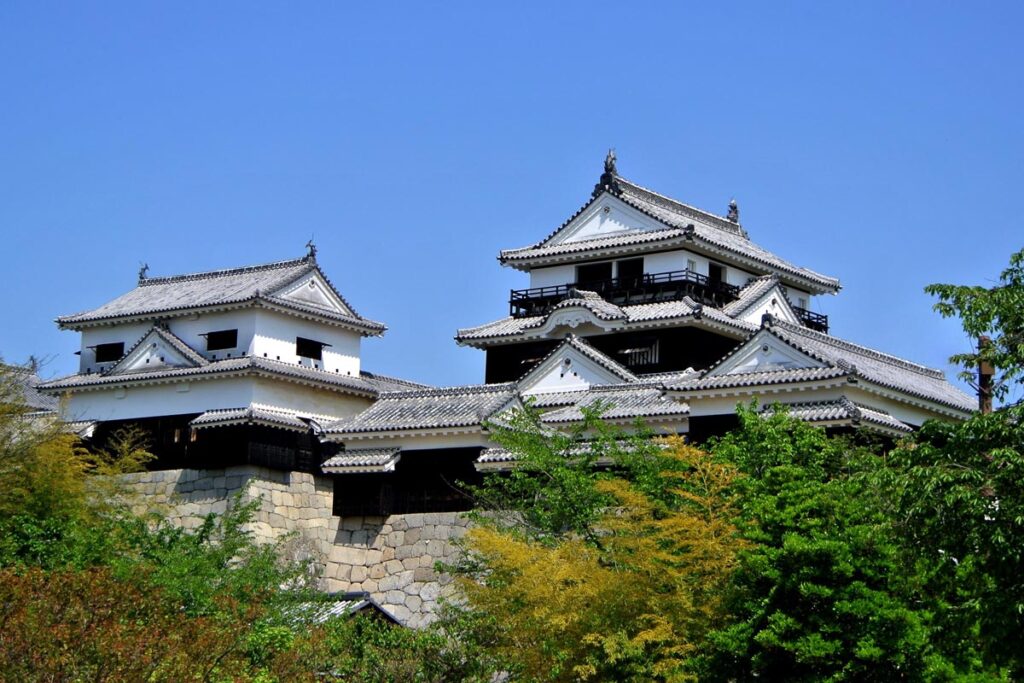
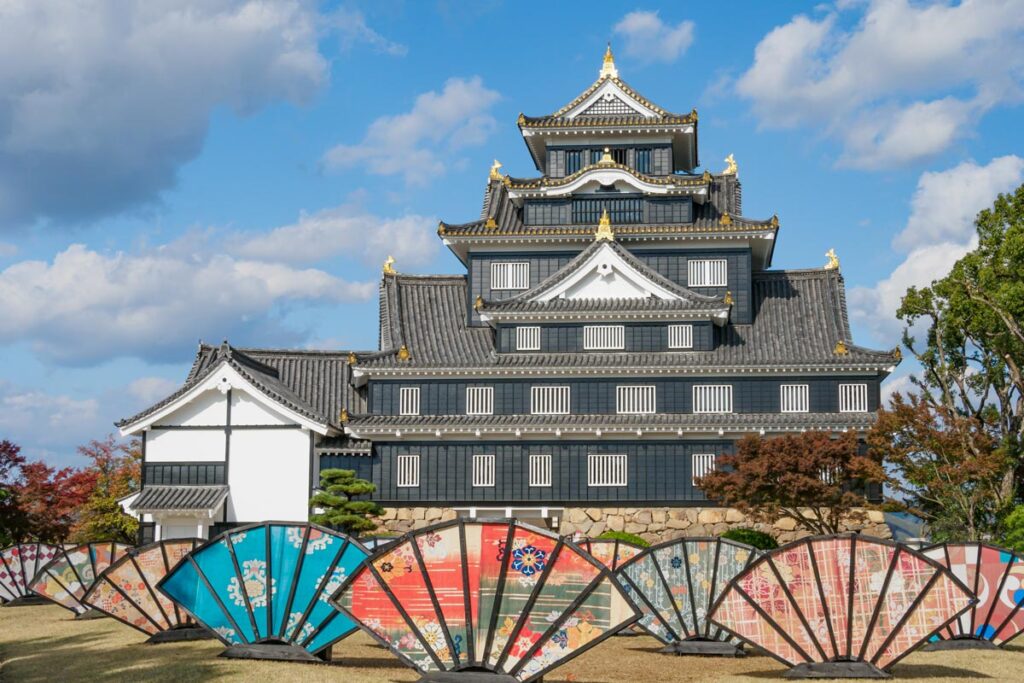
Across the Asahi River from Korakuen stands Okayama Castle, known as U-jō or the “Crow Castle” because of its striking black exterior. The original 16th-century castle was largely destroyed during World War II, but the current reconstruction, completed in the 1960s and renewed in the 2020s, offers a detailed look into feudal life and local history.
Inside the castle, exhibits in Japanese and English explain the rise of the local daimyo (feudal lords), castle architecture, and samurai culture. You can try on simple samurai armor or kimono-style garments for photos, a fun activity especially for families and first-time visitors. From the top floor, there is a panoramic view over the river, Korakuen Garden, and the city.
Visiting both Korakuen and Okayama Castle in a single morning or afternoon is easy, as a pedestrian bridge links the two. A combination ticket is often available and can save you money.
Kurashiki: Canals, White-Walled Warehouses, and Old Japan
Just a short train ride from Okayama Station lies Kurashiki, a beautifully preserved merchant town that feels like stepping into an ukiyo-e woodblock print. If you only have one extra half-day from Okayama, make it Kurashiki’s Bikan Historical Quarter.
Kurashiki Bikan Historical Quarter
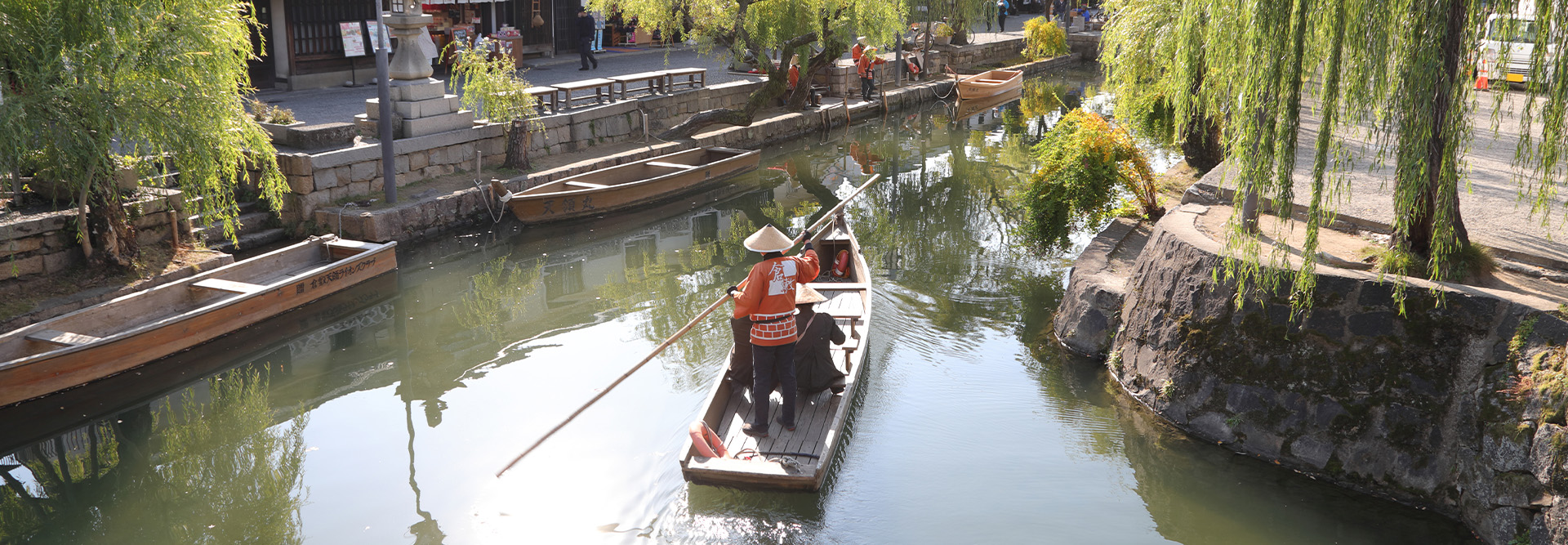
The Bikan area was once a thriving distribution hub of rice and other goods during the Edo period. Today, white-walled kura (storehouses) and merchant homes line the willow-shaded canal, many converted into cafes, shops, and museums. The entire district has been carefully protected, so modern intrusions like overhead wires and neon signs are minimized.
Stroll along the canal banks, browse shops selling indigo-dyed fabrics, traditional toys, and sweets, or take a short flat-bottomed boat ride down the canal for a different perspective. In the evening, warm lantern light reflects off the water, creating a romantic and nostalgic atmosphere.
Ohara Museum of Art
Within the Bikan district, the Ohara Museum of Art is a surprising highlight. Established in 1930, it was Japan’s first museum dedicated to Western art and houses works by Monet, El Greco, Gauguin, and other European masters, as well as a strong collection of Japanese modern art and crafts.
The museum complex includes several buildings, from a neoclassical main hall to more intimate galleries. Even if you are not a serious art fan, it provides an interesting window into how Western culture was received and reinterpreted in Japan.
Local Food and Seasonal Specialties
Okayama Prefecture is famous throughout Japan for its agricultural bounty. When locals call it the “Sunny Country,” they are also talking about the fruits and vegetables that thrive in its mild climate. Trying regional foods is one of the best ways to connect with Okayama’s identity.
Okayama’s Famous Fruits
Okayama is particularly renowned for:
- White peaches (shiro momo): Juicy, fragrant, and often beautifully packaged, they are a summer delicacy. Premium peaches can be surprisingly expensive, but you can enjoy them more affordably in parfaits or soft-serve ice cream.
- Muscat and Shine Muscat grapes: Large, crisp, and sweet, these grapes are often eaten with the skin on. Look for them from late summer into autumn.
At Okayama Station and local department stores, you will find fruit-based sweets, jellies, and limited seasonal desserts that make excellent souvenirs.
Regional Dishes to Try
Beyond fruit, make time for some of Okayama’s savory specialties:
- Barazushi: A colorful “scattered” sushi dish with vinegared rice topped with a mix of seafood, vegetables, and sometimes egg. It originated as a way to enjoy a variety of ingredients in one bowl.
- Okayama demi-katsu don: A local twist on pork cutlet rice bowls, served with a demi-glace style sauce instead of standard soy-based broth.
- Hinase oysters (in season): From the Seto Inland Sea, these oysters are known for their rich flavor. Look for them grilled or in hot pots, especially in winter.
Many restaurants around Okayama Station and in Kurashiki display plastic food samples in their windows, which makes ordering easier for those unfamiliar with Japanese menus.
Culture, History, and Local Crafts
Okayama’s culture is shaped by its role as a former castle town and its proximity to the Seto Inland Sea, a historic trade route. Visitors can sense these influences in local crafts, legends, and festivals.
Momotaro: The Peach Boy Legend
Okayama is closely associated with one of Japan’s most beloved folk heroes: Momotaro, the Peach Boy. According to legend, an old couple found a giant peach floating down a river; when they cut it open, a boy emerged. Momotaro grew up to be a brave hero who journeyed to defeat oni (demons), aided by a dog, monkey, and pheasant.
Around Okayama Station, you will spot Momotaro statues and imagery, from souvenir packaging to manhole covers. For first-time travelers, learning this story adds a playful layer to sightseeing and helps you recognize references to local identity.
Denim, Indigo, and Traditional Textiles
Okayama Prefecture is famous among fashion enthusiasts for its high-quality denim, especially from the Kojima district near the coast. Numerous Japanese and international brands produce jeans here, using both modern and traditional techniques such as shuttle looms and natural indigo dyeing.
Even if you do not make it to Kojima itself, many shops in Okayama and Kurashiki sell jeans, denim accessories, and indigo-dyed items. These pieces combine everyday practicality with a strong sense of place, making them meaningful souvenirs.
Practical Travel Tips for Okayama
How to Get to Okayama
Okayama is a key stop on the Sanyo Shinkansen line, making it easy to include on a classic first-time route across Japan.
- From Osaka: Around 45–60 minutes by Shinkansen from Shin-Osaka Station.
- From Hiroshima: Approximately 35–40 minutes by Shinkansen.
- From Tokyo: Roughly 3.5–4 hours by Shinkansen, usually with a transfer at Shin-Osaka depending on the train type.
Okayama also has an airport with domestic and some international flights. Limousine buses connect the airport and Okayama Station.
Getting Around Okayama
Once you arrive at Okayama Station, navigating the city as a first-time visitor is straightforward:
- Trams: Two main tram lines run from Okayama Station toward the city center and Okayama Castle/Korakuen area. Signs and ticket machines include English.
- On foot: Many central attractions, shopping streets, and restaurants are walkable from the station in 15–25 minutes.
- Local trains: JR trains from Okayama Station reach Kurashiki in about 15–20 minutes.
For visitors using a Japan Rail Pass, trains between Okayama and Kurashiki are covered, making day trips simple and cost-effective.
Where to Stay
First-time visitors usually find it most convenient to stay near Okayama Station. This area offers a wide selection of hotels, from business-style properties to more spacious mid-range options, and gives easy access to both city attractions and day trips.
Kurashiki also has charming traditional inns and guesthouses within or near the Bikan Historical Quarter. Spending a night here lets you enjoy the canals early in the morning and after day-trippers have gone.
Best Time to Visit Okayama
Okayama’s relatively dry climate means it is pleasant almost year-round, but some seasons stand out:
- Spring (March–May): Cherry blossoms and fresh greenery in Korakuen; comfortable temperatures.
- Autumn (October–November): Clear skies and beautiful foliage, especially in gardens and temple grounds.
- Summer (June–August): Hot and humid, but ideal for tasting Okayama’s famous peaches and grapes.
- Winter (December–February): Generally mild compared to northern Japan; fewer crowds and crisp views.
Suggested Itineraries for First-Time Travelers
One-Day Itinerary: Okayama Highlights
- Morning: Arrive at Okayama Station and head to Korakuen Garden. Spend 1–2 hours exploring and enjoy tea in a garden teahouse.
- Midday: Cross the bridge to Okayama Castle. Visit the exhibits and enjoy the view from the top floor.
- Lunch: Try barazushi or demi-katsu don at a nearby restaurant.
- Afternoon: Return toward Okayama Station, browse department stores and local specialty shops for fruit sweets, textiles, or crafts.
Two-Day Itinerary: Okayama and Kurashiki
- Day 1: Follow the one-day Okayama itinerary, staying overnight near Okayama Station.
- Day 2: Take a morning train to Kurashiki and spend the day exploring the Bikan Historical Quarter, the Ohara Museum of Art, and canal area. Return to Okayama or continue onward by Shinkansen.
For travelers with extra time, you can extend your stay to visit the Seto Inland Sea islands, including art-filled Naoshima, using Okayama as a transport hub.
Cultural Etiquette Tips for Okayama
Local etiquette in Okayama follows general Japanese customs. Keeping a few basics in mind will help your visit go smoothly:
- Quiet voices: On trains, trams, and in gardens, keep conversation modest in volume. Phone calls are discouraged on public transport.
- Cash and cards: Credit cards are increasingly accepted, especially in larger shops and hotels, but smaller restaurants and traditional stores may prefer cash.
- Garbage disposal: Public trash cans can be scarce. Carry a small bag to hold your rubbish until you find proper bins at stations or convenience stores.
- Shoes: Be prepared to remove your shoes in some restaurants, historical buildings, and traditional accommodations. Clean socks are recommended.
Even simple efforts, such as saying “arigatou” (thank you) and bowing your head slightly when receiving service, are appreciated.
Why Okayama Belongs on Your First Japan Itinerary
Okayama offers a calm, approachable gateway into Japanese culture. Here you can visit one of Japan’s most revered gardens, walk the halls of a black castle, discover a historic canal town, and taste fruit so carefully grown it feels like a work of art. At the same time, practical conveniences—direct Shinkansen access, clear signage, and compact distances—make travel low-stress for first-time visitors.
Whether you use Okayama as a gentle pause between larger cities or as a base to explore western Japan, it adds depth and diversity to any first trip to Japan. In the soft light over Korakuen’s lawns or the reflections of Kurashiki’s canals, many travelers find the quieter, everyday beauty that keeps them returning to Japan again and again.

Access Map
Recommended spots in Okayama
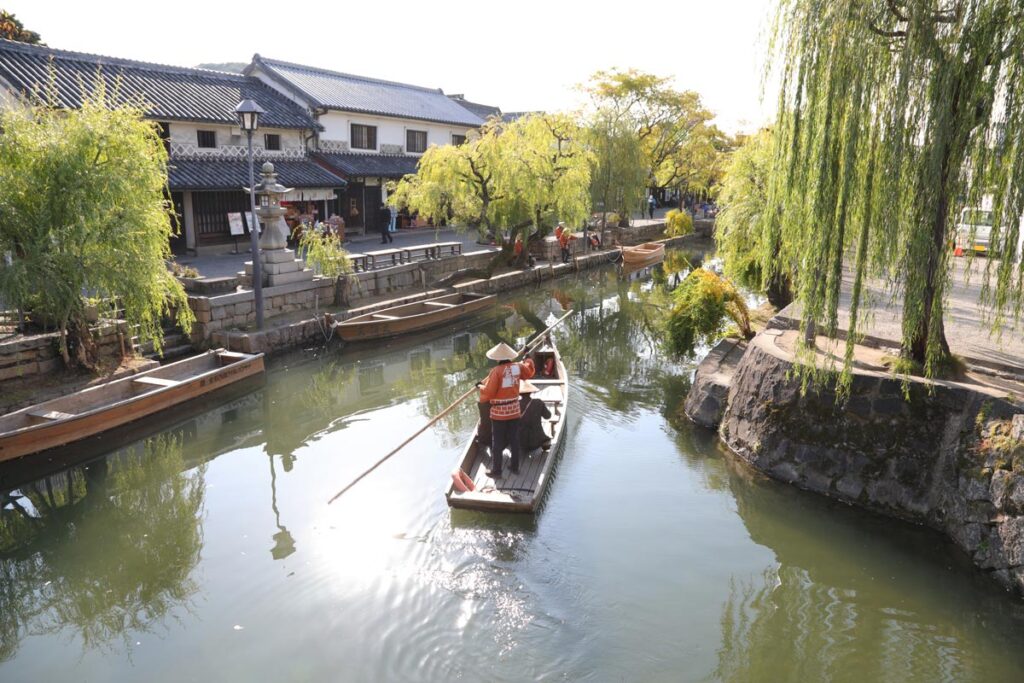
Kurashiki Bikan Historical Quarter
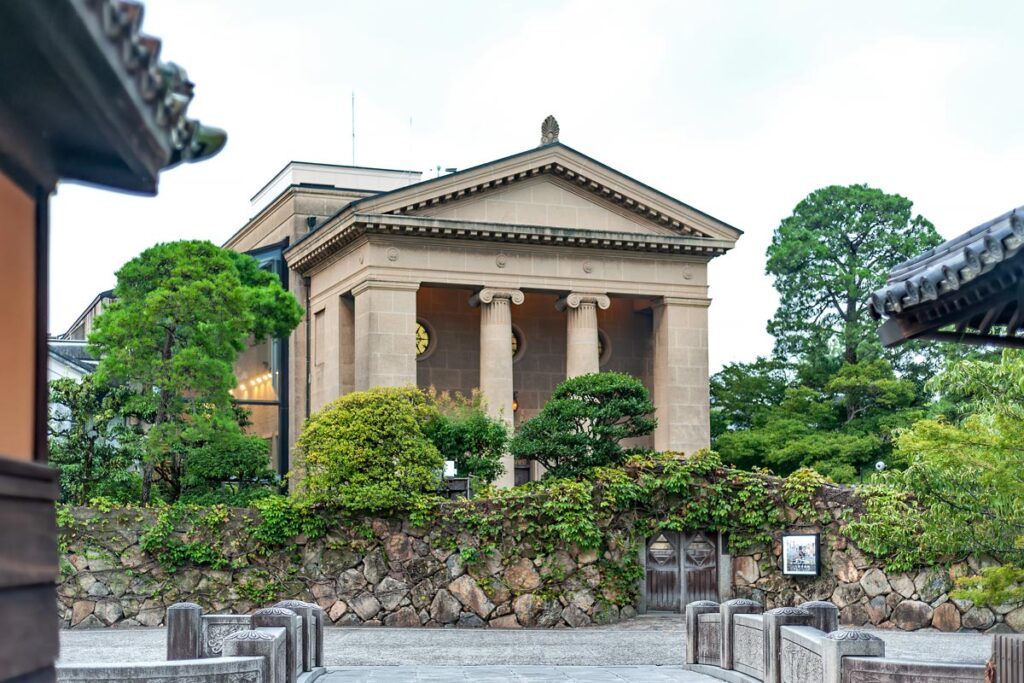
Ohara Museum of Art
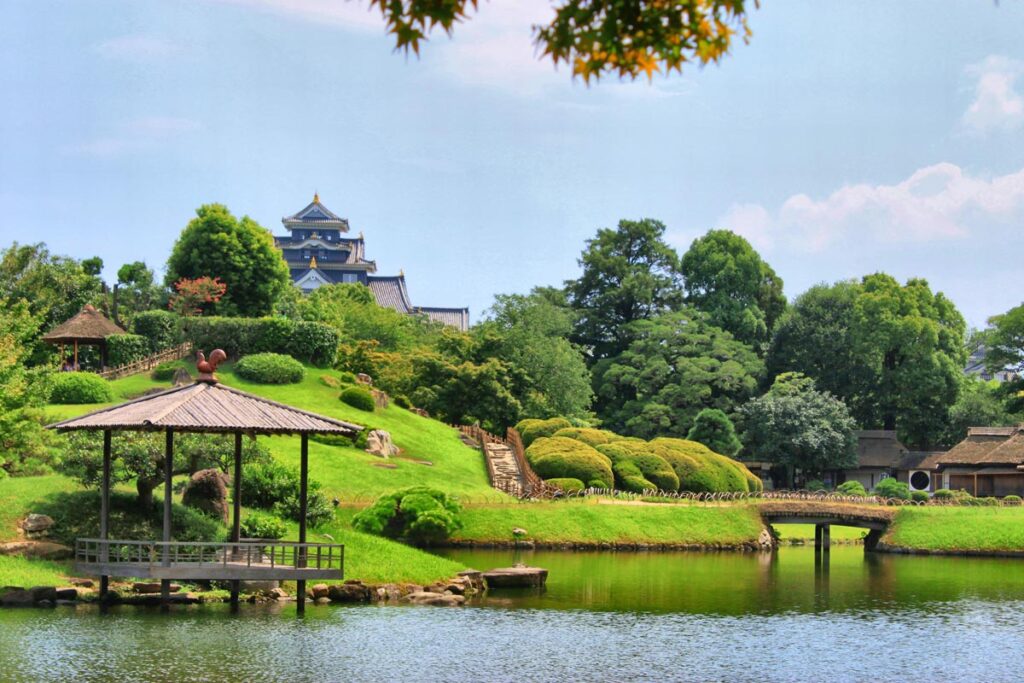
Korakuen Garden
Okayama Castle