



Okayama Castle
Okayama Castle Japan Travel Guide for First-Time Visitors
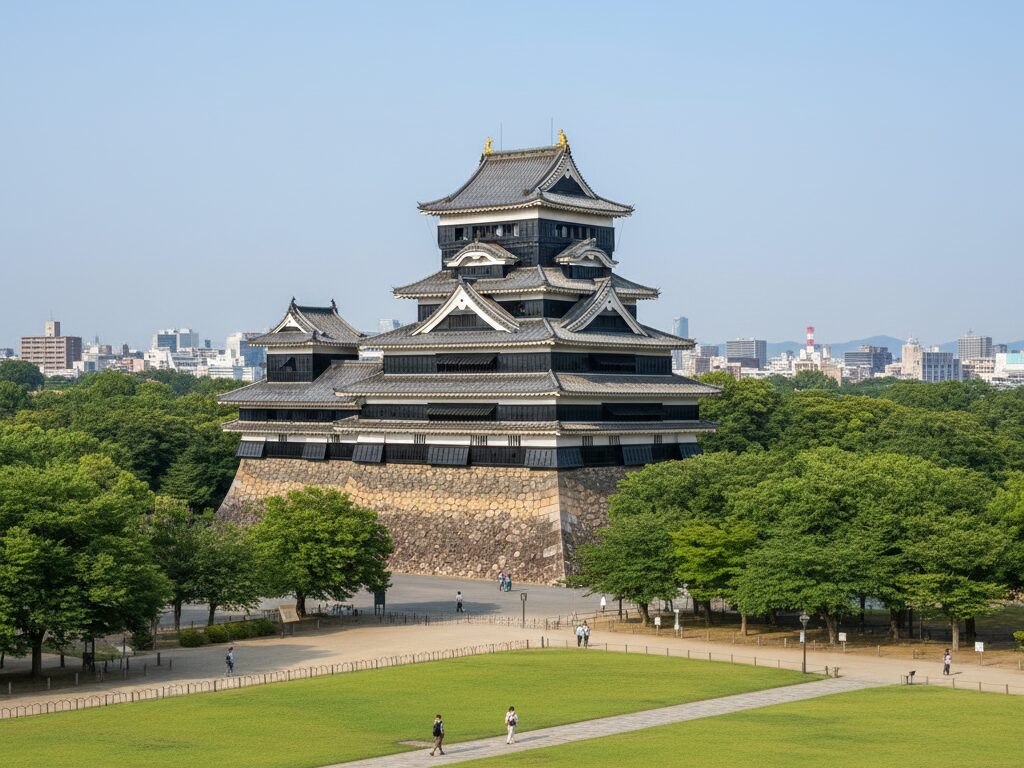
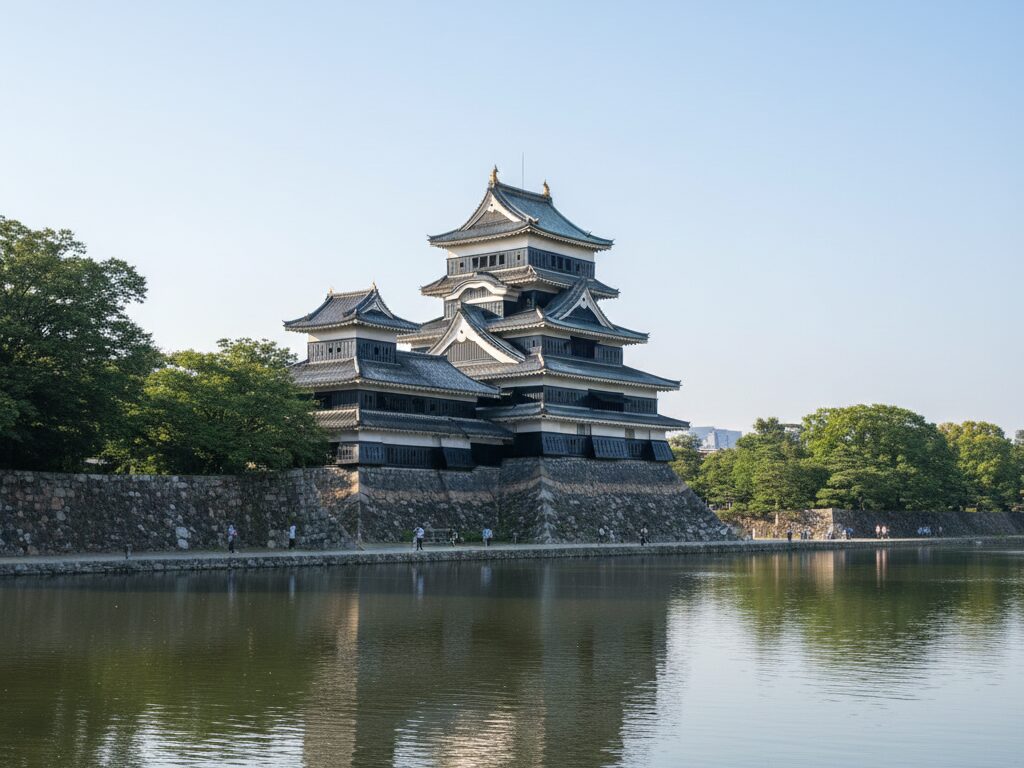
Photos are for illustrative purposes only.
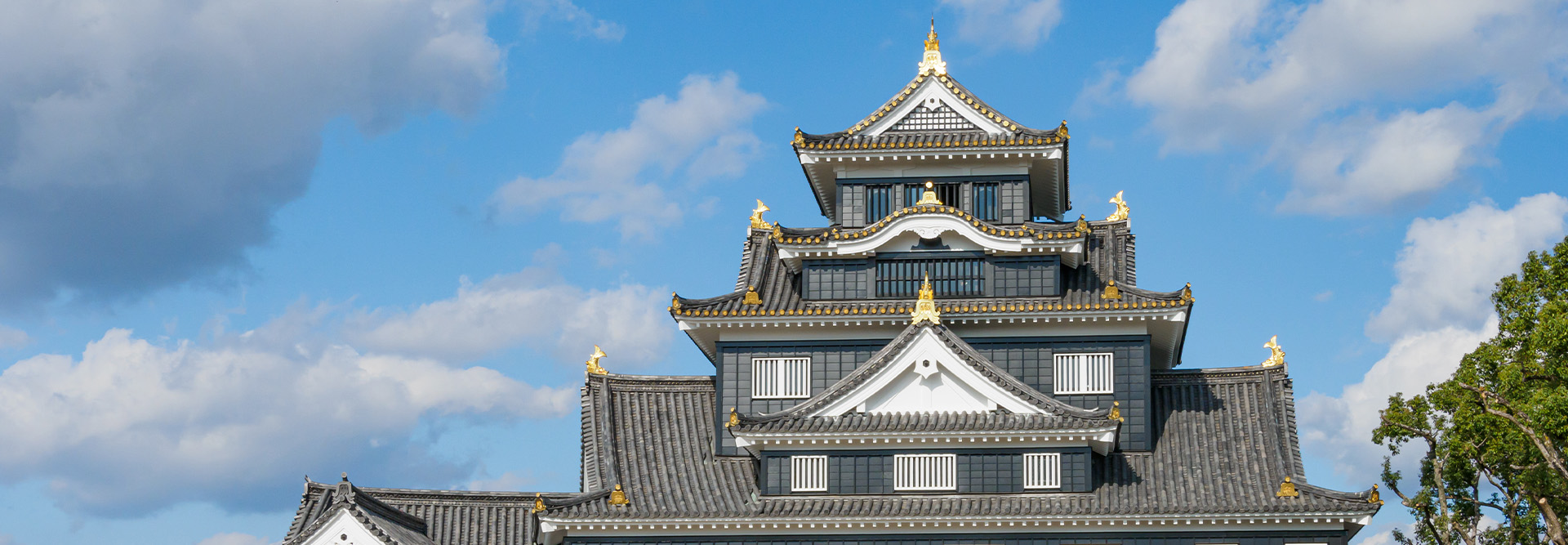
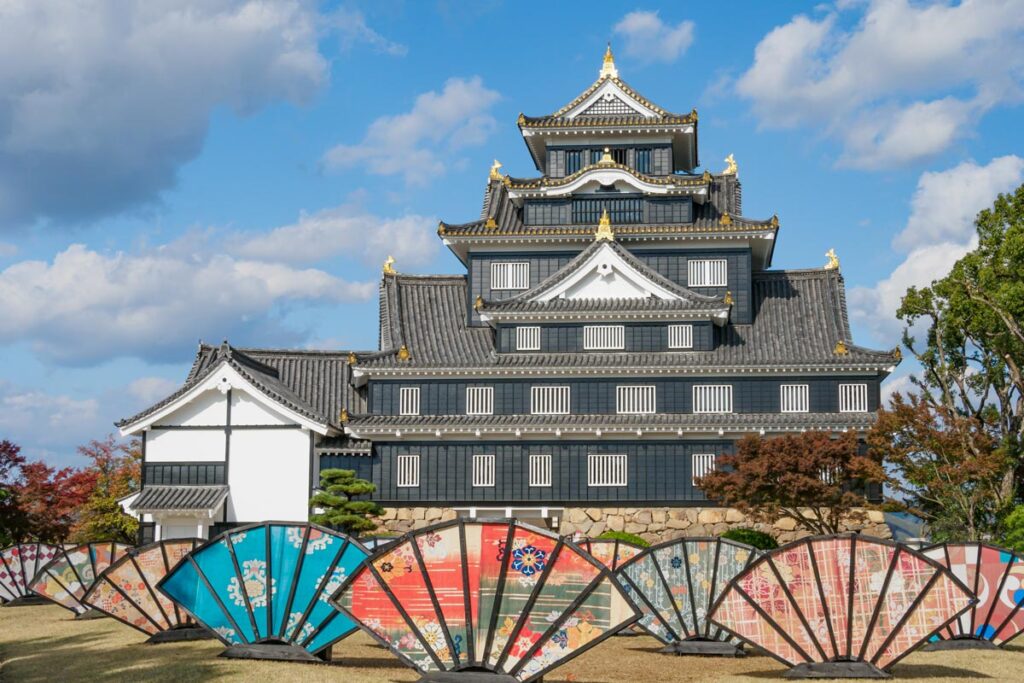
Rising above the Asahi River with gleaming black walls and golden ornaments, Okayama Castle is one of western Japan’s most atmospheric castles. Often called the “Crow Castle” for its dark exterior, it pairs beautifully with nearby Korakuen Garden, making Okayama an excellent, relaxed stop between Osaka, Hiroshima, and Shikoku.
This guide walks you through the history, highlights, and practical tips you need to enjoy Okayama Castle on your first trip to Japan.
Why Visit Okayama Castle?
Okayama Castle may not be as famous as Himeji or Osaka, but that’s part of its charm. The atmosphere is calmer, the crowds thinner, and the surrounding streets feel distinctly local. For many travelers, it becomes a favorite precisely because it’s easy to explore at a slower pace.
Here are a few reasons to add Okayama Castle to your Japan itinerary:
- Striking black exterior: The contrast between the glossy black walls and the gold shachihoko (mythical tiger-fish roof ornaments) makes it one of Japan’s most photogenic “black castles.”
- Riverside views: Set on a small hill overlooking the Asahi River, the castle offers classic views across to Korakuen Garden and the city skyline.
- Easy access: Okayama is a major Shinkansen stop, so you can visit on a day trip from Osaka, Hiroshima, or even Kyoto.
- Combined culture experience: A single visit lets you explore a castle, a celebrated Japanese garden, and a relaxed local downtown.
A Short History of Okayama Castle
Understanding a bit of history will deepen your appreciation as you walk through the castle grounds. Okayama Castle was originally completed in the late 16th century by the powerful Ukita clan, during Japan’s turbulent Sengoku (Warring States) period. At the time, castles were fortified power bases as much as they were symbols of status.
The castle later passed to the Ikeda family, who greatly developed the surrounding castle town and laid the foundations for modern Okayama. Like many Japanese castles, the original main keep was destroyed during World War II air raids. The current structure is a concrete reconstruction from the 1960s, renewed and modernized in recent years.
While the main keep is not original, the design closely follows the historical appearance, and the interior now serves as a museum and cultural space. The surrounding stone walls, moats, and some gates retain an authentic atmosphere, echoing the days when samurai walked these grounds.
Architectural Highlights and Cultural Details
The “Crow Castle” Aesthetic
Japanese castles are often nicknamed for their distinctive color: Himeji is the “White Heron Castle,” while Okayama is the “Crow Castle.” Its walls are painted in a deep black, a style once associated with power and prestige. The black exterior would have also contrasted dramatically against the white plaster elements and the sky, making the lord’s residence stand out in the landscape.
As you approach from the riverside, note the curving roofs layered atop one another. The subtle upward tilt at each corner reflects traditional Japanese aesthetics, symbolically warding off bad spirits while giving the structure a sense of lightness despite its fortified purpose.
Golden Ornaments and Roof Details
Look closely at the roof and you will see golden shachihoko — mythical creatures with a tiger’s head and a carp’s body. In Japanese castle architecture, these ornaments were believed to protect the building from fire, an ever-present threat in historical wooden cities. Their glinting gold also represented the wealth and power of the ruling clan.
The tile patterns, ridge designs, and layered eaves all follow styles developed in the late feudal period. Even though the current keep is reconstructed, these visual details remain faithful to historical records and paintings.
What to See Inside Okayama Castle
The interior of Okayama Castle functions primarily as a museum and cultural center rather than a bare historical shell. Expect modern stairways, displays, and climate control, which make it comfortable to visit in any season.
Exhibits on Samurai Life and Local History
Inside, you’ll find multi-floor exhibits that introduce the region’s history and castle culture. Display panels are often accompanied by English explanations or basic summaries, making it accessible for overseas visitors. Common exhibits include:
- Armor and weapons: Replica or original pieces showing how samurai equipped themselves for battle, including helmets with dramatic crests.
- Domain administration: Exhibits explaining how feudal lords governed the surrounding areas, collected rice tax, and maintained their authority.
- Town life: Models and maps illustrating how the old castle town was organized and how commoners lived around the seat of power.
These displays help connect what you see outside – the stone walls, the moats, and the layout – with the social and political systems that once made the castle the center of regional life.
Hands-On Cultural Activities
Depending on the season and schedule, Okayama Castle sometimes offers simple cultural experiences, such as dressing in a kimono or wearing a light samurai-style costume for photos. There may also be craft corners for painting local pottery or trying traditional games. Check at the ticket counter or visitor information area for current offerings.
These activities, while geared partly toward families, can be a fun way for first-time visitors to interact with Japanese culture beyond just observing displays.
Observation Areas and Views
One of the highlights of any castle visit is the view from the upper floors. From Okayama Castle’s higher levels, you can see:
- The Asahi River curving around the castle grounds
- Korakuen Garden stretching out across the water
- The modern city center with its mix of low buildings and distant hills
On a clear day, it’s easy to imagine how strategic this position would have been centuries ago, allowing lookouts to spot any movement on the river or surrounding plains.
Strolling the Castle Grounds
Even if you choose not to go inside the main keep, the castle grounds are worth exploring. Paths lead you past stone walls, small gates, and reconstructed structures. The combination of historical architecture and peaceful greenery makes it a pleasant place to wander.
Seasonal Highlights Around Okayama Castle
Like many Japanese heritage sites, Okayama Castle is particularly attractive in certain seasons:
- Spring (late March to early April): Cherry blossoms frame the black castle walls, creating a textbook-perfect hanami scene. Locals gather on riverbanks and in the park below.
- Summer: Lush greenery and long daylight hours make evening strolls around the illuminated castle especially atmospheric.
- Autumn (late October to late November): Maple leaves and ginkgo trees provide a splash of red and gold, especially in nearby Korakuen Garden.
- Winter: On rare snowy days, the black castle against a white landscape is unforgettable, and visitor numbers are low.
If your schedule allows, time your visit for early morning or late afternoon, when the light is softer and the stonework takes on warm tones.
Okayama Castle and Korakuen Garden: A Perfect Pair
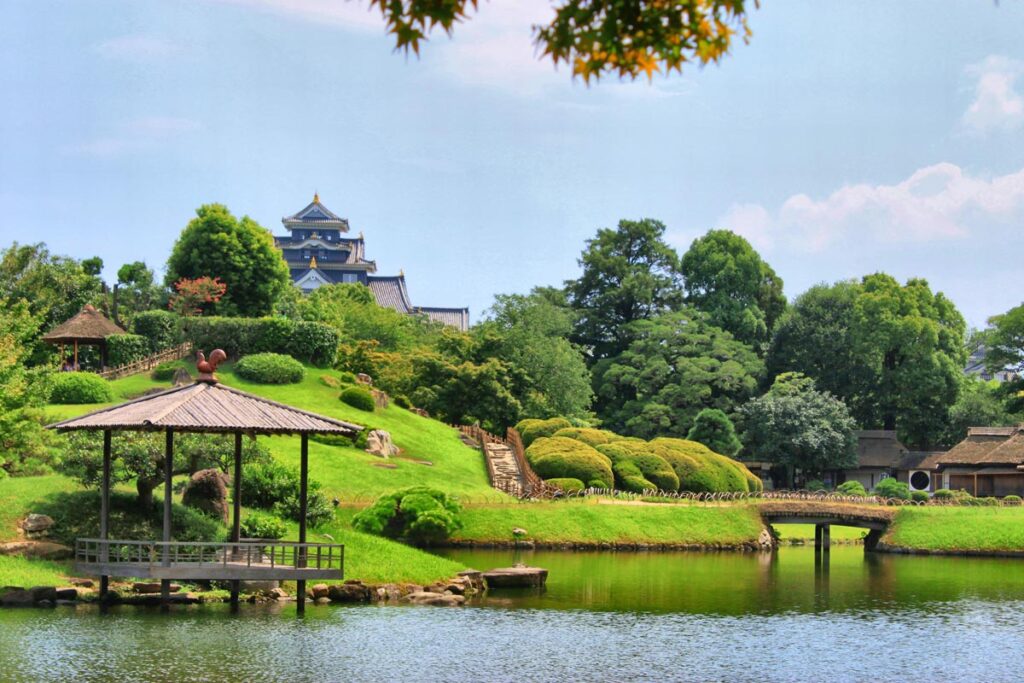
Directly across the Asahi River from the castle lies Korakuen, often ranked as one of Japan’s three most beautiful landscape gardens. Many travelers visit both on the same ticket or on the same day.
From the castle side, you can cross a small bridge or walkway over the river to reach the garden entrance. Looking back from within Korakuen, the black silhouette of Okayama Castle rising above the trees is one of the most iconic views in the entire region.
Plan at least half a day to explore the castle and spend time wandering Korakuen’s ponds, teahouses, and viewpoints. Together, they offer a balanced look at Japan’s warrior heritage and refined garden culture.
Practical Visitor Information
Location and Access
Okayama Castle is located in central Okayama City, in Japan’s Chugoku region on the main island of Honshu. Okayama Station is a major hub on the Sanyo Shinkansen line.
From Okayama Station to Okayama Castle:
- By tram: Take the tram from Okayama Station to Shiroshita or Higashiyama; from either stop it’s about a 10–15 minute walk to the castle.
- On foot: If you enjoy walking, it’s roughly 25–30 minutes on foot from the station through the downtown area.
- By bus or taxi: Local buses and taxis are readily available; a taxi ride is short and convenient if you’re carrying luggage.
Signage in and around the station generally includes English, and staff are used to helping international visitors find their way to the castle and garden.
Opening Hours and Tickets
Opening hours and admission fees can change, but generally the castle is open during daytime, with last entry in the late afternoon. Combined tickets with Korakuen Garden are often available and can save you money if you plan to visit both attractions.
Because operating hours can vary by season or due to special events, it’s wise to check official tourism information for the latest details before your visit. Most information boards on-site have English, Chinese, and Korean translations.
Facilities and Accessibility
The reconstructed main keep includes modern facilities such as restrooms and lighting. Inside, stairways tend to be less steep than in preserved wooden castles, which makes the climb easier for visitors who may struggle with the narrow, steep ladders common in historical keeps.
However, some areas may still be difficult for travelers with mobility issues due to stair access to upper floors. The surrounding grounds and riverside paths are generally flat and accessible, making them a pleasant alternative if you prefer not to climb.
Tips for First-Time Visitors to Okayama Castle
How Long to Spend
Most visitors spend about 1–1.5 hours exploring the castle interior and grounds. If you add Korakuen Garden, plan for 3–4 hours total. This fits comfortably into a day trip combined with a meal in central Okayama.
What to Wear and Bring
- Comfortable shoes: You’ll walk and climb stairs, so choose shoes suitable for uneven stone paths.
- Seasonal gear: In summer, bring a hat, sunscreen, and water as temperatures can be hot and humid. In winter, dress warmly; riverside winds can be chilly.
- Camera or smartphone: The panoramic views, especially looking across the river, are some of the best photo opportunities in Okayama.
Combining with Other Okayama Attractions
After visiting Okayama Castle and Korakuen Garden, consider exploring:
- Okayama Station area: Department stores and underground malls offering local snacks and souvenirs.
- Local cuisine: Try regional specialties such as Okayama-style barazushi (colorful scattered sushi) or fruit desserts featuring local peaches and grapes.
- Kurashiki: A picturesque canal town about 15 minutes away by train, ideal as an add-on to your Okayama day.
Etiquette and Cultural Awareness
Okayama Castle is not just a tourist attraction; it’s also a symbol of local identity. Observing a few simple customs will help you show respect:
- Keep voices low inside the museum areas so others can enjoy the exhibits.
- Follow staff instructions about photography; flash or tripods may be restricted in some exhibition rooms.
- Dispose of any trash properly; bins may be limited, so be prepared to carry rubbish with you until you find one.
In return, you’ll usually find local staff and volunteers are happy to help you, even if their English is limited. A simple “arigatou gozaimasu” (thank you) is always appreciated.
Is Okayama Castle Worth a Stop on Your Japan Trip?
For many international travelers, Okayama Castle becomes a quiet highlight precisely because it’s not crowded or overhyped. The combination of riverside scenery, black-and-gold architecture, and nearby Korakuen Garden offers a relaxed yet deeply Japanese experience.
If your itinerary already includes Osaka, Hiroshima, or a journey along the Sanyo Shinkansen line, Okayama Castle is an easy and rewarding addition. Whether you’re interested in samurai history, traditional landscapes, or simply a beautiful place to stretch your legs between big cities, this “Crow Castle” provides a memorable window into Japan’s feudal past and present-day charm.

Access Map
Recommended spots in Okayama
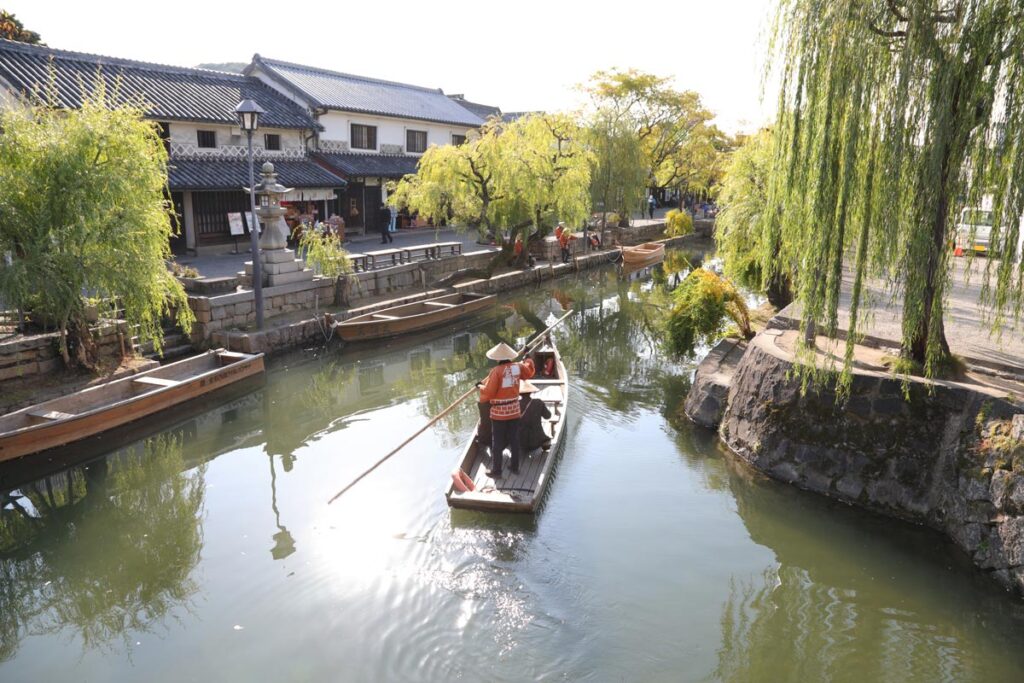
Kurashiki Bikan Historical Quarter
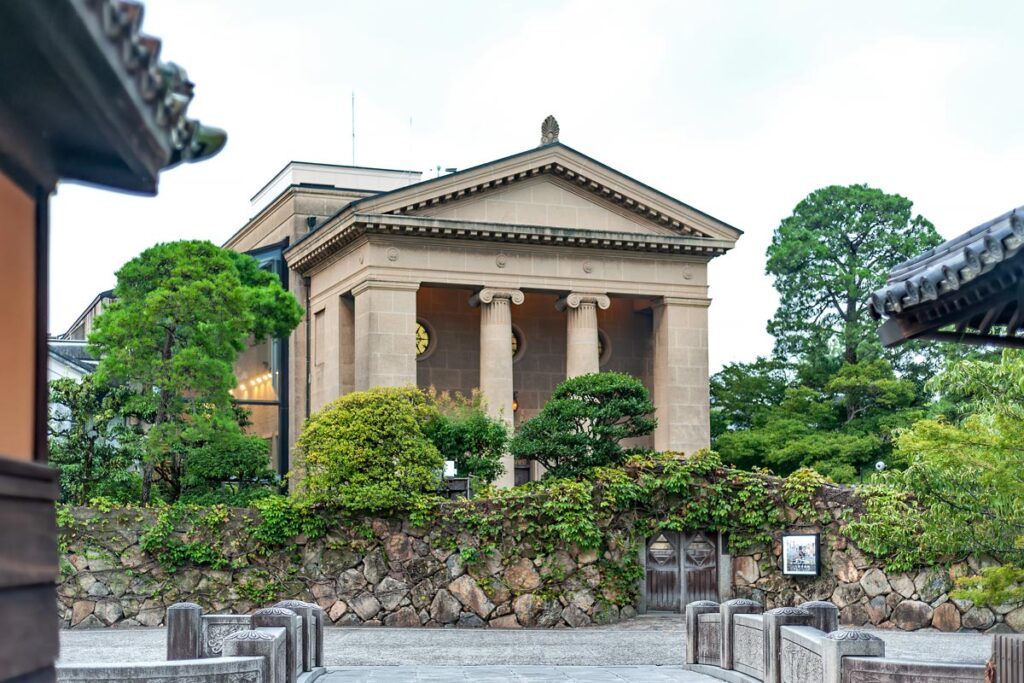
Ohara Museum of Art
Korakuen Garden
Okayama Castle