

Okonomi-mura
Okonomi-mura Hiroshima: A Tasty Introduction to Japan’s Soul Food
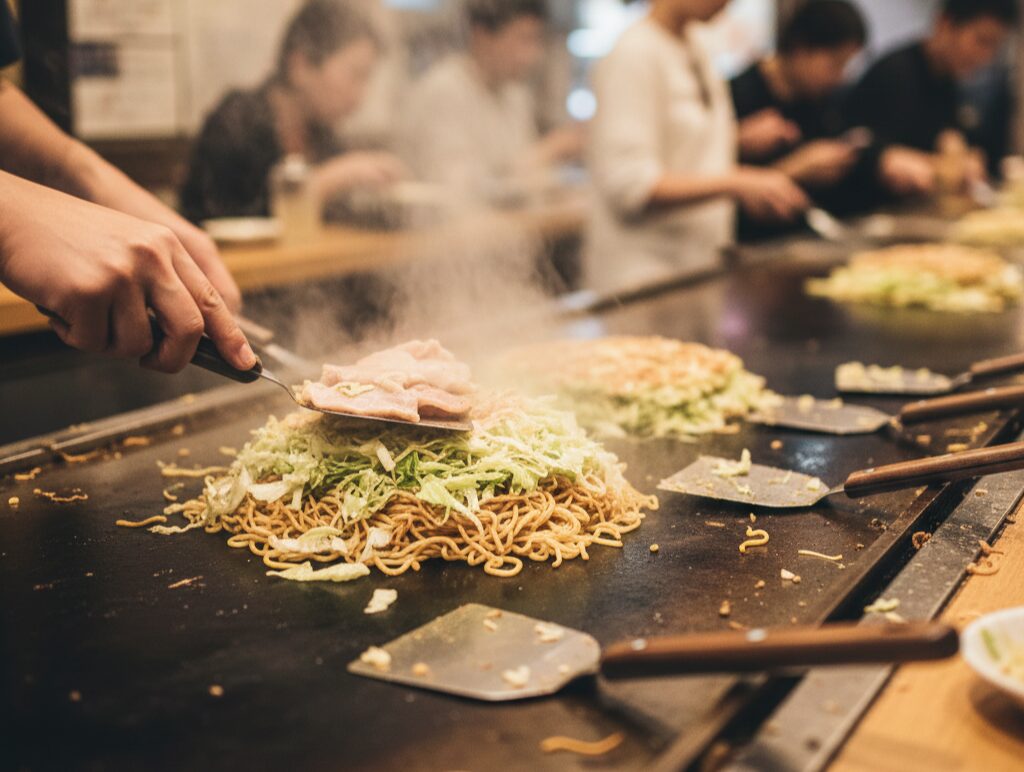
Photos are for illustrative purposes only.
Hidden in the neon-lit streets of downtown Hiroshima, Okonomi-mura is a compact food paradise dedicated to one thing: okonomiyaki. For first-time visitors to Japan, this bustling multi-floor complex offers an easy, delicious way to dive into local food culture, interact with friendly chefs, and experience Hiroshima’s signature dish in an unforgettable setting.
What Is Okonomi-mura?
Okonomi-mura (literally “Okonomiyaki Village”) is a vertical food theme park devoted almost entirely to Hiroshima-style okonomiyaki. Spread across several floors, it contains dozens of tiny, independently run stalls clustered around hot iron griddles. You sit at the counter, watch your meal cooked right in front of you, and eat it fresh off the teppan (iron plate).
Unlike a food court in a shopping mall, Okonomi-mura has a cozy, old-school atmosphere: sizzling griddles, the smell of sweet-savory sauce, call-and-response between regulars and chefs, and menus handwritten on signs above the counter. It feels local and lived-in, but remains very welcoming to international visitors.
Understanding Okonomiyaki: Hiroshima’s Signature Dish
Before visiting Okonomi-mura, it helps to know what you’re about to eat. Okonomiyaki is often explained as a “Japanese savory pancake,” but Hiroshima’s version is more like a layered hotplate feast.
Osaka vs. Hiroshima Style
Japan has two main okonomiyaki traditions:
- Osaka (Kansai) style: Ingredients such as cabbage, meat, seafood, egg, and batter are mixed together and grilled like a pancake.
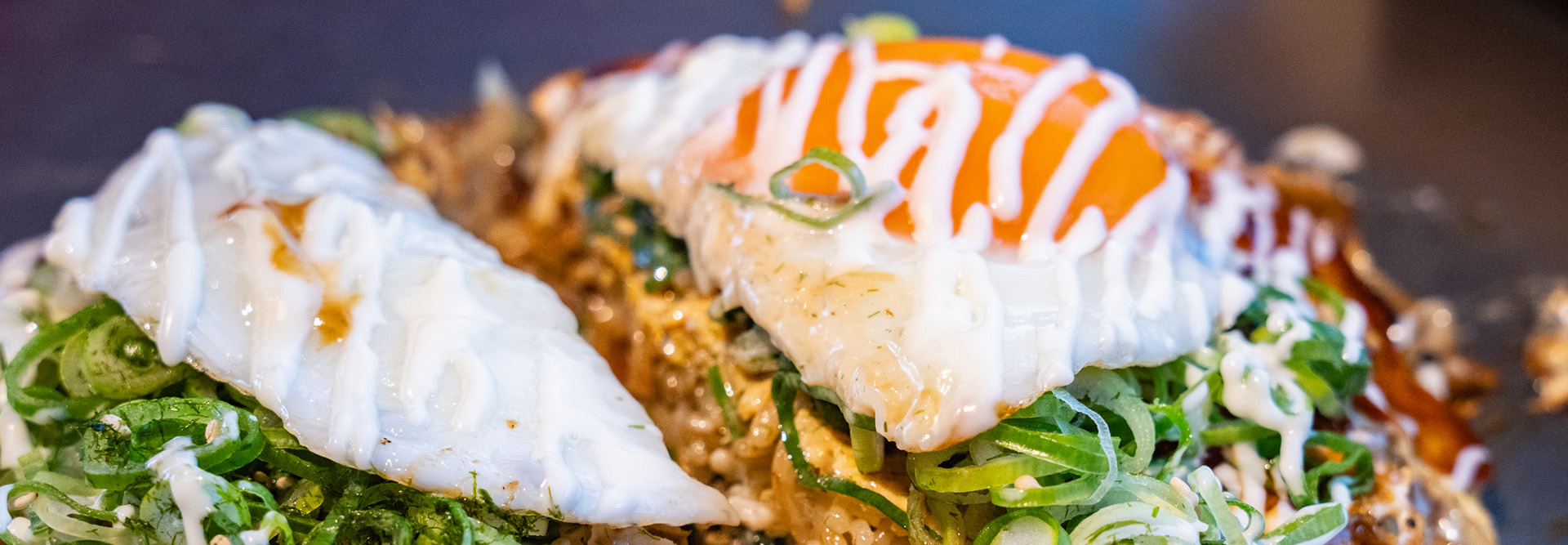
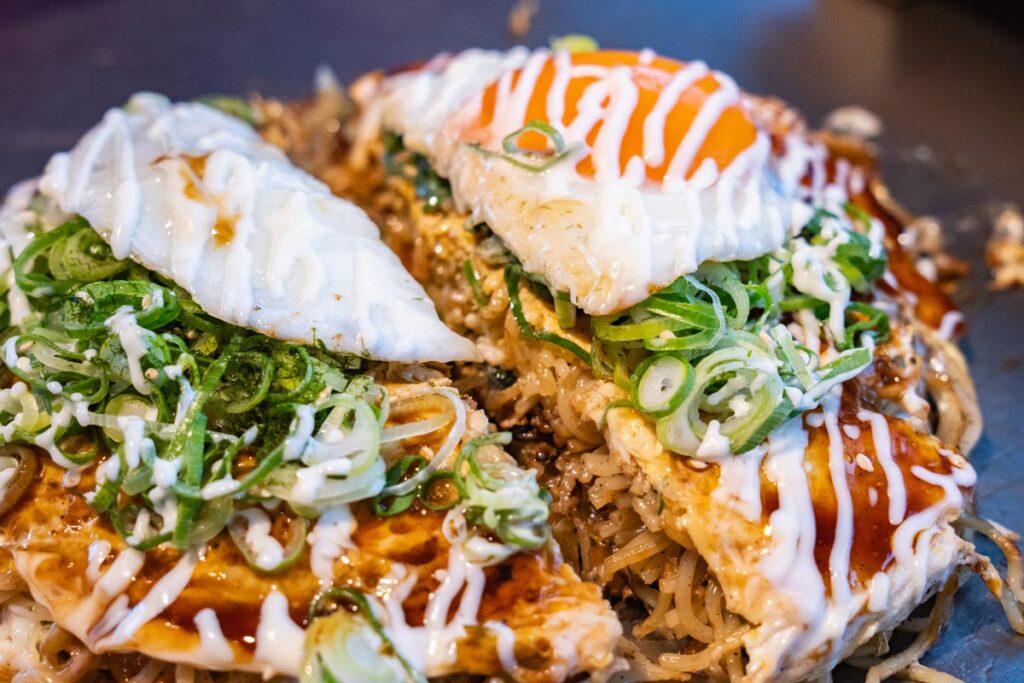
- Hiroshima style: Ingredients are layered, not mixed. A thin crepe of batter is topped with a mountain of shredded cabbage, bean sprouts, pork slices, noodles (yakisoba or udon), and finally an egg, then finished with sauce and toppings.
Hiroshima-style okonomiyaki is usually larger and feels more like a complete meal. It is closely tied to the city’s postwar history: cheap ingredients like cabbage and noodles helped feed people during the difficult years after World War II, and simple street stalls gradually evolved into specialized restaurants and, eventually, places like Okonomi-mura.
What Goes Into a Typical Hiroshima Okonomiyaki
While every stall has its own personality, most Hiroshima okonomiyaki follows a recognizable pattern:
- Base crepe: A thin disk of flour-based batter spread on the hot griddle.
- Cabbage & vegetables: A generous pile of finely shredded cabbage, with bean sprouts and sometimes green onions.
- Pork slices: Usually thin strips of pork belly laid across the cabbage.
- Noodles: Fried yakisoba (most common) or udon noodles for a chewier texture.
- Egg: Cracked and grilled on the side, then used as the final layer.
- Sauce & toppings: A glossy, sweet-savory okonomiyaki sauce, mayonnaise, aonori (seaweed flakes), and katsuobushi (bonito flakes) dancing in the steam.
“Okonomi” means “as you like it,” so you can customize with ingredients like cheese, mochi, oysters, or squid depending on the stall.
Why Okonomi-mura Is Ideal for First-Time Visitors
For travelers who are new to Japan, Okonomi-mura has several advantages over standalone restaurants:
- Lots of choice in one place: Dozens of stalls under one roof makes it easy to wander, compare menus and prices, and pick a counter that feels right.
- Casual and beginner-friendly: No need for reservations; solo diners and small groups are welcome. The atmosphere is lively but relaxed.
- Visual ordering: Many stalls have photos or display their specialties on signs above the counter. You can often point to what looks good if you don’t feel confident with Japanese.
- Watch-and-learn dining: You can see exactly how your meal is prepared, which helps if you have dietary preferences or just want to understand the dish.
This makes Okonomi-mura an approachable, memorable introduction to Japanese food culture beyond sushi and ramen.
What to Expect When You Visit Okonomi-mura
Atmosphere Inside the Building
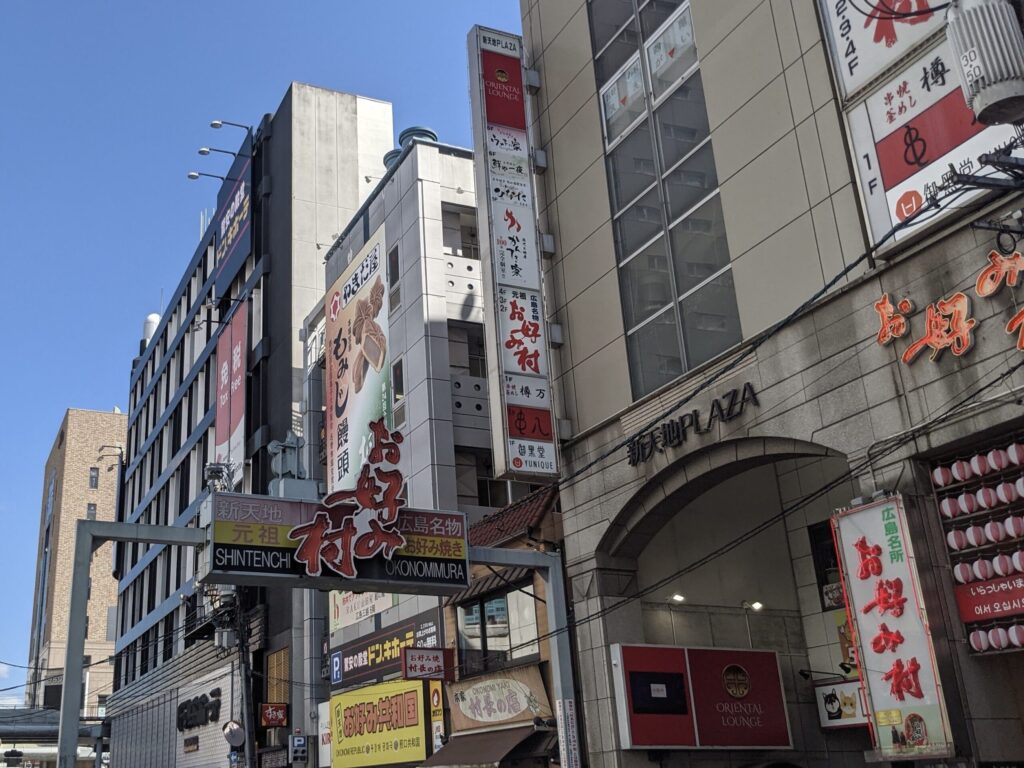
From the street, Okonomi-mura looks like a slightly dated building decorated with signs and banners advertising okonomiyaki. Once inside, narrow hallways open onto floors lined with small counters, each run by a different owner. Seats wrap around large teppan grills where your food is cooked—and often served—directly on the hot plate in front of you.
Expect a mix of locals, Japanese tourists, and international visitors, especially in the evenings. The mood is friendly and energetic: the sound of spatulas clattering, noodles frying, and the hiss of cabbage hitting the hot iron creates a cozy soundtrack.
How Ordering and Seating Works
Every stall operates independently. When you find one you like, walk up and politely ask if there are seats available. Common phrases include:
- “Sumimasen, futari desu.” (Excuse me, we are two.)
- “Hitori desu.” (Just one.)
You’ll usually be seated at the counter facing the grill. Menus may be in Japanese only, but many shops in this tourist-friendly spot have simple English or picture menus. If not, you can:
- Point to a menu item and say “Kore kudasai” (This, please).
- Look for the word “special” or “tokusei” (often the house recommendation).
Most stalls offer a few set combinations such as standard pork and soba, seafood mix, or cheese-topped versions. Drinks like beer, highballs, soft drinks, and oolong tea are typically available.
Must-Try Dishes and Toppings
Okonomi-mura specializes in Hiroshima-style okonomiyaki, but there is still plenty of variety to explore.
Classic Hiroshima Okonomiyaki with Soba
If you’re unsure what to order, this is the best starting point. A basic Hiroshima okonomiyaki with pork and yakisoba noodles gives you the classic flavor balance of crispy crepe, sweet cabbage, savory pork, and rich sauce.
Seafood Variations
Many stalls offer squid, shrimp, or mixed seafood versions. These introduce chewy and juicy textures that pair well with the sweetness of the sauce. They are popular with visitors who want to try something beyond pork without going too adventurous.
Local Hiroshima Ingredients
Depending on the season, look for toppings that highlight Hiroshima’s regional specialties:
- Oysters (kaki): Hiroshima is famous for its plump oysters, often added grilled on top or inside the okonomiyaki in winter.
- Green onions (negi): A generous crown of fresh negi adds color and brightness.
- Cheese & mochi: Not traditional, but very popular modern toppings that create a richer, more filling dish.
Side Dishes and Extras
Some stalls also serve small side dishes such as grilled squid, edamame, or simple salads. However, a single Hiroshima-style okonomiyaki is usually enough for one hungry adult, so consider sharing if you want to try extras.
How to Eat Hiroshima Okonomiyaki Like a Local
Eating okonomiyaki at Okonomi-mura is as much about the experience as the flavor. Here are a few tips to help you enjoy it like a local.
Eating Straight from the Teppan
In many stalls, the chef will cook your okonomiyaki directly in front of you and slide it closer on the hotplate when it’s ready. Instead of plating it, they intend for you to eat directly from the teppan:
- You’ll be given a standard pair of chopsticks and sometimes a small metal spatula called a hera.
- Use the hera to cut bite-sized pieces off the edge, then pick them up with your chopsticks.
- Let each piece cool slightly before eating—fresh okonomiyaki is very hot inside.
Sauce, Mayonnaise, and Topping Etiquette
Most chefs will finish the okonomiyaki with their preferred balance of sauce and toppings. If bottles of extra sauce or mayonnaise are on the counter, feel free to add a little more, but avoid drowning it—you want to taste the cabbage, noodles, and pork, not just the sauce.
If you dislike mayonnaise or bonito flakes, you can politely mention this when ordering by saying “Mayoneezu nashi” (no mayonnaise) or “Katsuobushi nashi” (no bonito flakes).
Payment
Each stall keeps its own bill. Pay when you finish your meal, directly to the stall owner. Many stalls are still cash-based, so it is wise to carry enough yen in small denominations. Increasingly, some accept IC cards or cashless payments, but you should not rely on this.
Practical Information for Visiting Okonomi-mura
Location and Access
Okonomi-mura is located in central Hiroshima, within the downtown entertainment and shopping district. It’s easily reached on foot from major city landmarks.
- From Hiroshima Station: Take a city tram (streetcar) toward the downtown area and get off at a central stop such as Hatchobori. From there, it is a short walk through lively side streets filled with shops and bars.
- From the Peace Memorial Park: You can stroll through the city center to Okonomi-mura in roughly 15–20 minutes, making it a convenient dinner spot after sightseeing.
The building itself is usually marked with large signs referencing okonomiyaki and multiple floors of restaurants. If in doubt, ask a local or show “Okonomi-mura” written on your phone.
Opening Hours
Individual stalls may keep slightly different hours, but most are open from late morning or lunchtime into the evening. Dinner is the liveliest time, especially on weekends. If you prefer a quieter experience, consider visiting on a weekday afternoon.
Prices and Budget
Okonomi-mura is generally affordable for international travelers. Expect:
- Standard Hiroshima okonomiyaki: roughly the price of a casual meal, depending on toppings.
- Special versions with oysters or extra seafood: slightly more.
- Drinks: additional, with alcoholic options costing more than soft drinks or tea.
Given the portion size, most visitors find okonomiyaki good value for money compared to other sit-down meals in Japan.
Cultural Tips for First-Time Visitors
Okonomi-mura is relaxed and welcoming, but a few basic points of etiquette will help you fit right in.
- Be patient during busy times: Stalls are small and chefs do everything—cooking, serving, cleaning, and handling payment. During peak dinner hours, waiting a little for your food is normal.
- Keep your space tidy: Place bags under the counter if possible and avoid spreading belongings too widely in the narrow seating area.
- Don’t waste food: Portions are large, so share if you’re unsure how hungry you are. Leaving large amounts of food uneaten is generally frowned upon.
- Enjoy the interaction: Many stall owners are curious about where visitors come from. Even with limited English, you may end up exchanging smiles, gestures, and a few simple words, which is part of the charm.
Combining Okonomi-mura With Hiroshima Sightseeing
Because of its central location, Okonomi-mura fits easily into a Hiroshima itinerary. A popular plan for first-time visitors is:
- Visit the Hiroshima Peace Memorial Museum and Peace Memorial Park during the day.
- Stroll through the downtown shopping arcades in late afternoon.
- Finish with dinner at Okonomi-mura, reflecting on the day over a warming, comforting plate of okonomiyaki.
If you are making a day trip to Miyajima Island, you can also visit Okonomi-mura in the evening after returning to the city center.
Final Thoughts: Why Okonomi-mura Belongs on Your Japan Itinerary
For first-time travelers to Japan, Okonomi-mura offers more than just a meal. It is a compact, lively experience that introduces you to:
- Regional Japanese cuisine unique to Hiroshima
- Counter-style dining and direct interaction with local chefs
- The city’s postwar food culture and comfort cooking traditions
It is casual, reasonably priced, and centrally located, making it easy to fit into your plans even if you only have one night in the city. Whether you arrive alone or with friends, pulling up a stool at a sizzling counter in Okonomi-mura is one of the most enjoyable ways to taste Hiroshima—and a memorable addition to any Japan trip.
Access Map
Recommended spots in Hiroshima
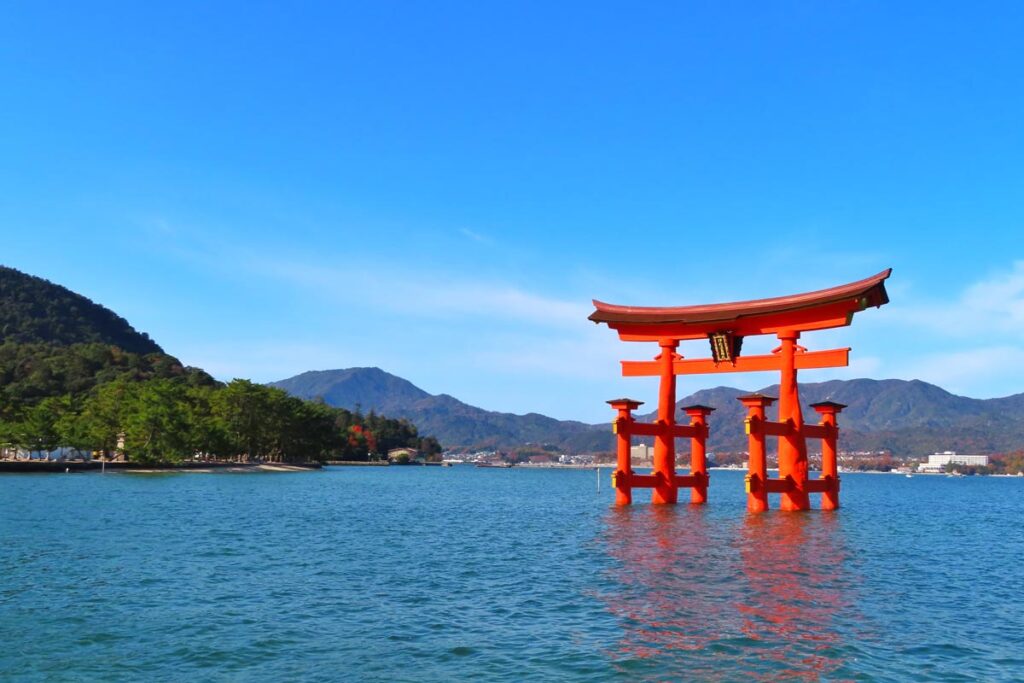
Miyajima (Itsukushima Shrine)
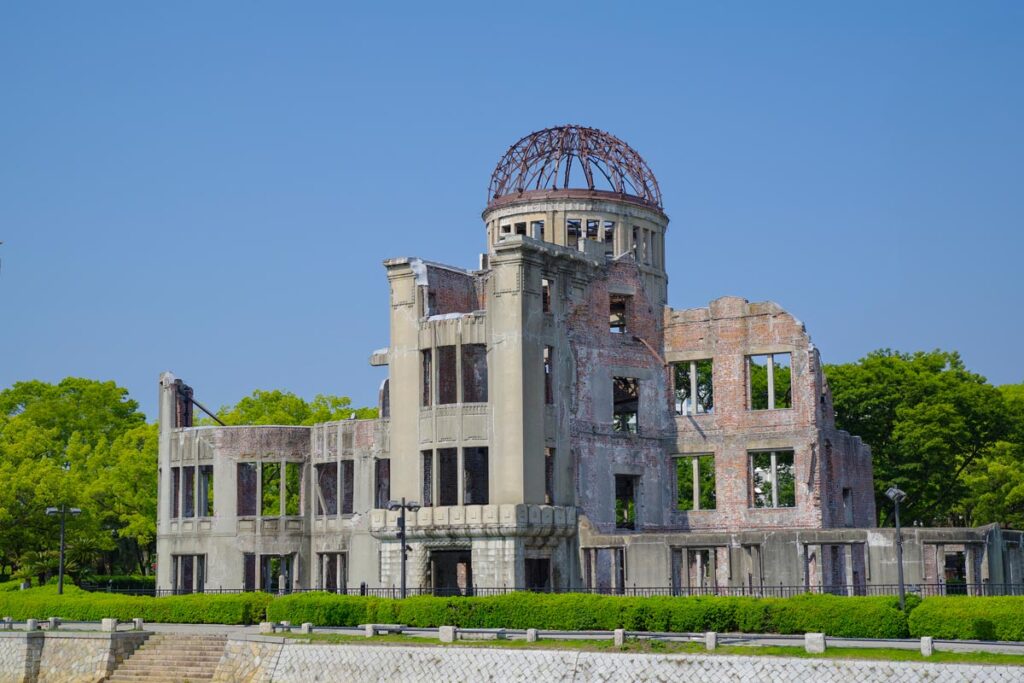
Atomic Bomb Dome
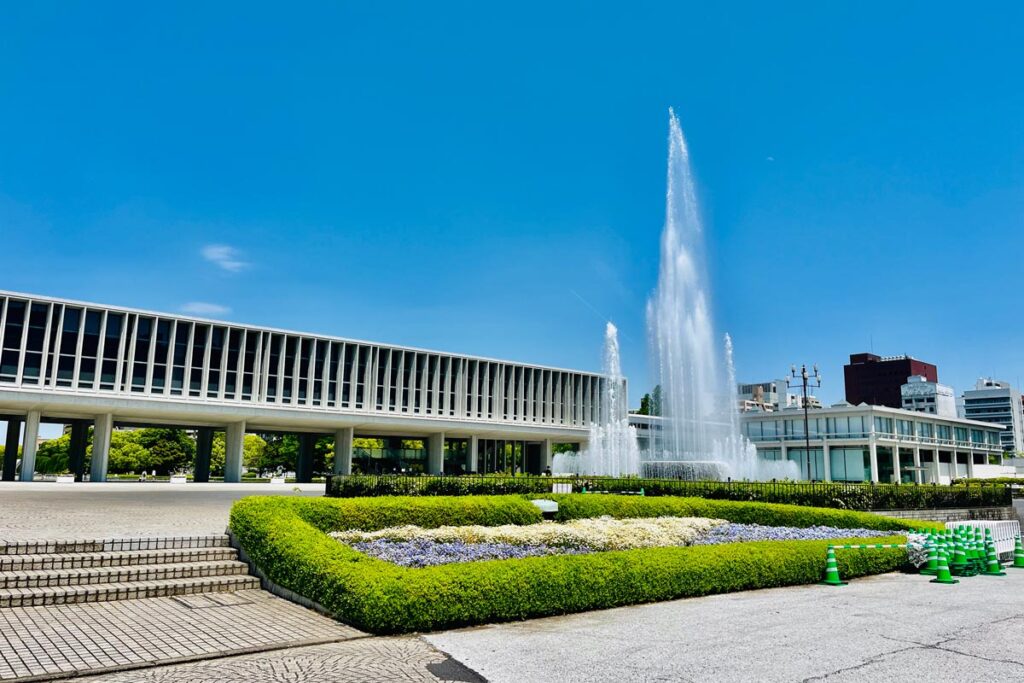
Hiroshima Peace Memorial Museum
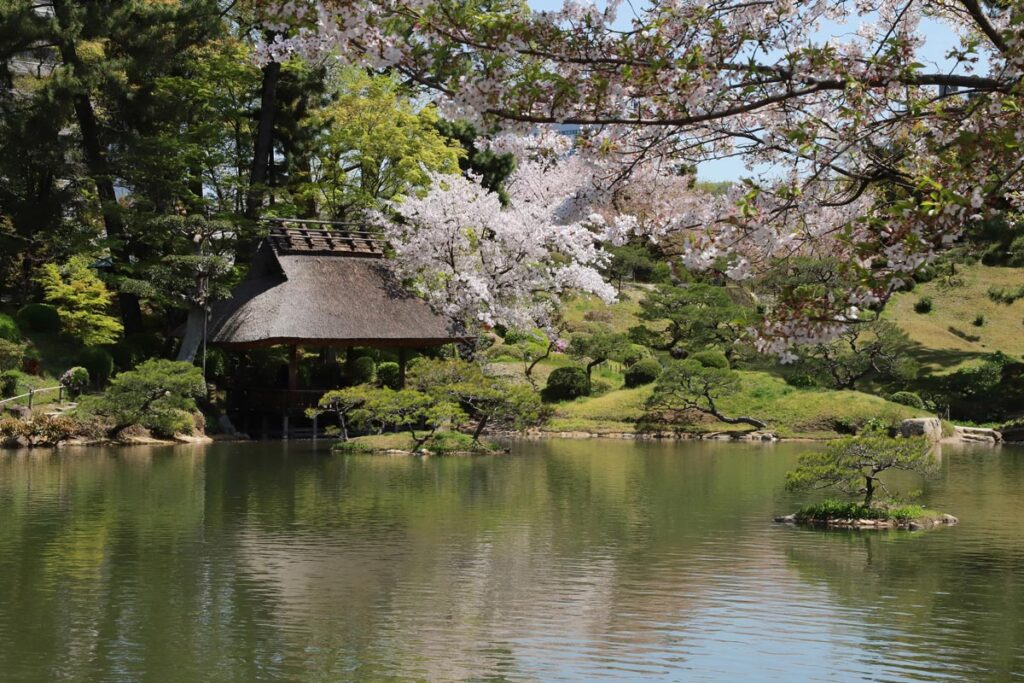
Shukkeien Garden
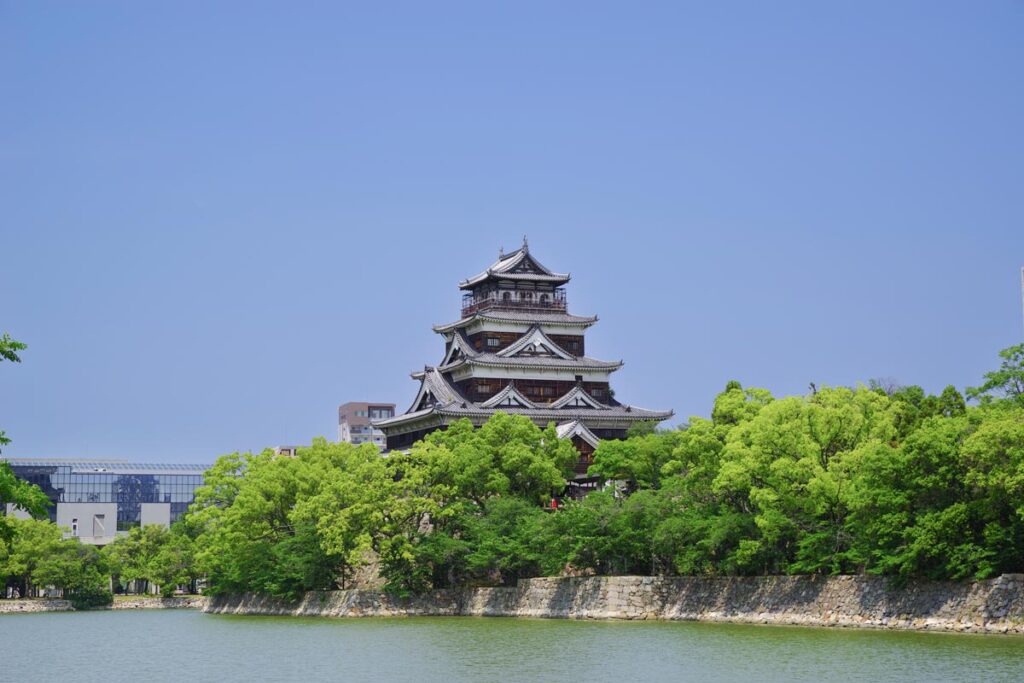
Hiroshima Castle
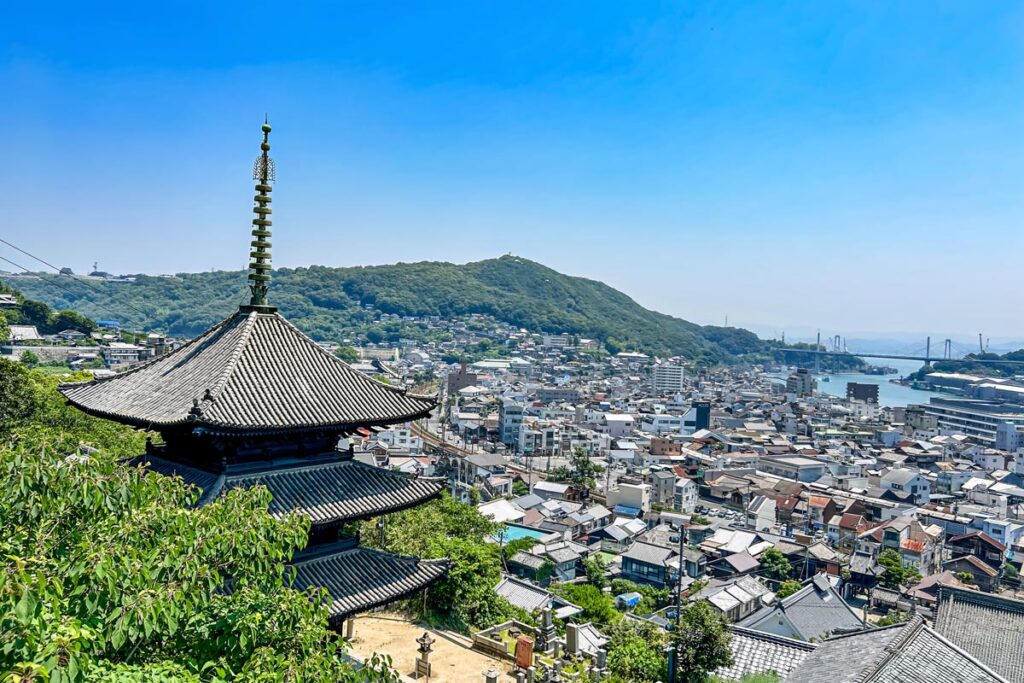
Onomichi
Okonomi-mura
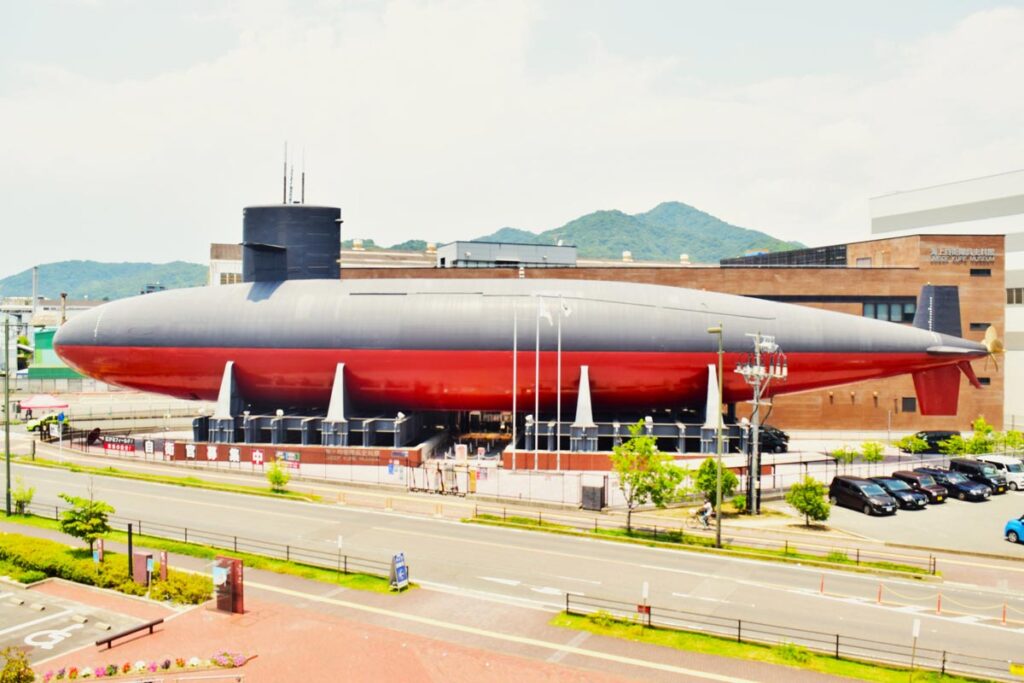
Kure

Okunoshima Island