Omotesando is one of Tokyo’s most elegant neighborhoods: a broad, tree-lined avenue where fashion flagships, award-winning architecture, and stylish cafés sit side by side. Often called Tokyo’s answer to the Champs-Élysées, Omotesando is far more than just a luxury shopping street. For first-time visitors to Japan, it offers a gentle, walkable introduction to modern Japanese style, café culture, and creative design—all within easy reach of Shibuya and Harajuku.
Where Is Omotesando and How to Get There
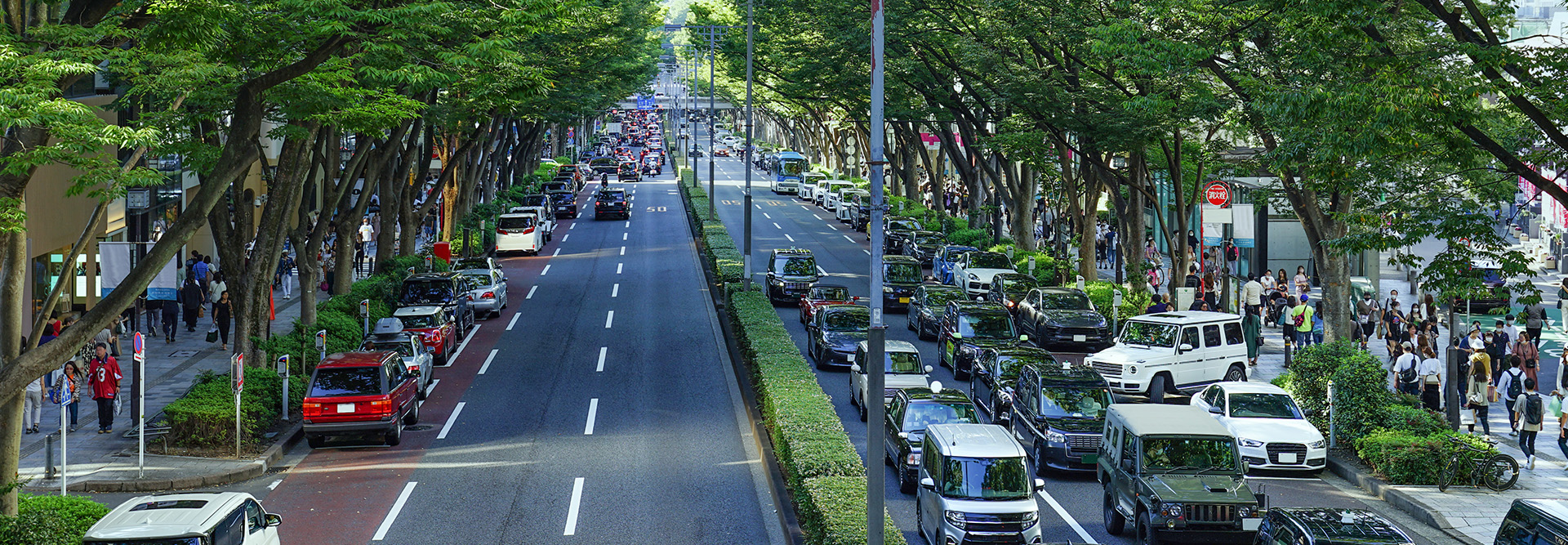
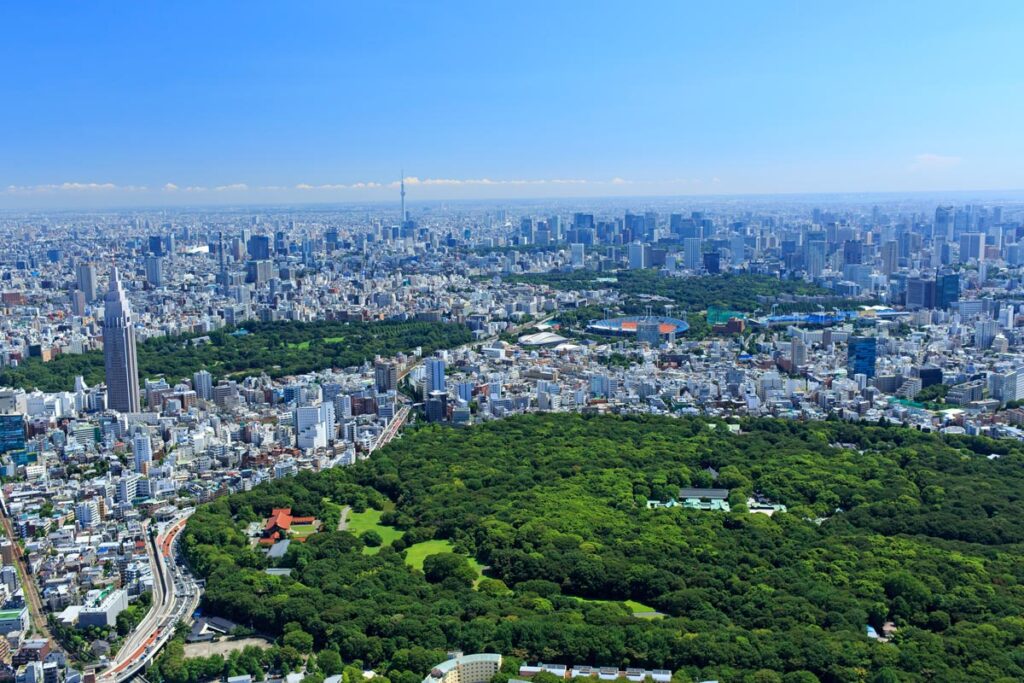
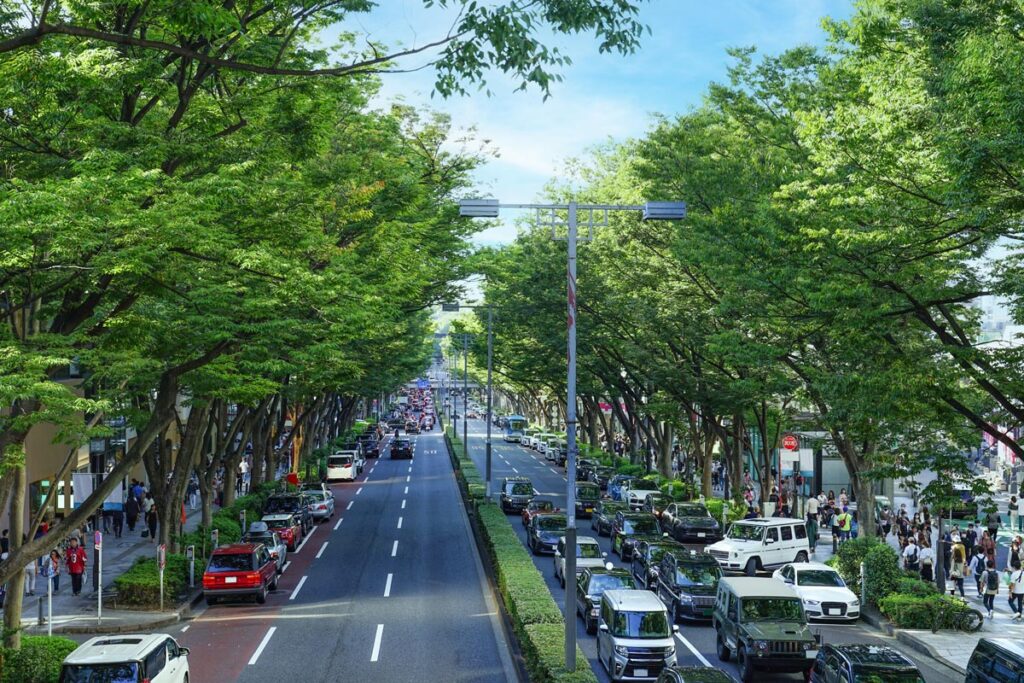
Omotesando lies in the heart of Tokyo, stretching roughly between the Harajuku and Aoyama districts, just south of Yoyogi Park and Meiji Jingu Shrine and northeast of Shibuya. It is built around a single, main avenue (also called Omotesando-dori) lined with zelkova trees that turn golden in late autumn.
Nearest Stations
Omotesando is extremely easy to access by train:
- Omotesando Station – On the Tokyo Metro Ginza (G), Chiyoda (C), and Hanzomon (Z) lines. Exits A1–A4 put you directly on Omotesando-dori.
- Meiji-jingumae (Harajuku) Station – Tokyo Metro Chiyoda and Fukutoshin lines, at the Harajuku end of the avenue.
- Harajuku Station – JR Yamanote Line, about 5–10 minutes’ walk from Omotesando-dori.
If you are coming from Shinjuku or Shibuya on the JR Yamanote Line, Harajuku Station is the most straightforward entry-point; from there, you can combine Harajuku’s youth culture with Omotesando’s more mature, upscale vibe in one stroll.
Why Visit Omotesando on Your First Trip to Japan?
Omotesando is one of the best areas to experience urban Japan without feeling overwhelmed. Side streets, known as backstreets or uraroji, branch off the main avenue, creating a patchwork of boutiques, galleries, and restaurants that invite wandering rather than rushing.
A Gentle Introduction to Tokyo’s Style
Japan is often associated with pop culture and neon, but Omotesando shows a more refined side of Tokyo: thoughtful design, subtle fashion, and calm cafés. The area is particularly appealing if you:
- Enjoy architecture and design – Many buildings are designed by world-famous architects.
- Like window-shopping – You can browse luxury brands and local designers without buying anything.
- Are seeking good coffee and sweets – The area is full of specialty cafés and dessert shops.
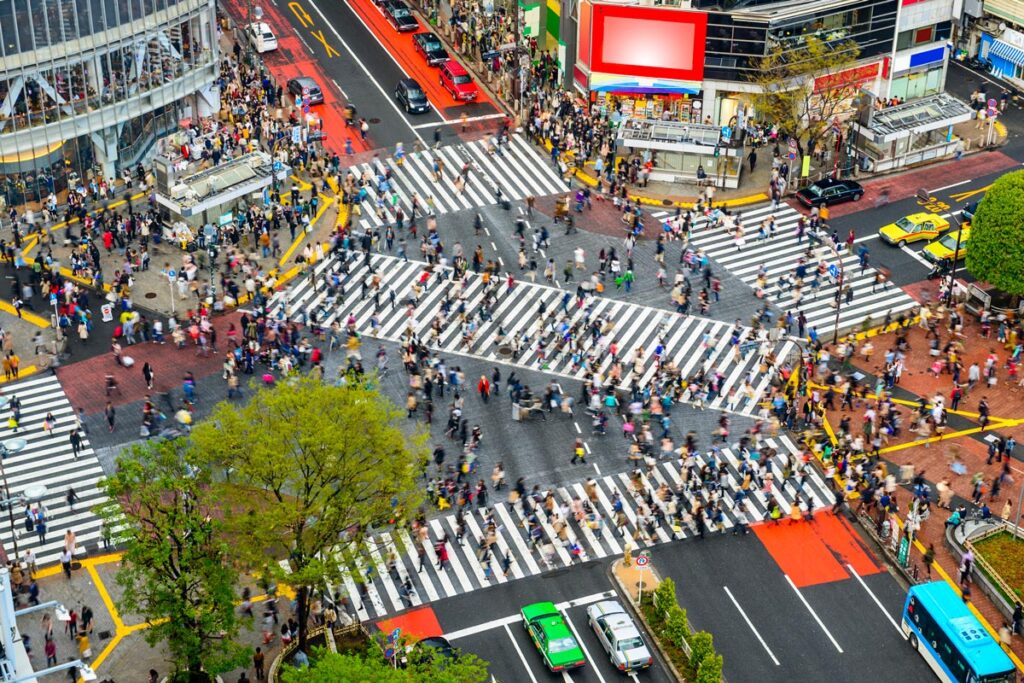
- Want to escape crowds – Omotesando is lively, but usually less chaotic than Shibuya Crossing or Takeshita-dori.
Highlights and Things to Do in Omotesando
Stroll the Tree-Lined Omotesando Avenue
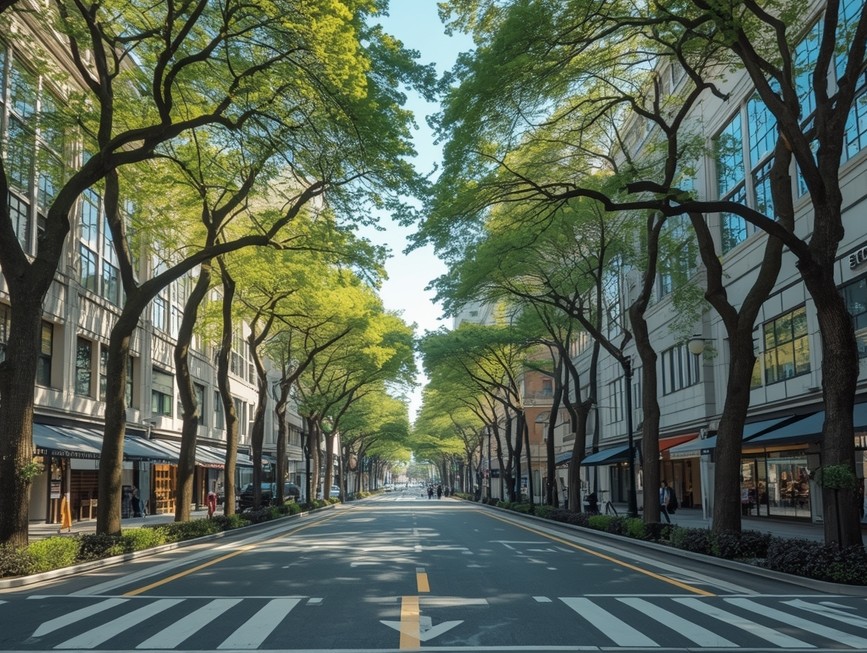
The main avenue is the perfect place to start. Wide sidewalks, tall zelkova trees, and carefully designed shopfronts create a sense of space rare in central Tokyo. Walking from Omotesando Station toward Harajuku takes about 15–20 minutes at a relaxed pace, longer if you stop to explore.
Many visitors simply walk up and down the avenue twice: once on each side. This way, you can appreciate the architecture and window displays, which are often creative visual showcases even if you are not shopping.
Admire Flagship Stores and Modern Architecture
Omotesando is sometimes called a “street museum” of contemporary architecture. Global fashion houses collaborate with star architects to create buildings that are attractions in their own right. Watch for:
- Glass façades and geometric patterns that change appearance with the light.
- Minimalist concrete and wood designs that echo Japanese aesthetics.
- Open atriums and rooftop terraces where you can take a break from the street.
You do not need to be an architecture expert to enjoy this; simply look up as you walk and notice how each building tries to stand out while fitting into the avenue’s overall harmony.
Explore Omotesando Hills
Omotesando Hills is a sleek shopping and lifestyle complex that runs along a large stretch of the avenue. Rather than being a typical enclosed mall, it is built with gently sloping floors inside, so you walk upward through the building as though you are walking along a hillside.
Expect a curated mix of Japanese and international fashion brands, interior goods, beauty stores, and a few stylish cafés. There is often a seasonal installation or event in the central atrium—think Christmas illuminations, design exhibitions, or pop-up shops. Even if you are not shopping, it is worth stepping inside for a look and perhaps a coffee break.
Wander the Backstreets: Cat Street and Beyond
One of the real charms of Omotesando lies just off the main boulevard. Slip into the network of side streets toward Shibuya and Harajuku, and you will find a more relaxed, creative atmosphere.
Cat Street is especially popular with younger fashion lovers and visitors seeking something different from mainstream brands. Despite its name, it is not filled with cats but with:
- Independent fashion labels and streetwear boutiques
- Vintage and second-hand clothing shops
- Small galleries and lifestyle stores
- Cool cafés serving specialty coffee and light meals
These backstreets are ideal for slow exploration. Try ducking into narrow lanes at random; many hidden gems—tiny bakeries, minimalist tea shops, or stationery boutiques—are found this way.
Experience Tokyo’s Café and Dessert Culture
Japan’s café culture is serious, and Omotesando is one of its best showcases. You will find everything from third-wave coffee roasteries to dessert parlors that treat sweets like works of art. Expect:
- Specialty coffee shops focusing on single-origin beans and precise brewing.
- Japanese-style cafés with matcha drinks, seasonal parfaits, and refined desserts.
- Terrace seating, particularly pleasant in spring and autumn, where people-watching becomes part of the experience.
Many cafés display their cakes and pastries at the counter; simply point to what you would like if you are unsure how to order. It is perfectly acceptable to stay for a while, read, or plan your next sightseeing stop—as long as you have ordered at least one item.
Shop Japanese Brands and Lifestyle Goods
While Omotesando hosts many international luxury names, it is also an excellent place to discover Japanese brands. Look for stores selling:
- Minimalist clothing with clean lines and high-quality fabrics.
- Homewares and lifestyle goods such as ceramics, candles, or storage containers.
- Stationery and paper products, often beautifully designed and very gift-friendly.
Prices vary widely. High-end shops may be expensive, but smaller boutiques often carry reasonably priced items that make unique souvenirs. Tax-free shopping is widely available; bring your passport if you plan to spend more and claim it on the spot.
Combine Omotesando with Harajuku and Meiji Shrine
Omotesando is ideally located to be part of a larger day in western Tokyo. A popular route for first-time visitors is:
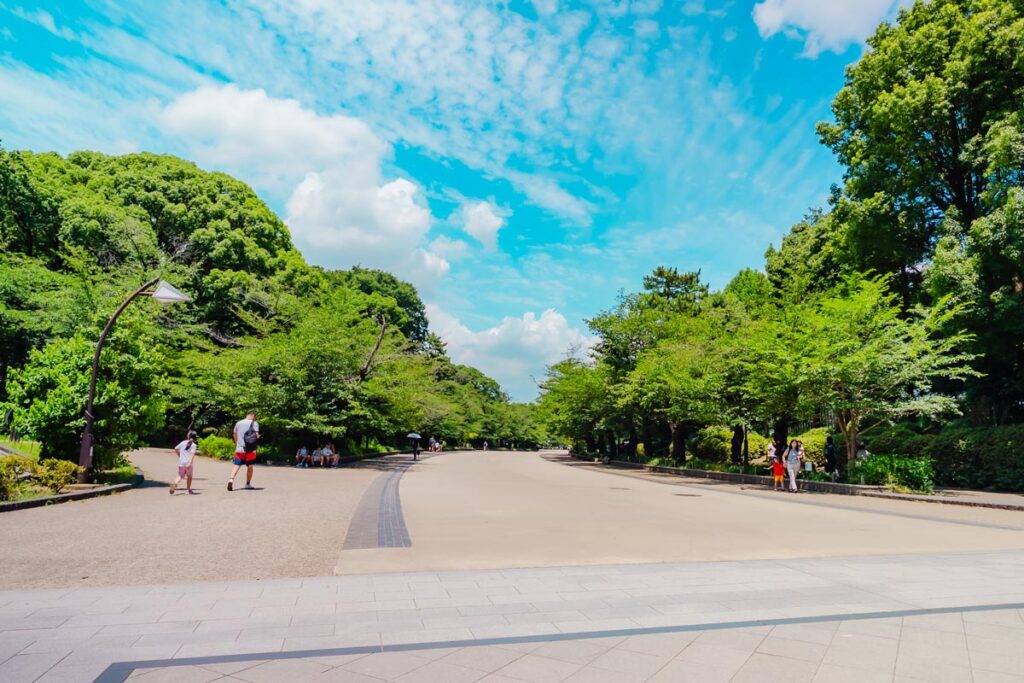
- Start at Meiji Jingu Shrine near Harajuku in the morning, enjoying the quiet forested approach.
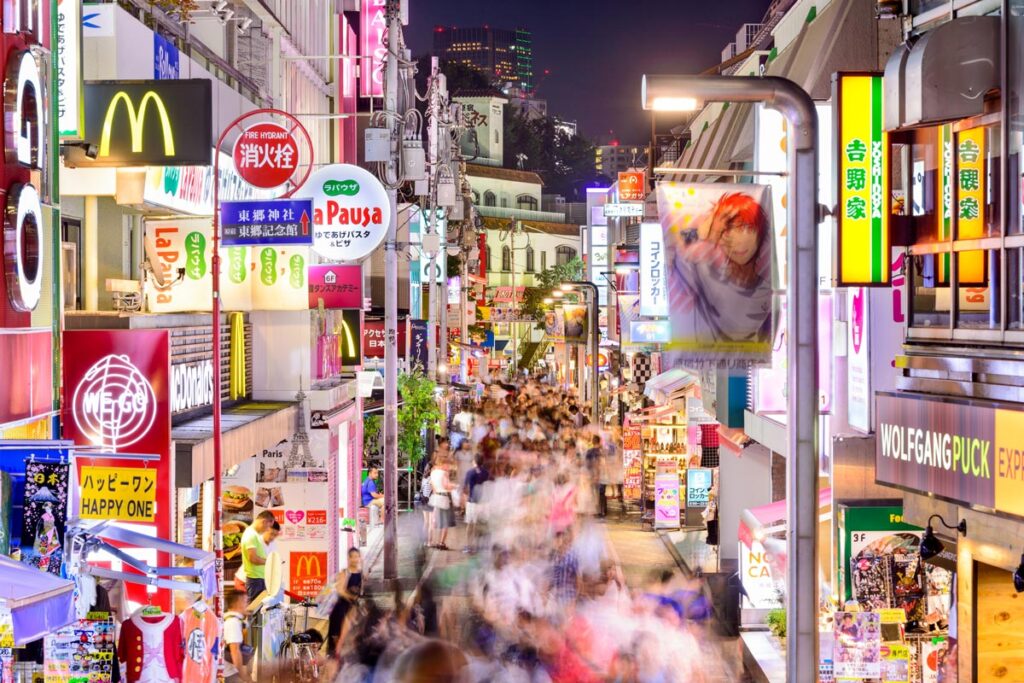
- Walk through Harajuku, browsing youth fashion on Takeshita Street.
- Continue along to Omotesando for lunch, coffee, and more grown-up shopping and architecture.
- End the day by walking or taking the train to Shibuya for the famous scramble crossing and evening neon.
This combination gives you a balanced view of Tokyo: traditional, youthful, stylish, and futuristic, all in one loop.
When to Visit Omotesando
Omotesando is pleasant all year, but certain seasons and times of day offer special appeal.
By Season
- Spring (March–May) – Comfortable temperatures and fresh green leaves on the zelkova trees. A great time for outdoor café terraces and strolling.
- Summer (June–August) – Hot and humid; the tree shade is welcome. Many shops are air-conditioned, making the area a good place for indoor breaks between outdoor sights.
- Autumn (September–November) – Particularly beautiful when the avenue’s trees turn yellow, usually from late November. Clear, cool days are ideal for photos.
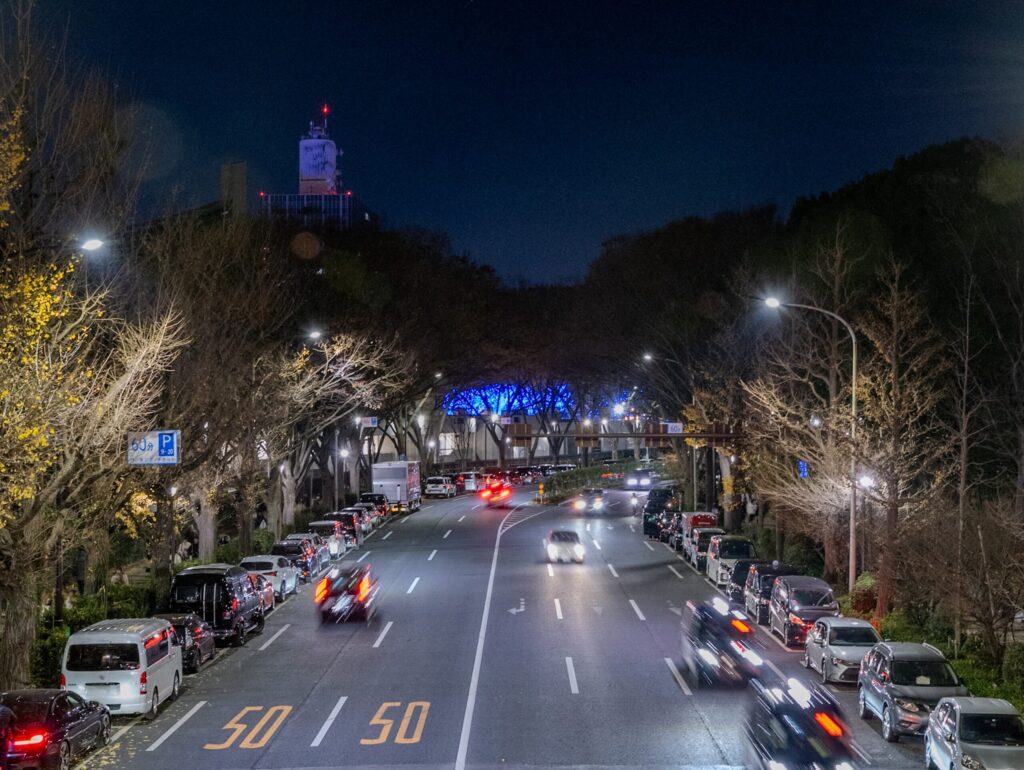
- Winter (December–February) – Crisp and bright; winter illuminations often decorate the area, especially around year’s end, giving the avenue a festive feel.
By Time of Day
- Morning – Quieter sidewalks; some shops open around 11:00, but cafés and bakeries are open earlier. Good for a peaceful walk.
- Afternoon – Busiest and liveliest time, with full shop and café hours.
- Evening – Storefront lights and illuminated façades create a different atmosphere. Shops typically close around 20:00–21:00.
Practical Tips for Visiting Omotesando
How Much Time Do You Need?
Plan on at least 2–3 hours to walk the avenue, explore a few side streets, and enjoy a café stop. If you are interested in shopping and architecture, you could easily spend half a day browsing and taking photos.
Budget Considerations
Omotesando has a reputation for luxury, but you can experience the area on almost any budget:
- Window-shopping and architecture appreciation are free.
- Coffee and dessert in a café: plan for around 800–1,500 yen per person.
- Lunch at a casual restaurant or café: typically 1,000–2,000 yen per person.
High-end fashion and designer goods are, of course, more expensive, but browsing is welcome, and staff are generally polite and discreet.
Language and Etiquette
Many shops and cafés in Omotesando are used to international visitors. Some staff speak basic English, and menus may include English or photos. Still, a few simple phrases go a long way:
- Sumimasen – Excuse me / I’m sorry (use to get attention politely).
- Arigatou gozaimasu – Thank you very much.
Basic etiquette to keep in mind:
- Do not eat while walking along the street; finish food and drinks in cafés or designated areas.
- Speak softly inside shops and cafés; Omotesando has a calm atmosphere despite being central Tokyo.
- If you handle clothing, fold items back as neatly as you can, or hand them to staff when finished.
Cash, Cards, and Wi-Fi
Most businesses in Omotesando accept credit cards and major digital payments. However, it is wise to carry some cash for small purchases in independent boutiques or local bakeries. Convenience stores nearby often provide ATMs that work with international cards.
Free Wi-Fi is available in some cafés and in parts of central Tokyo, but it is not universal. If you plan to navigate using your phone, consider renting a pocket Wi-Fi device or getting a Japanese SIM card at the airport.
Accessibility
Omotesando-dori itself is wide and relatively flat, making it one of the more accessible areas of Tokyo. Sidewalks are well maintained, and many large stores and complexes have elevators. Some smaller shops on backstreets may have steps or narrow entrances, so check before entering if mobility is a concern.
Suggested Itinerary: Half-Day in Omotesando
If you are including Omotesando in a busy Tokyo schedule, this simple half-day itinerary works well for first-time visitors:
- Arrive at Omotesando Station around mid-morning and exit directly onto the main avenue.
- Walk one side of Omotesando-dori, taking time to look up at architectural details. Step into Omotesando Hills for a short browse.
- Turn into the backstreets toward Cat Street. Explore independent boutiques and galleries, then take a coffee break at a café that catches your eye.
- Have lunch in one of the many restaurants or cafés, choosing from Japanese or international cuisines.
- Return along the opposite side of Omotesando-dori, stopping for dessert or a final round of window-shopping.
From here, you can easily continue on foot to Harajuku or Shibuya, or head back underground at Omotesando Station and move on to your next Tokyo destination.
Omotesando: A Calm, Stylish Counterpoint to Tokyo’s Neon
For many first-time visitors, Tokyo is a city of extremes—blinding neon, packed trains, and crowded crossings. Omotesando offers a different experience: an elegant, human-scale boulevard where you can slow down, observe, and appreciate a sophisticated side of modern Japan. Whether you spend an hour or an afternoon here, Omotesando rewards curiosity with great coffee, clever design, and a unique sense of urban calm in the middle of the world’s largest metropolis.