


Onomichi
Onomichi Travel Guide: A Nostalgic Port Town by the Inland Sea
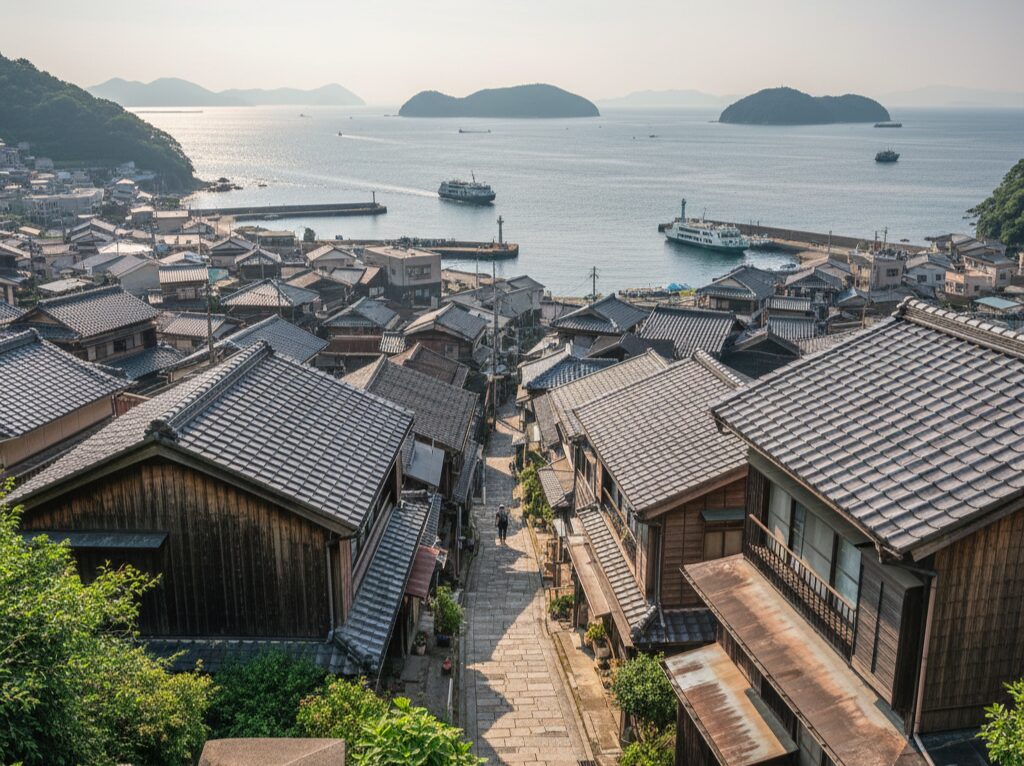
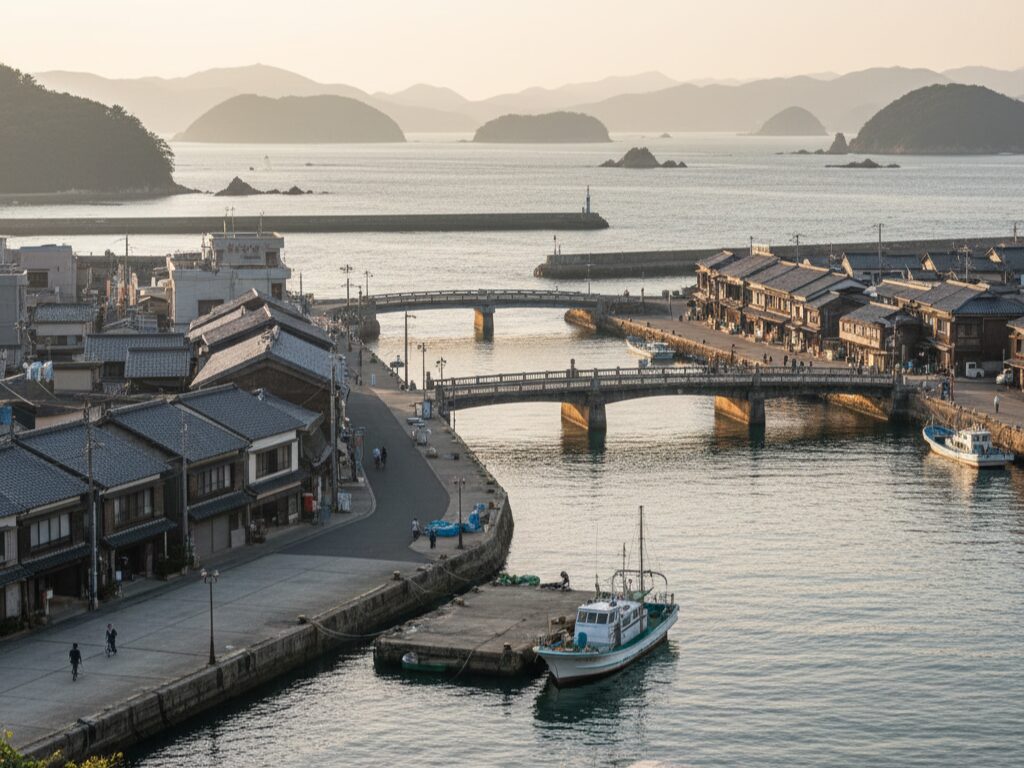
Photos are for illustrative purposes only.
Wedged between green hills and the island-dotted Seto Inland Sea, Onomichi is one of Japan’s most atmospheric small cities. Famous for its steep temple-lined slopes, retro shopping arcades, resident cats and as the gateway to the Shimanami Kaido cycling route, this compact town in Hiroshima Prefecture rewards slow, curious travel.
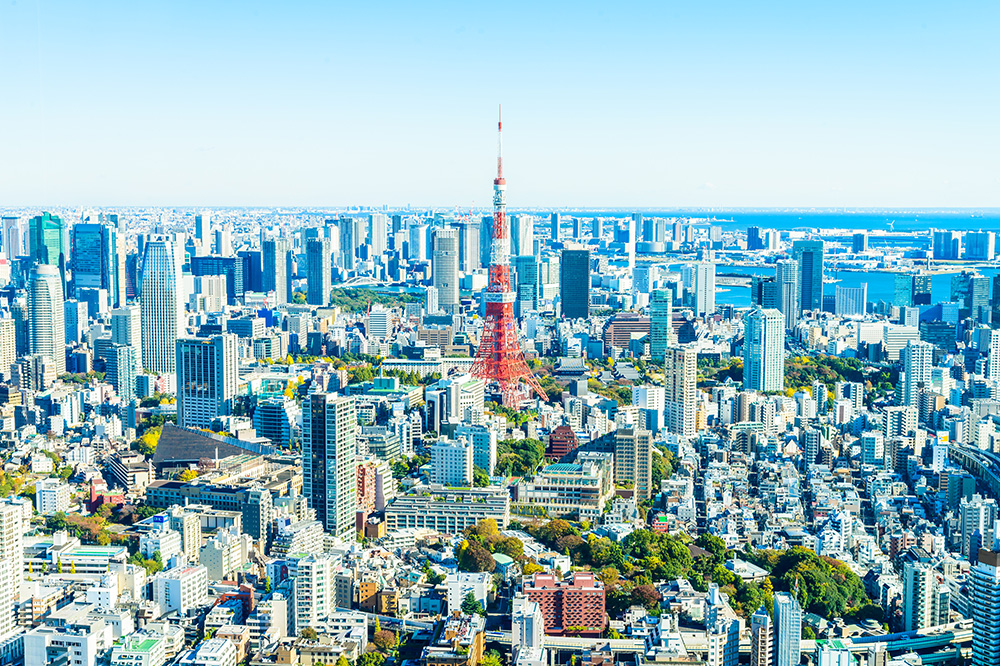
For first-time visitors to Japan, Onomichi offers a peaceful contrast to big cities like Tokyo and Osaka: narrow lanes instead of freeways, washing lines instead of neon, and sleepy ferries in place of crowded subways. Yet it is easy to reach by train, and combines well with trips to Hiroshima or Okayama.
Why Visit Onomichi?
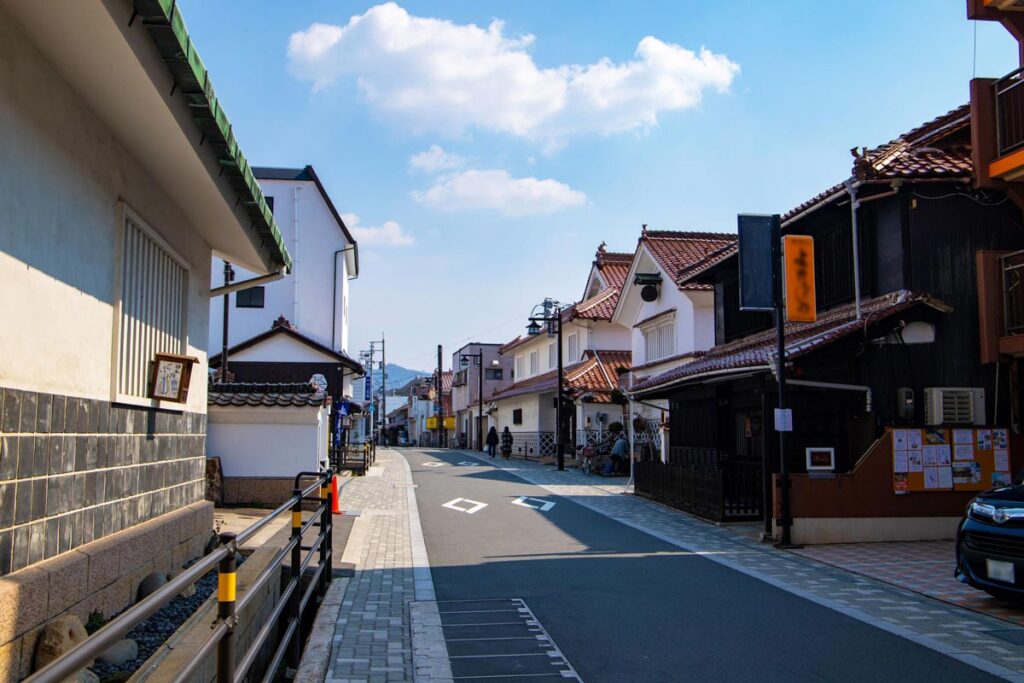
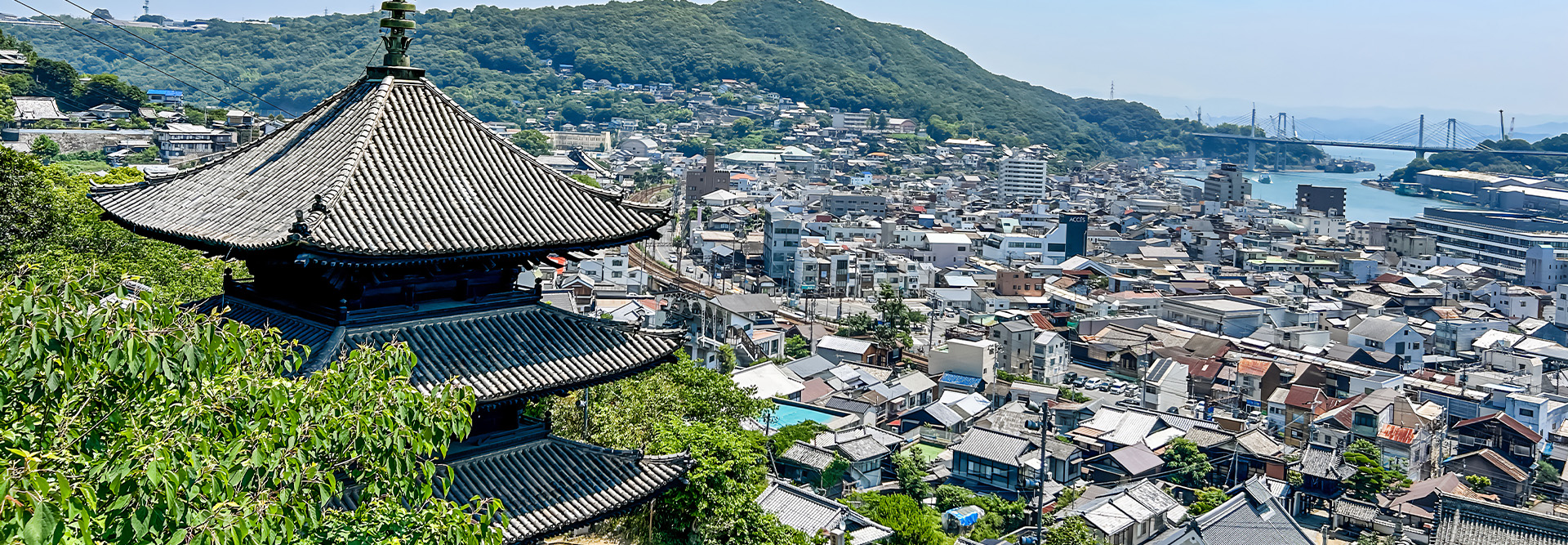
Onomichi is often described as natsukashii – a Japanese word for a warm, nostalgic feeling. Much of the townscape dates from the Showa era (1926–1989), and its slopes, alleys and harbor scenery have appeared in countless Japanese films, novels and anime. You can feel this cinematic atmosphere simply by wandering.
Key reasons to include Onomichi in your Japan itinerary:
- Temple Walk with Sea Views: A hillside pilgrimage route linking historic temples and panoramic viewpoints.
- Gateway to the Shimanami Kaido: One of Japan’s most beloved cycling routes across the Seto Inland Sea islands.
- Retro Streets and Local Food: Old-fashioned arcades, cafes with sea views and Onomichi’s own style of ramen.
- Laid-back Coastal Life: A slower rhythm that showcases everyday Japan beyond the big cities.
How to Get to Onomichi
By Train
Onomichi is easily reached from major cities by rail. There are two stations to know:
- Onomichi Station: On the JR Sanyo Line, right on the waterfront and convenient for the old town.
- Shin-Onomichi Station: On the Sanyo Shinkansen (bullet train) line, located inland on a hill.
If you hold a Japan Rail Pass or prefer a simple route, aim to arrive at Onomichi Station whenever possible.
From Hiroshima: Take the JR Sanyo Line from Hiroshima Station to Onomichi Station. The rapid or local trains usually require one change (for example at Mihara), and the trip takes around 1 hour 30 minutes.
From Osaka or Kyoto: Take the Sanyo Shinkansen to Fukuyama or Shin-Onomichi, then transfer to a local train or taxi. From Osaka, the whole journey is about 2 to 2.5 hours.
From Tokyo: Take the Tokaido–Sanyo Shinkansen to Fukuyama (or Hiroshima) and change to a local train for Onomichi. Allow around 4 to 5 hours door to door.
From Shin-Onomichi Station
Some long-distance trains stop only at Shin-Onomichi. From there, you can reach the waterfront area by:
- Bus: Local buses run from Shin-Onomichi to Onomichi Station; allow about 15–20 minutes.
- Taxi: A convenient option if you have luggage; the ride is short and reasonably priced for a small group.
Exploring Onomichi’s Hills and Temples
The Temple Walk (Onomichi Temple Route)
Onomichi’s most characteristic experience is its temple walk, a signed route that winds up the hillside past historic temples, shrines and quiet residential lanes. Instead of grand gates and vast courtyards, you’ll find small, lived-in religious sites with laundry hanging nearby and cats sunning on stone steps.
The full route links more than 20 temples, but many visitors sample a central section, starting near the waterfront and climbing gradually up. The paths are steep in places, with plenty of stone staircases, so comfortable shoes are essential.
Senko-ji Temple and Park
Senko-ji is the star of the hillside, perched on a rocky outcrop with sweeping views over the harbor. Founded in the 9th century, this temple is known for its vivid red hall, huge boulders and seasonal colors: cherry blossoms in spring, fresh green in early summer and fiery foliage in autumn.
You can reach Senko-ji in two ways:
- On foot: Follow stone alleys and staircases from the old town. This takes 20–30 minutes but offers atmospheric views of tiled roofs and the sea.
- By ropeway: The Senko-ji Ropeway glides up from near the shopping arcade to the park above the temple, offering a scenic, easy ride.
From Senko-ji Park at the top station you get one of the best viewpoints in western Japan: small islands dotting the Inland Sea, ships sliding quietly past, and the jumble of houses below. There are walking trails, benches and small observation spots where you can linger.
Cats, Alleys and Everyday Life
Onomichi is famous among Japanese visitors for its cats and narrow hillside lanes. As you wander, you may notice small cat statues, paw-print signs and actual cats lounging in quiet corners. Some routes are even called “Cat Alley”, reflecting the town’s feline-friendly reputation.
These backstreets are where you feel closest to local life: old wooden houses, tiny shrines at street corners, and residents exchanging greetings as they hang laundry or tend potted plants. Please be respectful when taking photos; these are real neighborhoods, not theme parks.
The Waterfront and Retro Townscape
Onomichi’s Shopping Arcade
Running parallel to the waterfront is a covered shopping street that feels like a step back in time. Old-fashioned bakeries, family-run stationery shops, kissaten (traditional coffee shops) and small boutiques line the arcade. Many shops close earlier than in big cities, so afternoon is the best time to explore.
Look for locally made goods such as citrus jams and sweets from nearby islands, pottery, and souvenirs themed around bicycles or cats. Even if you don’t buy anything, the nostalgic atmosphere is a highlight.
Harbor Promenade and Ferries
Onomichi’s waterfront is lined with a simple promenade, parks and the station. From here, ferries cross the narrow channel to Mukai-shima island and beyond. Watching the small boats and cargo ships come and go is a quiet pleasure, especially at sunset when the light softens over the bridges.
Short local ferry rides are inexpensive and give you a different perspective on the town. They are also part of daily life for residents commuting to and from the islands.
Onomichi and the Shimanami Kaido
Onomichi marks the northern starting point of the Shimanami Kaido, a spectacular 70 km cycling route that hops between islands all the way to Imabari in Shikoku. A series of bridges connects the islands, each with its own scenery, citrus orchards, beaches and small communities.
Cycling the Shimanami Kaido
For active travelers, renting a bicycle in Onomichi and riding part or all of the route is a memorable way to experience the Seto Inland Sea. Dedicated cycling lanes, clear signage and rental shops make it beginner-friendly, though some bridge approaches are uphill.
You don’t need to tackle the full distance. Many visitors ride only the first section or two, then return by bus or ferry. One popular option is:
- Rent a bicycle around Onomichi Station or at the port.
- Take a short ferry to Mukai-shima.
- Cycle across a bridge or two, stopping at viewpoints and cafes.
- Return to Onomichi the same day.
Rental shops typically offer standard bicycles and e-bikes. An electric bike can be helpful if you are not confident about hills. Helmets are usually available for rent; wearing one is strongly recommended.
What to Eat in Onomichi
Onomichi Ramen
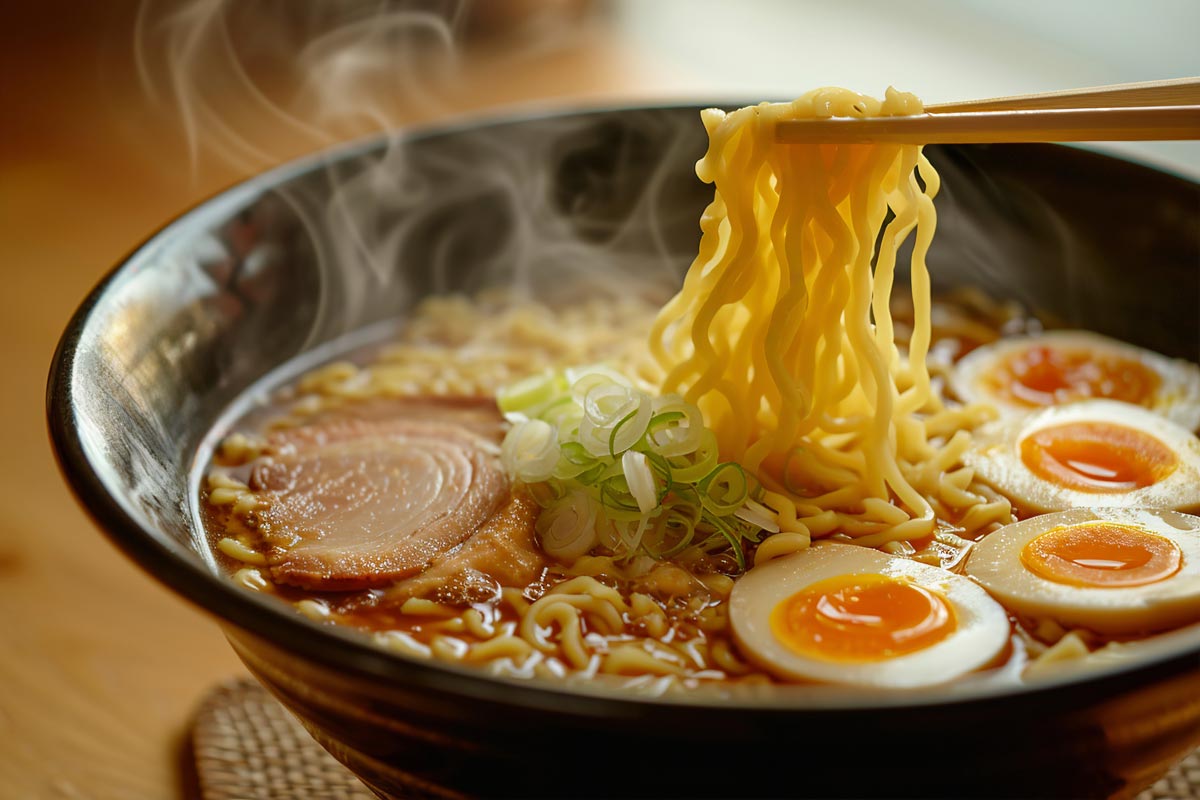
Onomichi’s most famous local dish is its distinctive style of ramen. Onomichi ramen usually features a soy-sauce-based chicken and fish broth, with flat noodles and a layer of rich pork back fat that floats on top and keeps the soup hot.
Despite the description, it is not overwhelmingly heavy; the broth has a deep, savory flavor beloved by locals. Many small ramen shops are tucked into the shopping arcade and side streets. Expect to order from a ticket machine at the entrance in many places: insert cash, press the button for the ramen type you want and hand the ticket to staff.
Cafes and Sea-View Spots
Onomichi’s hills and waterfront have attracted a new generation of cafes and guesthouses. Some occupy renovated traditional houses with wooden beams and wide windows; others are minimalist spaces overlooking the sea. They are ideal for a slow coffee break or light lunch between walks.
Menus often feature local ingredients: citrus desserts made from island lemons and oranges, set lunches with fish from the Inland Sea, and seasonal specialties like shaved ice in summer.
Where to Stay in Onomichi
Onomichi is compact, so location is straightforward: staying near the station or along the waterfront keeps you close to both the old town and cycling facilities. Consider:
- Small hotels and business hotels: Practical, with Western-style rooms, private bathrooms and simple breakfasts.
- Guesthouses and hostels: Popular with cyclists and budget travelers, often offering shared kitchens and common areas.
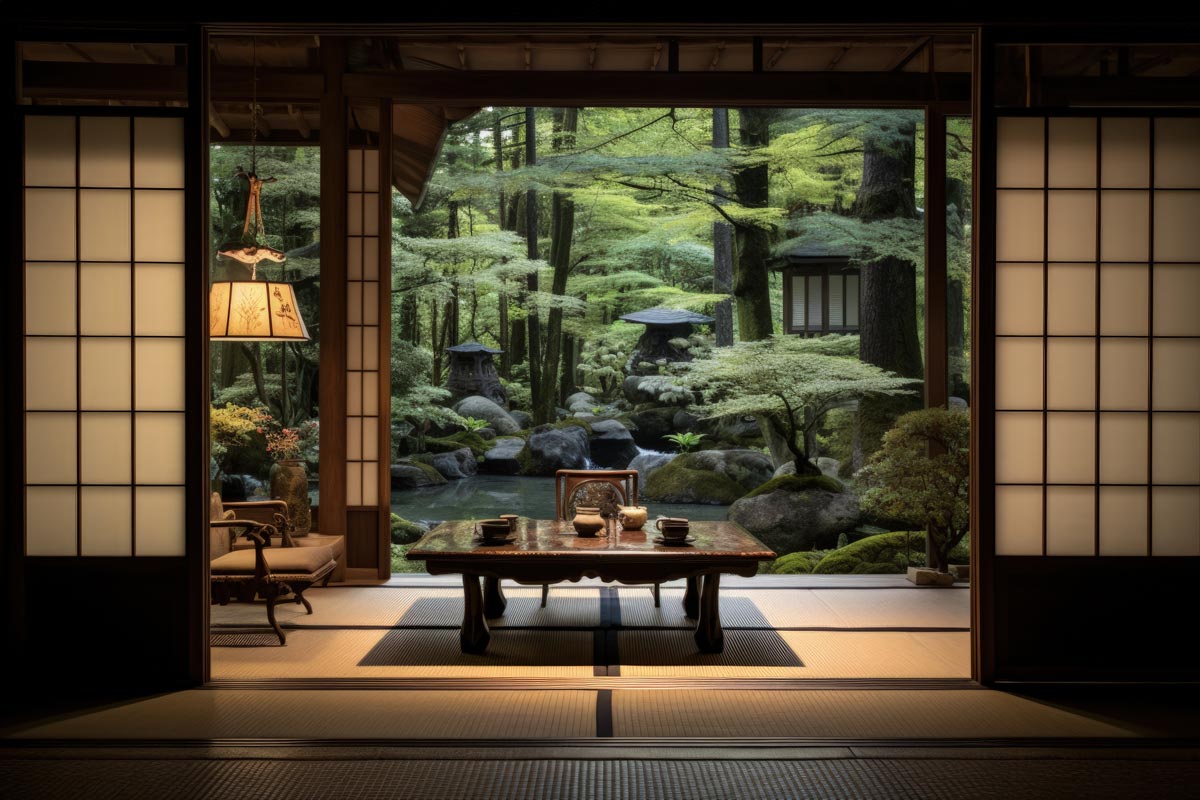
- Renovated traditional inns: Converted old houses on the hillside, sometimes with tatami rooms and sea views.
Many accommodations in Onomichi are small, so booking ahead is wise, especially during weekends, national holidays and the spring and autumn peak seasons.
Best Time to Visit Onomichi
Onomichi has four distinct seasons, and the townscape changes with the light and foliage.
- Spring (March–May): Mild temperatures and cherry blossoms at Senko-ji Park and along the hillside paths. A popular time, but less crowded than big-city hanami spots.
- Summer (June–August): Hot and humid, but the sea breeze can be refreshing. Early morning or late afternoon cycling is recommended. Summer festivals and fireworks are held in the wider region.
- Autumn (September–November): Comfortable weather, clear skies and colorful foliage around the temples. Ideal for walking and cycling.
- Winter (December–February): Cold but usually not snowy at sea level. Quiet streets and crisp air make for peaceful strolls, and views are often very clear.
Practical Tips for First-Time Visitors
Getting Around Town
Onomichi is best explored on foot, but be prepared for hills and many staircases. The main waterfront area and shopping streets are flat, while the temple district rises steeply behind them.
Useful options include:
- Ropeway: Use the Senko-ji Ropeway to ease the climb; you can ride up and walk down through the neighborhoods.
- Local buses: Handy if you are tired or traveling with luggage between the station and accommodations farther away.
- Taxis: Readily available near the station; useful for reaching higher points if walking is difficult.
Language and Etiquette
Onomichi sees fewer international visitors than major cities, so English may be limited in some shops and restaurants. However, people are generally kind and patient. Simple phrases like arigatou (thank you) and sumimasen (excuse me / sorry) go a long way.
When walking in narrow residential lanes, keep your voice down, avoid blocking doorways and be mindful when photographing private homes. In temples, follow typical Japanese etiquette: refrain from loud conversation, avoid entering areas marked as off-limits, and treat statues and altars with respect.
Cash, Cards and Luggage
More places in Japan now accept credit cards and IC cards (like Suica or ICOCA), but in small-town areas of Onomichi, some small eateries and family-run shops may be cash only. Carrying some yen in small denominations is practical.
If you are cycling or exploring before check-in or after check-out, coin lockers are available at Onomichi Station, and some hotels and rental shops may offer luggage storage for customers.
Suggested One-Day Itinerary in Onomichi
If you have just one full day in Onomichi, you can still experience its main charms:
- Morning: Arrive at Onomichi Station and stroll the harbor area and shopping arcade. Try a local bakery or coffee shop for breakfast.
- Late morning: Take the Senko-ji Ropeway up to Senko-ji Park, enjoy the view, then visit Senko-ji Temple.
- Midday: Walk down through the temple district, exploring small lanes and shrines along the way.
- Lunch: Stop for Onomichi ramen at a local shop near the arcade.
- Afternoon: Rent a bicycle and take a short ferry ride to Mukai-shima for a relaxed coastal ride, or continue exploring cafes and galleries in town.
- Evening: Return the bike, watch the sunset from the waterfront, then enjoy dinner at a casual izakaya or cafe before heading back or checking into your accommodation.
Adding Onomichi to Your Japan Route
For first-time travelers, Onomichi works well as a one- or two-night stop between Hiroshima and Okayama, or as a side trip from Osaka. It offers a look at a quieter, older Japan where daily life unfolds at walking pace and the sea is always just around the corner.
Whether you come for the hilltop views, the temple paths, or the promise of the Shimanami Kaido’s bridges stretching toward the horizon, Onomichi is a place that stays gently in your memory long after you leave.

Access Map
Recommended spots in Hiroshima
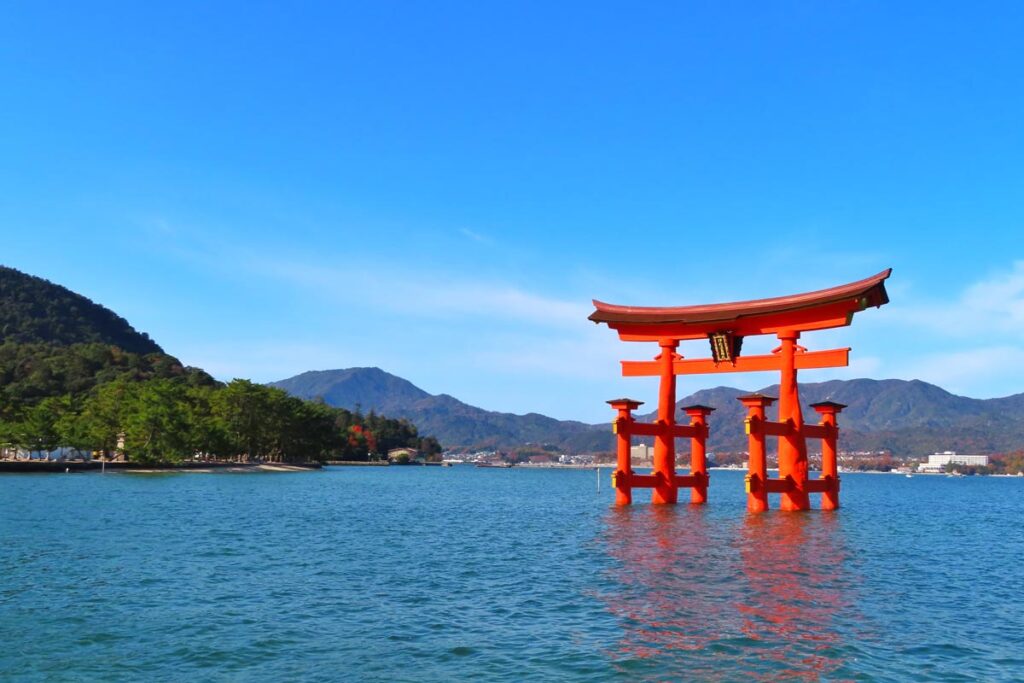
Miyajima (Itsukushima Shrine)
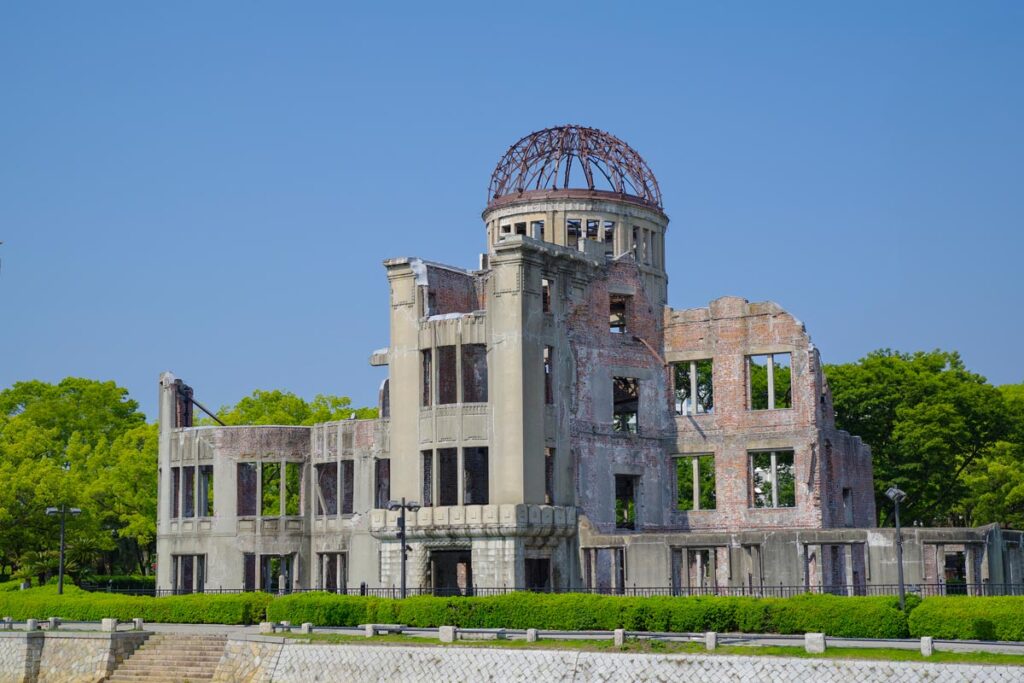
Atomic Bomb Dome
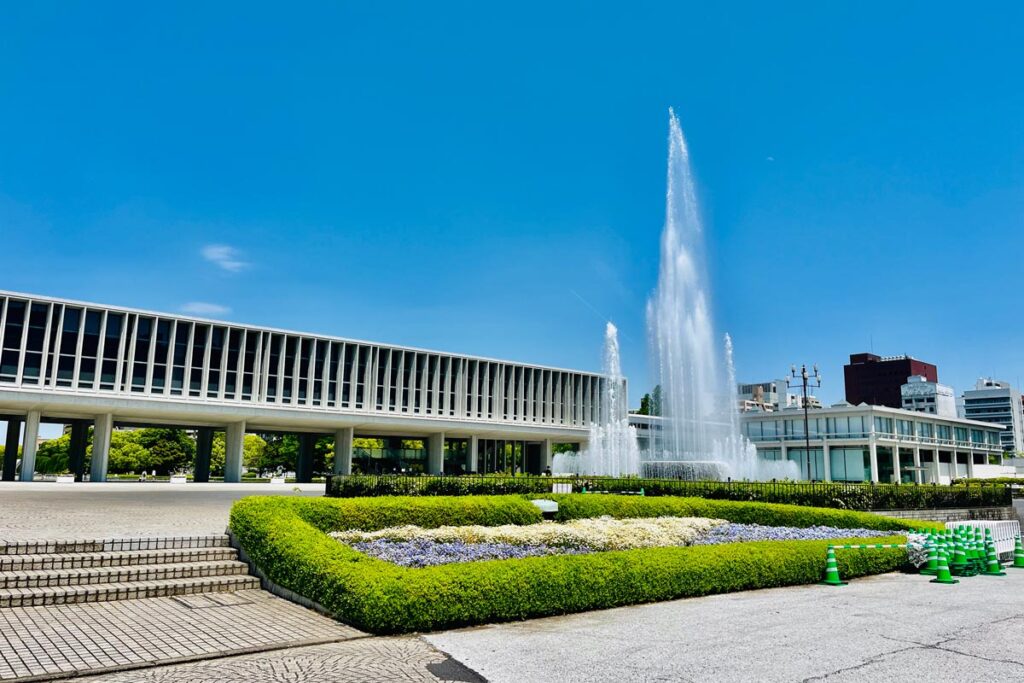
Hiroshima Peace Memorial Museum
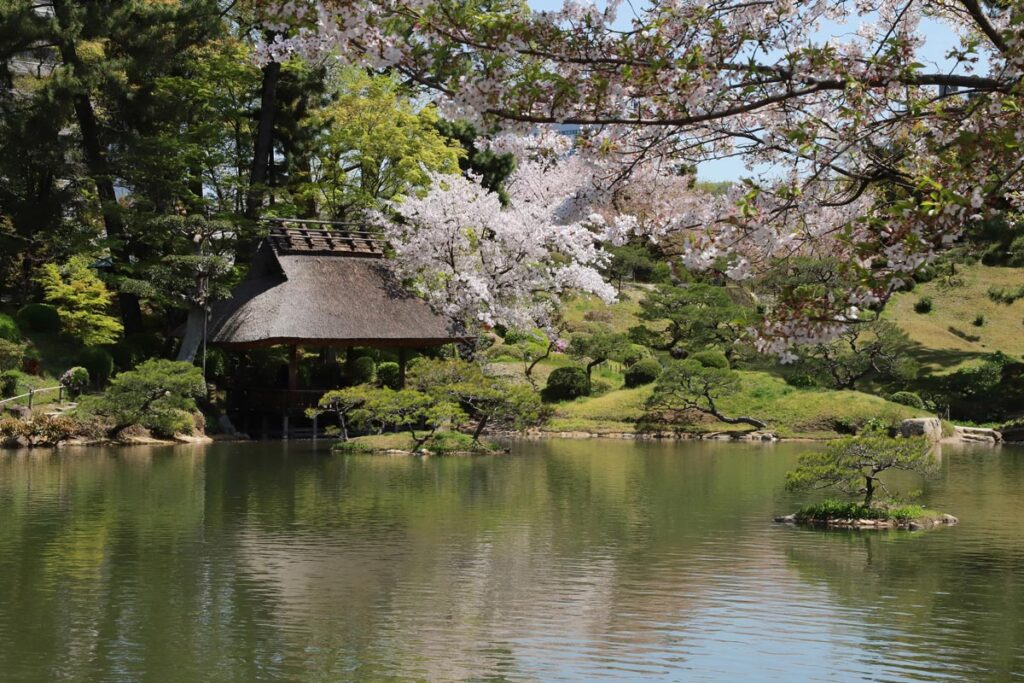
Shukkeien Garden
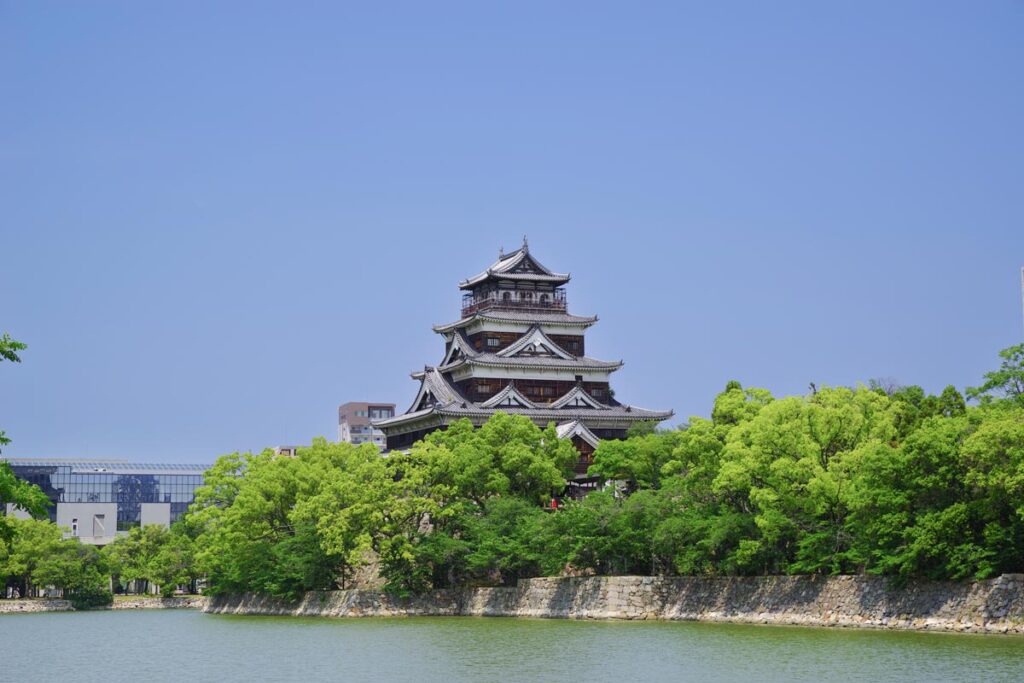
Hiroshima Castle
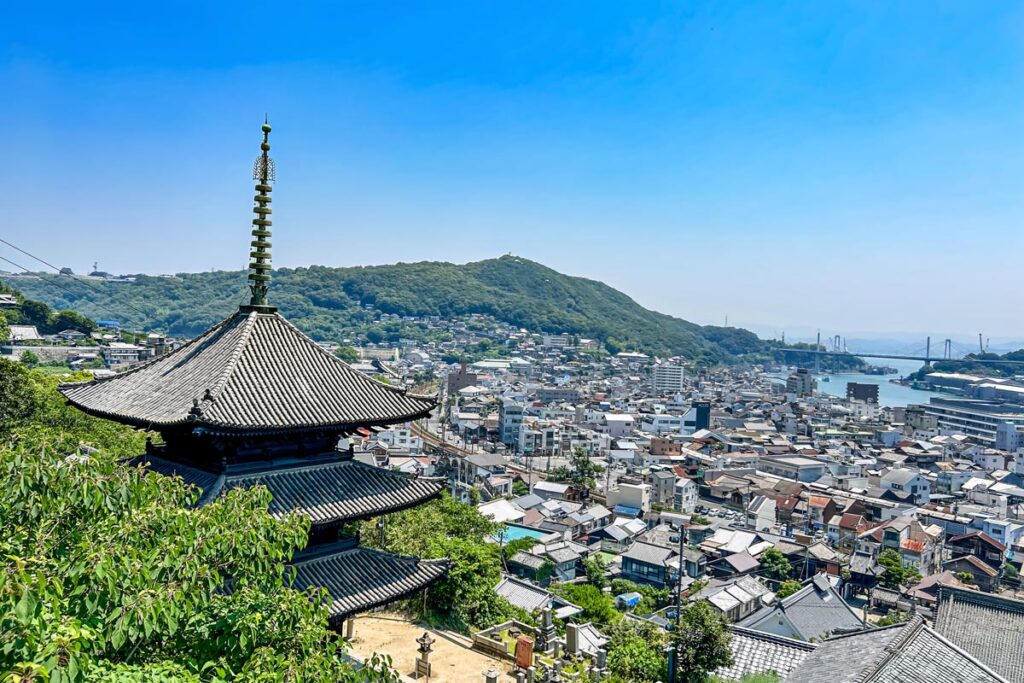
Onomichi
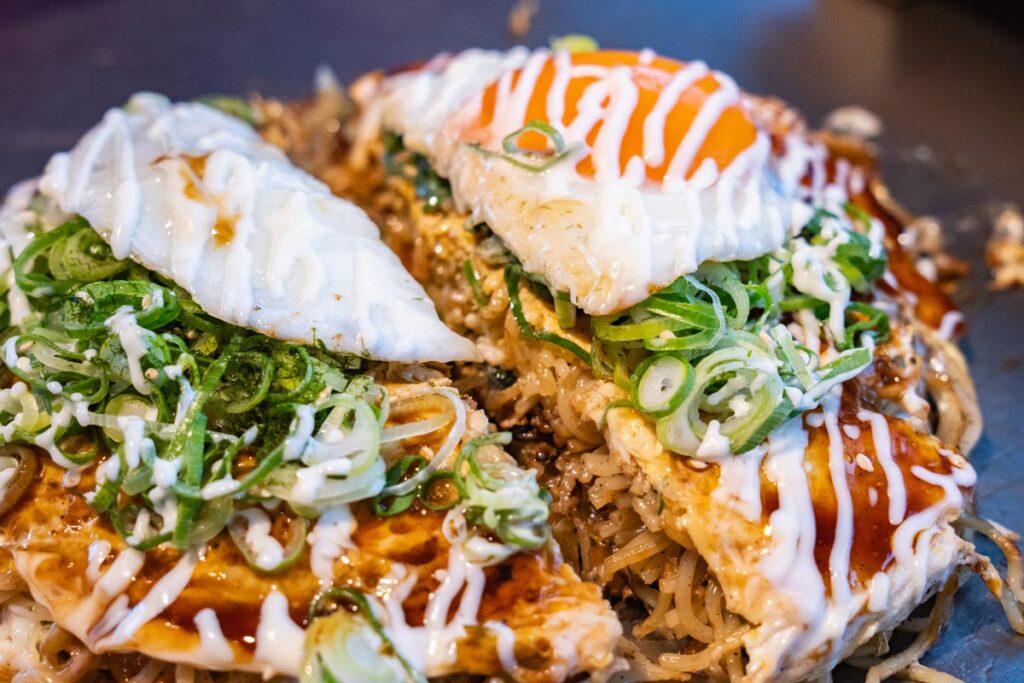
Okonomi-mura
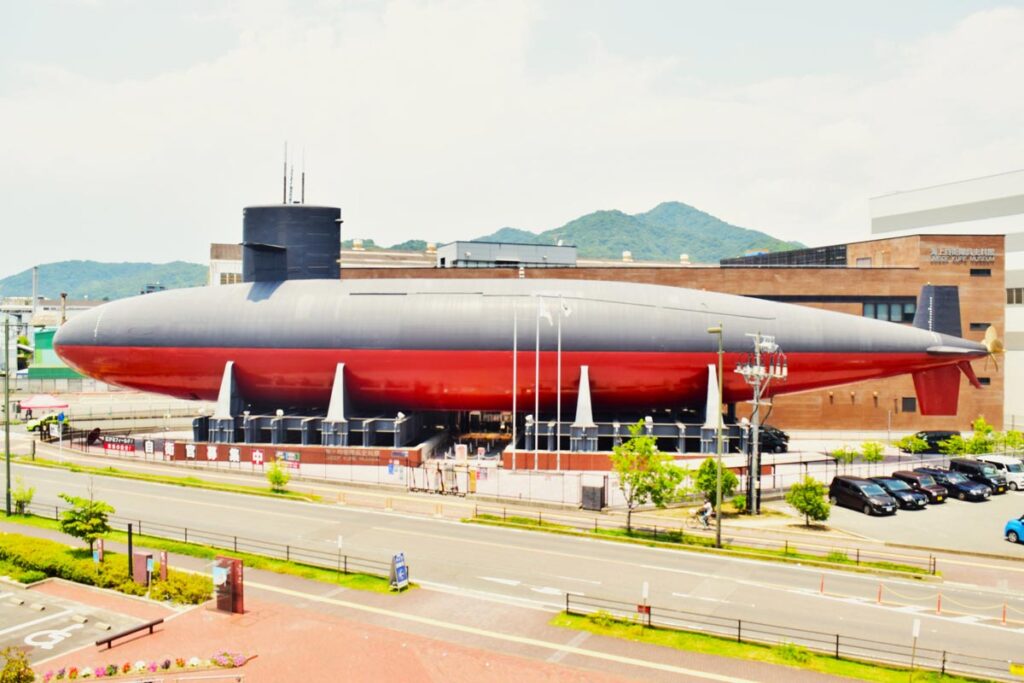
Kure
Okunoshima Island