Soaking in a steaming hot spring is one of the most memorable experiences you can have in Japan. Onsens are more than just baths; they are a deeply rooted part of Japanese culture, associated with health, purification, and quiet moments of reflection. For many international visitors, though, the rules can feel confusing at first. The good news: once you understand the basics of onsen etiquette, the experience becomes relaxing, not stressful.
What Is an Onsen, and Why Does Etiquette Matter?
An onsen is a bath that uses natural hot spring water, usually rich in minerals believed to have healing properties. You’ll find them everywhere from traditional inns (ryokan) in the mountains to modern day spas in big cities. Because bathing is done nude and shared with strangers, clear rules and etiquette help everyone feel comfortable and keep the water clean.
For Japanese people, these rules are mostly unspoken common sense. For first-time visitors, it helps to learn them in advance so you can walk into the bath area with confidence and enjoy the experience fully.
Before You Go: Choosing the Right Onsen
Onsen vs. Sento
You’ll often see two words related to public baths: onsen and sento. An onsen uses natural hot spring water that meets specific mineral and temperature standards. A sento is a public bath that uses heated tap water, sometimes with added minerals or fragrances. Etiquette is almost identical in both, so everything in this guide applies to either type.
Types of Facilities
When planning your visit, you’ll likely encounter:
- Ryokan with private onsen: Traditional inns often have shared baths and sometimes private family baths (kazokuburo) you can reserve.
- Day-use onsen: Facilities where you pay an entrance fee and stay for a few hours, popular with locals.
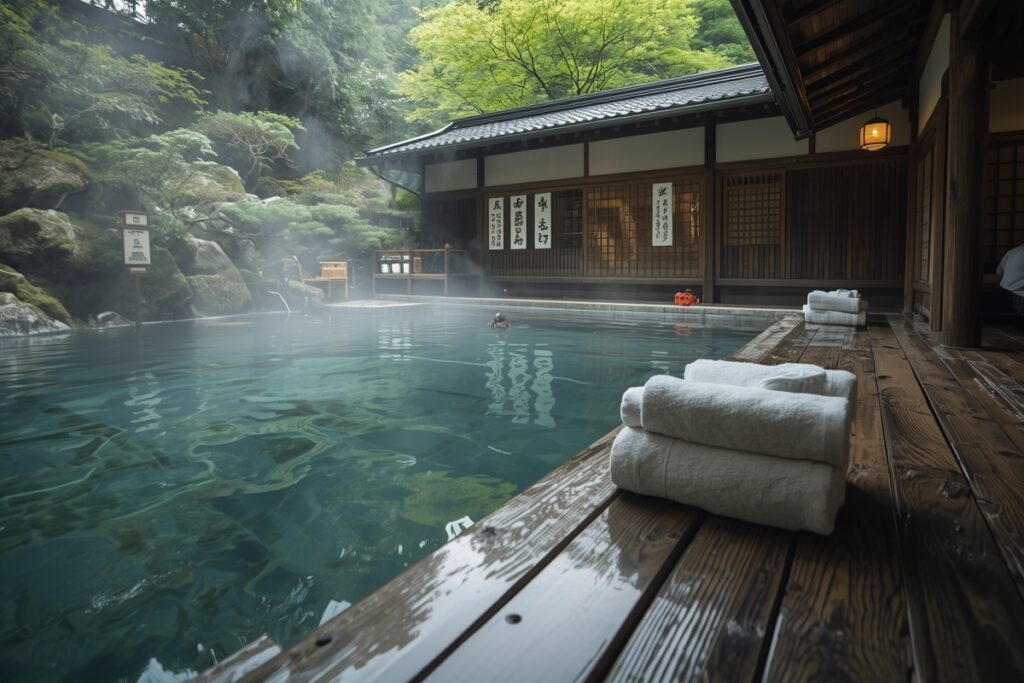
- Onsen resorts: Towns like Hakone, Beppu, and Kusatsu with many baths, ryokan, and open-air tubs overlooking mountains or the sea.
For your first experience, a day-use onsen or a ryokan that caters to overseas visitors is an ideal starting point. Staff are usually used to explaining the basics in simple English or with illustrated signs.
What to Bring (and What You’ll Be Given)
Most onsen provide the essentials, but it helps to know what to expect:
- Small towel: Often included or rented. This is your wash towel and modesty towel when walking between areas.
- Large bath towel: Usually included in ryokan stays; in day-onsen you may rent or bring your own.
- Toiletries: Many places supply shampoo, conditioner, and body soap. High-end facilities may also offer skincare products.
- Hair ties: If you have long hair, bring something to tie it up. Hair must not go into the bath water.
- Cash or small coins: Some baths use coin-operated lockers or vending machines for tickets.
You do not need a swimsuit for a standard Japanese onsen. In most traditional baths, swimsuits are not allowed unless it is specifically labeled as a swimsuit or “spa” area.
Understanding Gender Separation and Mixed Baths
In the vast majority of modern onsens, men and women bathe separately. You’ll find the entrances marked clearly:
- Men: Often blue curtains, labeled 「男」or 「男湯」and sometimes “Men” in English.
- Women: Often red or pink curtains, labeled 「女」or 「女湯」and sometimes “Women” in English.
Some traditional onsen areas offer mixed-gender baths, or konyoku. These are less common today, and rules vary. Many require towels or special cover-ups, and some have limited times for women only. If you’re not sure, ask at reception or check the signs carefully.
Step-by-Step: How to Use a Japanese Onsen
1. Check In and Pay
At the entrance you’ll usually pay an admission fee and receive a key for a locker or a basket number. Some facilities use ticket vending machines near the door: buy a ticket, hand it to staff, and they’ll direct you to the correct changing area.
2. Enter the Changing Room
In the changing room (脱衣所, datsuijo):
- Remove your shoes if required and place them in a shoe locker or on a rack.
- Choose a locker or basket and undress completely. This is the moment that feels most awkward for many visitors, but everyone is focused on their own routine.
- Store your clothes and large towel in the locker. Take only your small towel, toiletries (if needed), and locker key into the bathing area.
Photography is strictly forbidden anywhere near the baths or changing rooms to protect everyone’s privacy.
3. Rinse Before You Sit Down
Before you start a full wash, it’s customary to do a quick rinse. Many onsens have a row of showers near the entrance to the bathing area or ladles and basins by a small standing shower.
- Rinse your body with warm water, either using a shower or by scooping water with a ladle over yourself.
- Do not jump straight into the main bath without rinsing first; this is considered unhygienic.
4. Wash Thoroughly at the Shower Station
The shower stations usually have a small stool, a hand-held shower, shampoo, conditioner, and body soap.
- Sit down on a stool – always sit while washing; standing showers can splash others.
- Use your small towel and soap to clean your entire body and hair.
- Rinse off very carefully so no soap bubbles remain; soap must not enter the onsen water.
- When you’re done, briefly rinse the stool and bucket so they’re clean for the next guest.
5. Enter the Onsen Slowly and Quietly
Now you’re ready for the main event.
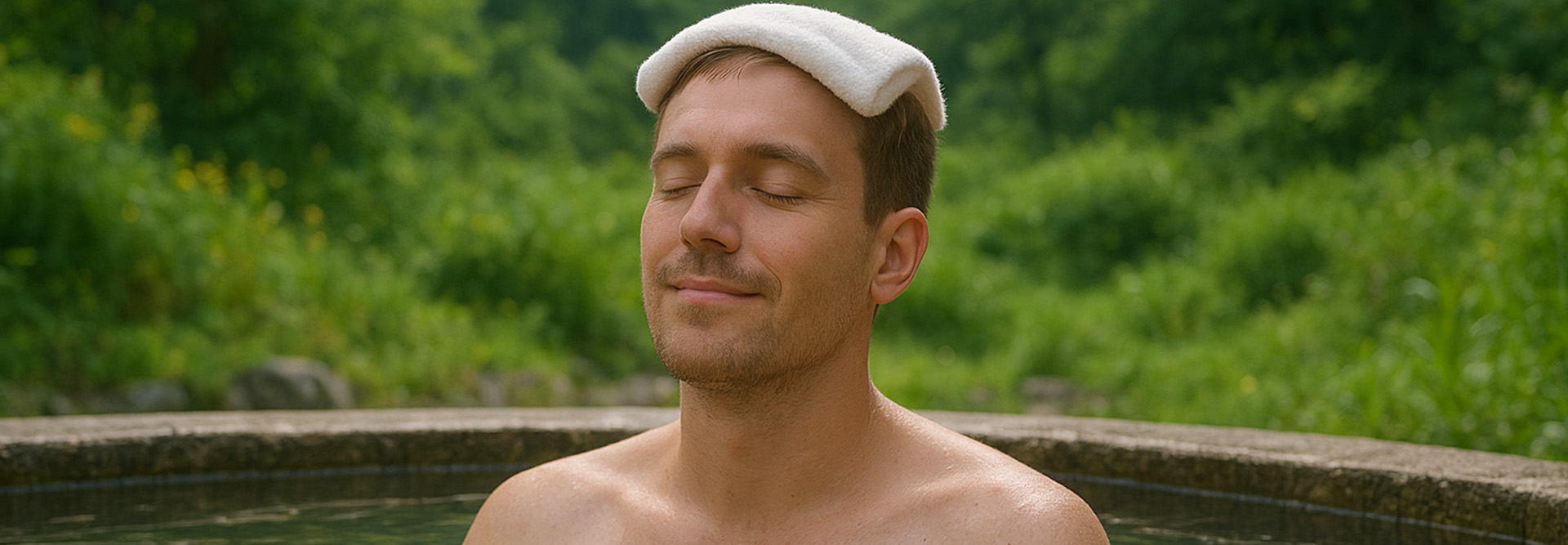
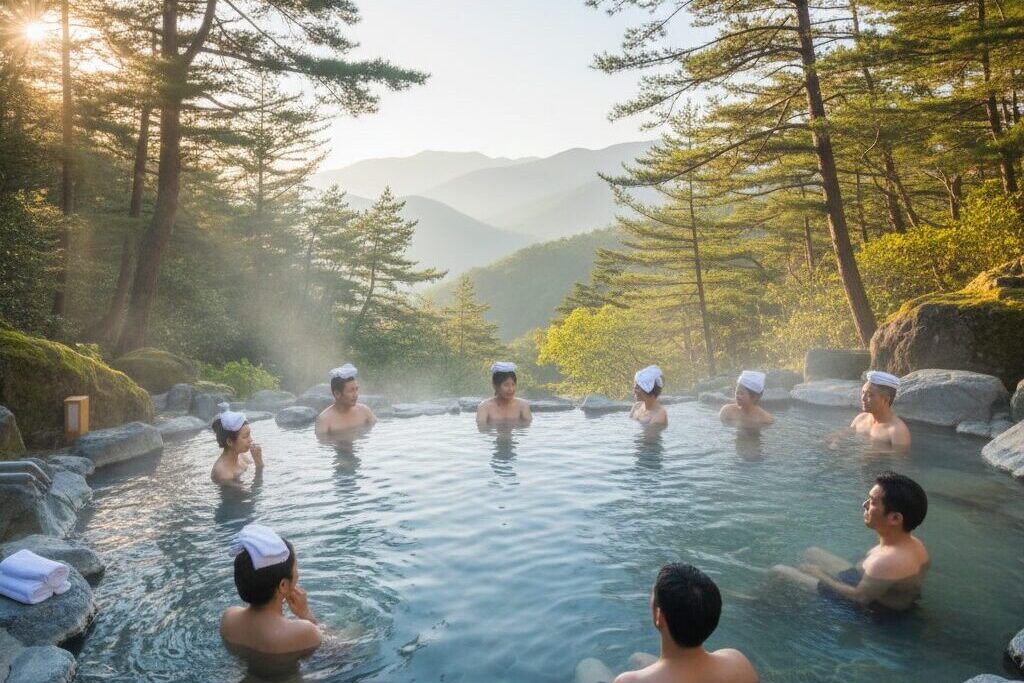
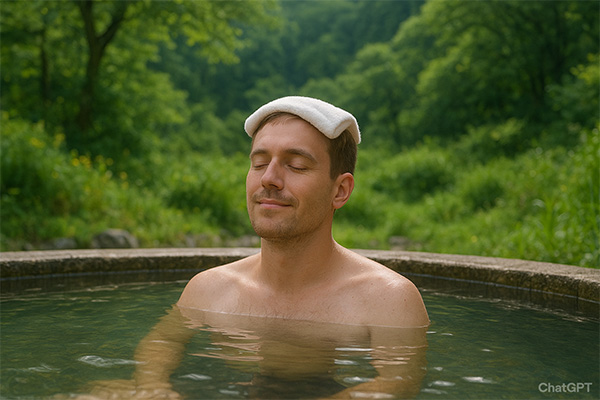
- Carry your small towel with you, but never let it touch the water. Locals often fold it and place it on their head or leave it on the edge of the bath.
- Ease yourself slowly into the water, especially if it’s very hot. Take a moment to let your body adjust.
- Keep your voice low. A calm, quiet atmosphere is part of the appeal for Japanese bathers.
Take breaks if you feel too hot or light-headed. It’s common to move between pools of different temperatures or step outside to an open-air bath (rotenburo) for fresh air.
6. After Bathing: Rinse or Not?
Whether to rinse your body after soaking is a matter of personal preference and local custom. Some people prefer not to rinse so the minerals remain on the skin. Others like to do a light rinse with warm water, especially if the water has a strong sulfur smell.
A practical approach: if there’s a clear sign instructing you to rinse, follow it. If not, choose whatever feels most comfortable for your skin.
7. Dry Off Before Returning to the Changing Room
Before you step back into the changing room, use your small towel to pat away excess water so you don’t drip on the floor. Once inside, dry yourself fully with your large towel and get dressed.
Many onsen have rest areas with tatami mats, reclining chairs, or even quiet rooms where you can relax, drink water or tea, and let your body cool down slowly.
Important Onsen Etiquette Rules to Remember
No Clothing or Swimsuits
Outside of specific “swimsuit zones,” bathing suits and clothing are not allowed in traditional onsen baths. This rule helps keep the water clean and prevents trapped dirt or detergent from entering the pools.
No Soap or Shampoo in the Onsen Water
All washing should be done at the shower stations. The onsen pools are for soaking only. Keep all soap, shampoo, and body scrubs away from the shared baths.
Respect the Quiet Atmosphere
Conversations are fine, but voices should be low and calm. Avoid shouting, splashing, or playing in the water. Phone calls are not allowed; your phone should stay in your locker.
Keep Your Hair and Towel Out of the Water
If you have long hair, tie it up or use a hairband so it does not trail in the water. Your small towel should rest on your head or the side of the bath, never in the pool itself.
No Diving, Swimming, or Running
The baths are for soaking, not exercising. The floors can be very slippery, so walk carefully to avoid falls.
Tattoos in Onsen: What You Need to Know
Tattoos in Japan have long been associated with organized crime, so many traditional onsens still post “no tattoos” signs. Policies, however, are gradually changing as Japan welcomes more international visitors.
When planning your trip, consider these tips:
- Check the policy in advance: Many modern facilities have English websites or can answer questions by email.
- Use a covering seal: Some places allow small tattoos if fully covered with a skin-colored sticker or patch.
- Look for tattoo-friendly onsen: Certain chains and tourist-friendly areas openly welcome tattooed guests.
- Consider private baths: Booking a private onsen room or family bath at a ryokan avoids any issues entirely.
If you arrive at an onsen with a strict “no tattoos” rule, it’s important to respect their policy, even if it feels disappointing. Staff are simply following house rules.
Health, Safety, and Comfort Tips
Onsen water can be very hot, often between 38–42°C (100–108°F). A few simple precautions can make the experience safer and more enjoyable:
- Stay hydrated: Drink water before and after bathing, especially if you plan to soak in multiple pools.
- Limit your time: Start with 5–10 minutes in very hot baths and take breaks to cool down.
- Avoid alcohol: Bathing while drunk is dangerous and often prohibited by onsen rules.
- Medical conditions: If you have heart problems, high blood pressure, or are pregnant, ask your doctor before visiting and choose milder-temperature baths.
Onsen Culture: More Than Just a Bath
Understanding the cultural background of onsen makes the experience even richer. Historically, hot springs were seen as sacred places where people went for purification and healing. Many onsen towns developed around temples and shrines, and local legends often tell of injured animals or monks discovering the springs by chance.
Even today, onsens are associated with hadaka no tsukiai – literally “naked companionship.” The idea is that when status symbols like suits, uniforms, or jewelry are removed, people can relax and connect more honestly. You’ll see families, groups of friends, and solo travelers all sharing the same calm, steamy space.
Taking your time is part of the ritual. Many Japanese people enjoy a slow cycle of soak, cool down, drink tea or water, then soak again. Combined with a stay at a ryokan, a kaiseki multi-course dinner, and a stroll in a yukata robe around the onsen town, it becomes a gentle reset from the pace of everyday life.
Making the Most of Your First Onsen Experience
For a smooth first visit:
- Choose a facility used to international guests, especially in major tourist areas.
- Arrive at a less busy time – weekday afternoons are often quieter than weekends or evenings.
- Observe what locals do: which pools they use first, how they move between baths, and where they leave their towels.
- Don’t hesitate to ask staff simple questions; many onsen have illustrated guides showing the correct order of steps.
Most importantly, remember that everyone around you has been a beginner at some point. Small mistakes are usually forgiven if you are clearly trying to be respectful and follow the rules.
From Confusion to Relaxation
Onsens can feel intimidating before you walk through the curtain, but they quickly become one of the most soothing parts of traveling in Japan. Once you understand the basic etiquette – wash first, keep the water clean, be quiet and considerate – you’re free to focus on the warmth of the water, the sound of running springs, and the feeling of completely unwinding.
Whether you’re soaking in a rustic outdoor tub under the stars or a sleek urban spa with city views, practicing proper onsen etiquette lets you share in a cherished Japanese tradition with confidence and respect.