





Origami Workshops
Origami Workshops in Japan: A Beginner’s Guide for Travelers
Watching a flat sheet of paper transform into a crane, samurai helmet, or delicate flower is one of the quiet joys of traveling in Japan. For first-time visitors, joining an origami workshop is an easy, hands-on way to connect with local culture without needing Japanese language skills or artistic experience. All you need is curiosity and a willingness to fold.
What Is Origami and Why It Matters in Japan
Origami (from ori, “to fold,” and kami, “paper”) is the traditional Japanese art of paper folding. Although paper-folding exists in other cultures, Japan elevated it into a refined art form connected to ceremony, design, and daily life.
Historically, origami was used in Shinto rituals and for decorating gifts and offerings. Over time it became a pastime for children and adults, a way to teach patience, precision, and three-dimensional thinking. Today, you’ll find origami everywhere in Japan: paper cranes in shrines, folded decorations on gifts, and even origami-inspired modern architecture and fashion.
For travelers, an origami workshop offers three key experiences: cultural insight, a mindful creative activity, and a meaningful, lightweight souvenir you can easily take home.
What to Expect from an Origami Workshop
Origami workshops in Japan range from casual 30-minute sessions in tourist areas to in-depth lessons led by professional artists. Most are beginner-friendly and designed with international visitors in mind.
Typical Workshop Format
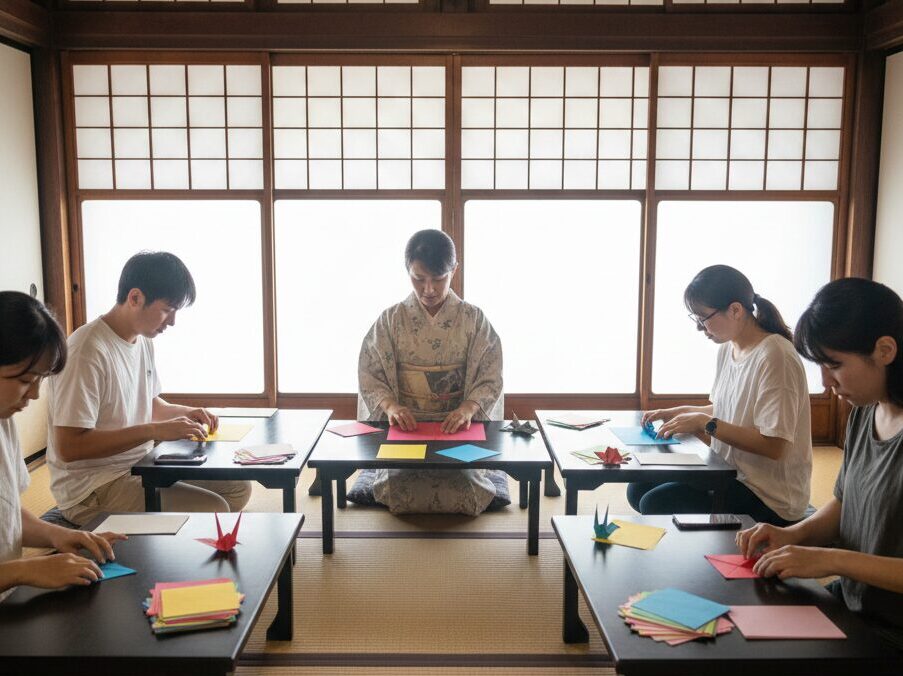
While every venue is a little different, most workshops follow a similar structure:
- Introduction (5–10 minutes): Brief explanation of origami’s history and cultural meaning; sometimes a short talk about Japanese paper (washi).
- Demonstration (10–20 minutes): The instructor shows basic folds and techniques step by step.
- Hands-on Practice (30–60 minutes): You follow along and fold several simple models, usually starting with a crane or box, then moving to more decorative designs.
- Finishing Touches (10–15 minutes): Adding details such as drawing faces, using patterned paper, or stringing your pieces together.
- Photos and Packing (5–10 minutes): Time to photograph your work and safely pack your creations to take home.
Total time can range from 45 minutes to 2 hours, depending on the depth of the lesson and how many models you make.
Language and Instruction Style
Many origami workshops in major cities such as Tokyo, Kyoto, and Osaka offer instruction in simple English. Even when English is limited, instructors rely heavily on demonstration and hand gestures, so you rarely need spoken explanations to succeed. It’s a visually intuitive activity, which makes it especially accessible for travelers.
Some workshops provide printed diagrams with arrows and step numbers, while others use large demonstration paper at the front of the room so you can easily follow each fold.
Where to Find Origami Workshops in Japan
You’ll find origami experiences in large cities, cultural centers, and even some traditional inns. Here are common places and formats to look for.
Tokyo
Tokyo offers the greatest variety of origami workshops, from quick tourist-friendly sessions to serious art classes.
- Cultural centers and tourist information hubs: Many city-run cultural centers or tourist information offices run short origami sessions for visitors on set days. These are usually low-cost or free and focus on beginner models.
- Craft studios: Dedicated craft studios often pair origami with other Japanese arts, such as calligraphy or kimono dressing. These are ideal if you want a half-day cultural package.
- Community events: From time to time, local community centers host origami days or seasonal workshops, especially around festivals and holidays.
Kyoto
Japan’s ancient capital is known for traditional arts, and origami often appears alongside tea ceremony, ikebana (flower arranging), and kimono experiences.
- Machiya townhouses: Renovated wooden townhouses (machiya) sometimes host cultural workshops in atmospheric tatami rooms. Folding paper in a traditional setting adds to the sense of stepping back in time.
- Temple or shrine-linked venues: Some cultural programs associated with temples or shrines include simple origami activities, particularly crane-folding to offer wishes for peace or health.
Other Regions
In cities like Osaka, Kanazawa, Hiroshima, and Fukuoka, origami workshops are often part of broader cultural or language-exchange events. Tourist information centers and major hotels sometimes host seasonal classes, especially during school holidays and peak travel periods such as spring and autumn.
Even in smaller towns, you may find informal experiences offered by local volunteers, particularly in areas that welcome international visitors. If you stay in a family-run guesthouse or ryokan, it’s always worth asking if staff know of any local origami activities.
Types of Origami You Might Learn
Origami isn’t just about cranes. Workshops typically introduce a mix of iconic and practical pieces, giving you a taste of the art’s variety.
The Symbolic Crane
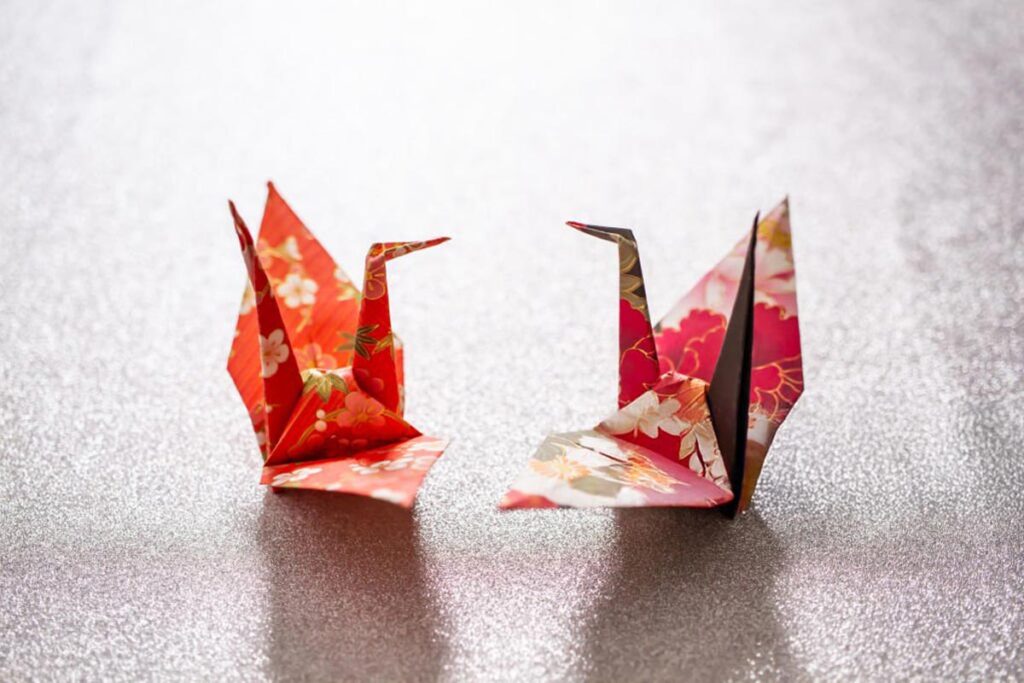
The most famous origami model is the crane (orizuru), a symbol of longevity, peace, and good fortune in Japan. Legend says that folding 1,000 cranes (senbazuru) can make a heartfelt wish come true. In Hiroshima, paper cranes have become an international symbol of peace.
Almost every beginner workshop includes a crane. Instructors often share the story of the legend or explain how families fold cranes for celebrations such as weddings and births.
Everyday and Seasonal Motifs
Depending on the time of year, you may learn designs linked to the seasons or festivals:
- Spring: Cherry blossoms, butterflies, or small decorative boxes for sweets.
- Summer: Goldfish, fans, or boats, sometimes tied to summer festivals.
- Autumn: Maple leaves and animals like rabbits associated with moon-viewing traditions.
- Winter and New Year: Decorative knots, lucky charms, and envelopes for New Year’s gifts.
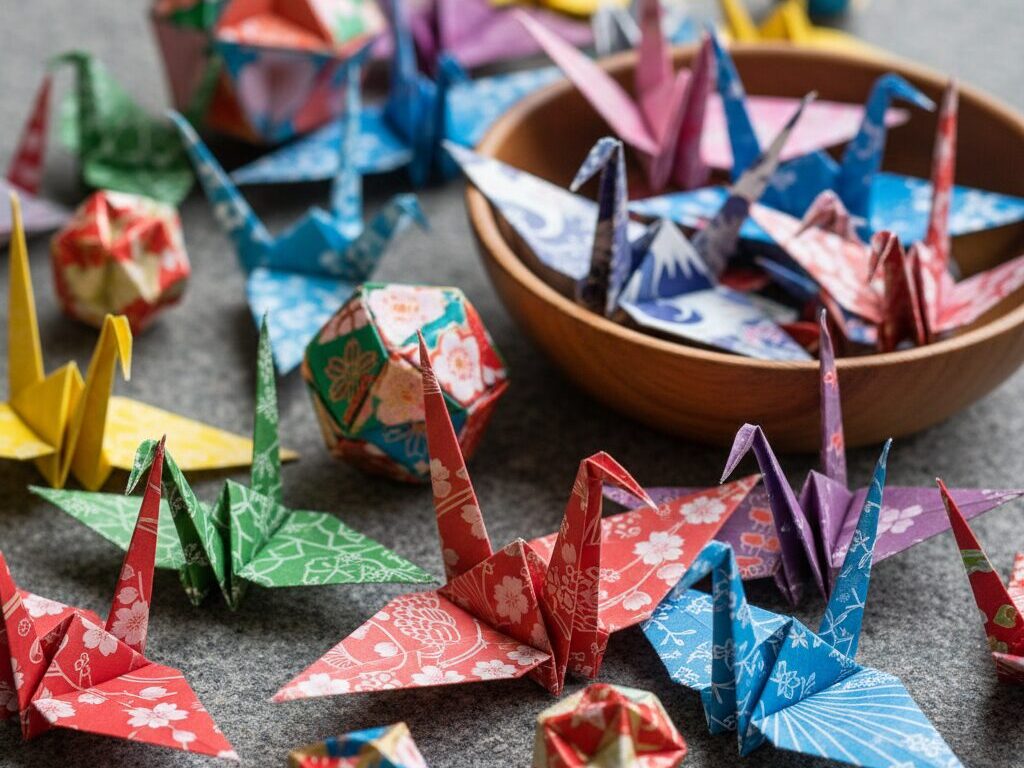
Some workshops also teach modular origami (assembling multiple folded units into a single structure, such as a ball or star) or simple practical items like chopstick rests and coasters.
Using Traditional Japanese Paper (Washi)
Many origami workshops introduce you to washi, Japan’s traditional handmade paper, known for its strength, warmth, and subtle texture. Compared with regular copy paper, washi folds cleanly without tearing and can withstand multiple creases.
Workshop hosts often provide:
- Patterned washi with traditional motifs such as plum blossoms, waves, and cranes.
- Solid-colored sheets for practicing folds before moving to patterned paper.
- Square and rectangular formats, depending on the design.
At the end of your session, you can keep unused sheets or purchase extra sets. Washi makes an ideal souvenir: light, flat, and beautifully designed. Many shops near workshop venues sell curated packs of origami paper perfect for gifts.
Cultural Etiquette in an Origami Class
Origami workshops are relaxed and welcoming, but a few simple manners go a long way in Japan.
- Arrive on time: Punctuality is important, and classes often begin promptly to stay on schedule.
- Handle paper carefully: Treat the paper as a material of respect, not disposable scrap. Instructors will often encourage you to avoid wasting sheets.
- Follow the pace: Try to fold step by step with the group so the instructor can keep everyone together. If you fall behind, quietly raise your hand or catch the instructor’s eye for help.
- Ask before taking close-up photos: Most teachers are happy to be photographed, but it is polite to ask first, especially for close-ups or videos.
- Say thank you: A simple “arigatou gozaimasu” at the end is always appreciated.
Practical Tips for Booking and Enjoying a Workshop
How to Find and Reserve a Class
You can discover origami workshops in several ways:
- Tourist information centers: Staff can recommend nearby classes and sometimes make reservations for you.
- Hotel concierges: Mid-range and higher-end hotels often have lists of local cultural experiences, including origami.
- Online booking platforms: Many studios list their workshops in English on global booking sites, where you can compare prices, duration, and reviews.
For popular time slots (weekends, evenings, and peak travel seasons like cherry blossom and autumn foliage), reserve at least a few days in advance. Walk-in options exist in some tourist-heavy areas, but spots may be limited.
Typical Prices and Duration
Costs vary by location and instructor, but as a general guide:
- Short sessions (30–45 minutes): Often 1,000–2,000 yen per person, including materials.
- Standard workshops (60–90 minutes): Usually 2,000–4,000 yen, sometimes with tea or snacks included.
- Private or specialized classes: Can be higher, especially for one-on-one lessons or advanced techniques.
Many venues offer discounts for children or families. Some workshops also bundle activities, such as origami plus calligraphy or tea ceremony, at a combined rate.
Do You Need Any Experience?
No prior experience is necessary. Instructors expect that many participants are complete beginners. Children are usually welcome, but some venues set a minimum age (often around 6–8 years) due to the fine motor skills needed for precise folding.
If you already enjoy origami, you can look for intermediate-level classes that focus on more complex models or modular designs. These are less common but available in larger cities.
Bringing Your Origami Home Safely
One of the advantages of origami as a souvenir is its portability, but finished pieces can still be delicate. To protect your creations:
- Use a flat envelope or folder: Many workshops provide simple envelopes; otherwise, carry a thin plastic folder in your day bag.
- Avoid crushing in luggage: Pack your pieces between clothing layers or inside a hard-backed notebook.
- Consider folding flat designs: If you’re traveling for several weeks, focus on models that fold nearly flat, such as boxes, cranes, or envelopes.
Origami also makes a thoughtful gift. You can write a small message on the inside of a model or pair folded pieces with Japanese sweets or tea for friends and family back home.
Learning Simple Folds to Use During Your Trip
After a workshop, you can apply your new skills throughout your journey in Japan and beyond:
- Personalize thank-you notes: Fold a small crane and attach it to a note for your host family, ryokan staff, or local guides.
- Entertain children: If you’re traveling with kids, folding paper on trains or in cafés is a quiet, screen-free activity.
- Connect with locals: Offering to fold a tiny gift for someone who helps you—like a friendly café owner—can create a memorable interaction, even if you don’t share a language.
When to Combine Origami with Other Cultural Experiences
Origami pairs naturally with other Japanese cultural activities, making it easy to build a themed day in cities like Tokyo or Kyoto.
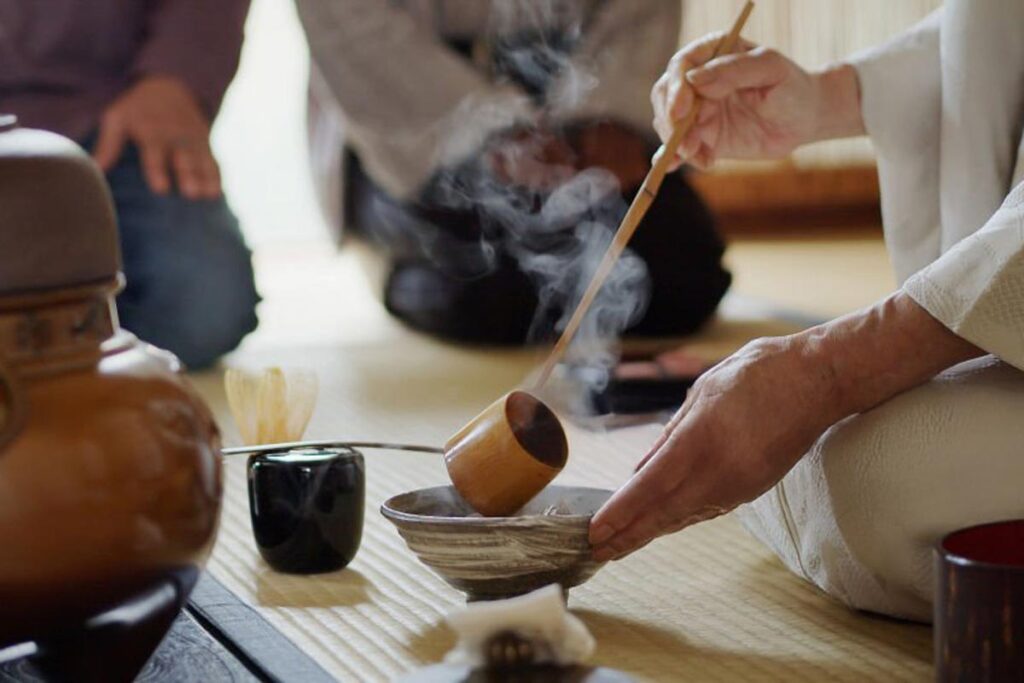
- Tea ceremony + origami: Start with a peaceful tea ceremony, then move to an origami class to continue the calm, mindful mood.
- Kimono dressing + origami: Wearing a kimono while learning to fold traditional motifs makes for atmospheric photos, especially in historic districts.
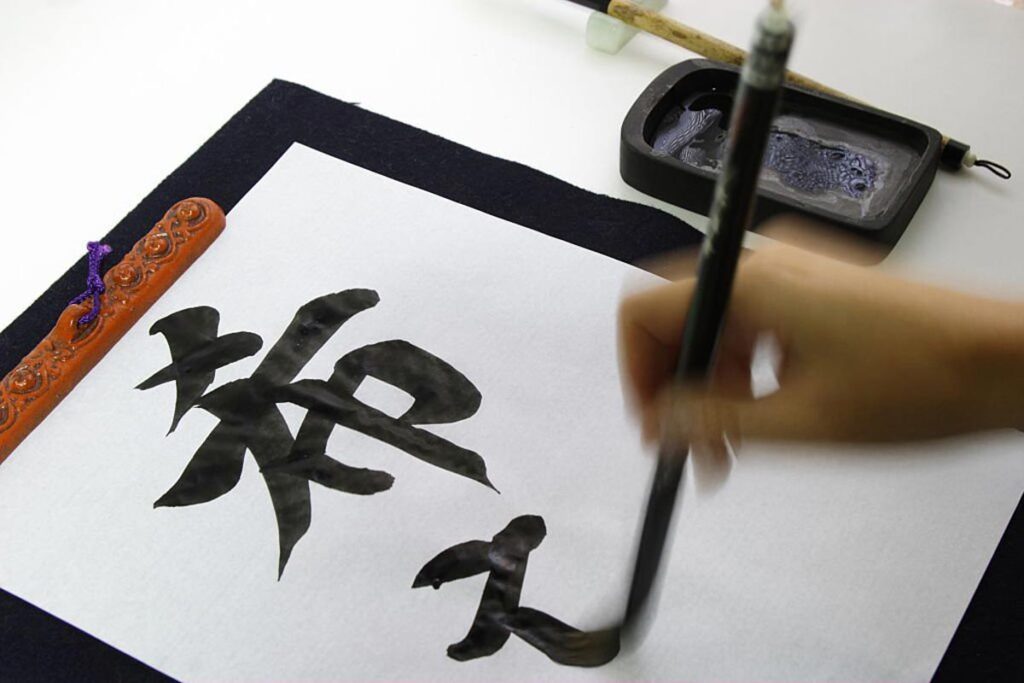
- Calligraphy + origami: Write your name in Japanese characters, then fold paper decorated with your calligraphy into a bookmark or card.
Many studios offer such combinations, allowing you to deepen your cultural experience in a single afternoon.
Why Origami Is Ideal for First-Time Visitors to Japan
For travelers visiting Japan for the first time, origami workshops tick several important boxes:
- Low language barrier: Visual, step-by-step instruction keeps things accessible.
- Kid-friendly: Suitable for families and mixed-age groups.
- Budget-conscious: Typically affordable compared with some other cultural experiences.
- Flexible scheduling: Short sessions are easy to fit around sightseeing.
- Meaningful souvenirs: You leave not just with paper creations, but with a new skill you can continue at home.
Whether you have a full two-week itinerary or just a few days in Japan’s major cities, setting aside an hour for an origami workshop offers a quiet counterpoint to busy streets and crowded attractions. It’s a chance to slow down, fold carefully, and appreciate the way Japanese culture often finds beauty in the simplest everyday materials.
By following the guidance of local instructors and engaging with this traditional craft, you’ll carry home more than pretty paper—you’ll bring back a gentle, memorable experience that stays with you long after your trip ends.

Explore Other Cultures
Tea Ceremony

Kimono Wearing

Samurai Experience
Pottery
Calligraphy