



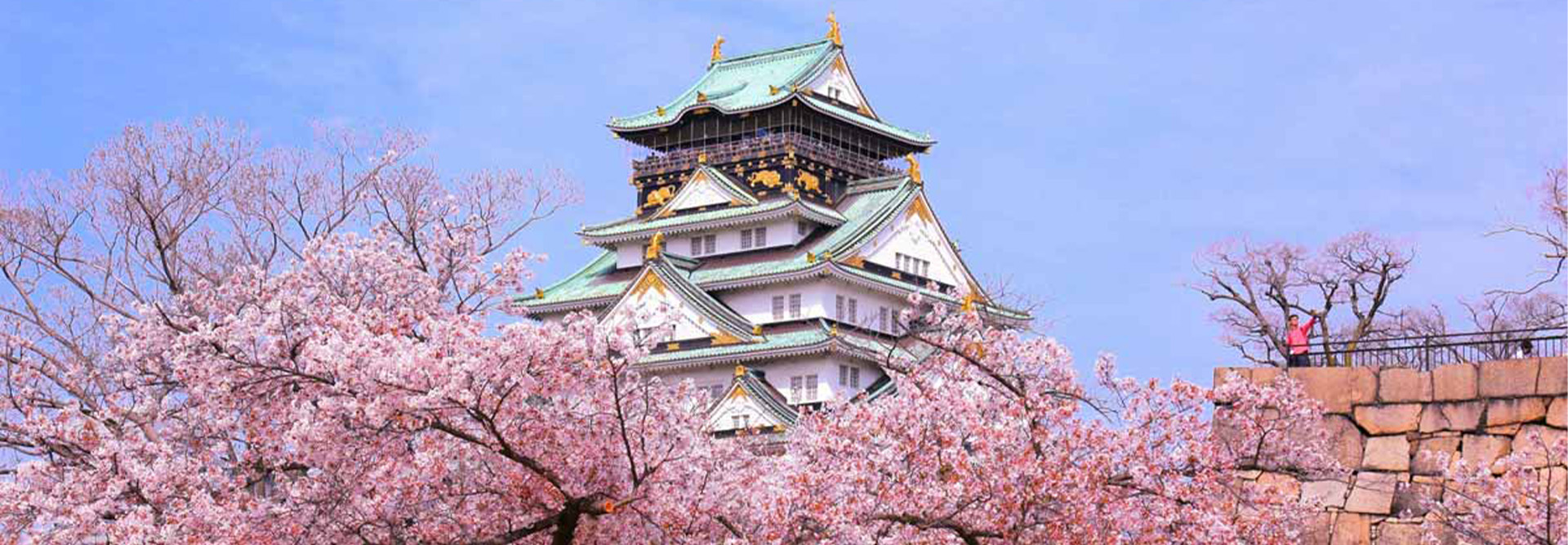
Osaka - Osaka Castle Park
Osaka Castle Park: A First-Time Visitor’s Guide to Osaka’s Historic Heart
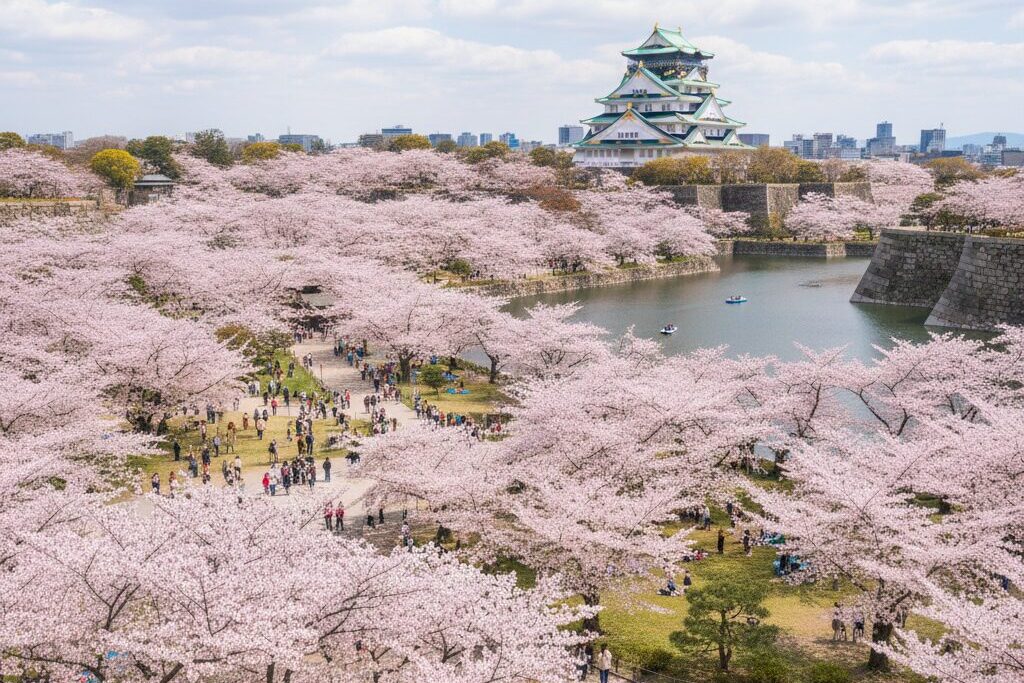
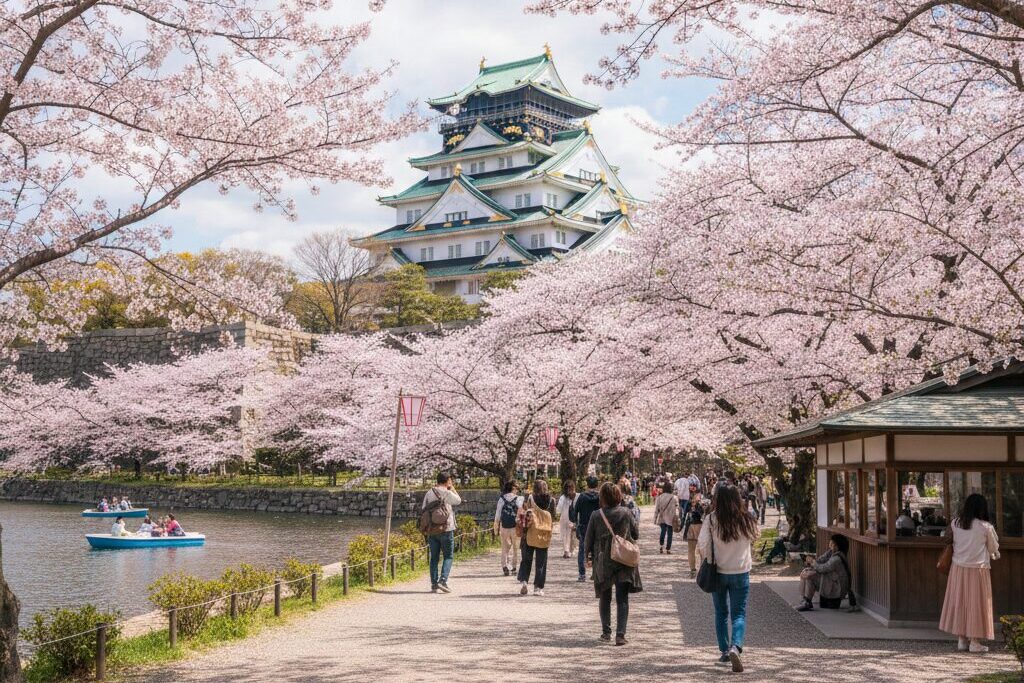
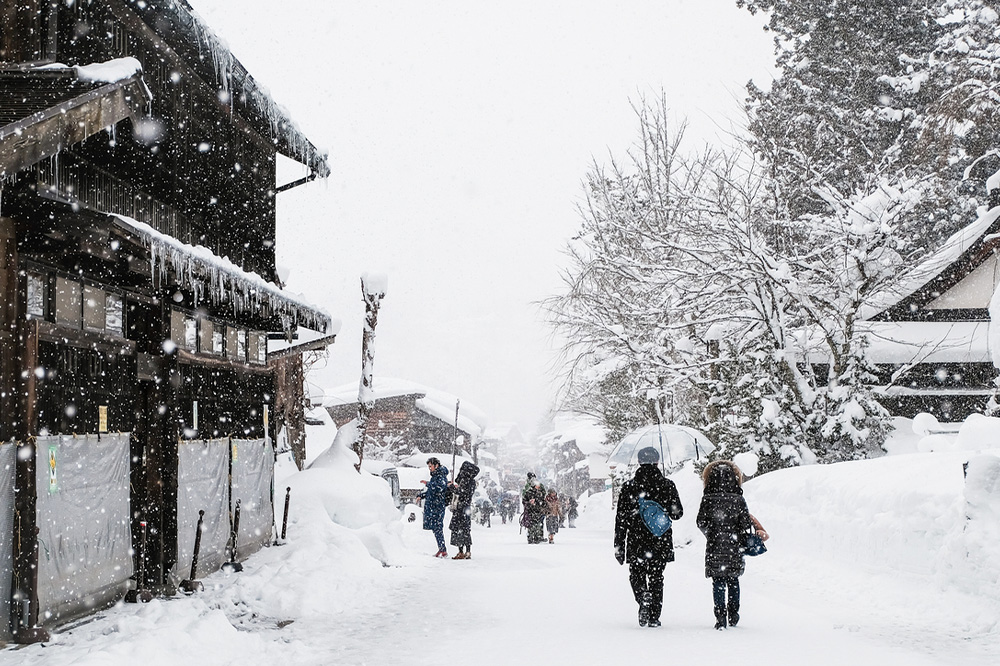
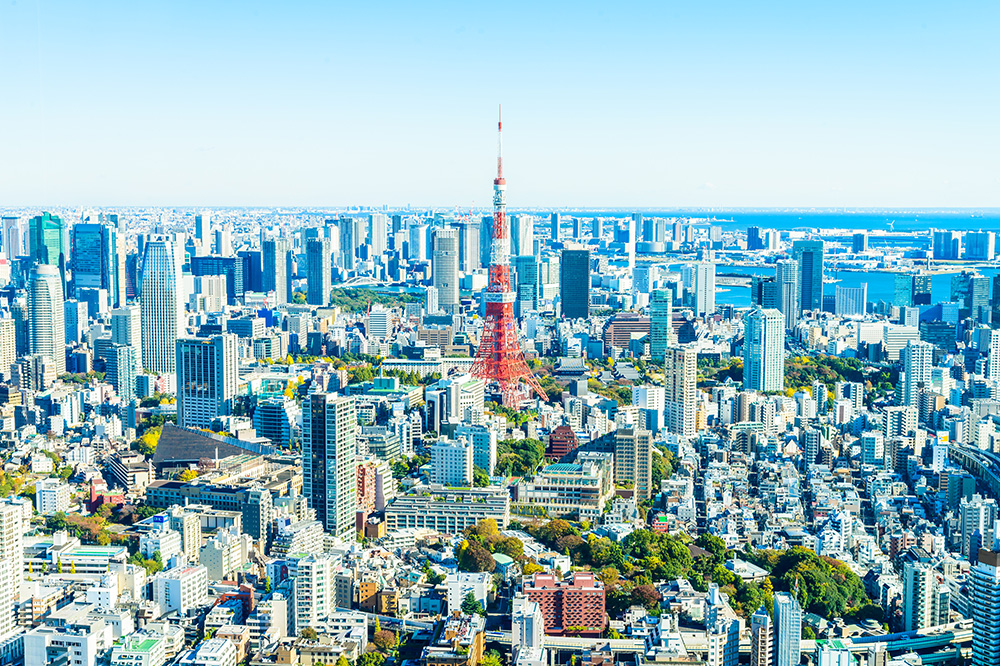
Photos are for illustrative purposes only.
Osaka Castle Park (Osaka-jo Koen) is one of Japan’s most iconic historic sites and a must-visit stop for first-time travelers to Osaka. Centered on the gleaming white and green main keep of Osaka Castle, the park blends dramatic samurai history with peaceful gardens, wide lawns, and modern city views. Whether you’re visiting during cherry blossom season or on a quick day trip from Kyoto, Osaka Castle Park offers a rewarding introduction to Japanese culture, architecture, and daily life.
Why Visit Osaka Castle Park?
Osaka Castle Park is far more than a single building. It’s a huge urban green space wrapped around a reconstructed castle tower, moats, stone walls, shrines, sports facilities, and museums. You’ll see office workers jogging at lunchtime, school groups on field trips, and families picnicking under the trees, all beneath the backdrop of one of Japan’s most famous castles.
For international visitors, the park ticks several boxes at once: historic landmark, scenic walking area, seasonal flower spot, and photogenic viewpoint over Osaka’s modern skyline. It is also very easy to access by public transportation, making it one of the most convenient major attractions in the Kansai region.
A Brief History of Osaka Castle
Osaka Castle was originally built in the late 16th century by Toyotomi Hideyoshi, one of the three great unifiers of Japan. At the time, Osaka was a crucial commercial hub, and the castle symbolized both political power and economic prosperity.
The castle’s history is dramatic and, at times, tragic. It was the stage for the Siege of Osaka in the early 17th century, when the ruling Tokugawa shogunate destroyed the Toyotomi clan. Since then, the castle has been damaged and rebuilt several times—by war, fire, and natural disasters.
The current main tower is a concrete reconstruction dating from 1931, refurbished and modernized in the late 1990s. While it is not an original wooden structure, the tower faithfully recreates the castle’s exterior appearance and houses a detailed museum inside. The surrounding stone walls, moats, and some gates are original or historically significant reconstructions, giving visitors a strong sense of what a powerful Japanese castle complex once looked like.
Highlights Inside Osaka Castle Park
Main Keep (Tenshukaku) and Museum
The main attraction is the eight-story castle tower in the center of the park. Inside, a museum tells the story of Toyotomi Hideyoshi, the castle’s construction, and Osaka’s role in Japan’s unification. Exhibits include armor, weapons, folding screens, and detailed models of historic battles.
Most signage has English explanations, and the route is easy to follow. Elevators are available, but there are also stairs between floors, so allow some time to move through the exhibits at a relaxed pace.
The real highlight for many visitors is the top-floor observation deck. From here, you get a panoramic 360-degree view over the park, its moats and walls, and the modern city beyond, including the nearby Osaka Business Park with its gleaming office towers. On clear days, it is a great spot for photos and for appreciating how the castle once dominated the landscape.
Inner Moats, Stone Walls, and Gates
As you approach the main tower, take time to appreciate the engineering of the massive stone walls and moats. The stones, some weighing many tons, were transported from distant quarries without modern machinery. Look for the largest stones, which bear the marks and seals of feudal lords who contributed them as a show of loyalty.
The Otemon Gate and other entrances are classic examples of Japanese castle architecture: thick wooden doors, white-plastered walls, and sturdy watchtowers designed to deter invaders. Walking across the bridges over the moats gives you a sense of how strongly fortified the complex once was.
Nishinomaru Garden
On the western side of the castle, Nishinomaru Garden is a landscaped lawn and garden area with excellent views of the main keep. In spring, it becomes one of Osaka’s best cherry blossom spots, with hundreds of sakura trees in bloom. There is a small admission fee for this garden, which helps keep it relatively calm even during busy seasons.
It’s a popular place for evening illuminations when the cherry blossoms are lit up, and locals spread picnic sheets under the trees. If you visit during sakura season, consider timing your stop here for late afternoon so you can see the trees in both daylight and early evening.
Plazas, Lawns, and Event Spaces
Unlike some more compact castle sites, Osaka Castle Park is vast and spacious. Large open plazas and lawns make it ideal for strolling, picnicking, and photography. Depending on the time of year, you might encounter food stalls, local festivals, outdoor performances, or weekend markets selling crafts and regional snacks.
There are several rest areas with benches and shaded spots, making the park comfortable for travelers of all ages. This is a good place to slow down after days of sightseeing and simply watch daily life unfold around you.
Best Seasons to Visit Osaka Castle Park
Spring: Cherry Blossoms and Fresh Greenery
Spring is the most famous time to visit Osaka Castle Park. From late March to early April (timing can vary annually), the park’s cherry trees burst into bloom, especially around Nishinomaru Garden and the moats. Hanami (cherry blossom viewing) is a beloved Japanese custom, and you’ll see groups of friends, families, and colleagues enjoying food and drinks under the blossoms.
This is also the busiest time of year. Expect crowds, especially on weekends, and consider arriving early in the morning or later in the evening for a calmer experience. Accommodation and train tickets in the Kansai region can book up quickly during this period, so plan ahead.
Summer: Lush Green and Lively Atmosphere
Summer in Osaka is hot and humid, but the park’s trees provide some shade and the wide open spaces help catch the breeze. You may encounter seasonal events or festivals, and evenings can be pleasantly lively with joggers and locals out for a stroll after work.
If you visit in summer, bring plenty of water, sunscreen, and a hat. Consider touring the museum and indoor exhibits in the midday heat and enjoying the park in the cooler morning or early evening hours.
Autumn: Colorful Foliage and Mild Weather
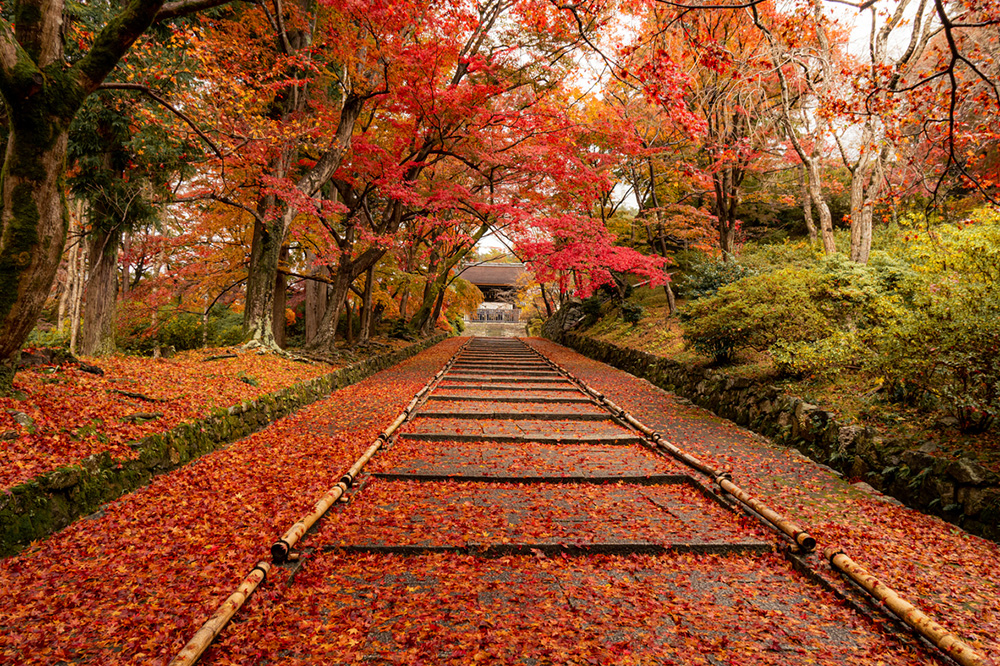
From late October to early December, Osaka Castle Park sees its maple and ginkgo trees turn shades of red, orange, and gold. The contrast of the autumn leaves against the white castle walls is particularly striking, and the air is usually crisp and comfortable for walking.
Autumn is an excellent season for photography: blue skies, clear views from the observation deck, and colorful reflections in the moats. Crowds are present but generally more manageable than in peak cherry blossom season.
Winter: Clear Views and Quiet Walks
Winter brings a quieter, more contemplative atmosphere to the park. Although Osaka rarely receives heavy snow, a light dusting on the roof tiles and walls can be very picturesque. The air is often clear and dry, providing excellent visibility from the top of the castle.
If you are visiting Japan in the off-season, Osaka Castle Park is still very much worth a stop. Fewer crowds mean easier photography, quicker entry to the tower, and a more relaxed experience.
How to Get to Osaka Castle Park
Osaka Castle Park is centrally located and well connected by public transport. Several stations ring the park, so you can choose the most convenient route depending on your starting point.
By JR Train
Osakajokoen Station (JR Loop Line) is one of the most convenient access points. It brings you close to the northeastern area of the park, from which you can walk through the grounds toward the main keep. The JR Osaka Loop Line connects easily to major stations like Osaka (Umeda) and Tennoji.
By Subway
There are multiple subway options:
- Morinomiya Station (JR Loop Line and Osaka Metro Chuo / Nagahori Tsurumi-ryokuchi lines): Good for entering the southeastern side of the park.
- Temmabashi Station (Keihan Line and Osaka Metro Tanimachi Line): Convenient for reaching the western side and Nishinomaru Garden.
- Tanimachi 4-chome Station (Osaka Metro Tanimachi and Chuo lines): A shorter walk to the central area and main keep.
From these stations, expect a 10–20 minute walk depending on your pace and which part of the park you are heading for. Signage is generally good and includes English, and online map apps are accurate in this area.
Tickets, Opening Hours, and Practical Information
Opening Hours
The park itself is open 24 hours and is free to enter. However, the castle tower (museum) and certain facilities, such as Nishinomaru Garden, have specific opening hours and may close on certain days or during year-end holidays.
As a general guide, the castle tower is typically open from late morning to late afternoon, with last entry about an hour before closing. Hours can change seasonally, so confirm the latest schedule before your visit.
Admission Fees
Entry to the wider park is free. There is a separate admission fee for the castle tower museum and for Nishinomaru Garden. Combination tickets may sometimes be available, and children often receive discounted or free entry. Most ticket counters accept cash; some may accept major credit cards or IC cards, but having some yen on hand is advisable.
Facilities and Accessibility
Inside the park you’ll find restrooms, vending machines, and some small shops and cafes, especially near the main tower and popular entrances. The paths around the park are mostly paved and relatively flat, though approaching the tower involves some slopes and steps.
The interior of the castle tower is equipped with elevators, making it accessible for visitors who cannot use stairs, though certain parts may still be narrow or crowded during peak times. If accessibility is a concern, plan to visit early in the day to avoid the heaviest crowds.
Cultural Tips and Etiquette
Osaka Castle Park is both a tourist attraction and a public space for local residents. A few simple etiquette tips will help you blend in and show respect for the site:
- Stay on marked paths and avoid climbing on stone walls or fences, both for your safety and to protect historic structures.
- Dispose of trash properly. Public trash cans can be limited in Japan, so be prepared to carry your garbage until you find a bin or return to your hotel.
- Keep noise levels moderate, especially near shrines or during early morning and evening hours.
- Photography is generally allowed, but look for signs where flash or photos are prohibited, especially inside museum areas.
- Hanami etiquette: if you picnic under the cherry blossoms, don’t damage branches, and take all rubbish with you when you leave.
Suggested Itinerary for First-Time Visitors
If you have half a day in Osaka, you can easily include Osaka Castle Park in a broader city itinerary. Here is a simple plan:
- Morning arrival: Enter the park from Morinomiya or Osakajokoen Station and stroll through the grounds toward the main keep, stopping for photos of the moats and walls.
- Castle tower visit: Spend 60–90 minutes exploring the museum and enjoying the observation deck views.
- Nishinomaru Garden: If visiting in spring or autumn, continue to Nishinomaru Garden for seasonal scenery and a short rest.
- Lunch or coffee break: Grab a light meal or snack at a nearby cafe or pick up a bento and enjoy it in a designated picnic area.
- Move on to another district: In the afternoon, head to Namba, Umeda, or the riverside area around Temmabashi for further exploration.
Combining Osaka Castle Park with Other Attractions
Osaka Castle Park can easily be paired with other major sights in the city. Some popular combinations include:
- Osaka Museum of History: Located near Tanimachi 4-chome Station, this museum offers a broader look at Osaka’s past, including models of the city and castle area.
- Dotonbori and Namba: After a morning of history and greenery, dive into Osaka’s neon-lit food and entertainment district for dinner.
- Osaka Aquarium Kaiyukan: For families, a day that combines outdoor time at the park with an afternoon at one of Japan’s top aquariums is especially rewarding.
Tips for First-Time Visitors to Japan
Osaka Castle Park offers a gentle introduction to some broader aspects of travel in Japan:
- Public transport: Trains and subways are punctual and clearly signed. Consider a prepaid IC card (like ICOCA) to tap in and out easily.
- Language: English information is increasingly available at major attractions. Simple phrases like “sumimasen” (excuse me) and “arigatou” (thank you) are appreciated.
- Cash and cards: Many places accept major credit cards, but small shops and vending machines may still be cash-based. Having some yen notes and coins is useful.
- Weather preparedness: Japan’s seasons are distinct. Check the forecast and pack accordingly—an umbrella in rainy months, layers in shoulder seasons, and sun protection in summer.
Experience Osaka’s Past in the Heart of the Modern City
For first-time visitors to Japan, Osaka Castle Park is an ideal place to connect with the country’s samurai-era history while still feeling very much in the present-day city. You can walk where warlords once planned campaigns, admire carefully preserved stonework, and then look out over a 21st-century skyline filled with offices, apartments, and shopping malls.
Whether you’re drawn by cherry blossoms, castle architecture, panoramic views, or simply a peaceful walk in the middle of Osaka, Osaka Castle Park offers a memorable, accessible, and quintessentially Japanese experience.

Access Map
Recommended spots for Cherry Blossoms
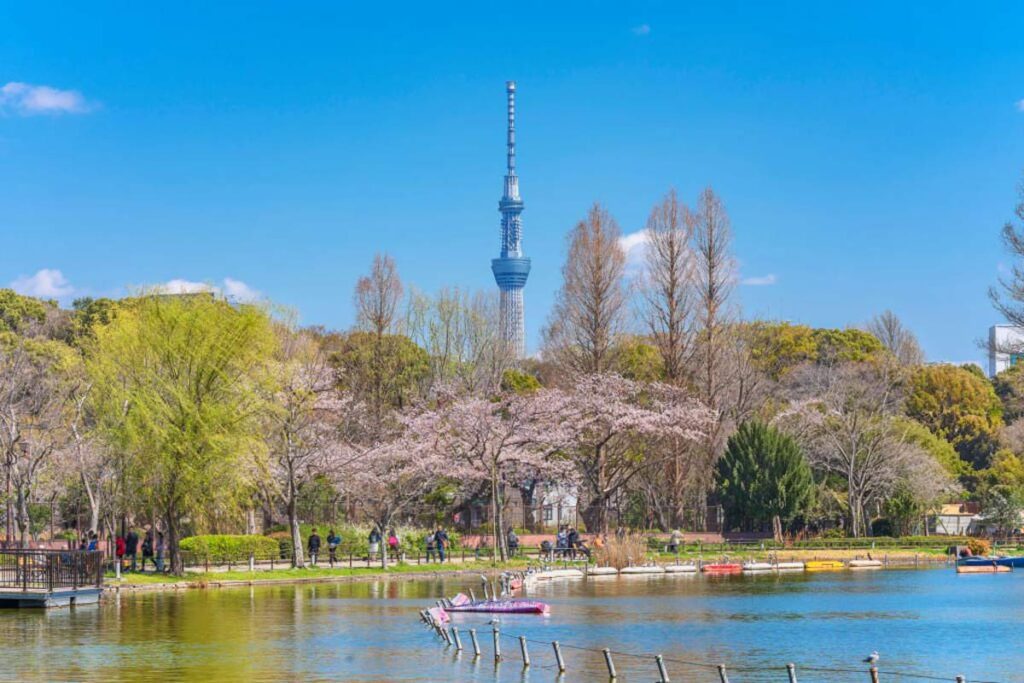
Tokyo
- Ueno Park
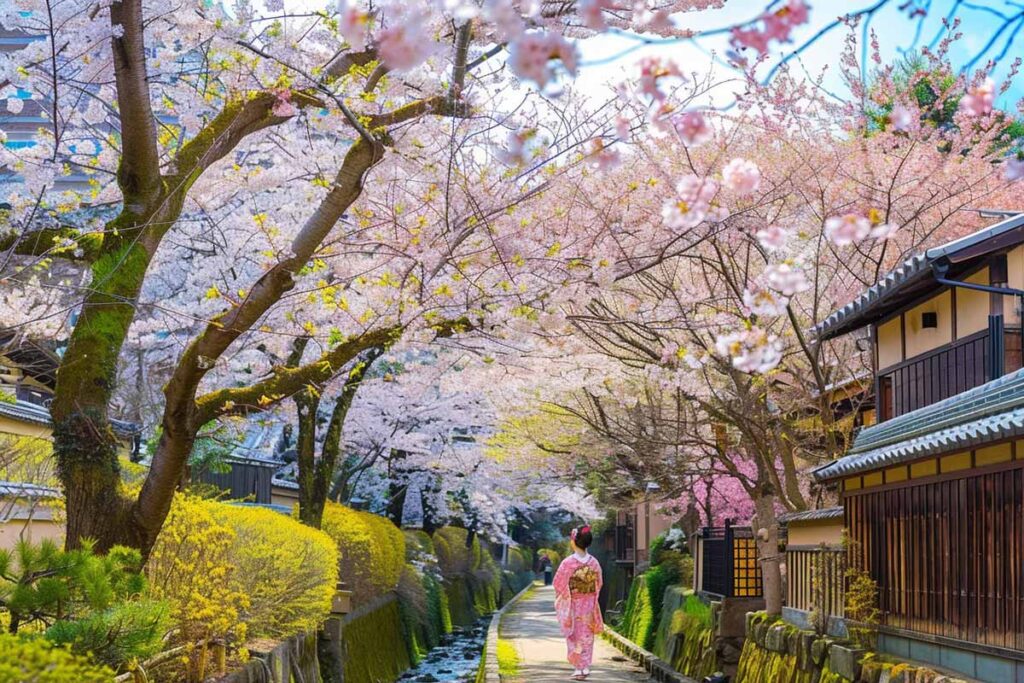
Kyoto
- Philosopher's Path
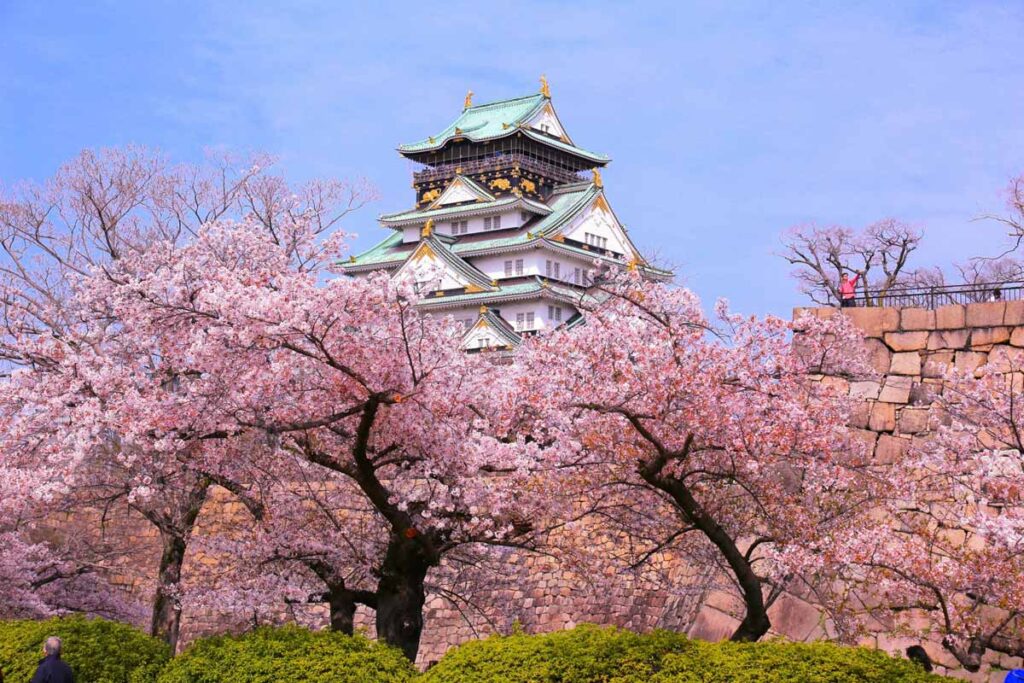
Osaka
- Osaka Castle Park
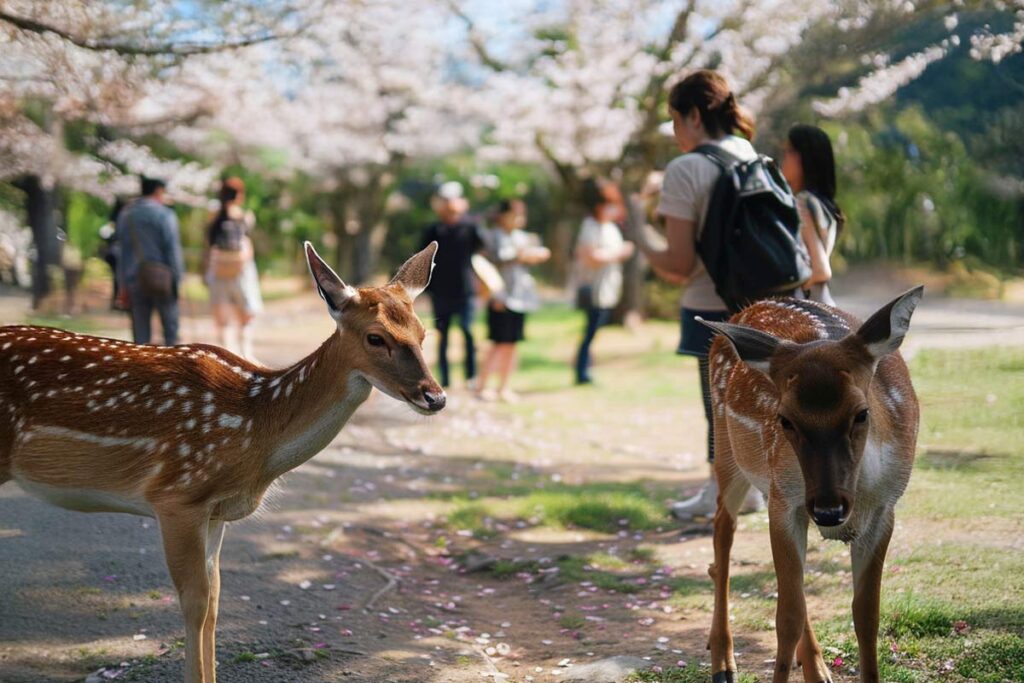
Nara
- Nara Park
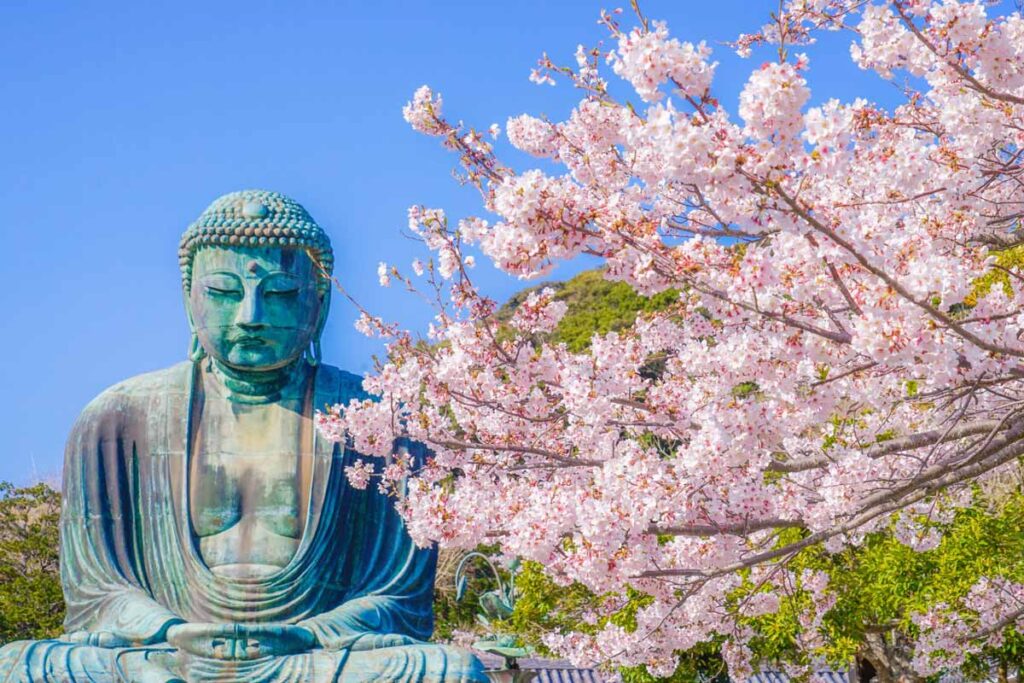
Kanagawa
- Kamakura
Other Seasonal Spot

Summer Festivals
Autumn Leaves