




Otaru
Otaru Travel Guide: Romantic Canal Town for First-Time Visitors

Photos are for illustrative purposes only.
Otaru is a charming port city on Hokkaido’s western coast, famous for its romantic canal, historic warehouses, glittering glassware, and fresh seafood. Just 30–40 minutes by train from Sapporo, it makes an easy day trip or a relaxed overnight stay for first-time visitors to Japan who want to see a quieter, nostalgic side of the country.
This guide explains how to enjoy Otaru’s main sights, what to eat, the best seasons to visit, and how to make the most of a short stay.
Why Visit Otaru?
Otaru grew as a bustling trading port and financial center in the late 19th and early 20th centuries, especially after the opening of Hokkaido’s first railway between Otaru and Sapporo. Today, many of its stone warehouses and merchant buildings remain, creating an atmosphere that feels part European, part old Japan.
For international travelers, Otaru offers:
- A compact, walkable old town that is easy to explore in one day
- Romantic views of the canal, especially at dusk and in winter
- Hands-on experiences like glass blowing and music box making
- Some of Hokkaido’s freshest sushi and seafood
- A relaxed pace that contrasts with big cities like Tokyo or Osaka
How to Get to Otaru
From Sapporo
Most visitors reach Otaru from Sapporo, the largest city in Hokkaido.
- JR Rapid Airport or Rapid Ishikari Liner: Around 30–40 minutes from Sapporo Station to Otaru Station. Trains are frequent and covered by the Japan Rail Pass and many regional rail passes.
- Cost: Expect around 750–900 yen one way without a pass.
From New Chitose Airport
If you are landing in Hokkaido and heading straight to Otaru:
- Take the JR Rapid Airport train from New Chitose Airport to Sapporo, then change to a train bound for Otaru. Total travel time is roughly 70–90 minutes depending on the connection.
Orientation: Main Areas of Otaru
Otaru is easy to navigate on foot. Most sights cluster around three main areas:
- Otaru Station Area: The gateway to the city, with access to the central shopping streets.
- Canal District (Otaru Unga): Historic warehouses, cobblestone promenades, and night illuminations.
- Sakaimachi Street: A former merchant street now filled with cafes, glass galleries, and music box shops.
From Otaru Station, it’s about a 10–15 minute walk to the canal and Sakaimachi area, mostly downhill toward the sea.
Otaru Canal: The Symbol of the City
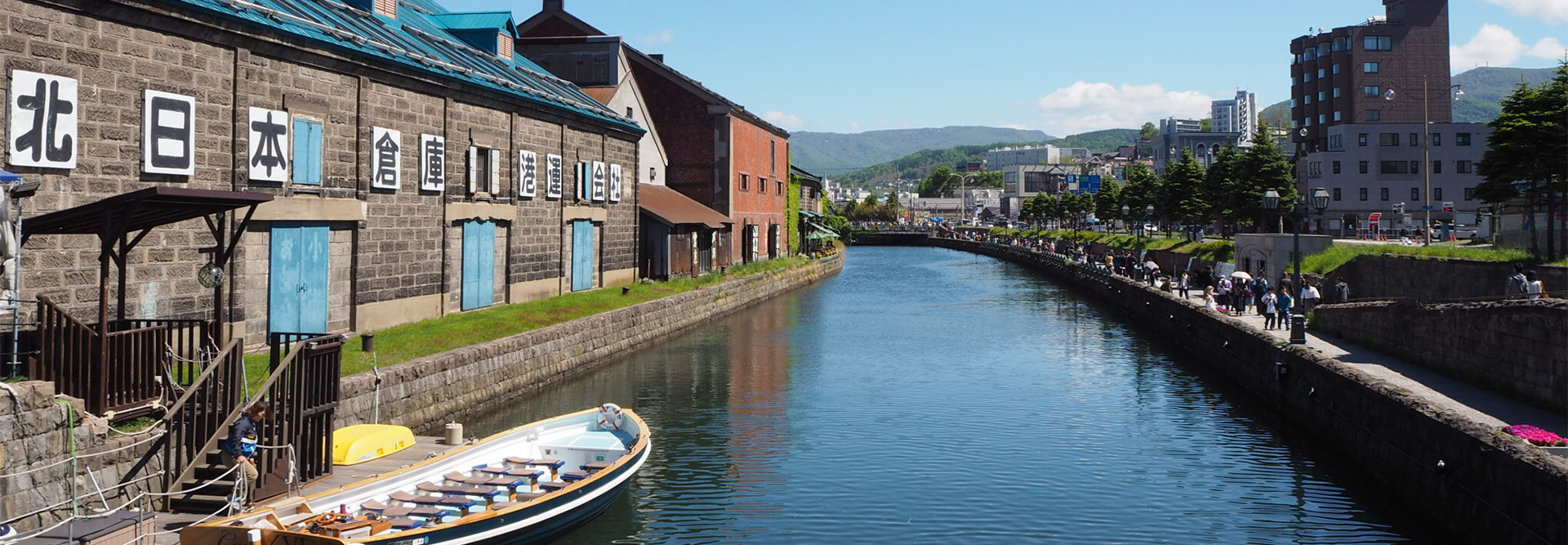
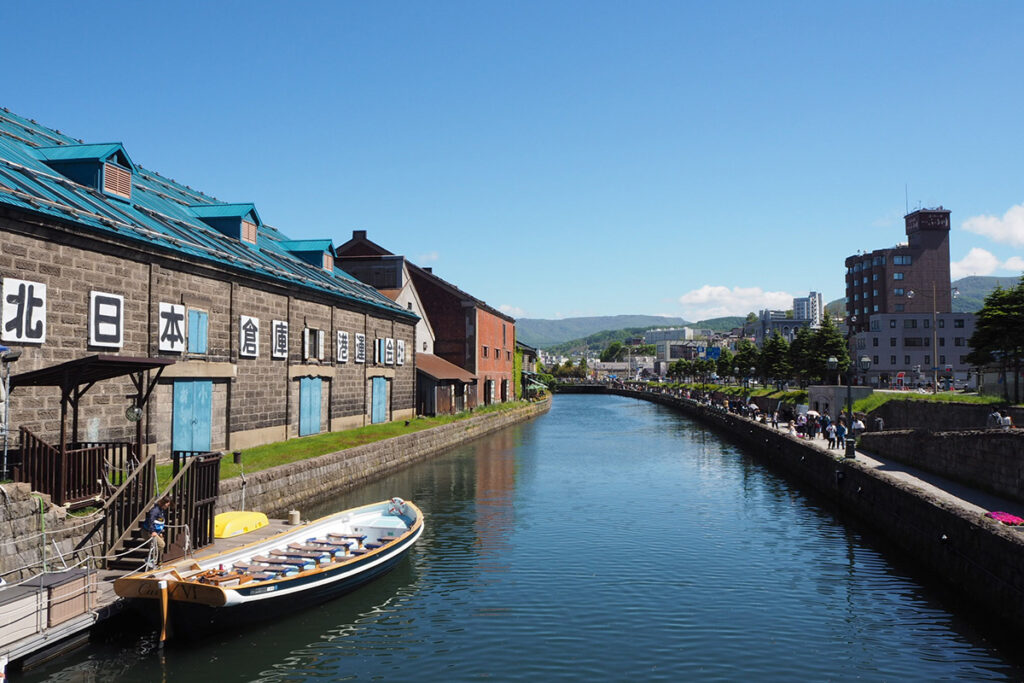
The Otaru Canal (Otaru Unga) is the city’s most iconic sight. Once used to unload cargo from ships, it has been preserved as a scenic waterfront lined with old stone warehouses that now house restaurants, cafes, and shops.
Best Time to Visit the Canal
The canal has a different charm in every season and time of day:
- Daytime: Good for photography and exploring the warehouses. You will see artists sketching and street performers on busy days.
- Dusk and early evening: Gas-style lamps switch on, reflections shimmer in the water, and the atmosphere turns romantic.
- Winter: Snow blankets the warehouses and canal banks, giving the area a storybook look. It can be very cold, so dress warmly.
Canal Boat Cruises
Short cruises run along the canal and out into the harbor, usually lasting around 40 minutes. Commentary, sometimes available in English or via audio guide, explains Otaru’s history as you glide past warehouses and port facilities.
Tip: Evening cruises are especially atmospheric, but many sell out on weekends and during holidays. Try to reserve earlier in the day if possible.
Sakaimachi Street: Glass, Music Boxes, and Sweets
A short walk from the canal, Sakaimachi Street preserves the feel of Otaru’s merchant past. The street is lined with stone and brick buildings that once housed trading companies and banks. Today, many have been converted into:
- Glassware boutiques and studios
- Music box shops and museums
- Cafes and dessert shops
- Souvenir stores selling Hokkaido specialties
Otaru’s Glass Culture
Otaru’s glass industry began by producing glass buoys for fishing nets and lamps for the early development of Hokkaido. When those items became obsolete, local artisans shifted to tableware, accessories, and decorative pieces. Today, their work is one of Otaru’s main attractions.
Many studios allow visitors to:
- Watch artisans shape molten glass in front of roaring furnaces
- Join short workshops to make a simple glass or accessory
- Buy hand-blown glasses, vases, and ornaments to take home
Practical tip: If you join a workshop, allow time for your glass piece to cool; you may need to pick it up later in the day or have it shipped to your hotel or home country for an additional fee.
Music Boxes and Nostalgic Soundscapes
Otaru is also known for its music boxes, which suit the city’s nostalgic, old-world atmosphere. Shops on Sakaimachi Street display hundreds of music boxes, from tiny keychain-sized designs to intricate wooden machines with moving figures.
Many stores offer:
- Workshops to assemble your own music box, choosing the melody and case design
- Japan-themed designs featuring sakura, animals, or classic landmarks
- Quiet corners where you can simply listen to the layered sounds of multiple music boxes playing at once
Even if you do not buy anything, wandering through these shops is a uniquely Otaru experience.
Fresh Seafood and Local Flavors
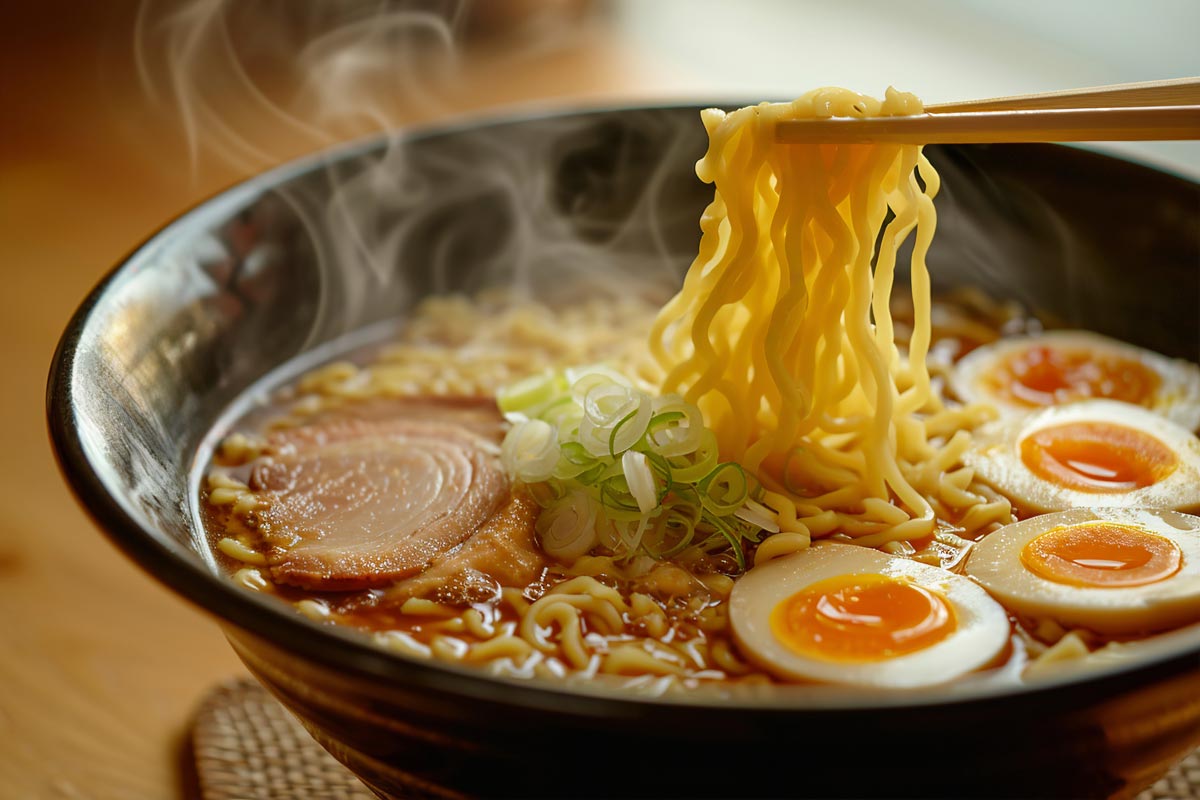
As a port town, Otaru is an ideal place to try Hokkaido’s seafood. Many visitors time their trip around lunch to enjoy sushi or a seafood bowl before exploring the canal and Sakaimachi Street.
Where to Eat
- Otaru Sushi Street: A short walk from Otaru Station, this area lines up traditional sushi restaurants ranging from casual to high-end. Many offer set menus that are easier for first-time visitors to order.
- Seafood markets and donburi shops: Look for rice bowls topped with fresh salmon, sea urchin, crab, and ikura (salmon roe). These are popular with both locals and tourists.
- Cafes and dessert shops on Sakaimachi Street: Try Hokkaido soft serve ice cream, cream puffs, and cakes using local dairy products.
Ordering tips: Many restaurants display plastic food models or have photo menus. Pointing at the menu works perfectly well if you are unsure of the pronunciation. Some places accept credit cards, but carrying cash is still useful, especially for smaller shops.
Seasonal Highlights in Otaru
Otaru is enjoyable all year, but each season offers a different experience.
Winter: Snow and Light
Winter in Otaru is cold and snowy, usually from December to March. The city’s stone warehouses and canal look especially beautiful under a fresh layer of snow.
One of the most popular events is the Otaru Snow Light Path Festival (Otaru Yuki Akari no Michi), usually held in February. Small lanterns and snow sculptures line the canal and old railway tracks, lit with flickering candles that create a warm, romantic atmosphere. If you are visiting during Sapporo’s famous Snow Festival, combining your trip with an evening in Otaru is a memorable option.
Spring and Summer: Clear Skies and Coastal Views
In spring, Otaru gradually warms up and cherry blossoms appear in parks and along some streets, usually later than in Tokyo due to Hokkaido’s cooler climate. Summer brings milder temperatures than most of Japan, making it a pleasant escape from the heat.
On clear days, you can enjoy:
- Views of the Sea of Japan from Otaru’s hills
- Walks along the old railway line
- Fresh seasonal seafood at outdoor tables and markets
Autumn: Colorful Hills and Harvest
Autumn is an excellent time to visit Hokkaido, and Otaru is no exception. Hills around the city turn shades of red and gold, and the air becomes crisp. Seasonal seafood, such as salmon and various shellfish, is especially delicious in this period.
Suggested One-Day Itinerary in Otaru
If you are visiting Otaru as a day trip from Sapporo, this simple itinerary works well for first-time travelers:
- Morning: Arrive at Otaru Station
Stroll down toward the canal, stopping at small shops along the way. - Late Morning: Otaru Canal
Walk along the canal promenade, take photos, and visit the former warehouse buildings. If you like, join a daytime canal cruise. - Lunch: Sushi or Seafood Bowl
Head to Otaru Sushi Street or a local donburi restaurant to taste fresh seafood. - Afternoon: Sakaimachi Street
Explore glass studios, music box shops, and cafes. Join a glass or music box workshop if you have time. - Late Afternoon / Early Evening
Return to the canal area to see the gas-style lamps come on. Enjoy the evening view before taking the train back to Sapporo.
Where to Stay in Otaru
Many visitors stay in Sapporo and visit Otaru on a day trip. However, spending a night in Otaru lets you enjoy quieter early mornings and evenings after most day-trippers leave.
Accommodation options include:
- Hotels near Otaru Station: Convenient for train travel and often budget-friendly.
- Hotels and inns near the canal: Great for atmosphere and walking access to the main sights.
- Onsen (hot spring) resorts on the outskirts: Some properties offer sea views, open-air baths, and kaiseki-style dinners featuring local seafood.
When booking, check whether breakfast is included and whether the property offers non-smoking rooms, as smoking rooms can still be common in some older hotels.
Practical Tips for Visiting Otaru
Language and Signs
Otaru receives many domestic tourists, and English levels vary. However, you will usually find:
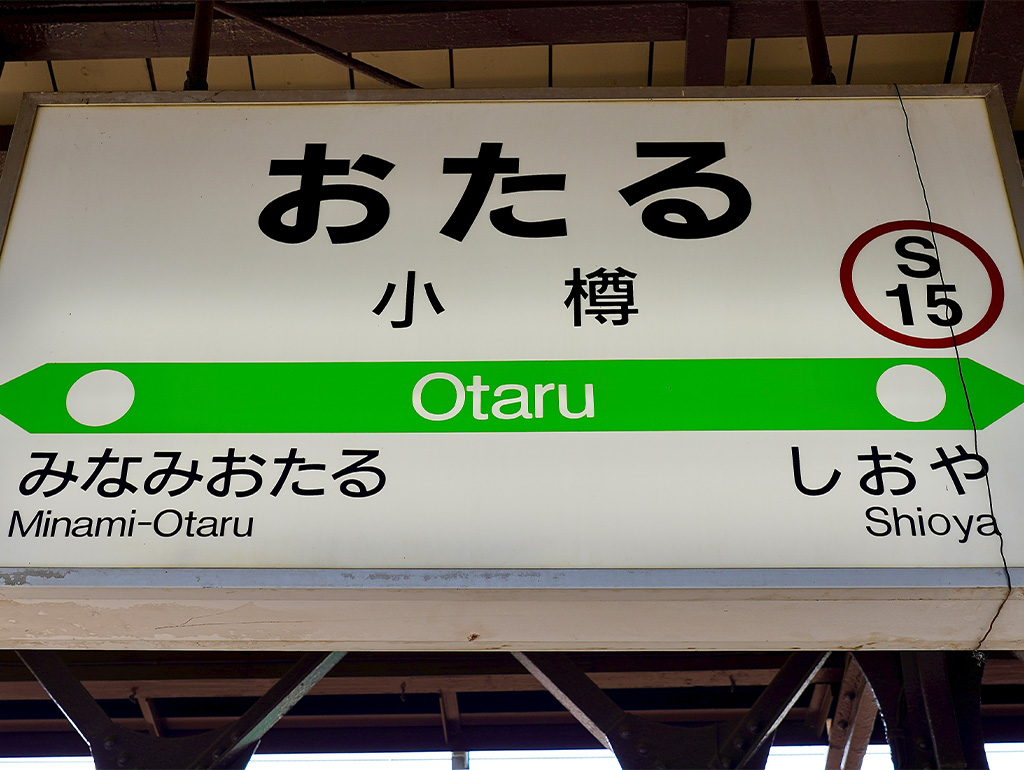
- English on train station signs and ticket machines
- Some English or picture menus at popular restaurants
- Staff in major shops who can manage basic communication
Simple phrases like “sumimasen” (excuse me) and “arigatou” (thank you) are appreciated, but not required to enjoy the city.
Money and Payments
Large shops and restaurants often accept credit cards and major IC cards (such as Suica or PASMO, if you have them loaded). Small cafes, workshops, and older establishments may be cash-only, so it is wise to carry some yen. Convenience stores around Otaru Station have ATMs that accept foreign cards.
Weather and Clothing
- Winter: Temperatures can drop well below freezing, and sidewalks can be icy. Wear warm, layered clothing, waterproof boots with good grip, gloves, a hat, and a scarf.
- Summer: Generally cooler than mainland Japan, but the sun can be strong. A light jacket for evenings is useful.
- Year-round: Comfortable walking shoes are essential, as you will likely walk between the station, canal, and Sakaimachi Street.
Local Etiquette
Otaru is used to visitors, but observing basic Japanese etiquette makes your trip smoother:
- Keep voices low on trains and in small restaurants.
- Do not eat while walking on less crowded streets; instead, finish snacks near the shop where you bought them.
- Ask before taking close-up photos of people, including shop staff and artisans.
Making Otaru Part of Your Hokkaido Trip
Otaru fits easily into most Hokkaido itineraries and pairs naturally with Sapporo. Many travelers also combine it with visits to coastal areas, ski resorts, or national parks elsewhere in Hokkaido.
For first-time visitors to Japan, Otaru offers a gentle introduction to Hokkaido’s history and culture, with less rush than major cities and plenty of opportunities for slow, atmospheric travel. Whether you come for a few hours or an overnight stay, walking along the canal at dusk, hearing the soft melodies of music boxes, and tasting fresh seafood by the sea will likely become one of your lasting memories of Japan.

Access Map
Recommended spots in Hokkaido
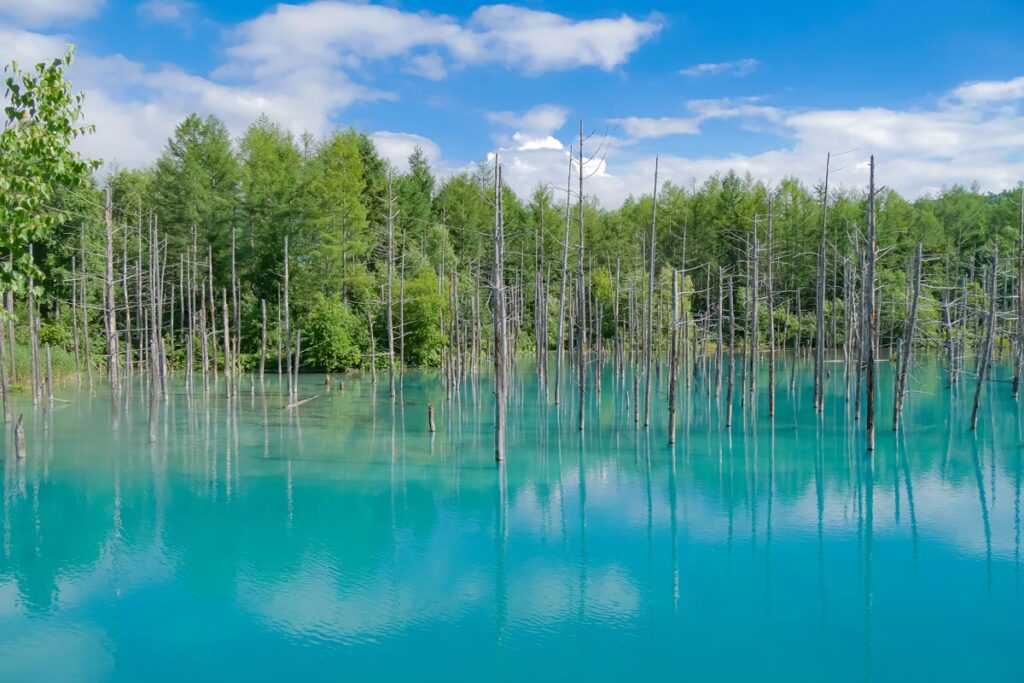
Blue Pond
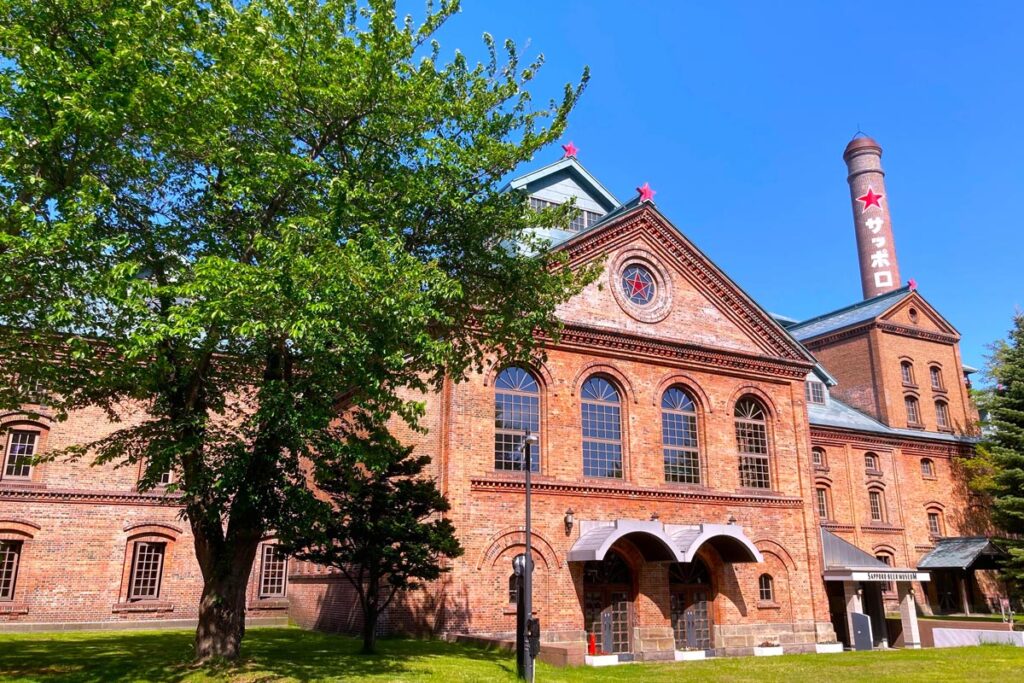
Sapporo Beer Museum
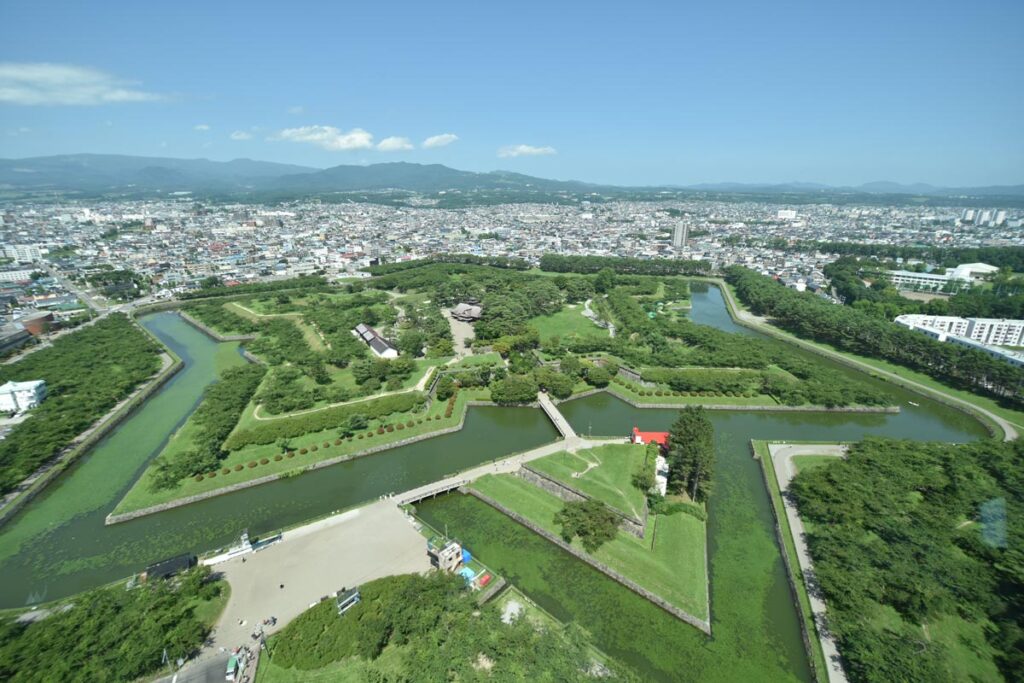
Goryokaku

Mount Hakodate Night View
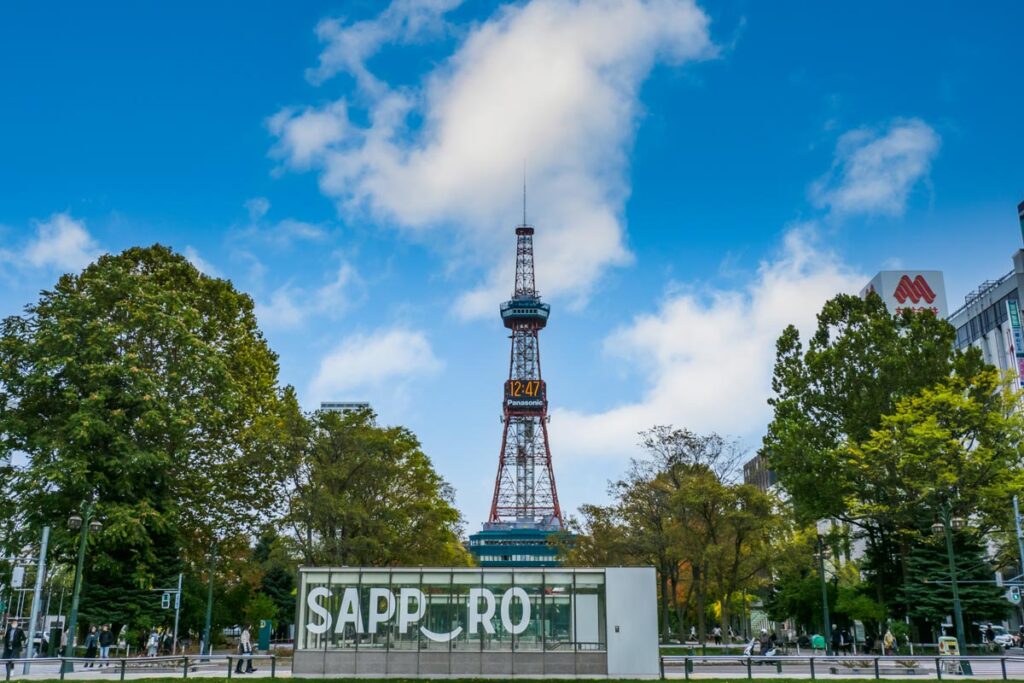
Odori Park
Otaru

Susukino-Sapporo
Sapporo Clock Tower

Hakodate Morning Market
Nijo Market
Farm Tomita
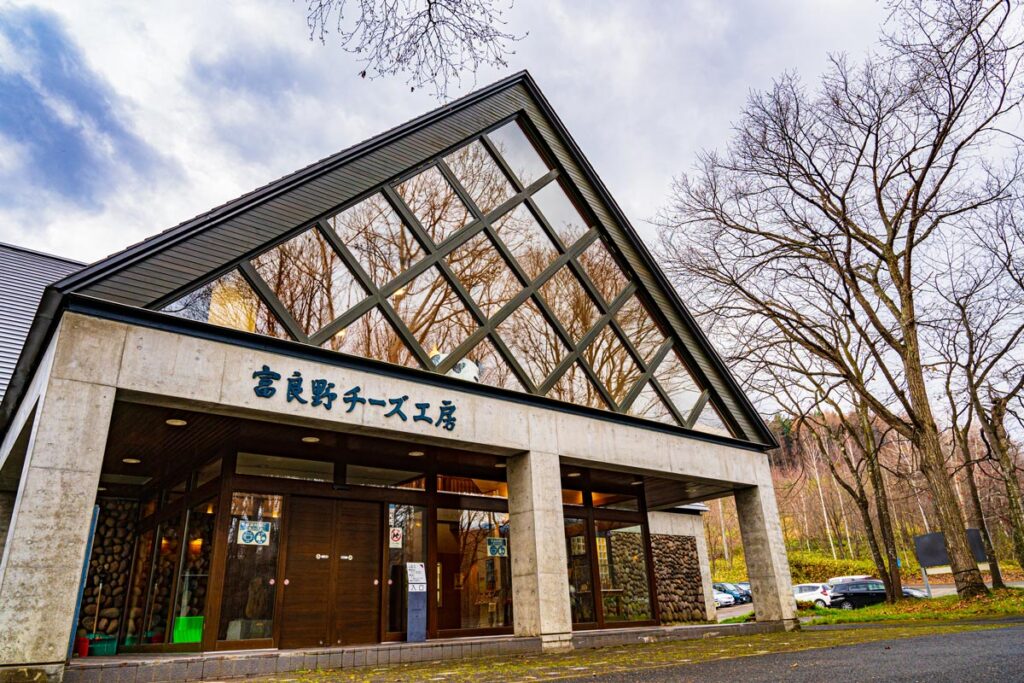
Furano Cheese Factory
Top destinations in Hokkaido & Tohoku

Aomori
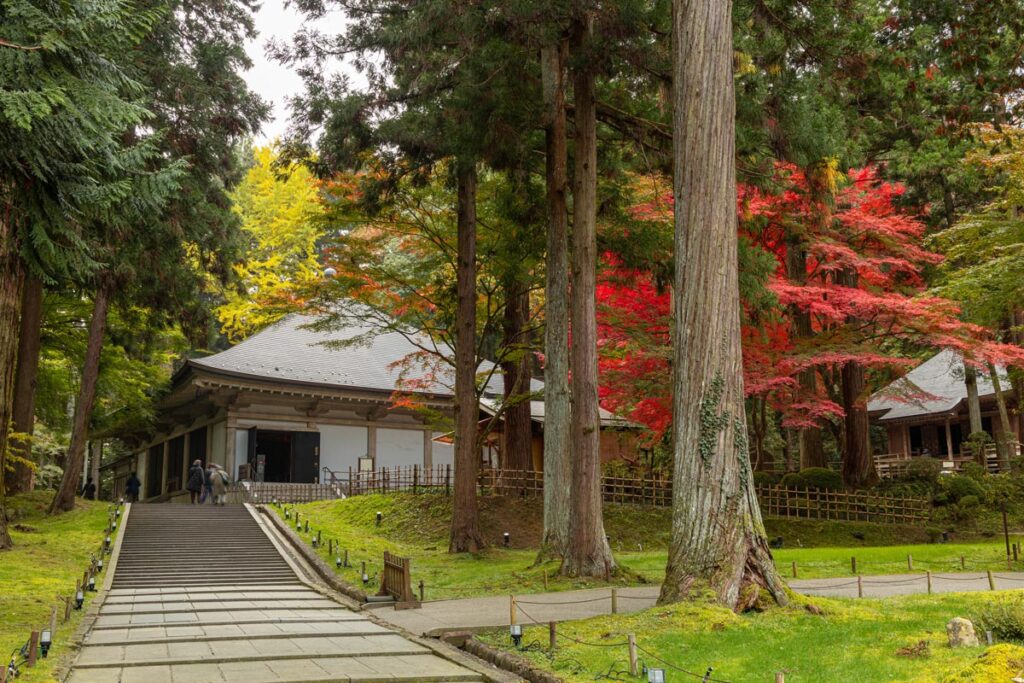
Iwate
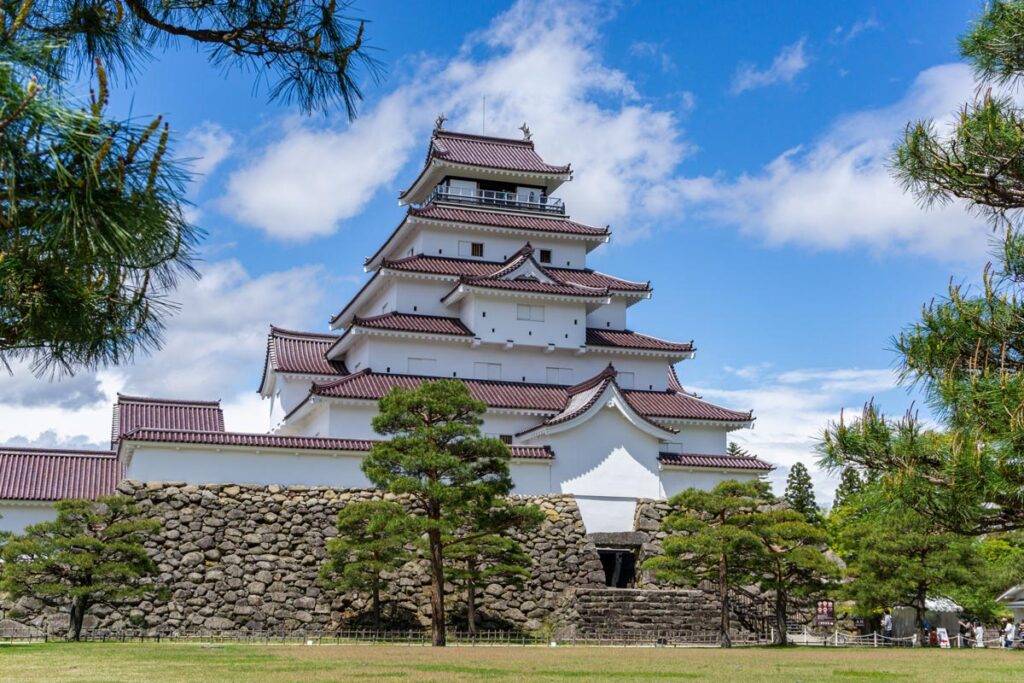
Fukushima