


Other Regional Airports
How to Use Japan’s Regional Airports: A Practical Guide for First-Time Visitors

Most first-time visitors to Japan focus on Tokyo’s Narita and Haneda or Osaka’s Kansai Airport. Yet some of Japan’s best travel experiences begin far from these mega-hubs. Regional airports connect you directly to hot spring towns, remote islands, powder-snow ski resorts, and coastal cities that many tourists never see.
This guide explains how to use Japan’s regional airports, when they make sense for your itinerary, and what to expect on arrival and departure. It is written for first-time travelers who want to see a bit more of Japan without making the logistics complicated.
Why Consider Japan’s Regional Airports?
Japan has more than 90 airports, and many of them are designed to bring you closer to rural landscapes and smaller cities. Flying into or out of these airports can improve your trip in several ways:
Save Time on Long-Distance Travel
Japan’s shinkansen (bullet trains) are fast and comfortable, but the country is long and narrow. Travel from Tokyo to Okinawa, Hokkaido, or Kyushu by rail and ferry can take a full day or more. Domestic flights from regional airports can shorten that to a couple of hours, giving you more time to explore instead of changing trains.
Reach Remote and Scenic Regions
Many of Japan’s most memorable experiences are away from the big cities: skiing in Hokkaido, onsen ryokan stays in Kyushu, island-hopping in Okinawa, or hiking in Tohoku. Regional airports are built specifically to serve these areas, often with direct bus links to resort towns and port cities.
Avoid Backtracking to Tokyo or Osaka
A common frustration for first-time travelers is backtracking: you start in Tokyo, travel west to Hiroshima, then must return all the way to Tokyo just to catch your international flight home. Using a regional airport for either arrival or departure allows a “one-way” route across Japan. For example, fly into Tokyo and out of Fukuoka, or into Osaka and out of Sapporo.
Experience a Slower, Local Side of Japan
Regional airports are usually smaller, calmer, and easier to navigate than the major hubs. You may find local specialty shops, regional snacks, and friendly staff with time to help. It is a gentle way to transition into or out of Japan, especially if you feel nervous about crowded stations and complex train networks.
Major Regional Airport Hubs to Know
While there are many regional airports across Japan, some are particularly useful for international visitors thanks to good domestic connections, tourism infrastructure, and English signage.
New Chitose Airport (Hokkaido)
New Chitose Airport serves Sapporo and is the main gateway to Hokkaido, Japan’s northernmost island. It is ideal if you are planning to ski, see snow festivals, or escape the summer heat.
- Good for: Sapporo, Niseko and other ski resorts, Furano, Asahikawa, eastern Hokkaido nature trips
- Access: Direct train to Sapporo Station (around 40 minutes); ski buses to major resorts in winter
- Airport experience: Well-developed with onsen baths, a cinema, and many restaurants featuring Hokkaido seafood, dairy, and sweets
Fukuoka Airport (Kyushu)
Fukuoka Airport is one of the most convenient in Japan, lying remarkably close to the city center. It is perfect if you want to explore Kyushu’s hot spring towns, volcanoes, and coastal cities.
- Good for: Fukuoka, Nagasaki, Beppu and Yufuin onsen, Kumamoto, Kagoshima, and access to Yakushima (via onward flights or ferries)
- Access: Just a few minutes by subway from Fukuoka Airport Station to Hakata Station
- Airport experience: Compact and efficient, with good ramen shops and local souvenirs like Hakata sweets and regional sake
Naha Airport (Okinawa)
Naha Airport is the main gateway to Okinawa Prefecture, Japan’s subtropical island chain with clear seas and a distinct Ryukyuan culture.
- Good for: Beach resorts around Naha, Kerama and Miyako islands (via additional flights or ferries), diving and snorkeling, WWII history sites
- Access: Monorail from the airport to central Naha; buses to resort areas
- Airport experience: Laid-back, with a holiday atmosphere and many shops selling Okinawan specialties such as beni-imo (purple sweet potato) sweets and awamori (local liquor)
Chubu Centrair International Airport (Nagoya)
Often just called “Centrair,” this airport serves the Nagoya region and can be a good starting point for central Japan.
- Good for: Nagoya, Takayama and the Japan Alps, Shirakawa-go, Ise-Shima, and connecting between eastern and western Japan
- Access: Limited express trains connect the airport to Nagoya Station in under one hour
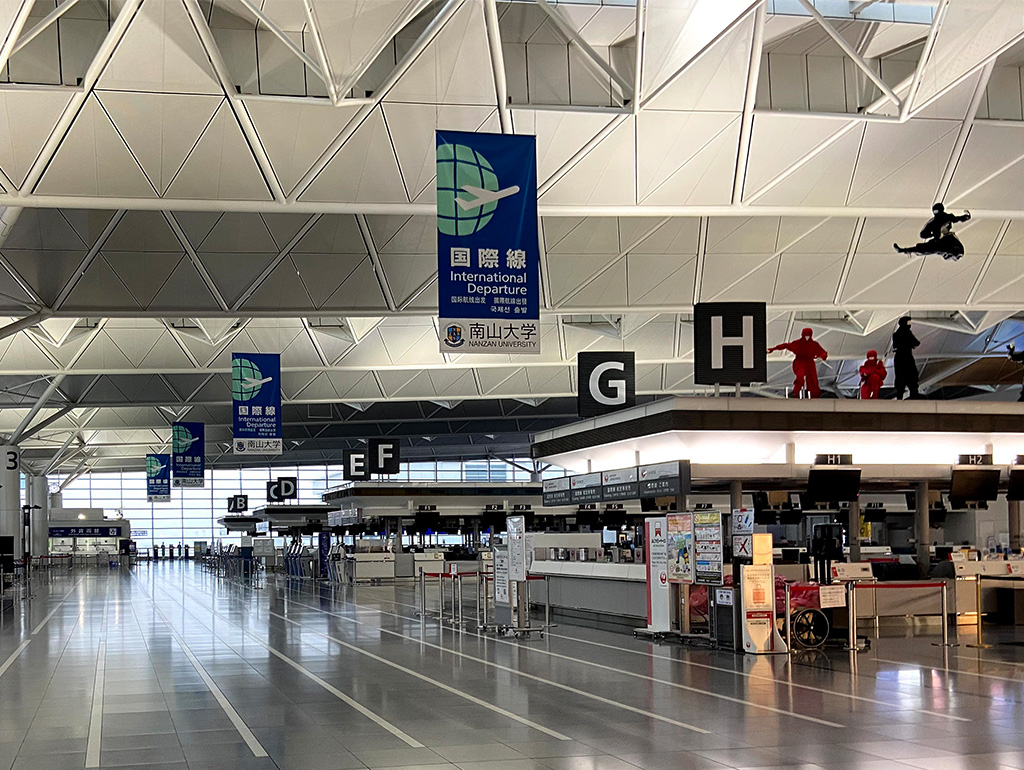
- Airport experience: Modern with an observation deck, bathhouse, and a compact but varied shopping and dining area
Other Useful Regional Airports
Depending on your interests, these smaller airports can also be valuable:
- Sendai Airport (Tohoku): For access to the Tohoku region, including Matsushima Bay and onsen towns
- Kagoshima Airport (Kyushu): For Sakurajima volcano and connections to islands like Yakushima and Amami
- Komatsu Airport (Hokuriku): For Kanazawa, the Noto Peninsula, and the Hokuriku coast
- Takamatsu or Matsuyama (Shikoku): For Shikoku pilgrim routes, castles, and inland sea views
Planning Your Trip with Regional Airports
To get the most out of regional airports, think of them as anchors for a one-way route through Japan. Instead of a simple Tokyo round-trip, consider something like:
- Tokyo → Kyoto → Hiroshima → Fukuoka → fly out from Fukuoka Airport
- Tokyo → Nikko → Tohoku region → fly from Sendai Airport to Sapporo → Hokkaido → fly out from New Chitose
- Osaka → Kyoto → Nagoya → Takayama → Kanazawa → fly from Komatsu or return via Centrair
- Tokyo → Okinawa (Naha) → Miyako or Ishigaki islands → fly back to Tokyo or Osaka
Many airlines and booking platforms allow you to choose an “open-jaw” itinerary: arriving at one airport and departing from another. This is often only slightly more expensive than a standard round-trip but saves time and long backtracking journeys.
Domestic Flights vs. Trains: How to Decide
Japan’s rail system is world-class, so when does it make sense to fly instead?
Distances and Travel Time
As a rough guide, domestic flights can be more efficient than trains in these cases:
- Tokyo to Hokkaido (Sapporo / New Chitose): The flight is around 1.5 hours, while the train journey, even with shinkansen, is longer and involves transfers.
- Tokyo to Okinawa (Naha): There is no rail or road connection; flight time is about 3 hours.
- Tokyo to Kyushu (Fukuoka or Kagoshima): High-speed trains are comfortable but take several hours; flights can be faster if you value time over scenery.
Cost Considerations
Japan Rail Passes and regional rail passes can make long-distance train travel very economical for visitors. However, low-cost carriers and domestic airline promotions occasionally match or beat train prices, especially if you book early or travel outside peak holidays.
When comparing prices, remember to include:
- Airport transfer costs (train or bus to/from the airport)
- Seat reservation or baggage fees on some airlines
- The value of extra time gained by flying
Comfort and Experience
Trains in Japan are spacious, punctual, and offer scenic views, particularly on routes through the mountains or along the coast. Flying offers speed, but you miss those landscapes. Many travelers choose a mix: trains for medium distances, flights for the longest jumps.
What to Expect at Japanese Regional Airports
Although each airport has its own character, regional airports across Japan share some common features that make them easy for first-time visitors.
Clear Signage and English Support
Most regional airports have bilingual signage in Japanese and English, at least for key areas such as check-in counters, departure gates, restrooms, and transport connections. Tourist information counters are common at major regional hubs and usually offer English brochures and basic assistance.
On-Time Operations and Security
Domestic flights in Japan are generally punctual, though winter snow in northern regions and summer typhoons can cause disruptions. Security screening is straightforward and often feels less stressful than at major international hubs. Liquids rules apply, but lines are usually short in smaller airports.
Shops, Food, and Local Souvenirs
Even small airports often highlight regional specialties. You might find:
- Local sweets and snacks unique to the prefecture
- Packaged seafood or agricultural products
- Regional craft items such as ceramics or textiles
- Restaurants focusing on local noodle dishes, seafood, or ramen styles
It is common for Japanese travelers to buy omiyage (souvenirs) at airports for colleagues and family. Browsing these shops is an easy way to discover what a region is proud of.
Getting To and From Regional Airports
Transport options vary by airport, but the following are typical:
Rail Connections
Some airports, like New Chitose, Fukuoka, Naha, and Centrair, are directly linked to city centers by train, subway, or monorail. These routes are usually clearly signposted and have English announcements.
When planning, check:
- Last and first train times, especially if you have an early or late flight
- Whether you can use IC cards (like Suica, PASMO, or regional equivalents)
- If the journey is covered by any rail passes you hold
Airport Limousine Buses
Where rail is not available or direct, airport limousine buses link terminals with major hotels, city centers, and train stations. They are comfortable, have space for luggage, and usually announce major stops in both Japanese and English.
Taxis and Rental Cars
Taxis are widely available but can be expensive for long distances. They are useful if you are traveling as a small group or arriving late when buses and trains have stopped.
At many regional airports, car rental is a popular option, especially in rural areas with limited public transport. If you plan to drive:
- Check if you need an International Driving Permit issued before leaving your home country.
- Reserve a car in advance, especially during holidays and ski season.
- Confirm whether the GPS can be set to English.
Using Passes and Airline Deals
In addition to rail passes, Japan offers various airline passes or special fares for foreign visitors. These sometimes allow multiple domestic flights at a fixed price per sector, which can make regional airport use very attractive.
When researching, look for:
- Visitor-only domestic fare programs tied to certain international tickets
- Airline passes allowing multiple flights within a fixed period
- Regional flight campaigns during off-peak seasons
Booking early usually results in better prices, particularly around New Year, Golden Week (late April to early May), and summer Obon holidays.
Practical Tips for First-Time Travelers
Always Check Airport Names and Codes
Some cities are served by more than one airport. For example, Tokyo has Haneda (HND) and Narita (NRT), and Osaka has Kansai (KIX) and Itami (ITM). Smaller cities may have one main regional airport, but it is still wise to confirm you are booking the correct one, particularly when planning connections.
Allow Time for Transfers
When connecting between an international and a domestic flight, especially if you are changing airports or airlines, build in comfortable buffer time. Even in the same building, you will need to pass immigration, collect baggage, clear customs, and then check in again.
Check Luggage Rules on Domestic Flights
Baggage allowances on domestic routes can be different from your international flight, especially with low-cost carriers. Verify weight and size limits and whether checked luggage is included in your ticket.
Monitor Seasonal Weather
Japan’s seasons strongly influence aviation. Winter can bring snow to Hokkaido and the Tohoku region, while late summer and early autumn can see typhoons that affect Okinawa and Kyushu. Keep an eye on weather forecasts and airline notifications, especially during these periods.
Sample Itineraries Using Regional Airports
One-Week Winter Trip: Tokyo and Hokkaido
- Arrive in Tokyo (Haneda or Narita), explore for 3–4 days.
- Fly from Tokyo to New Chitose Airport (Hokkaido).
- Spend 3–4 days in Sapporo and a nearby ski resort or onsen town.
- Fly out of New Chitose Airport to your next international destination.
Ten-Day Culture and Onsen Route: Kansai to Kyushu
- Arrive at Kansai International Airport (Osaka) and visit Kyoto, Nara, or Osaka.
- Travel by shinkansen to Hiroshima, then on to Fukuoka.
- Use Fukuoka Airport as a base to explore Kyushu’s onsen towns like Beppu and Yufuin, or visit Nagasaki.
- Depart from Fukuoka Airport, avoiding a long trip back to Osaka.
Seeing More of Japan Through Its Regional Gateways
Japan’s regional airports are more than just transport infrastructure. They are gateways to fishing villages, mountain hot springs, island beaches, and compact cities where you can wander without crowds. For first-time visitors, integrating just one domestic flight and one regional airport into your itinerary can dramatically change the feel of your trip.
With a bit of planning—choosing an open-jaw route, comparing train and flight options, and checking local access—these smaller airports become powerful tools. They allow you to travel in a straight line across Japan, discover regions beyond the classic Tokyo–Kyoto–Osaka triangle, and experience a slower, more local side of the country while keeping logistics manageable.
Consider where you want your journey to begin and end. A well-chosen regional airport can turn a good Japan trip into a memorable one, opening doors to landscapes and traditions many visitors never see.
Explore Other Transportation
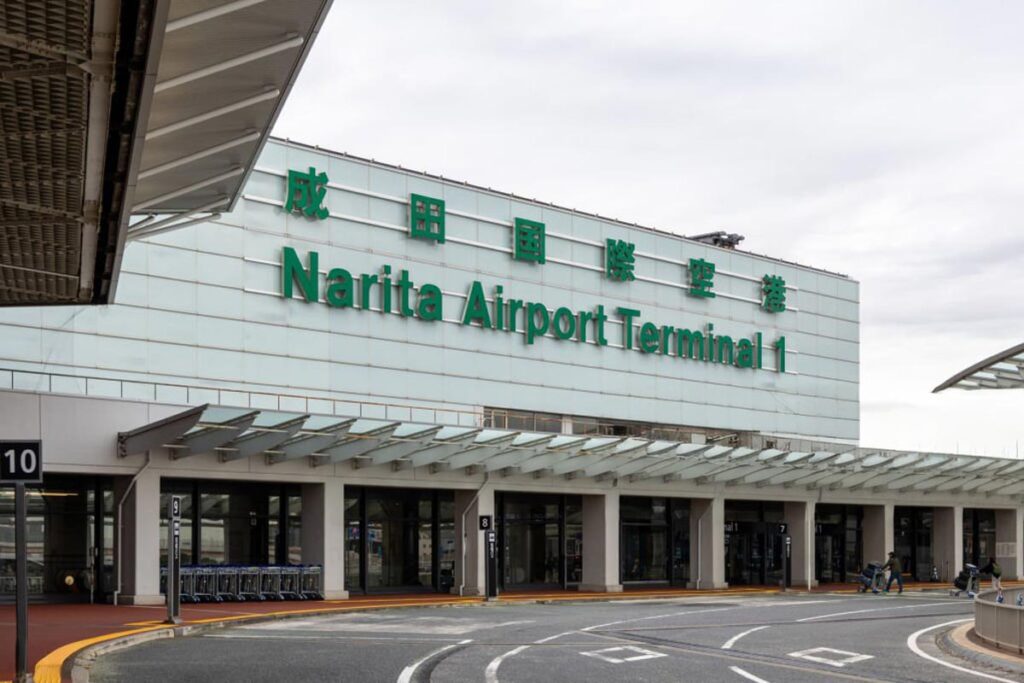
Narita Airport Access
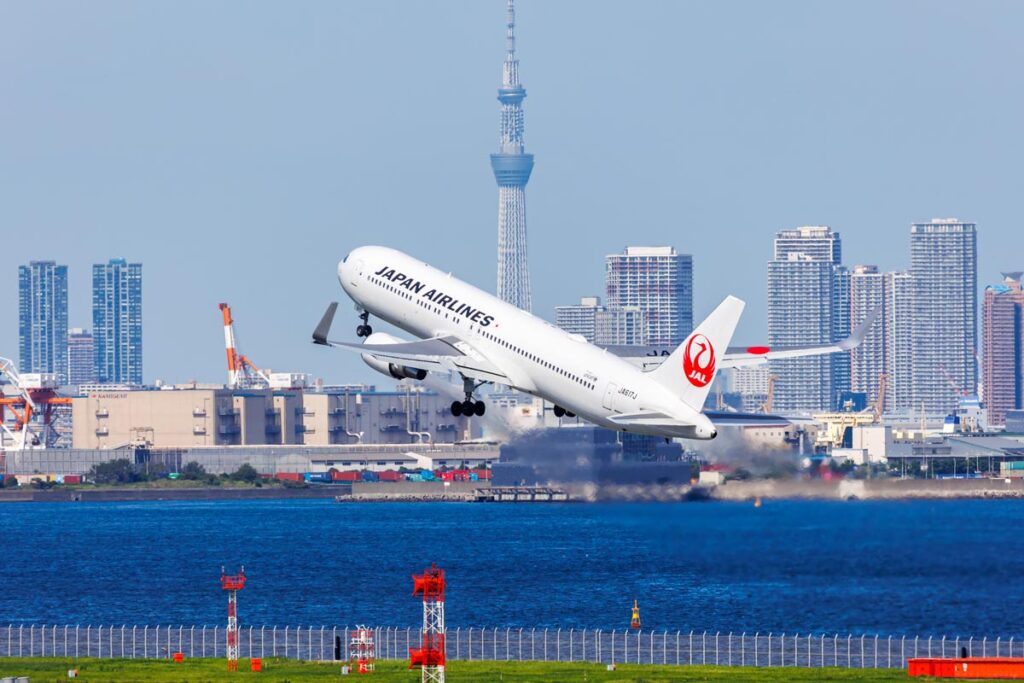
Haneda Airport Access
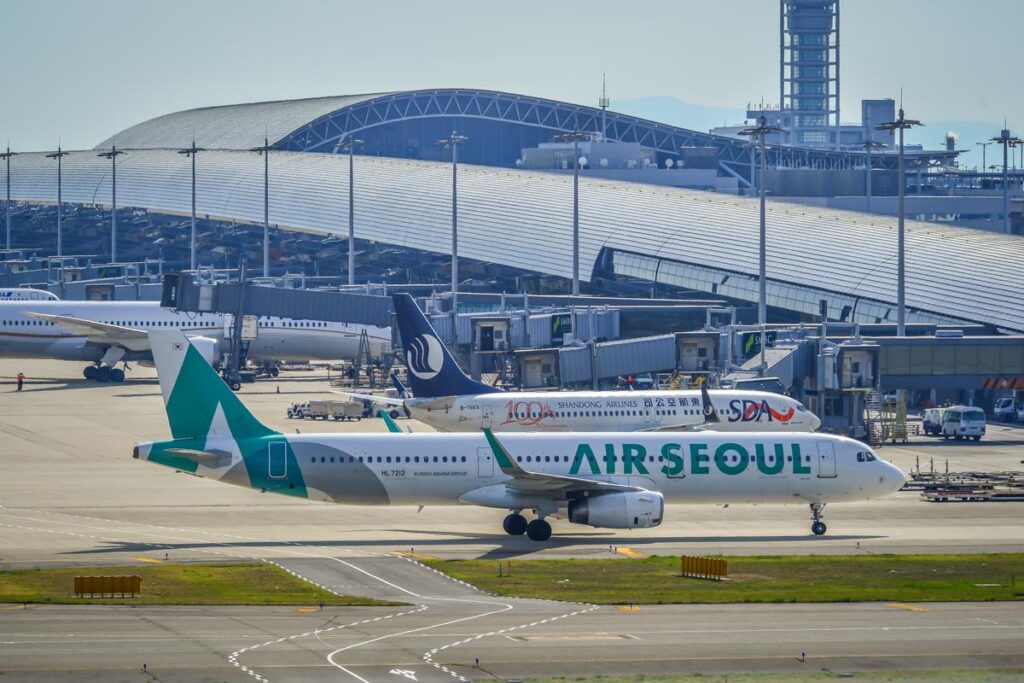
Kansai Airport Access