



Ouchi-juku Post Town
Ouchi-juku Post Town: A Timeless Window onto Old Japan
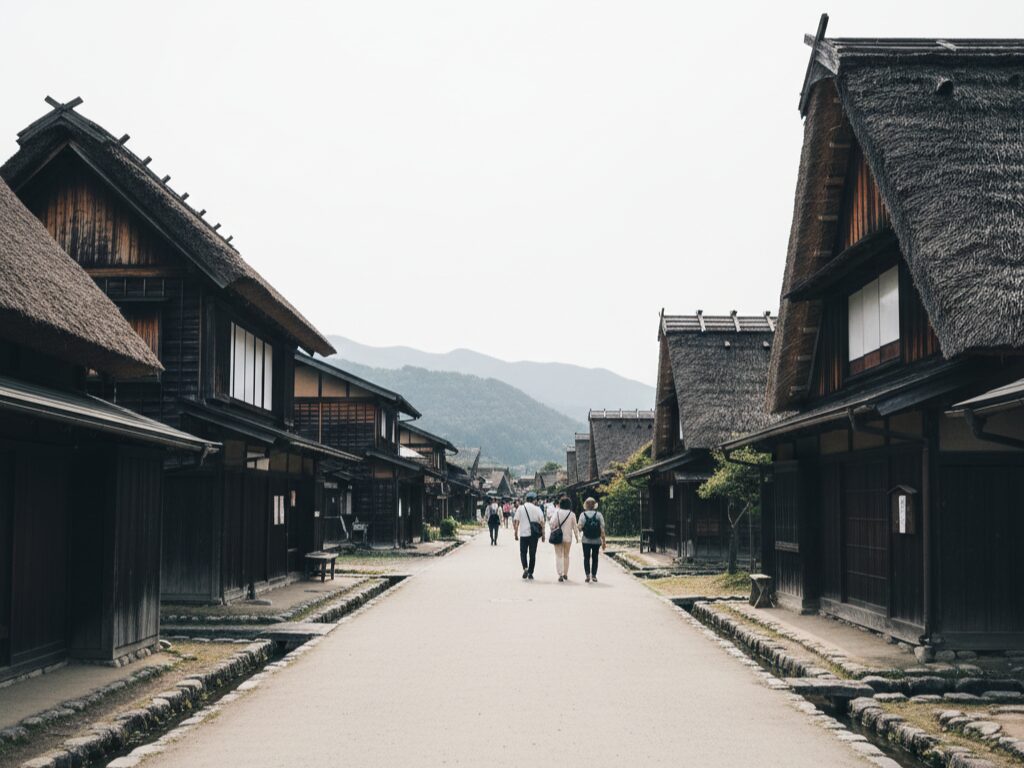
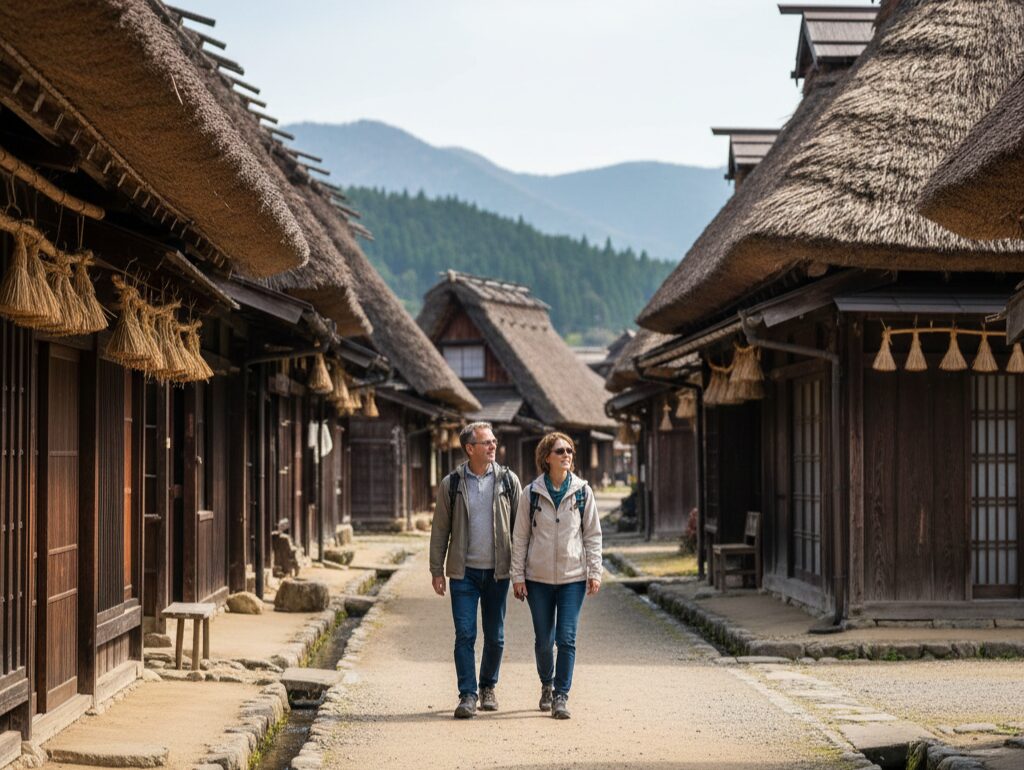
Photos are for illustrative purposes only.
Hidden in the mountains of Fukushima Prefecture, Ouchi-juku Post Town is one of Japan’s best-preserved Edo-era post towns. Once a vital stop for travelers walking between Aizu and Nikko, today it offers international visitors a rare chance to step into a living museum of thatched roofs, dirt streets, and rural hospitality. If you dream of experiencing “old Japan” beyond the big cities, Ouchi-juku is a rewarding day trip or overnight stay.
What Is Ouchi-juku Post Town?
Ouchi-juku (often written Ouchijuku) is a small historic settlement in the Aizu region of western Fukushima. During the Edo period (1603–1868), it served as a post town along the Aizu Nishi Kaido, one of the many highways that connected feudal domains to the political center in Edo (now Tokyo).
Post towns were built to support the constant flow of daimyo lords, their retainers, merchants, and pilgrims who were required to travel under the shogunate’s strict regulations. These towns offered lodging, food, stables, and supplies. Ouchi-juku is special because much of its original street layout and atmosphere have survived, earning it protection as an Important Preservation District for Groups of Traditional Buildings.
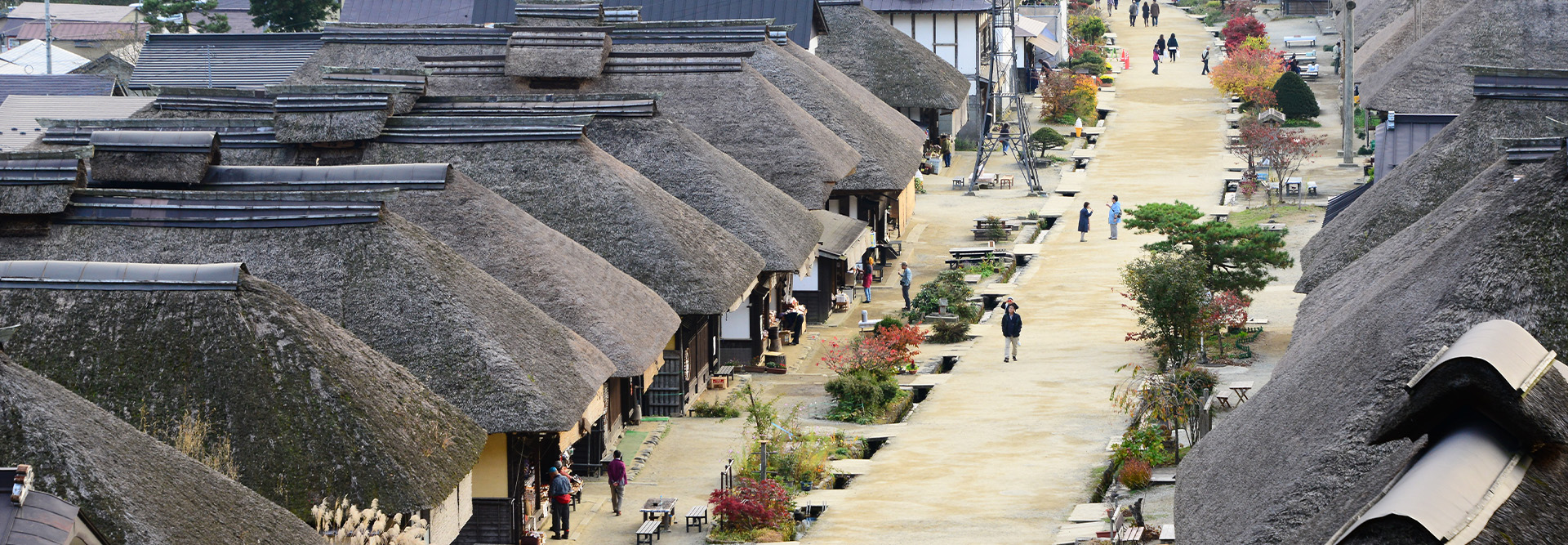
Today, a single unpaved main street lined with thick-thatched farmhouses forms the heart of Ouchi-juku. Many of these buildings are now family-run restaurants, souvenir shops, and small inns, but the exteriors remain carefully preserved, giving the town an immersive period-drama feel without feeling overly staged.
Why Visit Ouchi-juku?
For first-time travelers to Japan, Ouchi-juku offers a contrast to the sleek trains and neon cities. It is a chance to slow down and experience:
1. A Rare Edo-Era Streetscape
The town’s star attraction is its main street. Instead of asphalt and power lines, you see earthen floors, gabled thatched roofs, and wooden facades. A clear stream runs along the street edge, historically used for drinking water and fire prevention. In summer, the water channels are lined with bright flowers; in winter, they form icy borders to the white snowbanks.
Unlike outdoor museums that relocate old buildings, Ouchi-juku has remained in place for centuries. Locals still live and work in the same structures, preserving daily routines alongside history. The result is a town that feels authentic but accessible.
2. Local Specialties: Negi Soba and Charcoal-Grilled Fish
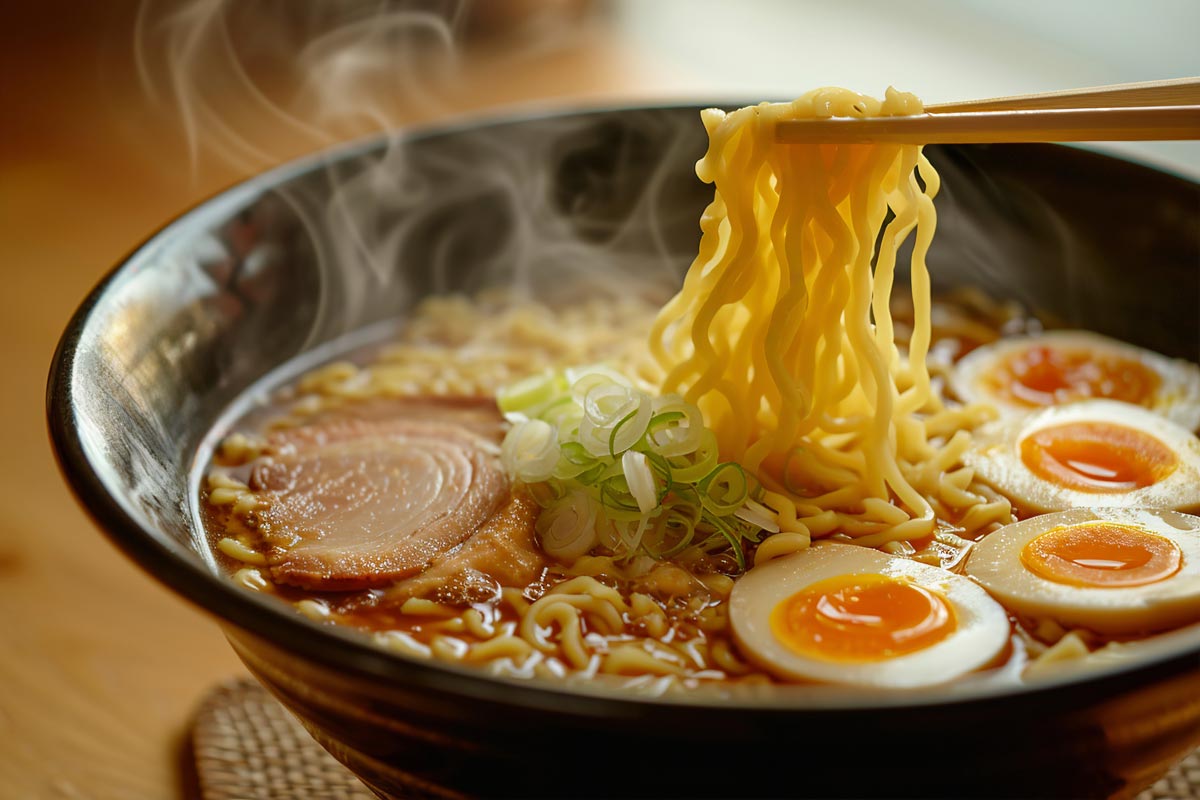
Cuisine is a highlight of any visit. The regional specialty here is negi soba, buckwheat noodles served in a simple broth, eaten not with chopsticks but with a whole green onion used as an edible “spoon.” This playful custom is rooted in the area’s agricultural life and is a fun, photo-worthy experience for visitors.
Many restaurants also serve river fish such as ayu (sweetfish), skewered and slowly grilled over charcoal hearths inside traditional houses. The smoky aroma mingled with the scent of burning wood evokes the atmosphere of mountain travel in feudal times.
3. Seasonal Scenery Worth Planning Around
Ouchi-juku is beautiful year-round, but each season offers a distinct character:
- Winter (December–February): Thick snow blankets the thatched roofs, and the town looks like a scene from a storybook. Snow lantern festivals and illuminated evenings are particularly magical.
- Spring (April–May): Snow lingers on the surrounding mountains while cherry blossoms and mountain flowers begin to bloom, creating a soft, pastel atmosphere.
- Summer (June–August): Lush greenery and bright blue skies frame the town. It is a pleasant escape from urban heat, with cool evenings and fresh mountain air.
- Autumn (October–early November): Colorful foliage paints the hillsides in reds and golds, making this one of the most popular times to visit.
4. A Manageable Side Trip for First-Time Visitors
Though tucked away in the countryside, Ouchi-juku is surprisingly manageable as a day trip from Aizu-Wakamatsu or as part of a broader Tohoku itinerary. If you are exploring northern Japan or looking for a quieter destination after Tokyo or Kyoto, this post town fits neatly into a route that includes historic castles, hot springs, and scenic train journeys.
Top Things to Do in Ouchi-juku
Stroll the Main Street
Allow at least 1–2 hours simply to wander. Start at one end of the main street and walk slowly to the other, stopping in shops and cafés. Because the road remains unpaved, wear comfortable shoes that can handle dirt or occasional mud, especially in wet or snowy weather.
Look for small details: old wooden signboards, straw sandals displayed as good-luck charms, and decorative thatch patterns on rooftop ends. Many shopkeepers welcome visitors with simple greetings; even if you do not speak Japanese, a smile and a “konnichiwa” go a long way.
Climb to the Hilltop Viewpoint
At one end of town a short, slightly steep path leads up to a small shrine and viewpoint. From here, you get the classic postcard view: the entire line of thatched roofs gradually descending into the valley, with forested hills behind. This is the best spot for photos in any season, but it can be slippery in winter or after rain, so step carefully.
Visit the Local Museums and Historic Houses
Several former residences and facilities are open as small museums, displaying everyday tools, clothing, and household items used in Aizu’s countryside. These modest exhibitions help you understand how travel, farming, and home life were organized in a remote post town. English explanations can be limited, but the objects and architecture speak for themselves.
Sample Regional Snacks and Souvenirs
Between meals, try local sweets such as skewered dango rice dumplings glazed with soy sauce, or soft rice cakes filled with sweet bean paste. Regional sake from the Aizu area is often sold in small bottles ideal for gifts, as are lacquerware items and hand-dyed textiles.
Souvenir shops frequently stock handmade crafts, traditional toys, and folk art like red-painted akabeko cow figures, a symbol of the Aizu region believed to bring good health.
Stay Overnight in a Traditional Inn
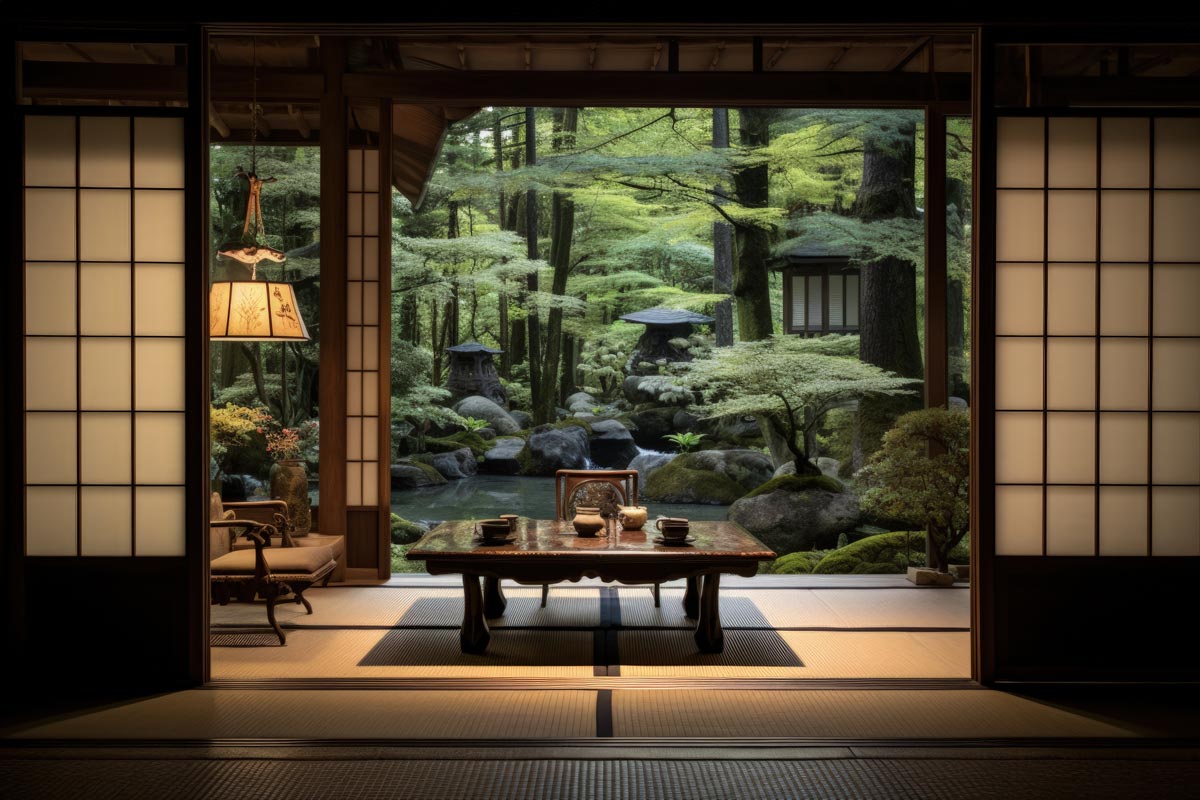
If time allows, spending a night in or near Ouchi-juku deepens the experience. Some of the old houses operate as simple guesthouses or ryokan-style inns, with tatami-mat rooms and futon bedding. Evening in the town is quiet, with far fewer day-trippers, and you can enjoy the sound of the wind in the thatch and the clear night sky.
Dinner and breakfast are often home-style meals featuring local vegetables, preserved mountain herbs, and river fish. Staying overnight also helps support the community’s ongoing preservation efforts.
Cultural Tips and Etiquette
Respecting a Living Historic Town
Ouchi-juku is both a tourist site and a residential area. While exploring, keep these points in mind:
- Do not enter private homes or yards unless clearly open to visitors.
- Ask permission before taking close-up photos of people, especially shopkeepers or residents.
- Keep noise levels moderate; the town is otherwise tranquil.
- Dispose of trash properly or carry it with you if bins are not available.
Dining Customs
Many eateries are family-run with limited seating. If they are busy, be patient and avoid lingering too long after finishing your meal during peak hours. Removing shoes may be required if you sit on tatami; follow the lead of other customers or any posted signs.
When eating negi soba, it is fine to laugh at your own clumsy attempts, but try not to splash too much. Finishing the green onion “utensil” is part of the fun.
Best Time to Visit Ouchi-juku
The town is open year-round, but timing your visit can shape the experience:
- Peak winter (January–February): Expect deep snow, striking scenery, and very cold temperatures. Roads and paths can be icy; proper footwear and warm layers are essential.
- Golden Week and autumn foliage: National holidays in late April–early May and peak leaf season in late October bring more domestic visitors. The town can feel lively but more crowded.
- Weekdays outside major holidays: Quieter, with more space to explore and interact with locals at a relaxed pace.
How to Get to Ouchi-juku
Reaching Ouchi-juku typically involves a combination of train and bus. Exact routes change over time, but this general outline can help you plan:
From Tokyo via Aizu-Wakamatsu
- Take a Shinkansen (bullet train) from Tokyo or Ueno Station toward Koriyama (around 1.5 hours).
- Transfer to a regional train to Aizu-Wakamatsu (about 1–1.5 hours).
- From Aizu-Wakamatsu, local trains or buses connect to stations closer to Ouchi-juku, where a local bus or taxi can take you directly to the post town.
Because services are less frequent in rural areas, check schedules in advance and allow generous transfer time. Japan Rail Pass holders can usually cover the Shinkansen and many regional trains, but local buses require separate tickets.
By Car
Renting a car offers flexibility, especially if you plan to combine Ouchi-juku with other Aizu sites such as Aizu-Wakamatsu Castle, hot spring villages, or scenic mountain roads. In winter, be prepared for snow conditions and consider renting a vehicle equipped with winter tires. Parking is typically available on the outskirts of the town, with a short walk to the main street.
Practical Tips for First-Time Visitors
What to Wear and Bring
- Footwear: Comfortable walking shoes with good grip. In winter, insulated boots are highly recommended.
- Clothing: Layered outfits to adjust to mountain weather, which can change quickly.
- Cash: Some small shops may not accept credit cards, so carry enough yen for meals, transport, and souvenirs.
- Language: English may be limited, but simple phrases, gestures, and translation apps are usually enough.
Accessibility
The unpaved, sometimes uneven main street can be challenging for wheelchairs or strollers, especially in snowy or rainy seasons. If mobility is a concern, consider visiting in dry weather and allow extra time for moving between buildings.
Combining Ouchi-juku with Nearby Destinations
To make the most of your journey into Aizu, consider pairing Ouchi-juku with other nearby attractions:
- Aizu-Wakamatsu: Known as the “samurai city,” with a reconstructed castle, samurai residences, and traditional crafts.
- Higashiyama Onsen: A hot spring resort area close to Aizu-Wakamatsu, ideal for an overnight soak after a day of exploring.
- Scenic local railways: Rural train lines in the region pass through river valleys and mountain tunnels, offering classic Japanese countryside views.
Is Ouchi-juku Worth It for a First Trip to Japan?
If your first journey to Japan is focused solely on major cities like Tokyo, Osaka, and Kyoto, Ouchi-juku might seem out of the way. Yet for travelers keen to add a memorable rural element, the town provides exactly the kind of immersive, older Japan that many visitors hope to discover.
Walking along Ouchi-juku’s thatched street, warming your hands by a charcoal hearth, and tasting noodles with a green onion in a 200-year-old house all bring history down to a human scale. It is not a grand monument, but a small, atmospheric place where you can feel the rhythm of past journeys and the resilience of a mountain community.
With a bit of planning, Ouchi-juku Post Town can become one of the most vivid memories of your time in Japan—an evocative pause between modern stations on your own travel story.

Access Map
Recommended spots in Fukushima
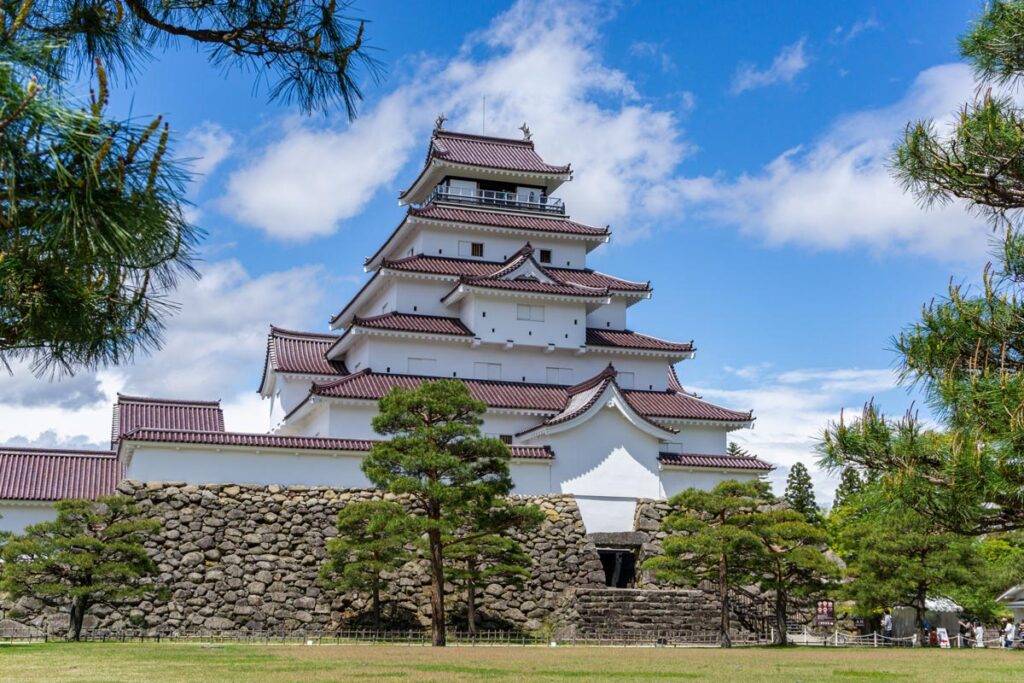
Tsuruga Castle
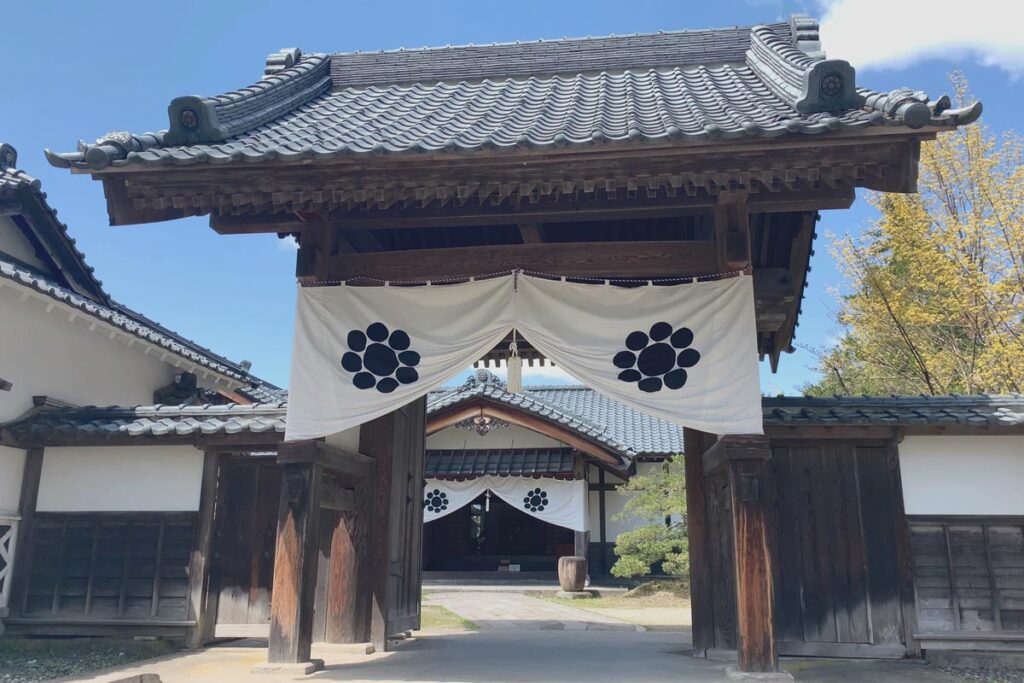
Aizu Bukeyashiki
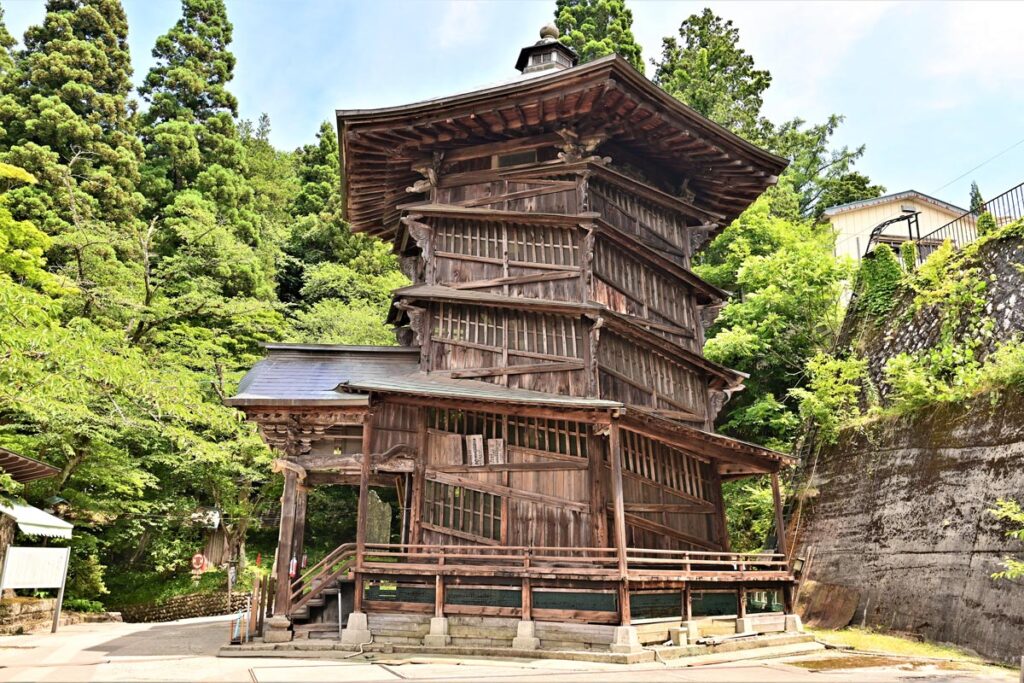
Sazaedo Temple
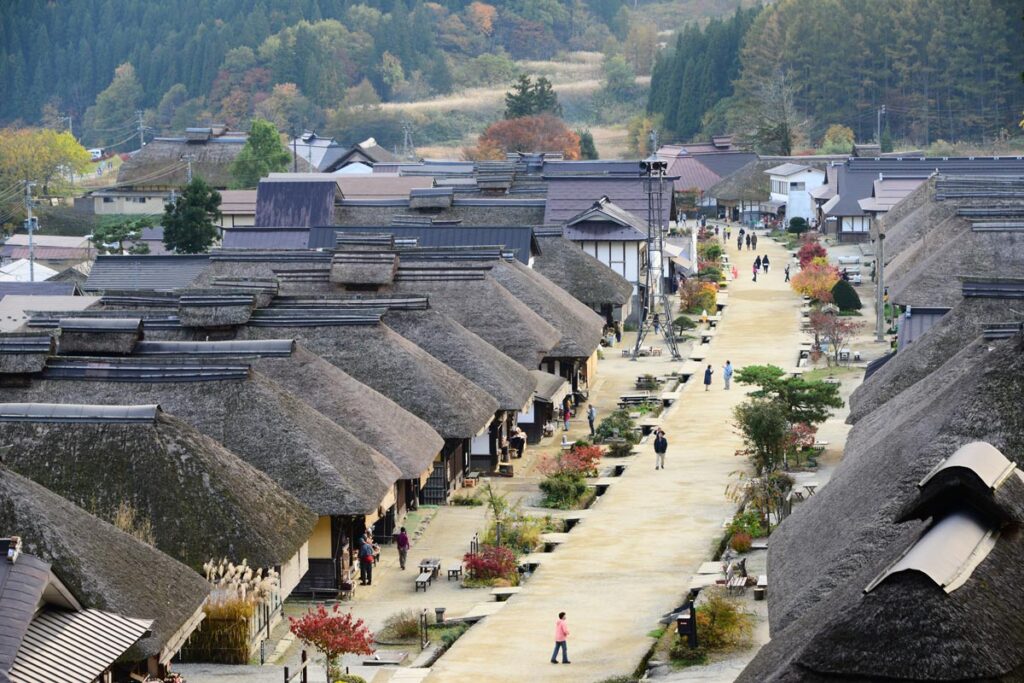
Ouchi-juku Post Town
Top destinations in Hokkaido & Tohoku
Hokkaido

Aomori
Iwate