




Philosopher's Path
Walking the Philosopher’s Path in Kyoto: A First-Timer’s Guide
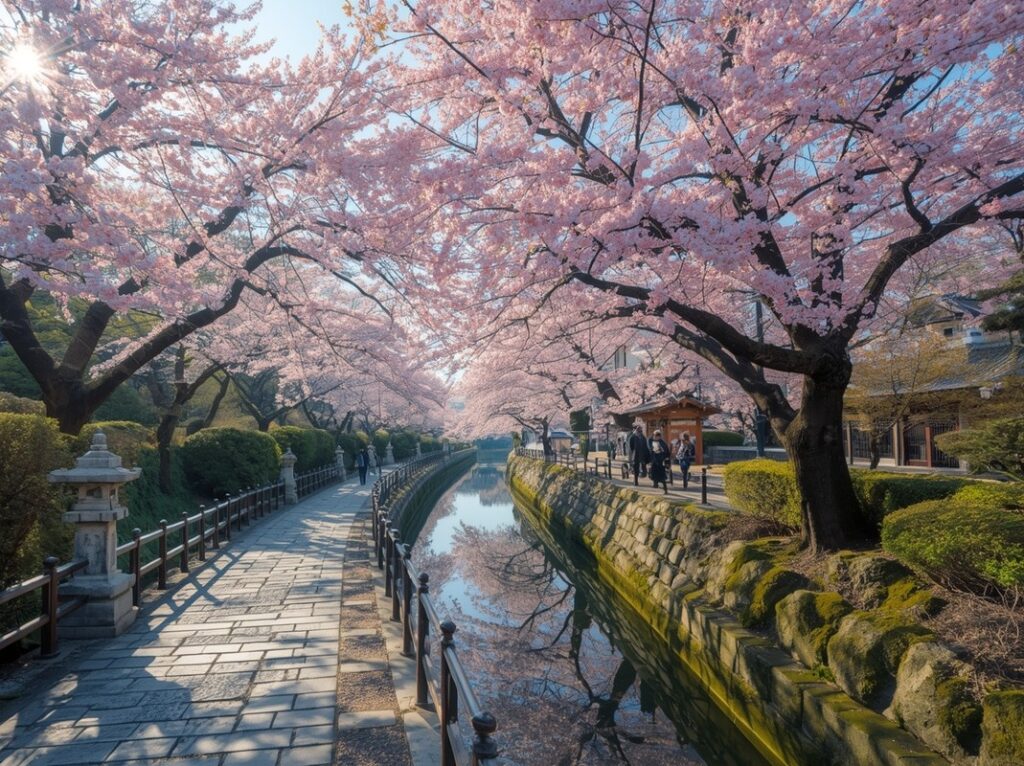
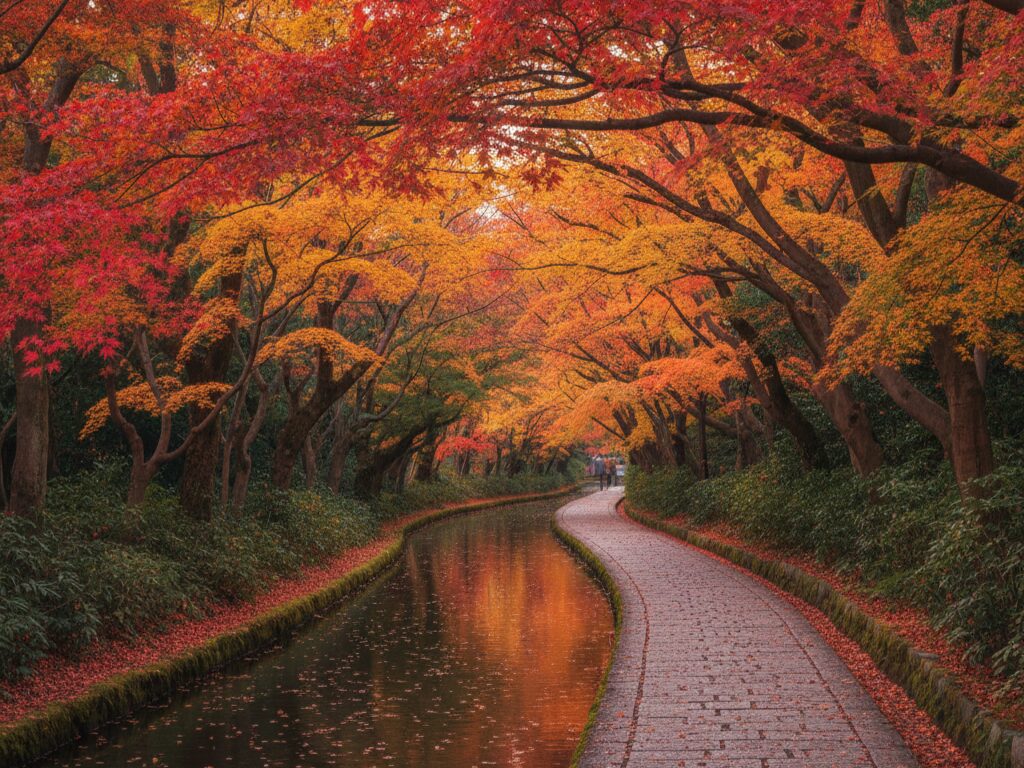
Photos are for illustrative purposes only.
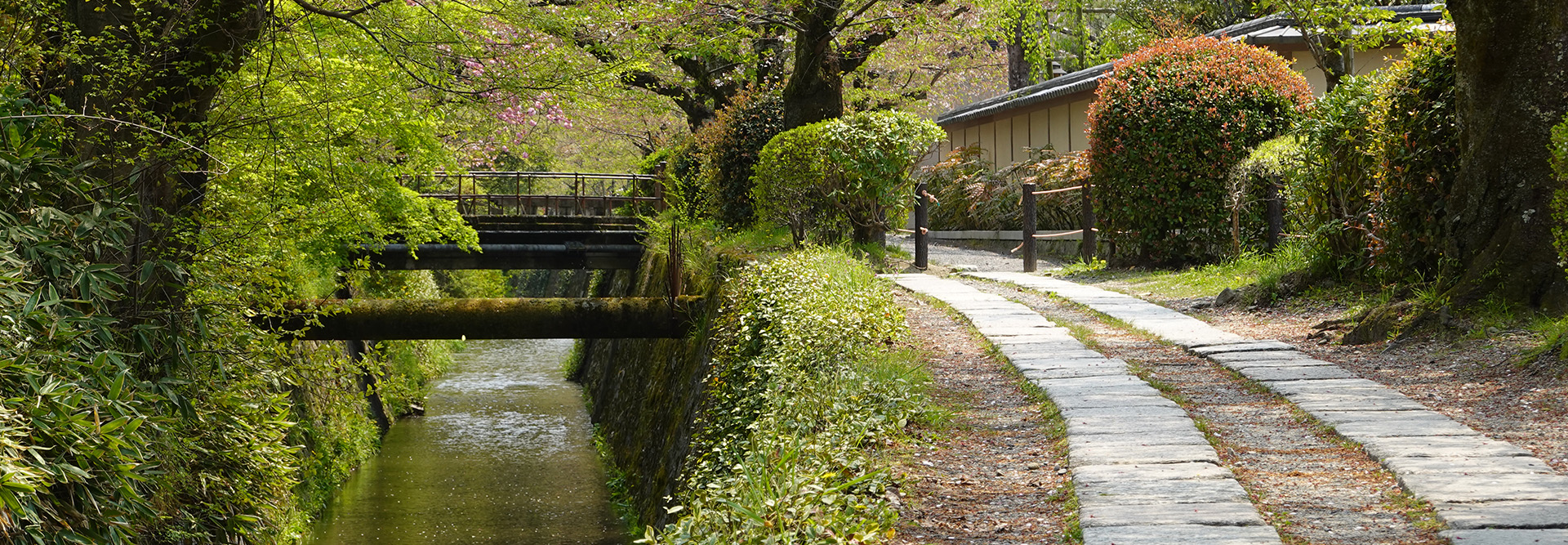
In Kyoto, a city of quiet backstreets and hidden temples, the Philosopher’s Path (Tetsugaku no Michi) is one of the most atmospheric walks you can take. This stone-paved path follows a narrow canal lined with hundreds of cherry trees, weaving through a residential neighborhood between Ginkaku-ji (the Silver Pavilion) and the area near Nanzen-ji. It is not a dramatic, must-see-in-5-minutes sight; instead, it is a slow, reflective experience that captures the everyday soul of Kyoto.
What Is the Philosopher’s Path?
The Philosopher’s Path is a pedestrian walkway of roughly 2 km (a little over a mile) in Kyoto’s Higashiyama district. The route traces an old irrigation canal, originally built during the Meiji era to bring water from Lake Biwa into Kyoto. Today, it connects several small shrines and temples, artists’ studios, cafés, and traditional houses.
The path takes its name from the Kyoto University philosopher Nishida Kitaro, who is said to have walked this route daily for meditation and contemplation. That quiet, introspective spirit still defines the area. Despite its popularity, the path retains a calm, local atmosphere, especially if you visit early in the morning or outside peak blossom season.
Where Is It and How Do You Walk It?
The Philosopher’s Path runs roughly north–south along the eastern side of Kyoto. Most visitors start either at the northern end near Ginkaku-ji or at the southern end near Eikan-do and Nanzen-ji. You can easily walk it in about 30–40 minutes non-stop, but it is better to allow 1.5–2 hours to explore side streets, temples, and cafés along the way.
Typical Routes
North to South (popular for first-timers):
- Start at Ginkaku-ji (the Silver Pavilion).
- Stroll south along the canal and enjoy small shops and shrines.
- Finish near Eikan-do and Nanzen-ji, then continue to the Keage area or the Okazaki museum district.
South to North:
- Start from the Keage or Nanzen-ji area.
- Walk north, ending at Ginkaku-ji and the quieter streets around the temple.
Access from Central Kyoto
To Ginkaku-ji (northern end):
- From Kyoto Station, take bus 5, 17, or 100 (about 30–40 minutes, traffic dependent). Get off near Ginkakuji-michi.
- From the city center (Shijo or Sanjo areas), city buses also head towards Ginkaku-ji. Always check the electronic signs or ask the driver before boarding.
To Nanzen-ji / Eikan-do (southern end):
- Take the Tozai Subway Line to Keage Station, then walk 10–15 minutes to Nanzen-ji or Eikan-do.
- Buses from Kyoto Station and downtown also serve the Nanzen-ji and Okazaki areas, but the subway is often quicker and more predictable.
Best Time to Visit the Philosopher’s Path
The Philosopher’s Path changes character with each season. There is no single “best” time, but each period offers a different mood and landscape.
Spring: Cherry Blossom Dreamscape
In early April, the canal is transformed into a tunnel of sakura (cherry blossoms). Overhanging branches almost touch the water, and fallen petals drift along the surface. It is one of Kyoto’s classic cherry blossom walks and can be extremely crowded, especially on weekends and mid-day.
If you plan to visit in blossom season:
- Go early in the morning (around 7:00–8:00) for quieter paths and soft light for photos.
- Bring a light jacket; the air is still crisp in early spring.
- Expect a leisurely pace as people stop frequently for photos and picnics.
Summer: Lush and Green
From June to August, the Philosopher’s Path is shaded by thick green leaves. The sound of running water, insects, and the occasional temple bell create a meditative backdrop. This is the season to feel the humidity of Kyoto’s summer—carrying water and sun protection is important.
Afternoon thunderstorms are common, especially in July and August. A small folding umbrella or lightweight rain jacket can be very useful. In return, you may enjoy a peaceful, rain-washed path with fewer crowds.
Autumn: Fiery Leaves and Temple Gardens
From mid-November to early December, the area around the Philosopher’s Path erupts into shades of red, orange, and gold. The nearby temples of Eikan-do and Nanzen-ji are particularly famous for their autumn foliage. While the canopy along the canal itself is less dense than in some parks, the combination of water, stone, and colored leaves is very photogenic.
Evenings can be chilly; pack a warm layer. Some temples hold special night illuminations during autumn, making it easy to combine a daytime walk along the path with an evening visit to nearby gardens.
Winter: Quiet and Contemplative
From December to February, the Philosopher’s Path is at its most peaceful. Bare branches reveal more of the surrounding mountains and rooftops. On rare snowy days, the stone path, canal, and temple roofs take on a gentle white cover that feels almost timeless.
This is not peak tourist season, so shops and cafés may keep shorter hours, but you will experience the path much as local residents do. A walk here on a crisp winter morning suits the reflective spirit that gave the path its name.
Highlights and Stops Along the Way
One of the charms of the Philosopher’s Path is the mix of small, everyday sights and eloquent temples. It is less about one big attraction and more about the overall atmosphere, but several stops are worth noting.
Ginkaku-ji (The Silver Pavilion)
At the northern end stands Ginkaku-ji, a Zen temple known for its understated beauty. Unlike its more flamboyant sibling Kinkaku-ji (the Golden Pavilion), Ginkaku-ji focuses on subtlety: raked sand gardens, moss-covered slopes, and simple wooden architecture set against forested hills.
A loop path leads you up behind the main buildings to a viewpoint over Kyoto, and its gardens are considered a textbook example of wabi-sabi—the appreciation of impermanence and imperfection. Visiting here before you begin your walk helps set the reflective tone for the day.
Small Temples and Shrines
As you follow the canal, keep an eye out for stone steps and narrow alleys leading up to small, often unattended shrines. Many do not charge an entrance fee and see few overseas visitors. Stepping inside offers a glimpse into neighborhood religious life, far from the crowds at Kyoto’s major monuments.
Some shrines feature wooden ema (votive plaques) decorated with hand-drawn wishes, or rows of small stone statues in red bibs dedicated to Jizo, the protector of children and travelers. Even if you cannot read the inscriptions, the mood of quiet devotion is easy to feel.
Art Galleries and Craft Shops
The neighborhoods along the Philosopher’s Path have long attracted artists and craftspeople. You will find small galleries showing ceramics, calligraphy, woodblock prints, and textiles. Unlike large shopping districts, these spaces tend to be intimate and run by the artists themselves.
For visitors, this is a chance to buy meaningful souvenirs directly from the maker—perhaps a tea bowl, a hand-dyed scarf, or a small ink drawing of the path itself. Remember that many small businesses in Kyoto accept cash only, so carrying some yen is wise.
Cafés, Teahouses, and Snacks
From simple coffee stands to traditional machiya townhouses converted into cafés, the path offers many options for a break. You might find:
- Matcha and wagashi: powdered green tea served with a seasonal sweet.
- Light lunches such as udon noodles, curry rice, or small set meals.
- Japanese-style parfaits layered with matcha ice cream, red beans, and mochi.
Pausing for tea is more than a rest; it is an easy way to experience the Japanese custom of slowing down and savoring the moment, something that fits the spirit of the Philosopher’s Path perfectly.
Eikan-do and Nanzen-ji
Near the southern end, two major temple complexes reward a short detour.
Eikan-do is renowned for its autumn leaves and hillside setting. Its wooden halls and verandas overlook a pond garden, and the main statue of the Buddha is unique for looking over its shoulder—a slightly mysterious detail that fascinates many visitors.
Nanzen-ji, one of Kyoto’s great Zen temples, feels like a small world of its own. Massive wooden gates, quiet sub-temples, and a striking red brick aqueduct (part of the Meiji-era canal system) stand side by side, symbolizing layers of history from medieval Japan to early modern engineering. Wandering its precincts can easily fill an hour or more.
Cultural Tips for Enjoying the Path
Walking the Philosopher’s Path is simple, but a few cultural points will help you feel more at ease and show respect for local residents.
Respecting Local Life
Although the path is famous, it runs through residential neighborhoods where people live, work, and go to school. To blend in smoothly:
- Keep your voice at a moderate level; avoid loud conversations or music.
- Do not enter private gardens or courtyards, even if they look picturesque.
- If you take photos of houses or people, ask permission when possible.
Temple Etiquette
Temples and shrines along the route are active religious sites, not just tourist attractions. Common customs include:
- At shrines, you may see visitors bow slightly at the torii gate before entering.
- At purification fountains, locals rinse their hands and mouth; you can follow their example if you wish, but avoid touching the ladle directly to your mouth.
- Inside temple halls where shoes are removed, place them neatly in the designated area.
- Photography is sometimes restricted indoors; look for signs and follow staff instructions.
Walking Pace and Mindset
The Philosopher’s Path is best approached slowly. Instead of trying to “tick off” landmarks, allow yourself to notice small details: the pattern of stones, a cat sunning itself on a wall, the reflection of branches in the canal. This unhurried way of seeing is close to the Japanese idea of mono no aware, an awareness of the beauty of transient moments.
Practical Advice for First-Time Visitors
How Long to Spend
A comfortable amount of time for the Philosopher’s Path and a nearby temple or two is around a half day. For example:
- Morning: Visit Ginkaku-ji, then walk the path, stopping for coffee and a small temple or shrine.
- Afternoon: Explore Eikan-do and Nanzen-ji, then continue to the Okazaki area for museums or back towards central Kyoto.
If you wish to explore thoroughly, browsing shops and lingering in gardens, you could easily spend a full day in this corner of Kyoto.
What to Wear and Bring
The path is paved and mostly flat, but you will be on your feet for a while, and side trips to temples often involve steps and stone stairways.
- Wear comfortable walking shoes with good grip.
- Bring a light bag for water, sun protection, and a small umbrella.
- Carry some cash for temple fees, snacks, and small shops.
- In summer, consider a hat and hand towel; in winter, gloves and a warm layer.
Food and Facilities
You will find several cafés, small restaurants, and convenience stores near Ginkaku-ji and around the Nanzen-ji and Okazaki areas. Along the central part of the path, options are more scattered but still present.
Public restrooms can usually be found near major temples and in some small parks along the way. They may be basic but are generally well maintained. It is wise to use facilities when you see them rather than waiting.
Combining with Other Kyoto Sights
The Philosopher’s Path fits naturally into many classic Kyoto itineraries. Popular combinations include:
- Silver Pavilion and Eastern Kyoto: Ginkaku-ji, Philosopher’s Path, Nanzen-ji, then continue to Heian Shrine and the Okazaki museum district.
- Higashiyama walk: Start with Nanzen-ji and the path, then head south to the Kiyomizu-dera area, passing through traditional streets like Ninen-zaka and Sannen-zaka.
- Temple-focused day: Mix the serenity of the Philosopher’s Path with visits to a few key Zen temples to deepen your understanding of Kyoto’s spiritual heritage.
Why the Philosopher’s Path Belongs on Your Kyoto Itinerary
The Philosopher’s Path will not impress you with towering structures or grand displays. Its appeal lies in subtle experiences: sunlight through branches, the soft sound of geta sandals on stone, the mix of old wooden houses and modern homes along the canal. Walking here offers a rare chance to breathe, slow down, and see Kyoto not only as a destination, but as a city quietly alive with everyday rituals.
For first-time visitors to Japan, this walk is a gentle introduction to the country’s deeper rhythms—where history, nature, and daily life blend seamlessly. Whether you come in a cloud of cherry blossoms or on a quiet winter afternoon, the Philosopher’s Path invites you to do what its name suggests: walk, observe, and perhaps, in your own way, reflect.

Access Map
Recommended spots in Kyoto
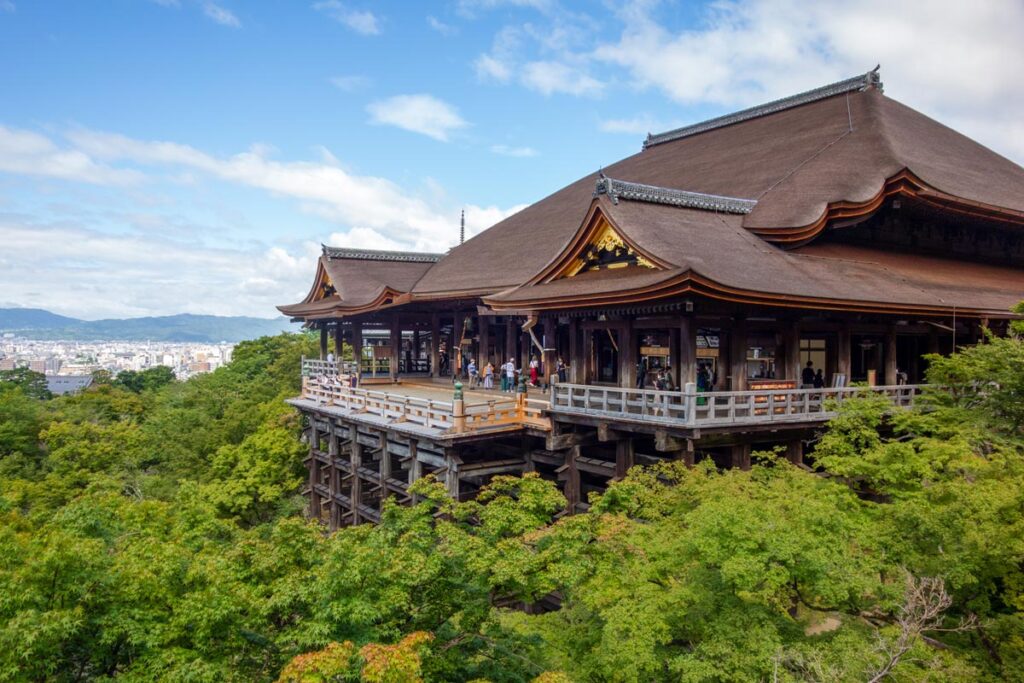
Kiyomizu-dera
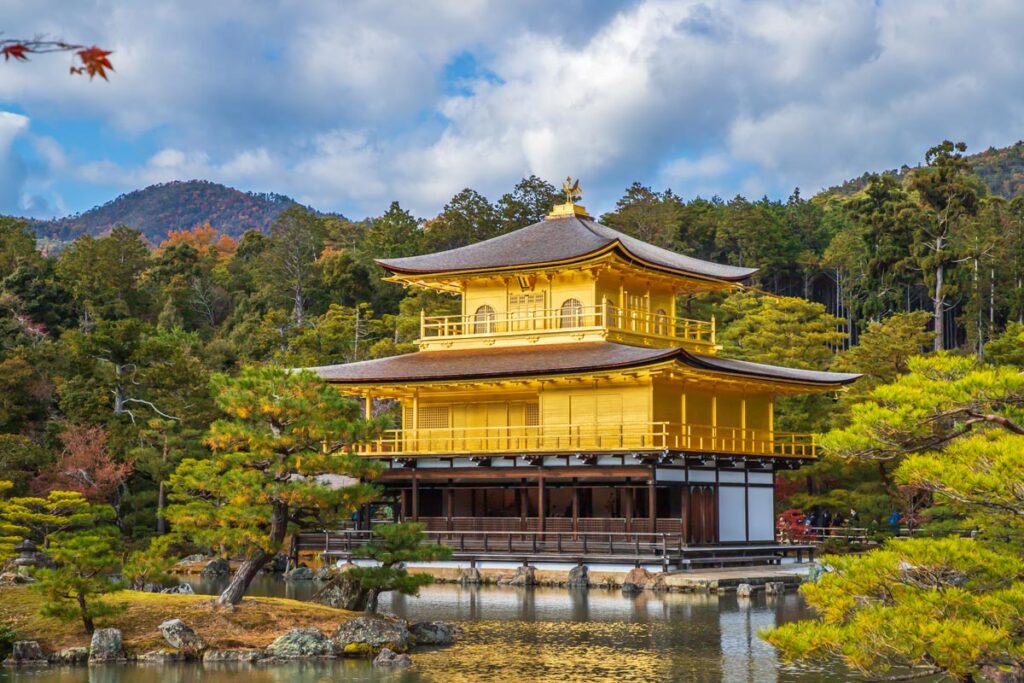
Kinkaku-ji
(Golden Pavilion)
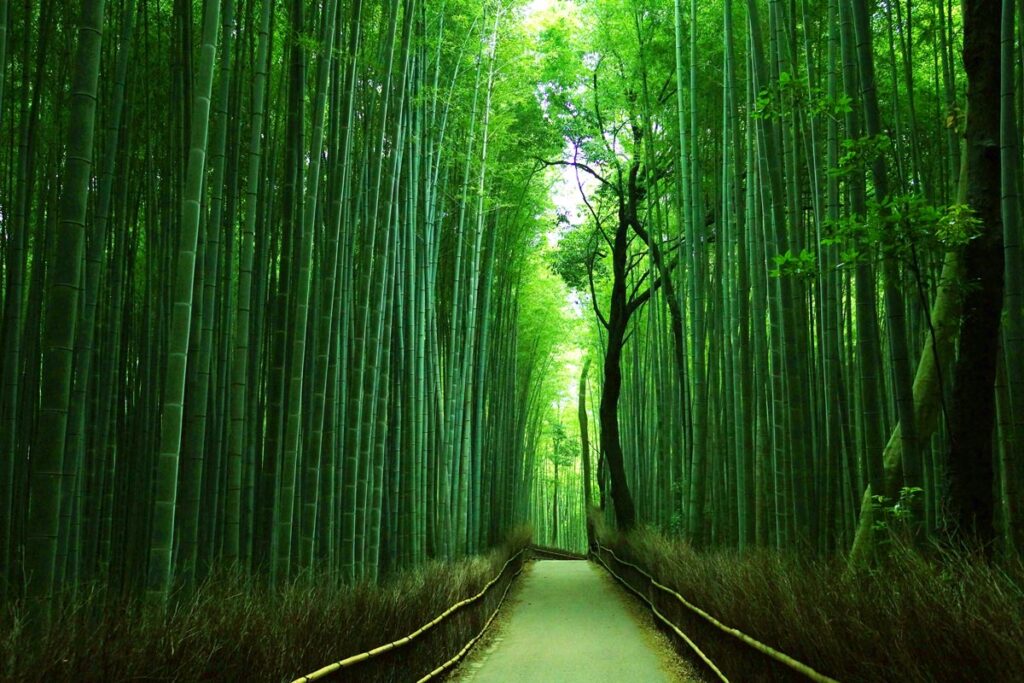
Arashiyama
Bamboo Grove
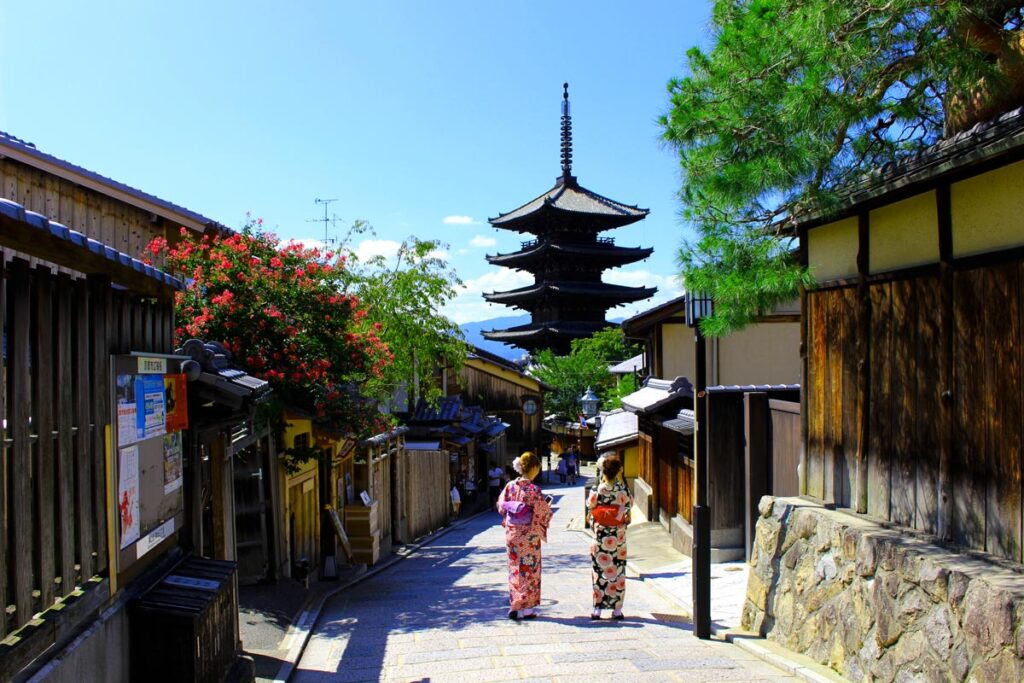
Gion
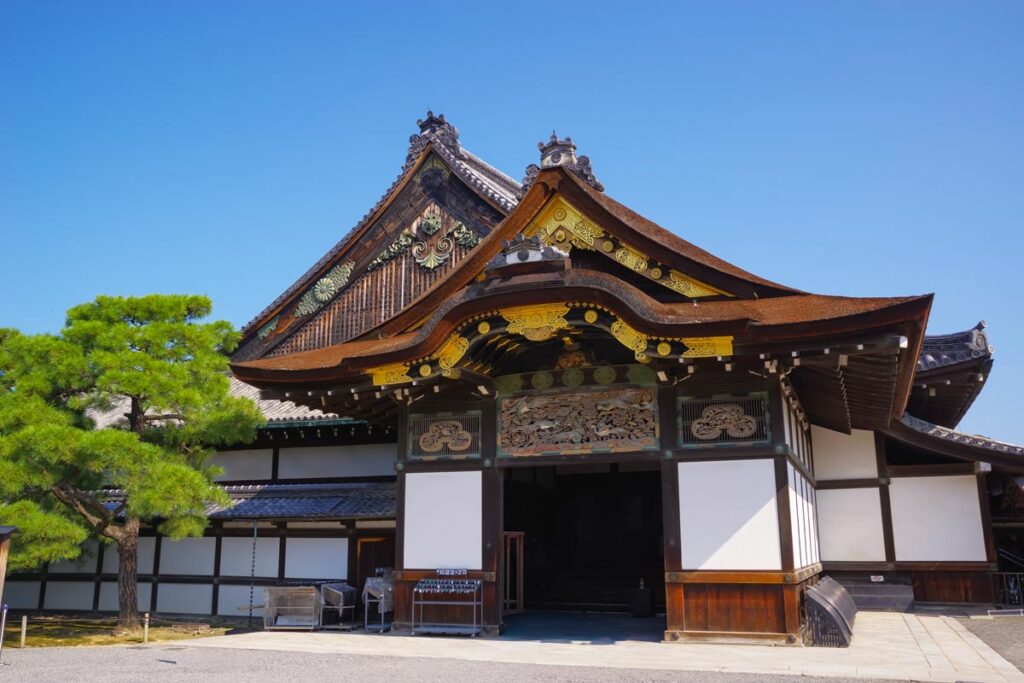
Nijo Castle
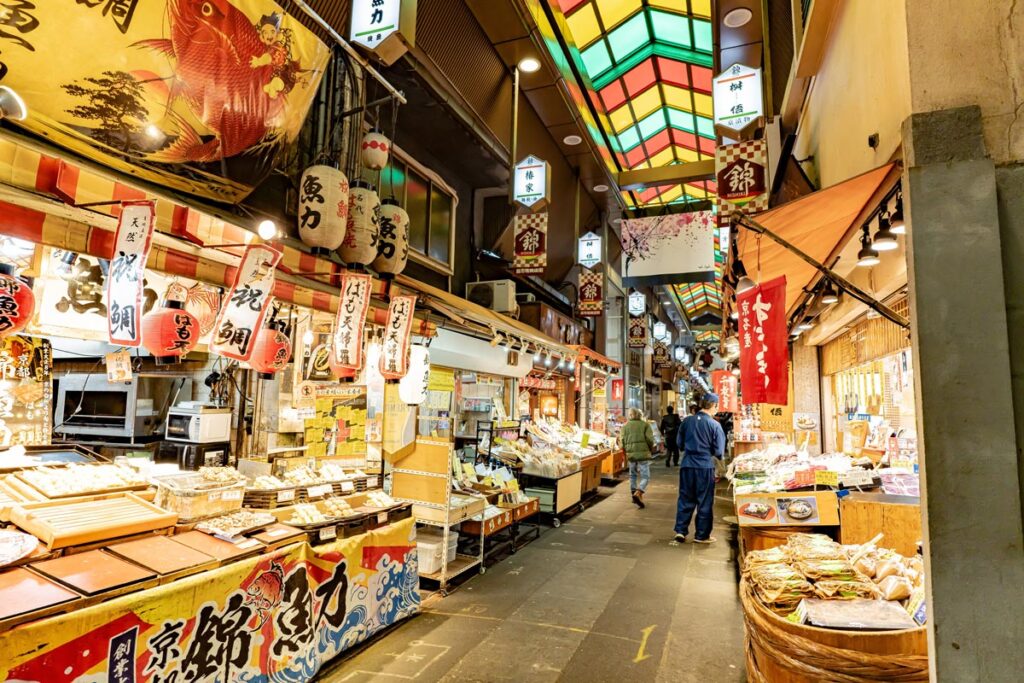
Nishiki Market
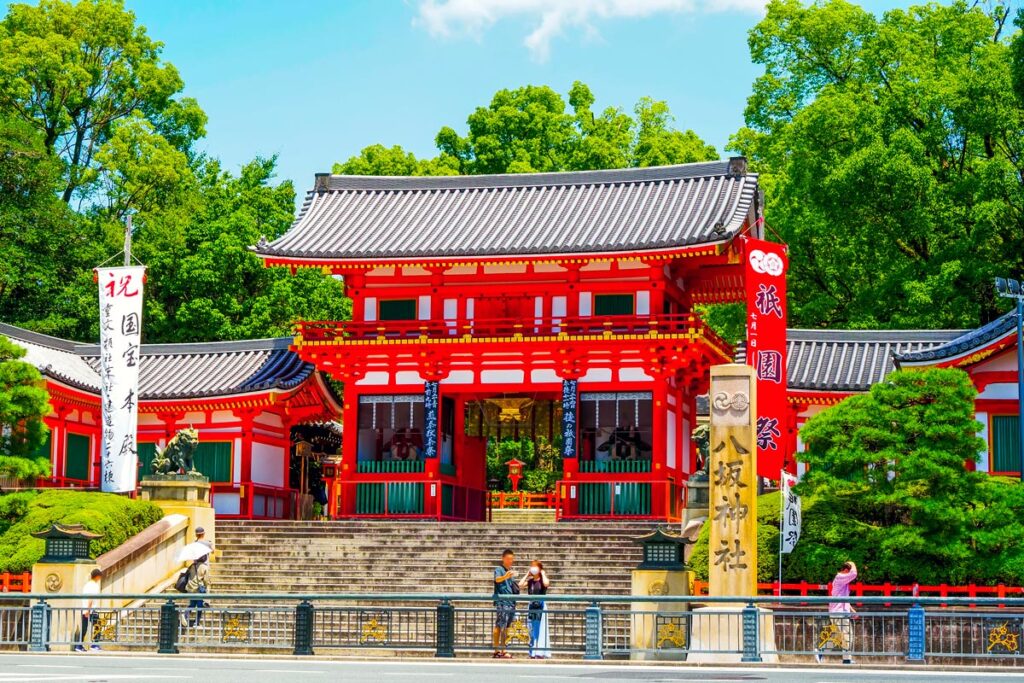
Yasaka Shrine
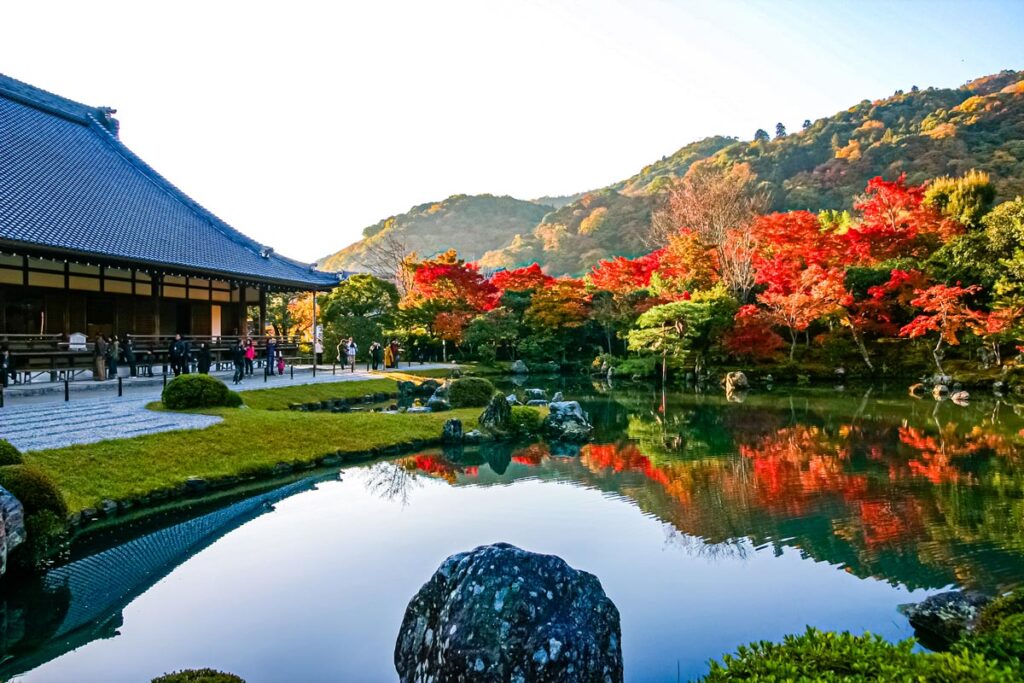
Tenryu-ji
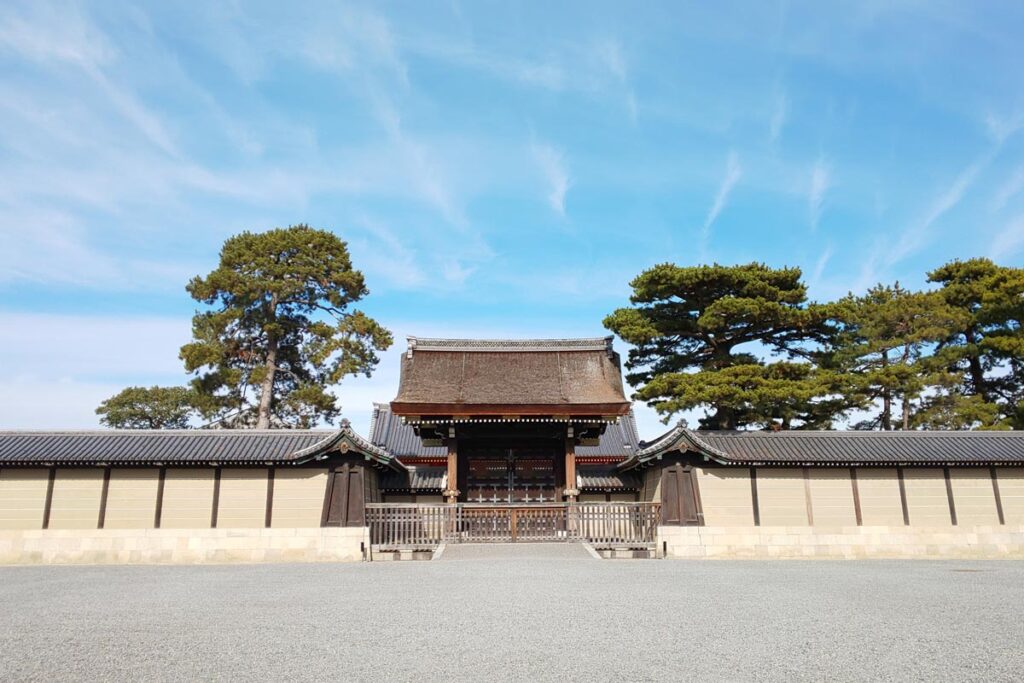
Kyoto Imperial Palace
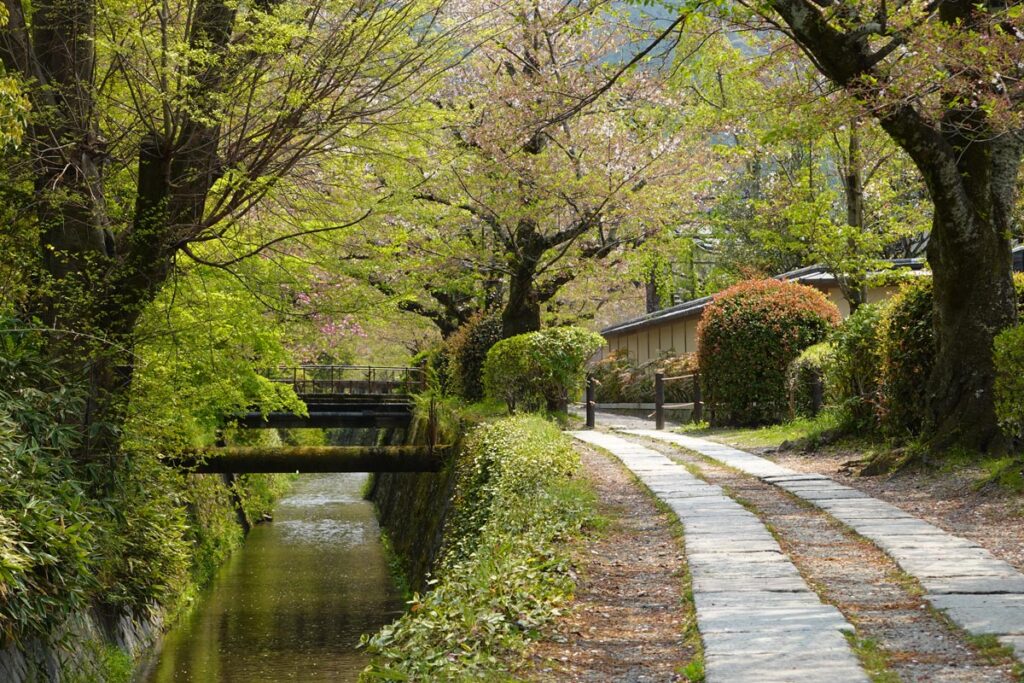
Philosopher's Path
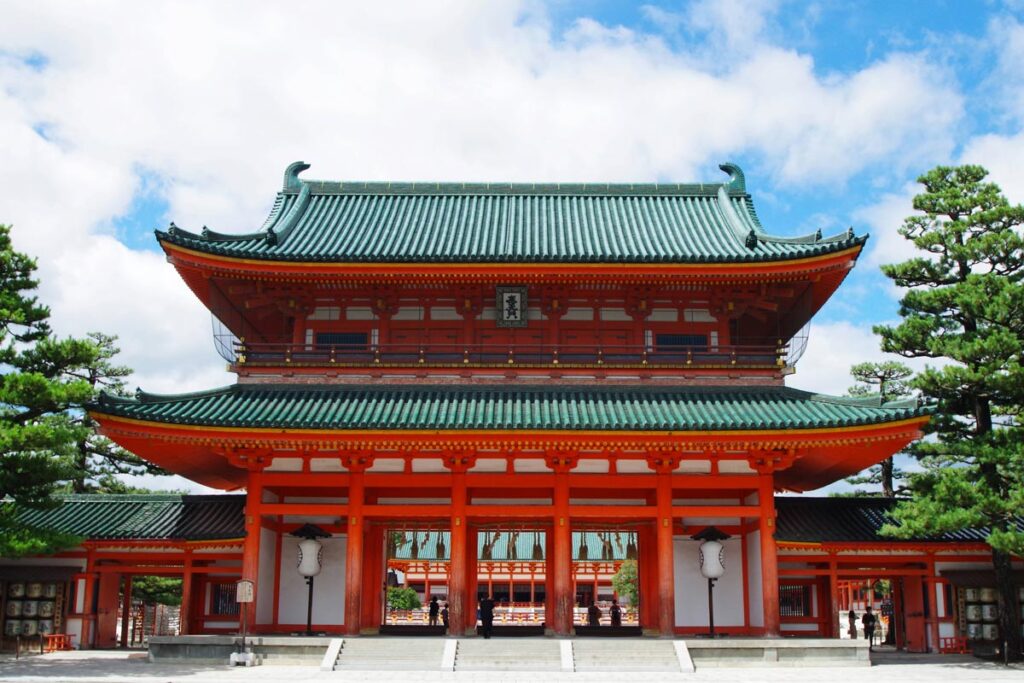
Heian Jingu
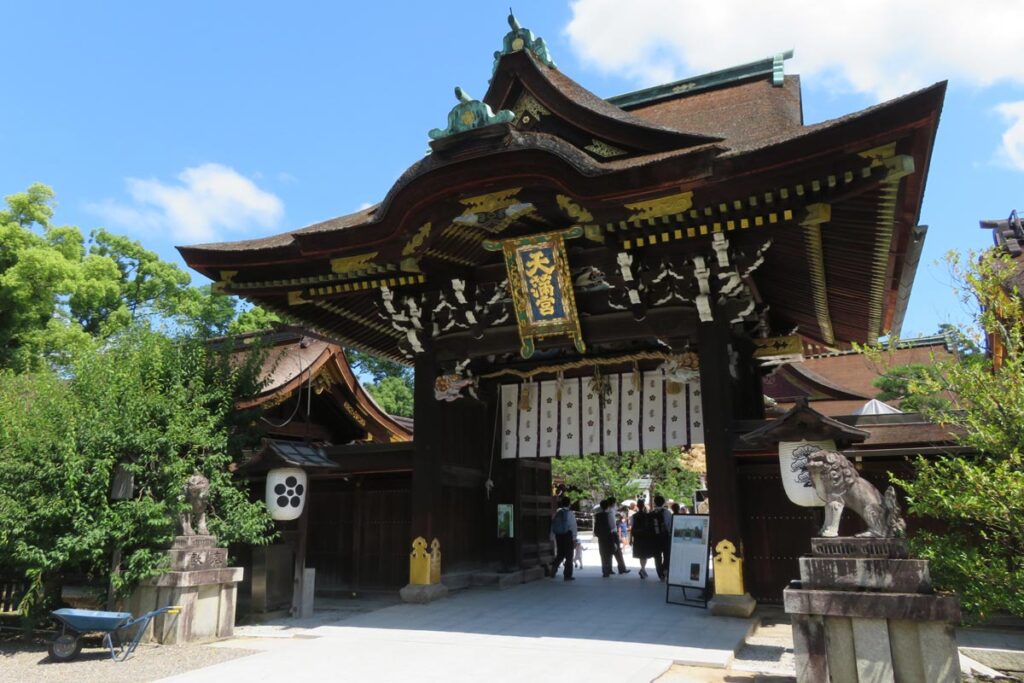
Kitano Tenmangu
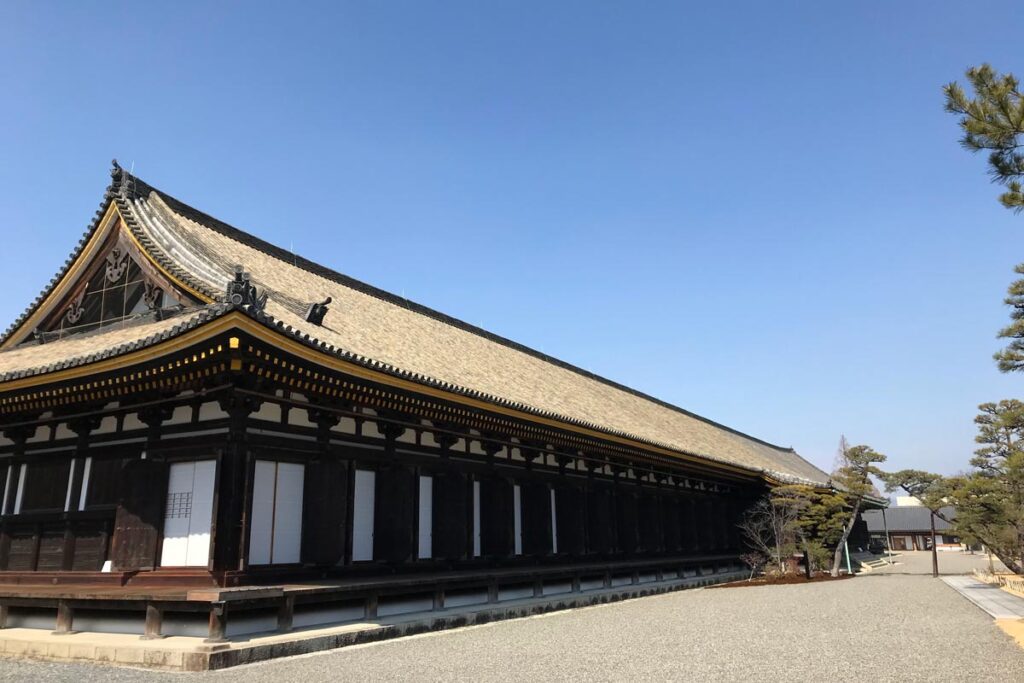
Sanjusangendo
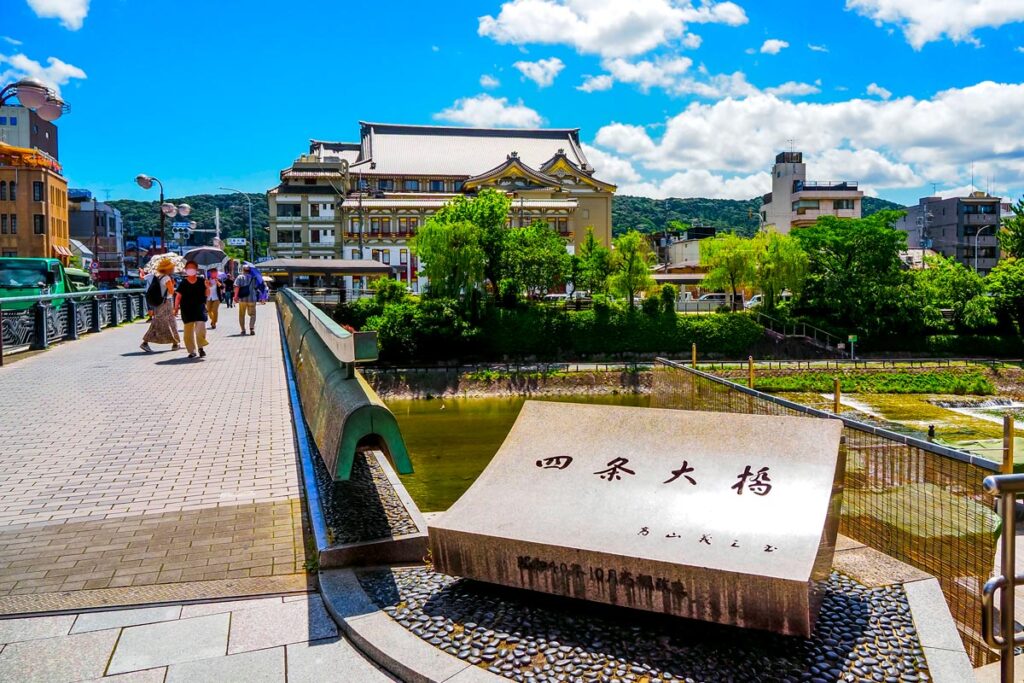
Kamo River
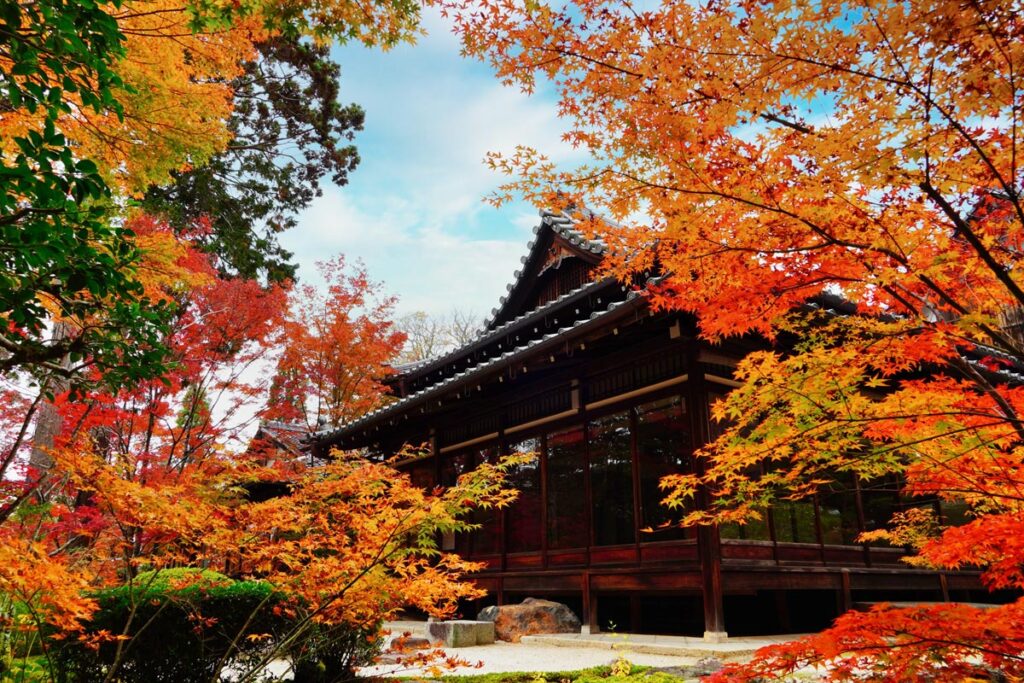
Nanzen-ji
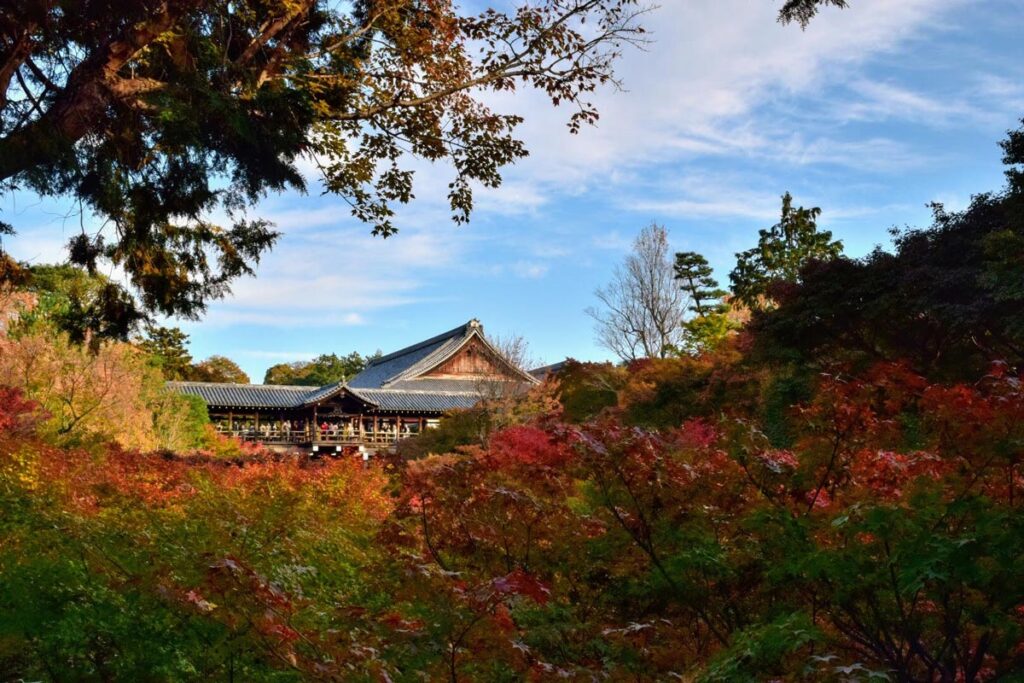
Tofuku-ji
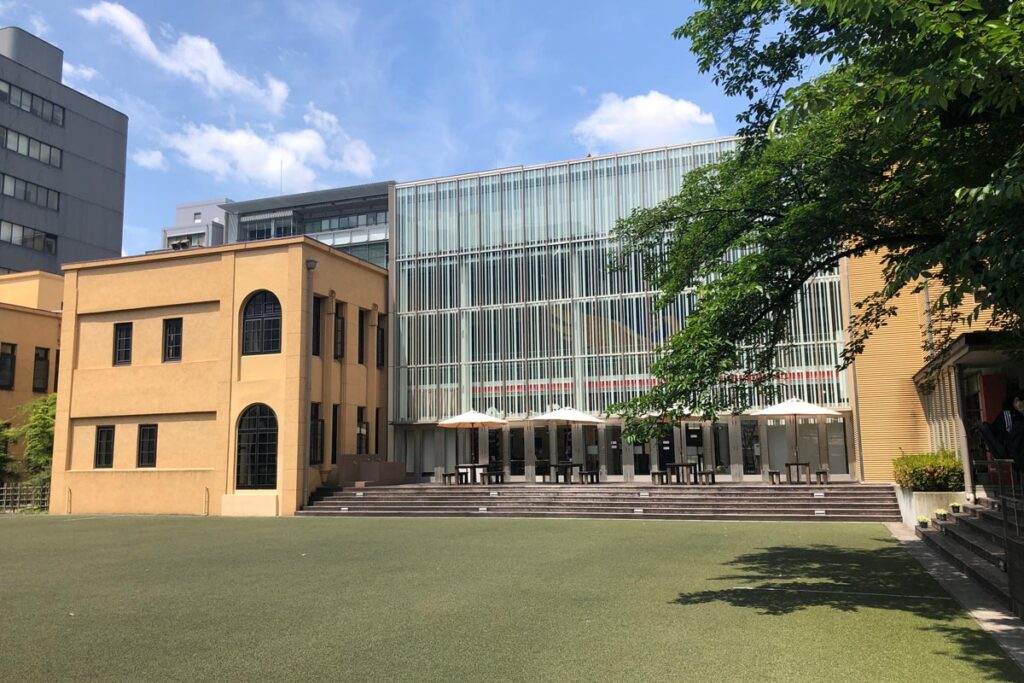
Kyoto International Manga Museum