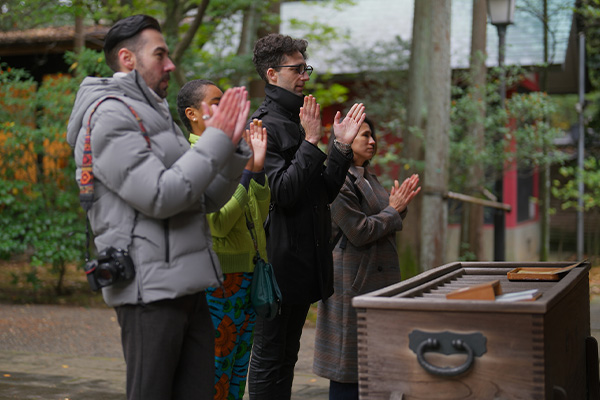
Japan is a dream destination for photographers: neon-lit streets, tranquil temples, dramatic mountains and some of the most photogenic food in the world. But the country also has clear expectations and sometimes strict rules about where and how you take photos. Understanding these photography restrictions will help you capture beautiful images while respecting local culture, privacy and the law.
Why Photography Restrictions Matter in Japan
In Japan, the idea of not inconveniencing others is deeply rooted in daily life. This is expressed in the concept of meiwaku (causing trouble or annoyance). Photography is welcome in many places, but it can quickly become meiwaku if it invades privacy, disrupts rituals, or blocks busy pathways.
Japan also has strong social norms about personal space and safety, especially in crowded cities and on trains. Some shrines and temples consider photography of certain objects disrespectful. And like most countries, Japan has laws against photographing in ways that are intrusive, unsafe, or commercially exploitative without permission.
General Photography Etiquette in Japan
Look for Signs and Follow Local Rules
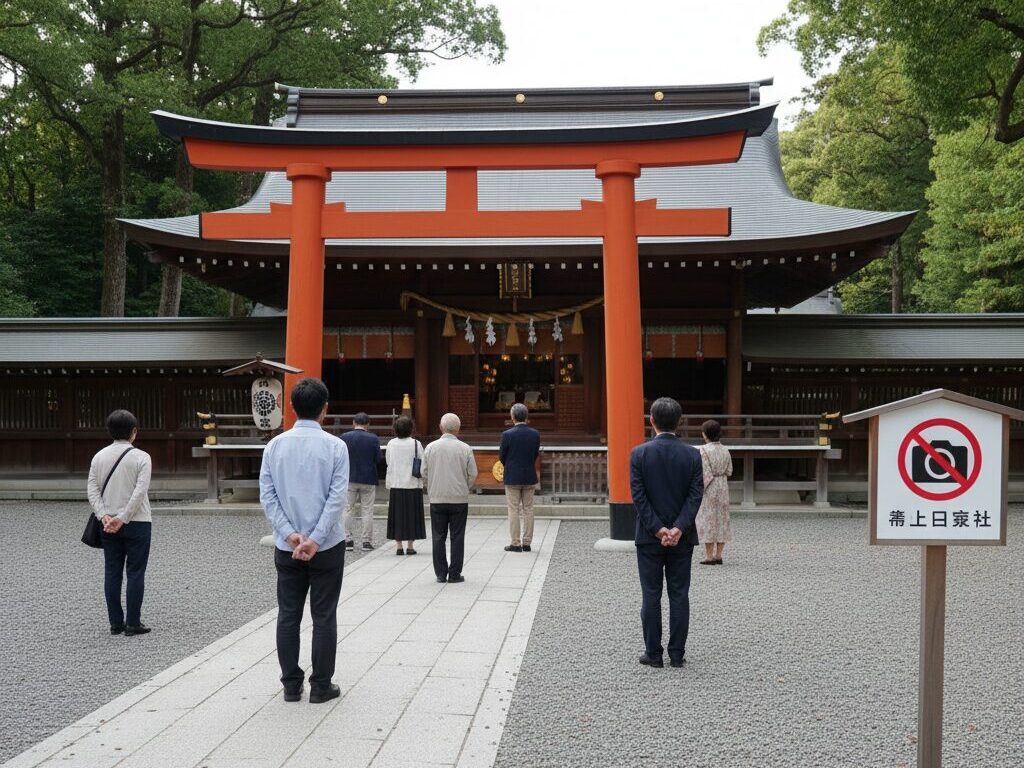
Before you raise your camera, glance around for signs. You will often see pictograms of a camera with a red slash or written instructions such as “No Photography” or “No Flash.” These are common in:
- Museums and art galleries
- Temples and shrines (especially inner halls or sacred objects)
- Traditional theaters and performances
- Private shops and boutiques
- Train stations and platforms in specific areas
Even if others are ignoring the sign, you should follow it. Staff in Japan may be reluctant to confront tourists directly, but that doesn’t mean the rule is flexible.
Ask Before Photographing People
Japan values privacy, and many people dislike being photographed without consent, especially up close. As a guideline:
- Wide shots of crowds are generally tolerated.
- Close-ups of identifiable faces should be taken only with permission.
- Never point your camera at children without a parent’s consent.
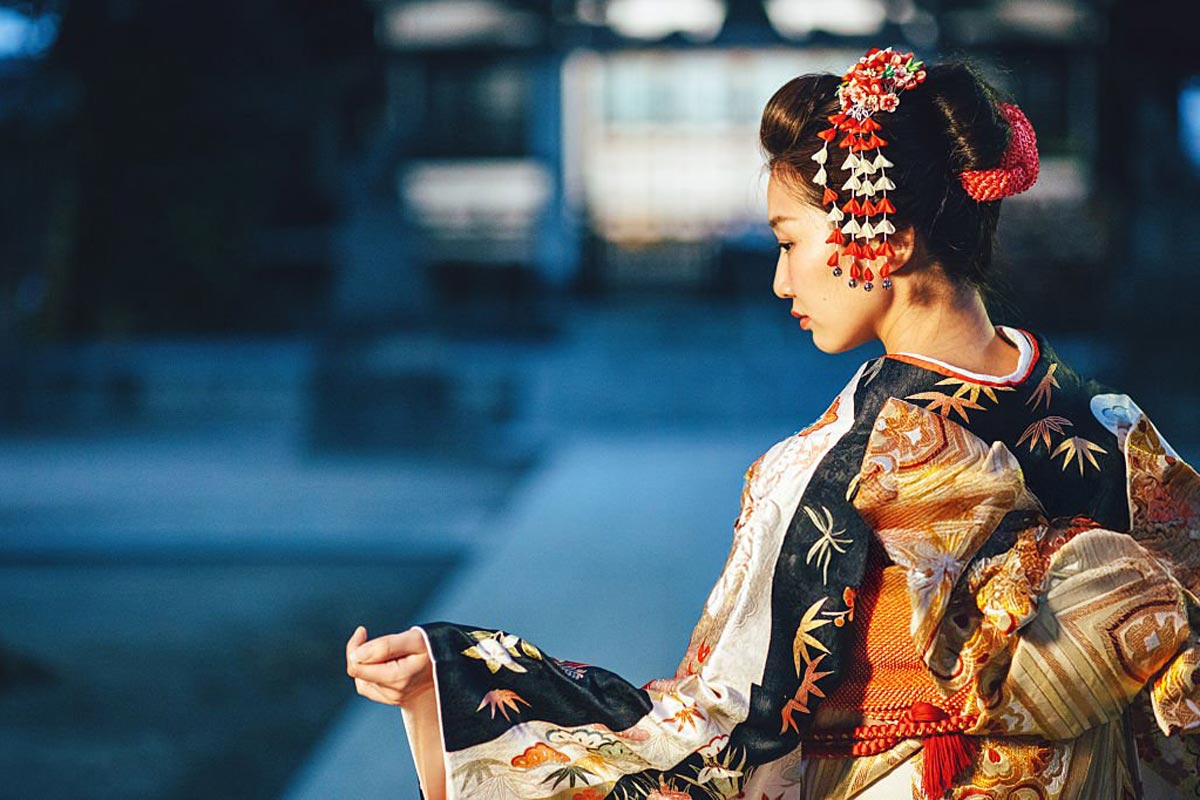
If you want to photograph someone in kimono, a street vendor, or a performer, smile, gesture to your camera and ask, “Photo OK?” Most people will respond clearly yes or no. Respect their answer immediately.
Do Not Block Pathways or Cause Congestion
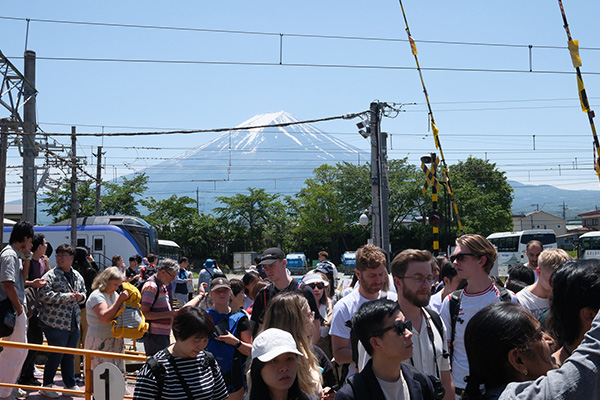
Even in scenic areas, blocking a narrow path, station exit or shop entrance to frame the perfect shot is considered inconsiderate. Tourists sometimes line up across an alleyway or stand in the middle of a busy crossing to pose; this can be a safety issue and may attract staff intervention.
When shooting, stand to the side, keep your bag close to your body, and quickly step out of the way once you are done. If an area is clearly crowded, limit long photo sessions and tripod use.
Temples, Shrines and Sacred Sites
Understanding Sacred vs. Public Areas
Shinto shrines and Buddhist temples are among Japan’s most beautiful photographic subjects, but they are first and foremost places of worship. Many have both public spaces and clearly demarcated sacred zones.
Common rules include:
- OK: General shots of gates, gardens, approaches, and exteriors, unless signs say otherwise.
- Restricted: Inner halls, altars, statues, and certain ritual spaces may prohibit photos or flash.
- Prohibited: Some esoteric Buddhist temples and specific shrines forbid photography entirely indoors.
Before entering any hall, check for instructions. In some places, photography is allowed but flash or tripods are banned. Flash can damage delicate artworks and disturb people praying, so even where it is allowed, consider turning it off.
Be Discreet During Rituals and Ceremonies
Weddings, funerals, and special ceremonies are private moments, even when they happen in public spaces. If you see a Shinto wedding procession or a priest performing a ritual, keep your distance and avoid intrusive zooming or standing directly in the path.
Some shrines and temples explicitly ask visitors not to photograph religious ceremonies. If in doubt, simply observe without taking out your camera or phone.
Street Photography, Neighborhoods and Privacy
Street Photography Is Not Always Welcome
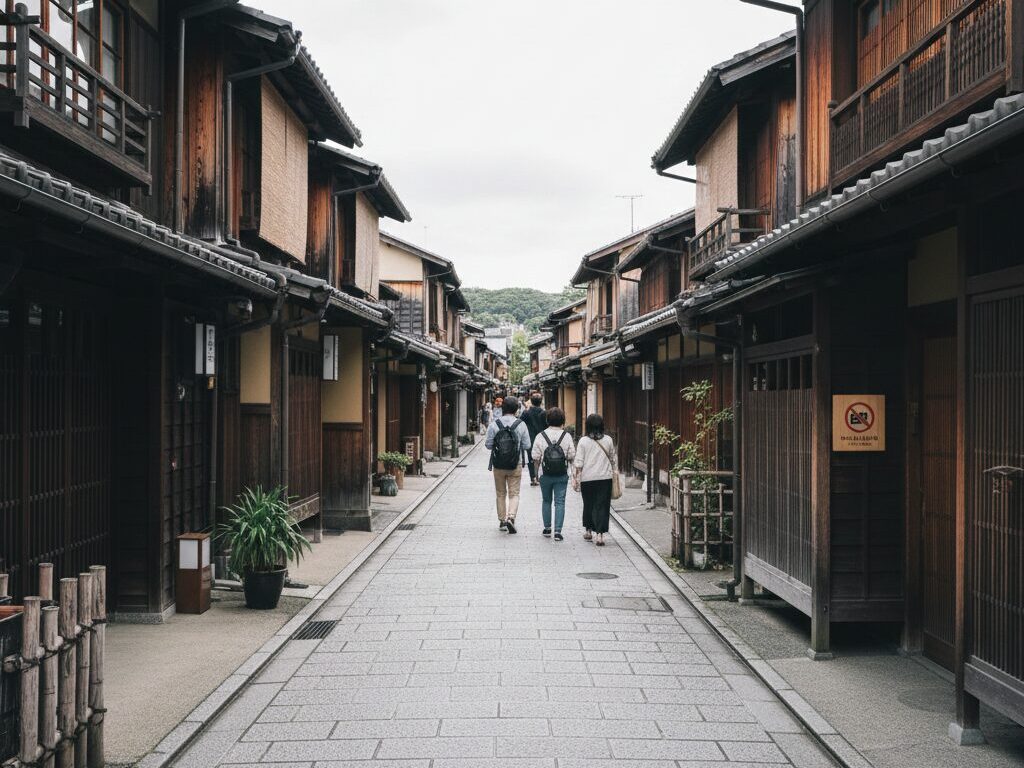
Japan is photogenic at street level, from lantern-lit alleys to retro shopping arcades. Street photography is not illegal, but there is rising sensitivity about intrusive shooting in residential areas and entertainment districts.
In particular:
- Avoid pointing cameras directly through home windows or into private gardens.
- Do not photograph people in compromising or vulnerable situations (e.g., drunk, sleeping on trains).
- Be cautious when images clearly identify individuals, especially if you plan to share them widely online.
Residential Areas and “Secret Spots”
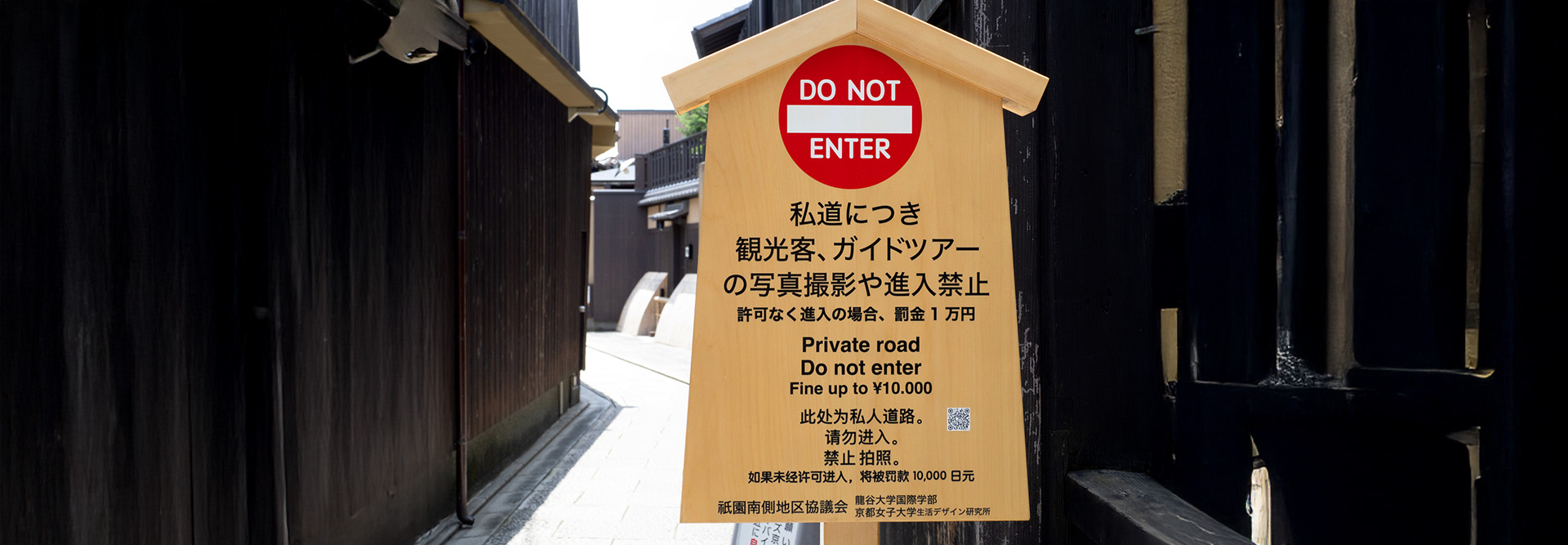
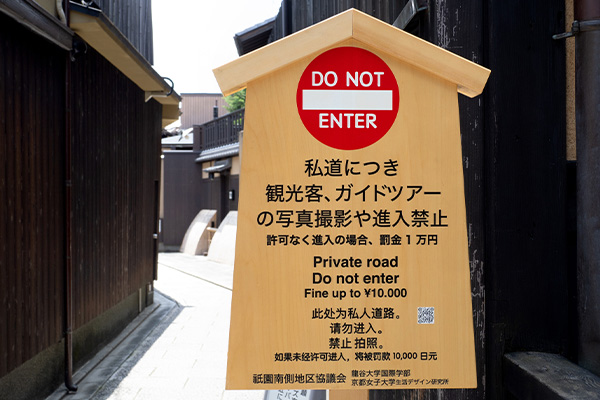
Some residential neighborhoods that became popular on social media have asked visitors to stop taking photos or to limit access at certain times. Locals may be dealing with constant camera clicks outside their front doors, blocked driveways, and strangers on private property.
When exploring such areas:
- Stay on public paths and roads; do not step into driveways or gardens.
- Keep noise down, especially early morning or late at night.
- If you see a sign requesting no photography for residents’ privacy, comply and move on.
Trains, Stations and Public Transport
On Trains: Discretion Is Essential
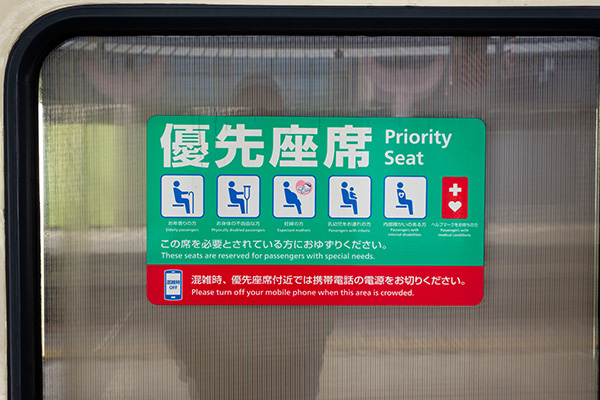
Japan’s trains are famously quiet. People often commute in silence, reading, sleeping, or using their phones. Taking obvious photos of passengers is considered rude and can feel voyeuristic, especially of people sleeping or wearing school uniforms.
General tips:
- Limit photos to the train exterior, signage, or empty interiors where possible.
- Avoid close-ups of passengers and do not point your camera at individuals without consent.
- Mute your phone’s shutter sound if possible; many Japanese phones lock the sound on to protect privacy, but foreign phones may be quieter.
Platforms and Railway Facilities
Railway companies understand that trains and stations attract enthusiasts, but they prioritize safety. You may see signs in some locations restricting photography, especially where crowds of rail fans have gathered dangerously close to tracks in the past.
Common rules include:
- No tripods in busy stations or near platform edges.
- No leaning over safety lines to get a shot.
- No obstructing passengers entering or exiting trains.
Staff may ask you to stop photographing if they feel it is creating a hazard or inconvenience, even when no sign is posted. Follow instructions promptly and politely.
Shops, Markets and Restaurants
“No Photo” Policies in Stores
Many shops, especially those selling unique crafts, antiques, or fashion, prefer not to allow photography. Owners may worry about designs being copied or about customers’ privacy.
If you want to photograph products in a store:
- Look for posted rules—many display “No Photos” at the entrance or near displays.
- If there is no sign, ask the staff: “Photo OK?” and gesture to the item or your camera.
- Be extra cautious in high-end boutiques or small artisan workshops.
Food Photos and Restaurant Etiquette
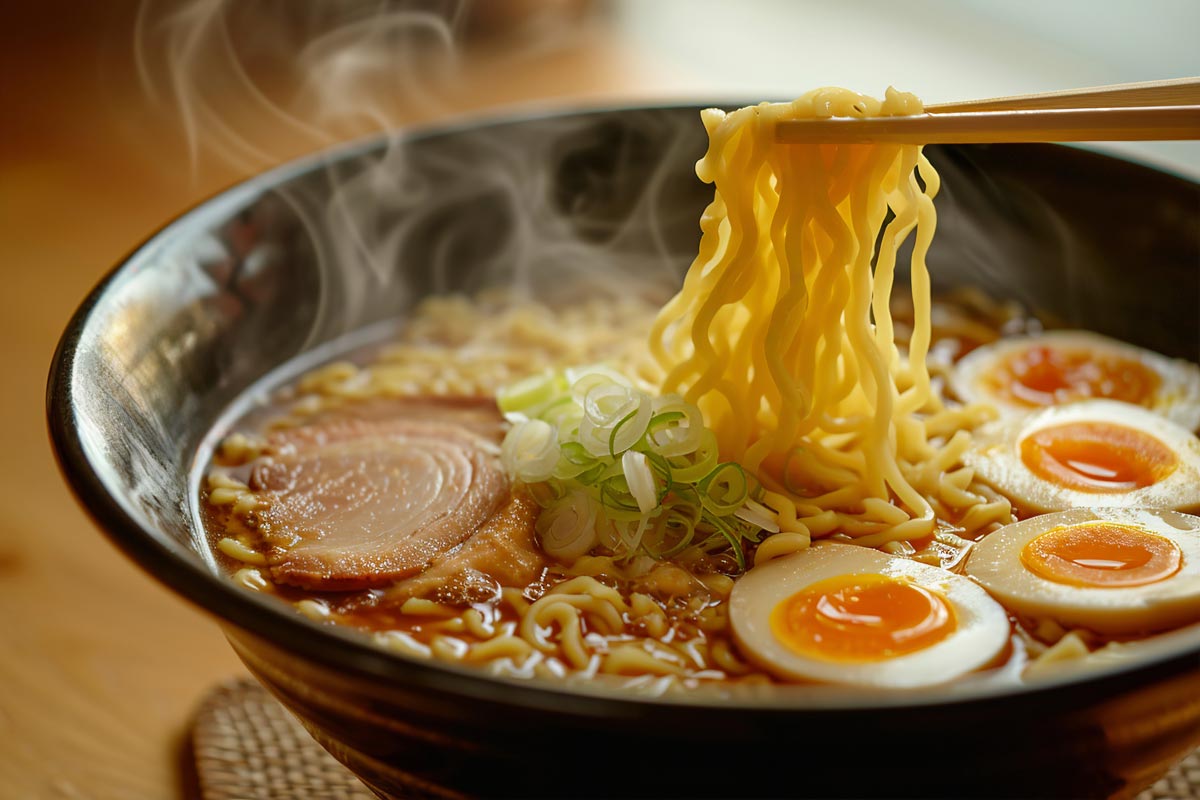
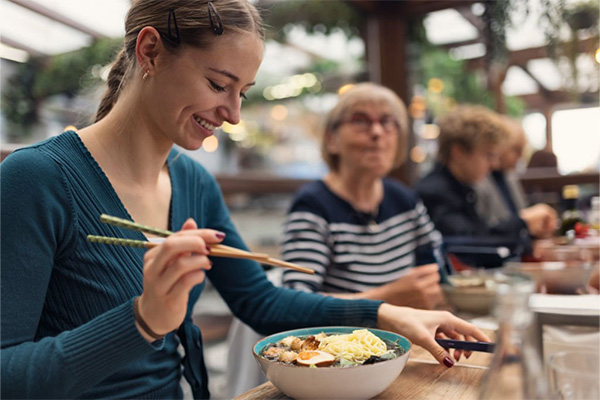
Taking photos of your meal is extremely common in Japan and usually welcomed, especially in casual eateries and cafes. However:
- Do not stand up and move around the restaurant to photograph others’ dishes or the kitchen unless staff invites you.
- Avoid using bright flash that might disturb other diners.
- Don’t delay eating for an extended “photo shoot” if food is meant to be eaten hot.
In some traditional ryotei (exclusive restaurants) or kaiseki dining rooms, photography may be restricted to maintain privacy and atmosphere. Staff will often explain any rules when serving.
Festivals, Performances and Cultural Events
Matsuri (Festivals)
Local festivals are vibrant and visually spectacular, making them irresistible to photographers. In general, photography is allowed in public spaces, but consider the following:
- Do not push or block locals who are there to participate, not just to observe.
- Respect barriers and staff directions around portable shrines or floats.
- Turn off flash during nighttime parades and performances unless clearly acceptable.
Theatres, Concerts and Geisha Performances
In most live performance venues, photography and recording are strictly forbidden. This is common at:
- Kabuki and Noh theater
- Concert halls and live houses
- Traditional dance and geisha shows
Announcements and signs will usually make this clear, often including “No Photography, No Recording.” Staff may ask you to leave if you ignore the rule, and performers can find flashes and screens very distracting.
Special Considerations: Children, Schools and Uniforms
Japan is particularly sensitive about images of children. Taking photos near schools, kindergartens, or playgrounds can quickly be seen as suspicious, even if your intentions are harmless.
Guidelines include:
- Never photograph children at play without explicit consent from a parent or guardian.
- Avoid photographing school gates, playgrounds, or groups of children.
- Do not post identifiable images of minors online without permission.
Similarly, avoid photographing students in uniform on trains and streets without consent. School uniforms are distinctive, and unwanted photos can feel invasive.
Commercial Use, Influencers and Content Creators
If you are visiting Japan not just as a tourist but also to create content for a large platform, brand, or commercial project, you should be especially careful. Some locations require permits or paid fees for photo shoots, especially if you use:
- Professional cameras and large lenses
- Tripods, lighting, or reflectors
- Models in elaborate outfits (cosplay, wedding attire, etc.)
Historic districts, gardens, and private attractions may have separate rules for commercial photography, even if casual snapshots are allowed. Always check the official website of the location or contact management in advance if you intend to film or shoot extensively.
Digital Sharing and Respectful Storytelling
Modern photography does not end at the shutter click; how you share your images matters. When posting photos from Japan:
- Avoid ridiculing or mocking people or customs in captions.
- Blur faces if someone appears prominently but did not pose for you.
- Do not tag precise locations of small residential “hidden spots” if locals have requested privacy.
Thoughtful sharing helps keep beloved places enjoyable for both residents and future visitors.
Practical Tips for Responsible Photography in Japan
- Travel light: A compact camera or smartphone is often more practical and less intrusive than a full professional kit.
- Turn off shutter sounds if possible: Loud clicks in quiet places draw attention and may annoy others.
- Use a small tripod or none: Many indoor attractions ban tripods; consider a mini support or hand-held shooting.
- Ask when unsure: A simple, polite “Photo OK?” usually gets a clear answer.
- Have a backup plan: If a location bans photography, enjoy being present without the camera—often, the experience is richer.
Balancing Beautiful Photos with Cultural Respect
Photography restrictions in Japan are not meant to spoil your fun; they exist to protect sacred spaces, maintain safety, and safeguard everyday privacy. By paying attention to signs, asking permission, and putting courtesy first, you can still come home with a stunning collection of images that reflect both Japan’s beauty and your respect for its culture.
Think of yourself not just as a photographer, but as a guest and storyteller. When you approach each shot with that mindset, you will find that the most meaningful photos often come from the moments when you pause, observe, and connect—camera in hand, but consideration in your heart.