Japan is famous for being clean, quiet, and remarkably orderly. For first-time visitors, this calm efficiency can feel almost magical – until you realize it relies on millions of people quietly following the same unwritten rules. Understanding basic public behavior in Japan will not only help you avoid faux pas, but also deepen your appreciation of daily life here.
This guide explains the key etiquette rules international travelers should know, with practical examples and cultural context so you can move around Japan confidently and respectfully.
Why Public Manners Matter So Much in Japan
In Japanese culture, the concept of meiwaku – causing trouble or inconvenience to others – is taken very seriously. Good manners are less about strict morality and more about keeping public spaces comfortable for everyone. People are taught from childhood to be considerate of those around them, especially in crowded cities like Tokyo and Osaka.
As a visitor, you are not expected to be perfect, but making an effort is appreciated. A small bow, a soft voice, or a quick apology in Japanese (sumimasen) goes a long way.
On Trains, Subways and Buses
Stay Quiet and Avoid Loud Conversations
Public transport in Japan is often surprisingly quiet, even during rush hour. Speaking loudly on trains and buses is considered rude. Keep conversations soft, and if you are traveling with a group, avoid shouting down the carriage or laughing very loudly.
Phone calls are strongly discouraged. You will often hear announcements asking passengers to set phones to silent mode (manner mode) and to refrain from talking on them. If you must take an urgent call, step off the train at the next stop and speak on the platform.
Respect Priority Seats
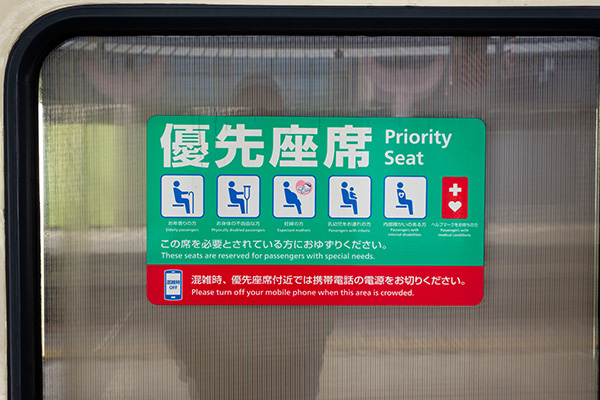
Priority seats, usually marked in a different color, are reserved for the elderly, pregnant people, passengers with disabilities and those with small children. Even if the train is crowded, avoid using these seats if you do not fall into one of these categories. If you do sit there when the carriage is empty, be ready to stand up immediately if someone who needs the seat gets on.
Line Up and Wait Your Turn
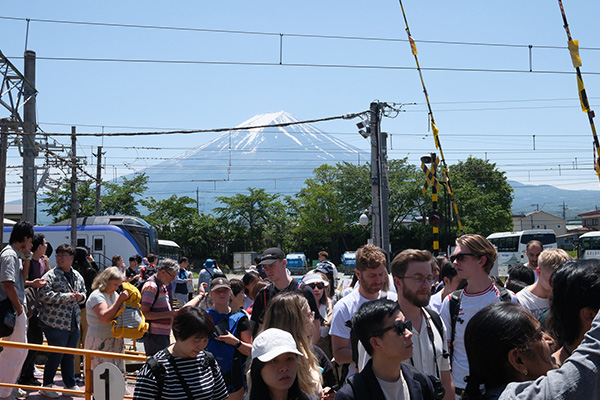
At train stations and bus stops, look for lines or arrows painted on the ground. People queue in single-file lines and wait patiently rather than crowding the door. Let passengers get off first, then board in order. Pushing is unusual and frowned upon, even in very busy stations.
Keep Bags and Luggage Under Control
On crowded trains, backpacks should be taken off and held in front of you or at your feet to avoid bumping people. Large suitcases should be placed in designated luggage areas or tucked out of the way, never blocking doors or aisles.
If you have very large luggage, consider using luggage delivery services between airports and hotels, which are common and reliable in Japan.
No Eating or Drinking on Most Local Trains
Eating full meals on regular commuter trains and buses is generally considered impolite, especially if the food has a strong smell. Small, discreet snacks or bottled drinks are sometimes tolerated on longer rides, but they are still best kept subtle. On long-distance trains like the Shinkansen (bullet train), eating is perfectly acceptable and even part of the experience.
On the Street and in Public Spaces
Keep Noise Levels Low
Japanese streets are surprisingly calm compared with many major cities. People tend not to shout across the road or play loud music in public. Be especially mindful of noise at night in residential neighborhoods; loud conversations, music, or dragging suitcases can disturb people living nearby.
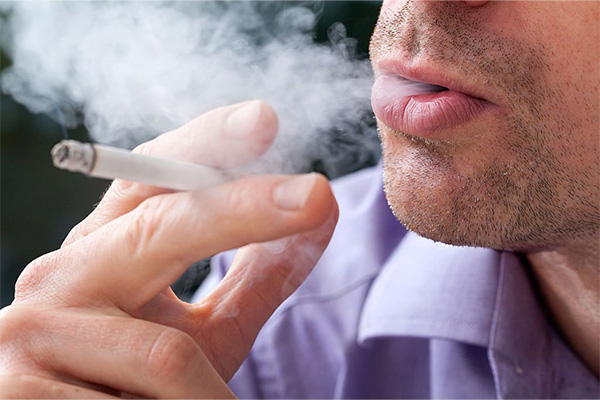
No Walking While Smoking
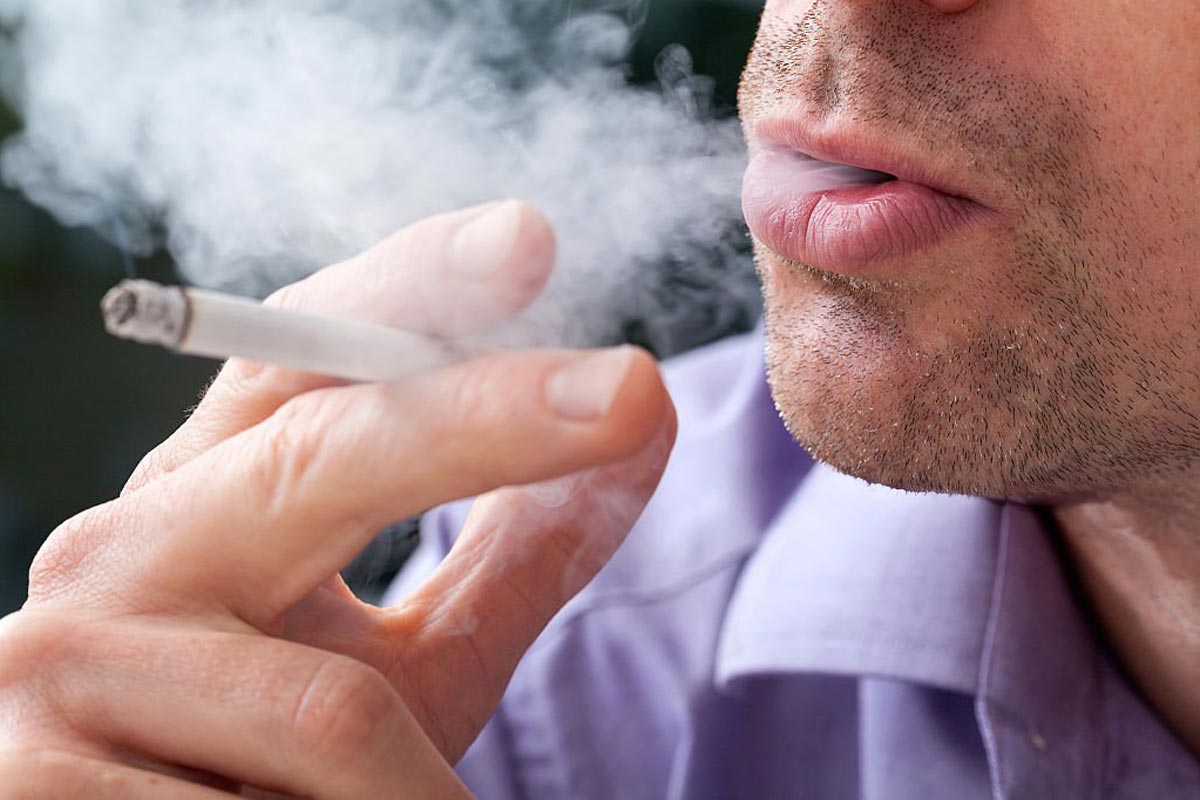
Smoking while walking is widely prohibited in many cities. Instead, look for designated smoking areas, which may be marked on the street or located near convenience stores and stations. Smoking outside these areas can attract disapproval or even fines in some districts.
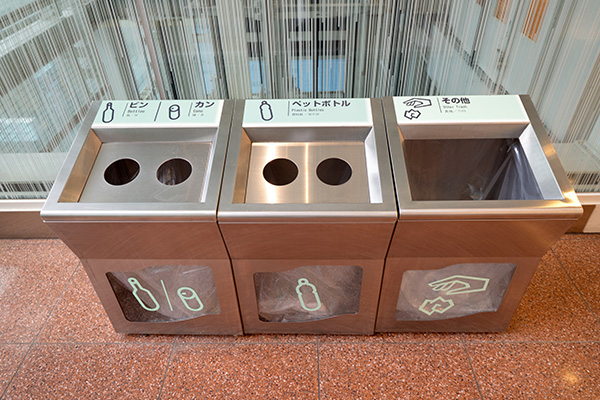
Public Trash Bins Are Rare – Take Your Rubbish With You
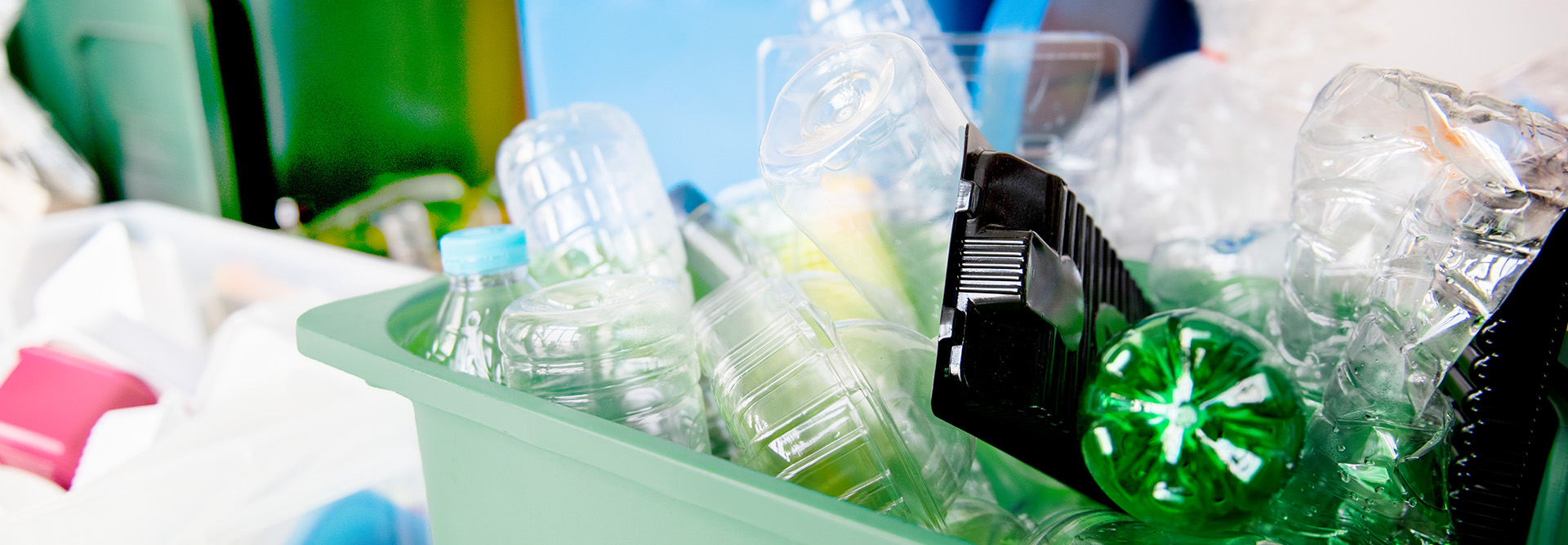
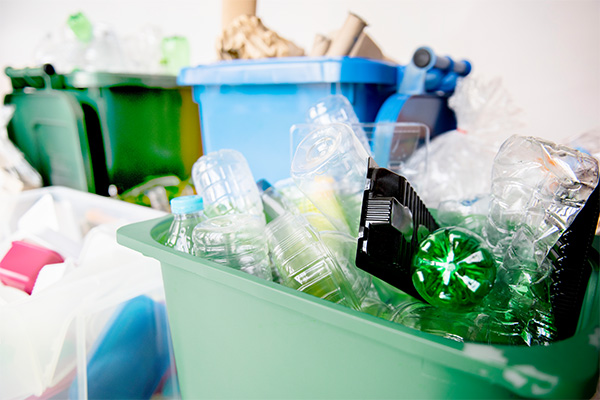
Japan is extremely clean, but paradoxically, public trash bins can be hard to find. The unspoken rule is to carry your garbage with you until you find a bin, often at convenience stores, train stations, or inside shopping centers. Do not leave rubbish beside a full bin or on top of it.
Do Not Eat While Walking in Crowded Areas
Eating while walking is sometimes seen as poor manners, especially in crowded urban areas and in front of temples and shrines. If you buy street food, try to eat it near the stall or in a designated eating space rather than as you walk.
In Restaurants, Cafés and Bars
Wait to Be Seated and Use Indoor Voices
In many restaurants, a staff member will greet you with "irasshaimase" and show you to a seat. If there is a line, join it and wait; do not wander inside looking for free tables. Once seated, keep noise reasonable, especially in small, intimate venues.
Handling Chopsticks Politely
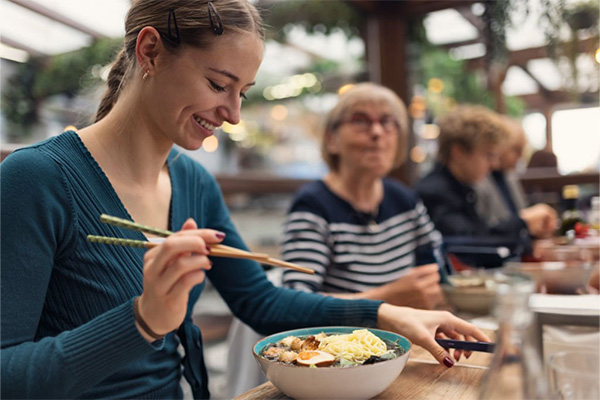
Chopstick etiquette is taken seriously. Some key rules:
- Do not stick chopsticks upright in a bowl of rice – this resembles a funeral ritual.
- Do not pass food from chopsticks to someone else’s chopsticks.
- Do not spear food with chopsticks.
- When not using them, rest chopsticks on the provided holder or across a bowl, not directly on the table if you can avoid it.
Payment and Tipping
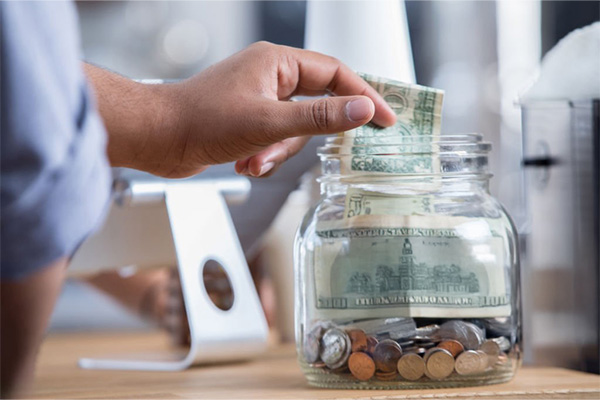
Japan is largely a no-tipping culture. Leaving cash on the table can confuse staff or be politely refused. Good service is included in the price. At the register, place your money or card on the small tray instead of handing it directly to the cashier; they will use the tray to return your change.
Respect Time Limits in Busy Shops
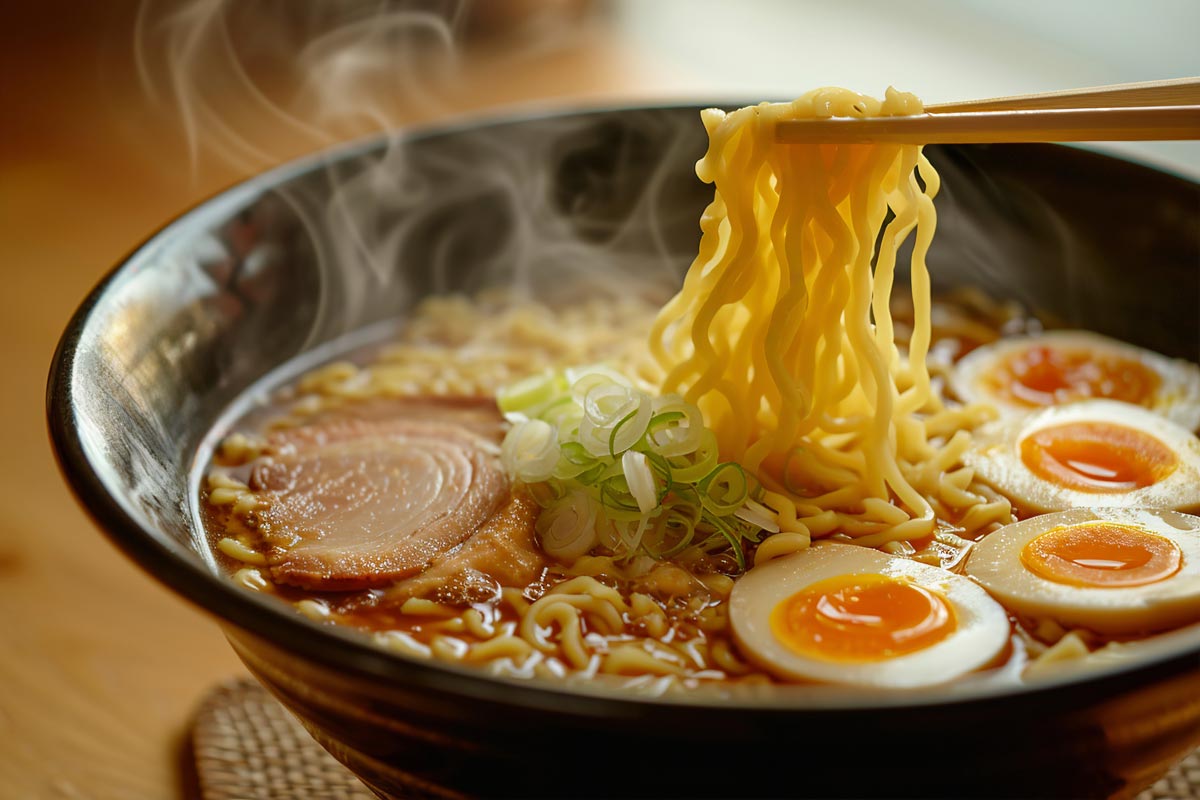
In popular cafés or ramen shops, customers are expected not to linger too long after finishing their meal, especially when people are waiting outside. This does not mean you must rush, but be aware of queues and avoid treating busy restaurants like long-stay lounges.
At Temples, Shrines and Sacred Sites
Behave Quietly and Respectfully
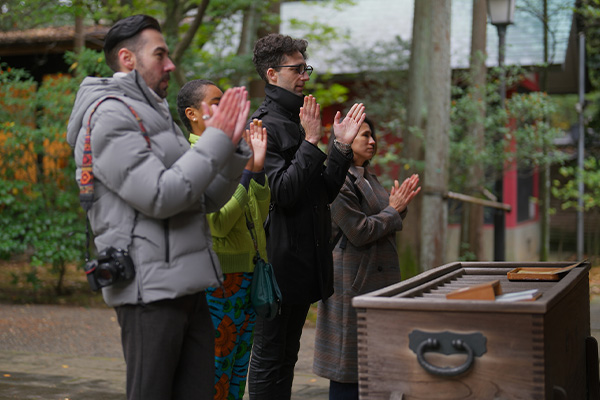
Buddhist temples and Shinto shrines are active places of worship, not just sightseeing spots. Speak softly, move calmly, and avoid blocking pathways. Follow posted signs about where photography is or isn’t allowed; some areas, especially inside main halls, may prohibit photos.
Purification Rituals
At many shrines you will find a purification fountain (called a temizuya). The basic steps:
- Take the ladle in your right hand and rinse your left hand.
- Switch hands and rinse your right hand.
- Pour water into your left hand and gently rinse your mouth (do not touch the ladle directly to your lips); spit the water beside the fountain, not back into the basin.
- Rinse your left hand again.
- Tip the ladle vertically to let remaining water run down the handle, then return it.
You do not have to perform this perfectly as a visitor, but trying respectfully is appreciated.
Dress Modestly
There is no strict dress code for most temples and shrines, but extremely revealing clothing may feel out of place. As a simple guideline: cover shoulders and avoid very short shorts when visiting major religious sites.
In Hotels, Ryokan and Onsens
Removing Shoes Indoors
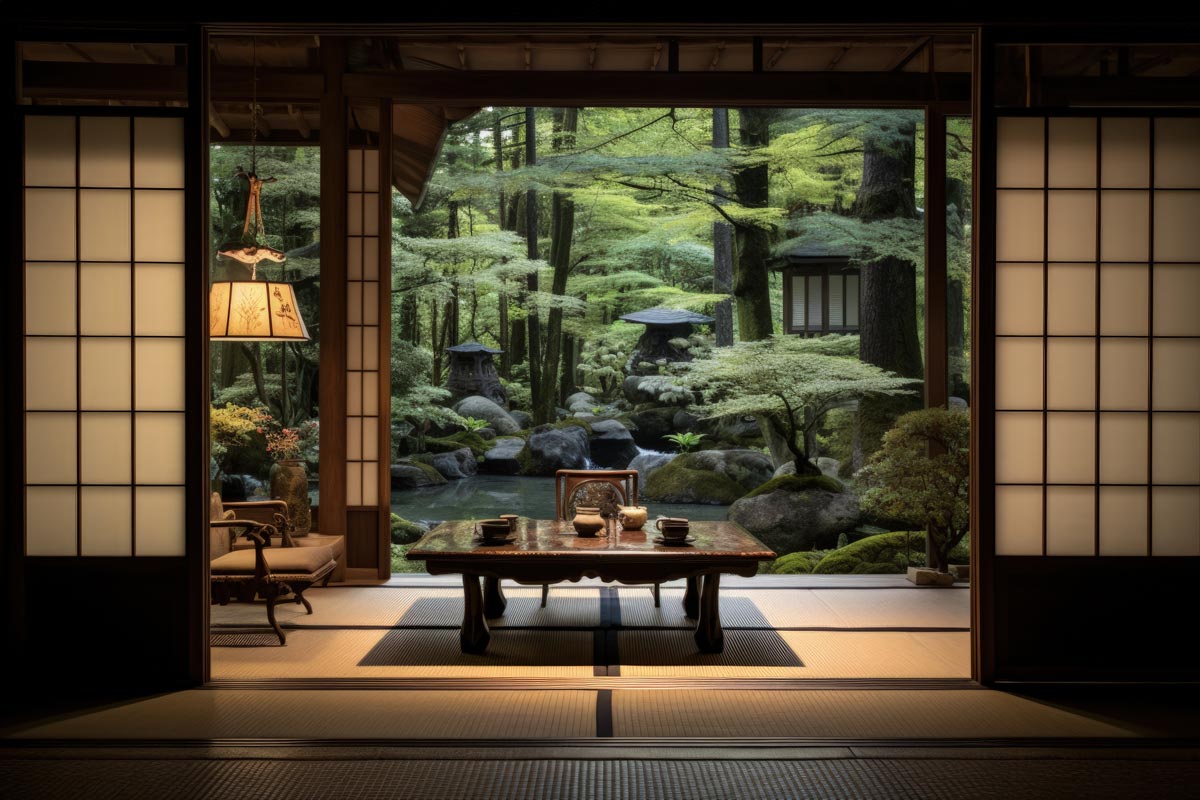
Japan has a strong indoor-outdoor divide. In traditional inns (ryokan), some restaurants and private homes, you will be asked to remove your shoes at the entrance and change into provided slippers. Look for a raised floor or a row of shoes – both are signs that you should take your shoes off.
Never step on tatami mats (straw flooring) with outdoor shoes or slippers. Tatami is delicate and associated with cleanliness. Socks or bare feet are fine.
Onsen Bath Etiquette
Public baths and hot springs are a highlight of travel in Japan, but they come with strict rules:
- Wash thoroughly with soap and rinse completely before entering the bath.
- Enter the bath naked; swimwear is usually not allowed in traditional onsens.
- Keep your towel out of the water – place it on your head or by the side.
- Speak quietly and avoid splashing or swimming.
Some baths still restrict visible tattoos, as they are historically associated with organized crime. Increasingly, however, tattoo-friendly onsens or private baths are available; check in advance if this is a concern for you.
Shopping and Using Convenience Stores
Handling Products and Displays
Japanese shops are usually very tidy and carefully arranged. Avoid opening packages before purchase or handling goods roughly. If you change your mind about an item, try to return it to its original location rather than leaving it in a random spot.
Eating Inside or Outside the Store
Convenience stores often have microwave ovens, hot water dispensers and sometimes small seating areas. If there are tables or counters, you may eat there after paying. If there is no seating, it is more polite to move away from the entrance before eating, rather than standing directly in front of the doors.
Photography Etiquette in Public
Be Careful Photographing People
Japan is very image-conscious and privacy is respected. Taking close-up photos of strangers without permission can be seen as intrusive, especially children and people in work uniforms. Street photography is generally acceptable if individuals are not clearly identifiable or are part of a larger scene.
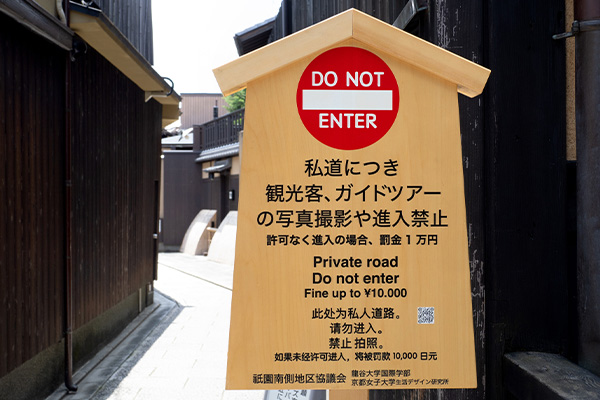
Respect “No Photos” Signs
Many museums, exhibitions, religious areas and certain shops prohibit photography or video. Always follow posted signs. Ignoring these rules can upset staff and other visitors, and in some cases you may be asked to delete photos.
Language, Apologies and Small Courtesies
Using Polite Phrases
You do not need fluent Japanese to be polite. A few basic phrases are very useful:
- Sumimasen – Excuse me / I’m sorry / Thank you (in some contexts)
- Arigatou gozaimasu – Thank you (polite)
- Onegaishimasu – Please (when asking for something)
These, combined with a small nod or half-bow, show respect and appreciation.
Body Language and Personal Space
Public affection such as passionate kissing or loud displays of emotion is relatively rare in Japan, especially among older generations. Light hand-holding is common among younger couples, but try to keep romantic behavior modest in public spaces.
Queue lines, train platforms and elevators are all places where people generally respect personal space as much as the crowd allows. Avoid leaning on strangers or resting bags against them if you can help it.
If You Make a Mistake
Even with the best intentions, you may occasionally break a rule by accident. Do not panic. Most Japanese people understand that visitors may not know all the customs. If someone corrects you or points out a sign, a simple “sumimasen” and a smile is usually enough.
The key is to stay observant. Watch how local people behave on trains, at shrines, or in restaurants, and quietly copy them. By doing so, you will not only avoid awkward moments, but you will also gain a deeper, more authentic experience of Japan’s everyday culture.
Respecting public behavior rules is more than just etiquette; it is a way to say thank you for the order, safety and kindness that make traveling in Japan such a pleasure.