




Railway Museum
Railway Museum Japan: A First-Timer’s Guide for International Visitors
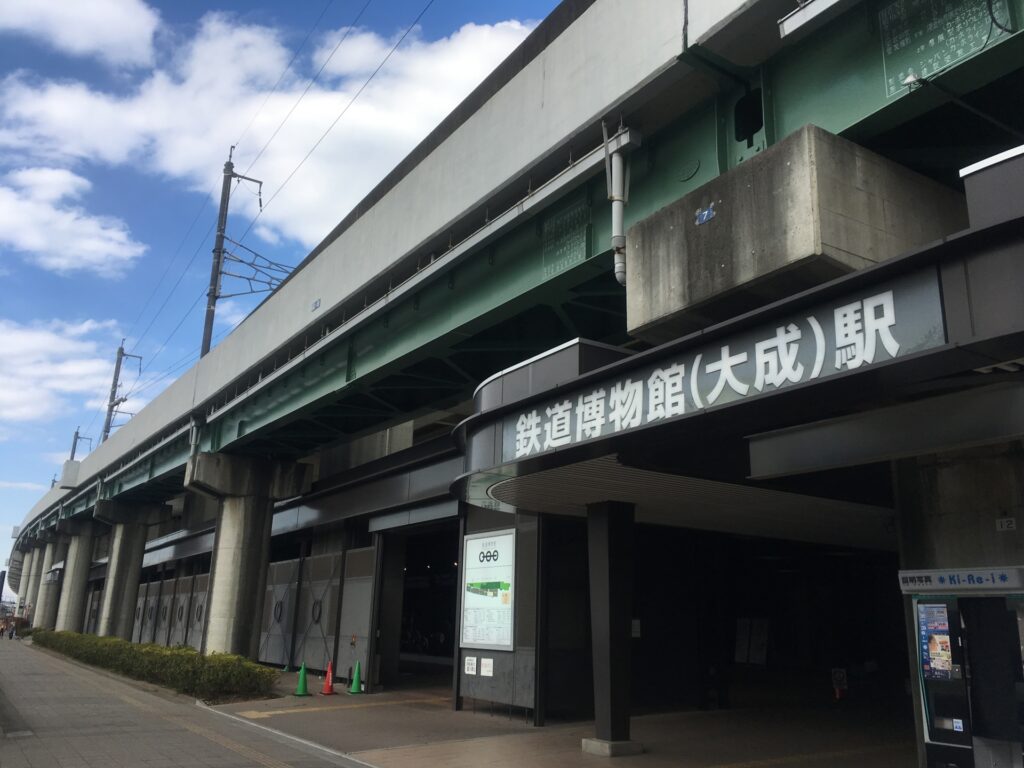
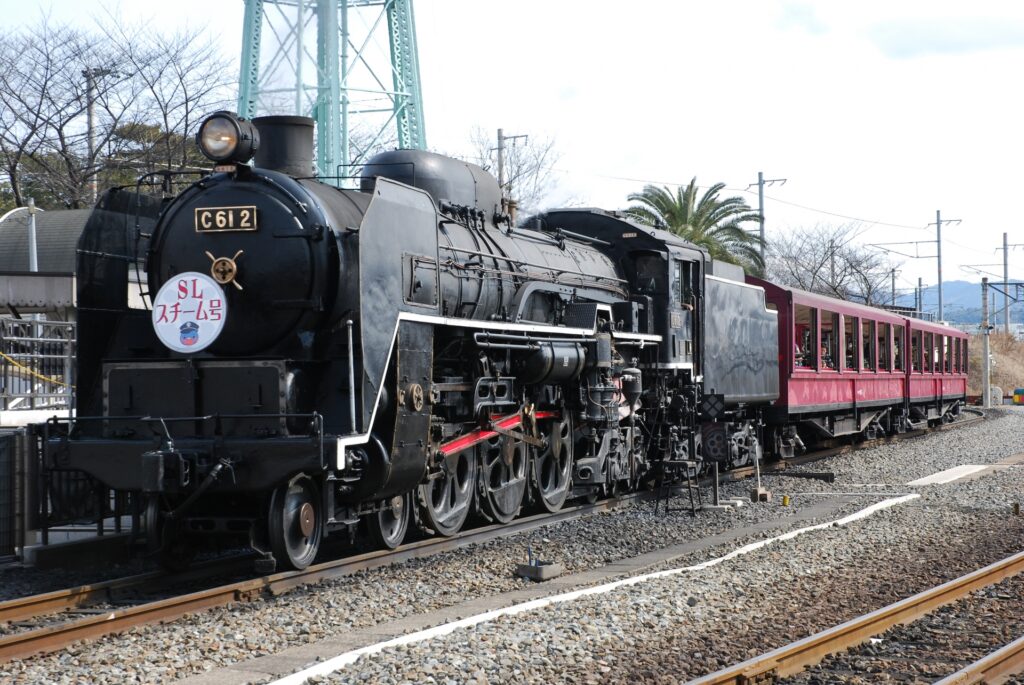
Photos are for illustrative purposes only.
For many travelers, Japan and trains are inseparable. From the iconic shinkansen bullet trains to impeccably timed local lines, rail travel shapes daily life and travel across the country. If you want to understand this deep connection, the Railway Museum in Saitama is one of the best places to start. Designed by JR East, it is an immersive, family-friendly museum where you can explore Japan’s railway history, drive simulators, walk through real trains, and watch shinkansen glide past in real time.
Why Visit the Railway Museum?
The Railway Museum (often called “Tetsudō Hakubutsukan” in Japanese) is more than a collection of old trains. It is a modern, interactive museum where you can:
- See full-size historic locomotives, carriages, and shinkansen close up.
- Experience realistic driving simulators used for staff training.
- Learn how Japan’s famed punctuality and safety are achieved.
- Enjoy panoramic views of active rail lines from a rooftop terrace.
- Let children play on train-themed playgrounds and mini railways.
Even if you are not a hardcore rail fan, the museum provides a fascinating look at modern Japan through the lens of transportation. It is especially good for families, couples, and first-time visitors looking for a unique day trip just north of Tokyo.
Location and How to Get There
The Railway Museum is located in Saitama City, just outside Tokyo. It is easy to reach using Japan’s extensive rail network.
From Central Tokyo
- From Shinjuku or Shibuya: Take the JR Saikyo Line or Shonan-Shinjuku Line to Omiya Station (around 30 minutes from Shinjuku). From Omiya, transfer to the New Shuttle (Ina Line) and ride two stops to Tetsudō-Hakubutsukan Station. The museum is directly connected to the station.
- From Tokyo Station: Take the JR Ueno–Tokyo Line or Shinkansen to Omiya Station (10–30 minutes depending on train). Change to the New Shuttle as above.
Signs in English at Omiya Station make the transfer straightforward, and the New Shuttle trains are often decorated with railway-themed designs that already set the mood. The museum entrance is just a short walk from the ticket gates at Tetsudō-Hakubutsukan Station.
Using Rail Passes
Japan Rail Pass, JR East Pass, and other regional passes can usually be used as far as Omiya Station on JR lines. The New Shuttle line, however, is a separate operator, so you will need to buy a separate ticket or use an IC card (such as Suica or Pasmo) for the final leg to the museum station.
Tickets, Opening Hours, and Basic Information
Opening hours: Typically from late morning to late afternoon, with last admission about one hour before closing. The museum often closes on Tuesdays and certain holidays. Always check the official website before your visit, as hours and closure days can change.
Admission fees: Entry is reasonably priced compared with many large museums. Discounted tickets are usually available for children and seniors, and children under a certain age may enter for free. Some special simulators and attractions may require separate tickets or timed reservations.
Language support: Many signs include English, and key explanations use simple, clear language. Audio guides and pamphlets may be available in multiple languages. Staff may not speak fluent English, but are used to helping international visitors.
Highlights and Must-See Exhibits
Main Rolling Stock Hall
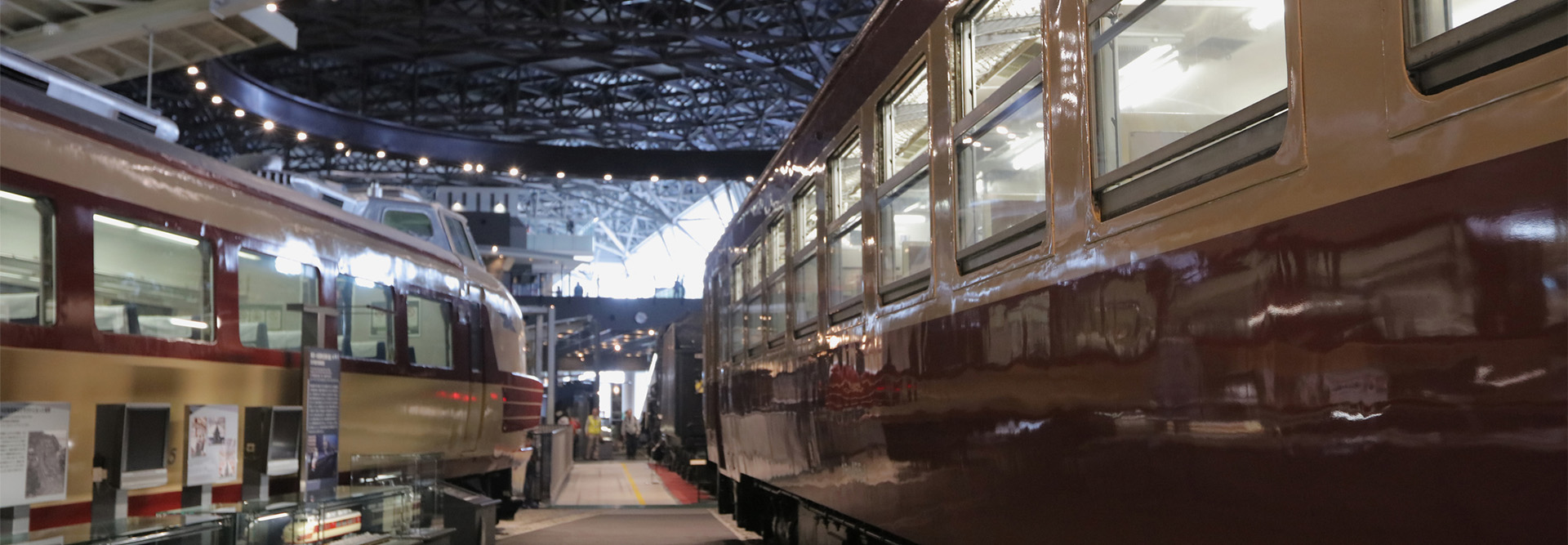
The heart of the museum is a vast hall filled with full-size trains from different eras of Japanese rail history. This dramatic space feels like stepping into a living rail yard, but with atmospheric lighting and carefully arranged displays.
- Steam locomotives: Get close to powerful black steam engines that once pulled long-distance trains across Japan. You can admire the intricate metalwork, giant wheels, and smell the faint oil and iron that still lingers.
- Early electric and diesel trains: These show how Japanese railways modernized in the 20th century, reducing travel times and expanding networks into mountainous regions.
- Historic shinkansen cars: Step inside earlier generations of bullet trains and see how interior design, seating, and technology evolved while maintaining a strong focus on comfort and punctuality.
You can enter many of the carriages, sit in old seats, look through the windows, and experience the difference between eras. For photography, this hall is a dream: wide angles of multiple trains, detailed close-ups of wheels and controls, and vintage logos and signage.
Driving Simulators
One of the most popular attractions is the set of realistic train-driving simulators. These range from basic models suitable for children to advanced simulators modeled on actual driver training devices.
- Practice accelerating and braking while watching a large screen that simulates real scenery.
- Follow speed limits and signals while the system evaluates your driving accuracy.
- Experience different lines, including urban commuter routes and shinkansen tracks.
Some simulators are free, while others require separate tickets or timed reservations. On busy weekends and holidays, reservations for the most advanced simulators can sell out early in the day, so aim to book soon after entering the museum.
Miniature Railway Park
A highlight for children and families is the outdoor miniature railway area. Here you can ride small-scale trains on a loop track, watching signals and points operate like a real railway.
These rides often require a small additional fee and can be popular on weekends. While children love the novelty of riding “tiny trains,” adults will appreciate the attention to detail in the signals, track layout, and station design.
Learning Zones and Hands-On Exhibits
The museum is designed with education in mind, making complex technology accessible and fun. Various zones cover different aspects of railway operation:
- History zone: Follow a chronological path from early railways in the Meiji era to the birth of the shinkansen and the present-day high-speed network.
- Science and engineering: Interactive displays explain how wheels grip rails, how signals prevent collisions, and how electricity powers trains.
- Operations and safety: Learn how timetables are built, how station staff coordinate trains, and why Japan’s trains are so famously on time.
Many exhibits are hands-on, allowing you to push buttons, turn handles, and watch mechanical parts move. Younger visitors, even if they cannot read the explanations, will enjoy experimenting through touch and motion.
Observation Deck and Real-Time Train Watching
One of the most atmospheric experiences is heading up to the rooftop or observation areas overlooking the active rail lines near Omiya. From here you can watch real trains pass below: shinkansen flashing by at high speed, commuter trains gliding into the station, and freight trains rumbling along.
This is an excellent place for photographers and rail fans. The combination of museum exhibits and real-world rail traffic helps connect history with the living railway network that still powers Japan today.
Understanding Japan’s Railway Culture
Visiting the Railway Museum is also a way to understand everyday Japanese life and values. Railways are not just transport; they are a symbol of national pride and reliability.
- Punctuality: Exhibits show how timetables are planned down to the second and how staff work to recover from delays. Many visitors are surprised to learn that even a one-minute delay matters.
- Safety: Japan’s railways have an impressive safety record. Models and panels explain earthquake monitoring, automatic braking systems, and the design choices that reduce risk.
- Design and service: You will see how car interiors evolved to balance efficiency with comfort, including priority seating, luggage space, and quiet cars.
For first-time travelers, understanding this railway culture will enrich your later train journeys around Japan, from boarding your first shinkansen to navigating busy rush-hour platforms.
Family-Friendly Features
The museum is designed with families in mind and is one of the most child-friendly attractions in the greater Tokyo area.
- Dedicated kids’ areas: Soft play zones, kid-sized exhibits, and simple interactive displays let younger children burn energy safely.
- Stroller access: Elevators, wide corridors, and accessible restrooms make it convenient for parents with strollers or wheelchairs.
- Photo spots: Children can pose as drivers in mock-up train cabs or next to character mascots associated with the museum and railways.
Because the museum is indoors for the most part, it is ideal on rainy days or during hot summers when you want to avoid being outside for long periods.
Food, Shopping, and Facilities
Dining Options
The Railway Museum typically offers a cafeteria or restaurant, often with a view of the tracks or rolling stock. Menu items are usually casual Japanese fare such as curry rice, noodles, and children’s meals, sometimes with railway-inspired presentation.
You may also find vending machines and light snacks for a quick break. Bringing in your own food is sometimes allowed in designated areas, such as a picnic space or seating corners, but check the current rules at the entrance.
Gift Shops
No Japanese museum visit is complete without omiyage (souvenirs). The museum shop is a paradise for train enthusiasts and a great place to pick up unique gifts:
- Miniature models of shinkansen and historic trains
- Railway-themed stationery, stickers, and keychains
- Children’s toys, books, and puzzles
- Limited-edition items branded with the museum’s logo
For collectors, certain items may be exclusive to the museum, so if you see something special, it is wise to buy it during your visit.
Accessibility and Comfort
The museum is modern and generally well equipped with:
- Accessible restrooms and multi-purpose toilets
- Coin lockers for storing luggage and large bags
- Elevators and ramps connecting all main floors
- Benches and seating areas for rest
This makes it suitable for visitors of all ages and mobility levels, including seniors and those traveling with heavy luggage on their way to or from shinkansen lines at Omiya.
Tips for First-Time Visitors
Best Time to Visit
Weekdays outside of school holidays are generally the quietest, allowing you to explore exhibits and simulators with minimal waiting. Weekends, national holidays, and long vacation periods such as Golden Week, Obon, and New Year can be very busy, especially with families.
If you do visit on a busy day, arrive early when the museum opens. Head directly to the most popular attractions, such as high-level driving simulators and miniature train rides, before crowds build up.
How Long to Spend
Most visitors should allow at least three to four hours to see the main exhibits, try a simulator or two, and enjoy a relaxed meal. Rail fans or families with children who want to experience everything may easily spend a full day there.
What to Bring
- IC card or small change for the New Shuttle and any paid attractions inside.
- Comfortable shoes, as you will be walking and standing a lot.
- Camera or smartphone for photos and videos, especially in the main rolling stock hall and observation areas.
- Portable Wi-Fi or SIM card if you rely on translation apps or maps.
Food and drinks from outside may be restricted in certain areas, so check the rules if you plan to bring your own lunch or snacks.
Combining the Museum with Other Nearby Sights
Because the Railway Museum is close to Omiya Station, it can be part of a wider day out:
- Omiya area: Explore local shopping streets, visit Omiya Park, or stop at nearby shrines for a quieter contrast to the museum.
- Day trips from Tokyo: Combine the museum with a visit to Kawagoe (known as “Little Edo” for its historic streets) or other Saitama attractions.
- Travel days: If you are passing through Omiya on a shinkansen journey, consider planning a half-day stop to explore the museum before continuing north to regions such as Tohoku or Niigata.
Making the Most of Your Railway Museum Visit
For first-time travelers to Japan, the Railway Museum is an ideal introduction to the country’s love affair with trains. It transforms what might be just a practical matter—getting from one city to another—into a window on Japan’s history, engineering, and everyday life.
By walking through historic carriages, trying your hand at driving simulators, and watching real shinkansen sweep past on nearby tracks, you will gain a deeper appreciation of the journeys you will make during your trip. Whether you visit as a family, a couple, or a solo traveler, set aside the time to explore, play, and look closely; the story of Japan’s railways is, in many ways, the story of modern Japan itself.
Plan ahead, arrive early, and let the Railway Museum add a memorable, uniquely Japanese experience to your itinerary.
Access Map
Recommended spots in Saitama
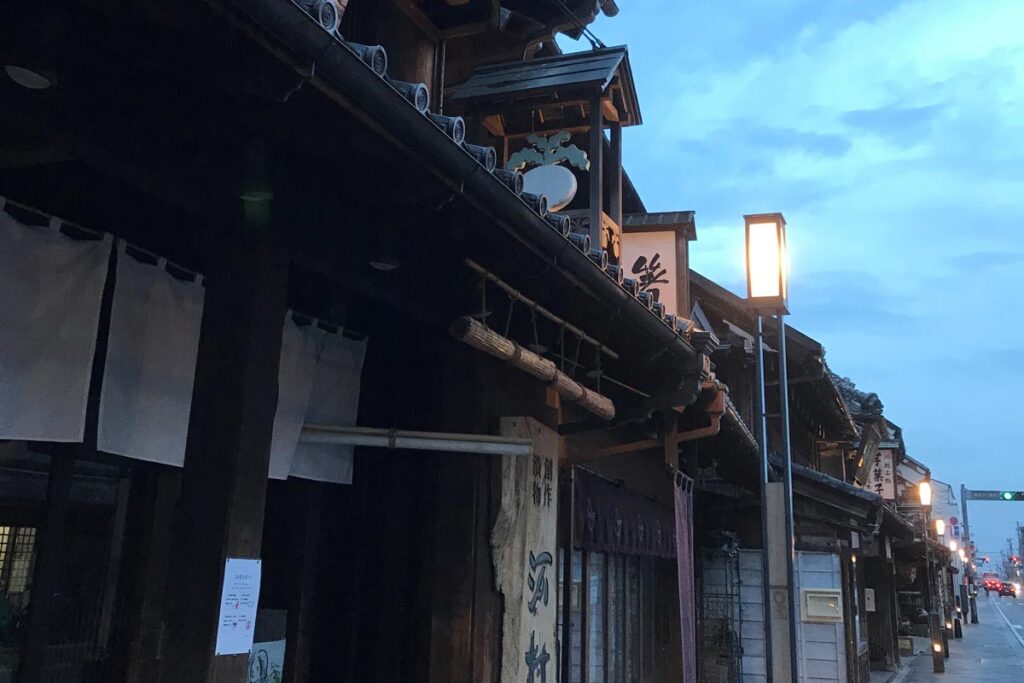
Kawagoe Ichibangai
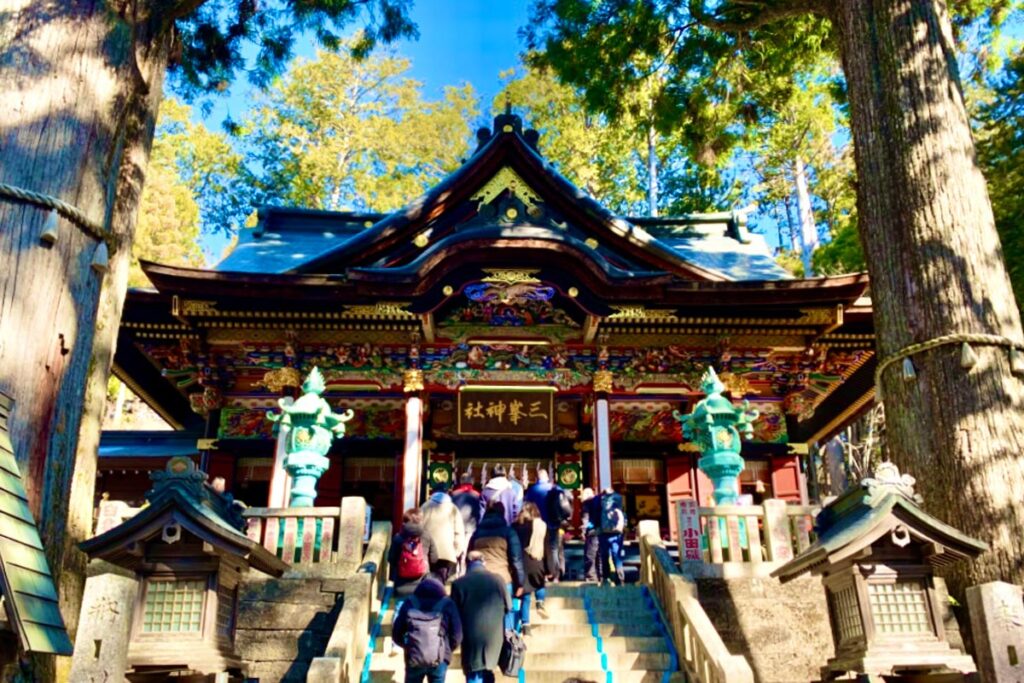
Mitsumine Shrine
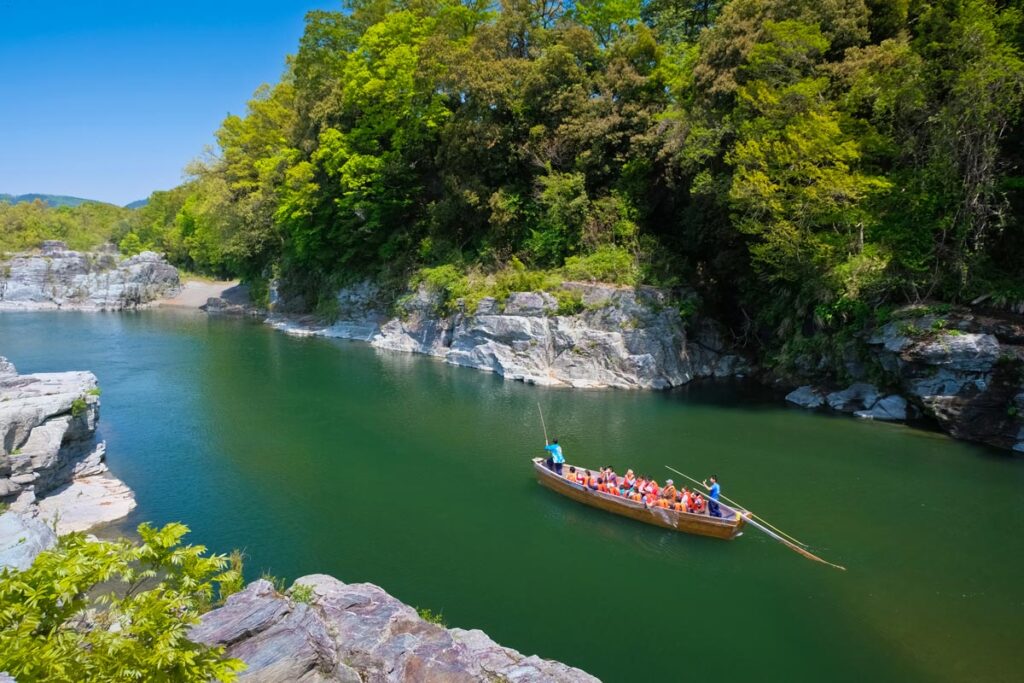
Nagatoro
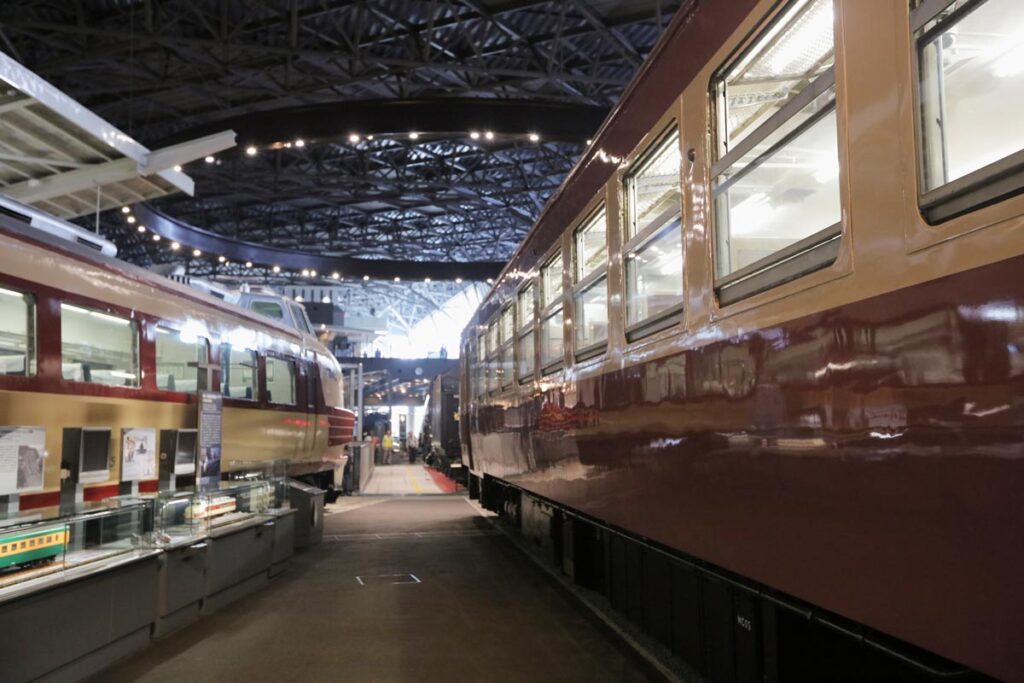
Railway Museum
Top destinations in Kanto Region
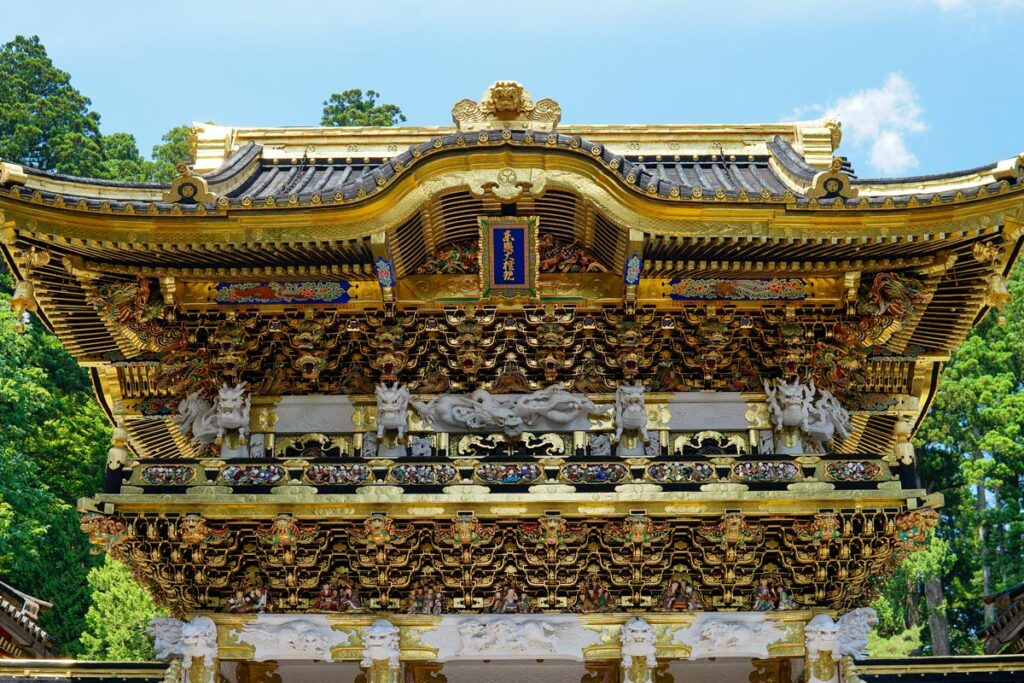
Tochigi
Kanagawa