




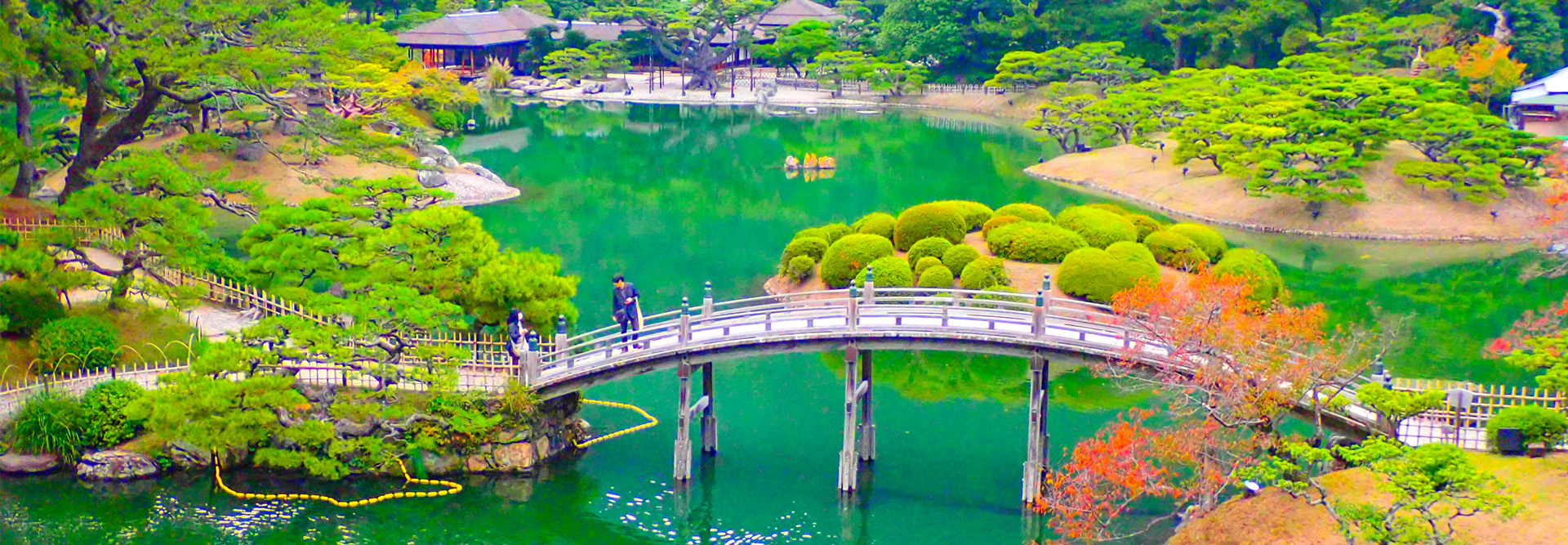
Ritsurin Garden
Ritsurin Garden: A Perfect Day Trip to Old Japan in Takamatsu
Photos are for illustrative purposes only.
Hidden on the island of Shikoku, far from Tokyo’s neon glow, Ritsurin Garden in Takamatsu is one of Japan’s most enchanting traditional gardens. Designed over centuries for feudal lords, it is a place where every stone, tree, and reflection in the water has been carefully composed. For first-time visitors to Japan who want to step into a calmer, older world, Ritsurin is an unforgettable day out.
Why Ritsurin Garden Belongs on Your Japan Itinerary
Japan officially recognizes three “great gardens” (Kenrokuen in Kanazawa, Korakuen in Okayama, and Kairakuen in Mito), but many garden lovers quietly add a fourth name to that list: Ritsurin. Spread over more than 75 hectares with six ponds and thirteen man-made hills, this is one of the largest and most refined daimyo (feudal lord) gardens in the country.
Ritsurin Garden offers:
- A classic Japanese landscape of ponds, pines, and miniature “borrowed scenery” of Mount Shiun
- Historic teahouses and an active tea culture you can experience first-hand
- Easy, mostly flat walking paths suitable for most fitness levels
- Less crowding than major gardens in Tokyo and Kyoto
- Atmosphere that changes beautifully with each season
If you are planning a first trip to Japan and want to understand traditional aesthetics without fighting huge crowds, Ritsurin Garden is a gentle, welcoming introduction.
A Short History of Ritsurin Garden
Ritsurin’s story begins in the early 17th century, during the Edo period. What started as a villa garden for local samurai evolved under the ruling daimyo of the Matsudaira clan, who transformed it into an elegant retreat for rest, poetry, and receiving important guests.
The work took more than 100 years to complete, involving countless gardeners, carpenters, and artisans. Their goal was to create an idealized version of nature: a landscape you could stroll through, where each turn of the path reveals a new “scene,” like turning the pages of a picture scroll.
After the feudal era ended in the late 19th century, Ritsurin became a public park. Today, it is designated as a Special Place of Scenic Beauty by the Japanese government, a title reserved for the country’s most remarkable cultural landscapes.
Understanding the Garden’s Design
Ritsurin is a textbook example of a strolling garden (kaiyu-shiki teien). Unlike a Western-style park, which may have large lawns and straight paths, a Japanese strolling garden is designed for slow walking and contemplation. You do not stand in one place and look; you move through the landscape and let it unfold around you.
The Daimyo Garden Concept
As a daimyo garden, Ritsurin was created not only for beauty but also for displaying power and sophistication. Carefully pruned pine trees, imported stones, and complex water systems were signs of wealth and refined taste. Guests would be invited for boat rides, tea ceremonies, and poetic gatherings; the garden was a stage for both nature and politics.
Borrowed Scenery and Miniature Landscapes
One key concept at Ritsurin is shakkei, or “borrowed scenery.” The low, rolling hills within the garden are designed to blend seamlessly with Mount Shiun rising in the background, making the garden feel larger and more dramatic than it actually is.
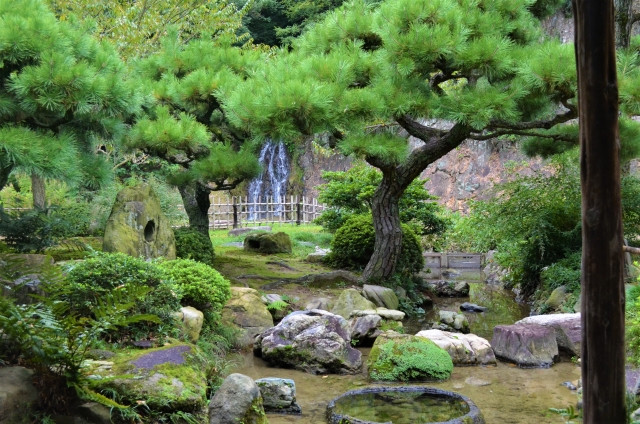
The garden also uses miniature landscapes: small hills suggesting distant mountains, clusters of rocks imitating islands in a vast sea, and streams that hint at famous rivers. In this way, the garden offers a symbolic, walkable version of the wider Japanese landscape.
Highlights You Should Not Miss
First-time visitors can easily spend two to three hours exploring the main walking loop. Here are the key spots you should look for.
Nanko Pond and the Classic “Postcard” View
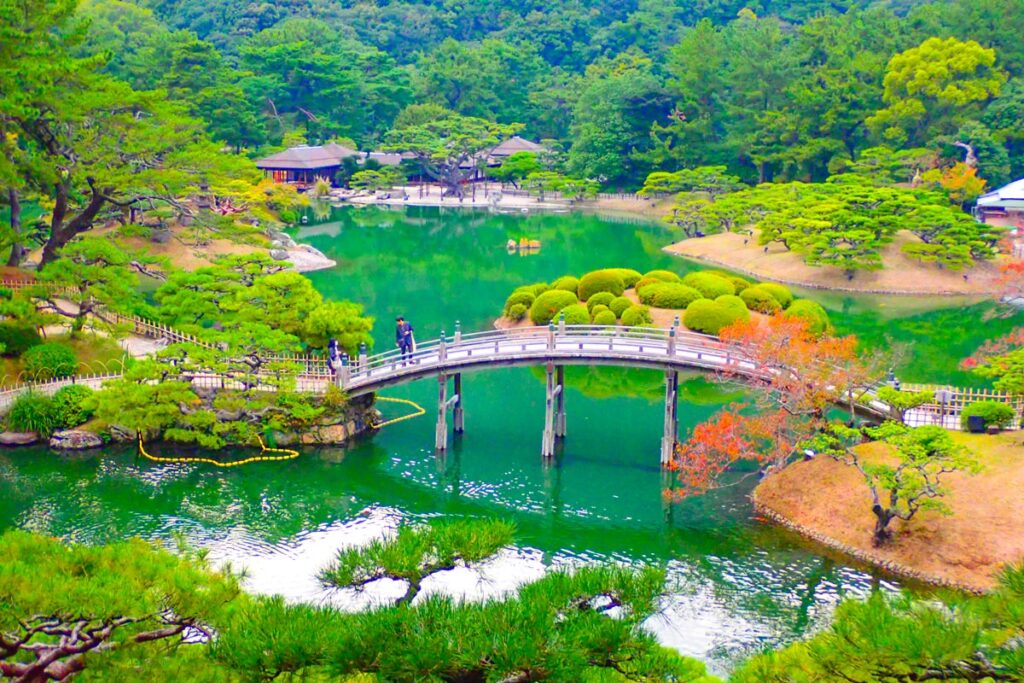
Nanko, the South Pond, is the visual heart of Ritsurin Garden. From the stone bridge or along the water’s edge, you can enjoy the garden’s most famous view: a mirrorlike pond dotted with small islands, arched wooden bridges, and dark green pines, with Mount Shiun rising gracefully behind.
Visit in the morning for soft light and fewer people. On windless days, the reflections in the pond can be astonishingly clear, creating the feeling of walking inside an ink painting.
Teahouses and the Culture of Tea
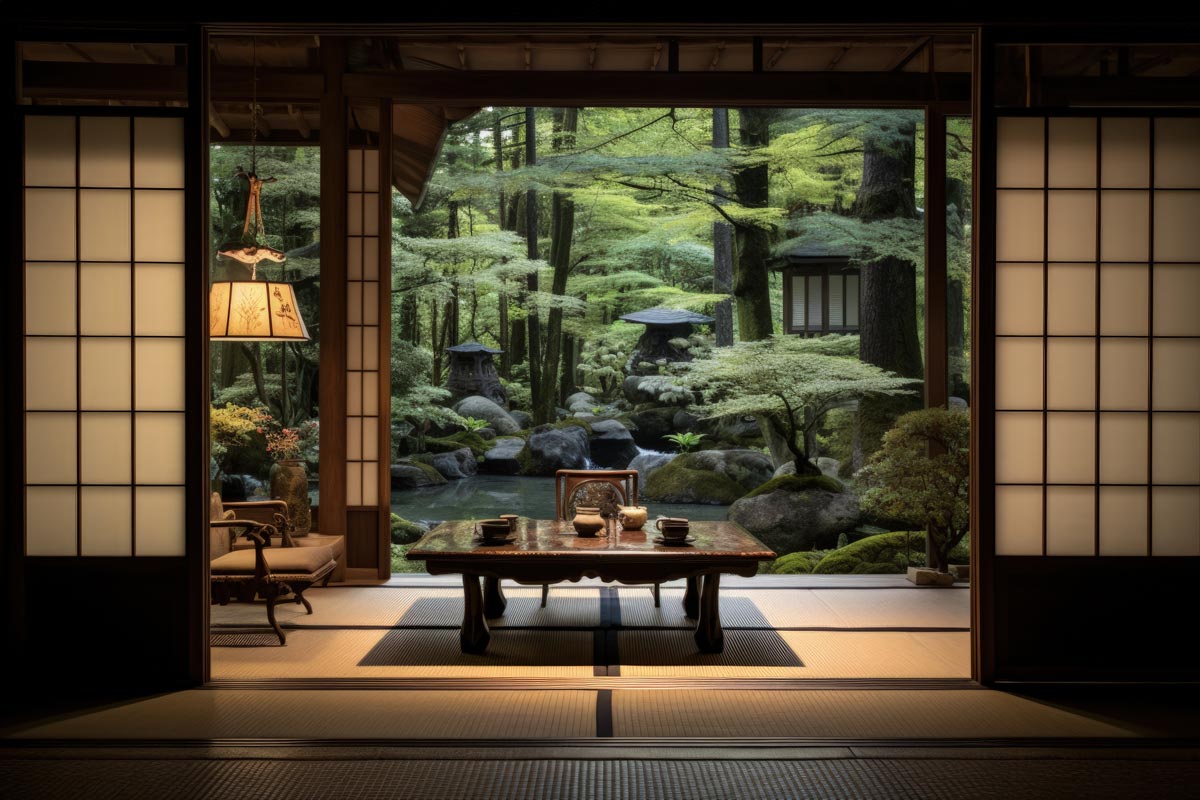
Tea houses are central to Ritsurin’s charm. These wooden structures, often simple and rustic at first glance, are stages for the Japanese tea ceremony—an art form that combines hospitality, Zen-inspired simplicity, and deep attention to detail.
- Kikugetsu-tei: This lakeside teahouse is one of the garden’s treasures. Its name means “Chrysanthemum Moon Pavilion,” and it is positioned to enjoy views of the moon reflected in the pond. Here, you can usually enjoy a bowl of matcha (powdered green tea) with a seasonal sweet while looking out at the water and pines.
- Other teahouses: Several smaller pavilions and resting spots are scattered through the grounds, where lords and guests once gathered to write poetry, play music, or simply admire the changing seasons.
Even if you are unfamiliar with tea ceremony etiquette, staff are used to international visitors and will gently guide you. Simply remember to move slowly, speak quietly, and take time to appreciate the taste, the bowl in your hands, and the view in front of you.
Boat Rides on the Pond
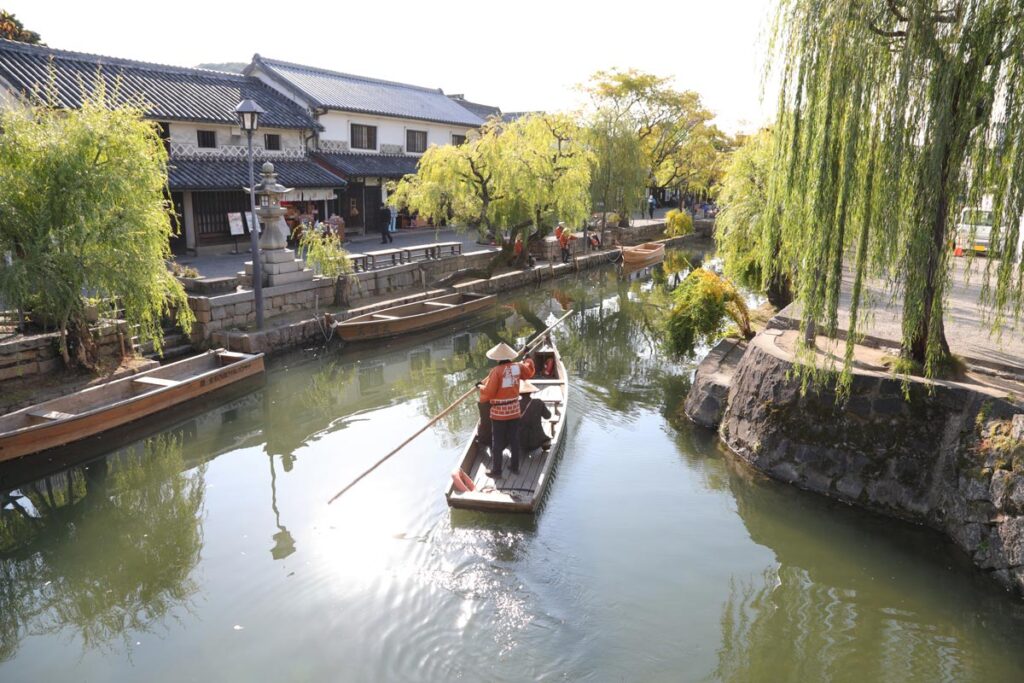
One of Ritsurin’s most atmospheric experiences is a ride on a traditional wooden boat across Nanko Pond. A boatman, often dressed in a kimono-style jacket, stands at the stern and guides the vessel with a pole. As you glide past low pine branches and under bridges, the garden reveals angles you cannot see from the shore.
The ride is short, but the sense of slipping back several centuries is strong. Listen for the quiet splash of the pole in the water and the soft rustle of leaves instead of city noise.
Meticulously Pruned Pine Trees
Ritsurin is especially famous for its pine trees. There are thousands of them, and many are over a century old. Gardeners use careful pruning and supports to shape them into living sculptures. Some lean dramatically over the water, others climb upward in layered tiers like giant bonsai.
If you visit in winter, you may see ropes strung over delicate branches to protect them from heavy snow. This seasonal practice adds a distinctive geometric pattern to the winter landscape.
Stone Bridges, Lanterns, and Hidden Corners
As you stroll, you will cross arched wooden bridges, flat stepping-stone paths, and gently curving stone bridges. Stone lanterns appear beside the water or half-hidden among shrubs, hinting at how the garden might look by the light of a single flame.
Do not rush. Part of the charm of a Japanese strolling garden is the play between concealment and revelation. Narrow paths twist behind hills, leading to small viewpoints, quiet benches, or secluded pavilions. Take side paths whenever you can; many of the garden’s most romantic spots are slightly off the main route.
Ritsurin Through the Seasons
Japan’s gardens are designed to be enjoyed in every season, and Ritsurin is no exception. When you visit can dramatically change your experience.
Spring: Plum Blossoms and Cherry Trees
Late winter brings the fragrance of plum blossoms, followed by cherry blossoms in spring. While Ritsurin may not have the scale of famous cherry-blossom spots in Kyoto or Tokyo, the combination of soft pink flowers, lush pines, and calm ponds is exquisite.
Spring is also cool and comfortable for walking. Paths can be busier on weekends and during peak cherry blossom days, but crowds are generally moderate compared with big cities.
Summer: Deep Greens and Lotus Flowers
Summer wraps the garden in dense green. The pines are at their richest color, the moss is bright after rain, and lotus flowers open on the ponds. Early mornings and late afternoons are the best times to visit to avoid the heat.
Summer also brings the sound of cicadas, a classic soundtrack of Japanese gardens. Their buzzing chorus may seem loud at first, but it soon becomes part of the seasonal atmosphere.
Autumn: Fiery Maples and Clear Skies
For many, autumn is the most beautiful time at Ritsurin. The maple trees turn vivid shades of red, orange, and gold that contrast dramatically with the deep green pines and blue autumn skies. Reflections in the ponds become particularly striking.
Evening illuminations may be held in some years, when the trees are lit up after dark. Walking the garden at night, with lanterns and reflections, can feel almost otherworldly.
Winter: Quiet, Minimalist Beauty
Winter is the quietest season, both in terms of visitors and the garden’s appearance. The landscape becomes more minimal, with bare branches outlining the shapes of trees and hills. If you are lucky enough to visit just after a snowfall, Ritsurin turns into a black-and-white painting, with pines capped in white and bridges dusted with frost.
Practical Visiting Tips for First-Time Travelers
Getting to Ritsurin Garden
Ritsurin Garden is in Takamatsu, a port city on Shikoku Island. Takamatsu is well connected by train and bus, and it is a natural stop if you are exploring Shikoku or combining it with trips to Okayama, Hiroshima, or the art islands of the Seto Inland Sea.
From central Takamatsu, the garden is typically reached in about 20–30 minutes by local transport or a short taxi ride. Signage in English around the city and at the garden entrance makes navigation straightforward for first-time visitors.
Entrance, Opening Hours, and Facilities
Ritsurin Garden charges a modest entrance fee, which helps fund ongoing maintenance and conservation. Opening hours usually start early in the morning and extend until late afternoon or early evening, with slight variations by season.
Near the main entrance, you will find:
- Ticket counters with clear pricing
- Tourist information and brochures
- Restrooms and vending machines
- A small museum or exhibition space about the garden’s history and design
Inside the garden, there are additional rest areas, benches, and restrooms. Paths are mostly flat and well maintained, although some hill paths can be uneven or steep in places.
How Much Time to Spend
Plan at least two hours for a relaxed visit that includes a full circuit of the main garden area. Add extra time if you would like to:
- Enjoy matcha at a teahouse
- Take a boat ride on Nanko Pond
- Visit the museum or linger at photography spots
Many visitors find that half a day passes quickly, especially if they stop frequently to take photos or simply enjoy the atmosphere.
What to Wear and Bring
You will be walking outdoors on natural paths, so dress for comfort and the weather.
- Shoes: Comfortable walking shoes or sneakers are best. High heels are not recommended.
- Clothing: Light layers you can add or remove as temperatures change. In summer, breathable fabrics are helpful.
- Sun and rain protection: A hat, sunscreen, and a small umbrella or raincoat in wetter seasons.
- Camera or smartphone: There are many photo opportunities, especially around the ponds and bridges.
Etiquette and How to Appreciate the Garden
Japanese gardens are places of quiet reflection. Following a few simple guidelines will make your visit more pleasant and respectful:
- Speak softly and avoid playing music aloud.
- Stay on marked paths and do not step into planted areas.
- Feeding wildlife or picking flowers is not allowed.
- If you join a tea service, follow the staff’s instructions and handle bowls with care.
Take your time. Instead of walking quickly from one “spot” to another, pause regularly, sit on a bench, and pay attention to small details: the pattern of ripples on the pond, the texture of moss on a rock, the sound of wind in pine needles. This slow, attentive way of seeing is at the heart of Japanese garden culture.
Combining Ritsurin with Other Experiences in Takamatsu
Ritsurin Garden fits easily into a broader Takamatsu itinerary. Before or after your visit, you might:
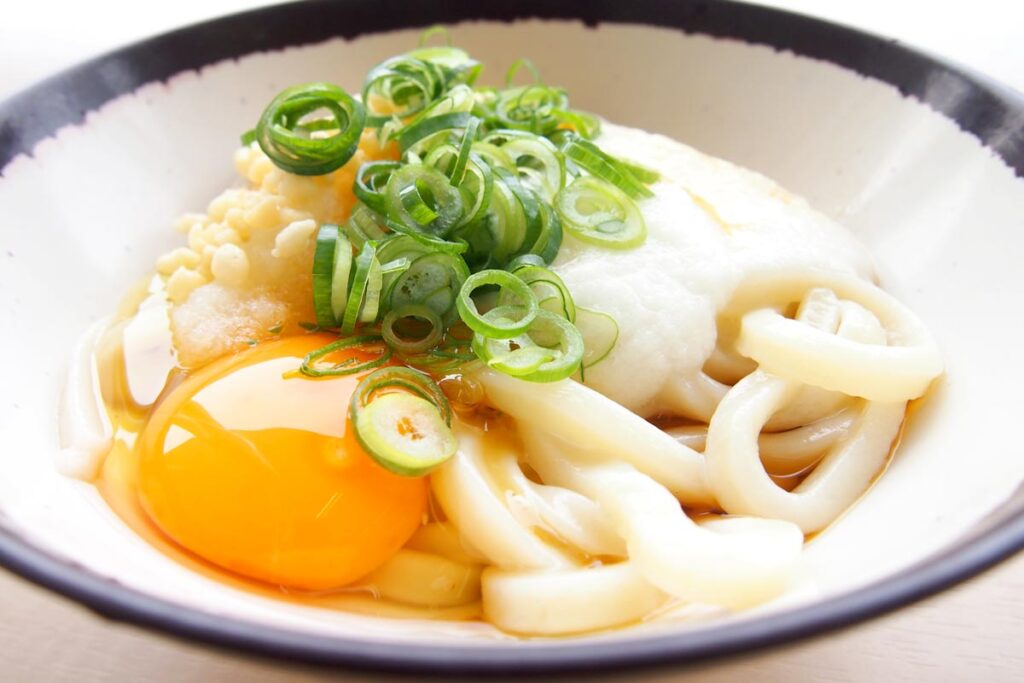
- Explore local shopping streets and sample Sanuki udon, the region’s famous thick wheat noodles.
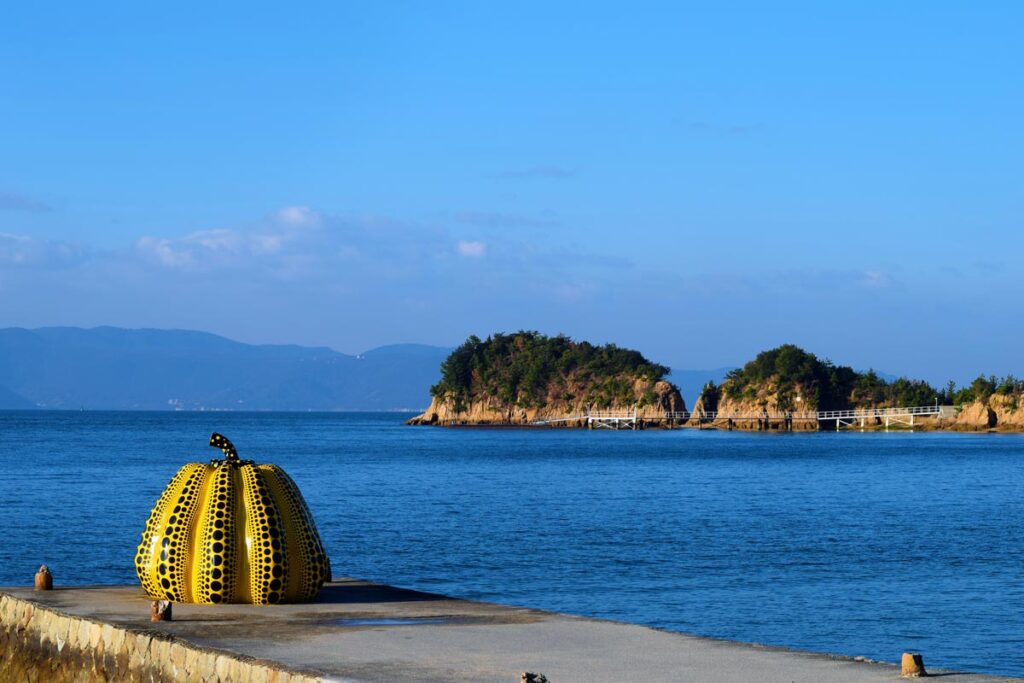
- Visit Takamatsu’s seaside area and catch a ferry to nearby islands in the Seto Inland Sea, known for contemporary art and coastal scenery.
- Stop by local museums or shrines to round out your understanding of Shikoku’s culture and history.
Even a single day in Takamatsu anchored around Ritsurin Garden can provide a deep, memorable taste of Japan beyond the usual big-city highlights.
Experience the Heart of Traditional Japan
For international visitors, Ritsurin Garden offers a rare combination: it is grand enough to impress, yet intimate enough to feel personal. You walk the same paths once taken by feudal lords, pause at the same viewpoints, and sit in teahouses where centuries of guests have admired the reflection of mountains on water.
Whether you are planning a once-in-a-lifetime trip to Japan or returning for a deeper exploration, setting aside time for Ritsurin Garden will reward you with a vivid, living lesson in Japanese aesthetics, history, and the art of slowing down.

Access Map
Recommended spots in Kagawa
Ritsurin Garden
Sanuki Udon Tour
Kotohira-gu Shrine