For many first-time visitors to Japan, watching sumo is high on the wish list. Nowhere is better for this than Ryogoku Kokugikan, the country’s most famous sumo arena. Located in Tokyo’s historic sumo district, this stadium is more than just a sports venue – it is a living window into Japan’s traditional culture, rituals, and seasonal festivals.
What Is Ryogoku Kokugikan?
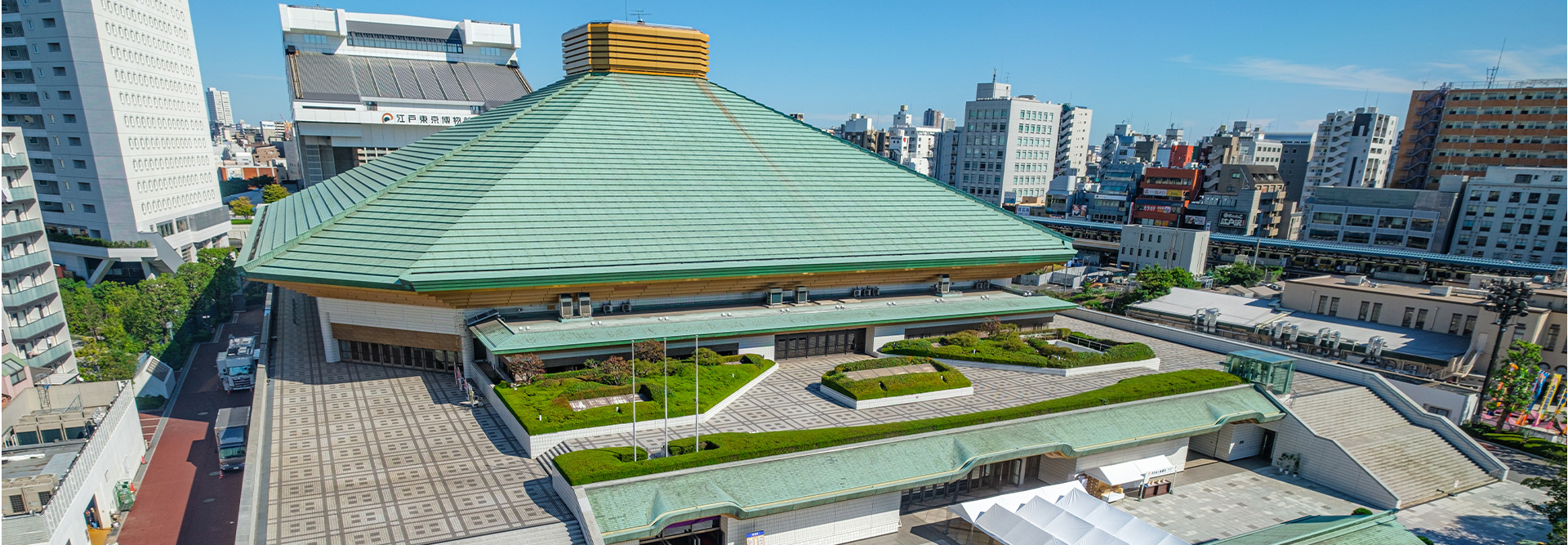
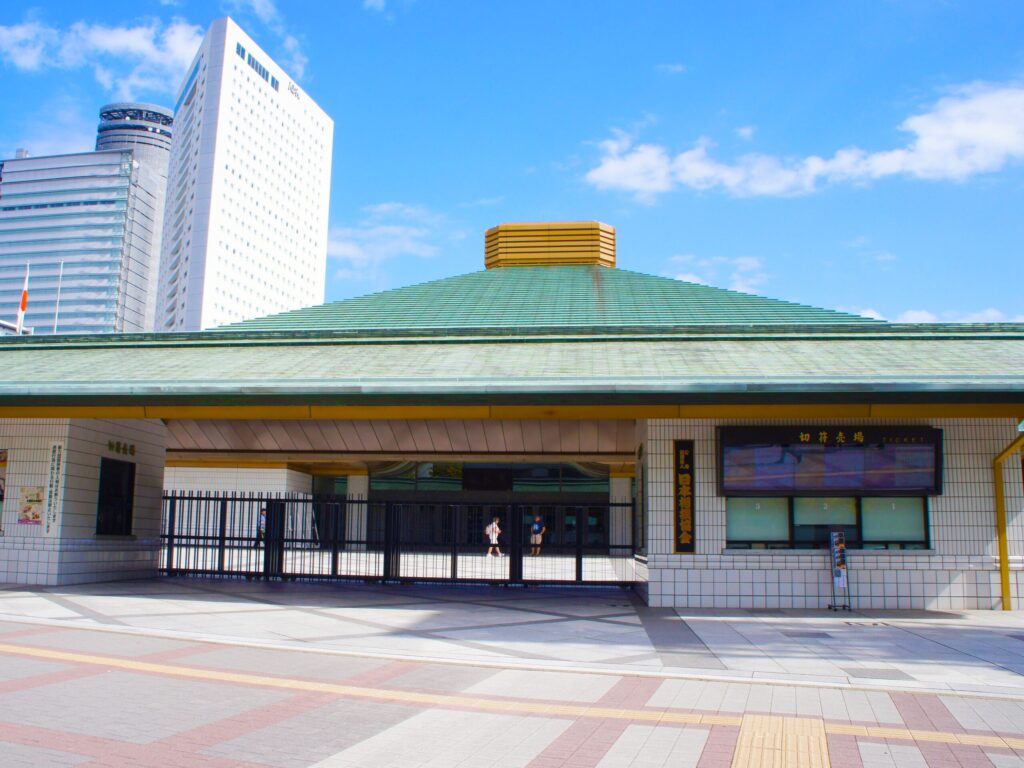
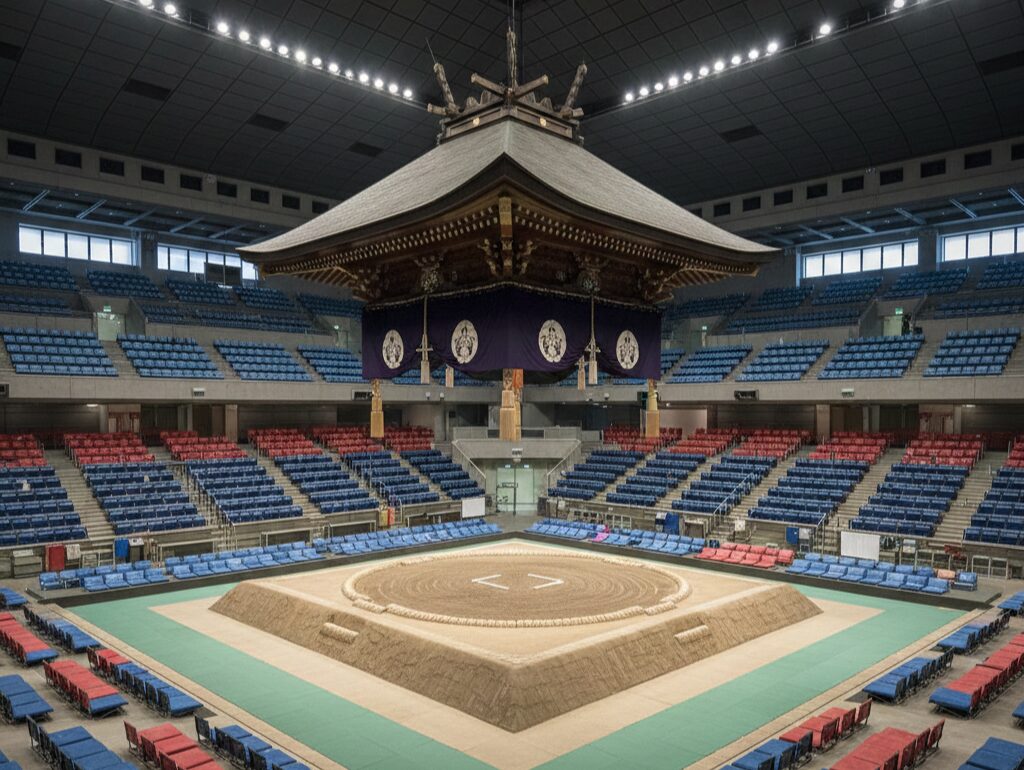
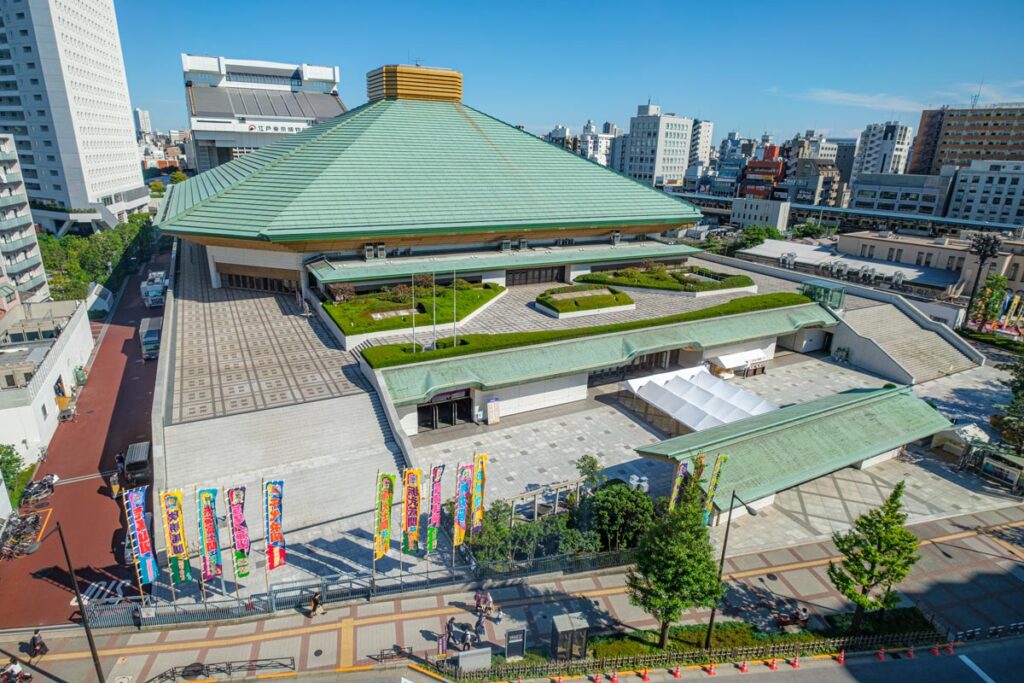
Ryogoku Kokugikan is Japan’s main sumo stadium and the spiritual home of professional sumo wrestling. The current arena opened in 1985 and seats over 10,000 spectators. It is located in the Ryogoku area of Tokyo, close to the Sumida River and not far from Asakusa and Tokyo Skytree.
The word “Kokugikan” roughly translates as “National Sport Stadium,” and that is exactly what this building represents. Sumo is deeply rooted in Shinto ritual, and many of the gestures you see on the ring – from the throwing of salt to the stomping of feet – originate as acts of spiritual purification. Attending a tournament here feels less like a modern sports event and more like a blend of ceremony, theater, and competition.
When Can You See Sumo at Ryogoku Kokugikan?
Professional sumo tournaments, called honbasho, are held six times a year across Japan. Ryogoku Kokugikan hosts three of them:
- January Tournament (Hatsu Basho) – early to late January
- May Tournament (Natsu Basho) – mid to late May
- September Tournament (Aki Basho) – mid to late September
Each tournament runs for 15 days. On tournament days, the arena is usually open from around 8:00 or 8:30 in the morning until early evening. The early matches feature lower-ranked wrestlers, with the atmosphere gradually building as the top division wrestlers fight in the late afternoon.
If your trip does not coincide with a tournament, the arena is still worth a visit for its sumo museum and the surrounding Ryogoku neighborhood, where you can explore the culture and history of the sport.
How to Get Tickets
Sumo tickets can sell out quickly, especially weekends and final days of the tournaments, so planning ahead is essential. There are two main ticket categories at Ryogoku Kokugikan:
- Box Seats (Masu-seki) – Traditional tatami-style boxes on the lower levels where you sit on cushions on the floor. Boxes are usually sold for groups (for example, up to four people per box). These offer an authentic atmosphere but can be a bit tight for taller visitors.
- Arena Seats – Western-style chairs in the upper levels. These are more comfortable and often more affordable for solo travelers or pairs.
For first-time visitors, arena seats are generally the easiest and most comfortable option. You can often book them in advance through major travel agencies, ticket platforms that support English, or sometimes directly via the official sumo ticket site.
On some days, the stadium also sells same-day tickets for unreserved seats. These are limited and sold on a first-come, first-served basis at the box office in the morning. To have a good chance, you should arrive early, especially on weekends or holidays.
Getting to Ryogoku Kokugikan
Ryogoku Kokugikan is conveniently located for travelers using public transport.
- JR Ryogoku Station (Sobu Line) – Take the West Exit. The arena is just a couple of minutes’ walk; you will see the large green roof and banners as you leave the station.
- Ryogoku Station (Toei Oedo Line) – About a 5–7 minute walk from the A3 or A4 exits.
From popular areas in Tokyo:
- From Tokyo Station: Take the JR Sobu Line (local) to Ryogoku (around 15 minutes).
- From Shinjuku: Take the JR Sobu Line directly (about 25 minutes), or use the Oedo Line.
- From Asakusa: It is a short taxi ride or a combination of subway lines; you can also walk in about 25–30 minutes along the Sumida River.
What to Expect on a Tournament Day
Arriving at Ryogoku Kokugikan is part of the experience. Colorful banners flutter outside the entrance, advertising the names of the wrestlers. You may see rikishi (sumo wrestlers) walking to the arena in traditional kimono, their hair styled in the iconic chonmage topknot.
Entering the Arena
After your ticket is checked, you will pass through a wide concourse filled with food stalls and souvenir stands. Look for stands selling bento lunch boxes decorated with sumo motifs, bottles of green tea, and classic Japanese sweets. Many locals bring food back to their seats and snack while watching the bouts.
Inside, the centerpiece is the dohyo, a raised clay ring with a circle of rice-straw bales. Above it hangs a wooden roof modeled after a Shinto shrine, emphasizing the sacred origins of the sport.
The Flow of the Day
The schedule typically follows this pattern:
- Morning – Lower-division matches. The arena is quiet and seats are easy to move around if you want different views, but only small crowds are present.
- Early Afternoon – The pace picks up as higher-ranking divisions begin. Groups of schoolchildren and tour groups often arrive at this time.
- Late Afternoon – The top division, Makuuchi, competes. The famous yokozuna (grand champions), if any are active, fight in the final bouts. This is when the arena is most lively.
Even if you have a ticket for the whole day, many people only attend from mid-afternoon. For first-timers, arriving around 2:00–3:00 p.m. gives you time to explore the stadium, watch some mid-level matches, and then enjoy the climax with the top-ranked wrestlers.
Rituals to Watch For
Sumo is rich in repeated rituals that might seem slow at first, but they reveal the sport’s spiritual side:
- Dohyo-iri (ring-entering ceremony) – Before each division’s matches, the wrestlers step onto the ring in ceremonial aprons (kesho-mawashi). They turn, clap, and raise their arms, symbolically driving away evil.
- Salt throwing – Wrestlers purify the ring by throwing handfuls of salt. Some toss a delicate pinch; others hurl great arcs of salt that draw cheers.
- Staring contests – Before the bout begins, wrestlers crouch, stare at each other, stand up, and repeat. This builds tension and allows time for mental focus.
- The bout itself – Most matches last only a few seconds, with explosive charges and quick footwork. Victory comes when one wrestler forces the other out of the ring or makes any part of his body other than the soles of his feet touch the ground.
Even without deep knowledge, you can cheer when a favorite wins or gasp at a dramatic fall. The rules are simple enough to follow, and the crowd’s reactions guide you through each moment.
Practical Tips for First-Time Visitors
Language and Announcements
Announcements and commentary inside the stadium are primarily in Japanese. However, sumo is very visual, and it is easy to follow the action by watching the wrestlers and the referees. English pamphlets are sometimes available, and you may see screens showing the wrestlers’ names in both Japanese and Roman letters.
Food and Drink
Eating at your seat is normal and part of the fun. In addition to bento boxes, look for classic arena snacks such as fried chicken, rice balls, and sweets. Beer and soft drinks are sold throughout the venue.
One local specialty associated with sumo is chanko nabe, a hearty hot pot traditionally eaten by wrestlers to gain strength. While it is not usually served inside the arena itself, many restaurants in the nearby streets of Ryogoku offer chanko nabe in various styles. Trying it before or after your visit is a delicious way to complete the sumo experience.
What to Wear and Bring
There is no strict dress code at Ryogoku Kokugikan; casual clothing is fine. However, keep these points in mind:
- Comfortable clothing – You may be seated for several hours. If you book box seats, you will be sitting on the floor, so flexible, comfortable clothing is best.
- Light layers – The arena can feel cool or warm depending on the crowds and season. Wearing layers makes it easier to adjust.
- Camera or smartphone – Photos are generally allowed from your seat, but avoid using flash and do not obstruct other spectators’ views.
Etiquette Inside the Arena
Japanese spectators are generally respectful, but this is not a silent event. People cheer, gasp, and applaud. Still, there are a few etiquette points to remember:
- Keep your voice at a reasonable level and avoid shouting during quiet rituals.
- Do not throw anything into the ring. Only certain staff and wrestlers are allowed onto the dohyo.
- Follow staff instructions when entering and leaving your section.
- Take care when walking past other spectators in tight seating areas, especially in the box seats.
Beyond the Arena: Exploring Sumo Culture in Ryogoku
Ryogoku is often called Tokyo’s “sumo town,” and there is plenty to see within walking distance of the Kokugikan.
Sumo Stables (Heya)
Professional wrestlers live and train in dedicated sumo stables, many of which are located around Ryogoku. Some stables allow visitors to watch early-morning practice sessions. These visits require strict etiquette and often a prior reservation, usually arranged through a tour operator or guide. Watching practice gives a more intimate view of the discipline, repetition, and intense training behind the spectacle you see in the arena.
Museums and Cultural Sites
Right by Ryogoku Kokugikan, you will find several cultural attractions:
- Edo-Tokyo Museum (currently undergoing renovation at times) – A museum devoted to the history of Tokyo from its days as Edo, featuring models and interactive exhibits.
- Local Sumo Museum – Inside or adjacent to the Kokugikan, a small museum space displays sumo memorabilia such as ceremonial aprons, photos of famous wrestlers, and historical documents. Entry is often free or low-cost on non-tournament days.
- Sumida River Area – A pleasant riverside walk connects Ryogoku with Asakusa and offers views of Tokyo Skytree and boats on the water.
Eating Like a Wrestler: Chanko Nabe
No visit to Ryogoku is complete without trying chanko nabe. This hot pot is traditionally filled with vegetables, tofu, and plenty of protein such as chicken, fish, or meatballs. Wrestlers eat it with large bowls of rice to build mass, but regular portions served in restaurants are suitable for normal appetites.
Many restaurants in the area are decorated with photos of wrestlers and memorabilia. Some are run by retired sumo wrestlers, giving you a chance to dine surrounded by the sport’s history.
How to Plan Your Visit
To make the most of your time at Ryogoku Kokugikan, consider these planning tips:
- Check tournament dates early – Align your Tokyo stay with a January, May, or September tournament if seeing live sumo is a priority.
- Book tickets in advance – Especially for weekend days and the final days of a tournament. Consider weekday afternoons for a bit more space.
- Arrive a little early – Give yourself time to explore the concourse, buy a bento, and get familiar with the view from your seat.
- Combine with nearby sights – Pair your sumo visit with Asakusa, Tokyo Skytree, or the Edo-Tokyo area for a full day of history and culture.
Why Ryogoku Kokugikan Belongs on Your Japan Itinerary
For first-time travelers to Japan, Ryogoku Kokugikan offers a rare chance to step inside a deeply traditional world that still captivates modern audiences. The chants, rituals, and explosive clashes on the ring are unlike any other sporting event.
Whether you are a sports fan, a culture enthusiast, or simply curious about Japan’s national sport, an afternoon at Ryogoku Kokugikan is an unforgettable way to connect with the country’s history, people, and living traditions. Plan ahead, embrace the rituals, and let the unique atmosphere of sumo draw you into the heart of Japanese culture.