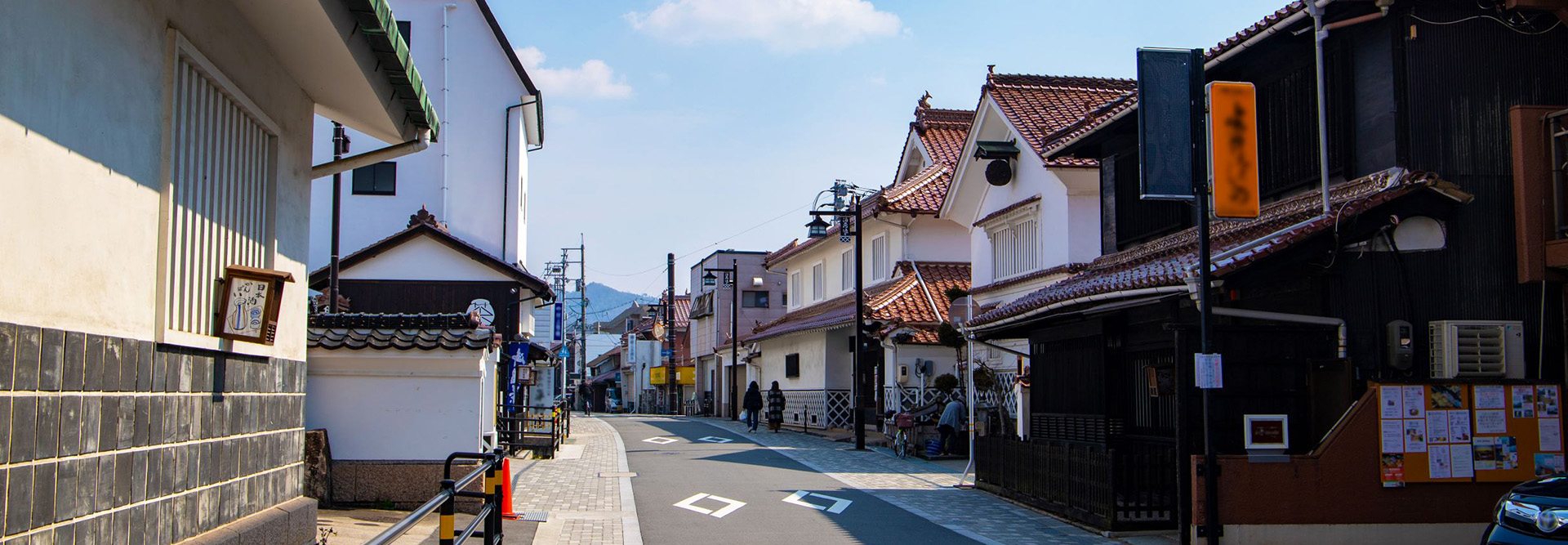
Saijo Sake Brewery Street
Saijo Sake Brewery Street: A First-Timer’s Guide to Japan’s Sake Town
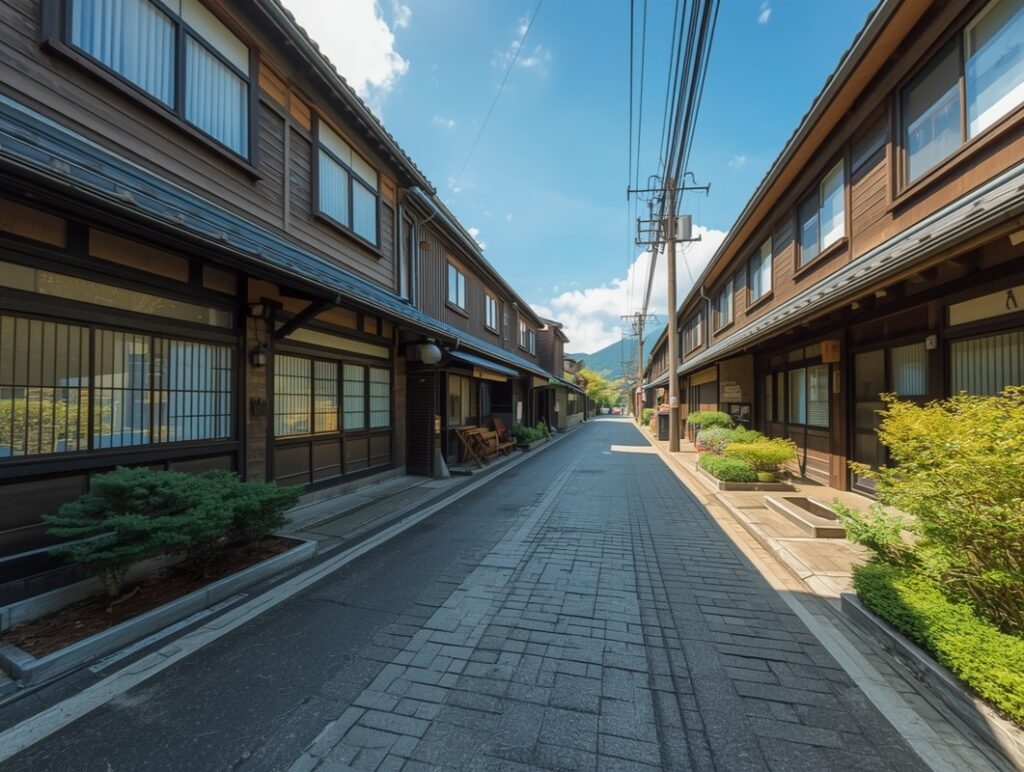
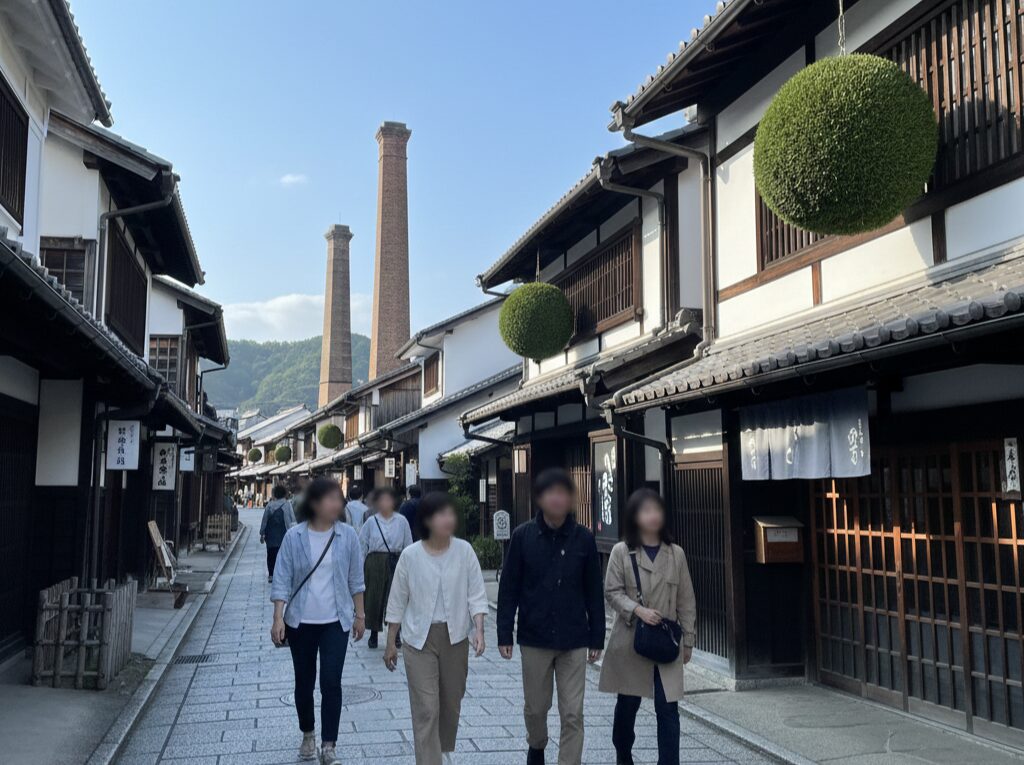
Photos are for illustrative purposes only.
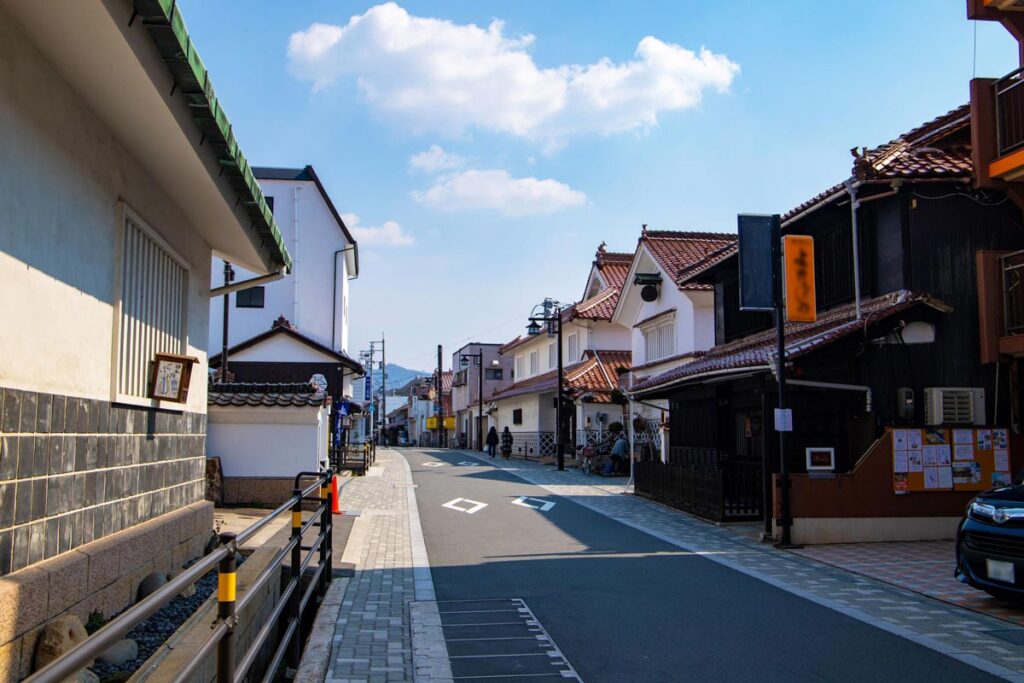
For first-time visitors to Japan, Saijo Sake Brewery Street offers a perfect blend of tradition, taste, and gentle small-town charm. Located in Higashihiroshima City in Hiroshima Prefecture, this compact historic district gathers several long-established sake breweries within easy walking distance. White-walled kura storehouses, old brick chimneys, and the subtle aroma of fermenting rice create a uniquely atmospheric introduction to Japanese sake culture.
Unlike busy urban attractions, Saijo feels relaxed and approachable. You can stroll from brewery to brewery, join casual tasting sessions, and chat with staff without feeling rushed or overwhelmed. It’s a rewarding side trip from Hiroshima City and a great way to experience one of Japan’s most celebrated regional specialties: sake from Saijo, a region famous for its high-quality water and crisp, refined brews.
Why Visit Saijo Sake Brewery Street?
Saijo is one of Japan’s leading sake-producing towns, often ranked alongside Nada (Kobe) and Fushimi (Kyoto). The brewery street, known locally as Saijo Sakagura-dori, preserves the atmosphere of a historic sake district while remaining very much alive and working. Large wooden gates open onto inner courtyards, traditional tile roofs meet modern tasting counters, and centuries-old brewing methods coexist with contemporary branding and packaging.
For international travelers, Saijo is especially appealing because:
- Multiple breweries are concentrated in one walkable area.
- Many offer simple tastings and exhibits that are enjoyable even if you don’t speak Japanese.
- The town is easily accessible as a day trip from Hiroshima City by train.
- The ambience is relaxed, without the crowds of more famous tourist districts.
Even if you are new to sake or don’t drink much alcohol, the architecture, history, and local food culture make this a worthwhile stop on a first trip to Japan.
Getting to Saijo Sake Brewery Street
Saijo is in Higashihiroshima, about 35–45 minutes from central Hiroshima by rail. For most visitors, the most convenient way to arrive is by train.
From Hiroshima Station
Take a local or rapid train on the JR Sanyo Main Line bound for Saijo or beyond (e.g., Hachihommatsu, Mihara, or Itozaki). The ride to JR Saijo Station usually takes around 35 minutes on a rapid train and about 45 minutes on a local. Trains are frequent throughout the day and are covered by most Japan Rail Passes.
Once you arrive at JR Saijo Station, the brewery district is an easy walk:
- Exit the station and follow signs or local maps toward the sake breweries.
- The main brewery street is roughly 10–15 minutes on foot from the station.
- Look for tall red brick chimneys bearing brewery names; they are useful landmarks.
Because the town is compact, you will not need a car or bus once you have reached Saijo. Comfortable walking shoes are the main requirement.
The History and Atmosphere of Saijo
Sake has been brewed in Saijo since the late 19th century, when the development of the Sanyo railway line improved access and transport. Brewers were drawn here by the region’s soft, high-quality groundwater, mild climate, and cool autumn and winter temperatures—ideal conditions for producing elegant, well-balanced sake.
Many breweries in Saijo are over 100 years old. Their storehouses, or kura, were built with thick earthen walls to control temperature and humidity. Today, walking along the brewery street, you’ll notice:
- White plaster walls contrasted with dark wooden beams.
- Traditional tiled roofs and lattice windows.
- Old brick chimneys emblazoned with the brewery logos or names.
- Green cedar balls, called sugidama, hanging under eaves to signal new sake.
These elements create a subtle yet distinct brewery-town atmosphere. Compared with urban nightlife areas, Saijo feels calm, almost contemplative, especially outside of major festival days.
What to Do on Saijo Sake Brewery Street
1. Explore the Historic Breweries
The heart of any visit is brewery-hopping. Several well-known sake makers maintain facilities along the street, often with separate buildings for production, storage, and retail. Typical experiences include:
- Browsing small museum corners with brewing tools, old labels, and historical photos.
- Varied tasting counters where you can sample different sake styles for a small fee or, occasionally, for free.
- Shops selling bottles, sake cups, sweets, and regional snacks.
Even if you don’t drink, the interior design and displays are interesting. You’ll see fermentation tanks, cedar barrels, and polished wooden beams blackened by time, which convey the craft and care behind each bottle.
2. Learn the Basics of Sake
A visit to Saijo is a gentle introduction to sake for beginners. While many explanations are in Japanese, you can still grasp key concepts by paying attention to common terms on signs and labels:
- Junmai – sake made only from rice, water, yeast, and koji mold, with no added alcohol.
- Ginjo / Daiginjo – premium sake with highly polished rice, typically lighter and more fragrant.
- Nihonshu-do – a sweetness/dryness indicator; positive numbers generally mean drier sake.
Staff at larger breweries are often patient and used to foreign visitors. Simple English words like “sweet,” “dry,” “fruity,” or “recommendation” usually go a long way. Some breweries also provide illustrated pamphlets with tasting notes.
3. Taste Responsibly
Sake tastings in Saijo are typically relaxed but structured. Expect to pay a small fee for a flight of samples or for each cup. Standard pour sizes are small, allowing you to try more varieties without overindulging.
Keep in mind:
- Drinking on trains and in public is legal in Japan, but public drunkenness is frowned upon.
- There is zero tolerance for drunk driving. If you are traveling by car, designate a non-drinking driver.
- Drink plenty of water between tastings and plan a snack or meal along the way.
Even modest drinkers can enjoy comparing different aromas—fruity, floral, rice-forward, or gently earthy—and textures, from crisp and dry to soft and round.
4. Enjoy Local Food Pairings
Sake is best appreciated with food. Around Saijo Station and along the brewery street, you will find small restaurants, izakaya-style pubs, and casual snack shops. Menus often highlight dishes that pair well with local brews, such as:
- Grilled or simmered fish, especially seasonal local catches.
- Tofu dishes and lightly seasoned vegetables that bring out subtle sake flavors.
- Simple home-style dishes like croquettes, karaage (fried chicken), or stewed dishes.
Many breweries also sell snacks made with sake or sake lees (sake kasu), such as sweet cakes, ice cream, or pickles. These are easy souvenirs and a fun way to experience sake flavor without alcohol.
5. Look for Sake-Themed Souvenirs
Beyond the bottles themselves, Saijo is an excellent place to pick up compact, easy-to-carry souvenirs:
- Small sake cups (ochoko) and carafes.
- Charming brewery-branded tote bags or towels.
- Sweets flavored with sake or sake lees.
- Non-alcoholic amazake, a sweet fermented rice drink.
When buying sake to take abroad, remember to check your airline’s duty-free allowance and your home country’s customs rules for alcohol.
Experiencing Local Culture and Seasonal Events
Saijo is not only about drinking; it’s a window into Japanese seasonal and community culture. Annual events can transform the normally quiet streets into lively festival spaces.
Saijo Sake Festival (Autumn)
Every October, Saijo hosts a major sake festival that draws visitors from across Japan and overseas. During this event, breweries open wider sections of their facilities, and temporary stalls line the streets, selling food, snacks, and a huge variety of sake from different regions.
The festival atmosphere is vibrant, with:
- Locals and visitors in casual festival wear or everyday clothes.
- Live performances and traditional entertainment.
- Sampling zones where you can try many labels in one place.
Because it is popular, accommodations and trains can be crowded during the festival. If you prefer a calmer experience, visit Saijo outside of this period. On regular days, you can still sample the same local brands without the crowds.
Seasonal Changes
The brewery district has a different charm in each season:
- Winter – the prime brewing season, when cool air and occasional steam from brewery vents add atmosphere.
- Spring – pleasant temperatures and occasional cherry blossoms around town.
- Summer – warm and humid, but quieter; a good time for slower exploration.
- Autumn – comfortable weather and festival season; some breweries release limited seasonal brews.
Whenever you visit, you’re likely to find at least a few seasonal or limited-edition bottles on sale, often marked with special labels.
Practical Tips for First-Time Visitors
Language and Communication
English is not widely spoken in smaller towns in Japan, but Saijo’s breweries are used to hosting visitors. A few key strategies can help:
- Bring a translation app on your phone to read labels and signs.
- Use simple English words like “sweet,” “dry,” or “recommendation.”
- Be patient and smile; staff are generally friendly and appreciative of polite visitors.
Even without deep conversation, tasting and browsing are intuitive and enjoyable activities.
Money and Payments
Japan is steadily becoming more card-friendly, but cash is still useful in smaller shops and for tasting fees. To make your visit smoother:
- Carry some yen in small denominations for tastings and snacks.
- Larger breweries may accept credit cards for bottle purchases, but don’t rely on it completely.
- Look for ATMs at convenience stores near JR Saijo Station if you need to withdraw cash.
Timing Your Visit
Most breweries operate during daytime hours and may close one or two days per week. Typical opening times are from late morning to late afternoon. To make the most of your day:
- Arrive in Saijo by late morning so you have enough time to visit several breweries.
- Check individual brewery hours in advance if there is a specific brand you hope to try.
- A half-day is usually enough for a relaxed introduction, but enthusiasts could spend longer.
Note that some brewing areas may be off-limits to visitors for hygiene and safety reasons, especially during peak brewing periods.
Etiquette and Local Customs
Being mindful of etiquette will help you feel comfortable and welcome:
- Taste, don’t gulp. Sake is meant to be savored slowly.
- Dispose of any trash properly or carry it with you; Japan has limited public bins.
- Refrain from loud behavior and respect other visitors’ space at tasting counters.
- Ask before taking close-up photos of staff or behind-the-scenes areas.
A respectful approach mirrors how locals treat sake itself—as a craft and cultural product, not simply a drink.
Combining Saijo with Other Hiroshima Sights
Because Saijo is so accessible by train, it easily fits into a wider Hiroshima itinerary. Many travelers choose to:
- Spend the morning at the Hiroshima Peace Memorial Museum and Atomic Bomb Dome, then visit Saijo in the afternoon for a change of mood.
- Combine a day trip to Miyajima Island with a quieter day in Saijo, balancing famous icons with lesser-known experiences.
- Stay overnight in Hiroshima City and visit Saijo as a relaxed escape from urban sightseeing.
This combination provides a broad introduction to western Japan: powerful history, iconic shrines, and everyday regional culture centered around food and drink.
Is Saijo Sake Brewery Street Right for You?
For first-time visitors to Japan, Saijo Sake Brewery Street is ideal if you:
- Are curious about sake but not sure where to begin.
- Enjoy walking through quiet historic neighborhoods.
- Want to experience a regional town, not only major cities.
- Prefer flexible, self-paced sightseeing you can enjoy without a guide.
You don’t need deep knowledge of sake or Japanese language skills to enjoy Saijo. The setting, architecture, and hospitality do much of the work for you. An afternoon here offers insight into how tradition and everyday life intersect in Japan, one cup at a time.
Whether you leave with a suitcase full of bottles or just a few good memories and photos, Saijo Sake Brewery Street will likely become one of the more quietly memorable stops on your journey through Japan.

Access Map
Recommended spots in Hiroshima
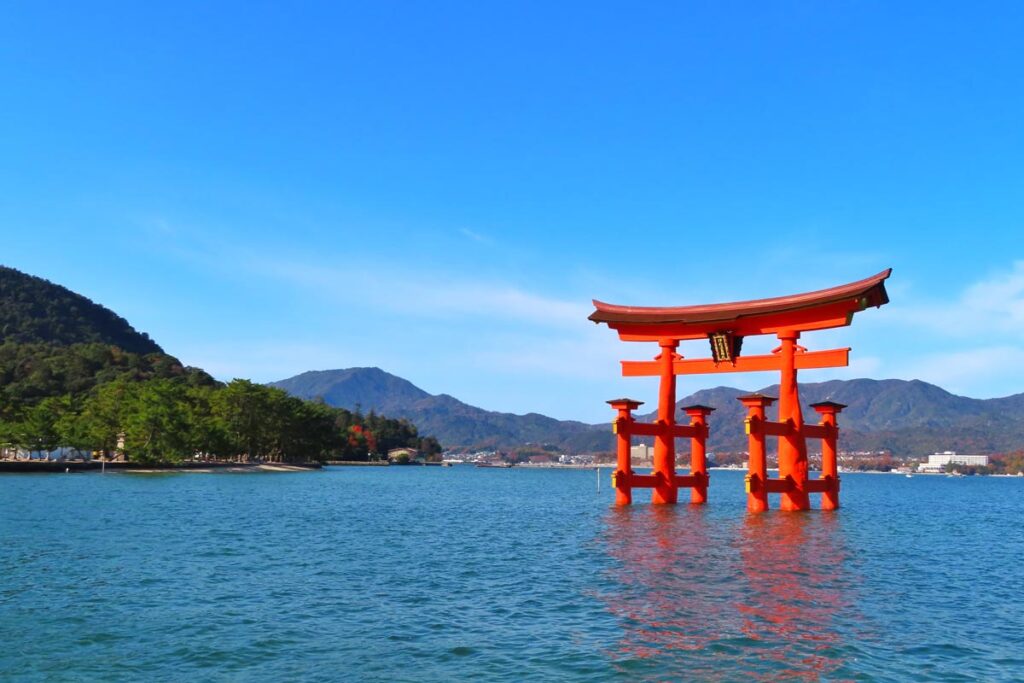
Miyajima (Itsukushima Shrine)
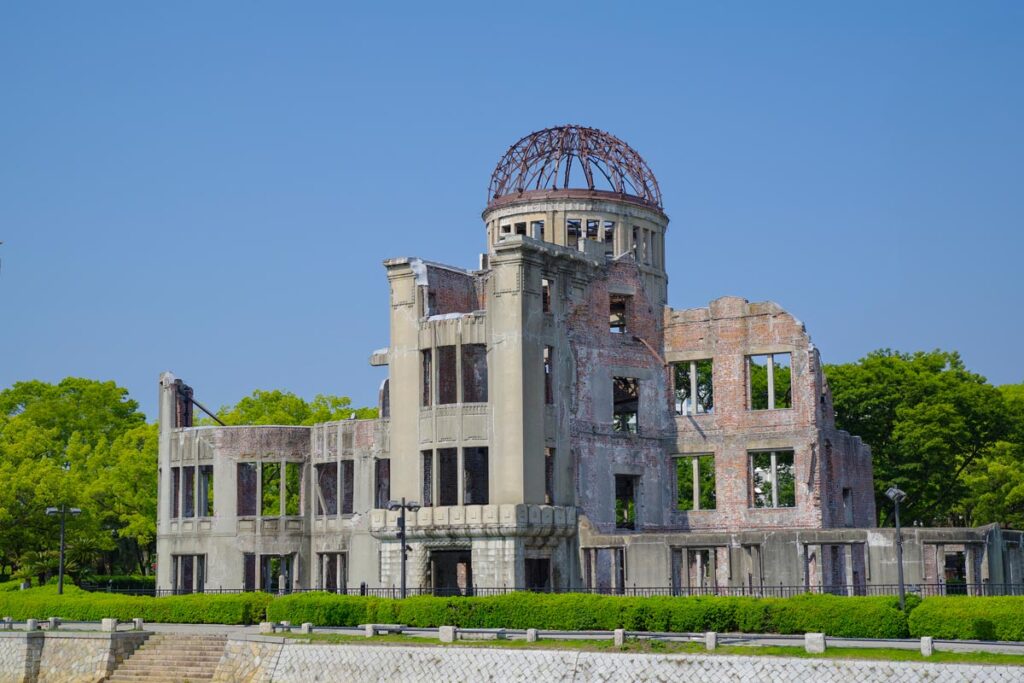
Atomic Bomb Dome
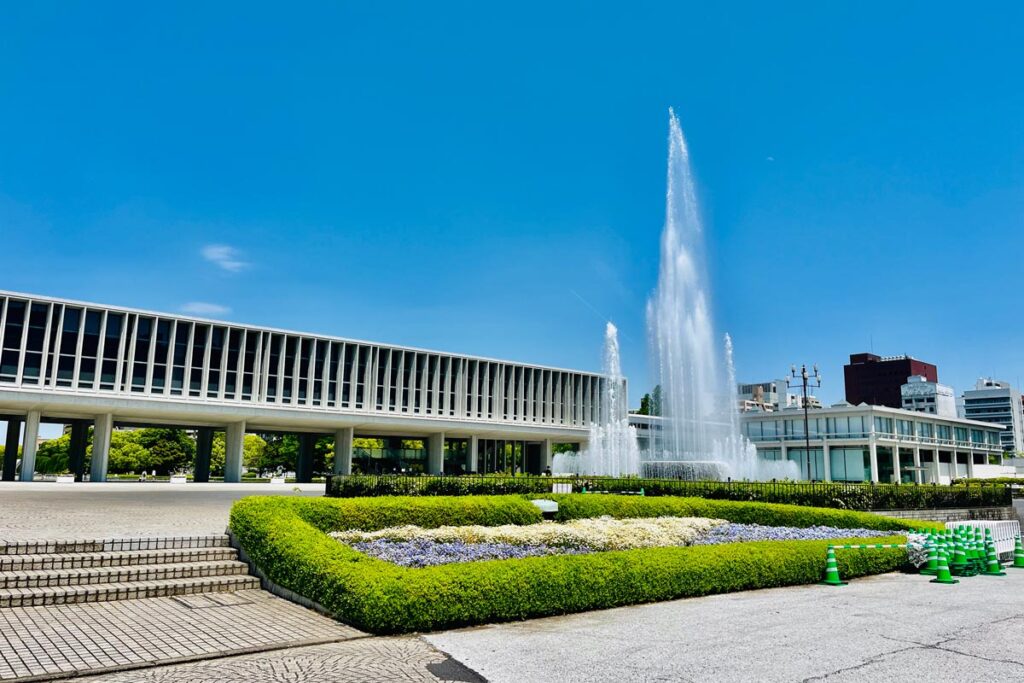
Hiroshima Peace Memorial Museum
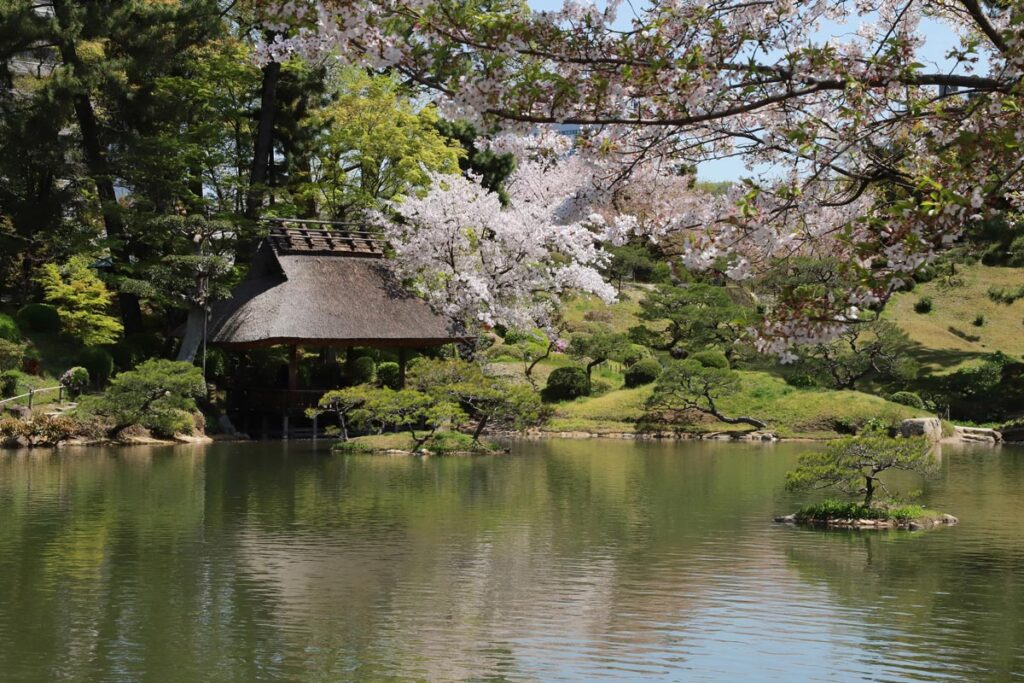
Shukkeien Garden
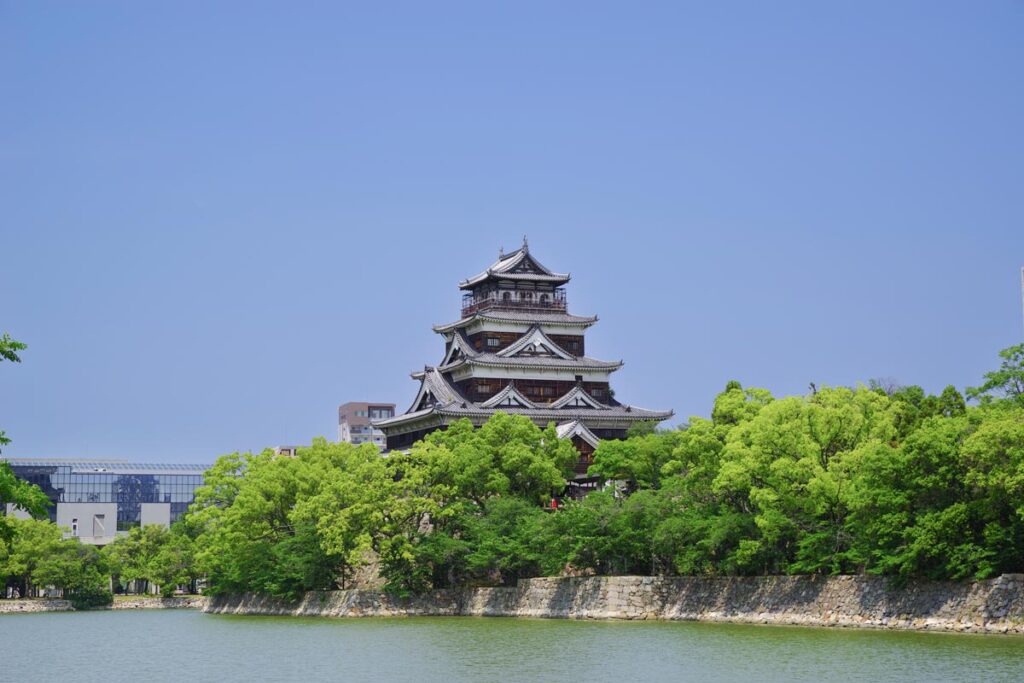
Hiroshima Castle
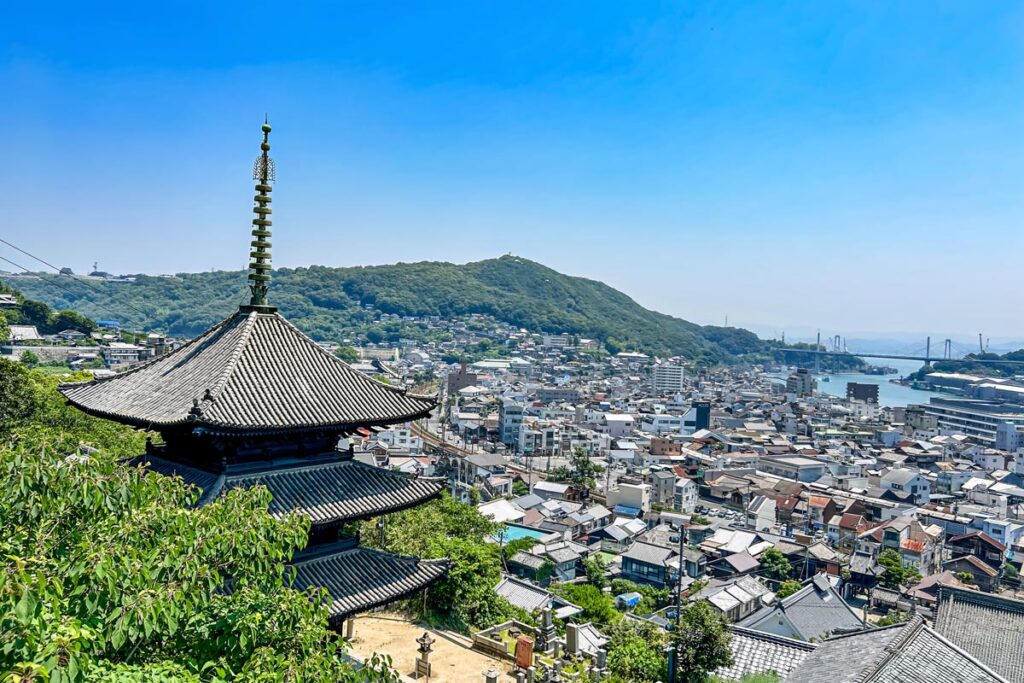
Onomichi
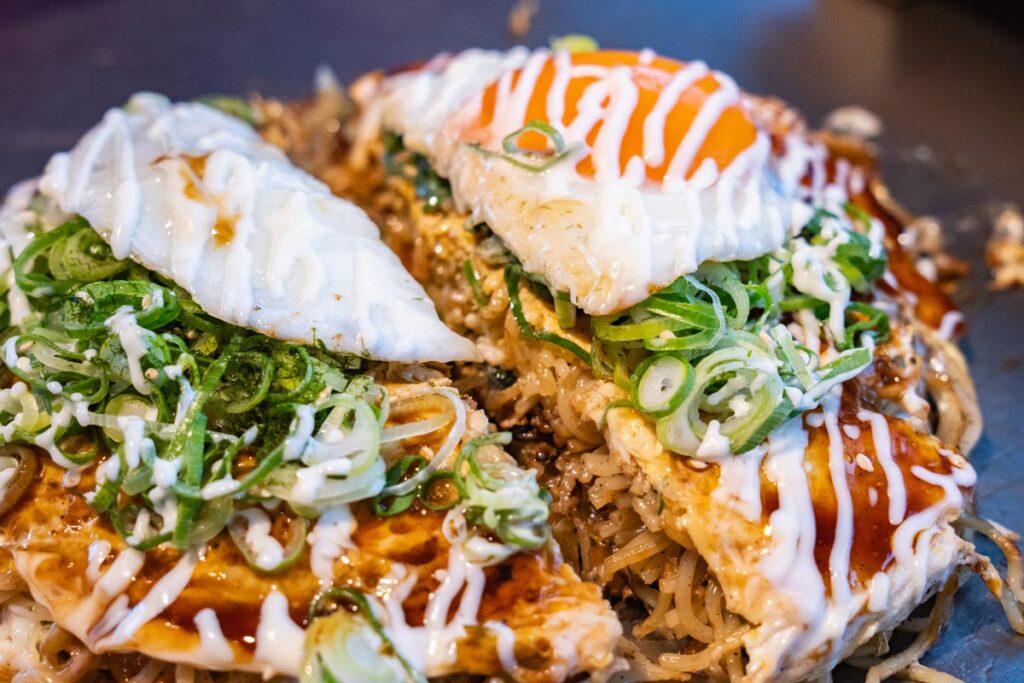
Okonomi-mura
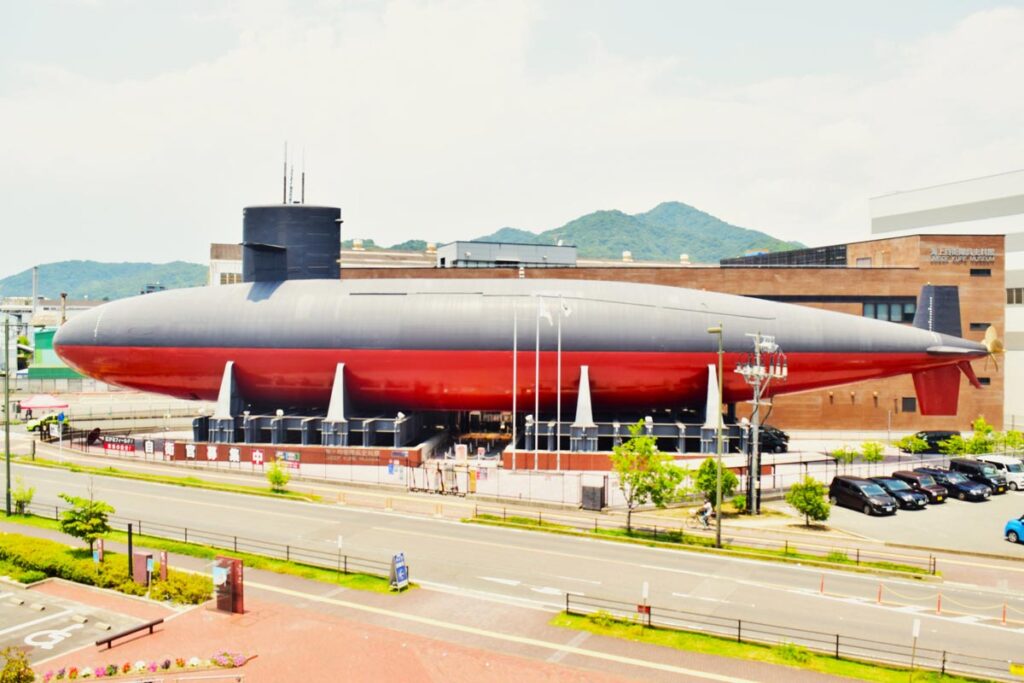
Kure
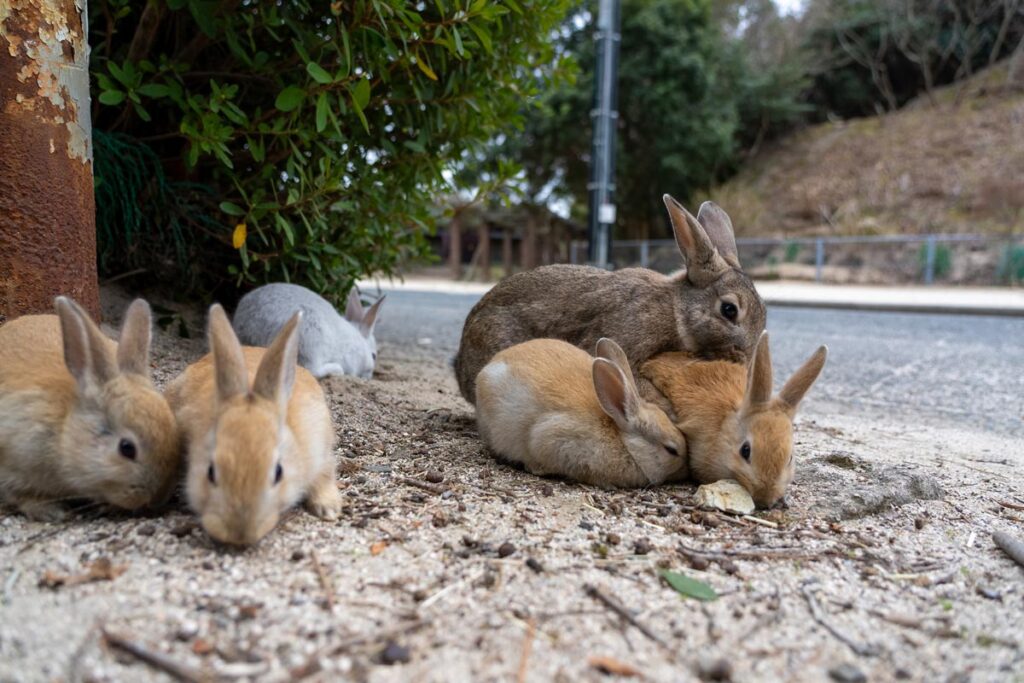
Okunoshima Island