




Saitama
Saitama Travel Guide: Easy Day Trips Just Outside Tokyo
Photos are for illustrative purposes only.
Just north of Tokyo, Saitama is one of Japan’s most overlooked destinations. For first-time visitors, it offers an ideal mix of traditional townscapes, anime culture, seasonal nature and crowd-free temples—all without straying far from the capital. With fast train links and budget-friendly attractions, Saitama is perfect as a day trip, a Tokyo base, or a gentle introduction to rural Japan.
Why Visit Saitama on Your First Trip to Japan?
Saitama Prefecture borders Tokyo, but the mood changes quickly once you arrive: streets are calmer, lines are shorter and local life feels more visible. For new travelers, this brings several advantages:
- Easy access from Tokyo: Most key spots are 30–60 minutes by train from central Tokyo stations.
- Less crowded than Tokyo and Kyoto: You can enjoy temples, shrines and old streets with more breathing room.
- Great value: Transport, food and admission fees tend to be cheaper than in Tokyo.
- Compact highlights: You can see historic districts, museums and nature in a single day.
- Beginner-friendly: Stations are well signed, and many attractions have basic English information.
Think of Saitama as a relaxed side of Japan: traditional but not intimidating, modern but not overwhelming.
How to Get to Saitama from Tokyo
Saitama is not a single city but a prefecture, with several areas worth visiting. Most travelers head to the southern part closest to Tokyo.
From Central Tokyo
- To Omiya (gateway city): Around 30 minutes from Tokyo Station on the JR Ueno-Tokyo Line or Shinkansen; around 30–40 minutes from Shinjuku on the Saikyo Line or Shonan–Shinjuku Line.
- To Kawagoe (historic town): About 30 minutes from Ikebukuro on the Tobu Tojo Line, or 60 minutes from Shinjuku on the Seibu Shinjuku Line.
- To Chichibu (mountains and nature): Approximately 80 minutes from Ikebukuro on the Seibu Railway Limited Express.
You do not need the Japan Rail Pass for most trips, but you can use it on JR lines if you have one. IC cards such as Suica or PASMO are accepted on nearly all trains and buses in Saitama.
Top Places to Visit in Saitama
Kawagoe: Little Edo Townscape
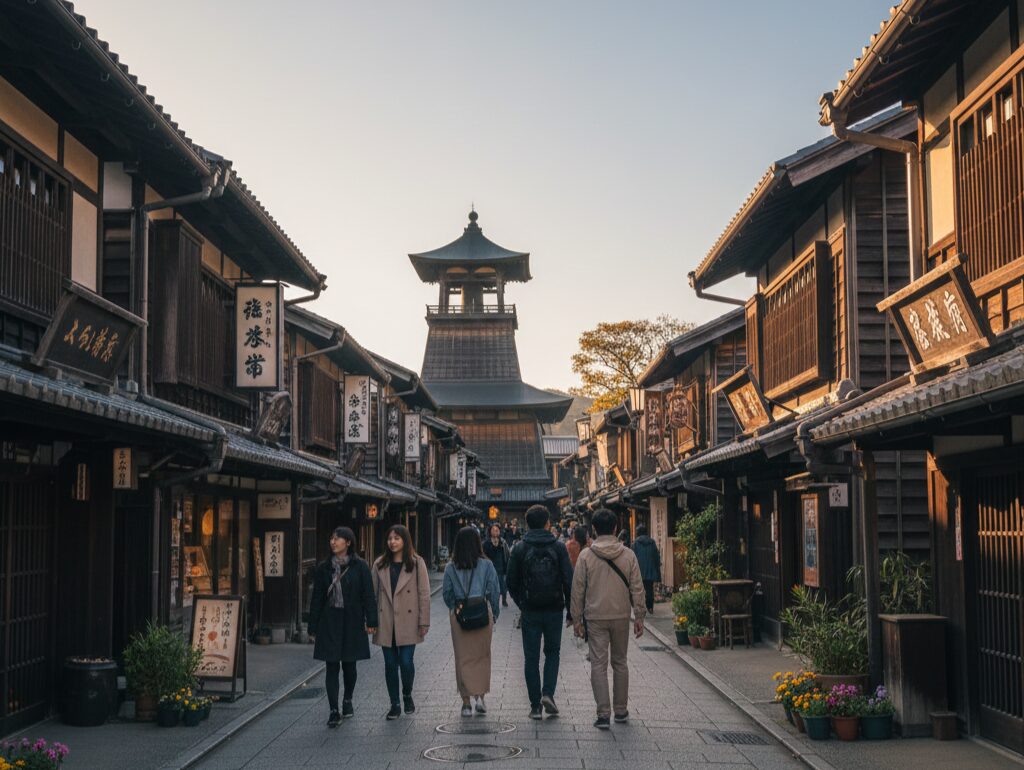
Kawagoe is Saitama’s most famous tourist spot and one of the easiest day trips from Tokyo. Known as “Little Edo” for its preserved Merchant Era townscape, it offers a taste of old Japan without traveling far.
The main streets are lined with kura-zukuri warehouses — traditional, thick-walled buildings once used by wealthy merchants. Today, they house cafes, sweet shops, craft boutiques and small museums. Walking here feels like stepping onto a historical film set, yet the area remains very much alive with locals and students.
Highlights in Kawagoe
- Toki no Kane (Time Bell Tower): A wooden bell tower that has marked the hours for centuries. The bell still rings several times a day, its sound echoing across the old streets.
- Kurazukuri Zone: The central historic district, perfect for strolling, street photography and sampling local snacks.
- Candy Alley (Kashiya Yokocho): A narrow lane filled with traditional candy shops selling nostalgic sweets, rice crackers and colorful lollipops. It is especially fun for families.
- Kitain Temple: A Buddhist temple known for its collection of stone rakan (disciples of Buddha), each with a different expression. Parts of the temple were once buildings from Edo Castle, making it a rare connection to old Tokyo.
Visit Kawagoe in the late afternoon to catch the warm light on the warehouse facades, then stay into the evening when lanterns and shop signs begin to glow. Weekdays are calmer than weekends, but even at its busiest Kawagoe feels more relaxed than central Tokyo.
Omiya: Transport Hub with Surprising Greenery
Omiya, in Saitama City, is the main entry point for many visitors. At first glance it is a modern, commercial center, but it hides excellent parks, shrines and museums just a short walk from the station.
Omiya Bonsai Village and Bonsai Art Museum
North of Omiya Station lies one of Japan’s few remaining bonsai districts. After the Great Kanto Earthquake in 1923, bonsai growers relocated here from Tokyo, and a unique community formed around their craft.
Today, visitors can explore small nurseries and see miniature pines, maples and flowering trees carefully shaped over decades. The Omiya Bonsai Art Museum presents bonsai as an art form, with seasonal displays that reveal how these tiny trees mirror Japan’s changing seasons. Labels in English explain the techniques, making it an ideal introduction for beginners.
Hikawa Shrine and Omiya Park
Omiya’s Hikawa Shrine is one of the oldest Shinto shrines in the region, set at the end of a long, tree-lined approach. Locals visit to pray for good fortune and safe travels. The atmosphere is calm and deeply traditional, with vermilion buildings, stone lanterns and the soft sound of bells and hand-clapping rituals.
Nearby, Omiya Park provides expansive lawns, ponds and walking paths. In early April it becomes one of Saitama’s best cherry blossom spots, with food stalls, picnics and evening illuminations.
Chichibu: Mountains, Temples and Seasonal Festivals
For first-timers who want to experience Japanese countryside without long-distance travel, Chichibu is an excellent choice. Surrounded by mountains and rivers, the area offers hiking, hot springs and traditional shrines, yet still has convenient train access from Tokyo and Omiya.
Nature and Outdoor Activities
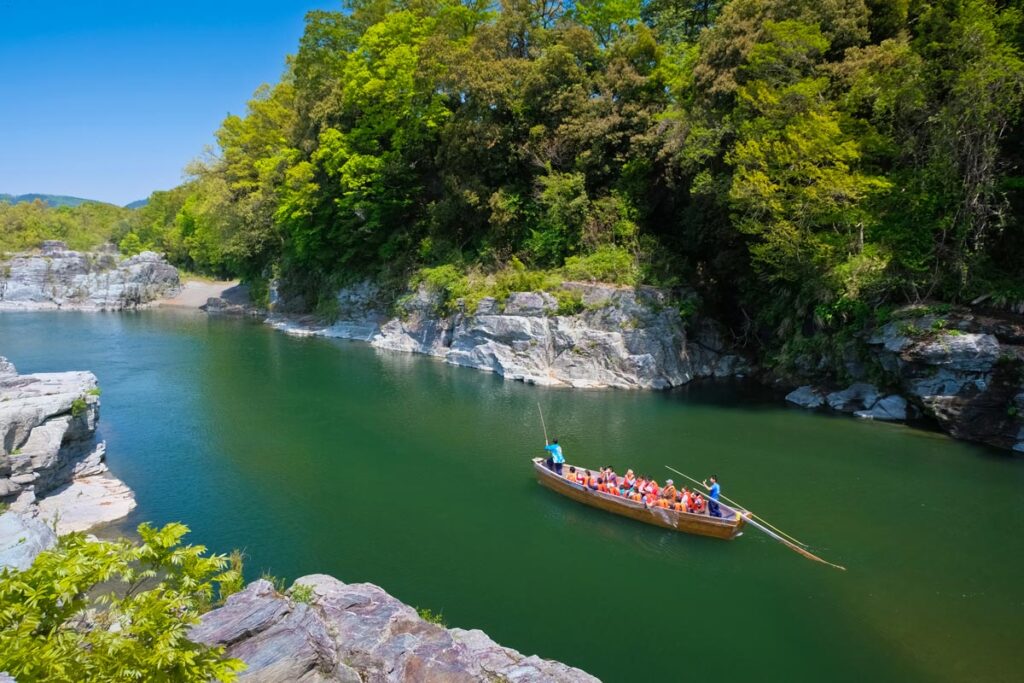
The Arakawa River winds through the region, with sections suitable for gentle rafting or boat cruises. Trails range from easy walks to more challenging hikes with panoramic views. Autumn is particularly beautiful as the forests turn red and gold.
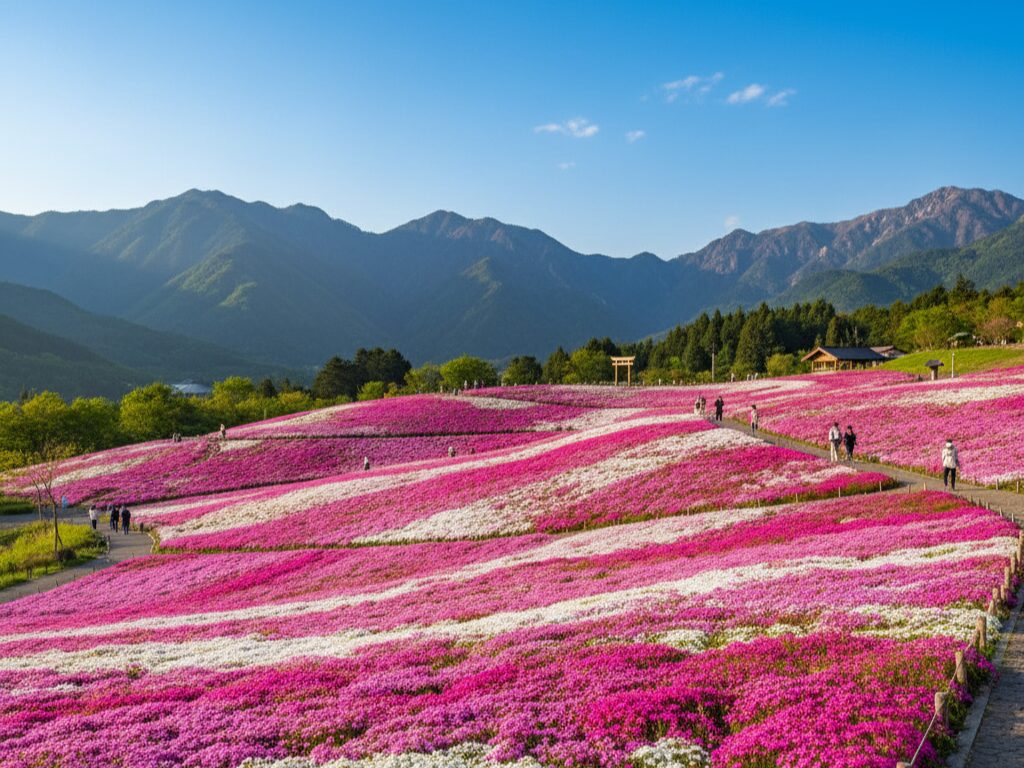
In spring, places like Hitsujiyama Park are carpeted in pink moss phlox (shibazakura), drawing visitors to its bright, patterned flower beds set against mountain backdrops.
Cultural Sights and Festivals
Chichibu is home to several shrines and temples, many with deep local histories. Chichibu Shrine, near Seibu Chichibu Station, is decorated with intricate wood carvings and has long been a spiritual center for the region.
The area is also known for its festivals. The Chichibu Night Festival in December, with enormous illuminated floats, is considered one of Japan’s great winter festivals. Even if you do not visit at festival time, local shops and museums showcase the floats and costumes used in these events.
An Attraction for Railway Fans: Railway Museum
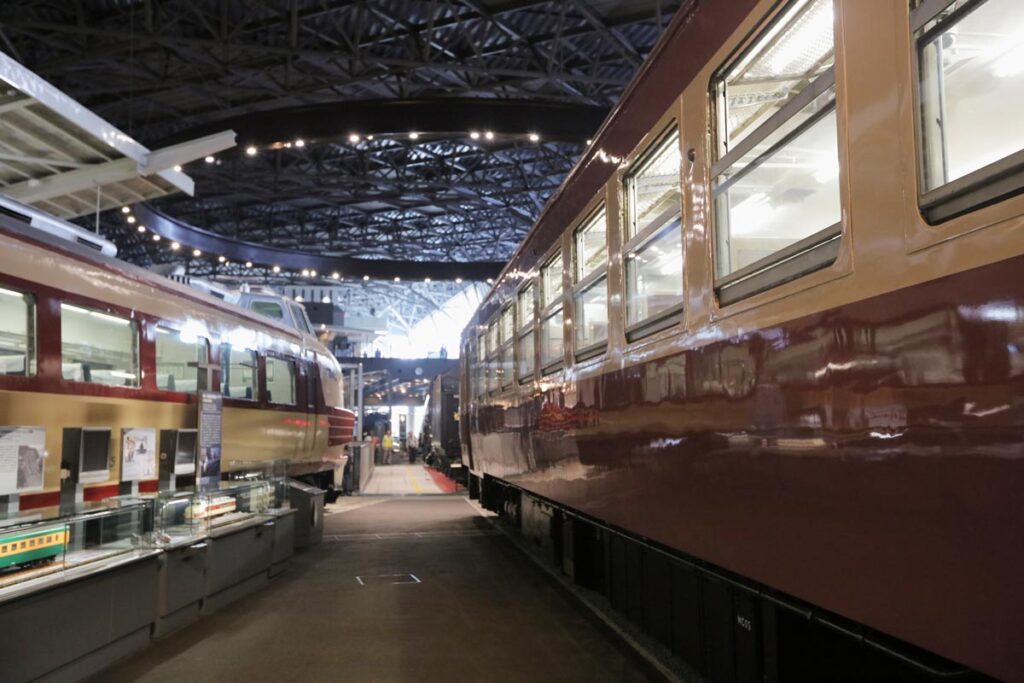
Close to Omiya Station, the Railway Museum is one of Japan’s best transport museums and an engaging stop even if you are not a train enthusiast. It traces Japan’s railway history from steam locomotives to Shinkansen, with full-size trains you can walk through, interactive exhibits and driving simulators.
Families particularly appreciate the children’s zones, while older visitors often enjoy the nostalgia of retro carriages and station designs. Exhibits frequently include English explanations, and the large windows of the upper floors overlook passing trains and Shinkansen lines below.
For Anime and Manga Fans
Saitama appears in a surprising number of anime and manga series, sometimes under its real name and sometimes as “Saitama Prefecture” or simply as a suburban backdrop. Although not as concentrated as anime districts in Tokyo, certain areas host themed events and collaborations, especially around stations and shopping malls.
Characters from popular series occasionally feature on local trains, posters and souvenirs. Tourist information centers can point you to current campaigns or small exhibitions, and many fans enjoy simply recognizing familiar scenery from their favorite shows as they ride local lines.
Best Time to Visit Saitama
Saitama can be visited year-round, but each season brings a different charm.
- Spring (March–May): Cherry blossoms around Omiya Park and riverside parks, plus fields of moss phlox in Chichibu. Temperatures are mild, but weekends during peak bloom can be busy.
- Summer (June–August): Lush greenery in mountain areas, river activities and evening festivals. Expect heat and humidity, especially in urban areas; mountain regions are slightly cooler.
- Autumn (September–November): Clear skies and colorful foliage in Chichibu and other hilly zones. This is one of the most comfortable times for outdoor exploration.
- Winter (December–February): Crisp, often sunny days, with occasional snow in higher areas. Illuminations and winter festivals create a special atmosphere, and major attractions are generally quieter.
Practical Tips for First-Time Visitors
Getting Around Saitama
- By train: Trains are the fastest and most convenient way to move between main cities and tourist areas. Timetables are frequent on major lines.
- By bus: Local buses connect stations to parks, museums and residential districts. Try to have the destination name written in Japanese or a map screenshot.
- On foot: Historic districts like Kawagoe and central Omiya are best explored on foot. Wear comfortable shoes, as you may walk more than expected.
Language and Etiquette
While English levels vary, staff at major stations and tourist information counters can usually assist with basic questions. In smaller shops and local restaurants, simple phrases, gestures and showing maps on your phone work well.
Remember these points of etiquette:
- Speak quietly on trains; phone calls are discouraged.
- Queue in marked lines for trains and buses.
- Carry your trash with you, as public bins are limited.
- When visiting shrines and temples, follow posted instructions and avoid loud behavior.
Food to Try in Saitama
Saitama does not have a single dominant regional dish, but it does offer comforting everyday foods and a few local specialties:
- Kawagoe sweet potatoes: Served as chips, cakes, ice cream and even in beer; sweet potatoes were historically a major crop in the area.
- Udon noodles: Thick wheat noodles in hot broth or chilled with dipping sauce, widely available at casual eateries and stations.
- Local confectionery: Traditional sweets made from rice, red beans and seasonal ingredients, especially around historic districts and temple approaches.
Prices are generally lower than in central Tokyo, making Saitama a good place to enjoy a relaxed lunch or coffee break without rushing.
Suggested One-Day Itineraries
Classic First Visit: Kawagoe from Tokyo
- Morning: Depart from Ikebukuro to Kawagoe; stroll the old warehouse district and visit Toki no Kane.
- Lunch: Try a local restaurant featuring sweet potato dishes or simple set meals.
- Afternoon: Explore Candy Alley and visit Kitain Temple; stop at cafes or souvenir shops.
- Evening: Return to Tokyo in time for dinner.
Culture and Nature: Omiya and Chichibu
- Morning: Travel to Omiya; visit the Railway Museum or Hikawa Shrine and Omiya Park.
- Lunch: Eat around Omiya Station, then take a train towards Chichibu.
- Afternoon: Walk around Chichibu Shrine and nearby streets, then enjoy a short hike or river stroll.
- Evening: Relax in a local hot spring facility before heading back to Tokyo.
Making Saitama Part of Your Japan Journey
For many international visitors, Japan’s first impression is of neon lights, bullet trains and famous temples packed with people. Saitama offers a different but complementary picture: regional festivals, quiet shrines, ordinary neighborhoods and landscapes that locals visit on weekends.
Adding a Saitama day trip to your itinerary lets you experience this slower side of Japan without complicated planning. Whether you choose Kawagoe’s historic streets, Omiya’s bonsai gardens or Chichibu’s mountain scenery, you will see why residents value Saitama as a place to live, relax and connect with tradition just beyond Tokyo’s fast pace.
As you plan your first journey to Japan, consider setting aside at least one day for Saitama. It may not appear on every standard tourist list, but it often becomes a quiet highlight that travelers remember long after their trip ends.

Access Map
Recommended spots in Saitama
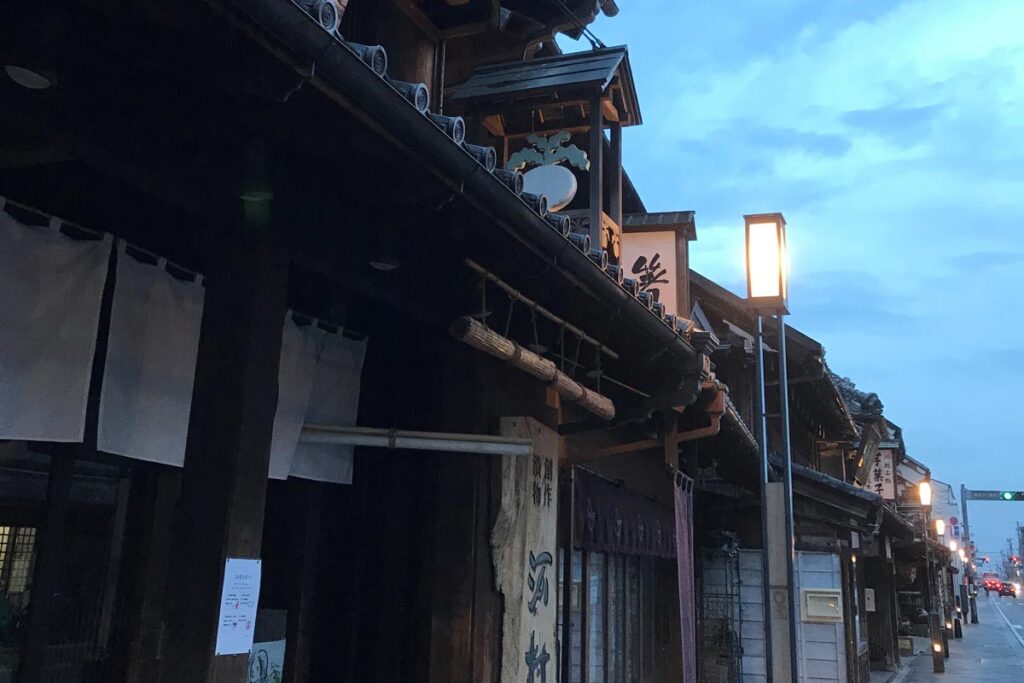
Kawagoe Ichibangai
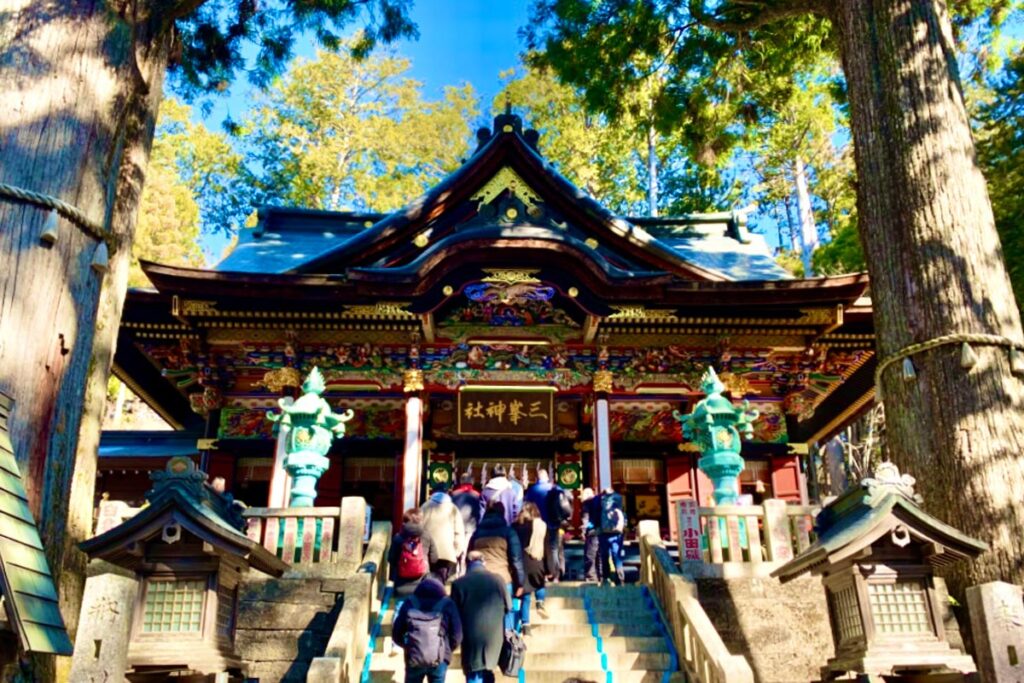
Mitsumine Shrine
Nagatoro
Railway Museum
Top destinations in Kanto Region
Tochigi
Kanagawa