
Sake Tasting
Sake Tasting in Japan: A First‑Timer’s Guide
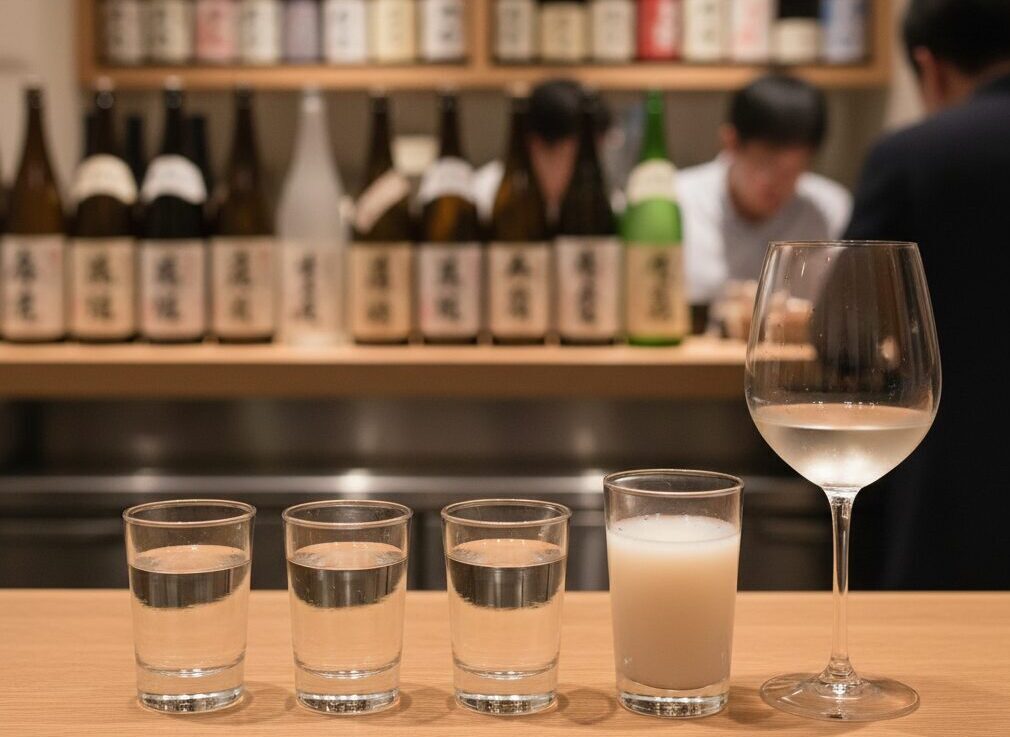
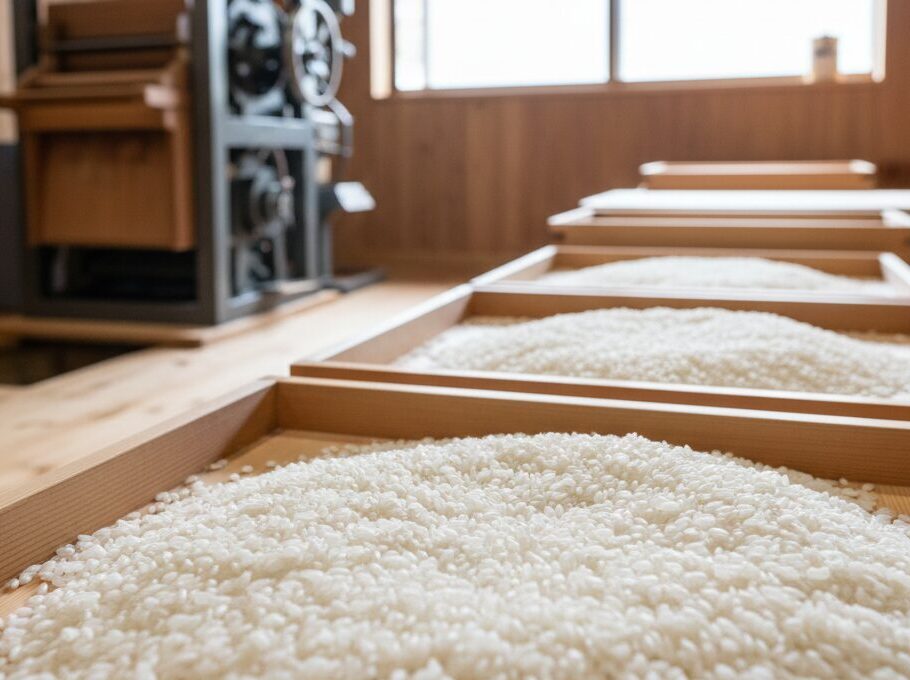
For many visitors, the first sip of real Japanese sake is the moment Japan begins to make sense. The drink appears simple in the glass, but behind each drop lies centuries of craftsmanship, regional pride, and a surprising range of flavor. Whether you know it as “sake” or by its Japanese name nihonshu, sake tasting in Japan is one of the most rewarding cultural experiences you can have on your trip.
What Exactly Is Sake?
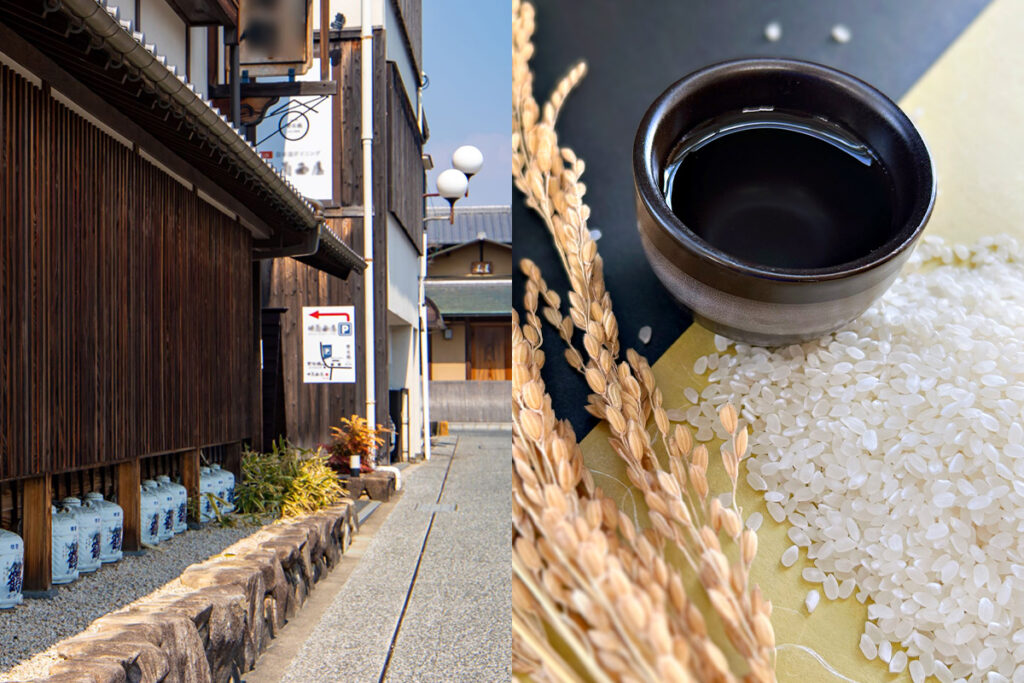
Outside Japan, “sake” is often used as a catch‑all word for Japanese alcohol. In Japan, however, the word for the drink you’ll be tasting is nihonshu (literally, “Japanese alcohol”). It is brewed from just a few ingredients: rice, water, koji (a fermentation starter), and yeast. This might sound simple, but the process is closer to making beer or wine than to distilling spirits.
The key to sake is polishing the rice. Brewers carefully grind away the outer layers of each grain, leaving a starchy core. The more the rice is polished, the more delicate and refined the flavor tends to become. The result can range from bold and savory to light and floral—far beyond the hot “sake shots” many visitors know from restaurants back home.
Basic Sake Styles You Should Know
When you walk into a bar, restaurant, or brewery, you will see labels that describe the style and quality of the sake. Learning a few terms will make your tasting experience far more enjoyable.
Junmai vs. Non-Junmai
Junmai (純米) means “pure rice.” These sakes are brewed only from rice, water, yeast, and koji, with no added alcohol. They often have a richer, rounder flavor and pair beautifully with food.
When you do not see “junmai” in the name, a small amount of distilled alcohol has been added. This can heighten aromas and sharpen the flavor, similar to fortifying wine. Both styles can be excellent; it’s a matter of taste.
Ginjo and Daiginjo
Two of the most common premium styles you’ll encounter are:
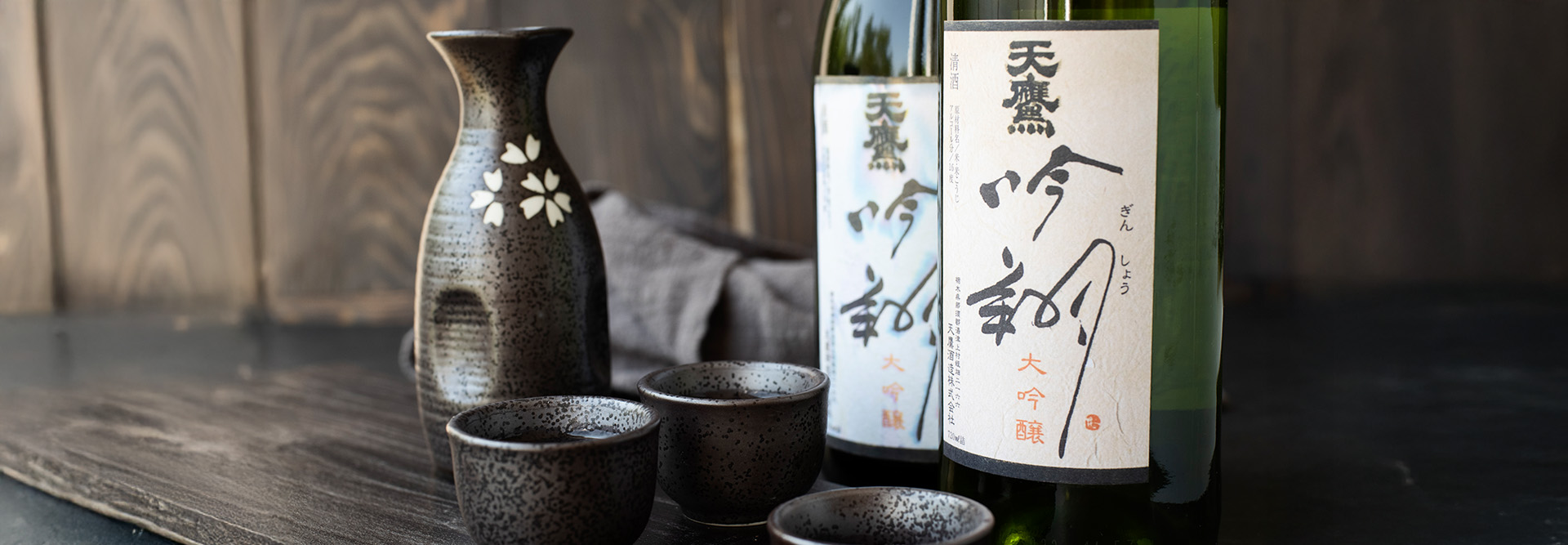
Ginjo (吟醸) – Made with highly polished rice and fermented at lower temperatures. Expect fruity aromas, like apple, melon, or banana, and a light, elegant body.
Daiginjo (大吟醸) – Even more polished and refined, often showcasing delicate, perfumed aromas with a silky, clean finish. These are excellent for special occasions or when you want to taste sake at its most refined.
If the label says Junmai Ginjo or Junmai Daiginjo, you’re getting the best of both worlds: pure rice brewing with a polished, aromatic style.
Other Styles to Look For
Honjozo (本醸造) – A classic style with moderate rice polishing and a small amount of alcohol added to enhance aroma. Often dry, smooth, and easy to drink.
Nama (生酒) – Unpasteurized sake, usually fresher, fruitier, and livelier. It must be kept chilled and is particularly exciting to taste at breweries and specialist bars.
Nigori (にごり) – Cloudy sake, lightly filtered so that some rice solids remain. It tends to be creamy and slightly sweet or tangy. Many first‑time visitors enjoy nigori because of its unique texture.
Futsūshu (普通酒) – Table sake, the equivalent of house wine. Quality varies, but it’s often what you’ll find in casual izakaya (Japanese pubs).
Hot or Cold? How to Drink Sake
One of the most common misconceptions is that sake must be drunk hot. In Japan, sake can be enjoyed at a wide range of temperatures, and the “right” one depends on the style and your preference.
Chilled (冷酒, reishu): Premium styles like ginjo and daiginjo are usually served chilled to highlight delicate aromas and a clean finish.
Room temperature (常温, jōon): Many junmai and honjozo sakes show their best at or just below room temperature, where savory and umami notes open up.
Warm (燗, kan): Certain robust junmai or honjozo sakes are wonderful warmed. Gentle heating can soften edges and bring out comforting, nutty, or rice‑porridge notes—perfect on a winter evening.
If you are unsure, don’t hesitate to ask staff: “Osusume no ondo wa arimasu ka?” (“Is there a recommended serving temperature?”). They will usually suggest how the brewer intended it to be enjoyed.
Sake Tasting Etiquette for Visitors
Japanese drinking culture is relaxed but has a few important customs that will make you feel more at home.
Pouring for Each Other
In a group, it is polite not to pour your own drink. Watch how locals pour for one another, holding the bottle with both hands when serving. When someone pours for you, lift your cup slightly with one hand and support it with the other to show appreciation.
When everyone has been served, a simple “Kanpai!” (cheers) signals the start of drinking together. You don’t need an elaborate speech.
How Much to Drink at a Tasting
Sake tastings often involve small pours in tiny cups or wine‑style glasses. You are not expected to finish every sample. Take a small sip, note the aroma and flavor, and if you are done, leave a little in the cup. If you do not want a refill, gently cover your glass with your hand or say “Kekko desu” (no thank you).
Public drunkenness is frowned upon, especially in rural areas and at traditional breweries. Pace yourself, drink water, and enjoy the tasting as a cultural experience, not a challenge.
Where to Go Sake Tasting in Japan
You can taste sake almost anywhere in Japan, from polished department store counters to rustic inns. For first‑time travelers, the following options are especially accessible.
Brewery Tours (Kura Visits)
Visiting a working sake brewery is one of the best ways to understand how deeply sake is woven into Japanese life. Guided tours typically show you the old cedar‑lined fermentation rooms, the rice polishing machines, and sometimes the traditional wooden barrels still in use.
Many breweries offer short video introductions with English subtitles, easy‑to‑understand diagrams, and tasting flights at the end of the tour. Some require reservations, especially in winter brewing season (roughly November to March), while others accept walk‑ins on weekends.
Look for breweries near major tourist cities. Many are just a short train ride away and can be combined with a half‑day trip out of town.
Sake Tasting Bars and Standing Counters
In big cities like Tokyo, Osaka, and Kyoto, you’ll find specialist sake bars and compact standing counters. These venues are ideal for beginners, as they often have tasting sets and English menus or staff who can explain the basics.
Ask for a tasting flight that includes a variety of styles—perhaps a junmai, a ginjo, and a nigori. Don’t be shy about telling the staff what you like in other drinks: “fruity,” “dry,” “sweet,” or “rich.” They can match these preferences to similar sake profiles.
Department Stores and Train Stations
Major department stores often have impressive sake sections in their basement food floors, known as depachika. On weekends, staff frequently offer free or low‑cost tastings, allowing you to sample regional varieties without leaving the city center.
Similarly, large train stations in sake‑producing regions may have dedicated tasting counters where you can insert coins to sample small amounts from vending‑style machines. It’s a fun way to explore the local flavor before boarding your next train.
Sake Regions Worth Exploring
Nearly every prefecture in Japan produces sake, but some areas are particularly famous. If you’re planning your itinerary, consider including one or two sake regions.
Hyogo and Nada: Classic Breweries Near Osaka
The port area of Nada in Hyogo Prefecture, close to Kobe and Osaka, has long been one of Japan’s most important brewing districts. Here, access to high‑quality rice, pure water, and cool sea breezes created perfect conditions for large‑scale brewing.
Many well‑known brands maintain visitor‑friendly breweries and museums in this zone. It’s easy to combine a few brewery visits with sightseeing in Kobe or a day trip from Osaka.
Niigata: Snow, Rice, and Clean Flavors
Niigata, on the Sea of Japan coast, is often associated with dry, clean, and food‑friendly sake. The region’s heavy snowfall and pristine mountain water, together with famous rice varieties, give its sake a distinctive lightness.
Niigata City and the nearby town of Nagaoka both offer tasting centers where you can try dozens of local labels in small pours. If you enjoy pairing sake with seafood, this region is a particularly good choice.
Kyoto and Fushimi: Elegant and Soft
South of central Kyoto lies Fushimi, another historic brewing district. Its sake is often described as soft and slightly sweet due to the characteristics of the local water. Many breweries here combine tasting with atmospheric riverside walks and visits to nearby shrines such as Fushimi Inari Taisha.
Hiroshima, Akita, and Beyond
Other well‑known regions include Hiroshima, famous for its innovative brewing techniques; Akita in the north, known for fragrant, refined styles; and Yamagata, home to a growing number of boutique breweries. As you travel, watch for local bottles proudly displayed in restaurants—ordering the regional sake is an easy way to connect with the place you’re visiting.
How to Read a Sake Menu
Japanese sake menus can look intimidating, but a few key numbers and words will help you navigate.
SMV / Nihonshudo (日本酒度): This scale roughly indicates dryness or sweetness. Positive numbers (e.g., +5) are generally drier; negative numbers (e.g., −2) tend to be sweeter. This is only a guide, but useful when choosing between options.
Acidity: Often listed as a small number like 1.3 or 1.8. Higher acidity can mean a sharper, more food‑friendly sake; lower can feel softer and smoother.
You can always point to the menu and ask, “Kore wa don’na aji desu ka?” (“What kind of taste is this?”). Staff are usually delighted to explain, even with limited English, using words like “dry,” “sweet,” “fruity,” or “rich.”
Pairing Sake with Japanese Food
Sake is remarkably versatile at the table, and tasting it with food brings out nuances you might miss when sipping alone.
With sushi and sashimi: Clean, dry, or slightly fragrant ginjo works beautifully. Chilled sake can accentuate the sweetness of fresh fish.
With grilled dishes and hot pots: Junmai or honjozo, slightly warmed, complements the richer flavors of grilled chicken skewers, beef, or hearty stews.
With spicy or strongly seasoned foods: A touch of sweetness—perhaps a fruity ginjo or a soft nigori—can balance chili heat or salty sauces.
Many izakaya offer “chef’s recommendations” on the menu, pairing specific dishes with particular sake. Trying these sets can be a relaxed way to learn what you like.
Practical Tips for First‑Time Sake Tasters
To make the most of your sake tasting experience in Japan, keep a few practical points in mind.
Timing Your Visit
The sake brewing season runs through the colder months, but tastings are available year‑round. Winter and early spring may offer deeper insights into the production process, while summer can be ideal for enjoying crisp, chilled styles.
Language and Reservations
In major cities and popular tourist regions, you’ll often find English‑friendly breweries and bars. Some breweries require advance booking for tours, especially on weekends or during peak seasons like cherry blossom and autumn leaves. Booking via your hotel concierge or tourist information center can be helpful.
Buying and Bringing Sake Home
Most breweries and specialist shops will pack bottles carefully in protective boxes or bubble wrap. Many also offer smaller 300 ml or 500 ml bottles, which are easier to transport. Check your airline’s luggage rules and your home country’s customs limits for alcohol before you buy several bottles.
You cannot bring liquids such as alcohol through the security gates, but there are shops after security that stock a wide variety of local sake, so you can make a last-minute purchase before boarding.
Embracing Sake as a Window into Japan
Sake is more than a drink; it is present at Shinto shrine ceremonies, family celebrations, and everyday meals. By taking the time to taste and learn about it in Japan, you are connecting with an essential part of the country’s identity.
Whether you’re touring a centuries‑old brewery in the countryside, sampling elegant ginjo at a chic Tokyo bar, or clinking tiny cups with new friends at a neighborhood izakaya, sake tasting invites you to slow down and savor the moment. Approach it with curiosity, ask questions, and let each sip guide you deeper into the flavors—and stories—of Japan.

Useful Links

Tokyo Sake Tasting Class with a Sake Professional
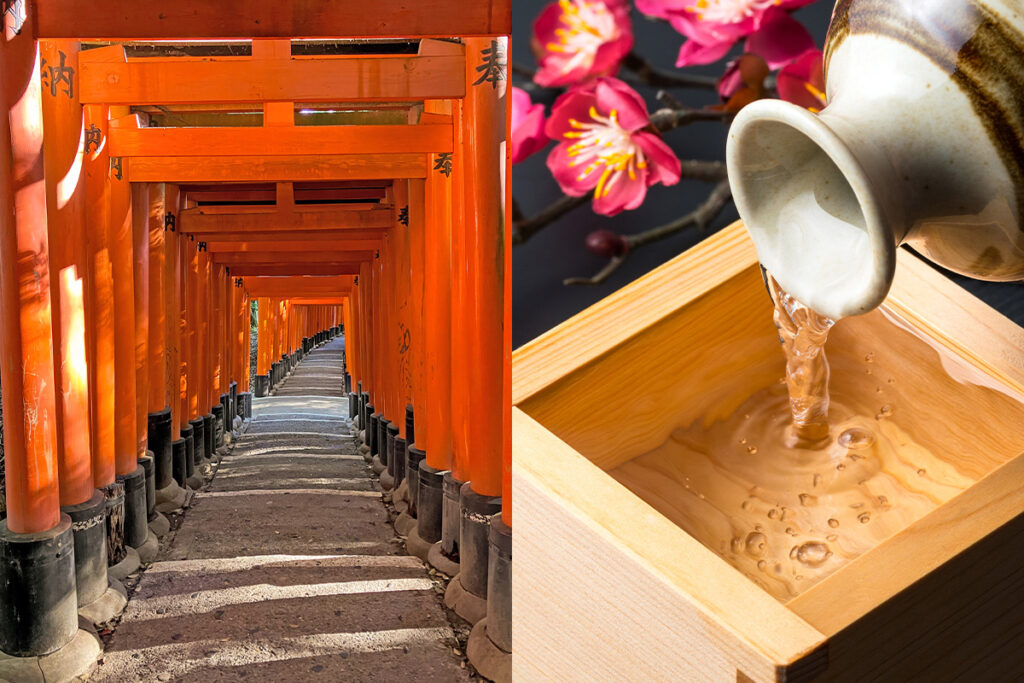
Kyoto 3-Hour Insider Sake Brewery Tour with Tastings & Pairings
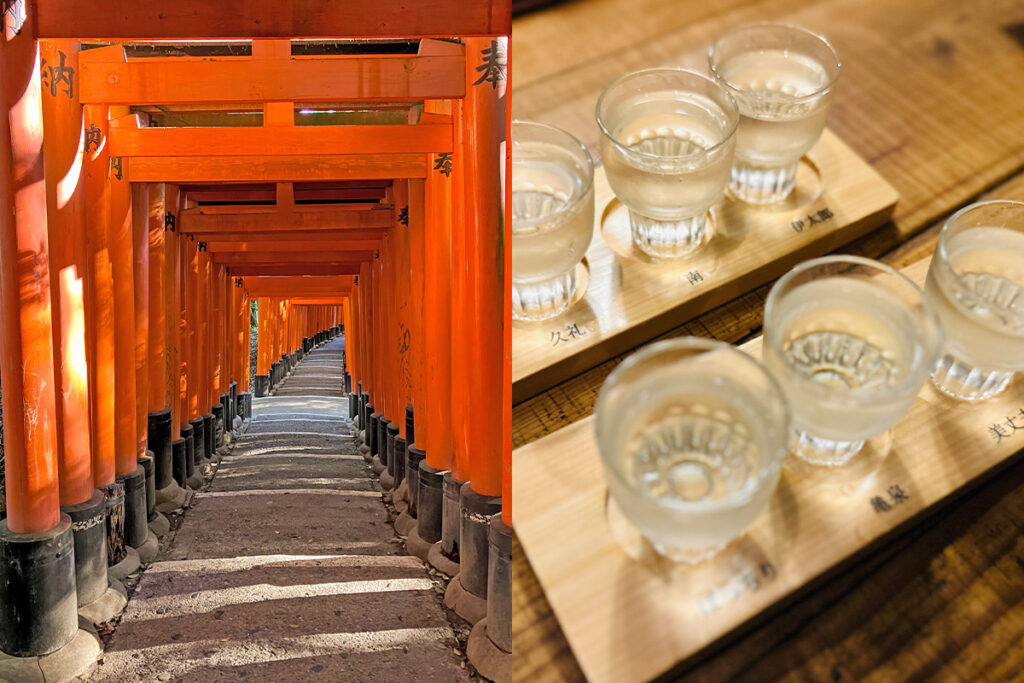
Kyoto Seasonal Sake Tasting Experience