

Sakurajima
Sakurajima Travel Guide: How to Visit Japan’s Fiery Island Volcano
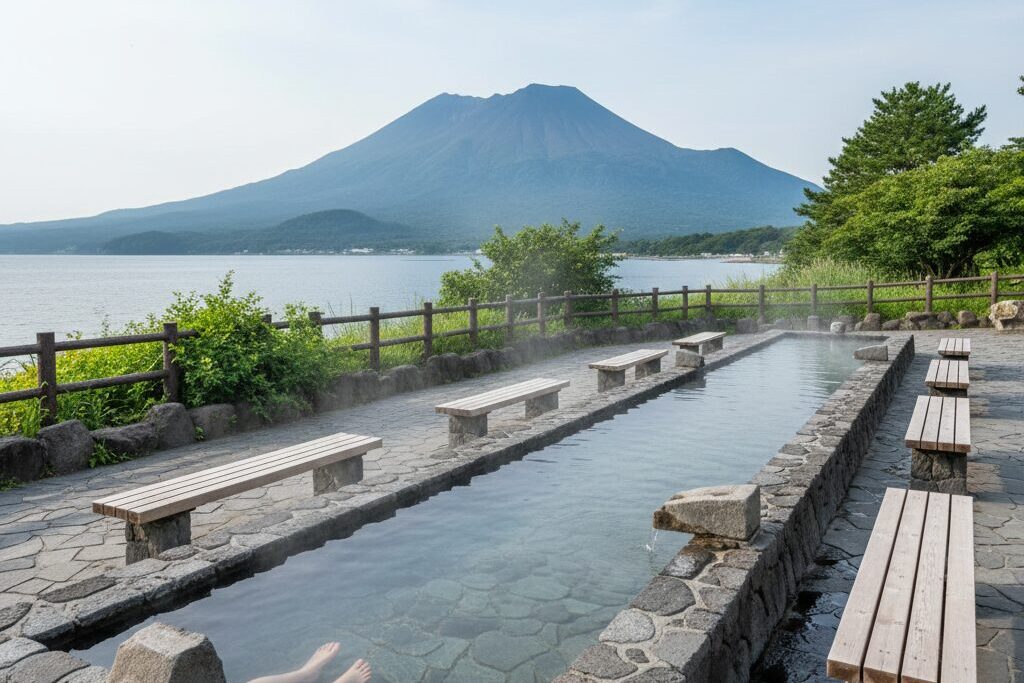
Photos are for illustrative purposes only.
Sakurajima is one of Japan’s most dramatic natural sights: an active volcano rising from the sea just off the coast of Kagoshima in southern Kyushu. Clouds of ash, rugged lava fields, seaside hot springs, and peaceful citrus orchards all coexist in a surprisingly accessible destination that works as both a day trip and a longer stay.
This guide introduces Sakurajima for first-time visitors to Japan, with essential information on what to see, how to get there, local customs, and practical tips so you can enjoy this powerful landscape safely and respectfully.
Why Sakurajima Belongs on Your Japan Itinerary
Sakurajima literally means “Cherry Blossom Island,” but today it is more of a peninsula, linked to the mainland by lava flows from past eruptions. Despite its sometimes gentle name, this is one of Japan’s most active volcanoes, sending out frequent plumes of ash that remind you the earth beneath your feet is very much alive.
For many international visitors, Sakurajima offers a contrasting experience to Tokyo or Kyoto: open horizons, sea air, and a raw, volcanic landscape shaped by eruptions over centuries. It is also easy to visit from Kagoshima City, which serves as the gateway to the islands of southern Japan.
You will find:
- Regular, short ferry rides that make access simple
- Panoramic viewpoints and observatories
- Lava fields and coastal walking paths
- Hot spring footbaths with volcano views
- Local food such as huge daikon radishes and sweet citrus
The overall atmosphere is relaxed and rural, with the ever-present backdrop of the volcano giving a sense of quiet drama to everyday life.
Understanding Sakurajima’s Volcanic Nature
Sakurajima is part of the larger Aira Caldera, one of the most active volcanic regions in Japan. A major eruption in 1914 dramatically reshaped the coastline and created the land bridge that now connects the former island to the Osumi Peninsula.
Today, smaller eruptions are common, but the area is heavily monitored, and visitor access is managed carefully. You will see:
- Evacuation route signs and shelters along some roads
- Protective roofs over certain bus stops and facilities
- Fine volcanic ash (called kaseki or simply “ash”) on cars and buildings after eruptions
Living with the volcano has shaped local identity. Residents are used to cleaning ash off their homes and cars and even incorporate it into local products such as pottery and cosmetics. For visitors, it is a chance to see how people coexist with an active natural force, rather than treating the volcano as a purely dangerous or distant spectacle.
How to Get to Sakurajima
From Kagoshima City
The easiest way to visit is from Kagoshima City, which has good rail and air connections from major Japanese cities like Tokyo, Osaka, and Fukuoka.
The Sakurajima Ferry operates 24 hours a day between Kagoshima Port and Sakurajima Port, with frequent departures during the day. Crossing time is around 15 minutes, and you can ride as a foot passenger or with a car. Payment is typically made on arrival at the Sakurajima side when coming from Kagoshima.
At Kagoshima Port, clear signs in English point you toward the passenger entrance. There is no need to reserve in advance under normal conditions. Local residents, tourists, school children, and delivery trucks all share the same ferry, adding to the everyday, lived-in feel of this volcanic landscape.
Getting Around Sakurajima
Once you arrive, you have several options for getting around:
- Loop Bus: A convenient tour-style bus runs a circular route around key viewpoints and attractions. It is an easy option if you do not speak Japanese or prefer not to drive.
- Rental Car: Renting a car in Kagoshima allows you to explore more flexibly, especially if you want to stop frequently for photos or travel to less-visited areas.
- Taxi or Hired Car: For a shorter visit, a taxi or chartered car with a driver can be cost-effective and time-efficient, especially if traveling in a small group.
Roads are generally well-maintained, but some routes have speed limits and access restrictions for safety near the volcano. Always follow local signage and any guidance provided by the visitor center.
Top Sights and Experiences on Sakurajima
1. Yunohira Observatory
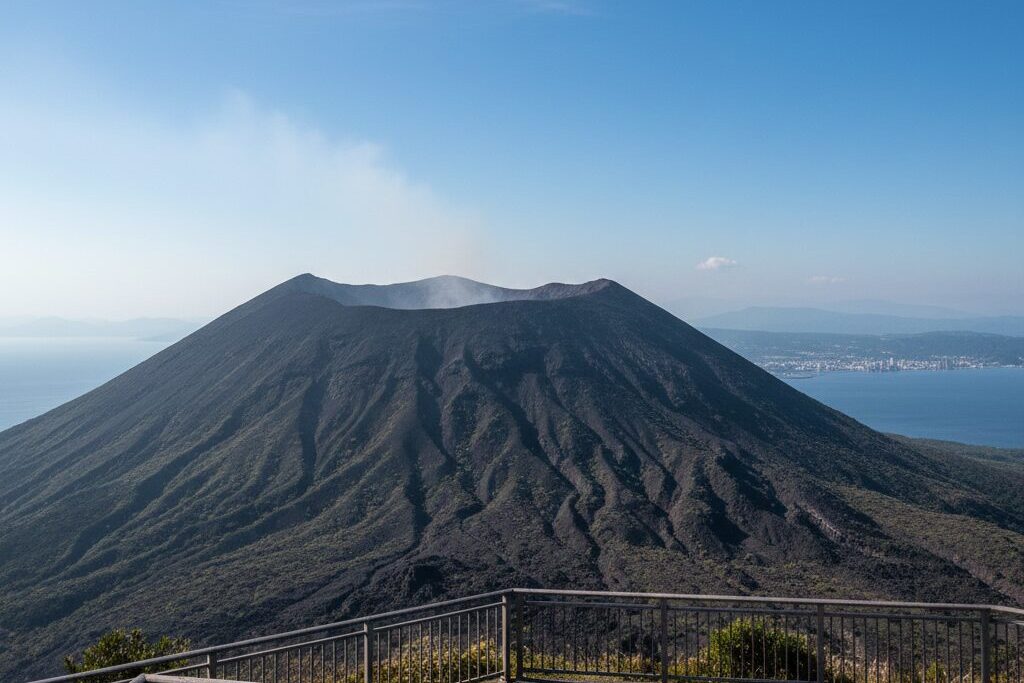
Yunohira Observatory is one of the best places to see Sakurajima’s main crater area up close from a safe distance. On clear days you can look across to Kagoshima City and the bay, with the dark volcanic slopes towering above you.
There are viewing platforms, information boards, and often vending machines for drinks. Conditions at the summit can change quickly, with strong winds or sudden mist, so bring an extra layer even in warmer months.
2. Karasujima Observatory and Coastal Views
Lower viewpoints along the coast, such as Karasujima Observatory, show how the volcano meets the sea. From here, you can see old lava flows reaching into the water and get a better sense of Sakurajima’s shape as it rises from the bay.
These coastal spots are particularly beautiful around sunset, when the colors of the sky reflect off the surface of Kinko Bay and the outline of the volcano becomes more dramatic.
3. Lava Fields and Walking Paths
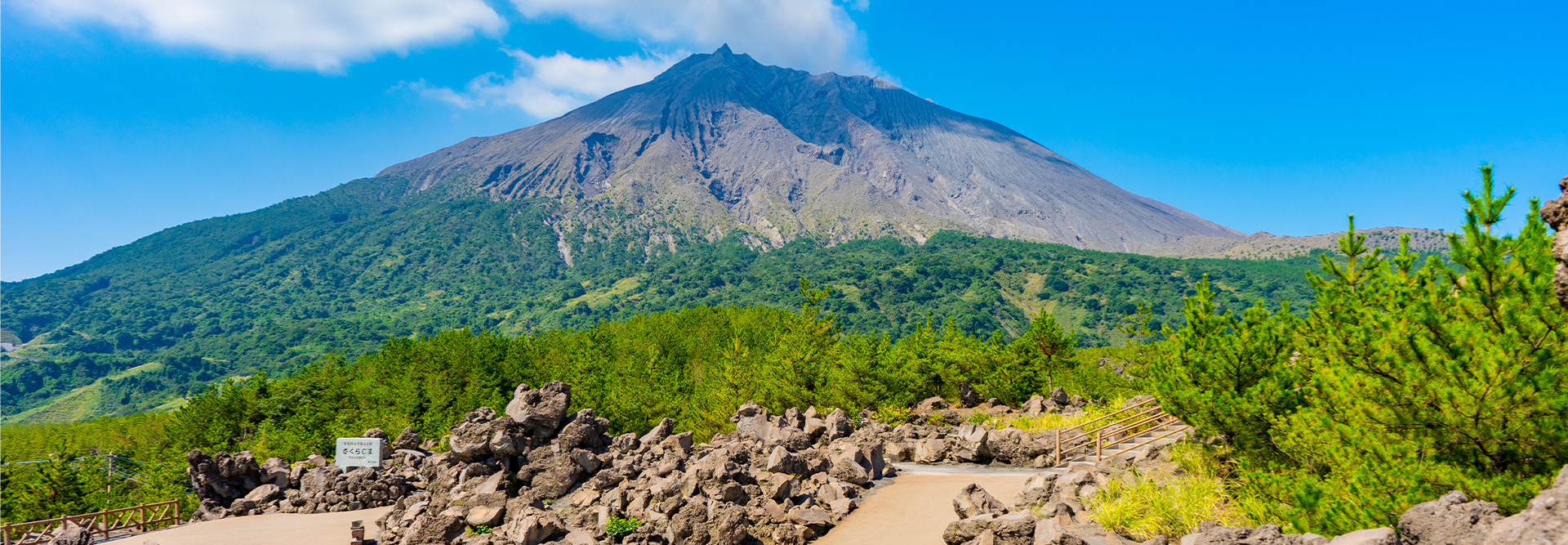
Large eruptions in the 20th century created striking lava fields around Sakurajima. Designated walking paths let you explore these rugged landscapes safely, with signboards in Japanese and often English explaining the history of each area.
The contrast between rough, dark lava rock and the green plants that have slowly returned over decades makes these trails especially interesting. You can see how nature reclaims even the harshest terrain, one small plant at a time.
4. Hot Spring Footbaths with a Volcano View
Hot springs, or onsen, are central to Japanese relaxation culture, and Sakurajima offers a very accessible version: outdoor footbaths, known as ashiyu. You soak only your feet and calves, so there is no need to undress.
These communal footbaths are usually free or very low cost. Simply remove your shoes, roll up your trousers, and sit on the edge with your feet in the hot mineral water. It is a peaceful way to watch the volcano and the sea, especially after walking or cycling around the island.
Remember to dry your feet thoroughly before putting shoes back on. A small towel is handy to carry in your day pack, as they are not always provided.
5. Sakurajima Visitor Centers and Local Museums
Visitor centers around Sakurajima provide useful context about the volcano’s history, how eruptions have affected local life, and how modern monitoring keeps residents safe. Exhibits may include photos from major eruptions, volcanic rocks you can touch, and models explaining how the caldera formed.
Stopping at a visitor center early in your trip helps you understand what you are seeing from each viewpoint, and staff can usually share up-to-date information on trail conditions, access, and any current volcanic activity.
Seasonal Highlights: When to Visit Sakurajima
Sakurajima is a year-round destination, but your experience will change with the seasons:
- Spring (March–May): Comfortable temperatures, fresh greenery, and on the mainland, cherry blossoms in Kagoshima City. Air tends to be clearer than in midsummer, offering good visibility of the volcano.
- Summer (June–August): Hot and humid, with the possibility of heavy rain in the rainy season and occasional typhoons later in summer. On very bright days, haze can reduce visibility, but long daylight hours allow unhurried exploration.
- Autumn (September–November): Often considered one of the best times to visit, with milder temperatures and generally good views. The volcano can look particularly dramatic under crisp autumn skies.
- Winter (December–February): Cooler but rarely extreme at lower altitudes. On particularly clear winter days you may enjoy some of the best long-distance views over the bay and surrounding mountains.
Regardless of season, conditions can change quickly near the volcano. Check local weather reports in Kagoshima before heading out, and bring layers, a hat, and sun protection if you plan to spend time outdoors.
Local Food and Specialties of Sakurajima
The fertile volcanic soil of Sakurajima produces distinctive local foods. Look for these regional specialties in shops and cafes:
- Sakurajima Daikon: A gigantic white radish that can grow to impressive sizes. It is mild and juicy, often served pickled or simmered.
- Satsuma Mandarin Oranges: Sweet citrus fruit grown in the mild climate around the bay, often sold as fresh fruit or juice.
- Local Seafood: The surrounding waters provide fish and shellfish that you may find in simple set meals at local restaurants.
Dining on Sakurajima tends to be informal and home-style. Menus may be written mainly in Japanese, but many places have plastic food models or photos. Pointing politely and saying “this please” in simple English usually works, and staff are generally patient with international visitors.
Safety Tips for Visiting an Active Volcano
Sakurajima is carefully monitored, and visitor routes are planned to avoid higher-risk areas. Still, it is important to follow basic guidelines:
- Stay on marked paths and obey all signs, including any sudden closures due to volcanic activity or weather.
- Check the latest conditions at a visitor center or tourist information office before setting out.
- If you have respiratory issues, be aware that volcanic ash and gases may occasionally affect air quality. Carry a mask if you are sensitive.
- Driving conditions may change when ash falls. Rental cars sometimes provide instructions for cleaning ash from windshields and air filters.
- In the unlikely event of a stronger eruption, follow instructions from local authorities and staff immediately.
For most visitors, volcanic activity appears as distant ash plumes and occasional rumbles, rather than anything directly threatening, but awareness and respect for local rules are essential.
Cultural Etiquette and Local Customs
Even in a rural and nature-focused destination like Sakurajima, Japanese cultural norms still apply. Keeping a few simple points in mind will help you travel respectfully:
- Quiet Appreciation: Viewpoints and footbaths are places where people relax and reflect. Keep voices at a moderate level and avoid loud music.
- Onsen and Footbath Manners: For footbaths, rinse your feet if a tap is provided, avoid splashing, and keep towels and bags out of the water.
- Respect Private Land: Not all scenic fields or paths are public. Avoid entering farmland, citrus groves, or private driveways for photos.
- Trash Disposal: Public trash bins are limited. Carry a small bag for your rubbish and take it back to your accommodation if necessary.
Learning a few basic phrases such as “thank you” (arigatou) and “excuse me” (sumimasen) goes a long way in building friendly interactions with residents.
Practical Tips for First-Time Visitors
- Clothing: Wear comfortable walking shoes with closed toes, as trails may be uneven or dusty from ash.
- Weather Protection: Bring a hat, sunglasses, and sunscreen in warmer months, and a windproof layer in cooler seasons.
- Cash and Cards: Some small shops and local buses may only accept cash. Carry a reasonable amount of Japanese yen, even if you usually rely on cards.
- Language: English may be limited in smaller establishments, but signs at major viewpoints and ferry terminals often include English and sometimes other languages.
- Connectivity: Mobile coverage is generally good around Sakurajima, but having offline maps can be reassuring if you are driving.
Combining Sakurajima with Nearby Destinations
Because Sakurajima is so close to Kagoshima City, it fits easily into a broader Kyushu itinerary. Many travelers combine a day on the volcano with:
- Exploring Kagoshima’s waterfront, museums, and gardens
- Visiting hot spring towns in the wider region
- Continuing onward by ferry to islands further south
Even if you only have a short time in southern Japan, a half-day excursion to Sakurajima can add a memorable, elemental dimension to your trip.
Planning Your Visit to Sakurajima
A visit to Sakurajima offers more than just checking an active volcano off your list. It is an opportunity to see how people live alongside powerful natural forces, to soak your feet in hot spring water while watching steam rise from the crater, and to experience a quieter, slower side of Japan.
With easy ferry access, clear viewpoints, and a good balance of nature and comfort, Sakurajima is approachable even for first-time visitors. Plan at least a half day, wear comfortable shoes, and give yourself time not just to take photos, but to sit, look, and feel the presence of one of Japan’s most iconic volcanoes.

Access Map
Recommended spots in Kagoshima
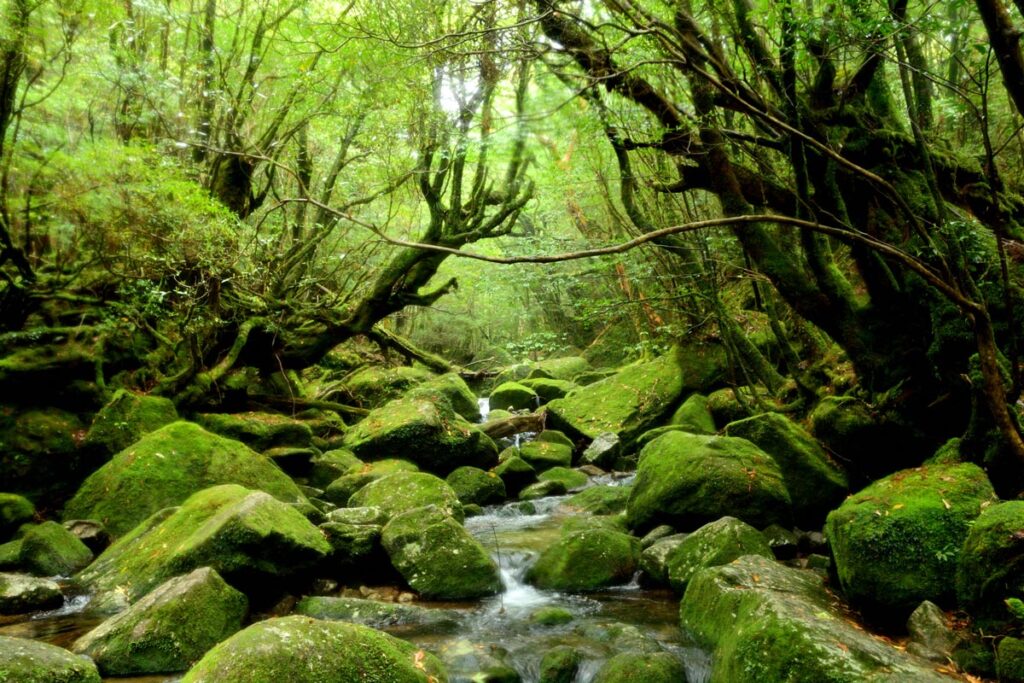
Yakushima Island
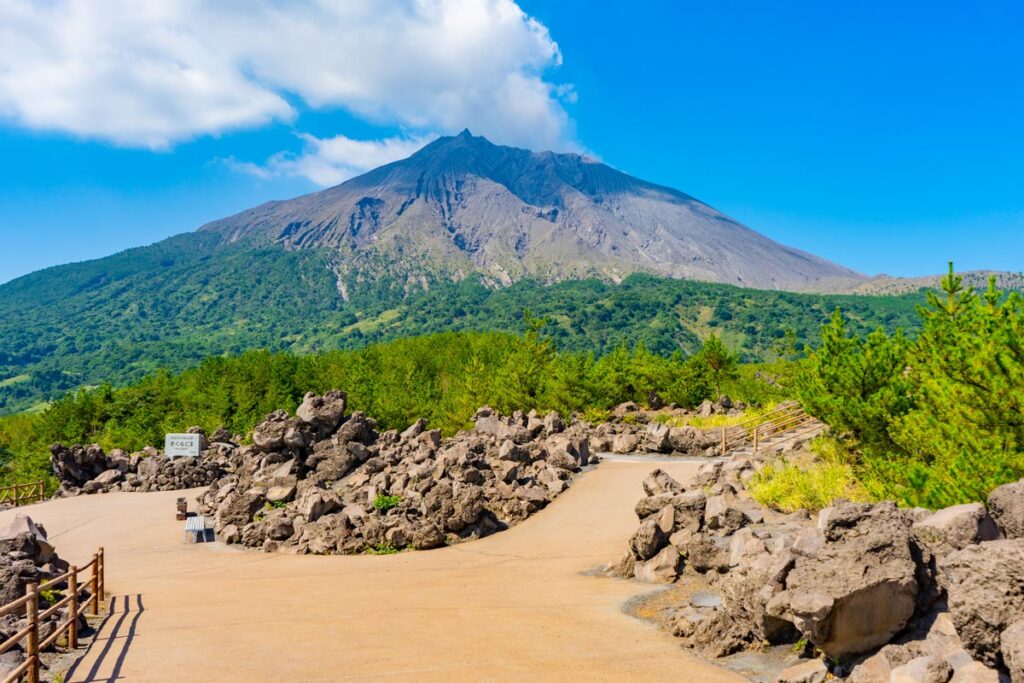
Sakurajima
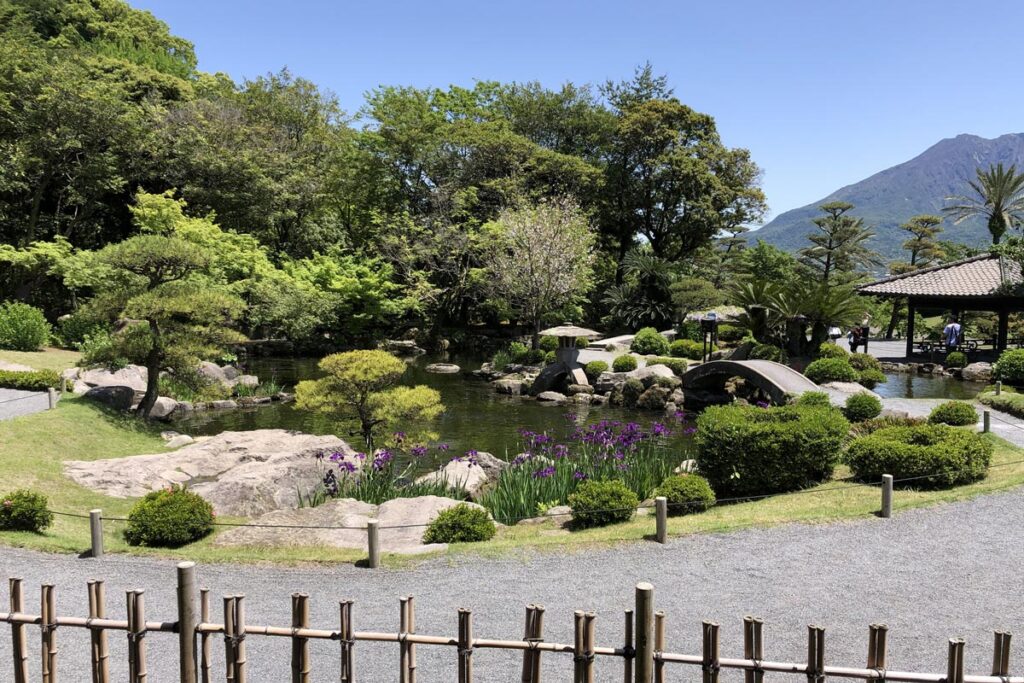
Sengan-en
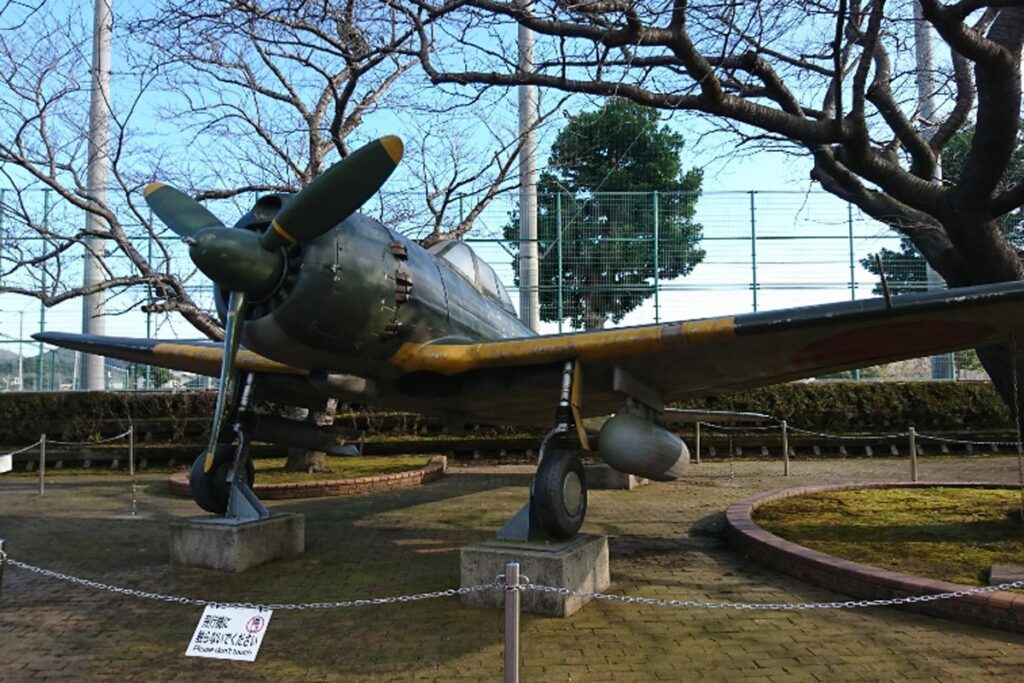
Chiran Peace Museum
Top destinations in Kyushu/Okinawa
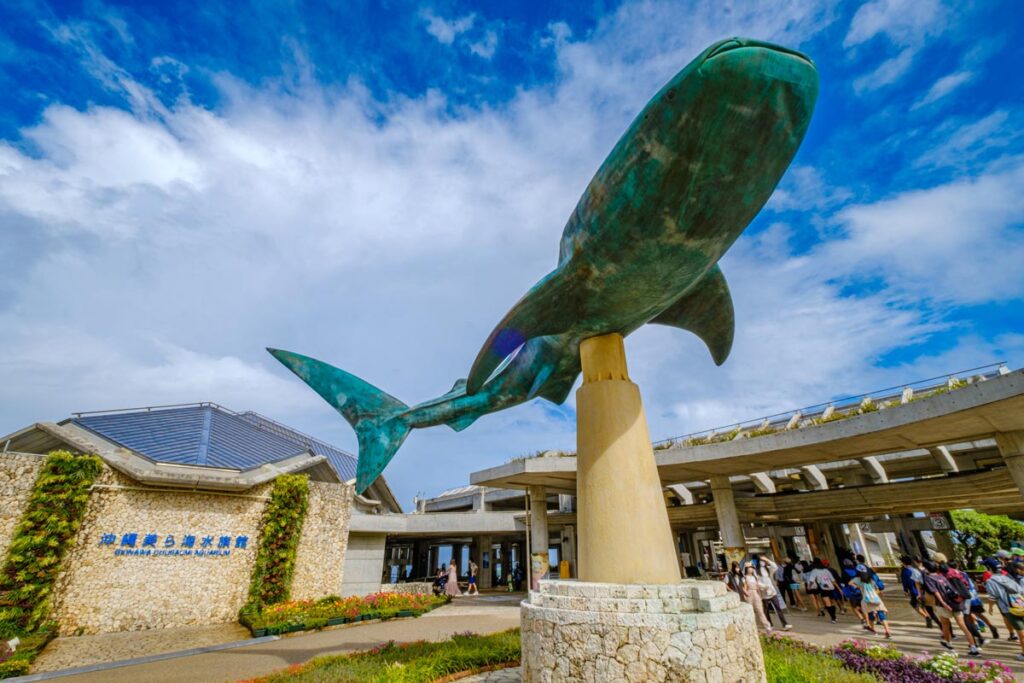
Okinawa
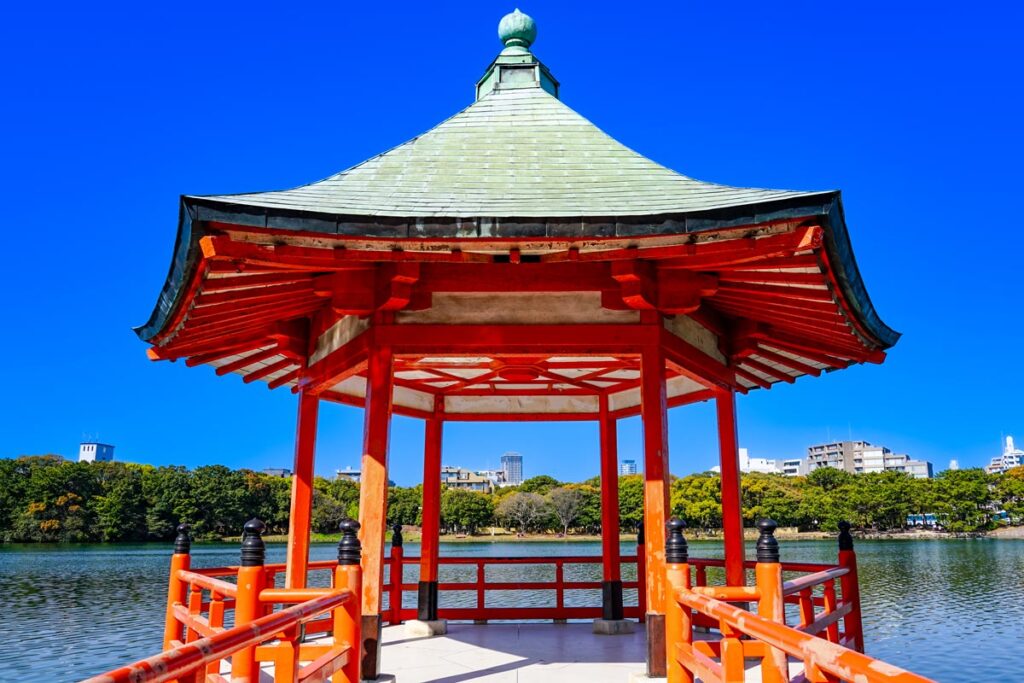
Fukuoka
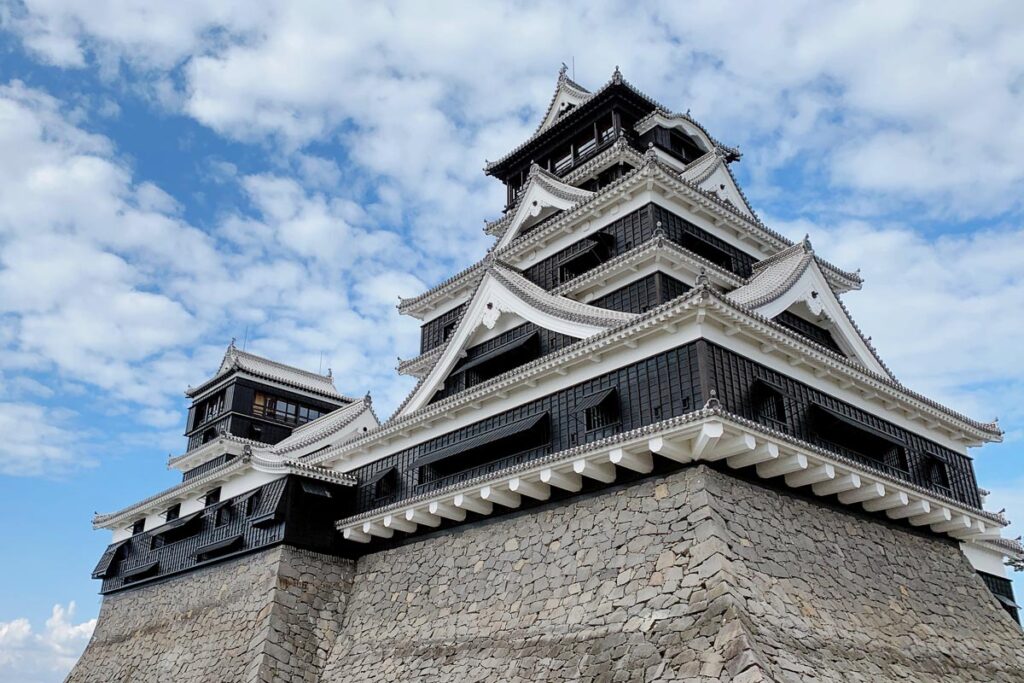
Kumamoto