




Samurai Experience
Samurai Experience in Japan: A First-Timer’s Complete Guide
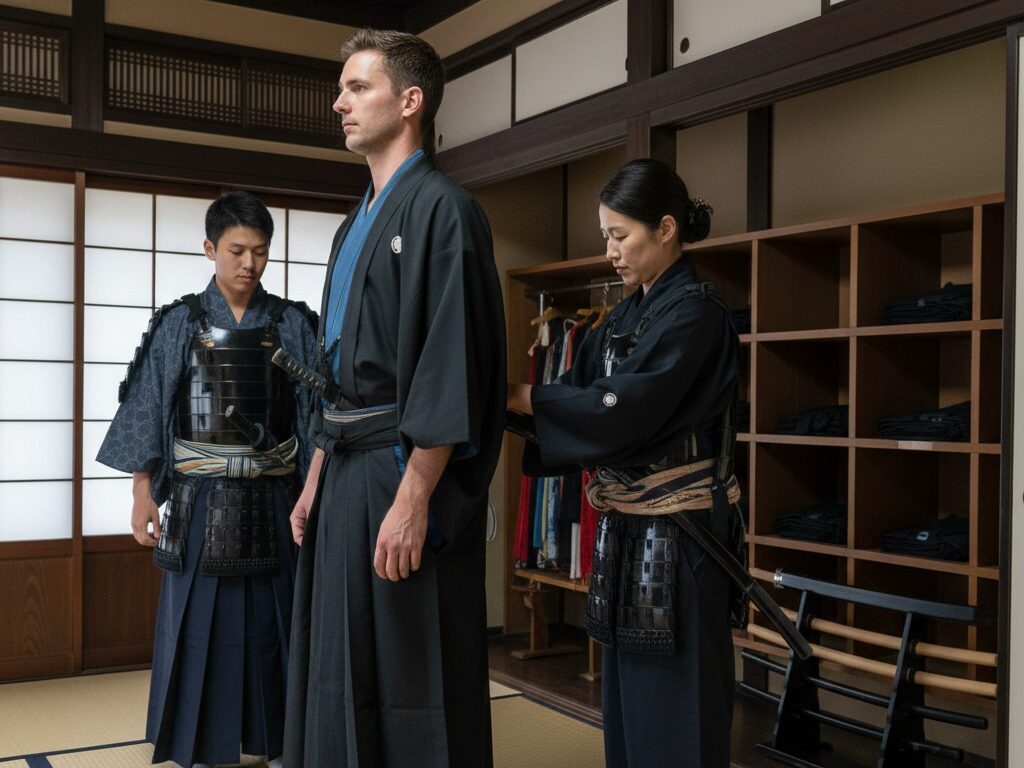
For many first-time visitors to Japan, the word “samurai” is one of the first images that comes to mind: a proud warrior in elegant armor, hand resting on a gleaming sword. Today, you can step into that world yourself with a modern Samurai Experience – a cultural activity that combines history, sword basics, and costume in an accessible way for international travelers.
This guide explains what a Samurai Experience actually is, what to expect, how to choose a good studio, and how to make the most of it on your first trip to Japan.
What Is a Samurai Experience?
A Samurai Experience is a hands-on cultural activity where visitors learn about the history and etiquette of Japan’s warrior class, handle replica swords, and often dress in traditional clothing such as kimono or armor. It is not just a photo opportunity; a well-run program introduces you to the bushidō spirit – the ethical code of loyalty, discipline, and self-control that shaped samurai life.
Most experiences are offered by specialized studios or dojos in major cities such as Tokyo, Kyoto, and Osaka. Sessions usually last from 60 to 120 minutes and are designed for beginners with no martial arts background.
Why Try a Samurai Experience?
Japan offers many ways to encounter its history – beautiful castles, well-preserved samurai districts, and famous film locations. A Samurai Experience is different because it is interactive. Instead of simply looking at armor in a museum, you learn how to bow, hold a sword, and move with basic techniques under the guidance of an instructor.
For first-time visitors, it is an ideal activity because:
- No experience is required – sessions start from zero and focus on safety.
- English support is common in major tourist areas.
- All ages can participate – many studios welcome families and older travelers.
- You gain insight into Japanese values like respect, humility, and discipline, not just combat.
Understanding Samurai Culture Before You Go
Knowing a little background will deepen your appreciation of the experience.
Who Were the Samurai?
The samurai were the warrior class that dominated Japanese society for centuries, from roughly the 12th to the 19th century. They served powerful lords (daimyō) and were expected to be skilled in battle yet refined in culture – able to read classical literature, practice calligraphy, and appreciate poetry and tea ceremony.
Their philosophy is often summarized by bushidō, the “way of the warrior,” emphasizing loyalty, courage, honesty, and a calm acceptance of death. While the romantic image of the samurai is influenced by films and manga, many real historical principles – etiquette, self-discipline, and respect for the sword – are reflected in modern Samurai Experiences.
The Japanese Sword and Its Symbolism
The samurai sword, or katana, is more than a weapon; it is considered the soul of the warrior. Traditional swordsmiths spend weeks forging a single blade, folding the steel repeatedly to create strength and flexibility. During a Samurai Experience, you will usually use practice swords, but you will still learn basic sword etiquette – such as never pointing the blade at someone casually, and always treating it with respect.
What Happens in a Typical Samurai Experience?
Every studio is different, but most share a similar structure. Here is what you can expect step by step:
1. Welcome and Orientation
After arriving and checking in, you will usually be welcomed with a short introduction. Staff explain the schedule, safety rules, and basic etiquette. You may be asked to remove your shoes and store your belongings in a locker, in keeping with Japanese indoor customs.
2. Changing into Kimono or Armor
Next comes one of the highlights: dressing in traditional clothing. Depending on the program, this might be:
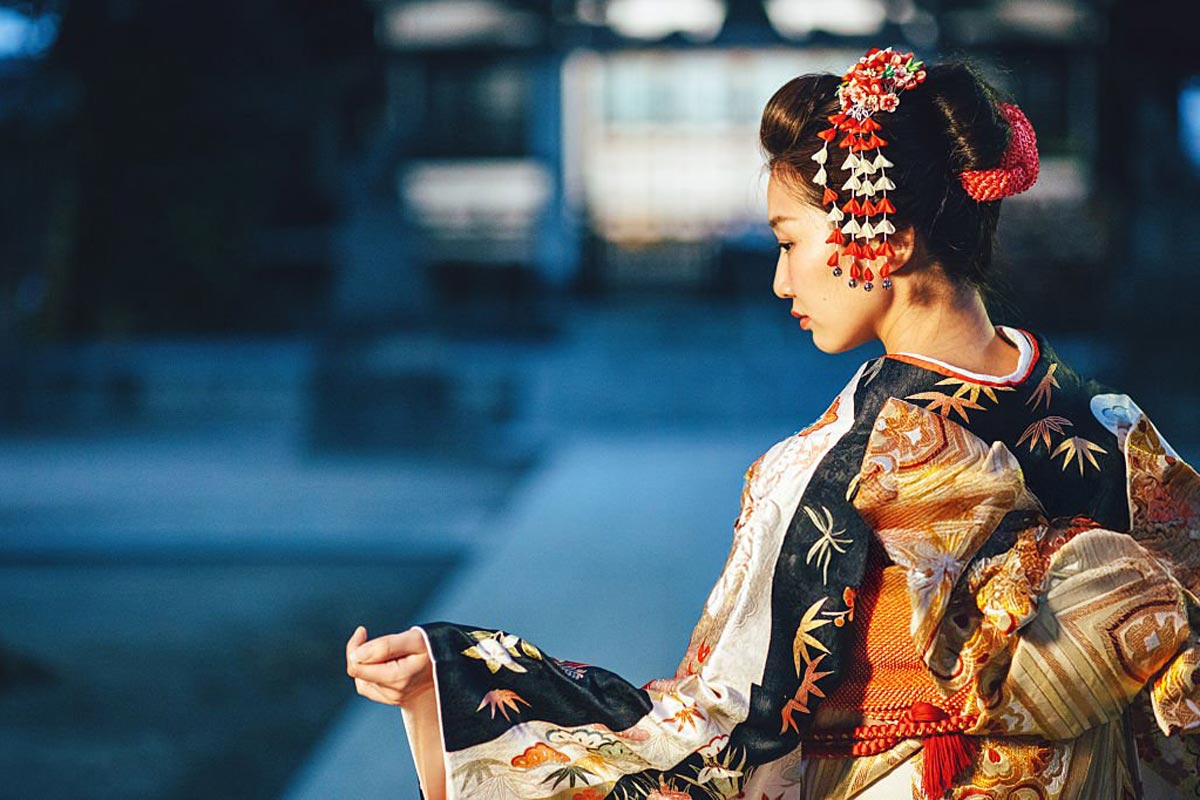
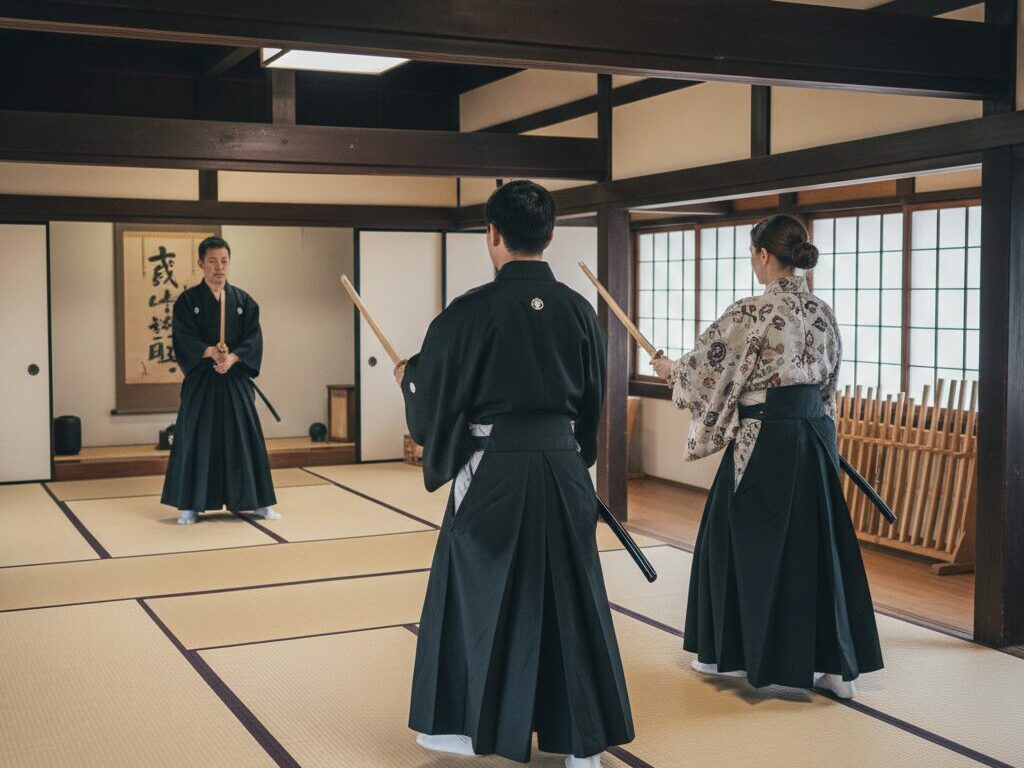
- Kimono or hakama (traditional trousers) for a classic samurai appearance.
- Lightweight armor modeled on historical samurai gear, ideal for dramatic photos.
Staff will help you put on each layer correctly, showing how the obi belt is tied and how to adjust your clothing so it sits neatly. This is a great time to ask questions about the different parts of the costume and their historical role.
3. Basic Samurai Etiquette
Before touching a sword, you will learn how to stand, bow, and move with respect. Common elements include:
- How to perform a short standing bow to your instructor.
- How to kneel in traditional seiza position (or an alternative if your knees are sensitive).
- How to receive and return a sword properly.
These may seem like small details, but they reflect the strict discipline of samurai life and give the session a more authentic atmosphere.
4. Sword Handling and Basic Techniques
Under the guidance of a licensed instructor, you will then learn how to handle a sword safely. In most experiences, you will use a wooden sword (bokken) or an unsharpened metal sword (iaitō). Common elements include:
- Correct grip and posture.
- Basic cutting motions – usually vertical and diagonal strikes.
- Simple stepping patterns to move smoothly and maintain balance.
- Introductory kata (formal movements) that combine steps and cuts.
In higher-level or premium programs, you may observe a demonstration of iaido (the art of drawing and resheathing the sword) or even watch an instructor perform tameshigiri, cutting rolled straw mats with a real blade. For safety, beginners usually do not use live blades themselves.
5. Short Performance or Role Play
Many studios add a theatrical element, allowing you to act out a brief samurai duel or scene. Under instructions, you and a partner will move through a simple choreographed fight – a bit like a movie scene, but slower and safer. This is particularly fun for children and visitors who love Japanese films and anime.
6. Photo Time
At the end of the training, you will typically have time for photos. Studios often have themed backdrops such as castle gates, tatami rooms, or traditional gardens. Staff may help pose you with your sword to create dynamic samurai-style images.
It is polite to ask before taking photos during the actual training, as instructors might prefer you to focus on the movements first and save photography for the end.
Where Can You Try a Samurai Experience in Japan?
Samurai Experiences are most easily found in major tourist destinations. While details vary, most urban centers offer something for first-time visitors.
Tokyo
Japan’s capital has a variety of studios that specialize in samurai and ninja-themed programs. Many are located in central areas that are convenient for tourists, such as Asakusa, Shinjuku, or near major train stations. Tokyo experiences often combine modern staging – dramatic lighting, sound effects, and professional photography – with traditional instruction.
Kyoto
Kyoto, the former imperial capital, offers a more historical setting. Some Samurai Experiences here are located in renovated townhouses or near old samurai residences. Combined with visits to castles, temples, and traditional streets, a session in Kyoto can feel particularly atmospheric.
Other Cities and Regions
Osaka, Kanazawa, Nagoya, and Hiroshima also have studios or museums that offer samurai-related programs, sometimes linked to local castles or historical sites. If your itinerary already includes a castle town, check whether there is a samurai-themed activity nearby; it can be a memorable way to bring the history to life.
How to Choose a Good Samurai Experience
Not all programs are the same. When researching options, consider the following points:
Language Support
For first-time travelers, clear English is important. Look for:
- Studios that specify “English guidance available” or “English-speaking instructors.”
- Online reviews from other international visitors mentioning good explanations.
Focus: Cultural vs. Theatrical
Some experiences emphasize martial arts and history, while others focus more on costumes and photos. Neither is better; it depends on your interests.
- If you want to learn technique, look for words like “training,” “dojo,” or “martial arts instruction.”
- If you mainly want photos, search for “samurai costume photo studio” or similar phrases.
Safety and Professionalism
A reputable Samurai Experience will:
- Explain safety rules clearly at the start.
- Use appropriate practice weapons for beginners.
- Provide supervision whenever swords are in use.
- Offer alternatives for participants with limited mobility.
Group Size and Duration
Smaller groups mean more personal instruction and better photos. Check:
- Maximum group size and whether private sessions are available.
- Total duration, especially if you are planning around other sightseeing.
Practical Tips for First-Time Visitors
How to Book
Most Samurai Experiences require advance reservations, especially during busy seasons (spring cherry blossom and autumn foliage). You can usually book:
- Directly via the studio’s website.
- Through major travel and activity booking platforms.
- Via your hotel concierge, who can help with Japanese communication if needed.
Confirm the language of instruction, meeting point, and cancellation policy when you book.
What to Wear and Bring
Even if you change into costume, it is best to arrive prepared:
- Wear comfortable, lightweight clothing that is easy to move in.
- Choose socks without holes; you will likely remove your shoes.
- Avoid bulky jewelry or large bags that might get in the way.
- Bring a camera or smartphone, with enough battery for photos.
If you have any injuries or medical concerns, inform the staff before starting so they can adjust movements or allow you to sit when necessary.
Etiquette During the Experience
Following simple etiquette will help things run smoothly and respectfully:
- Arrive 10–15 minutes early to allow time for check-in.
- Listen carefully to safety instructions and follow them exactly.
- Handle all equipment gently and never swing a sword without permission.
- Ask before taking close-up photos or videos of staff or other guests.
Japanese instructors may be very polite and soft-spoken but are serious about safety and respect. Clear communication and a humble attitude will be appreciated.
Combining the Samurai Experience with Nearby Sights
A Samurai Experience fits easily into a day of sightseeing. Here are some ways to build a themed itinerary:
- Castles: Visit a nearby castle before or after your session to see real armor and historic battlefields. Many castles have museums that display swords, helmets, and detailed dioramas.
- Samurai districts: In cities that preserve old samurai residences, walk through traditional streets and compare what you learned in the studio with historical homes.
- Museums: National and city museums often have permanent samurai exhibitions that explain armor construction, clan history, and social roles.
By combining hands-on practice with historical sites, you will gain a more complete picture of who the samurai were and how they influenced Japanese culture.
Is a Samurai Experience Right for You?
A Samurai Experience is suitable for most visitors, including solo travelers, couples, families, and older guests. If you are comfortable with light physical activity and curious about history, it can be one of the most memorable parts of your trip. Even if you are not usually interested in martial arts, the combination of costume, storytelling, and gentle movement makes it a very accessible introduction to Japanese culture.
For fans of movies, anime, and games, the experience offers a chance to step inside the world you have only seen on screen. For others, it becomes a window into the values that still shape modern Japan – respect, discipline, and quiet strength.
Making the Most of Your Samurai Experience
To create lasting memories, keep these final points in mind:
- Be present: Treat the session as more than entertainment. Pay attention to the small rituals and explanations; they carry deep meaning.
- Ask questions: Instructors are often passionate about history and happy to answer your questions about real samurai life.
- Take photos thoughtfully: Capture some dramatic poses, but also a few quiet moments that show the concentration and calm of the training.
When you leave the studio, you will not just have impressive photos in armor; you will carry with you a better understanding of the samurai spirit that still echoes in Japanese society today.
For a first trip to Japan, a well-chosen Samurai Experience is a powerful way to connect with the country’s past, appreciate its present, and create a story you will remember long after you return home.

Explore Other Cultures
Tea Ceremony
Kimono Wearing
Samurai Experience
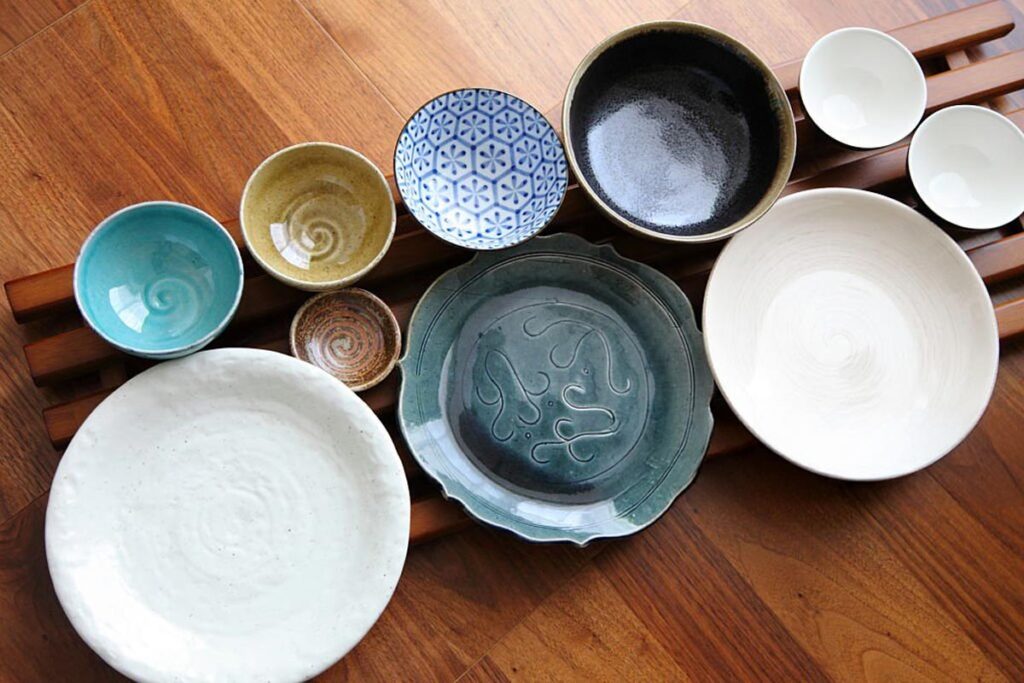
Pottery
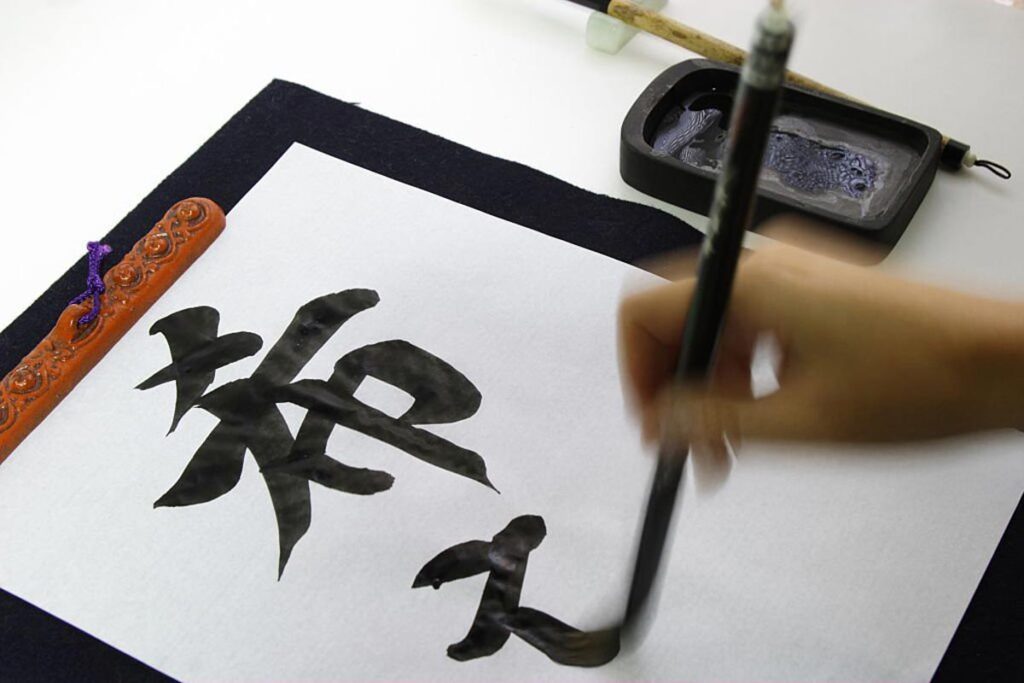
Calligraphy
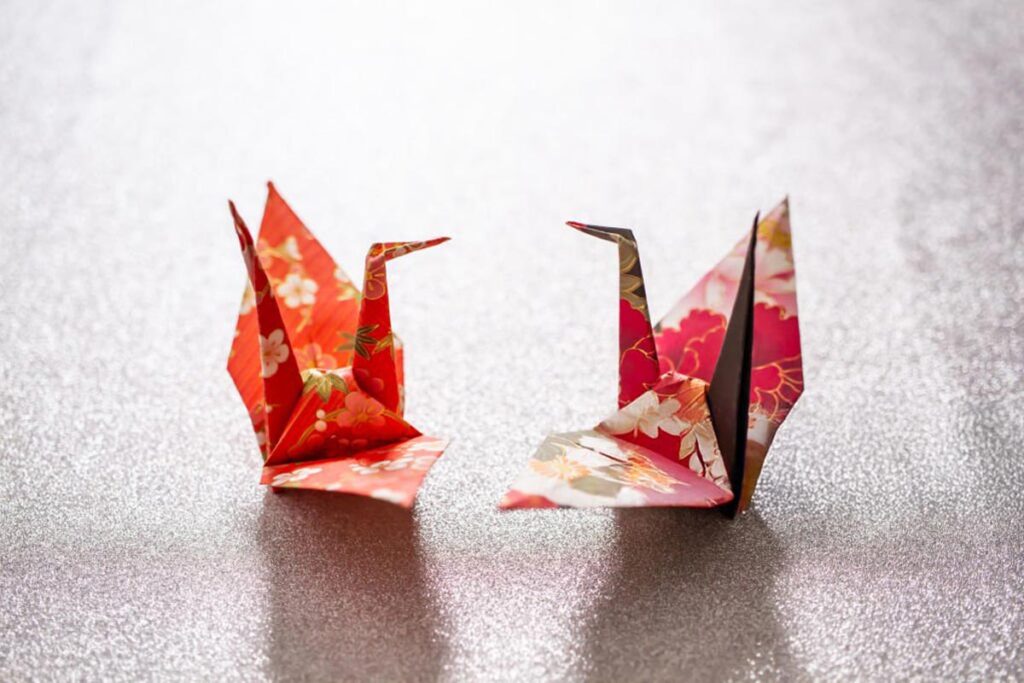
Origami Workshops
Useful Links

Best Samurai Experience in Tokyo

Ninja Experience Cafe in Asakusa Tokyo

Ninja Experience Cafe in Osaka Dotonbori