
Sanjusangendo
Sanjusangendo: A First-Time Visitor’s Guide to Kyoto’s Thousand-Armed Temple
Photos are for illustrative purposes only.
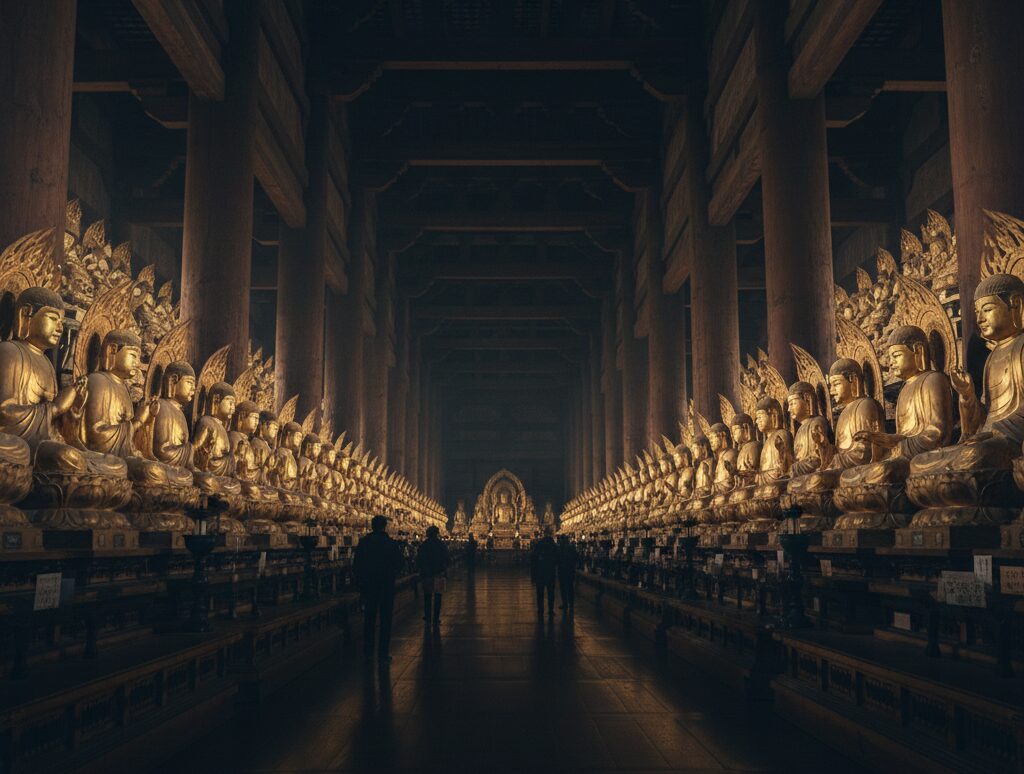
In a city filled with famous temples and shrines, Sanjusangendo offers one of Kyoto’s most powerful and unforgettable experiences. Step inside this long, dimly lit hall and you are met by a breathtaking sight: 1,001 golden statues of Kannon, the Buddhist deity of mercy, standing in silent rows that seem to stretch into eternity.
For first-time travelers to Japan, Sanjusangendo is an ideal place to discover Kyoto’s mix of spiritual depth, artistic mastery, and living tradition. This guide explains the history, cultural meaning, and practical tips you need to fully enjoy your visit.
What Is Sanjusangendo?
Sanjusangendo (正式名: 蓮華王院 Sanjusangendo, also known as Rengeo-in) is a Buddhist temple in eastern Kyoto, not far from Kyoto Station. The name “Sanjusangendo” literally means “Hall of 33 Bays.” It refers to the architectural structure of the main hall, which is divided into 33 sections between the pillars. In Japanese Buddhist tradition, the number 33 is associated with the thirty-three different manifestations of Kannon, the bodhisattva of compassion.
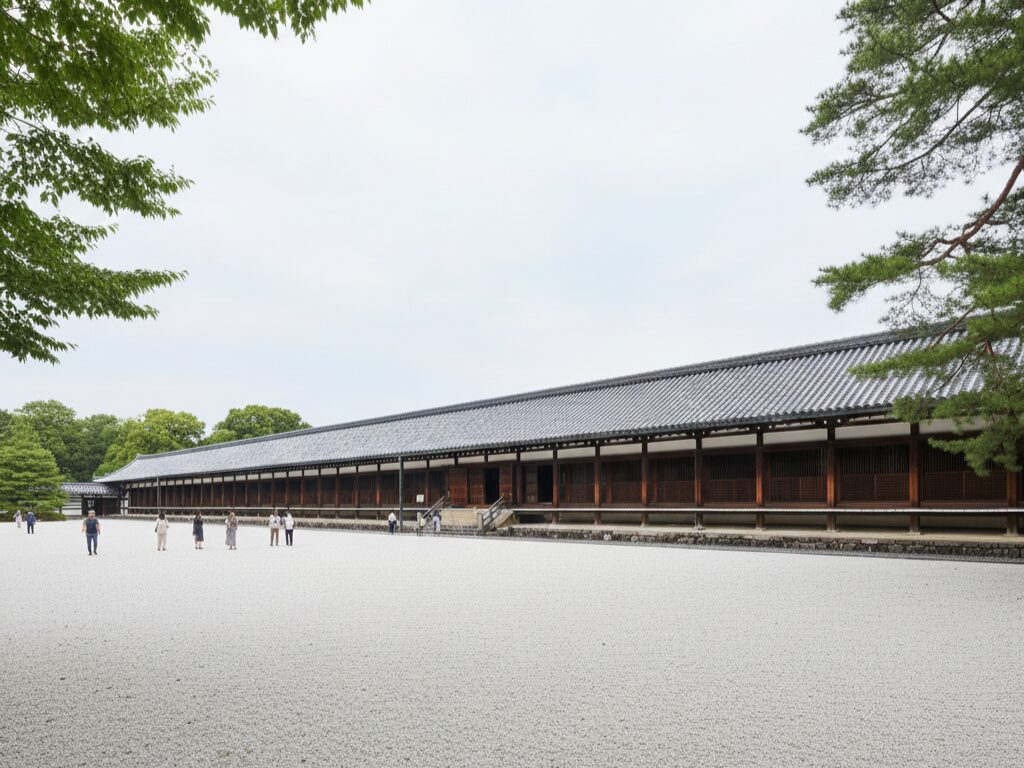
The temple belongs to the Tendai sect of Buddhism and was originally founded in the 12th century. Although Kyoto is home to many grand gates and towering pagodas, Sanjusangendo is more understated from the outside. Its power lies within: a single long wooden hall housing one of Japan’s most impressive and moving collections of Buddhist art.
The Legend of 1,001 Kannon Statues
The Central Seated Kannon
At the heart of the hall sits a large wooden statue of the Thousand-Armed Kannon, carved in the 12th century. Kannon is known across Asia by different names—Guanyin in China, Avalokiteshvara in Sanskrit—but the meaning is the same: a compassionate figure who hears the cries of the world.
The term “thousand-armed” is symbolic. While the statue does not literally show one thousand arms, it represents Kannon’s ability to reach out in all directions to rescue beings from suffering. The central statue is designated as a National Treasure of Japan, and its calm expression and delicate carving embody the refined aesthetic of the Heian and early Kamakura periods.
Rows of Standing Kannon
Flanking the central statue are 1,000 life-sized standing figures of Kannon arranged in ten rows and fifty columns. Each is carved from Japanese cypress and covered in gold leaf, creating an almost hypnotic shimmering effect in the half-light of the hall.
Although they appear identical at first, look more closely and you’ll notice subtle differences in facial expression and details. Art historians believe several master sculptors and their workshops contributed to the collection over many decades. Many visitors find themselves slowly walking along the length of the hall, pausing to meet the gaze of individual statues and experience a moment of quiet reflection.
Behind the Kannon statues stand 28 guardian deities, along with statues of the wind and thunder gods. These powerful figures, with dramatic postures and expressive faces, are said to protect Kannon and believers from danger. Together, this ensemble is considered one of the greatest surviving examples of Japanese Buddhist sculpture.
A Temple Shaped by Fire and History
Sanjusangendo’s story is also one of resilience. The original temple was commissioned in 1164 by Emperor Go-Shirakawa. Like many historic buildings in Kyoto, it faced disaster: the first hall was destroyed by fire in the 13th century. The structure you see today dates from 1266, and remarkably, the main hall has survived intact for over 750 years.
Over the centuries, Sanjusangendo has witnessed political upheavals, religious reforms, and the decline and rise of Kyoto itself. Yet the long hall and its silent guardians have endured, becoming a symbol of continuity in a constantly changing world.
Japan’s Longest Wooden Hall
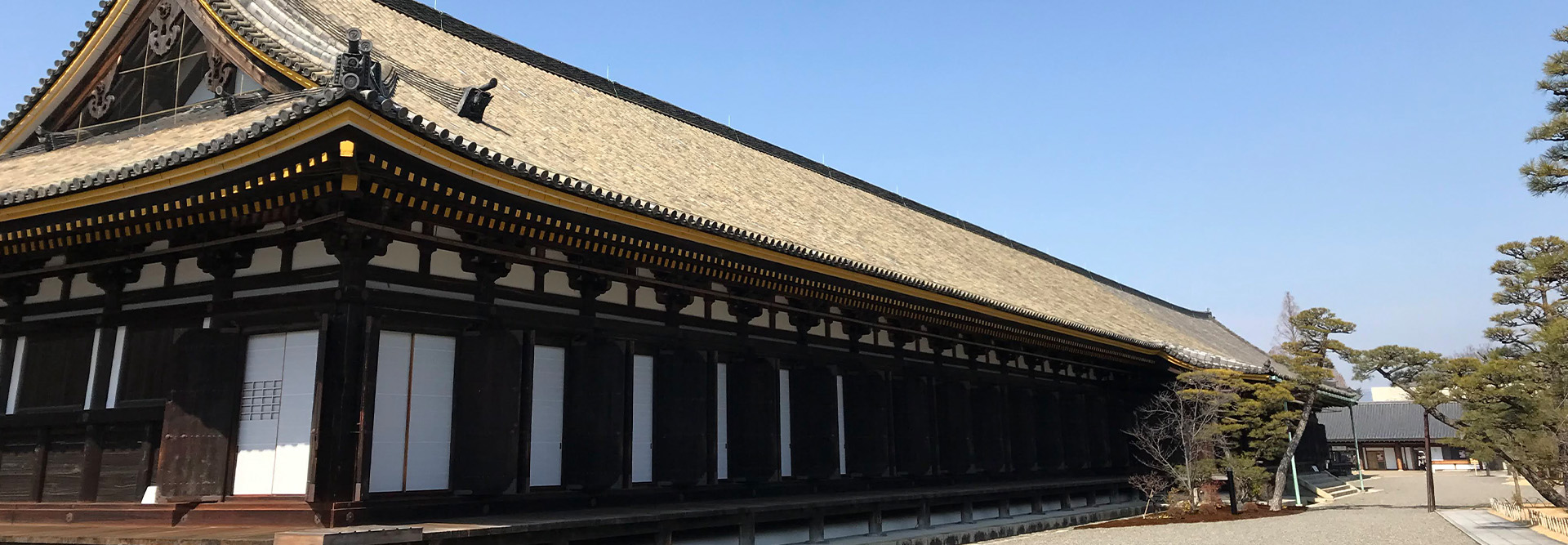
One of Sanjusangendo’s most striking features is its unusual shape. The main hall stretches around 120 meters (almost 400 feet) from end to end, making it the longest wooden structure in Japan. The building’s low roofline and simple exterior hide the drama inside, creating a strong contrast between the modest outside and the golden interior.
This length is not just an architectural curiosity: it also played a key role in one of Japan’s most famous traditional sports—archery. For centuries, the south side of the hall was used for toshiya, long-distance archery competitions, where archers would shoot arrows from one end of the veranda to the other.
Toshiya: The Temple of Archery
The connection between Sanjusangendo and archery is an important part of its identity. From the 16th century onwards, samurai and archery enthusiasts gathered here to test their skill in a dramatic contest: shooting arrows the entire length of the hall’s exterior corridor.
One of the most famous contests was the yakazu, where archers attempted to shoot as many arrows as possible down the hall in a 24-hour period, with the aim of hitting the far end without striking the eaves. Historical records describe archers loosing thousands of arrows, demonstrating extraordinary stamina and concentration.
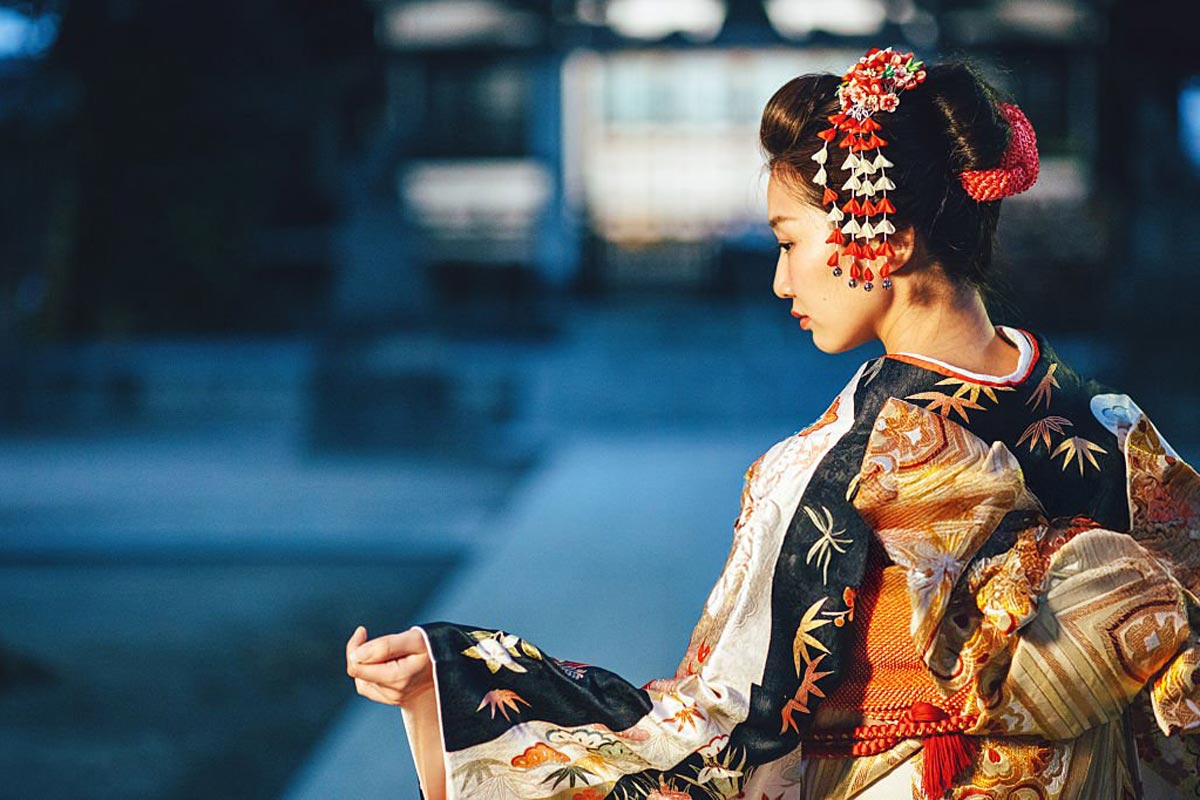
Today, this tradition lives on in a more ceremonial form. Every January, usually on the Sunday closest to Coming of Age Day, Sanjusangendo hosts an annual archery event. Young men and women, many wearing colorful kimono, take turns shooting at distant targets along the side of the hall. The event is both a celebration of archery and a rite of passage for new adults in Japan.
Highlights Not to Miss Inside
The First Glimpse of the Hall
When you step inside the main hall, your eyes take a moment to adjust from the brightness outside to the soft, filtered light within. As the rows of golden statues slowly come into focus, many visitors experience a sense of awe and almost physical stillness. This first impression is one of the most powerful moments of a visit, so give yourself time to simply stand quietly and take it in.
Details of the Kannon Statues
Move closer to notice the fine details: the intricate crowns, the multiple arms holding symbolic objects, and the gentle expressions. The craftsmanship reflects the skill of master sculptors from the Kamakura period, when realistic, expressive carving reached new heights in Japan.
Look for variations in posture and facial features. While photography is not allowed inside, the experience of focusing on the here and now rather than on taking pictures often makes the visit more meditative and memorable.
The Guardian Deities
Behind the Kannon statues stand the 28 guardian deities, each with its own legend drawn from Buddhist and Hindu traditions. Their dynamic movements and fierce expressions contrast with the serenity of Kannon. Among them, you’ll find figures with animal heads, warrior-like poses, and muscular forms—evidence of the cultural exchange that shaped Buddhist imagery across Asia.
Cultural Etiquette and How to Behave
Sanjusangendo is both a cultural treasure and an active religious site, so behaving respectfully is important. Here are some simple guidelines:
- Move quietly: Voices carry easily inside the wooden hall. Keep conversations low and avoid phone calls.
- No photography inside: Photos and video are usually prohibited in the main hall. Respecting this rule helps protect the artwork and maintains the sacred atmosphere.
- Follow the route: Visitors generally move in a one-way direction along the length of the hall. Avoid walking against the flow.
- Shoes: In some areas you may be asked to remove your shoes or step on a mat. Follow staff instructions and keep your ticket handy.
- Prayers and offerings: You may see locals bow, press their palms together, or toss a coin into an offering box. Visitors are welcome to do the same respectfully, regardless of religious background.
Practical Visitor Information
Location and Access
Sanjusangendo is conveniently located in eastern Kyoto, making it easy to fit into a day of sightseeing.
- From Kyoto Station: The temple is about 10–15 minutes away by bus or taxi, or around a 20-minute walk.
- By train: The closest station on the Keihan Line is Shichijo Station, from which it is a short walk.
- Nearby attractions: You can combine a visit to Sanjusangendo with other eastern Kyoto sights such as Kiyomizu-dera, Chishakuin Temple, and the Kyoto National Museum.
Suggested Time to Spend
Most visitors spend about 45 to 60 minutes at Sanjusangendo. Allow a little extra time if you enjoy art and sculpture and want to read the explanatory plaques or use an audio guide where available.
Best Time of Day and Year
The temple is impressive year-round and the main hall is indoors, so weather is less of a concern than at many other sites.
- Morning: Arriving soon after opening helps you avoid crowds and experience a quieter atmosphere.
- Afternoon: Still very manageable most days, though tour groups can be more common.
- Winter: The air is crisp and the temple tends to be less crowded, though it can be chilly inside.
- January: If you visit around Coming of Age Day, you may catch the archery event, but expect more visitors.
Tips for First-Time Travelers to Japan
Combining Sanjusangendo with Other Kyoto Sights
For a well-paced day in Kyoto, consider this simple route:
- Start at Sanjusangendo in the morning.
- Walk or take a short bus ride to the Kyoto National Museum to see more Japanese art.
- Continue on toward Kiyomizu-dera, one of Kyoto’s most famous temples with sweeping city views.
- Finish your day strolling through the Higashiyama district’s preserved streets.
This route gives you a mix of quiet spiritual sites, museums, and atmospheric old town scenery without too much backtracking.
Language and Signs
At major temples like Sanjusangendo, basic information is usually available in English, and staff are used to assisting international visitors. However, not everyone will speak English fluently. A few polite Japanese phrases, such as “sumimasen” (excuse me) and “arigatou gozaimasu” (thank you), go a long way.
Tickets and Payment
Admission is paid at the entrance. In many temples, cash is still the most reliable method, although credit cards and IC cards are gradually becoming more common. It is wise to carry some Japanese yen, especially if you are temple-hopping.
Understanding the Spiritual Atmosphere
You do not need to be Buddhist or religious to appreciate Sanjusangendo. Many visitors describe the space as calming and contemplative. The repetition of the statues, the dim light, and the smell of old wood create a unique atmosphere that contrasts with Kyoto’s busy streets.
If you’d like to connect more deeply with the site, try slowing your pace. Walk the length of the hall, then pause and take a few quiet breaths. Notice how the expressions of the statues change as you move. For many travelers, this quiet, almost private experience becomes one of the most memorable moments of their trip to Japan.
Why Sanjusangendo Belongs on Your Kyoto Itinerary
For first-time visitors to Japan, it can be overwhelming to choose among Kyoto’s many temples and shrines. Sanjusangendo stands out because it offers several experiences in one place: world-class Buddhist sculpture, a rare surviving wooden hall from the 13th century, a living connection to Japan’s archery traditions, and a deeply peaceful atmosphere.
Unlike some sites that are famous mainly for their views or photo spots, Sanjusangendo invites you inward—to look closely, to slow down, and to experience a side of Japan that blends history, art, and spirituality. As you step back out into the sunlight and glance once more at the long, simple hall, you’ll carry with you the image of a thousand golden Kannon watching over Kyoto, as they have for hundreds of years.
Whether you have just a few days in Kyoto or a longer stay, adding Sanjusangendo to your itinerary offers a powerful introduction to the depth and quiet beauty of Japanese culture.

Access Map
Recommended spots in Kyoto
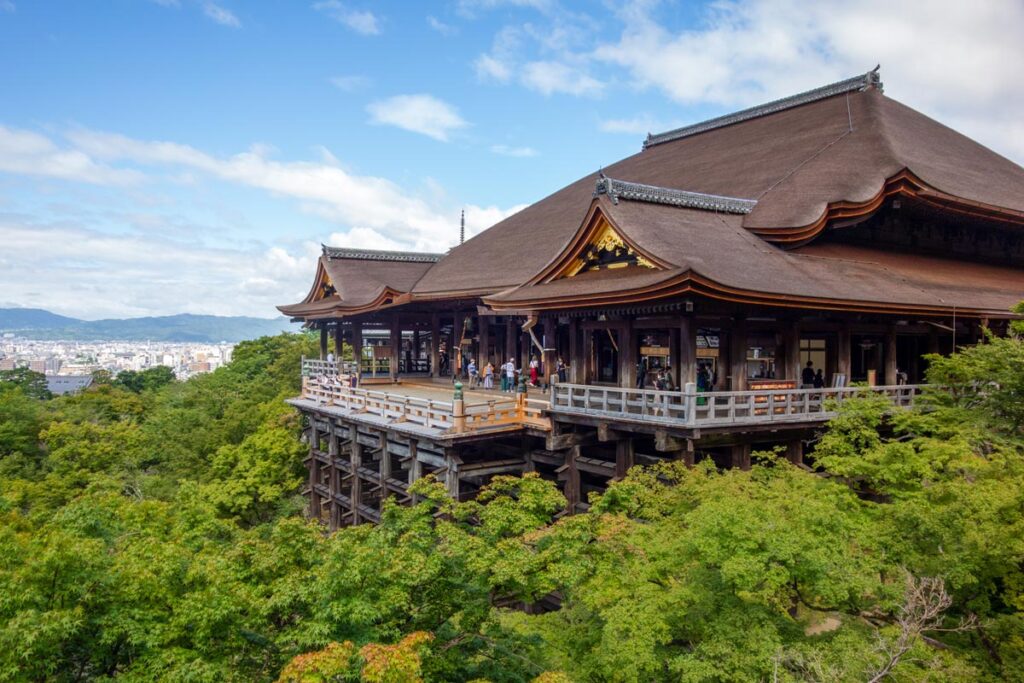
Kiyomizu-dera
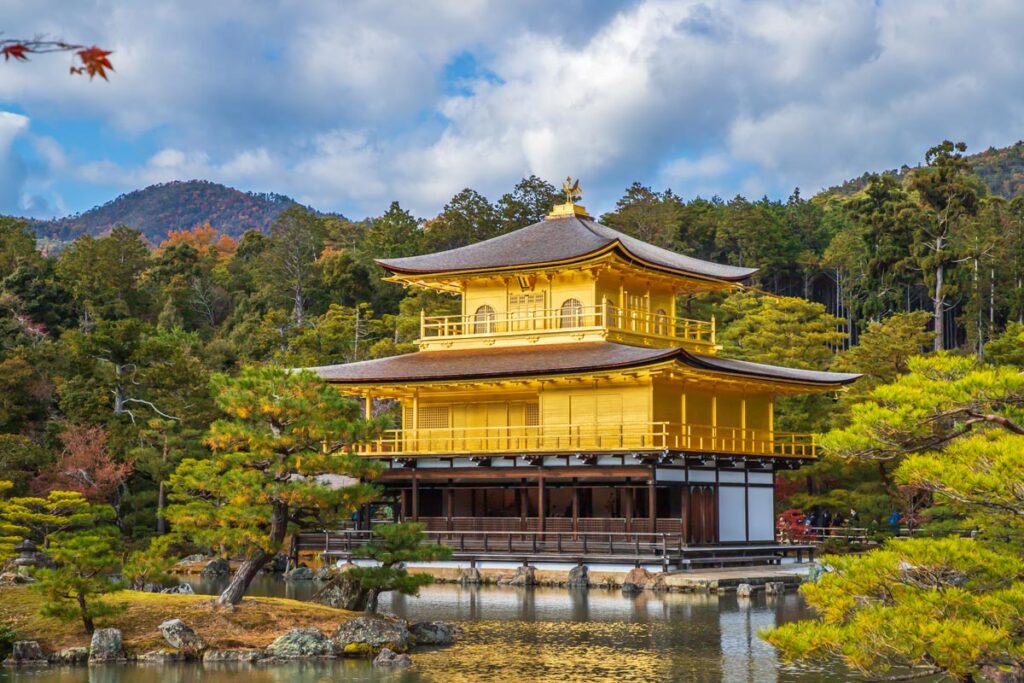
Kinkaku-ji
(Golden Pavilion)
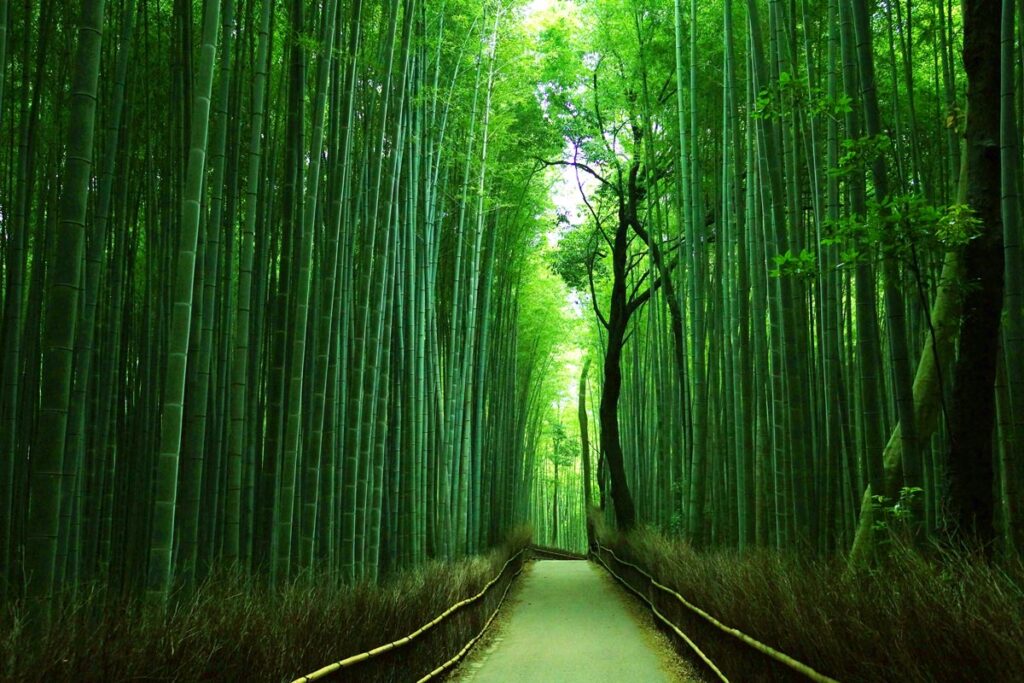
Arashiyama
Bamboo Grove
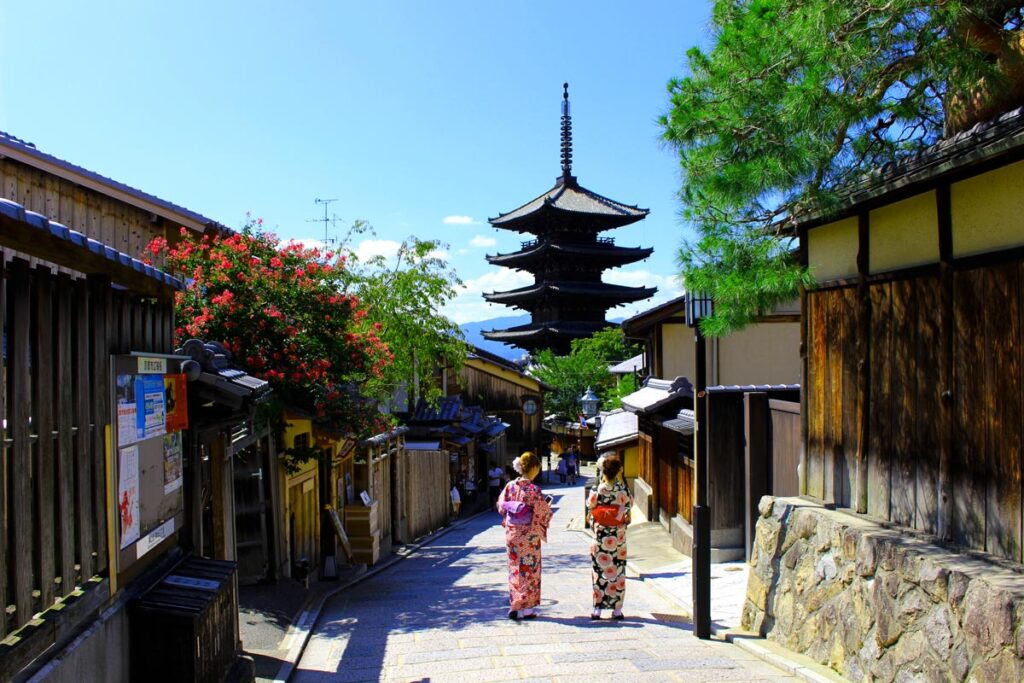
Gion
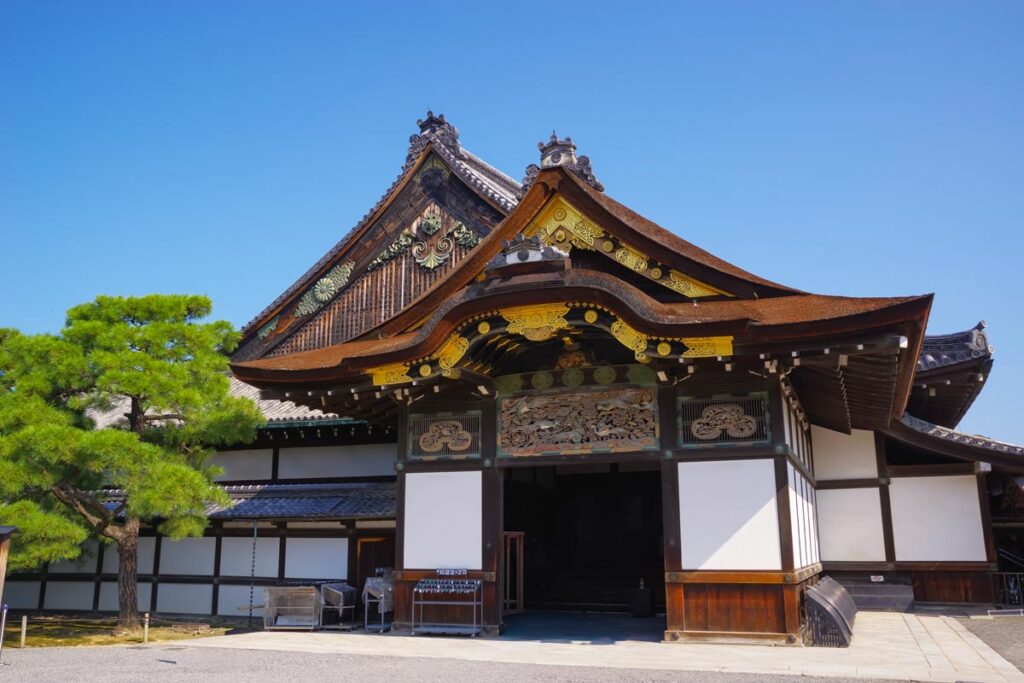
Nijo Castle
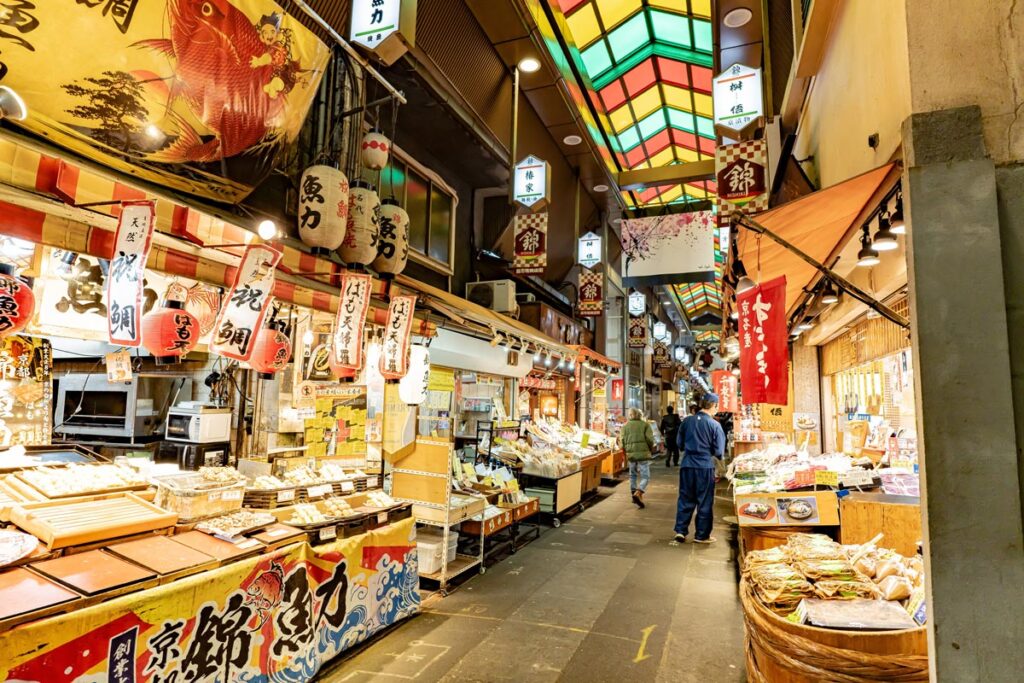
Nishiki Market
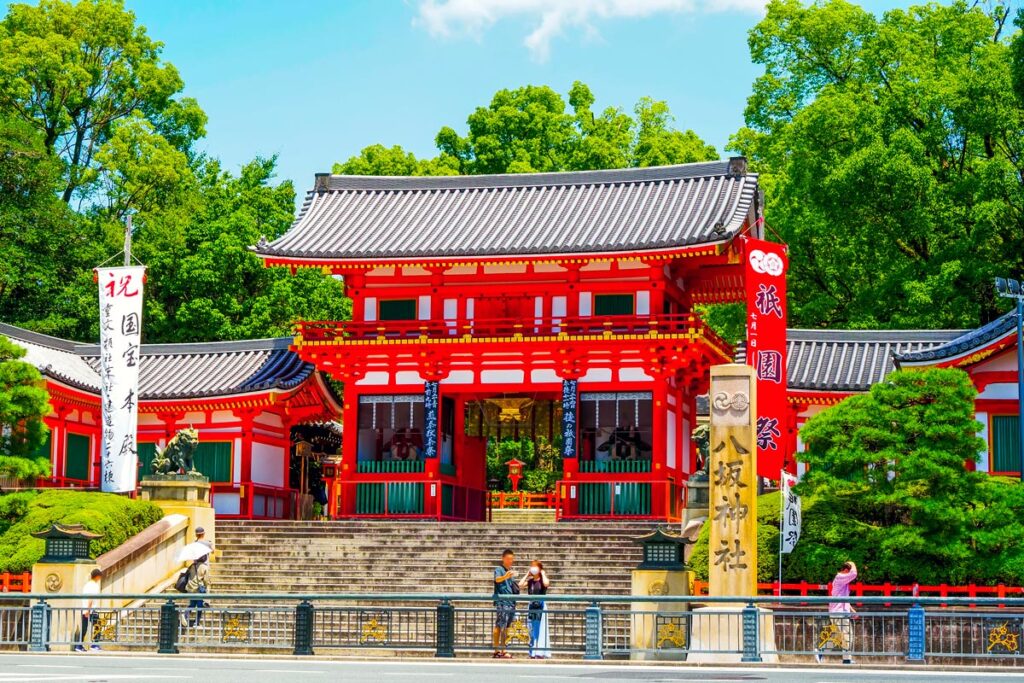
Yasaka Shrine
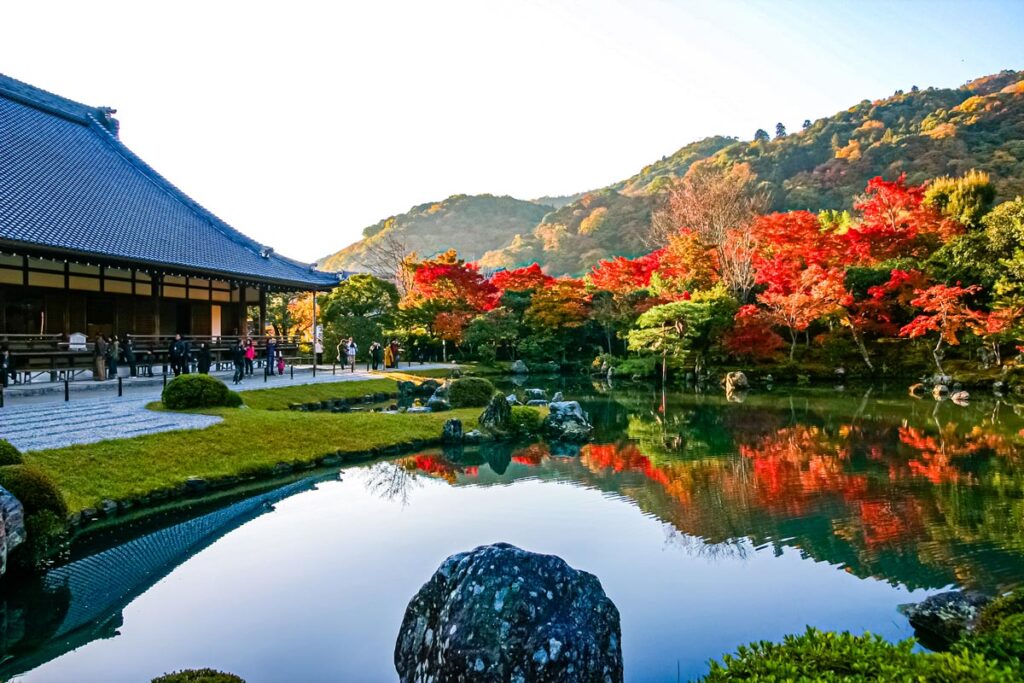
Tenryu-ji
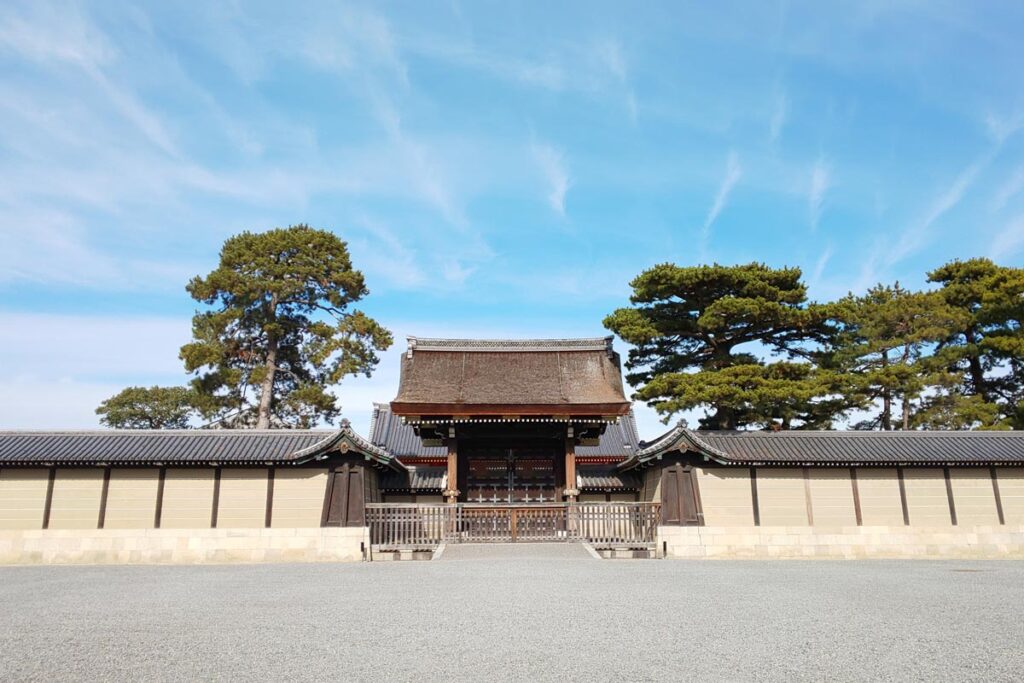
Kyoto Imperial Palace
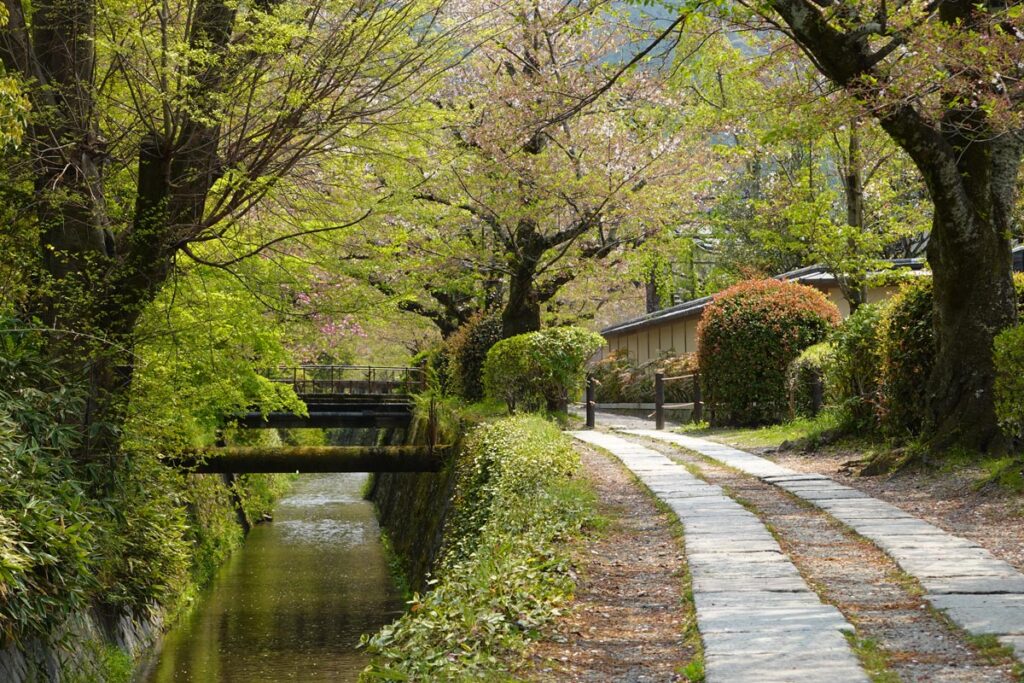
Philosopher's Path
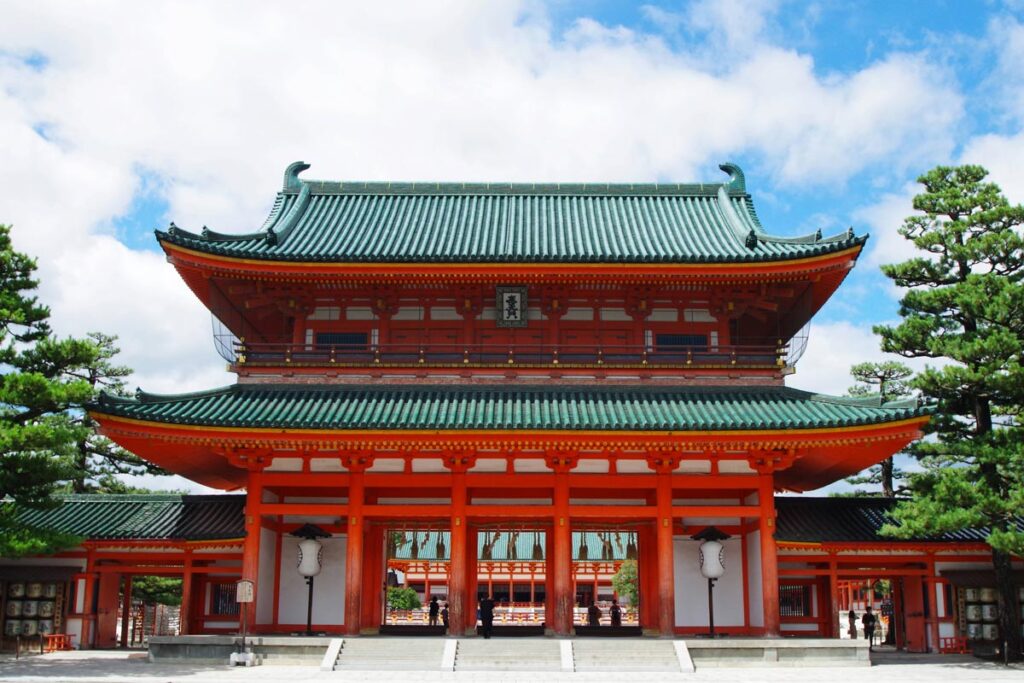
Heian Jingu
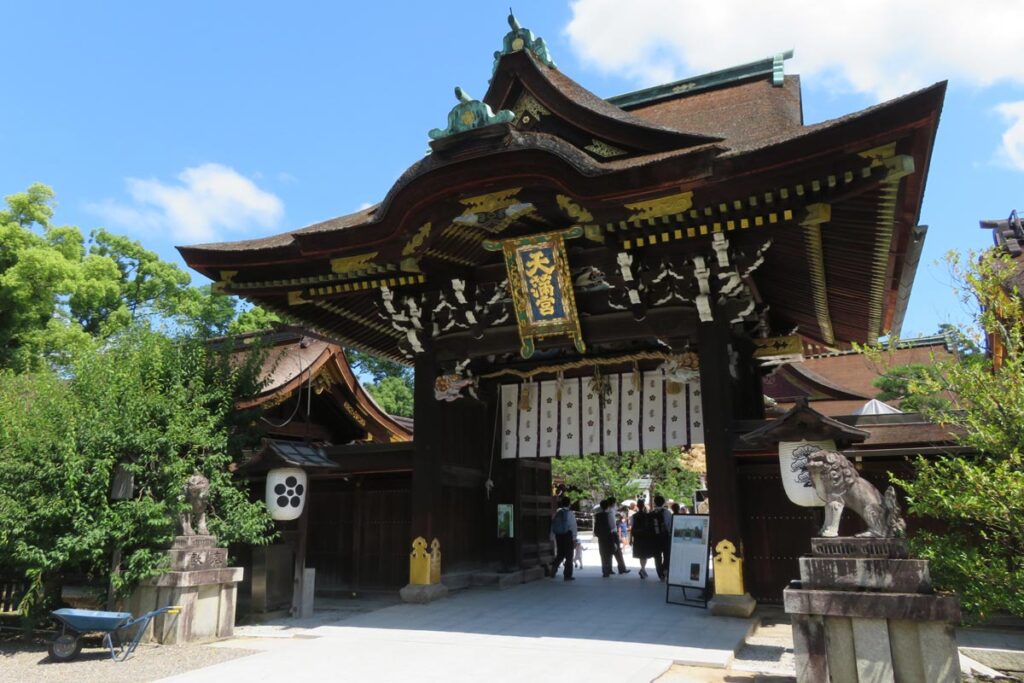
Kitano Tenmangu
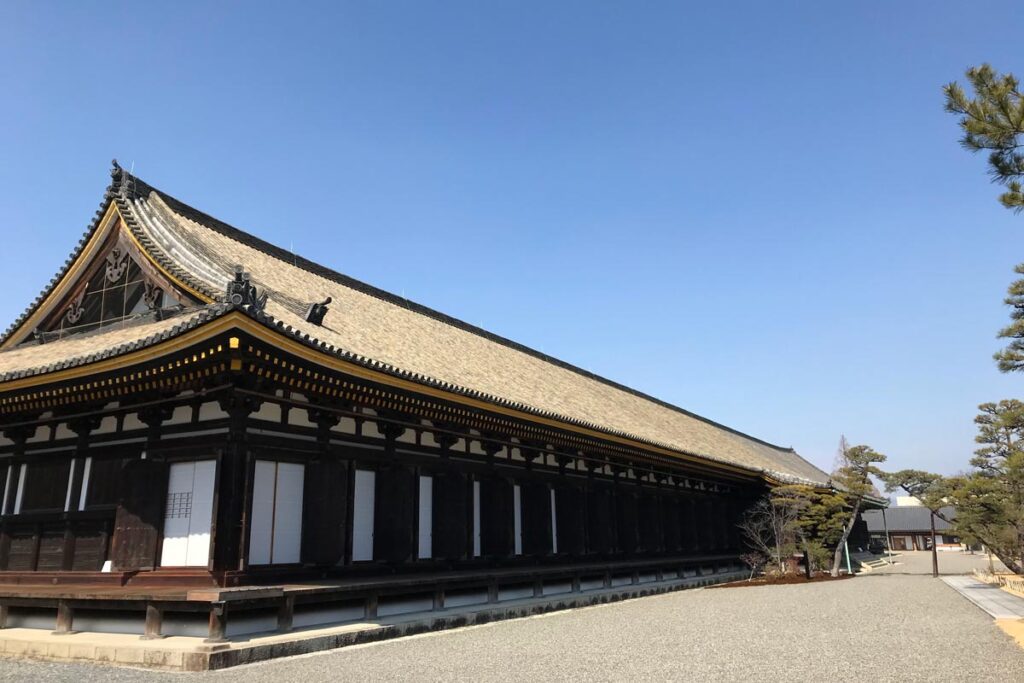
Sanjusangendo
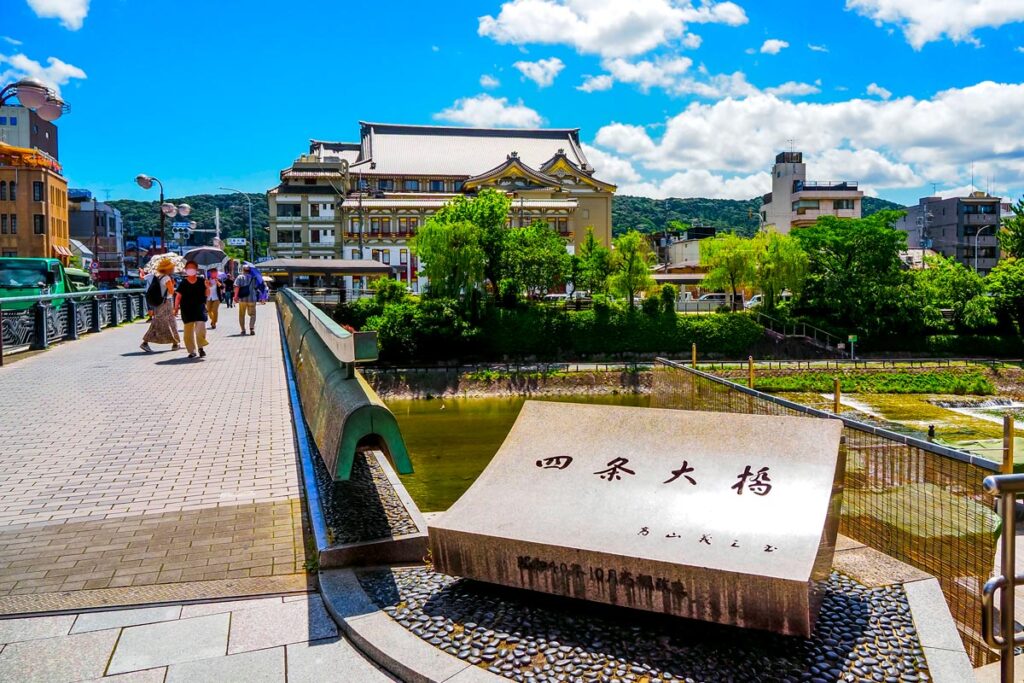
Kamo River
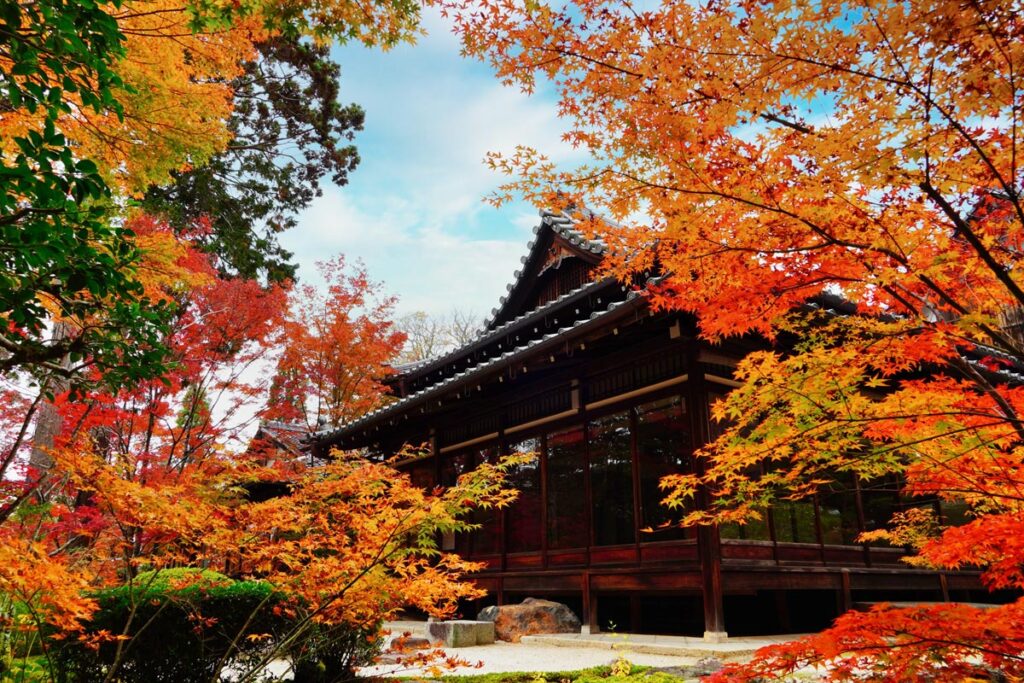
Nanzen-ji
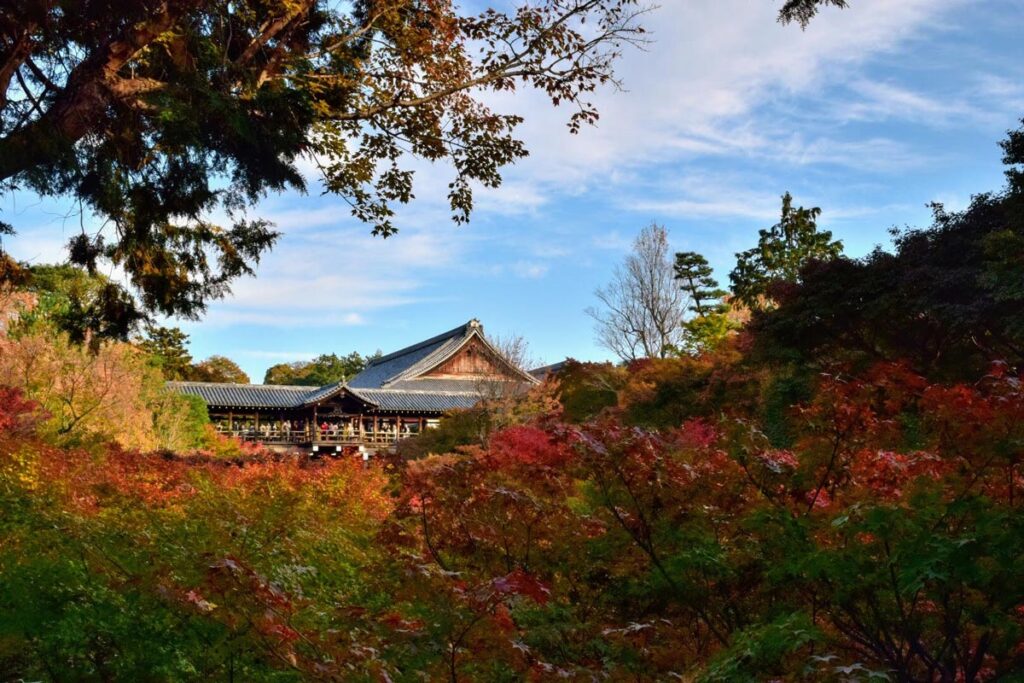
Tofuku-ji
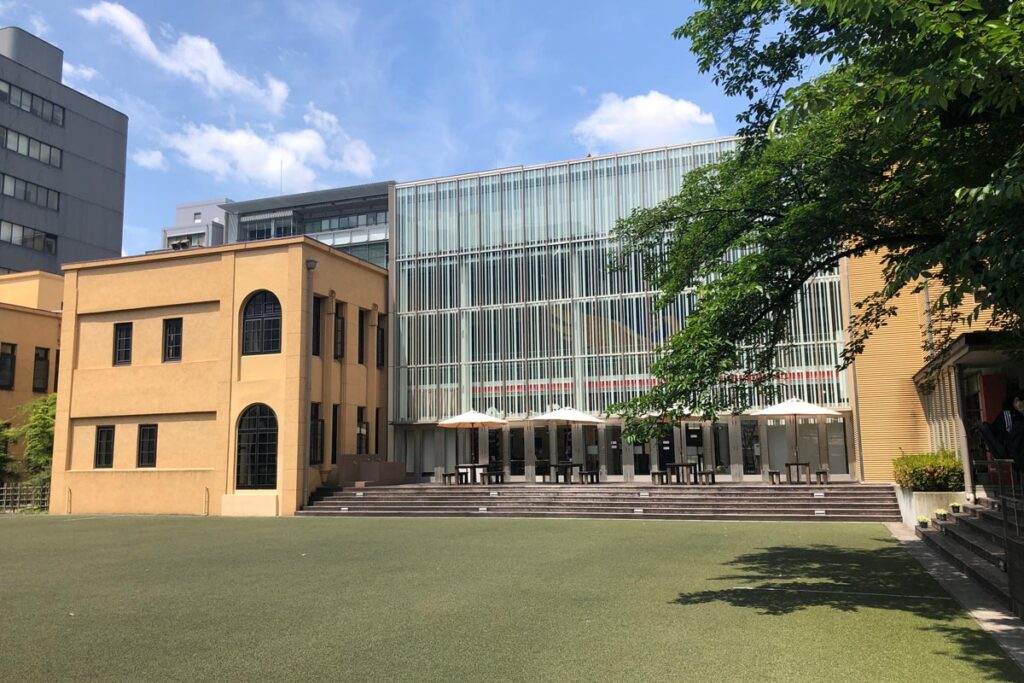
Kyoto International Manga Museum