
Sapporo Clock Tower
Visiting Sapporo Clock Tower: A First-Timer’s Guide to a Meiji-Era Icon
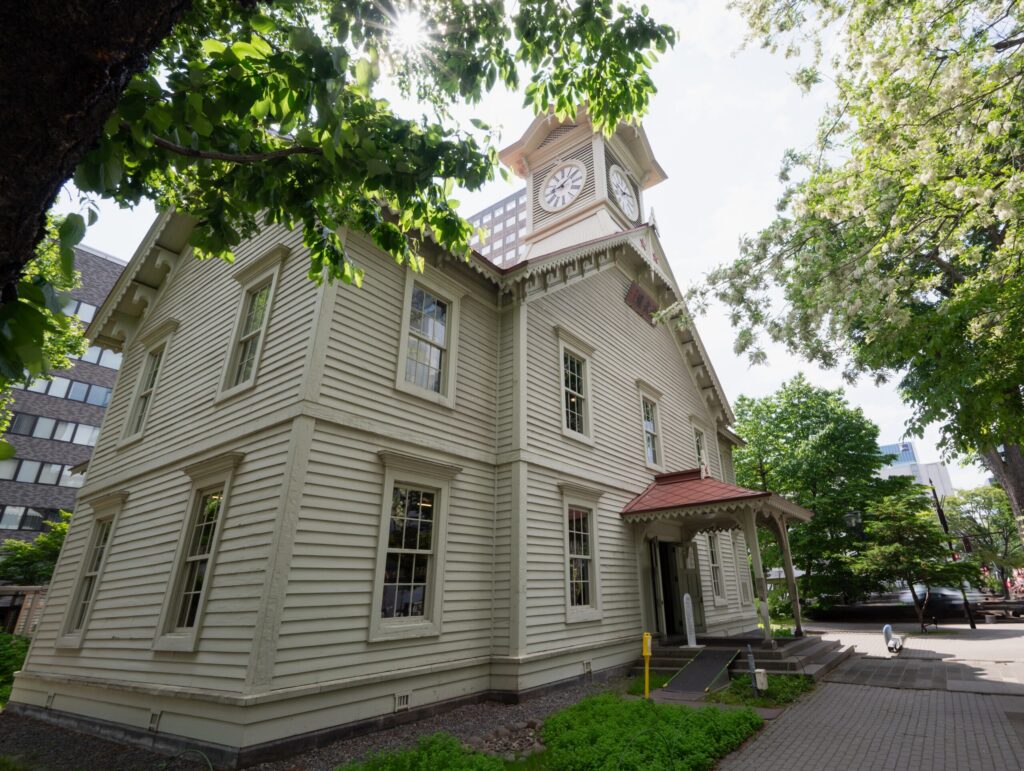
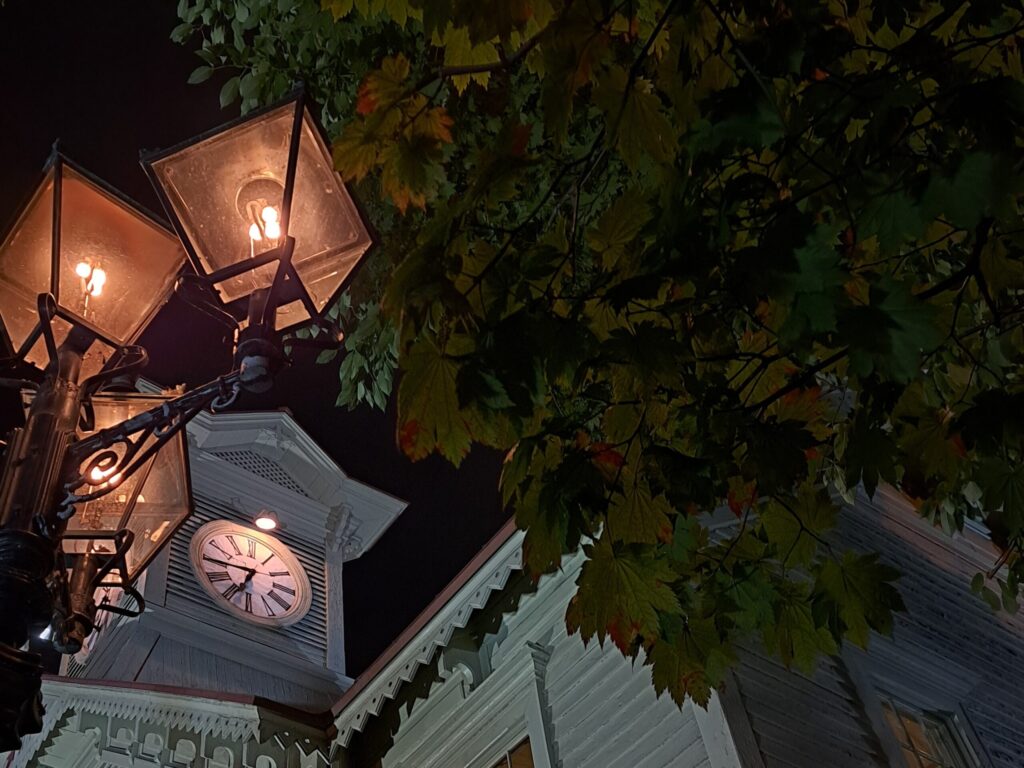
In a city known for snow, beer, and neon-lit nightlife, the modest wooden building of the Sapporo Clock Tower might surprise you. It is small, simple, and often surrounded by tall glass offices. Yet this structure is one of Japan’s most enduring Western-style landmarks and a cherished symbol of Sapporo. For first-time visitors to Japan, the Sapporo Clock Tower offers an easy and engaging window into the early days of Hokkaido’s development and the country’s rapid modernization in the late 19th century.
Why the Sapporo Clock Tower Matters
The Sapporo Clock Tower (Sapporo Tokeidai) is more than just a photogenic backdrop. Built in 1878 as part of the Sapporo Agricultural College, it represents the era when Japan eagerly embraced Western technology and education following centuries of isolation. The building’s design, its American-made clock mechanism, and its role in higher education all tell a story about how Hokkaido and modern Japan came to be.
Today, the tower is both a museum and a beloved local landmark. Visitors can see the working clock gears, learn about Sapporo’s early years, and enjoy a rare piece of Meiji-era architecture that has survived urban redevelopment.
Where It Is and How to Get There
The Sapporo Clock Tower is located in central Sapporo, the capital city of Hokkaido. Its central position makes it easy to include in any city walk.
From Sapporo Station
The tower sits about a 10-minute walk from JR Sapporo Station:
- Exit JR Sapporo Station on the south side.
- Walk south along the main boulevard toward Odori Park.
- Turn left one block before Odori Park; the clock tower is on a street corner and clearly signposted.
By Subway
You can also use the Sapporo Municipal Subway:
- Odori Station (Namboku, Tozai, and Toho Lines): About 5 minutes on foot.
- Follow the signs for the Sapporo Clock Tower (usually labeled “Clock Tower” or “Tokeidai”).
The location is central and pedestrian-friendly, so many visitors simply incorporate the tower into a broader walking route that includes Odori Park, the Sapporo TV Tower, and the Former Hokkaido Government Office Building.
Tickets, Opening Hours, and Practical Basics
The Sapporo Clock Tower is straightforward to visit and works well even for travelers with limited time in the city.
Opening Hours
Typical hours are roughly from mid-morning to early evening. Hours can vary slightly by season or special maintenance days, and public holidays may affect opening times. Plan to visit during daytime so you can appreciate the exterior details and take clear photos.
Admission
There is a small admission fee to enter the museum and upper floors. Children often receive a discount, and some age categories may be free. Payment is generally made in cash at the entrance; larger notes are usually accepted, but having coins on hand is convenient.
The ticket allows you to explore the exhibits at your own pace. Many visitors spend 30–45 minutes inside, though history lovers may stay longer.
A Short History of the Sapporo Clock Tower
To understand why this building is important, it helps to know a little about Hokkaido’s past. Until the late 19th century, Hokkaido was a sparsely populated frontier land, home mainly to the Indigenous Ainu people. After the Meiji Restoration in 1868, Japan’s new government sought to develop Hokkaido as both a defensive buffer and a source of agricultural wealth.
The Sapporo Agricultural College
In 1876, the government founded the Sapporo Agricultural College, one of the first modern agricultural schools in Japan. The college partnered with American advisors, and its curriculum drew heavily on Western science. The Clock Tower was constructed two years later as a drill hall and assembly space for the students.
The college would eventually grow into what is now Hokkaido University, one of Japan’s leading national universities. The tower is thus closely tied to the early days of formal agricultural education in Japan and the wider modernization project that defined the Meiji period.
The Clock Mechanism
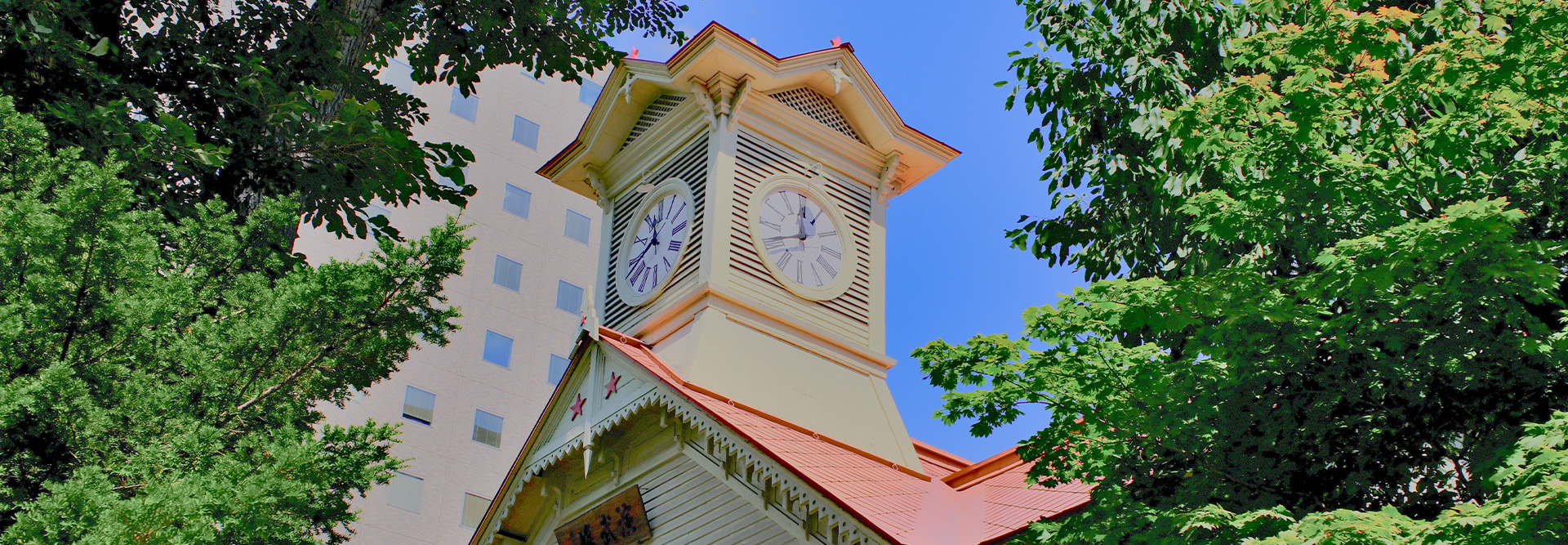
The clock itself was imported from the United States. It is a large, weight-driven mechanical clock designed to strike a bell at regular intervals. Unlike many modern clocks, it must be manually wound to keep it running. The mechanism is still in operation today, making the tower one of the oldest working clock towers in Japan.
Hearing the chime in the middle of a glass-and-steel business district adds a sense of continuity between Sapporo’s pioneering past and its present as a modern regional hub.
What to See Inside the Tower
From the outside, the Sapporo Clock Tower looks like a quaint Western-style schoolhouse. Inside, the exhibits help bring the city’s early days to life. The museum is compact, but there is more to see than first-time visitors often expect.
First Floor: Sapporo’s Early Development
The first floor functions as an introduction to the building and the history of Sapporo:
- Historical panels and photographs explain how Sapporo was planned as a grid-based city, modeled on North American examples.
- Scale models show what the city and the college grounds looked like in the 19th century, helping you imagine the clock tower when it stood in open space instead of today’s business district.
- Architectural details highlight the Western-influenced design—wooden clapboard walls, pointed gables, and a simple steeple-like tower for the clock.
Most exhibits include English explanations or at least brief English summaries, so international visitors can follow the story without difficulty.
Second Floor: Assembly Hall and Clock Mechanism
A wooden staircase leads to the second floor, which originally served as the college’s assembly and drill hall. With its high ceiling and polished wooden floors, the space feels like a small 19th-century town hall.
Here you can:
- See the clock’s mechanism through a glass enclosure, observing the gears and weights that have kept time for over a century.
- Look up to the roof structure and appreciate the carpentry that has supported the clock and bell through harsh Hokkaido winters.
- View historical displays about the students and faculty of the agricultural college, including period photos and documents.
The hall is sometimes used for small events or concerts, which adds life to the building and makes it feel less like a static museum.
Photography Tips and Best Spots
While the interior is interesting, most visitors come away especially happy if they plan their photos carefully. Urban surroundings can make it tricky to capture the full tower in a single shot, but there are ways to get a satisfying image.
From Street Level
The simplest place to shoot is from across the street in front of the tower. Arrive in the morning for softer light on the façade. If you step back slightly along the side streets, you can include a sliver of the neighboring modern buildings in the frame for a strong “old-meets-new” contrast.
Night Illumination
After dark, the clock tower is usually illuminated, creating a warm glow against the cooler city lights. Even if you choose not to enter, walking past in the evening makes for atmospheric photos, and the tower’s white exterior stands out more clearly.
Inside the Building
Interior photography is typically allowed, but avoid flash near exhibits and be mindful of other visitors. The second-floor hall is especially photogenic, with its high ceiling, wooden beams, and the visible clock mechanism.
How Long to Spend and When to Visit
The Sapporo Clock Tower is a compact attraction. Many visitors spend around 30 minutes inside and another 10–15 minutes photographing the exterior. It fits neatly between other sights in the area.
Suggested Visit Times
- Morning: Good for photos with fewer crowds, especially on weekdays.
- Late afternoon to evening: Combine with nearby attractions and return after dark for illuminated exterior shots.
Sapporo’s winters are cold and snowy, but the building is heated. Snow on the roof and around the tower can create charming winter scenes, so this can be a rewarding time to visit if you are prepared for the weather.
Nearby Attractions to Combine with Your Visit
Thanks to its central location, the Sapporo Clock Tower can easily be paired with several other major city sights in half a day.
Odori Park
Just a short walk away, Odori Park cuts across the city center from east to west. In winter, it hosts the Sapporo Snow Festival’s main site, with enormous snow and ice sculptures. In other seasons, it is a pleasant green space for a stroll, with seasonal flower beds and food stalls during events.
Sapporo TV Tower
At the eastern end of Odori Park, the Sapporo TV Tower offers an observation deck with panoramic views over the city. From here, you can often spot the red-roofed Clock Tower among the buildings, which helps you appreciate how the city has grown up around it.
Former Hokkaido Government Office Building
Sometimes called “Akarenga” (the Red Brick Office), this late 19th-century building is another Western-influenced structure from Sapporo’s early days. It features a grand brick façade, a small pond, and seasonal gardens. Entrance is generally free, and it houses exhibits about Hokkaido’s history and nature.
Sapporo Station Area
Sapporo Station itself is a major shopping and dining hub. Department stores, underground shopping malls, and numerous restaurants offer plenty of options for food and souvenirs before or after your visit to the Clock Tower.
Cultural Context: Western Influence in Meiji Japan
For first-time travelers, the Sapporo Clock Tower offers a tangible way to understand a turning point in Japanese history. During the Meiji period (1868–1912), Japan rapidly modernized by importing Western technologies and systems, from trains and factories to schools and city planning.
Sapporo, as a planned city in a frontier region, became a showcase for these new ideas. The Clock Tower’s design, based on American wooden architecture, reflects that international exchange. Yet, despite foreign inspiration, the building was constructed by Japanese craftsmen and adapted to local conditions, such as Hokkaido’s heavy snowfall.
Visiting the tower helps you see how Japan blended outside influences with its own traditions, rather than simply copying them. It is also a reminder that what feels traditionally “Japanese” today often includes elements that were once foreign and new.
Visitor Tips for International Travelers
To make your visit smoother and more rewarding, keep the following practical points in mind.
Language and Signage
Staff at the Clock Tower are used to international visitors. While not everyone may speak fluent English, basic assistance is usually available, and exhibits typically include English text. Pamphlets or brochures in multiple languages are often provided at the entrance.
Accessibility
The building is historic, and staircases are part of the original design. Check locally for the latest accessibility information, as elevator access and barrier-free facilities may be limited. If stairs are challenging, you can still enjoy the exterior and ground-floor displays.
Weather Considerations
Sapporo’s winters are long and snowy, and streets can be icy. Wear appropriate footwear with good grip if visiting between late autumn and early spring. In summer, temperatures are mild compared to much of Japan, making a walking tour between the Clock Tower and nearby sights especially pleasant.
Etiquette Inside the Museum
As in most Japanese museums, keep your voice low and avoid touching exhibits. Eating and drinking inside the exhibition areas are not permitted. Photography etiquette is relaxed as long as you are considerate of others and follow any posted signs.
Is the Sapporo Clock Tower Worth Visiting?
Some travelers are surprised by the tower’s modest size, especially if they arrive expecting a grand monument. Its charm lies in its details and in the story it tells about Sapporo and Japan’s modernization, rather than in spectacle.
If you are interested in history, architecture, or how Japan transformed itself in the Meiji era, the Sapporo Clock Tower is a rewarding stop. Even if you are short on time, it makes an easy and meaningful addition to a walk through the city center. Combined with nearby parks, viewpoints, and historic buildings, it contributes to a fuller understanding of Hokkaido’s capital and its unique place within Japan.
Whether you spend a quick half hour or linger over the exhibits, the steady ticking of the old clock connects you to more than a century of Sapporo’s story—quiet yet enduring amidst the modern city that has grown around it.

Access Map
Recommended spots in Hokkaido
Blue Pond
Sapporo Beer Museum
Goryokaku
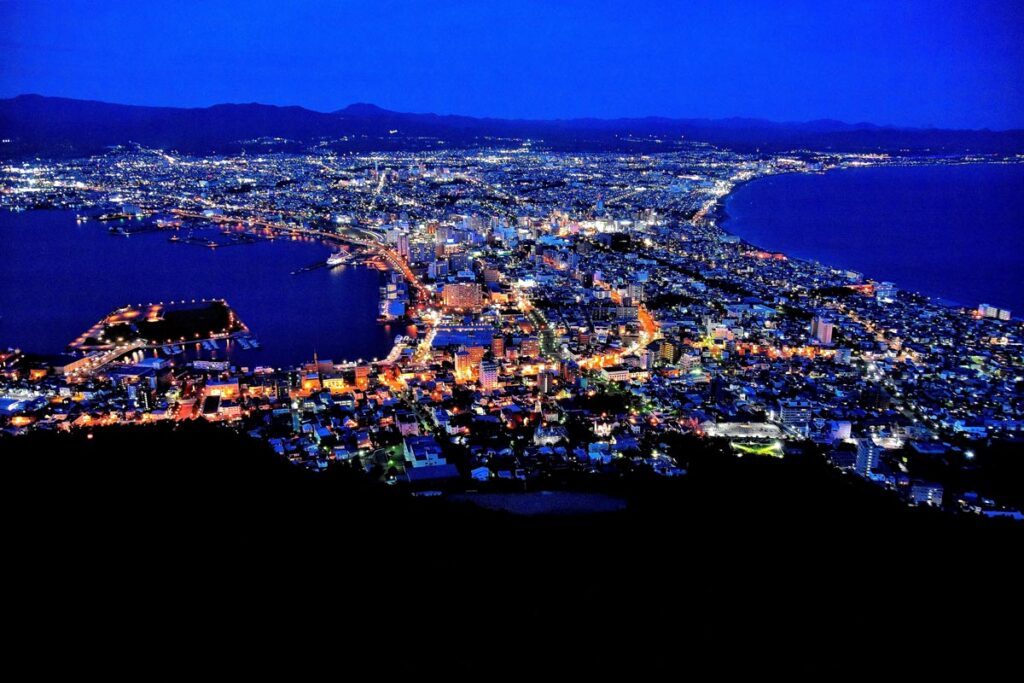
Mount Hakodate Night View
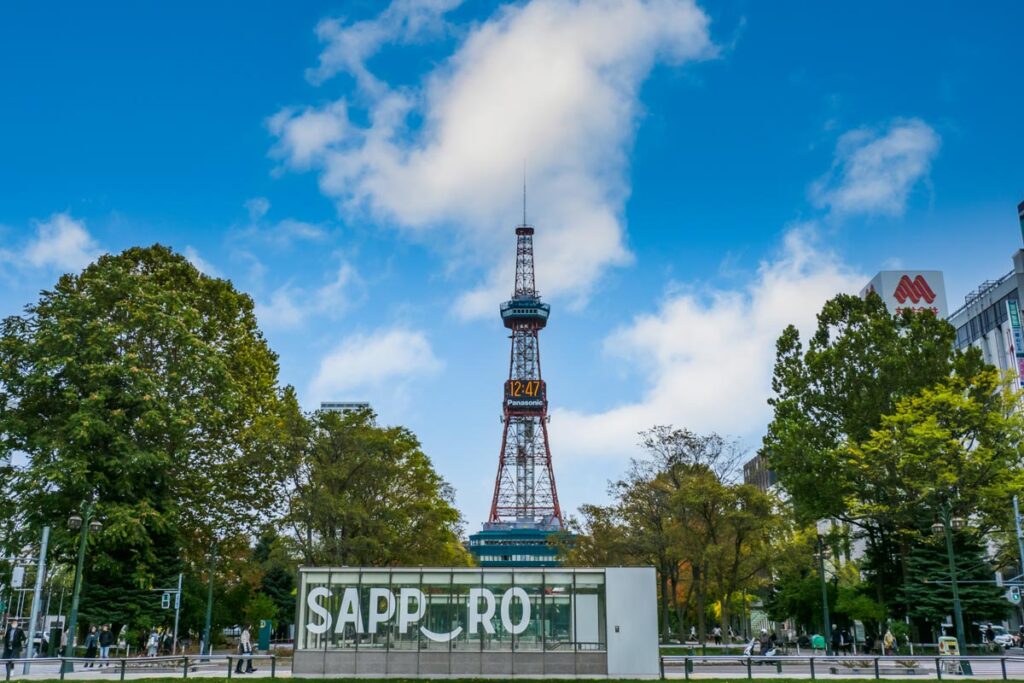
Odori Park
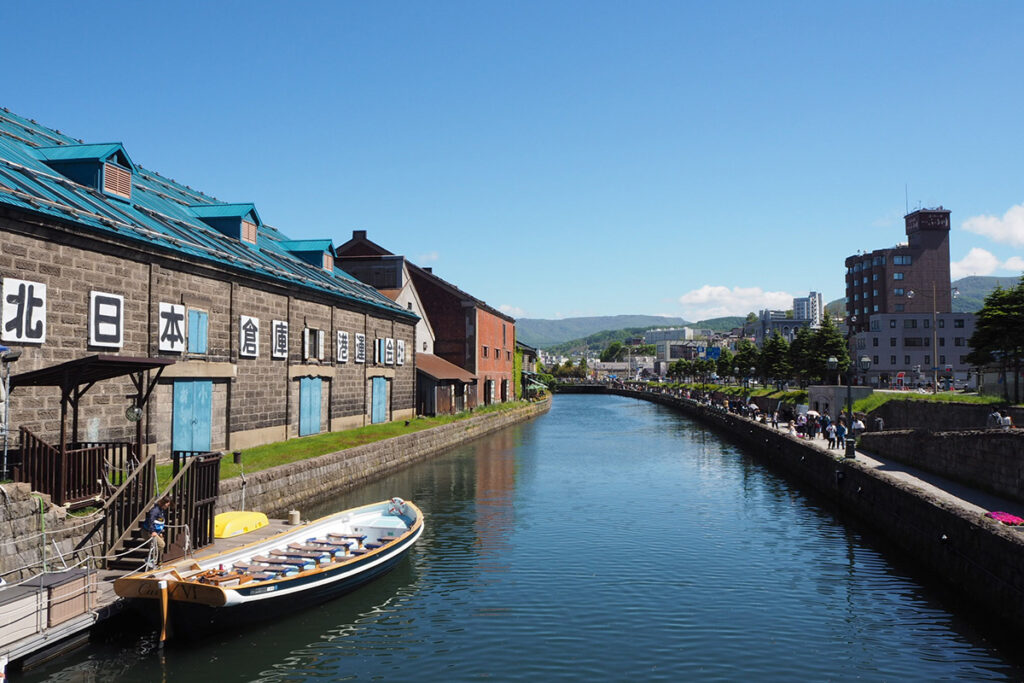
Otaru
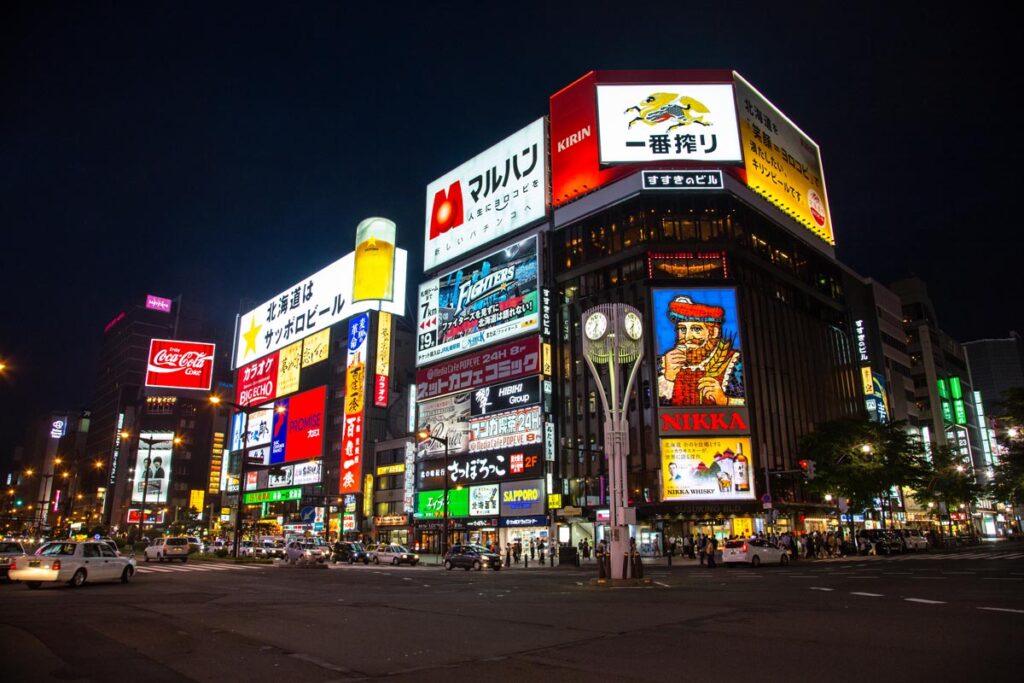
Susukino-Sapporo
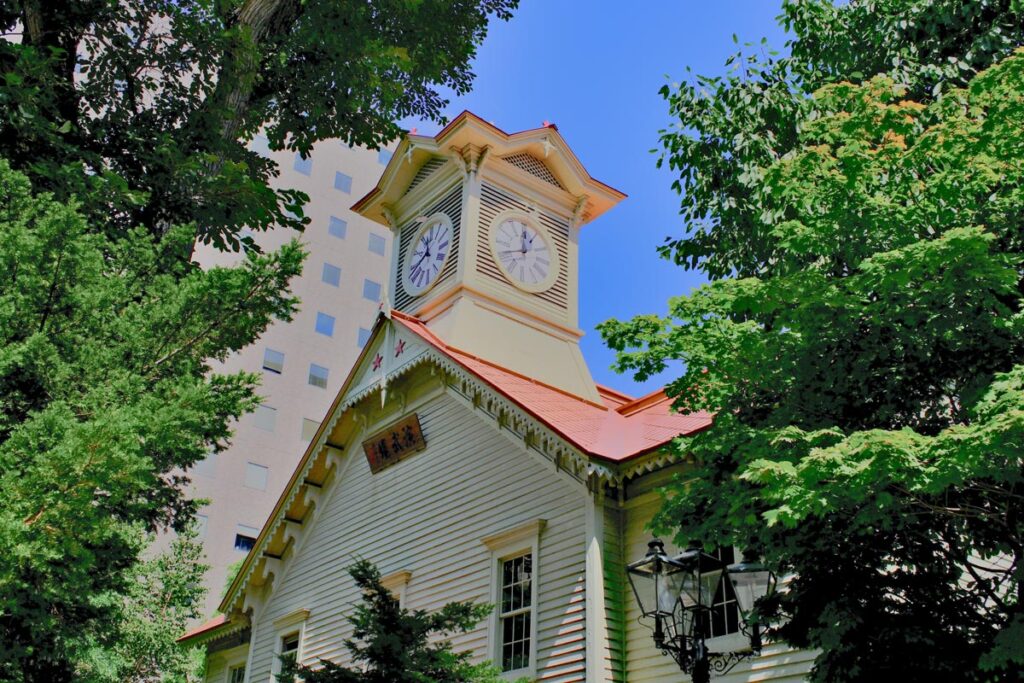
Sapporo Clock Tower

Hakodate Morning Market
Nijo Market
Farm Tomita
Furano Cheese Factory
Top destinations in Hokkaido & Tohoku
Aomori
Iwate
Fukushima