
Seasonal Limited Items
Seasonal Limited Items in Japan: A Guide for First‑Time Visitors
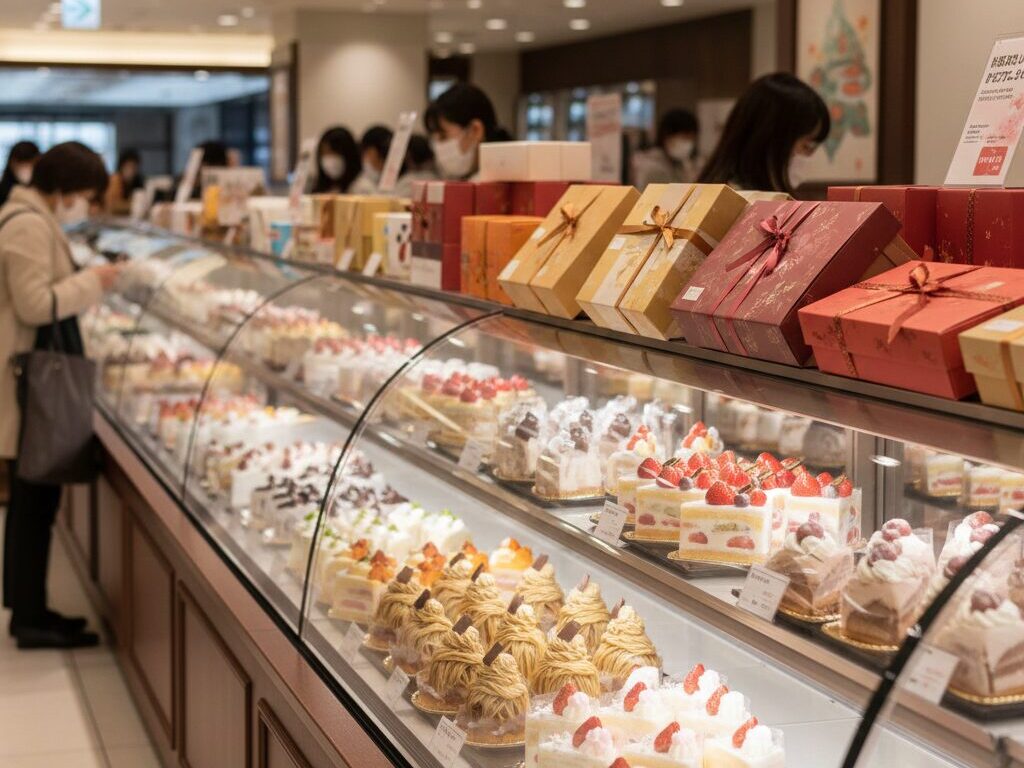
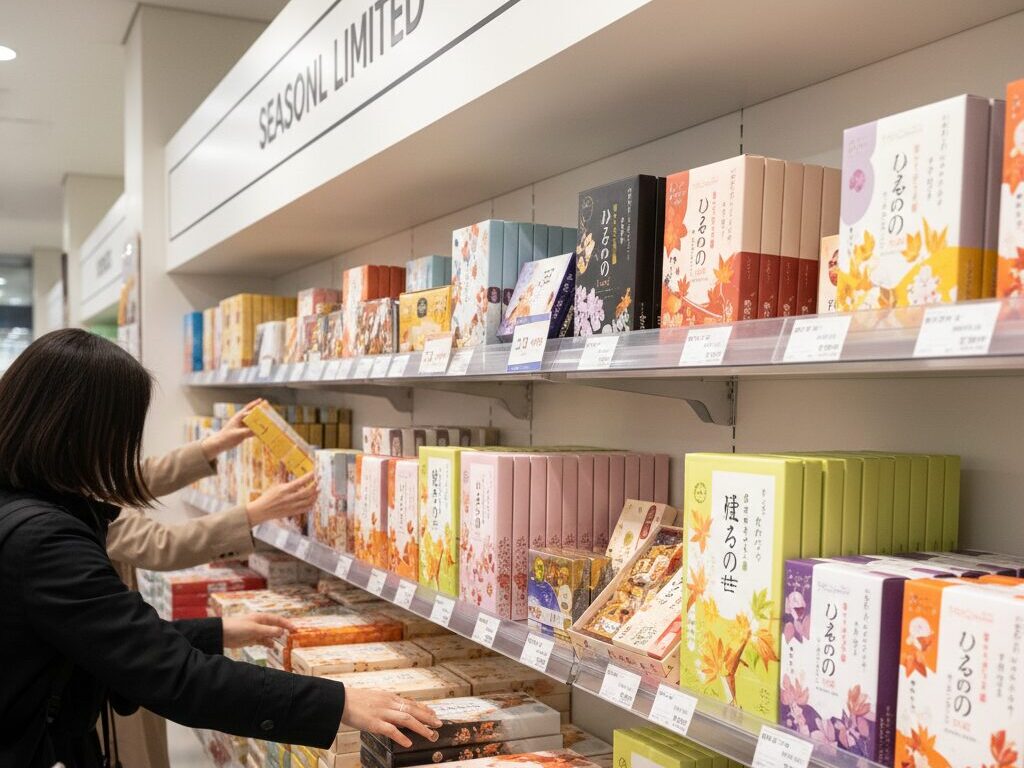
Ask any Japan fan what they love most, and you’ll often hear the same answer: seasonal limited items. From cherry blossom snacks in spring to warm, comforting drinks in winter, Japan is famous for products that are available only for a short time each year. For international visitors, these limited editions are more than cute packaging—they are a window into Japanese culture and a chance to take home truly unique souvenirs.
What Are “Seasonal Limited Items” in Japan?
In Japanese, you’ll see the words “kikan gentei” (limited-time), “shunki gentei” (spring-limited), or simply “seasonal” printed on products. These are items that appear only during specific months, tied to:
- Natural seasons (spring, summer, autumn, winter)
- Festivals and events (New Year, cherry blossom season, Halloween, Christmas)
- Regional harvests (strawberries, peaches, chestnuts, sweet potatoes)
They range from drinks at convenience stores to luxury sweets in department stores, and they change so frequently that even locals are always on the lookout. For travelers, discovering them can be a fun treasure hunt woven into your daily sightseeing.
Why Japan Loves Limited Editions
Japan’s obsession with seasonal items is deeply connected to cultural values. Traditional aesthetics emphasize the transience of beauty—cherry blossoms that fall in a few days, autumn leaves that glow for only a short time. Limited products tap into that same feeling: enjoy something special now, because it won’t last.
There is also a strong culture of omiyage (souvenir gifts) for family, friends, and colleagues. Bringing back something unique and time-limited from your trip is considered thoughtful and polite. This demand encourages constant innovation: every season, shops release fresh flavors, new packaging, and special collaborations with anime, games, or popular characters.
Where to Find Seasonal Limited Items
You don’t have to search specialty boutiques to experience seasonal Japan. Limited items are everywhere if you know where to look.
Convenience Stores (Konbini)
Japan’s convenience stores—7-Eleven, Lawson, FamilyMart, and others—are the easiest place to start. Look for small tags or stickers that say 季節限定 (seasonal limited) or 期間限定 (limited time). Typical seasonal finds include:
- Flavor-of-the-month drinks and desserts
- Special onigiri (rice ball) fillings using seasonal fish or vegetables
- Limited ice creams, chocolates, and pastries
Because convenience stores are open late and found in every neighborhood and station, they’re perfect for spontaneous discoveries after a long day of sightseeing.
Supermarkets and Department Store Food Floors
Local supermarkets and department stores (often called depachika in the basement) showcase seasonal produce and sweets in an almost gallery-like setting. Visit these areas to see:
- Fresh fruits at their peak season, sometimes in premium gift boxes
- Wagashi (traditional Japanese confectionery) shaped and colored to reflect the month
- Limited-edition cakes, puddings, and gift assortments
In big cities like Tokyo, Osaka, and Kyoto, depachika are also ideal places to buy elegant seasonal gifts to take home.
Station Shops and Airport Stores
Train and airport shops specialize in regional and seasonal souvenirs. You’ll find:
- Prefecture-only snacks with seasonal flavors
- Limited-edition KitKat and other branded sweets
- Beautifully boxed omiyage designed for gifting
If you spot something interesting at a station, buy it while you can. Many of these items are not sold outside that region or season.
Cafés, Chains, and Collab Stores
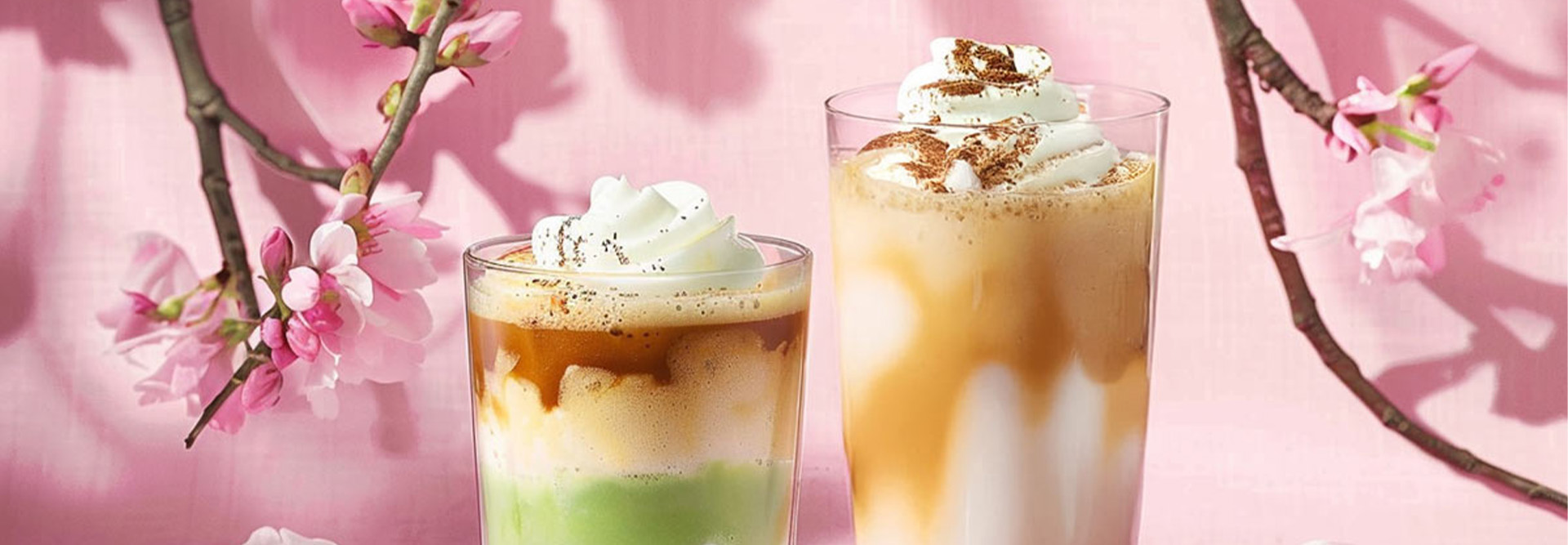
Japanese chains like Starbucks, Mister Donut, and popular cafés constantly release seasonal drinks, pastries, and character collaborations. These can sell out quickly and are often social-media favorites. If you see a long line in front of a dessert shop or bubble tea stand, there’s a good chance a new seasonal menu just launched.
Season-by-Season: What to Look For
Spring: Sakura, Strawberries, and New Beginnings
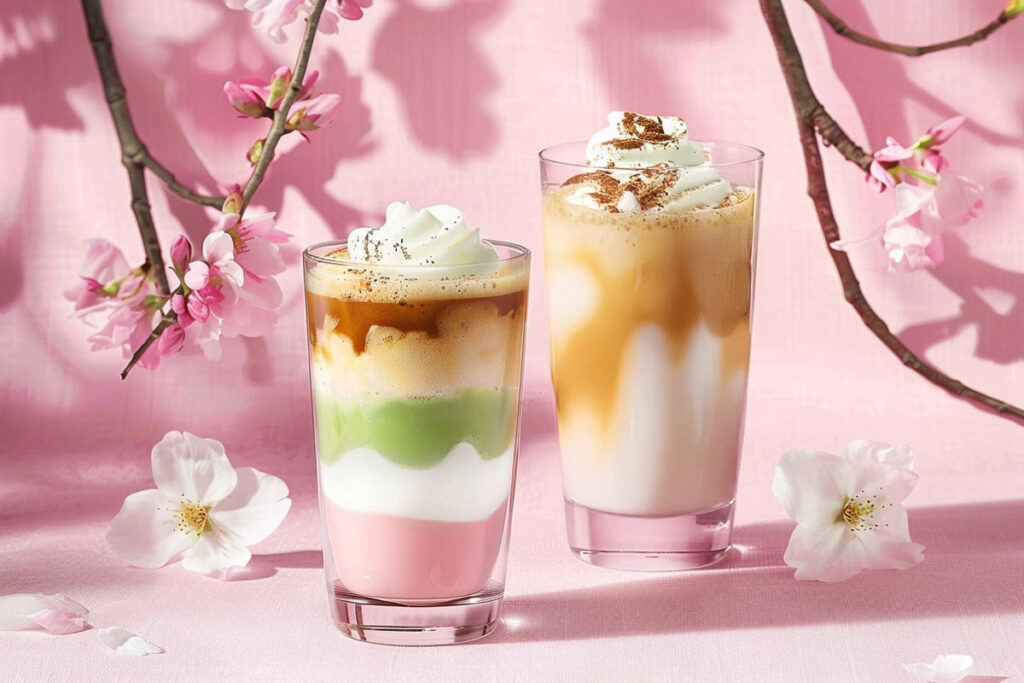
Spring in Japan, from March to early May, is dominated by sakura (cherry blossoms). Seasonal items appear weeks before the first flowers bloom. Look out for:
- Sakura-flavored sweets and drinks: mochi, lattes, frappés, chocolates, and cookies with subtle floral notes
- Strawberry desserts: cakes piled high with fresh strawberries, strawberry daifuku, and parfaits
- Pink packaging on everything from beer cans to bottled teas and snacks
Spring is also the start of the school and business year, so you’ll see many limited stationery designs, bento boxes, and lifestyle goods celebrating “new beginnings.” These make thoughtful gifts for students or coworkers back home.
Summer: Citrus, Cold Drinks, and Festival Vibes
Japanese summers are hot and humid, running roughly from June to August. Seasonal products focus on refreshment and energy. Typical items include:
- Citrus drinks with yuzu, sudachi, or lemon
- Frozen desserts: limited ice creams, shaved ice syrups, and jelly-based sweets
- Sports and isotonic drinks with special summer packaging
You’ll also find festival-themed snacks around the time of local matsuri (festivals) and fireworks events—packaging decorated with yukata (summer kimono), lanterns, or fireworks motifs. These products capture Japan’s nostalgic summer atmosphere, even if you’re just buying them from a convenience store.
Autumn: Chestnuts, Sweet Potatoes, and Harvest Colors
Autumn, from September to November, is one of the best times to visit Japan, and the seasonal items are especially rich and comforting. Look for:
- Chestnut (kuri) sweets: cakes, mont-blanc desserts, and chestnut-filled dorayaki
- Sweet potato (imo) items: baked sweet potato snacks, latte drinks, and cookies
- Pumpkin and apple flavors in both Japanese and Western-style pastries
Packaging shifts to deep reds, oranges, and browns to echo the autumn leaves. Many brands release limited Halloween designs as well—from black-and-orange candy to character collaborations featuring ghosts and pumpkins. If you enjoy cozy flavors, plan to spend time exploring supermarkets and depachika in autumn.
Winter: Chocolate, Hot Drinks, and Holiday Specials
Winter in Japan, from December to February, highlights warmth, comfort, and celebration. Seasonal products often revolve around:
- Hot drinks: ginger teas, spiced lattes, and rich cocoa
- Special chocolates for Christmas and Valentine’s Day
- New Year sweets packaged with traditional motifs like cranes and pine trees
January also brings limited Lucky Bags (fukubukuro) at many stores, where you pay a set price for a surprise-filled bag of items often worth much more than you spend. These are not exactly seasonal foods, but they’re a beloved winter-only shopping experience in Japan and a fun way to discover new brands.
Regional and Event-Based Limited Items
Local Flavors You Can Only Get There
Beyond the four seasons, Japan has countless regional limited items. For example:
- Hokkaido: dairy-rich sweets, corn snacks, melon-flavored treats
- Kyoto: matcha sweets, elegant wagashi, and traditional cookies
- Okinawa: purple sweet potato (beni-imo) tarts, tropical fruit jellies
These are often displayed prominently in station shops or airport stores with signs showing the prefecture name. Combine a seasonal flavor with a regional specialty for the most memorable souvenirs.
Anime, Game, and Character Collaborations
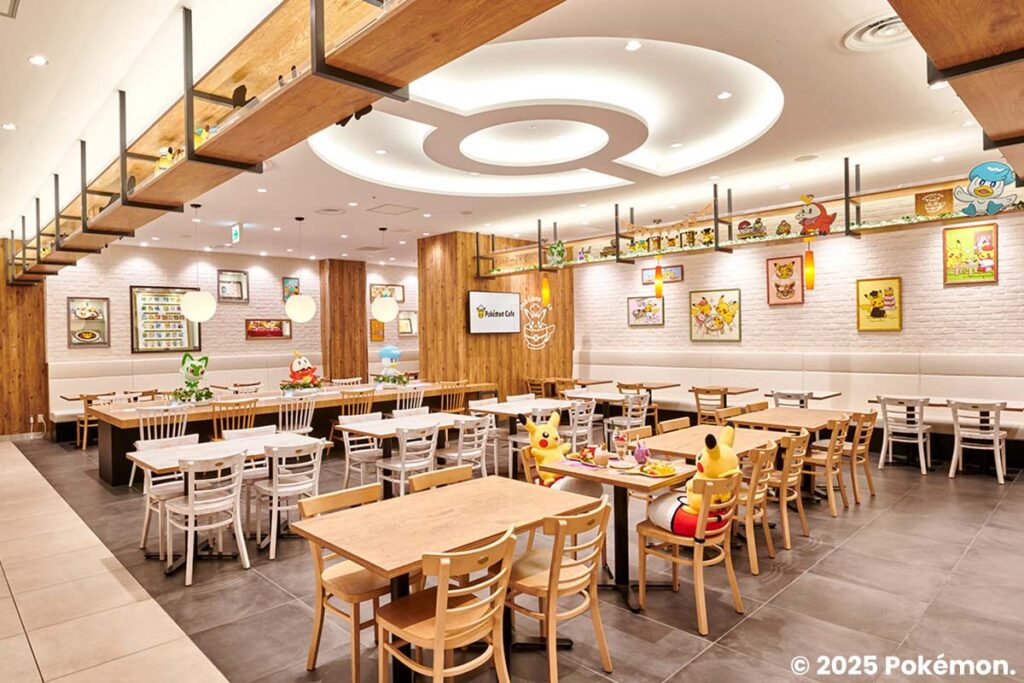
Japan frequently releases limited collaboration items linked to anime, games, or popular characters. These may be tied to a film premiere, a new game release, or a seasonal event. Examples include:
- Limited drink cups and snacks featuring specific characters
- Special packaging available only for a few weeks
- Exclusive goods sold at themed pop-up cafes
If you’re a fan, check official websites or social media pages of your favorite franchises before traveling. Many collaborations are timed with school holidays or film releases and can be highly sought after.
How to Spot and Read Seasonal Labels
Even if you can’t read much Japanese, you can still track down seasonal items by looking for a few key phrases on labels and signs:
- 季節限定 (kisetsu gentei) – seasonal limited
- 期間限定 (kikan gentei) – limited time only
- 春限定 / 夏限定 / 秋限定 / 冬限定 – spring / summer / autumn / winter only
You might also see small shelf tags in convenience stores that highlight these words. If you’re unsure, you can simply pick up any item with bright seasonal imagery—cherry blossoms, snowflakes, maple leaves, pumpkins—as these typically signal a limited release.
Practical Tips for Buying and Bringing Seasonal Items Home
Check Expiration Dates
Because many seasonal sweets are fresh or delicate, they often have short shelf lives. Always check the expiration date (often labeled as “賞味期限”) and choose items with dates that extend well past your return flight. Dry snacks, chocolates, and candies are usually safer options than cakes or refrigerated desserts.
Consider Customs and Airline Rules
Before you shop, check your home country’s customs regulations. Some items containing meat, fresh dairy, or fresh fruit may not be allowed. Liquids are also restricted in carry-on luggage, so pack drinks and sauces in checked baggage and wrap them securely.
Think About Transport
Fragile wagashi or beautifully decorated cakes may not survive a long train ride and international flight. For gifts, look for:
- Individually wrapped snacks in sturdy boxes
- Chocolate assortments designed as souvenirs
- Dry or baked sweets rather than soft cream-based ones
If you want to enjoy delicate seasonal items, consider eating them in Japan and saving the sturdier products for your luggage.
Timing Your Purchases
Seasonal items often appear a little earlier than you might expect. For example, sakura snacks can arrive in stores while it’s still cold in late winter, and autumn flavors sometimes debut at the end of summer. If you see something you love, buy it; it may disappear from shelves before the actual season ends.
Making Seasonal Hunting Part of Your Trip
You don’t need a special itinerary to experience Japan’s seasonal products. Build them naturally into your daily routine:
- Morning: Pick up a seasonal coffee or tea and limited bread or pastry at a convenience store.
- Afternoon: Visit a department store basement to browse seasonal sweets between sightseeing stops.
- Evening: Try a seasonal drink at a bar or a limited dessert at a café near your hotel.
As you travel between regions, keep an eye on station shops and local supermarkets. Comparing what’s available in Tokyo, Kyoto, Osaka, Hokkaido, or Okinawa becomes a journey in itself, and you’ll start to notice how each area celebrates the same season in different ways.
Why Seasonal Limited Items Are the Perfect Souvenir
For first-time visitors to Japan, seasonal limited items offer an easy, affordable, and very local way to connect with everyday life. They let you taste ingredients at their peak, follow the rhythm of festivals and holidays, and share a fleeting moment of Japanese culture with the people waiting for you back home.
Whether you’re sipping a sakura latte under cherry blossoms, eating chestnut sweets while watching autumn leaves, or unwrapping a winter chocolate on a snowy night, these limited-time treats will give your trip a flavor you can’t find anywhere else—and can’t quite repeat, even if you return next year.
That sense of “once only” is exactly what makes seasonal limited items in Japan so memorable. Embrace it, explore it, and let each season guide you to something new and delicious.

Explore Other Cultures
Kawaii Culture
Street Fashion
Instagram-worthy Spots
Seasonal Limited Items
Character Collaborations

Digital Art & TeamLab
Unique Vending Machines