
Sefa Utaki
Sefa Utaki: How to Visit Okinawa’s Sacred Ryukyu Sanctuary
Photos are for illustrative purposes only.
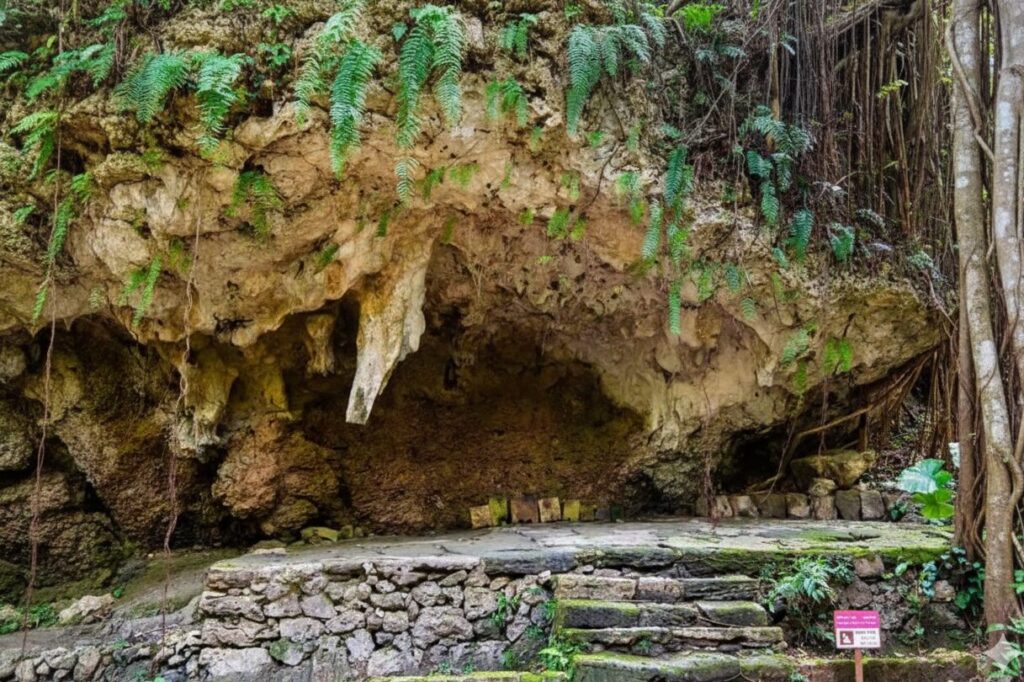
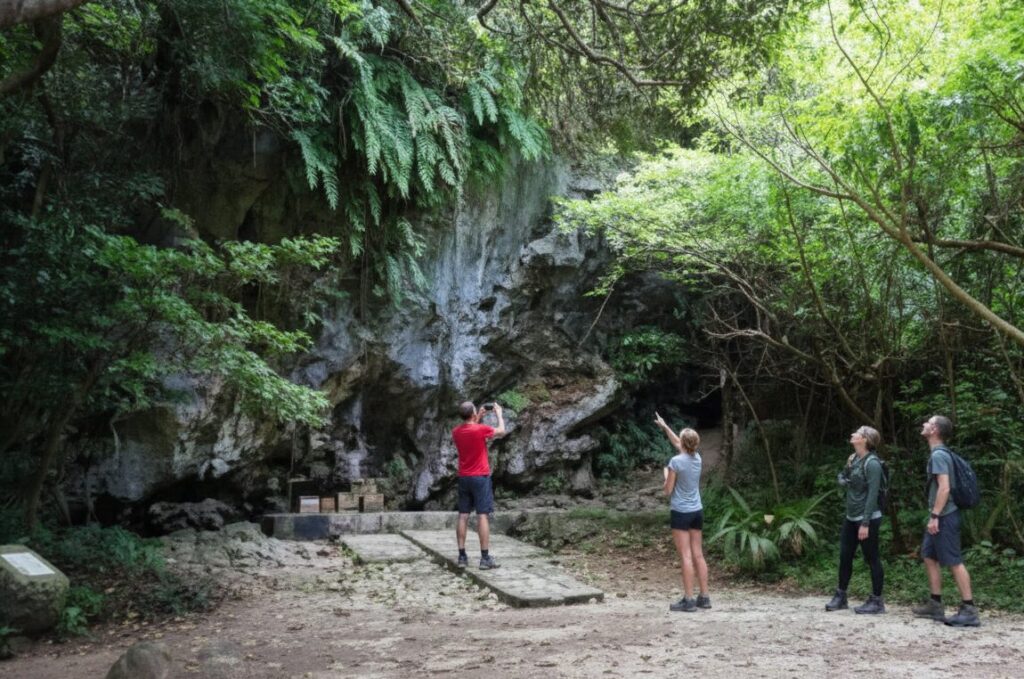
Hidden among subtropical forest on a quiet Okinawan hillside, Sefa Utaki is one of Japan’s most spiritually powerful places. Unlike the grand wooden shrines of Kyoto or Tokyo, this sacred site is made of living rock, limestone cliffs, natural caves and lush greenery. For first-time visitors to Japan, it offers a rare glimpse into the spiritual heart of the Ryukyu Islands, a culture that developed separately from mainland Japan for centuries.
What Is Sefa Utaki?
Sefa Utaki (often written as “Sefa-utaki” or “Seifa Utaki”) is a sacred site of the indigenous Ryukyu religion. “Utaki” means a holy place in the local language, and Sefa Utaki is considered the most important of them all. Rather than being a single building, it is a collection of sacred spots scattered along a forested slope overlooking the Pacific Ocean and Kudaka Island, which is itself revered as an island of the gods.
The site is part of the UNESCO World Heritage group known as the “Gusuku Sites and Related Properties of the Kingdom of Ryukyu.” For centuries, it served as a pilgrimage destination for the Ryukyu royal family, priestesses and villagers who came to pray for protection, good harvests and safe voyages across the surrounding seas.
A Brief History of Sefa Utaki
To understand Sefa Utaki, it helps to know a little about the Ryukyu Kingdom. Long before Okinawa became Japan’s southern prefecture, the islands were an independent maritime kingdom that traded with China, Korea and Southeast Asia. The Ryukyu royal court developed its own religion, rituals and priesthood, many of which centered on powerful women.
Sefa Utaki is said to have been sanctified by the legendary founder of the Ryukyu Kingdom. According to local mythology, the goddess Amamikyo created the islands and established Sefa Utaki as a holy place. The site later became closely tied to the royal court in Shuri, the kingdom’s capital. The chief priestess, known as the kikoe-ōgimi (or kikoe-ogimi), would perform important state rituals here, including prayers for the well-being of the king and the prosperity of the islands.
Historically, ordinary people did not wander Sefa Utaki freely. Access was restricted, and many of the most sacred inner areas were off-limits to men. Priestesses from local communities also visited to conduct ceremonies, and the site remained an important religious focus even as political control shifted and, eventually, the Ryukyu Kingdom was annexed by Japan in the 19th century.
What Makes Sefa Utaki Special?
For international visitors, Sefa Utaki stands out in several ways compared with more familiar Japanese shrines and temples.
A Sacred Landscape, Not a Shrine Building
Instead of a grand gate and wooden shrine hall, Sefa Utaki is made of natural formations: forests, rocks, caves and dripping stalactites. Paths wind through dense greenery, and the “altars” are simple stone platforms, low walls, or springs of water where offerings were once made. The natural setting is central to its spiritual power, and this is why the entire area is protected.
A Strong Female Spiritual Tradition
Ryukyu religion places great importance on women as spiritual leaders. While many major Shinto shrines on the mainland have historically been overseen by male priests, Sefa Utaki was the domain of priestesses. The highest-ranking women of the royal family formed a powerful religious network, and their ceremonies here were believed to protect the kingdom. Today, this legacy is remembered in stories, local rituals and the continuing respect given to the site.
An Atmosphere of Quiet Awe
Even visitors with no religious background often notice the change in atmosphere as they enter Sefa Utaki. The air cools, birds call from the canopy and light filters softly through the leaves. It feels less like an attraction and more like a living sanctuary. This quiet, contemplative mood is part of the experience, and visitors are encouraged to move slowly and respectfully.
Highlights Within Sefa Utaki
The walking route at Sefa Utaki is a loop of about 800 meters through the forest, with a number of marked sacred points. You do not need a guide to follow the path, but taking time to pause at each area can deepen your visit.
Entrance Area and Stone Steps
From the modern entrance and ticket office, a stone path leads into the forest. The route soon becomes a series of old stone steps, uneven in places, so comfortable footwear is strongly recommended. As you climb, the view of the outside world gradually disappears, replaced by thick vegetation and limestone rock.
Ukiishi and Early Prayer Sites
One of the earlier stops is Ukiishi, a “floating stone” that appears to hover above the ground. Nearby are simple stone altars where offerings were once presented. These spaces can appear understated to modern eyes, but in traditional Ryukyu religion, natural rocks and small enclosures could be powerful places of prayer.
The Triangular Rock Passage
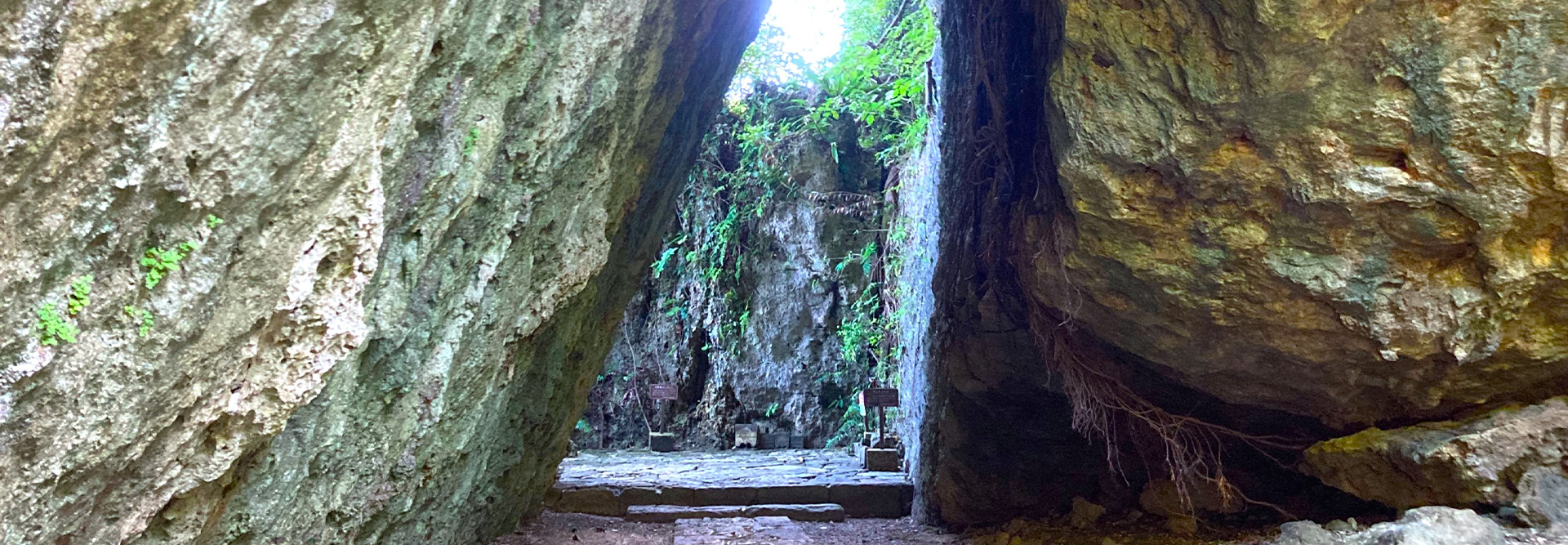
The most iconic spot at Sefa Utaki is a dramatic triangular rock passage formed by two enormous slabs of limestone leaning together. A stone-paved path passes between them, creating a narrow, cathedral-like corridor of stone and shadow. This area is sacred, and visitors are asked to walk quietly through, without touching or climbing on the rocks.
On the far side of the passage, there is a viewpoint from which you can see the ocean and Kudaka Island on a clear day. Historically, priestesses and members of the royal family looked out from here when performing rituals to honor the gods of the sea and sky.
Sanctuaries and Ritual Spaces
Throughout the site, you will see simple shrines made from stones, walls and small caves. These were used by priestesses to pray for the king, harvests, safe childbirth and the protection of local communities. While detailed signage in English can vary, the atmosphere of these spaces encourages quiet reflection.
Respectful Etiquette for Visiting
Sefa Utaki is not just a historical attraction; it is still regarded as sacred by many local people. Visitors of any background are welcome, but certain behaviors help preserve the site’s dignity and natural environment.
Dress and Behavior
There is no strict dress code, but modest, practical clothing is appreciated. Avoid loud conversations, music and phone calls. This is not a place for shouting or running; move slowly and respectfully along the paths.
Photography
Photography is generally allowed in most outdoor areas, but rules can change, and certain specific spots may prohibit it. Always check the latest guidance at the entrance and obey any “no photography” signs you see. Even where photos are permitted, consider avoiding intrusive poses, loud photo shoots or anything that might disturb other visitors.
No Touching or Removing Natural Objects
Do not touch altars, climb rocks or pick plants. Removing stones, shells, leaves or other natural objects from the site is strongly discouraged. The spiritual significance lies in the landscape as a whole, not just in individual features.
Offerings and Prayer
Some visitors may see local people bowing or praying quietly at certain spots. You are not required to participate, and there is no expectation based on religion or nationality. If you wish, you can simply bow your head for a moment of quiet reflection, but avoid leaving coins, food or objects unless there are clearly designated places and instructions provided.
Practical Information for First-Time Visitors
Location and Access
Sefa Utaki is located in Nanjo City on the southeastern side of Okinawa’s main island. Many visitors stay in Naha, the prefectural capital, and visit Sefa Utaki as a half-day trip.
- From Naha by car: The drive typically takes about 40–50 minutes depending on traffic. Rental cars are widely available in Naha, including at Naha Airport. Parking is available near the entrance, usually for a small fee.
- By bus: Local buses run from central Naha toward Nanjo City, but services can be infrequent and may require transfers. Travel times can exceed one hour. If you are not comfortable navigating Japanese bus systems, consider asking your hotel for up-to-date route and timetable information.
- By tour: Some sightseeing tours of southern Okinawa include Sefa Utaki along with other locations such as Gyokusendo Cave or Peace Memorial Park. These can be convenient for visitors who prefer not to drive.
Opening Hours and Tickets
Sefa Utaki generally opens during daylight hours, with last entry in the late afternoon. Exact times and admission fees can change, so it is wise to check official tourism sources or ask your accommodation shortly before your visit. Tickets are purchased at the modern visitor entrance, which also offers basic information, restrooms and often some English-language materials.
Walking Conditions
The visit involves walking on uneven stone steps, damp paths and gentle slopes. There are handrails in some sections, but the course may not be suitable for visitors with serious mobility issues, especially in wet weather when the stones can be slippery.
- Wear sturdy, closed shoes with good grip.
- Bring water, particularly in the hot and humid months.
- Use insect repellent if you are sensitive to mosquitoes.
- In summer, consider a hat and sun protection for the more open areas along the route.
Best Time to Visit Sefa Utaki
Okinawa has a subtropical climate, so Sefa Utaki can be visited year-round. However, the experience varies by season.
- Spring (March–May): Comfortable temperatures and lush new growth in the forest make this an ideal season. Occasional showers are common, but the greenery is at its freshest.
- Summer (June–September): Hot, humid and sometimes affected by typhoons. The forest provides shade, but the walk can still feel intense. Bring plenty of water and check weather forecasts, as heavy rain may affect visiting conditions.
- Autumn (October–November): Another excellent time to visit, with slightly cooler temperatures and relatively stable weather. The forest stays green rather than turning red and yellow as in mainland Japan.
- Winter (December–February): Mild compared with most of Japan, with cool but generally pleasant temperatures. Rain and wind can make the site feel chilly, so bringing a light jacket is recommended.
For a quieter experience, aim to arrive early in the morning or later in the afternoon on weekdays. Midday on weekends and during Japanese holidays can see more visitors.
Combining Sefa Utaki with Nearby Attractions
Nanjo City and the broader southern Okinawa area offer several other points of interest that pair well with a visit to Sefa Utaki.
Kudaka Island Views
From Sefa Utaki’s viewpoint, you can see Kudaka Island, revered in Ryukyu mythology as the place where gods descended and where life on the islands began. Although day trips to Kudaka Island require separate planning and a ferry ride, simply viewing it from Sefa Utaki can help you appreciate how deeply the sea shapes local belief.
Seaside Cafés and Scenic Roads
After your visit, consider driving or taking a taxi along the coast. Southern Okinawa offers beautiful sea views, quiet beaches and small cafés where you can try Okinawan dishes such as taco rice, goya champuru (stir-fried bitter melon) or refreshing local desserts. This is a relaxing way to come back from the meditative mood of Sefa Utaki.
Cultural and Historical Sites
Many visitors combine Sefa Utaki with other historical spots on Okinawa’s main island, such as former royal sites, traditional villages or memorials that tell the story of the islands during World War II. Doing so provides a fuller picture of how spiritual, political and modern histories intersect in Okinawa.
Tips for a Meaningful Visit
Sefa Utaki can be appreciated on a simple level as a beautiful, quiet place in nature. With a little preparation, your visit can become deeper and more memorable.
- Read a bit about Ryukyu history beforehand. Knowing that Okinawa was once an independent kingdom helps explain why its culture and religion feel different from mainland Japan.
- Take your time. The walking route is not long, but pausing in silence at each sacred spot can transform the experience from sightseeing into something more reflective.
- Travel lightly. Bring only what you need for the walk. Large backpacks or noisy items can be distracting in the narrow paths.
- Be mindful of others. People around you may be praying or remembering ancestors. Giving them space, avoiding loud talk and stepping aside on narrow paths goes a long way.
Why Sefa Utaki Belongs on Your Japan Itinerary
For many first-time visitors to Japan, Tokyo, Kyoto and Osaka are obvious highlights. Adding Okinawa and Sefa Utaki to your journey introduces a different side of the country: one shaped by coral reefs and trade winds, a history of seafaring kingdoms and a spiritual tradition that honors women and the natural world.
Walking through Sefa Utaki, you are not entering a reconstructed monument but a living landscape that has been revered for centuries. The rustle of leaves, the cool stone underfoot and the glimpse of Kudaka Island across the water invite you to slow down and connect—if only briefly—with the deep currents of belief that still flow through Okinawa today.
Whether you come as a curious traveler, a lover of history or simply someone seeking a quiet moment away from the city, Sefa Utaki offers a uniquely gentle and powerful encounter with Japan’s southern soul.

Access Map
Recommended spots in Okinawa
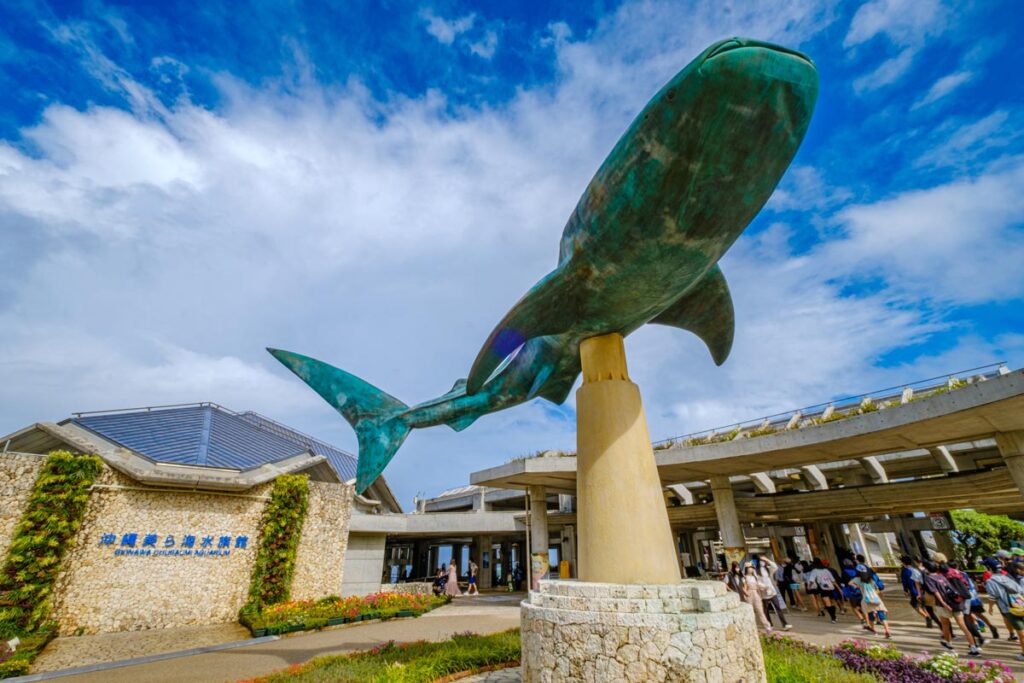
Churaumi Aquarium
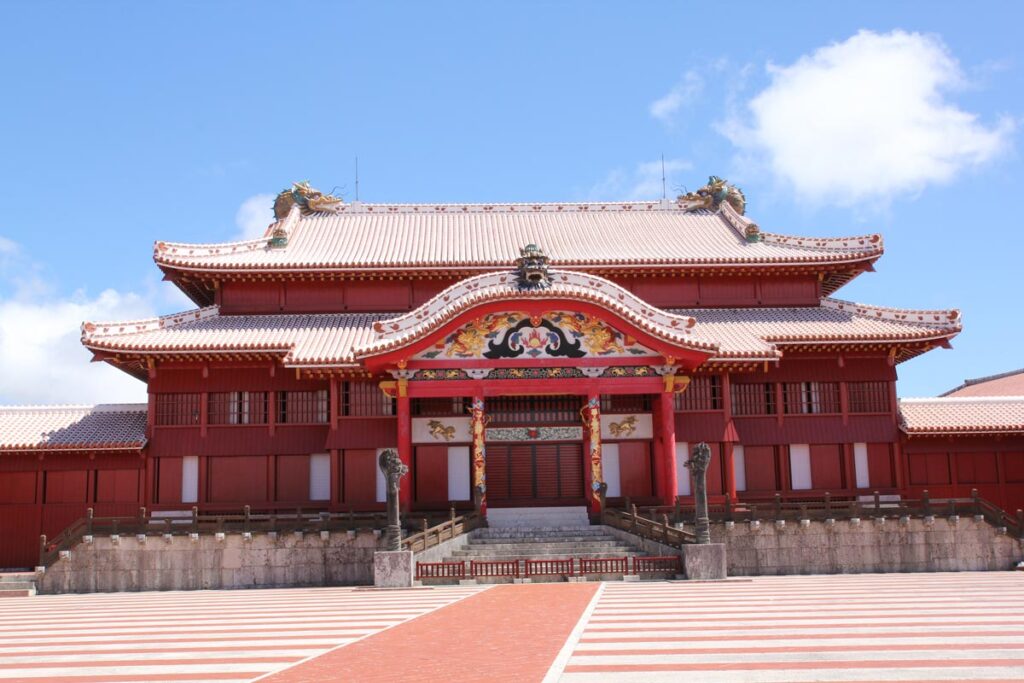
Shuri Castle
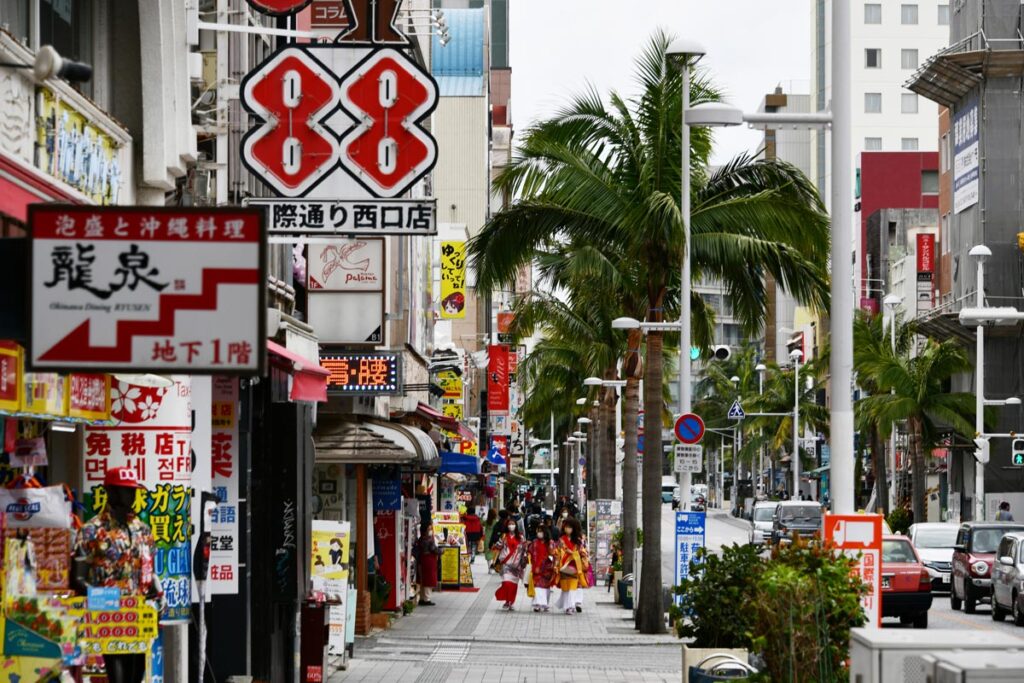
Kokusai Street
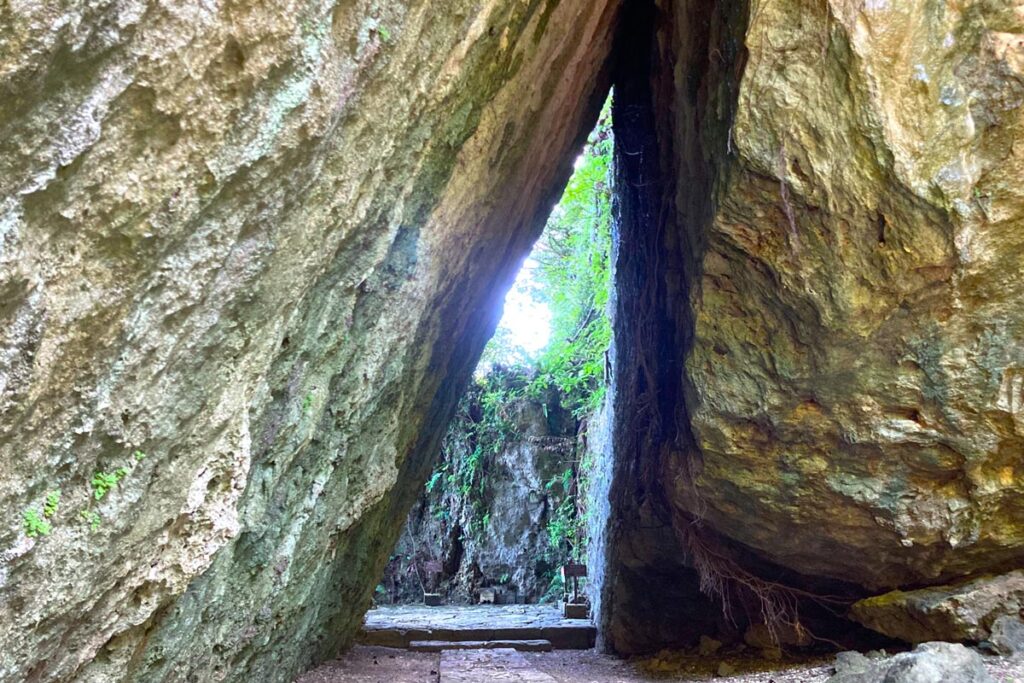
Sefa Utaki
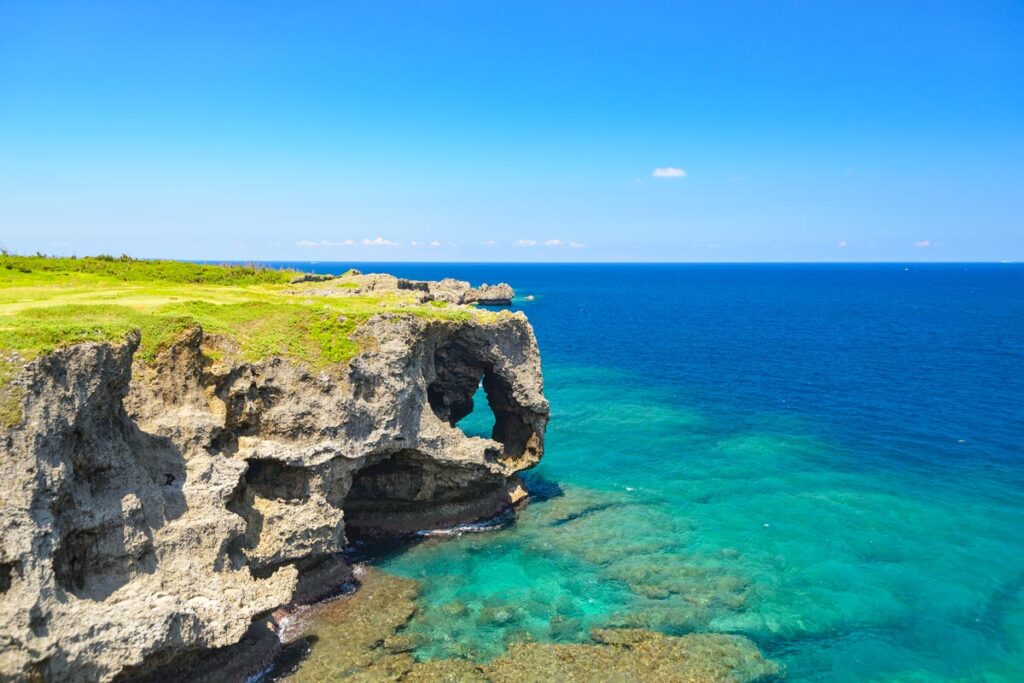
Manza-mo
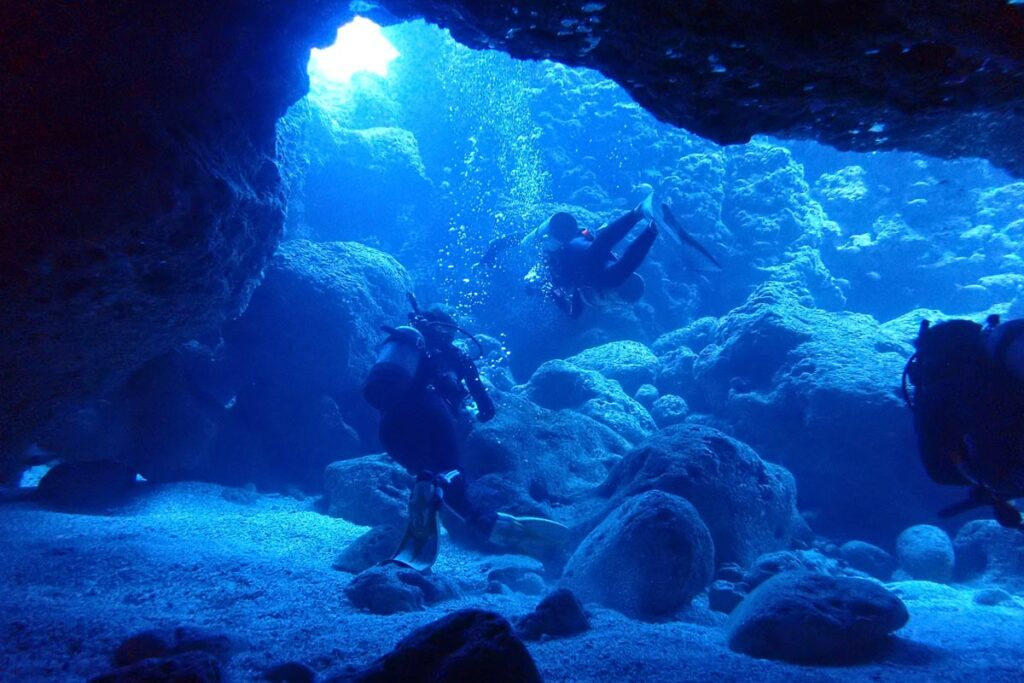
Blue Cave
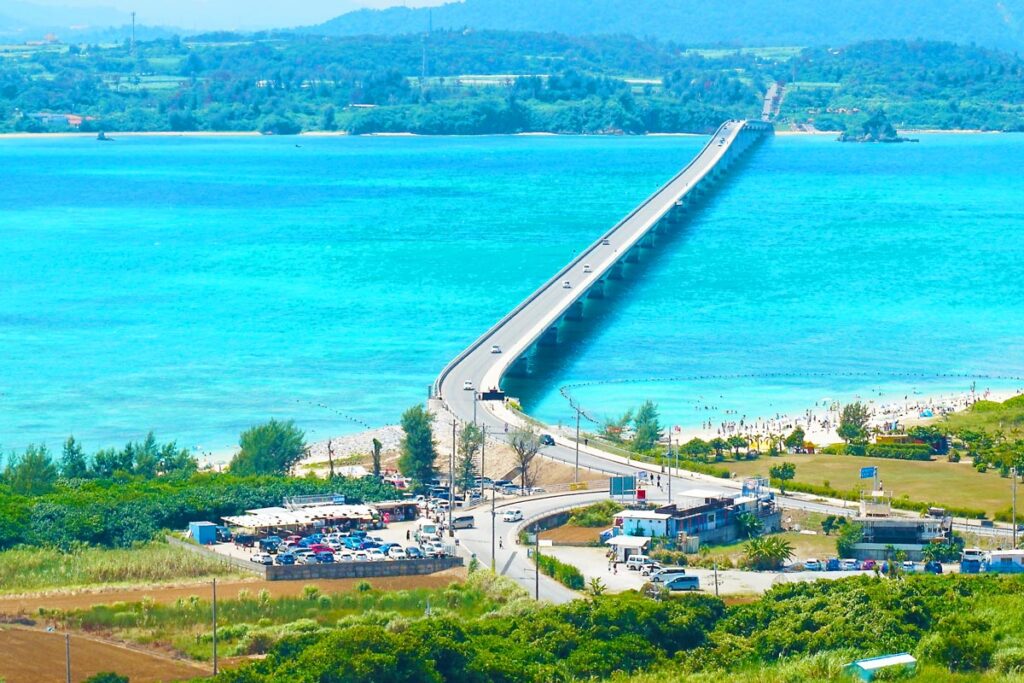
Kouri Island
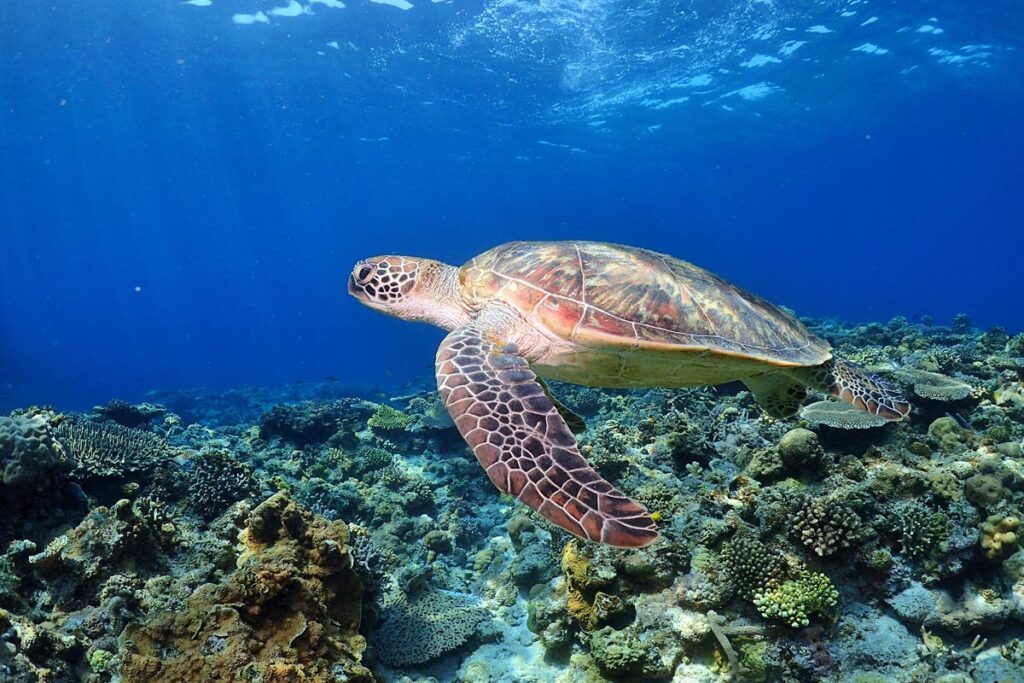
Diving Spots
Top destinations in Kyushu/Okinawa
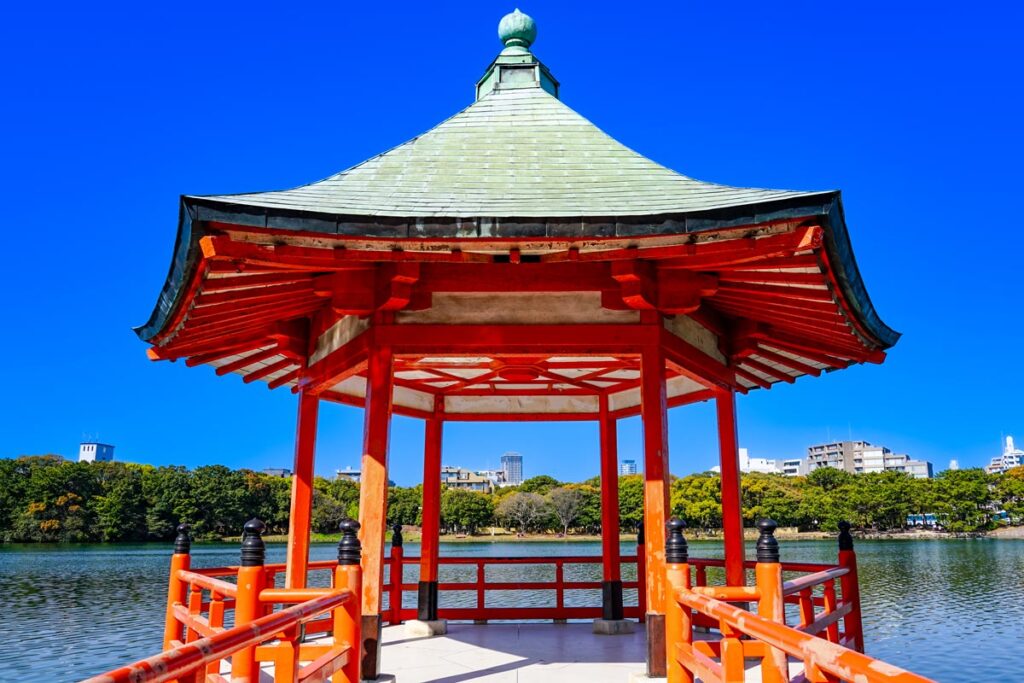
Fukuoka
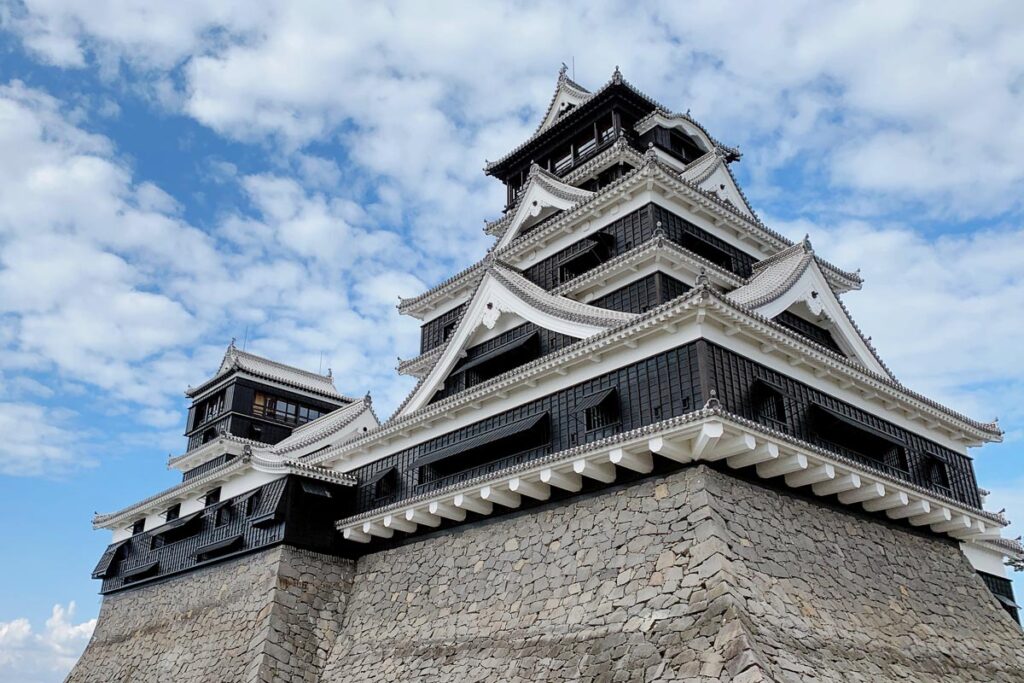
Kumamoto
Kagoshima