





Sendai Castle Ruins
Sendai Castle Ruins: A Samurai-Style View Over Modern Sendai
Photos are for illustrative purposes only.
High on a forested hill above modern towers and tree-lined avenues, the Sendai Castle Ruins offer one of Japan’s most atmospheric blends of samurai history and cityscape views. For first-time visitors to Japan, this is an easy and rewarding place to experience castle culture, learn about the powerful Date clan, and enjoy a panoramic look at one of Tohoku’s most livable cities.
Why Visit the Sendai Castle Ruins?
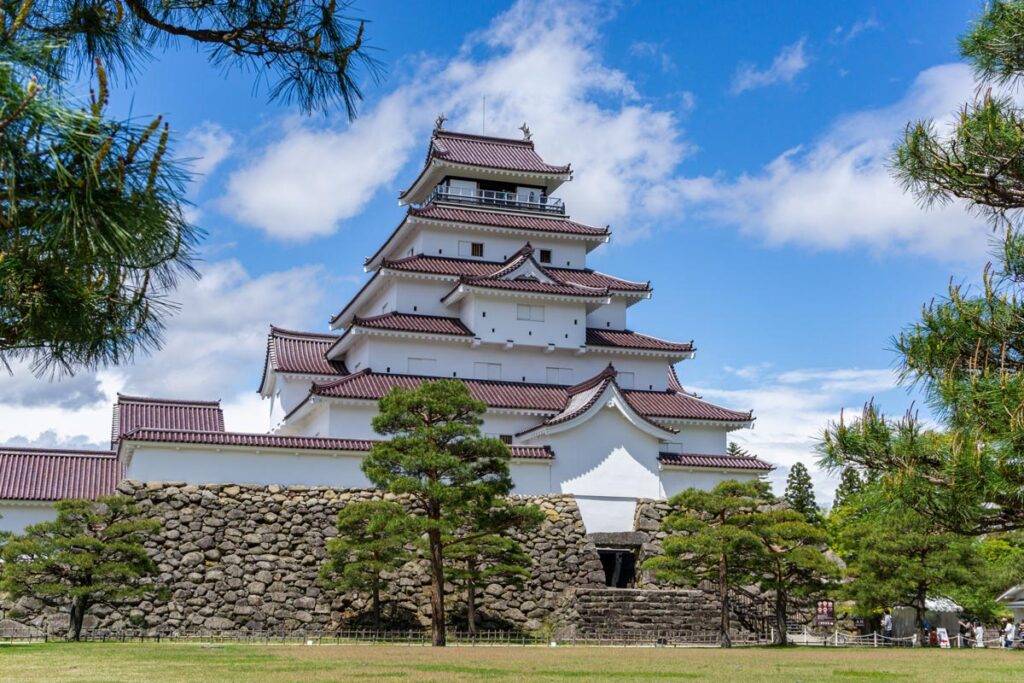
Unlike famous Japanese castles such as Himeji or Matsumoto, the original keep of Sendai Castle no longer stands. Instead, visitors come here for a different kind of experience: dramatic stone ramparts, sweeping views over Sendai, and a thoughtful introduction to the city’s feudal past.
Key reasons to include Sendai Castle Ruins in your Japan itinerary:
- Stunning city panorama from Aoba Hill, especially at sunset or after dark.
- Atmospheric stone walls and gates that hint at the scale of the original fortress.
- Samurai heritage of the Date clan, who once ruled a large part of northeastern Japan.
- Easy access from central Sendai by bus or taxi, with clear English signage.
- Nearby shrines and walks that create a relaxed half-day outing away from busy train stations and shopping streets.
A Brief History: Date Masamune’s Mountain Castle
Sendai Castle, also known as Aoba Castle, was built in the early 17th century by the warlord Date Masamune. Recognized by his famous crescent-moon helmet and missing eye, Masamune is one of Japan’s most iconic samurai figures. He chose this high ridge above the Hirose River for its natural defenses and commanding view of the Sendai plain.
The castle served as the political and military center of the Date clan for centuries. Like many Japanese castles, however, it suffered from fires, modernization policies in the late 19th century, and bombing during World War II. Today, only sections of the massive stone walls, some gates, and foundations remain, but they are enough to suggest the once-imposing scale of the castle complex.
Recent decades have seen careful preservation of the ruins and the creation of a scenic park, along with monuments and small facilities that help visitors visualize the castle’s original appearance.
Highlights of the Castle Ruins Area
The Statue of Date Masamune
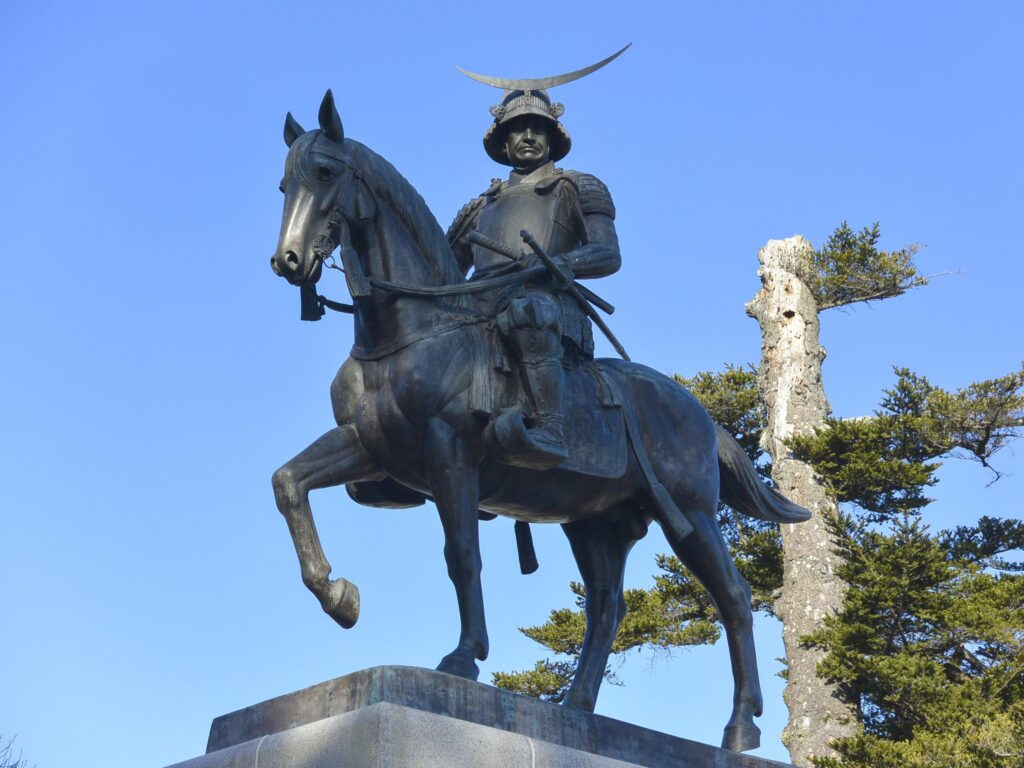
The most iconic sight at the Sendai Castle Ruins is the equestrian statue of Date Masamune, standing proudly near the main viewing platform. Cast in bronze, he appears in full armor, gazing out across the city as if still guarding his domain.
This statue is one of Sendai’s best-known images, often used on tourism posters and local souvenirs. It is also a perfect photo spot, with Masamune framed against the skyline and, on clear days, distant mountains.
Panoramic View Over Sendai
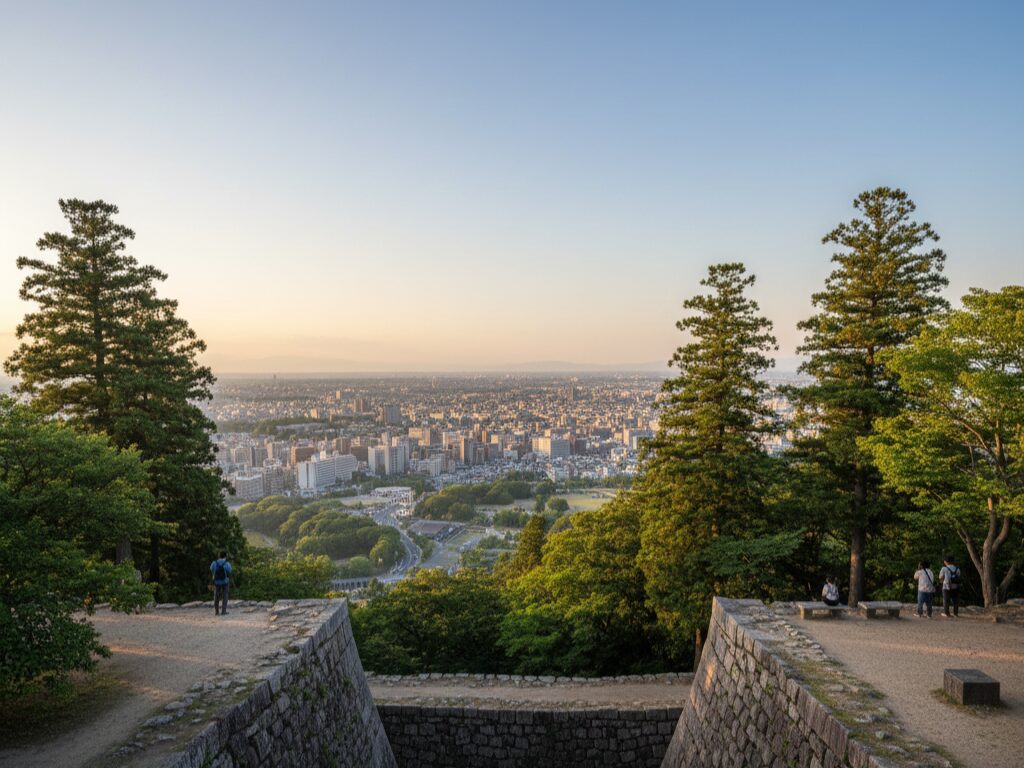
From the main overlook near the statue, you can enjoy a wide view of Sendai’s "City of Trees" skyline. The Hirose River winds below, and in the distance you may glimpse the Pacific Ocean. At night, the city lights create a gentle glow, making this a popular spot for couples and photographers.
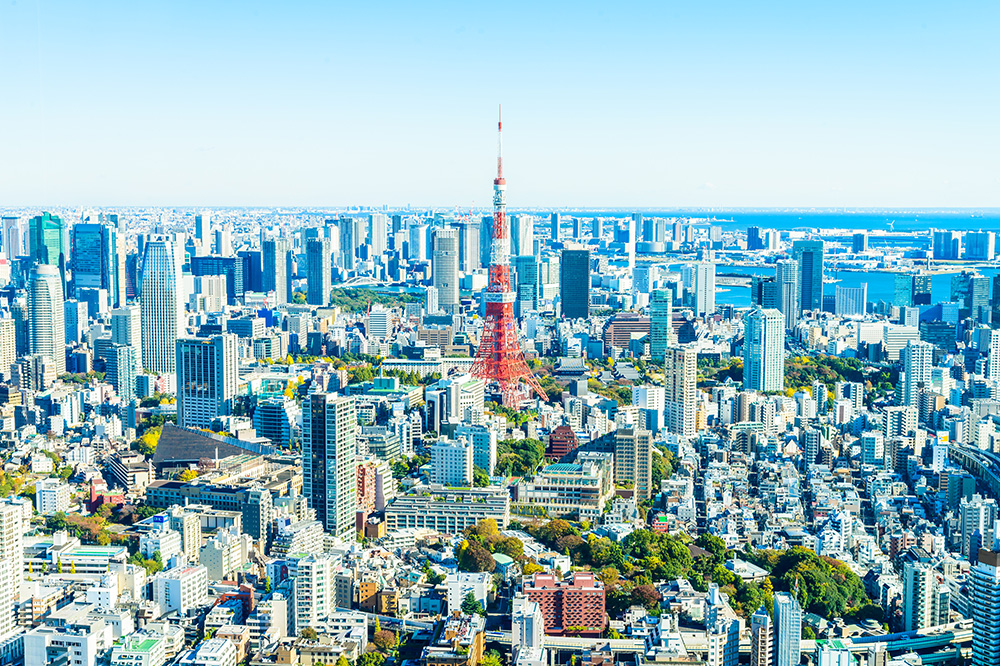
For first-time visitors to Japan, this view is a reminder that not every Japanese city is as dense and crowded as Tokyo. Sendai feels spacious and green, and the view from the castle ruins captures that character perfectly.
Stone Walls and Castle Foundations
While the keep is gone, the stone ramparts are still impressive. Broad, sloping walls dominate the main terrace, giving a sense of the castle’s strategic strength. Walking along these walls and around the remaining foundations, you can appreciate the engineering skills of Japan’s castle builders.
Look closely and you’ll often see small signs in English and Japanese explaining what once stood here: gates, watchtowers, and living quarters for high-ranking samurai. These subtle details help you reconstruct the original fortress in your imagination.
Sendai Castle Museum and Exhibits
Within the castle grounds, you will usually find a small information center or museum-style exhibition. Though modest in size, it can include models of the original castle, artifacts, and displays about Date Masamune and the development of Sendai as a castle town.
English explanations are often available, making this a useful stop to understand how the ruins fit into the broader story of the city. If you are new to Japanese history, take time to look at the castle model first. It gives valuable context before you walk around the site.
Gokoku Shrine and Spiritual Atmosphere
Within the castle area stands Sendai Gokoku Shrine, a Shinto shrine dedicated to those who died in wars. The quiet courtyard, stone lanterns, and torii gates offer a sharp contrast to the open viewing platform nearby.
This mix of castle ruins and shrine buildings is common in Japan, where historical and spiritual spaces often overlap. As you explore, remember to be respectful: avoid loud conversations near the shrine, and follow basic shrine etiquette such as bowing lightly at the torii gate and not taking photos where they are prohibited.
Practical Visitor Information
Location and Access
The Sendai Castle Ruins sit on Aoba Hill, just west of central Sendai in Miyagi Prefecture. From Sendai Station, you can reach the site in several ways:
- Loople Sendai Bus: This tourist-friendly loop bus departs regularly from Sendai Station and stops near the castle ruins. Announcements are in English and Japanese, and a one-day pass is available. This is the easiest option for first-time visitors.
- Local bus: Several city buses also serve the area. Look for routes heading toward the castle or Aobayama; station tourist information can help identify the right bus.
- Taxi: Taxis from Sendai Station will reach the castle ruins in around 15–20 minutes depending on traffic. This is convenient for groups or travelers with luggage.
- On foot: It is possible to walk, but be prepared for uphill sections. Walking from central Sendai can take 30–40 minutes or more.
Opening Hours and Admission
The castle ruins themselves are essentially a public park and can normally be visited at any time, including early morning and evening. However, any on-site museum exhibits, shops, or nearby facilities have set opening hours, typically during daytime.
Entrance to the open grounds is generally free. There may be a small fee for special exhibitions or certain indoor areas. It is wise to carry some cash, as smaller facilities may not accept credit cards.
Best Time to Visit
You can visit the Sendai Castle Ruins year-round, but each season offers a different atmosphere:
- Spring (March–May): Cherry blossoms bloom in late March to April. The contrast between pink petals and stone walls is especially photogenic.
- Summer (June–August): Lush greenery surrounds the ruins. Even in the heat, the hilltop setting often feels breezier than the city streets below.
- Autumn (October–November): Maple and ginkgo trees turn red and gold. Clear skies after the humid summer make for excellent long-distance views.
- Winter (December–February): Snow sometimes dusts the grounds, creating a quiet, minimalist beauty. Dress warmly; the hilltop can feel colder than central Sendai.
For photography, late afternoon to sunset is ideal. You can enjoy warm light on the stone walls and then stay for the city lights after dark.
How to Enjoy Your Visit
Suggested Walking Route
For first-time visitors, a simple route works well:
- Arrive at the upper bus stop or parking area on Aoba Hill.
- Walk to the main terrace with the statue of Date Masamune and enjoy the view.
- Circle the terrace, stopping at information boards, stone walls, and photo points.
- Visit the small museum or exhibition area to learn more about the castle’s layout and history.
- Walk over to Sendai Gokoku Shrine to experience the shrine atmosphere.
- Return to the bus stop, or continue a longer walk along forested paths on Aoba Hill if time allows.
Understanding Castle Culture
Even though the main tower no longer exists, visiting the ruins gives insight into Japanese castle culture. Castles were not just military strongholds; they were administrative centers, symbols of authority, and urban anchors. Towns like Sendai were designed around their castles, with roads, merchant districts, and temples radiating outward.
From the hilltop, look down at the modern city grid. Imagine wooden houses, samurai residences, and bustling markets filling the same space 400 years ago. This mental shift turns a simple viewpoint into a way of time-traveling back to the age of the samurai.
Tips for First-Time Visitors to Japan
Language and Signage
Sendai is used to hosting both domestic and international visitors. Around the castle ruins you will find:
- English signage on major boards and maps.
- Simple English spoken at tourist information desks in the city center.
- Clear bus route information, especially on the Loople Sendai bus.
Still, having key phrases in Japanese can be helpful. Knowing how to say "Thank you" (arigatou gozaimasu) or "Excuse me" (sumimasen) goes a long way in showing respect.
Respectful Behavior at Historical and Sacred Sites
At the Sendai Castle Ruins, you are free to take photos and relax, but remember basic considerations:
- Do not climb on stone walls or restricted areas.
- Keep noise levels low, especially near the shrine.
- Follow any posted rules about drone use, smoking, or littering.
At shrines within the grounds, avoid eating or drinking while walking, and be considerate when photographing people who are praying.
What to Bring
The castle grounds can be windy or sunny, and you will do a fair amount of walking. Useful items include:
- Comfortable shoes for uneven paths and slopes.
- Jacket or extra layer in cooler months or evenings.
- Water bottle, especially in summer; vending machines may be available but not everywhere on the hill.
- Camera or smartphone for the panoramic views.
Combining the Castle with a Day in Sendai
Sendai Castle Ruins work well as part of a larger day exploring the city. Consider pairing your visit with:
- A walk through central Jozenji-dori Avenue, known for its rows of zelkova trees.
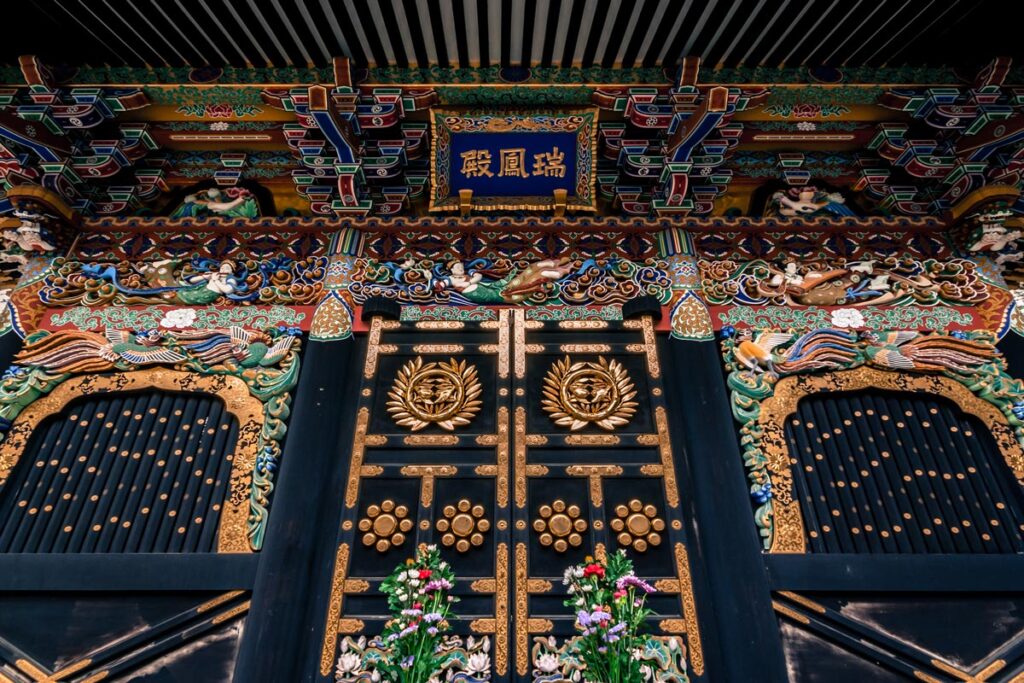
- A stop at Zuihoden Mausoleum, the ornate resting place of Date Masamune, set in peaceful forest.
- Trying local specialties such as gyutan (grilled beef tongue) or zunda mochi (sweet edamame paste on rice cakes) at restaurants near the station.
With convenient Shinkansen access from Tokyo, many international visitors make Sendai a day trip or an overnight stop on a northbound route. The castle ruins are a natural introduction to the city’s history and a memorable contrast to the urban energy of Tokyo or Osaka.
Final Thoughts
The Sendai Castle Ruins may not offer the classic image of a white castle keep rising over a moat, but they present something equally valuable: a broad, open-air stage where you can connect Japan’s past and present. From Date Masamune’s watchful statue to the modern skyline below, the site captures centuries of change in a single panoramic sweep.
For first-time travelers to Japan seeking an accessible taste of samurai heritage, scenic views, and local culture beyond the usual Golden Route, Sendai Castle Ruins are a rewarding stop that fits seamlessly into a broader Tohoku adventure.

Access Map
Recommended spots in Miyagi

Sendai Castle Ruins
Zuihoden Mausoleum
Matsushima Bay
Top destinations in Hokkaido & Tohoku
Hokkaido
Aomori
Iwate