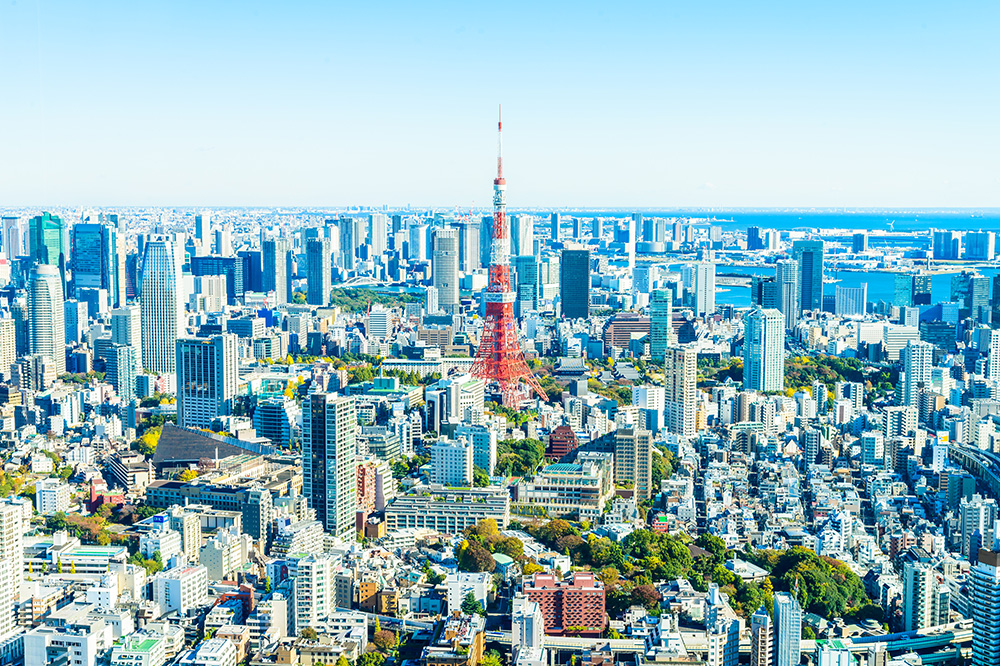
Shinjuku Gyoen is one of Tokyo’s most beautiful and accessible green spaces, a place where traditional Japanese aesthetics meet the modern skyline. For first-time visitors to Japan, it offers a gentle, unforgettable introduction to the country’s garden culture, seasonal beauty, and the slower side of life in one of the world’s busiest cities.
Why Visit Shinjuku Gyoen?
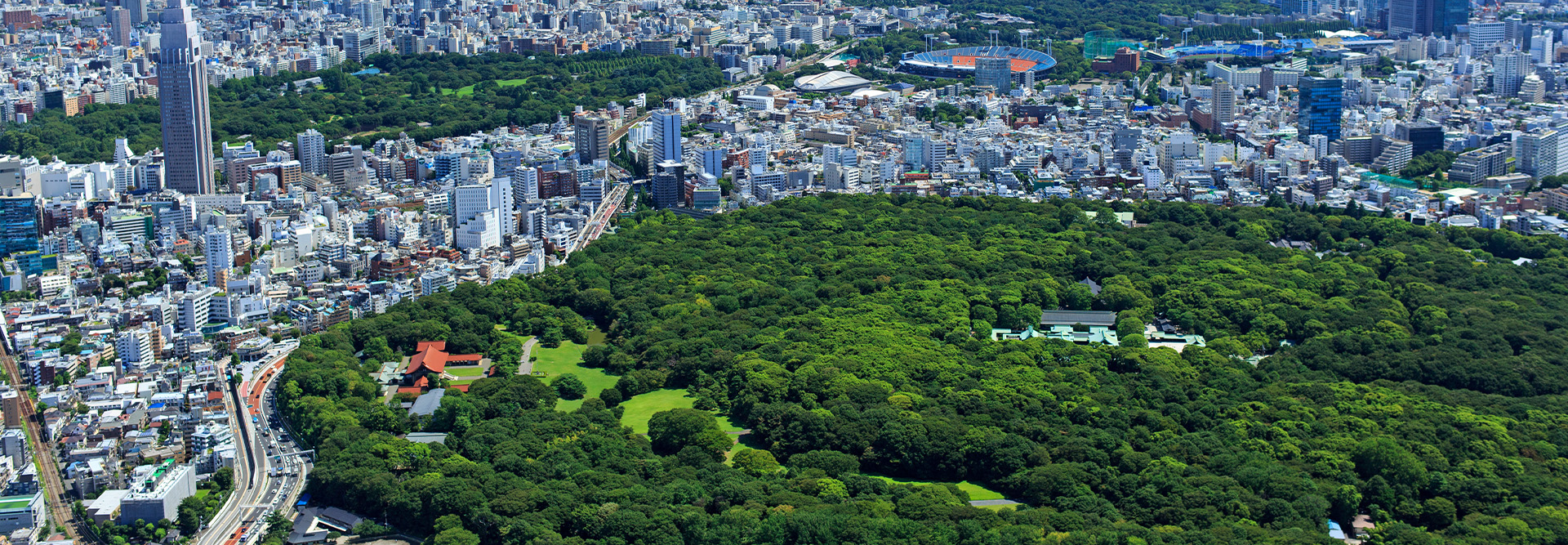
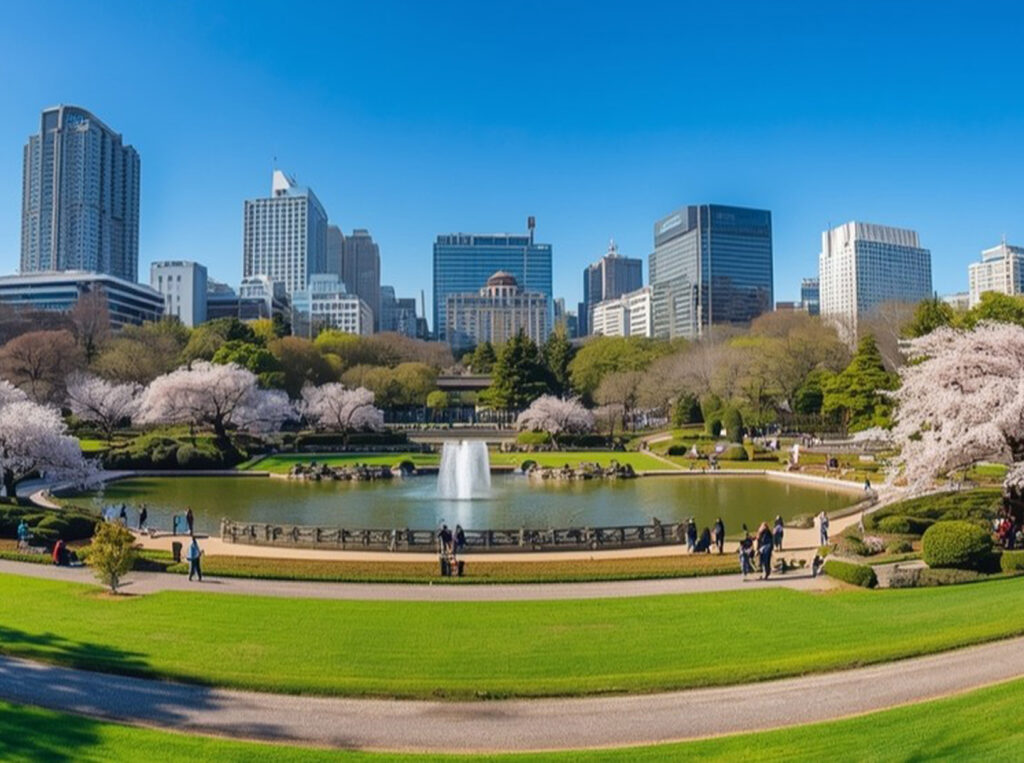
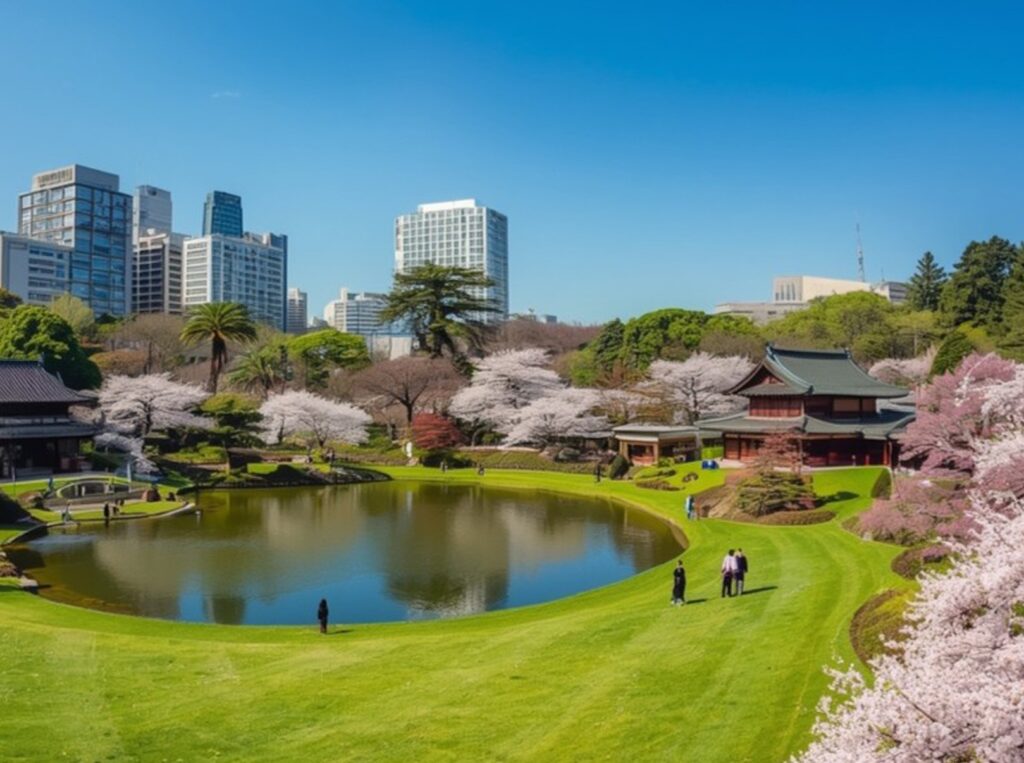
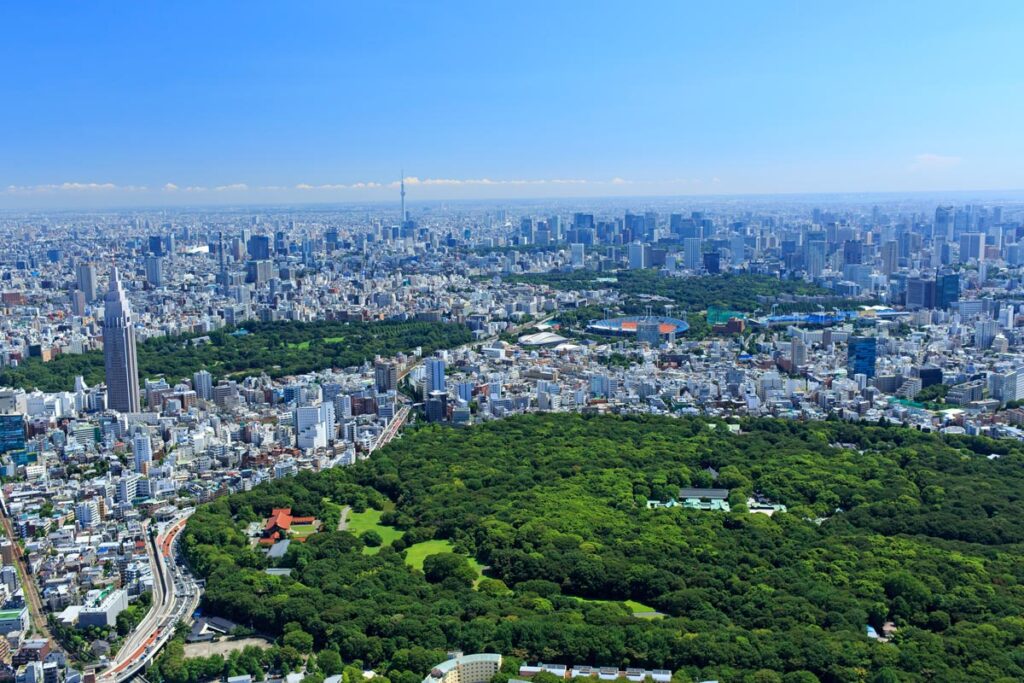
Located just a short walk from Shinjuku Station, one of Tokyo’s major transport hubs, Shinjuku Gyoen feels like a different world. A ring of high-rise buildings surrounds over 58 hectares of tranquil lawns, ponds, and walking paths. The contrast between nature and city is part of its charm: you can enjoy a quiet picnic beneath cherry trees while skyscrapers shimmer in the distance.
For international visitors, Shinjuku Gyoen is especially appealing because it is easy to navigate, has clear signage, and offers three distinct garden styles in one place: a traditional Japanese landscape garden, a formal French garden, and a spacious English-style lawn garden. You can experience different sides of Japanese history and design without leaving central Tokyo.
A Short History of Shinjuku Gyoen
The origins of Shinjuku Gyoen date back to the Edo period (1603–1868), when the land was owned by a feudal lord. During the Meiji era, it was transformed into an imperial garden used by the Japanese royal family for recreation and hosting guests. After World War II, it was opened to the public and gradually became one of Tokyo’s most beloved parks.
Knowing this background adds a layer of meaning to your visit. When you stroll past the ponds and wide lawns, you are walking through what was once a carefully guarded imperial landscape. The garden design reflects a time when Japan was opening to the world and blending foreign influences with long-held traditions—something you still see in modern Tokyo today.
Garden Highlights and Layout
Shinjuku Gyoen is laid out like a large loop, making it easy to explore at your own pace. The three main areas each offer a different atmosphere.
1. Traditional Japanese Garden
The Japanese garden is the heart of Shinjuku Gyoen and often the most memorable section for first-time visitors. Winding paths lead you around curving ponds, over stone bridges, and past small islands and pavilions. Carefully pruned pine trees, mossy stones, and seasonal flowers are arranged in a way that feels natural yet deeply intentional.
This style of garden reflects a key concept in Japanese aesthetics: capturing the essence of nature, rather than copying it exactly. Look for the following features as you walk:
- Central Ponds: Calm water reflects the trees and surrounding scenery, creating classic postcard views.
- Bridges and Islands: Symbolic elements that suggest a journey or passage, often used in traditional Japanese garden design.
- Teahouses: Simple wooden structures used for the tea ceremony, representing harmony, respect, purity, and tranquility.
Spend some time pausing at viewpoints and looking at how each scene is framed. This slow, observant way of walking is part of how Japanese gardens are meant to be enjoyed.
2. French Formal Garden
In contrast to the winding, asymmetrical Japanese garden, the French garden in Shinjuku Gyoen is laid out in straight lines with a strong sense of order and symmetry. Long, tree-lined paths and well-kept flowerbeds give this area a European atmosphere.
In spring and early summer, this is where you will often find colorful roses in bloom. The sight of classic French-style planting framed by Tokyo’s modern skyline is a reminder of how international influences have shaped the city.
3. English Landscape Garden
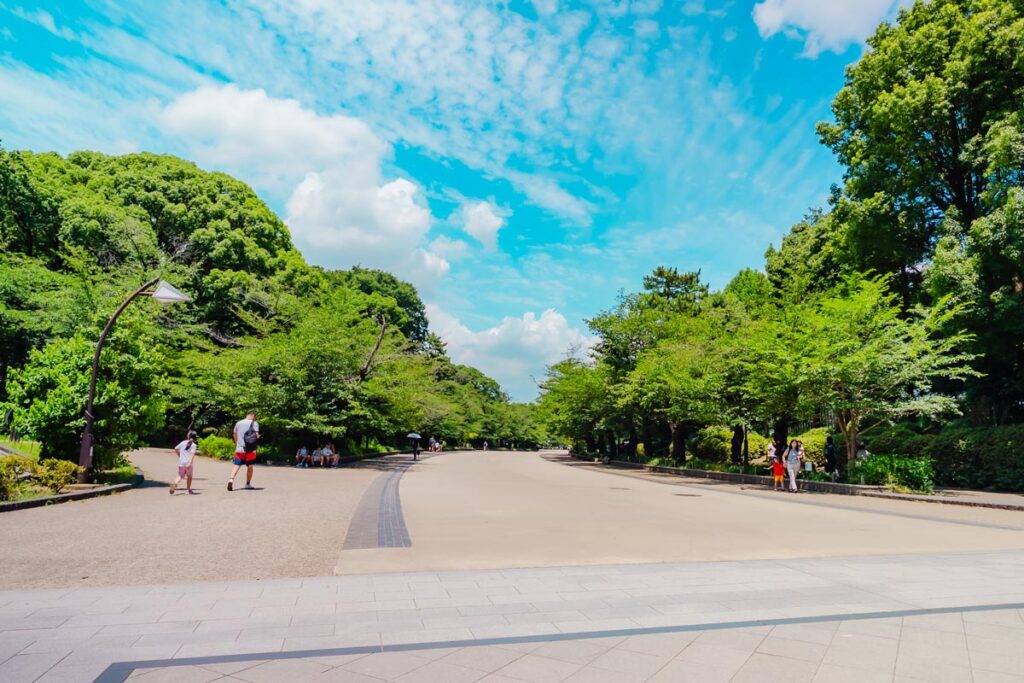
The English-style garden is a broad, open space of rolling lawn dotted with trees. It is ideal for slowing down, sitting under the shade, or simply lying on the grass and looking up at the sky—a rare luxury in dense urban Tokyo.
This section is particularly popular for relaxing, reading, and picnicking. Families, couples, and solo travelers spread out on picnic blankets, enjoying convenience store snacks or bento lunches. It is one of the easiest places for visitors to experience everyday Japanese leisure time alongside locals.
Seasonal Highlights: When to Visit
Shinjuku Gyoen is a true four-season garden. Each time of year offers a different atmosphere and set of colors.
Spring: Cherry Blossoms and Fresh Green
Spring is the most famous season at Shinjuku Gyoen. The garden is home to dozens of varieties of cherry trees, which means the blossom season here is often slightly longer than in other parts of the city. Early-blooming and late-blooming species create a rolling wave of pink and white.
During hanami (flower-viewing) season, the park fills with people enjoying picnics beneath the blossoms. If you visit during this time:
- Arrive earlier in the day to avoid the heaviest crowds.
- Bring a picnic mat or small blanket—sitting directly on the lawn is fine.
- Remember that alcohol is not allowed in Shinjuku Gyoen, unlike some other hanami spots. The atmosphere is calmer and more family-friendly.
Summer: Lush Green and Quiet Corners
Summer in Tokyo can be hot and humid, but Shinjuku Gyoen’s trees offer welcome shade. The garden becomes a deep, vivid green, and the ponds are alive with reflections and the sound of insects.
If you visit in summer, plan your walk for early morning or late afternoon when the heat is less intense. Use the park as a cooling break from sightseeing in the surrounding Shinjuku area.
Autumn: Maple Leaves and Golden Ginkgo
Autumn is another spectacular time to visit. Japanese maple trees turn shades of crimson and orange, while ginkgo trees blaze bright yellow. The combination of autumn colors, water, and traditional structures makes the Japanese garden area especially photogenic.
In Japanese culture, autumn foliage viewing, or koyo, is as cherished as cherry blossom viewing. Walking slowly through the garden and noticing the subtle differences in color from tree to tree is part of this seasonal appreciation.
Winter: Quiet Beauty and Clear Views
Winter is the quietest season, with fewer visitors and a calm, almost contemplative atmosphere. The trees are bare, but this allows clearer views of the garden’s structure and the surrounding city. On crisp, clear days, the contrast between the minimal landscape and the deep blue sky is striking.
If you value peaceful spaces and don’t mind cooler weather, winter can be a rewarding time to experience Shinjuku Gyoen without the crowds.
Tea Houses and Cultural Atmosphere
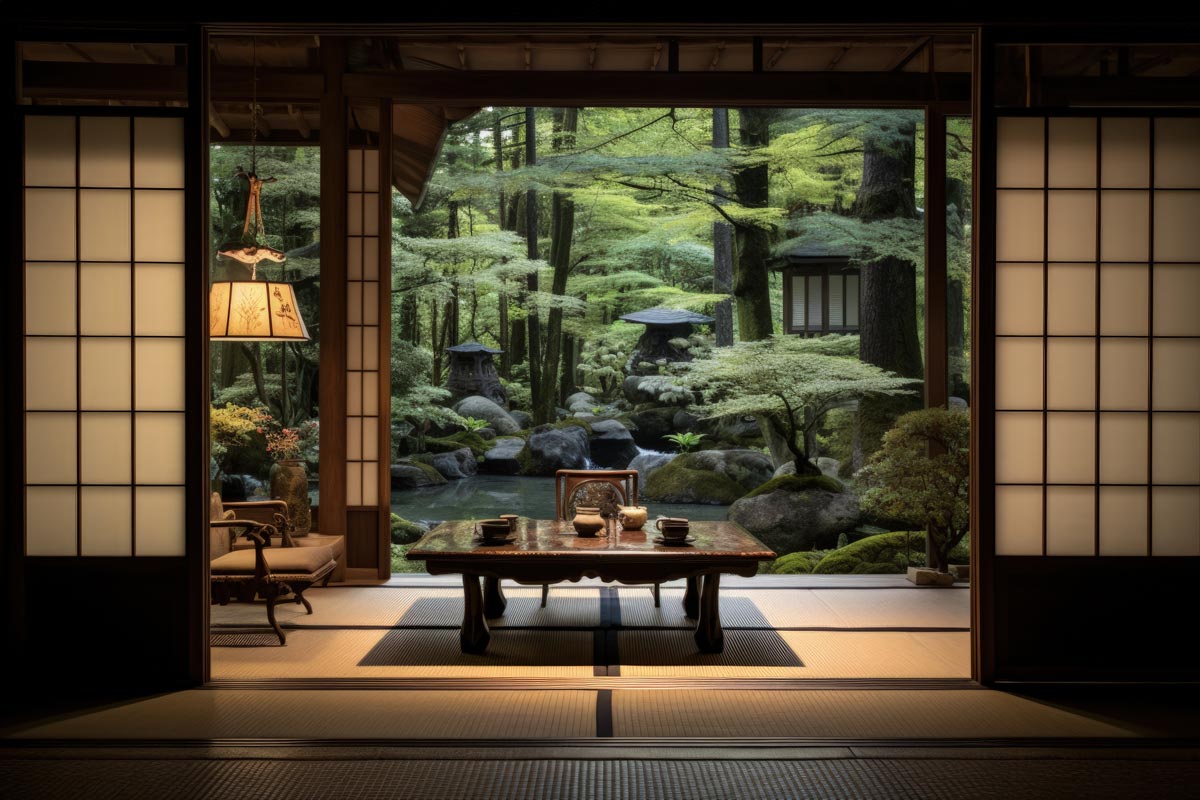
Scattered around the garden are several traditional teahouses. These simple wooden buildings are designed for the Japanese tea ceremony, an art form that emphasizes mindfulness, hospitality, and appreciation of subtle beauty.
Even if you do not participate in a formal tea ceremony, you can enjoy the teahouses from the outside. Notice the use of natural materials like wood and paper, the modest scale of the buildings, and how they are positioned to frame specific views of the garden. They embody the Japanese idea that architecture should harmonize with its surroundings.
When you pass other visitors, you may notice how quietly most people speak and how gently they move through the space. Parks and gardens like Shinjuku Gyoen are seen as shared refuges; keeping voices low and walking softly is a way of showing respect for others’ relaxation.
Practical Visitor Information
Location and Access
Shinjuku Gyoen has multiple entrances, but the most convenient for many travelers is the Shinjuku Gate, about a 10–15 minute walk from JR Shinjuku Station. The garden is also accessible from other nearby stations, including Shinjukugyoen-mae on the Tokyo Metro.
Because it is so centrally located, you can easily combine a visit with shopping, dining, or nightlife in the surrounding Shinjuku district.
Opening Hours and Admission
Shinjuku Gyoen generally opens in the morning and closes in the late afternoon, with final entry well before closing time. Hours and closing days can vary by season, so it is wise to check the latest details before you go.
An admission fee is required, which helps maintain the gardens and facilities. Tickets are inexpensive by international standards and can often be purchased from vending machines at the gates. Children and students may receive discounts.
Facilities and Services
The park is well-equipped for visitors:
- Restrooms: Modern, clean facilities are located in several areas.
- Benches and Rest Areas: Plentiful seating allows you to rest between walks.
- Information Boards and Maps: Multilingual signage helps with navigation and explains key points of interest.
- Cafés and Shops: Some areas offer light refreshments, drinks, and souvenirs.
The paths are generally well-paved and suitable for strollers and wheelchairs, making Shinjuku Gyoen accessible for a wide range of visitors.
Etiquette and Tips for First-Time Visitors
Understanding a few basic customs will help you enjoy Shinjuku Gyoen like a local and show consideration for others.
- Stay on Paths and Lawns: Avoid stepping into flowerbeds or off-limits areas. The landscaping is carefully maintained.
- No Alcohol: Unlike some other parks, alcohol is generally not permitted, even during cherry blossom season. This keeps the atmosphere peaceful and family-friendly.
- Keep Noise Low: Speak softly, especially near teahouses and quiet corners. Many people visit to relax, read, or reflect.
- Take Your Rubbish With You: Trash cans can be limited in Japan. It is common practice to carry your rubbish out of the park.
- Photography: Photos are welcome, but avoid blocking paths or disturbing others while setting up shots.
Following these simple guidelines will help preserve the calm atmosphere that makes Shinjuku Gyoen special.
How to Enjoy Shinjuku Gyoen: Sample Visit Ideas
A Short One-Hour Stroll
If your time is limited, enter from the Shinjuku Gate and walk a simple loop: pass through the English lawn area, continue toward the Japanese garden and central ponds, and then return via the French garden. This route offers a quick introduction to all three garden styles.
A Half-Day Slow Visit
For a more relaxed experience, allow two to three hours. Bring a small picnic, walk slowly around the ponds, sit under a tree on the lawn, and take time to watch the reflections on the water. Look for seasonal flowers, listen for birds, and spend a moment simply observing how locals use the space.
Ending your visit in late afternoon is especially pleasant, as the light softens and the city around you begins to transition from daytime bustle to evening energy.
Combining Shinjuku Gyoen with Nearby Attractions
Shinjuku is one of Tokyo’s most dynamic districts, and Shinjuku Gyoen can be the calm centerpiece of a full day of exploration. After your time in the garden, you might:
- Explore department stores and electronics shops around JR Shinjuku Station.
- Visit observation decks in nearby office towers for bird’s eye views of the city.
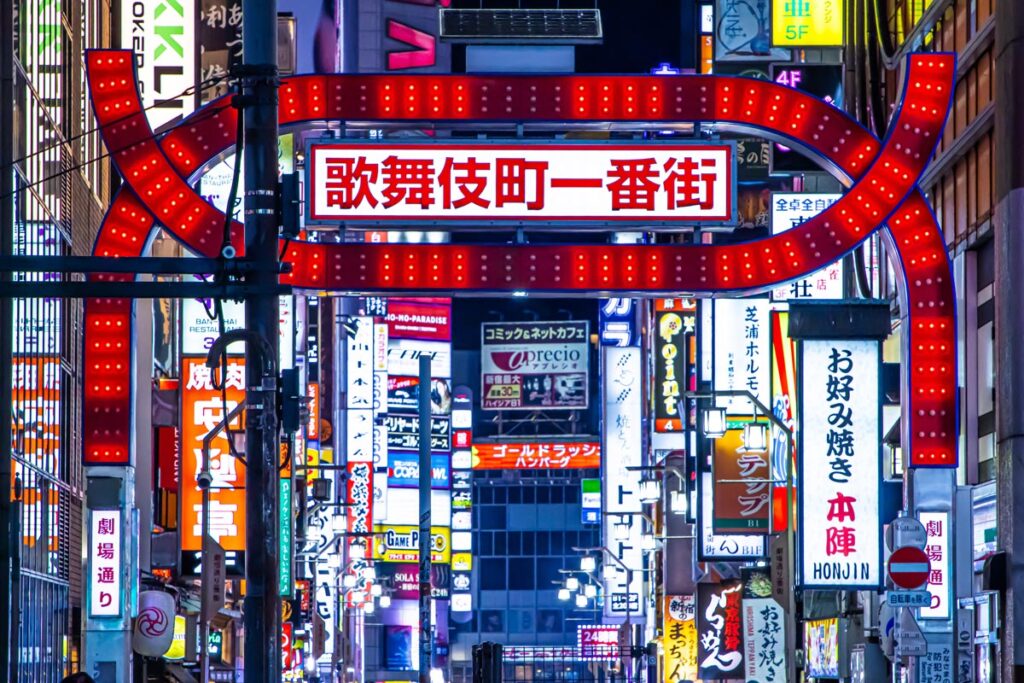
- Sample Tokyo’s nightlife and food scene in nearby entertainment areas, returning to the energy of the city after your peaceful garden escape.
This balance between calm and excitement is part of what makes Tokyo so compelling for first-time visitors, and Shinjuku Gyoen is one of the best places to experience the quieter side of the city without straying far from the action.
Final Thoughts
Shinjuku Gyoen is more than just a park; it is a living example of how Japan weaves nature, history, and modern life together. Whether you visit for an hour or an afternoon, you will find scenes that reflect the country’s deep respect for the seasons and its love of carefully crafted spaces.
For anyone visiting Japan for the first time, adding Shinjuku Gyoen to your Tokyo itinerary is a simple way to experience traditional beauty, local daily life, and a rare sense of calm in the heart of the city.